12 Hour Offshore Trolling Trip
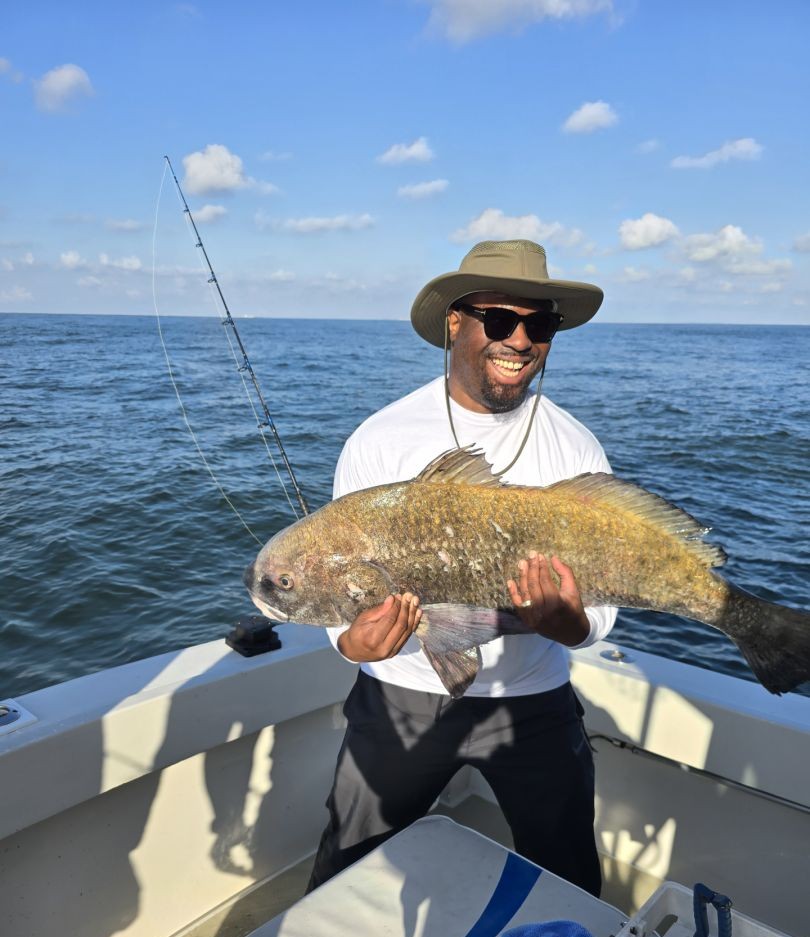
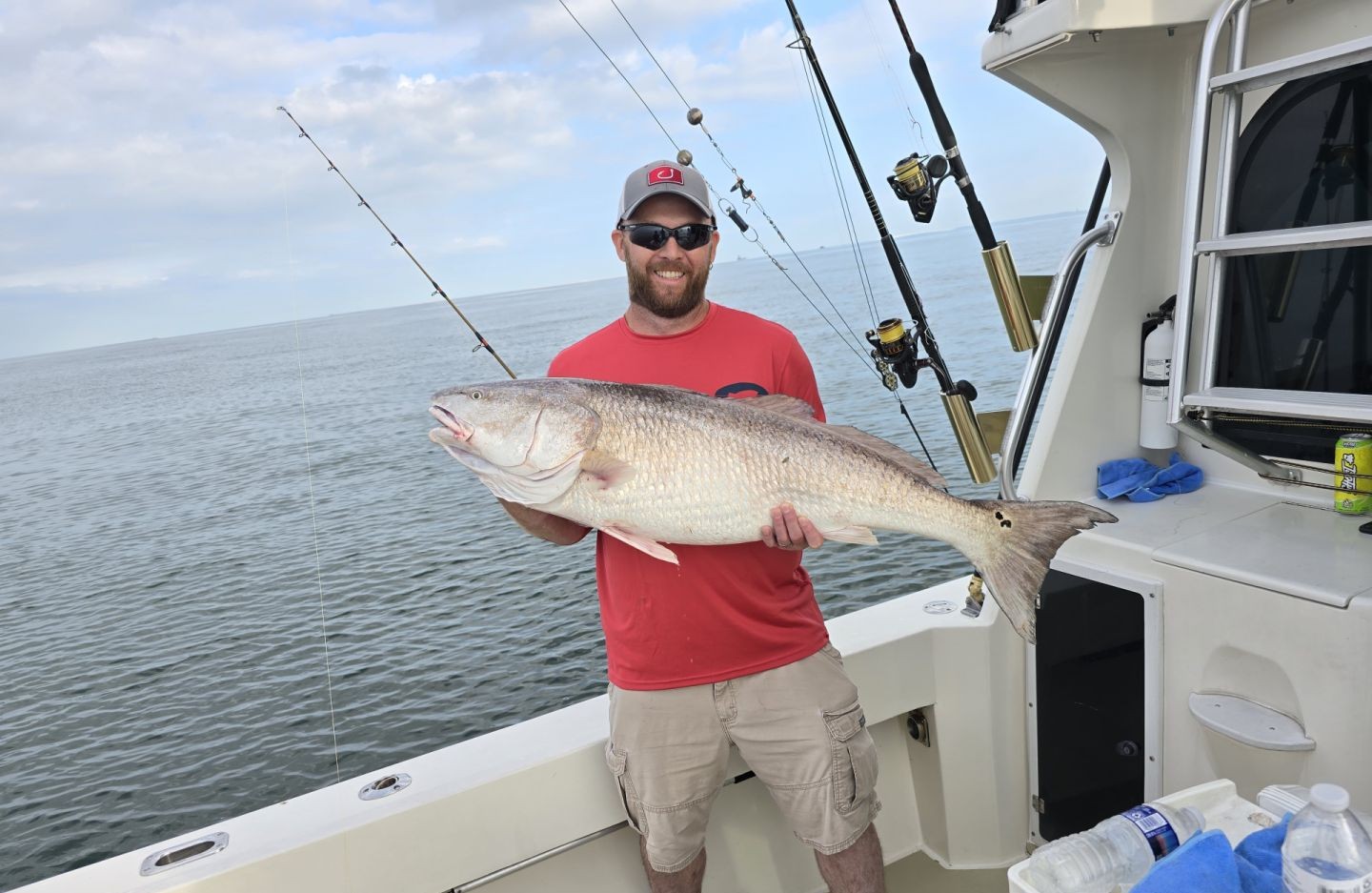
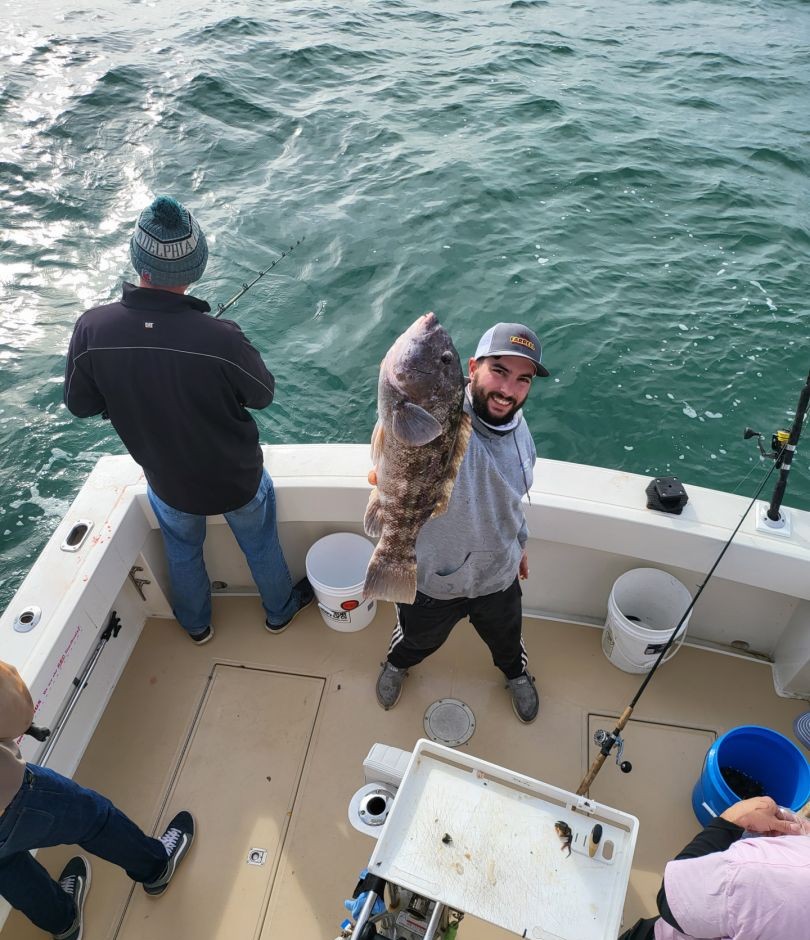
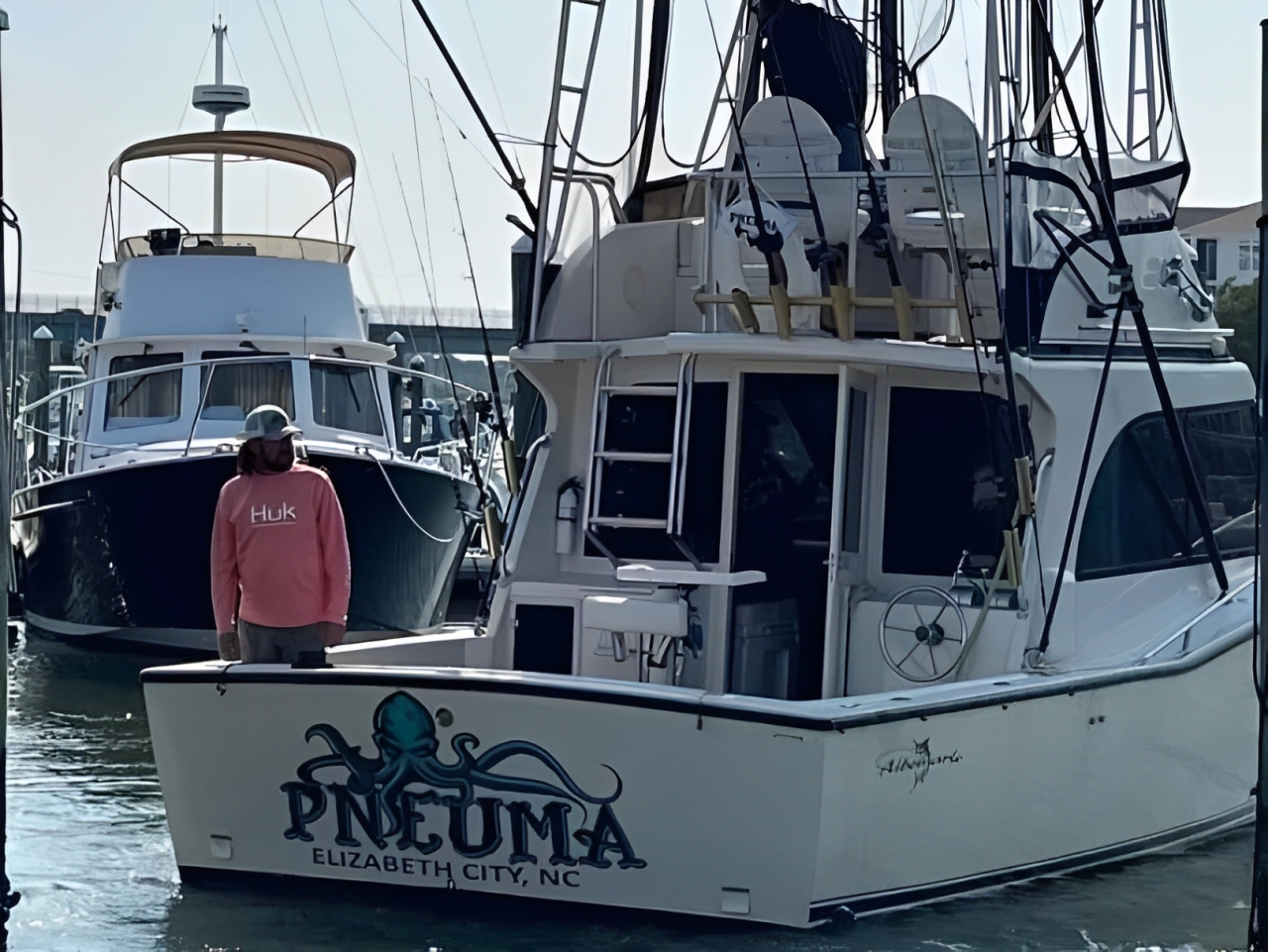
Ready to test your skills against the ocean's apex predators? This isn't your typical half-day fishing trip. We're talking about a serious 12-hour offshore adventure that takes you up to 70 miles from shore, where the water runs deep blue and the fish grow to legendary sizes. Captain Shelton's 32' Albemarle is built for the long haul, equipped with tournament-grade trolling gear and everything you need to battle tuna, marlin, and other pelagic giants. This is where weekend warriors become offshore legends, and every strike could be the fish of a lifetime.
What to Expect on the Water
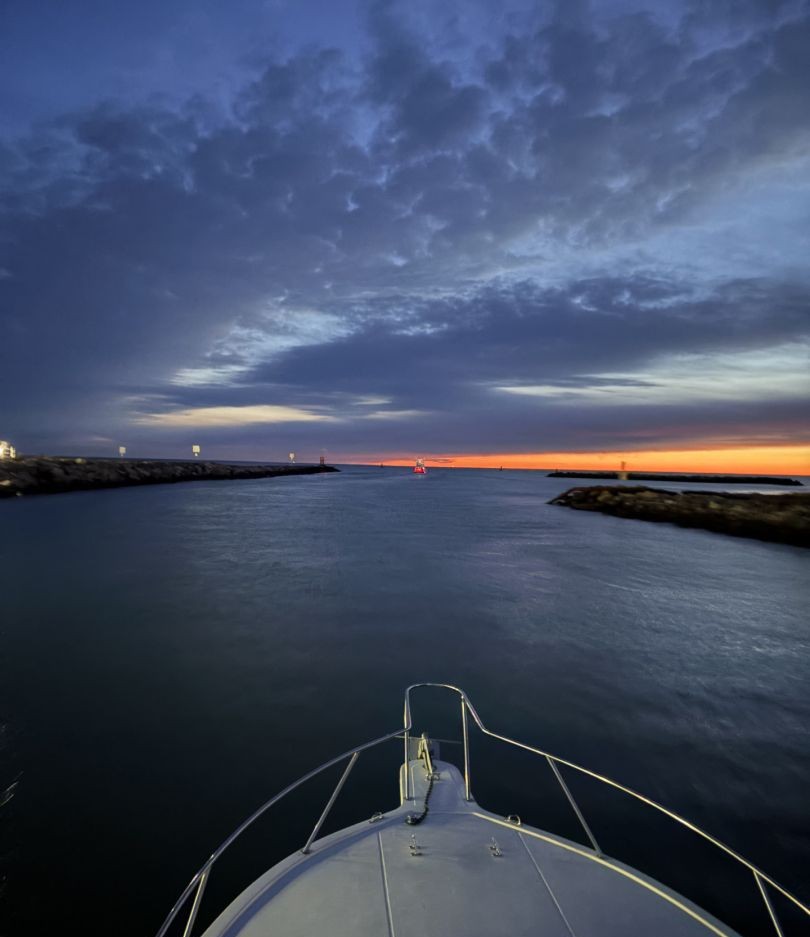
You'll start before dawn – and I mean early. The best offshore fishing happens when you're first on the grounds, so expect a 4:30 or 5:00 AM departure depending on the season and target species. The run out to the fishing grounds is part of the experience itself. As we cruise through the dark water, you'll watch the sunrise paint the horizon while we head toward the deep water drop-offs and underwater canyons where big game fish hunt. The 32' Albemarle cuts through the swells like butter, and with a private head onboard, you'll stay comfortable during the long day ahead. Our first mate knows these waters like his backyard and will have the spread ready before we hit the fishing grounds. Bring your own food and drinks – coolers with ice are provided – because once we start hooking up, you won't want to stop for anything. The boat handles six anglers comfortably, so whether you're bringing your fishing buddies or introducing family members to offshore fishing, there's plenty of room to fight fish without getting tangled up.
Trolling Setup & Techniques
We run a full spread of high-speed trolling lures designed to trigger strikes from pelagic predators. The boat's outfitted with top-tier Penn and Shimano reels spooled with heavy braid, plus a selection of cedar plugs, diving plugs, and ballyhoo rigs that have proven themselves in these waters. We'll adjust our trolling speed based on conditions and target species – slower for tuna when they're finicky, faster when we're hunting wahoo or targeting aggressive mahi schools. The captain reads the water constantly, watching for temperature breaks, color changes, weed lines, and bird activity that signal feeding fish below. When we mark fish on the sonar or spot diving birds, we'll circle back and work the area thoroughly. Don't worry if you've never fought a big offshore fish before – our mate will coach you through the fight, help with the harness if needed, and make sure you land your fish safely. The key to offshore trolling is patience mixed with explosive action. You might troll for hours without a bite, then suddenly have three lines screaming at once.
Species You'll Want to Hook
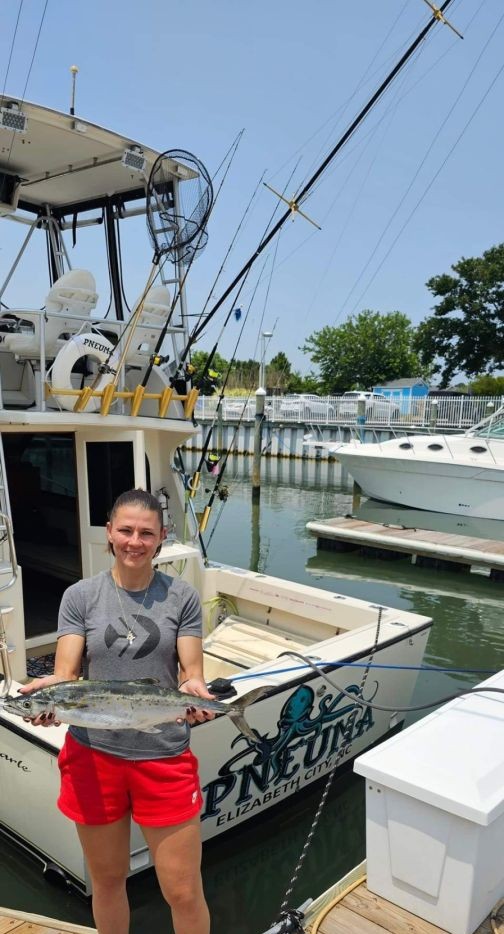
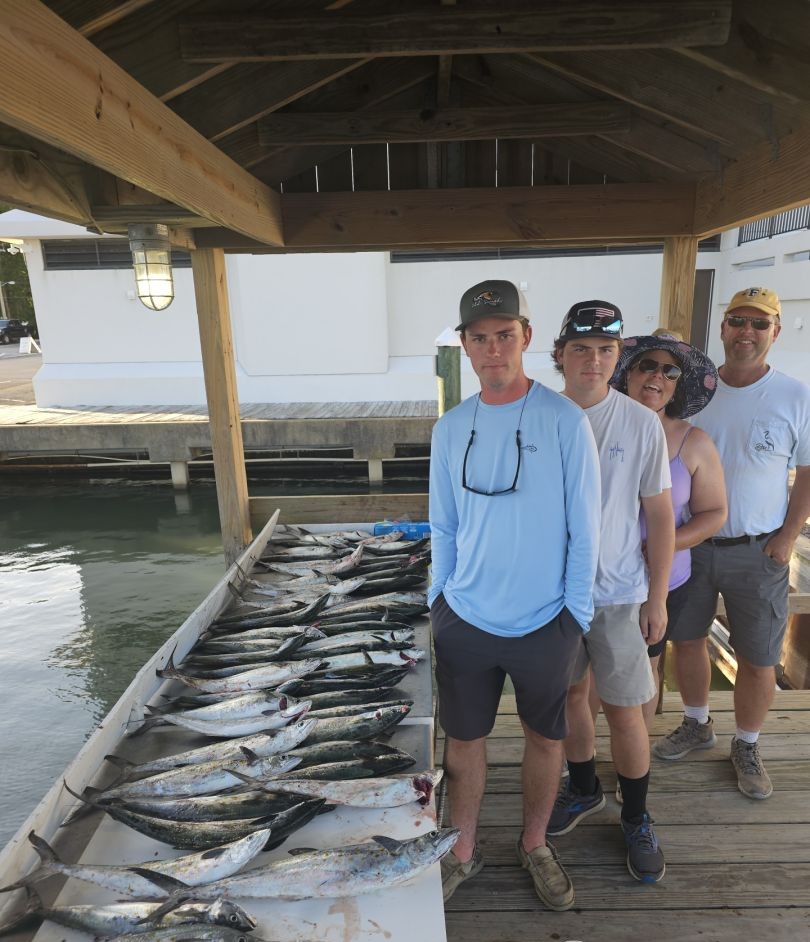
King Mackerel are speed demons that'll test your reflexes and your drag system. These silver bullets typically run 15-40 pounds in our waters, with the occasional smoker pushing 50 pounds or better. Kings are most active during the cooler months and early morning hours, often found around structure and temperature breaks. When a king hits your trolled bait, it's like getting hit by lightning – they'll strip line off your reel in seconds and jump clear out of the water. The fight is fast and furious, making them a favorite among anglers who love that initial heart-stopping strike.
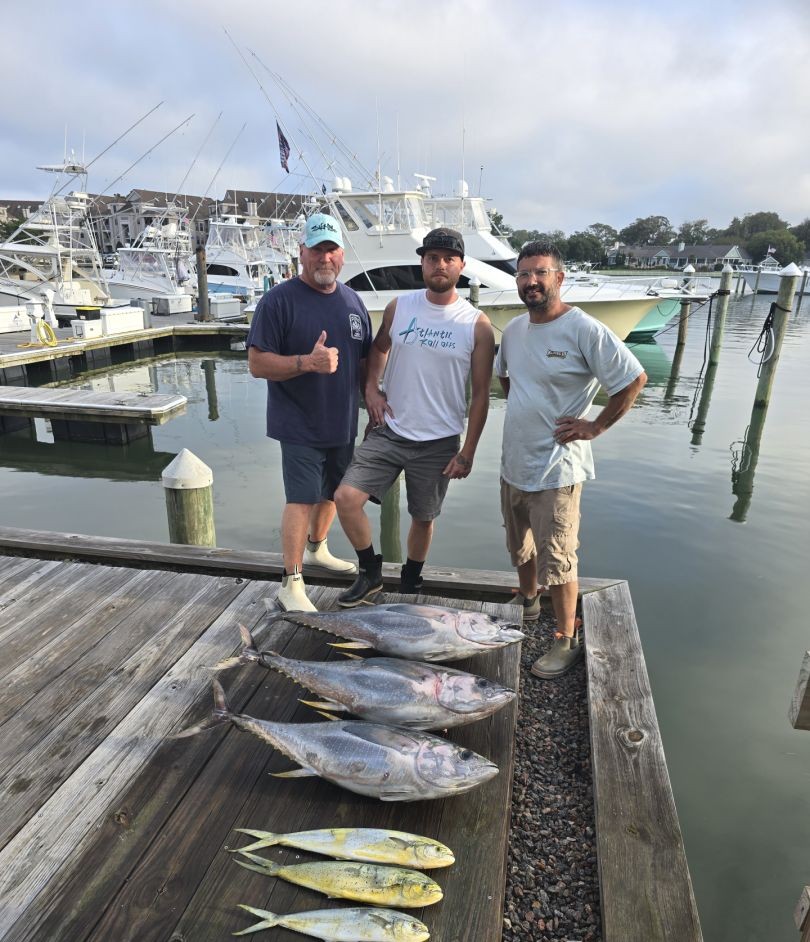
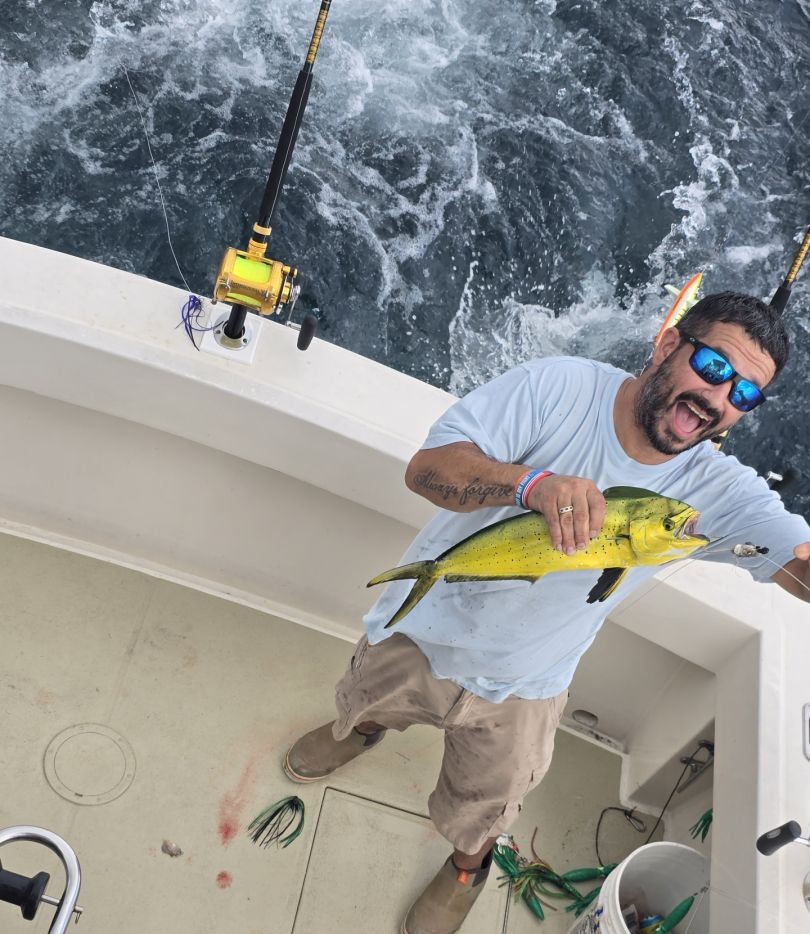
Mahi Mahi bring the color and acrobatics that make offshore fishing so addictive. These golden beauties average 10-25 pounds, though bull dolphins can push 40 pounds and provide an arm-burning fight. Mahi are curious fish that travel in schools, so when you hook one, there are usually more underneath. They love floating debris, weed lines, and warm water, making them perfect targets during our summer and fall trips. Watching a mahi leap and twist in the air while showing off those electric blues and greens never gets old, and they're absolutely delicious on the dinner table.
Wahoo are the speed freaks of the offshore world, capable of hitting 60+ mph when they strike your bait. These torpedo-shaped predators typically run 20-50 pounds and are armed with razor-sharp teeth that'll slice through light leader in a heartbeat. Wahoo prefer cooler water and are most common during winter months around underwater structure and drop-offs. Their initial run is absolutely blistering, and they'll test every component of your tackle. The meat is white, flaky, and considered by many to be the best-eating fish in the ocean.
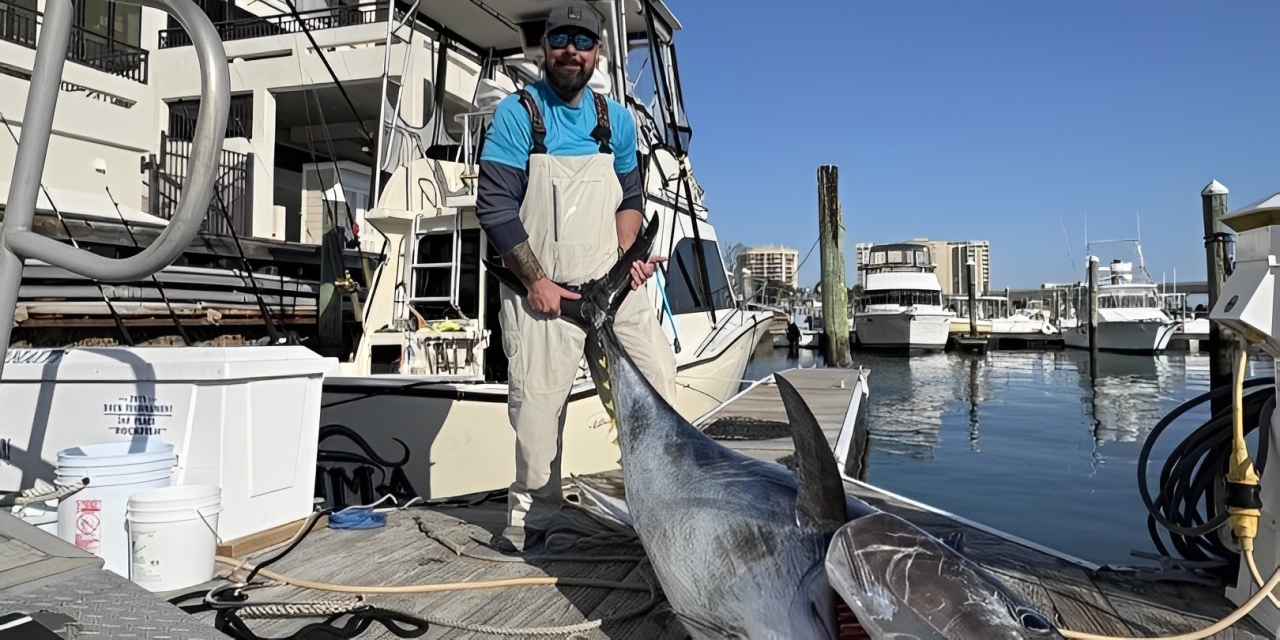
Yellowfin Tuna are the marathon runners of the deep, combining size, strength, and endurance in one package. These fish commonly reach 40-80 pounds in our offshore waters, with the potential for much larger specimens. Yellowfins are most active during warmer months and prefer deep, clear blue water. When you hook a yellowfin, prepare for a long, grinding fight. They dive deep and use their broad tails to fight you every inch of the way back to the surface. The meat is sushi-grade when handled properly, making them as valuable as they are challenging to catch.
Bluefin Tuna are the holy grail of offshore fishing – massive, powerful, and incredibly valuable. These fish can exceed 100 pounds and provide fights measured in hours rather than minutes. Bluefins prefer cooler water and are most common during winter and spring months. They're incredibly smart and can be extremely difficult to hook, making every bluefin landed a true achievement. The meat commands premium prices at the dock, and the fight itself is something you'll remember for the rest of your fishing career.
Time to Book Your Spot
This 12-hour offshore adventure isn't for everyone – it's designed for serious anglers who want to chase trophy fish in deep water. You'll come back tired, sunburned, and probably a little sore, but with stories that'll
 Private Trip
 Offshore Fishing
 undefined, undefined


 12-hour private charter targets tuna, marlin, and wahoo offshore