Fishing Frenzy: Lake of the Ozarks Adventure
Looking for some serious action on one of Missouri's hottest fishing spots? Our Lake of the Ozarks fishing charter is where you'll find bass that fight like they mean it and crappie that'll fill your cooler. This isn't your typical pond fishing – we're talking about a massive 54,000-acre playground packed with structure, drop-offs, and honey holes that most folks never even know exist. Whether you're bringing your buddy for a guys' trip or teaching someone the ropes, our 4-6 hour guided trips are designed to put you on fish while showing you why Lake of the Ozarks has earned its reputation as one of the Midwest's premier bass destinations.
What to Expect on the Water
When you step aboard with Show Me Fish Guide Service, you're getting more than just a boat ride – you're tapping into years of local knowledge that can't be bought in any tackle shop. We'll start early when the fish are most active, usually around dawn when the lake's glass-calm surface is broken only by feeding bass chasing shad in the shallows. The beauty of Lake of the Ozarks lies in its diversity – one minute we're working rocky points where smallmouth hang out, the next we're sliding into protected coves where largemouth bass ambush prey around fallen timber. With over 1,150 miles of shoreline, this lake offers endless opportunities, but knowing where to look makes all the difference. Our guides read the water like a favorite book, understanding how seasonal patterns, weather changes, and time of day affect fish behavior. You'll learn to spot productive water, understand why certain lures work in specific situations, and pick up techniques that'll make you a better angler long after you've left Missouri.
Techniques & Tackle Setup
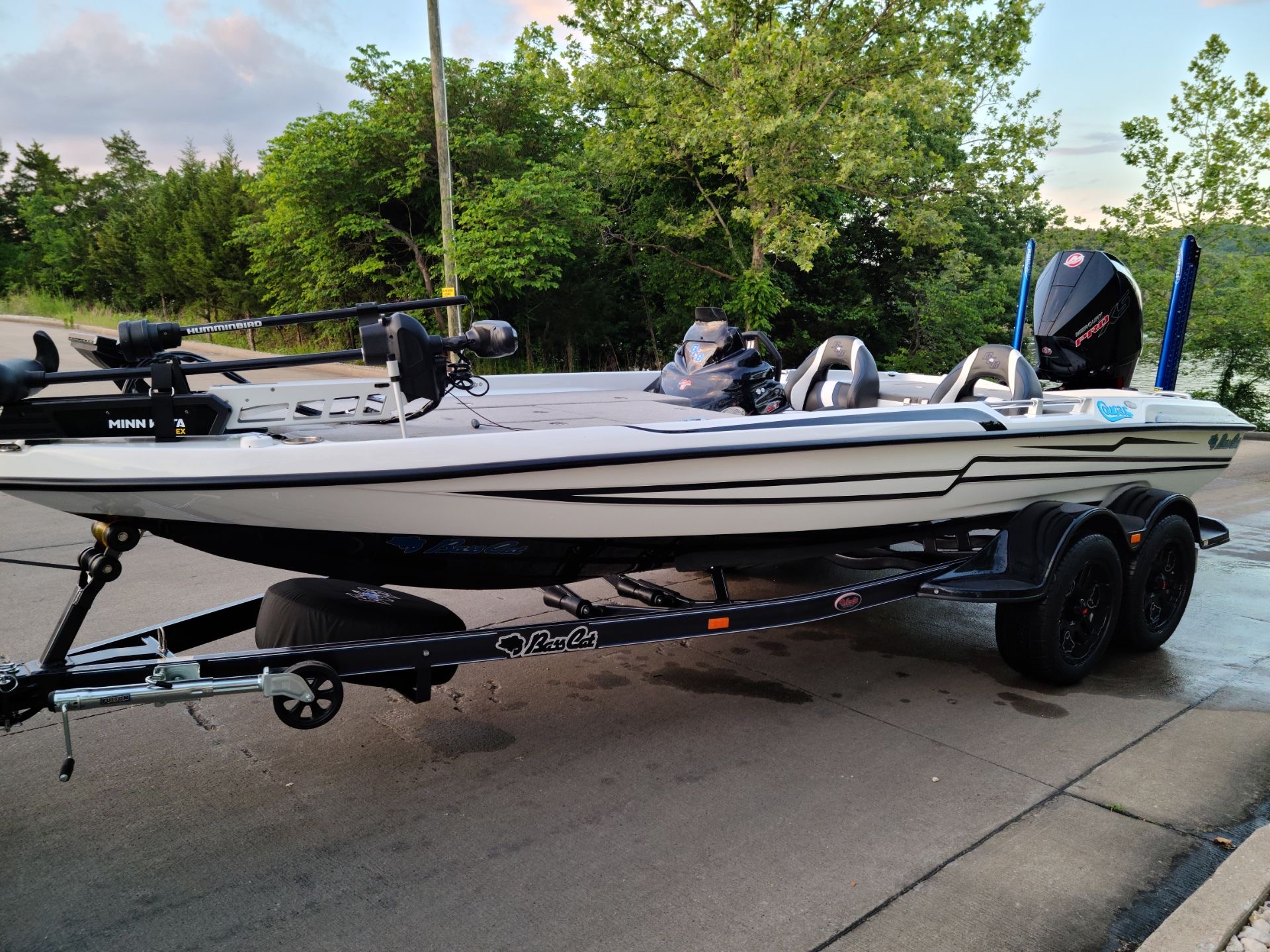
Lake of the Ozarks fishing requires a versatile approach, and we've got the gear and know-how to match any condition. During spring and fall, we'll focus on transition areas where bass move between deep and shallow water – that's when we break out the crankbaits and spinnerbaits to cover water quickly. Summer fishing means going deeper, working drop-offs and ledges with Carolina rigs and deep-diving plugs while targeting suspended fish with live bait. For crappie, we'll set up with light tackle and jigs, working brush piles and standing timber that holds schools of hungry slabs. The lake's clear water means we often downsize our line and use more natural presentations, especially when targeting pressured fish around popular areas. We provide all the rods, reels, and tackle you'll need, but feel free to bring your favorite setup if you've got one. Our boat is equipped with quality electronics to locate fish and structure, plus we've got a livewell system to keep your catch fresh. The key to success here is adapting to what the fish want on any given day – sometimes they want it fast and aggressive, other times you need to slow down and finesse them.
Species You'll Want to Hook
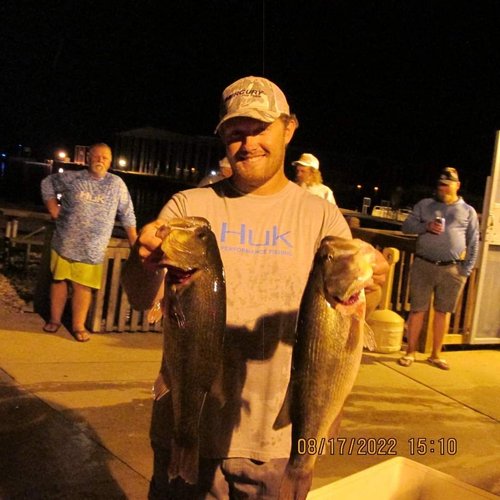
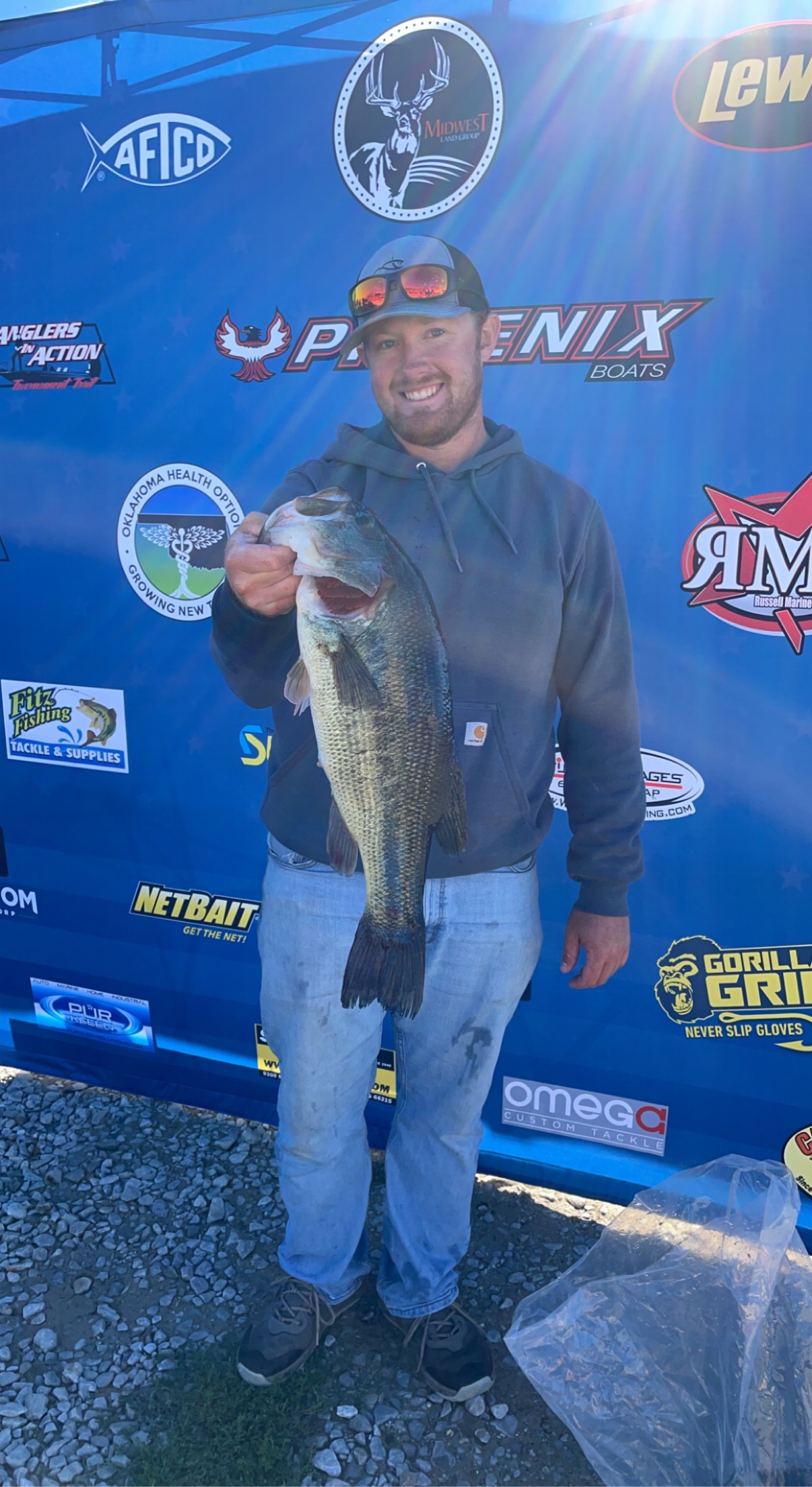
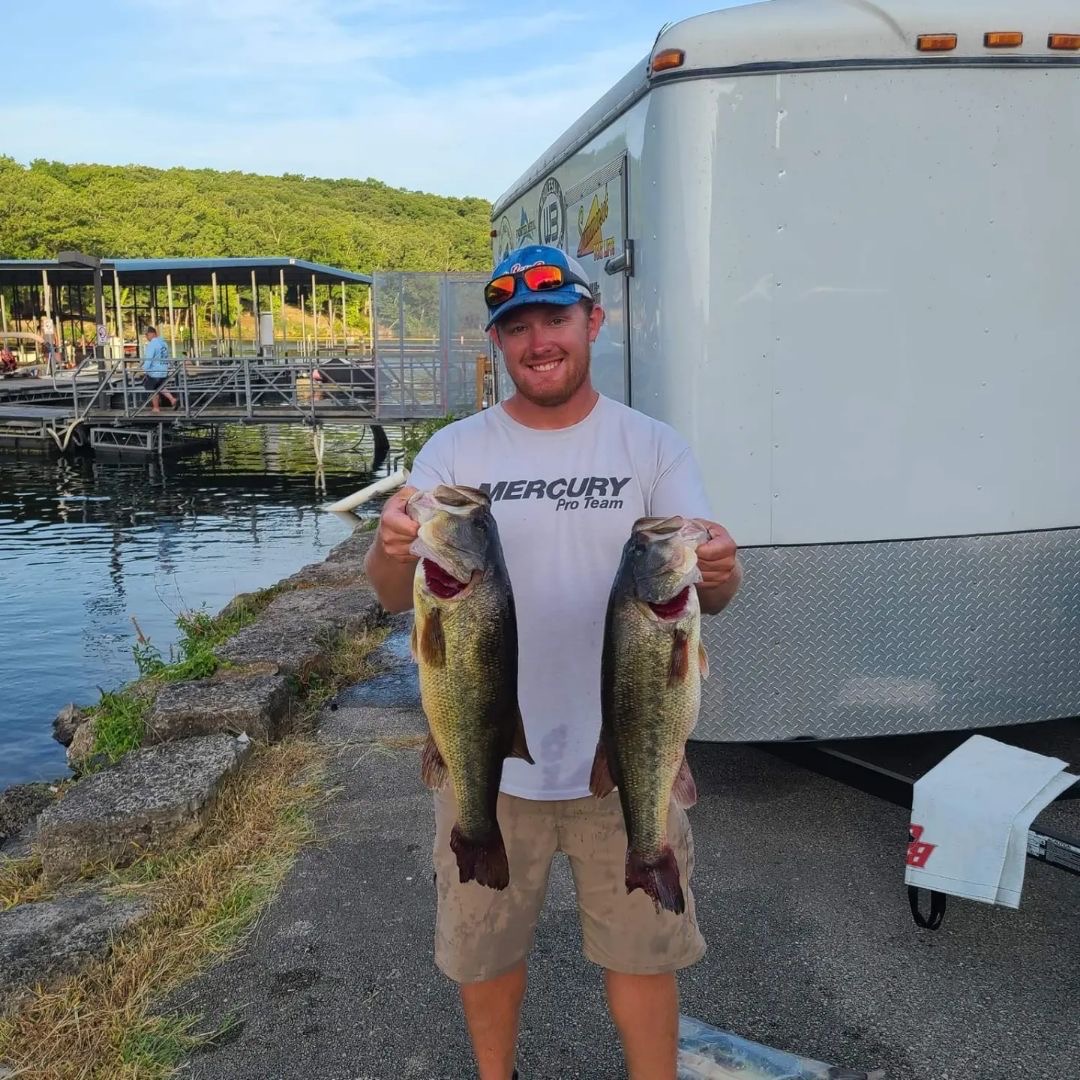
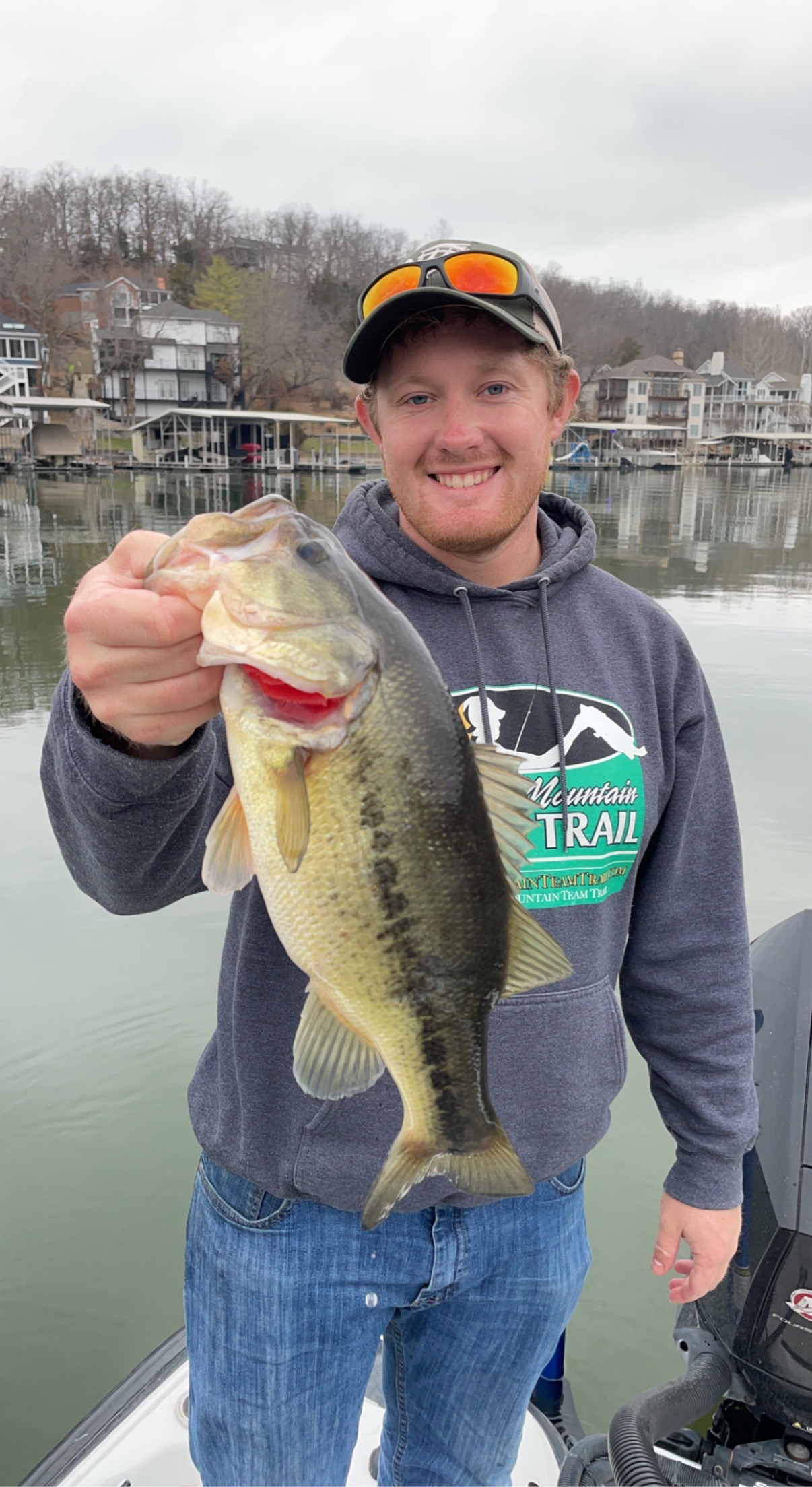
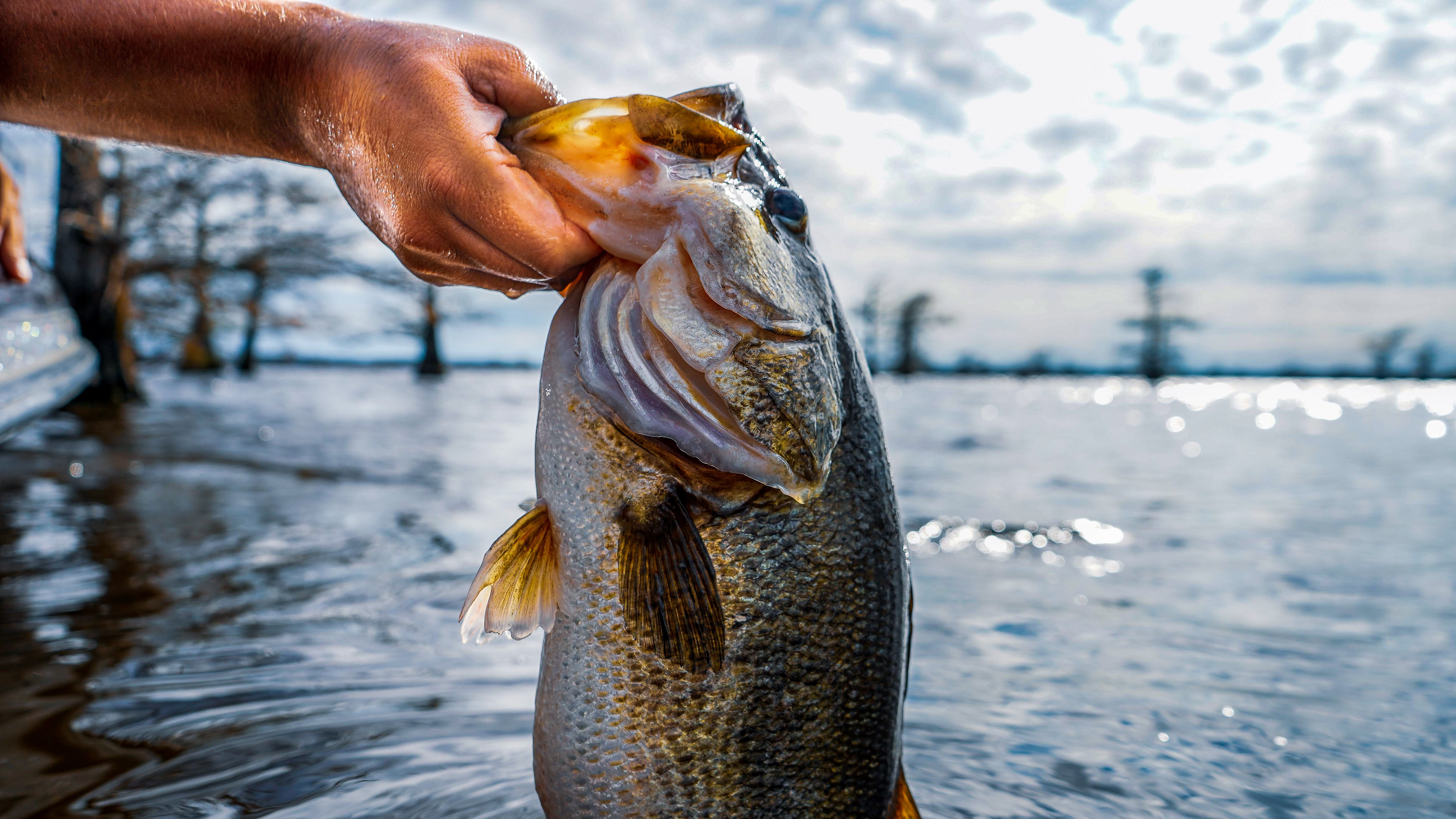
Largemouth Bass are the lake's crown jewel, and these Missouri bass have attitude to spare. Spring brings some of the best action when they move shallow to spawn, with fish in the 3-6 pound range being common and bigger ones always possible. They love the lake's extensive timber and rocky structure, often relating to points, creek channels, and brushy cover. What makes catching them here special is their fighting spirit – Lake of the Ozarks bass are known for their aggressive strikes and aerial displays. Fall fishing can be absolutely electric when they're chasing shad in the backs of coves, creating surface action that'll get your heart pumping.
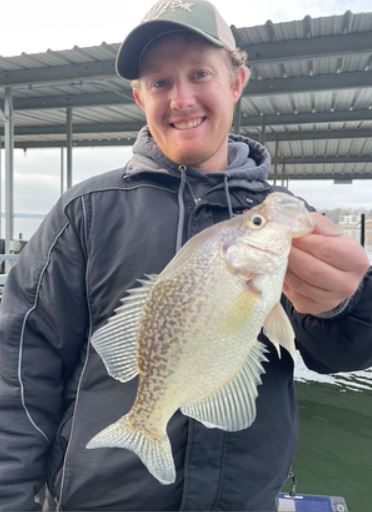
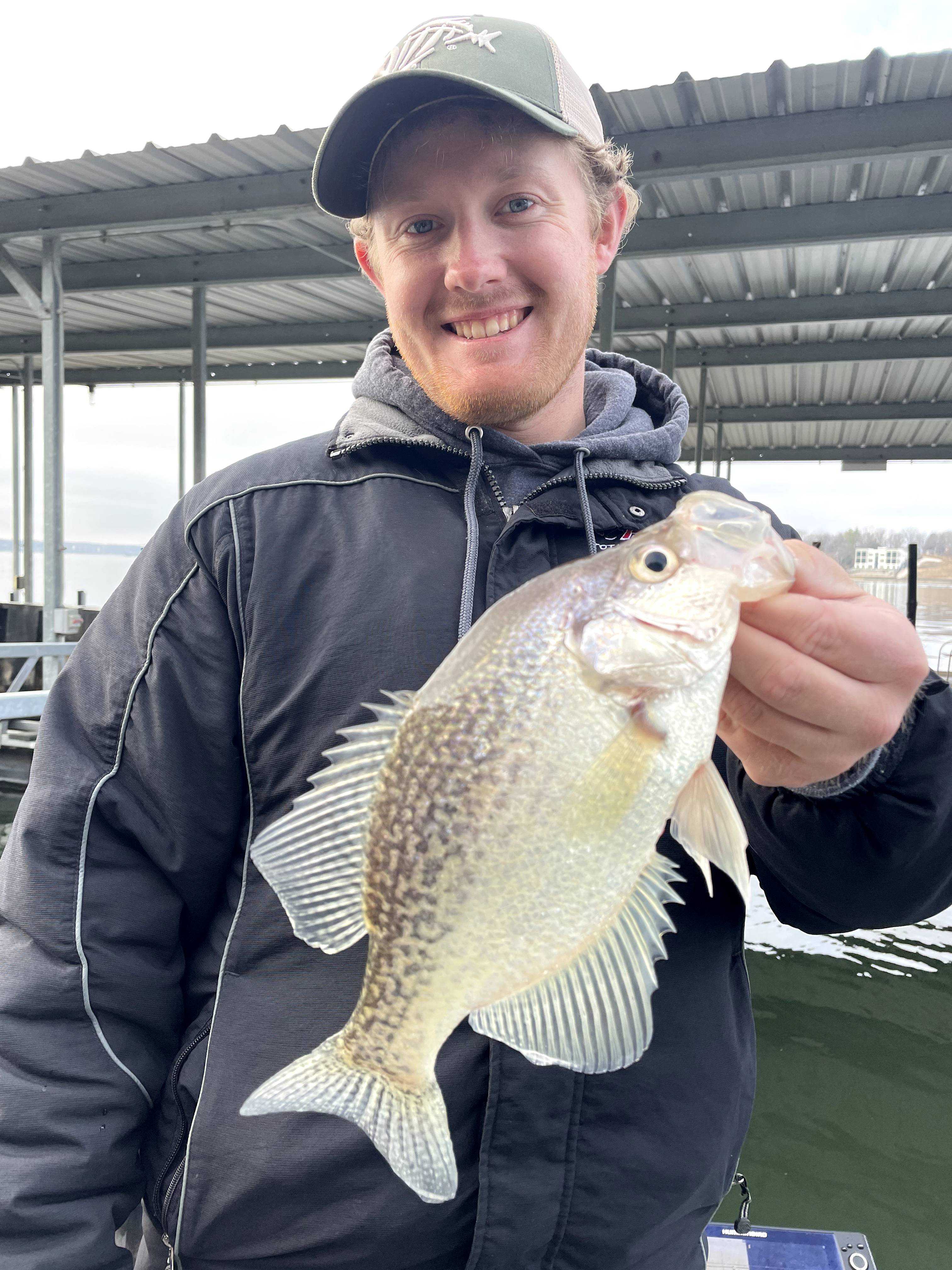
Crappie fishing at Lake of the Ozarks is legendary among slab hunters, with fish running 10-14 inches being typical catches. These panfish suspend around submerged timber and brush piles, particularly in creek arms where they find both cover and food. Spring spawning brings them shallow into protected bays, while winter finds them in deeper timber along creek channels. The lake holds both black and white crappie, with blacks preferring clearer water and whites more tolerant of stained conditions. What anglers love about Ozarks crappie is their size – these aren't your average farm pond fish, and a limit of quality slabs makes for some fantastic eating.
White Bass provide some of the most exciting action when they're running, typically in spring and fall when they chase schools of shad. These silver bullets hit hard and fight above their weight class, often traveling in large schools that create feeding frenzies on the surface. They're particularly active around main lake points and creek mouths where baitfish concentrate. The key to white bass success is mobility – when you find them, the action can be fast and furious, but they move frequently following the bait.
Smallmouth Bass thrive in the lake's rocky areas and clear water, particularly around bluff ends and chunk rock banks. These bronze fighters are pound-for-pound the strongest bass in the lake, known for their jumping ability and never-give-up attitude. They're most active during cooler months and prefer deeper, clearer water than their largemouth cousins. Smallmouth in the 2-4 pound range are common, and they provide some of the most technical and rewarding fishing the lake has to offer.
Time to Book Your Spot
Ready to experience what makes Lake of the Ozarks a world-class fishing destination? Our guided trips fill up fast, especially during prime seasons when the fish are most active. With Show Me Fish Guide Service, you're not just booking a fishing trip – you're investing in local expertise that takes years to develop and access to proven spots that produce consistently. Whether you're after a mess of crappie for the dinner table or hoping to land the bass of a lifetime, we've got the knowledge and equipment to make it happen. Our intimate 2-person capacity ensures personalized attention and the flexibility to adapt to your skill level and interests. Don't spend your valuable fishing time learning the lake the hard way –
 Private Trip
 Lakes/Reservoirs/Ponds Fishing
 St. Louis
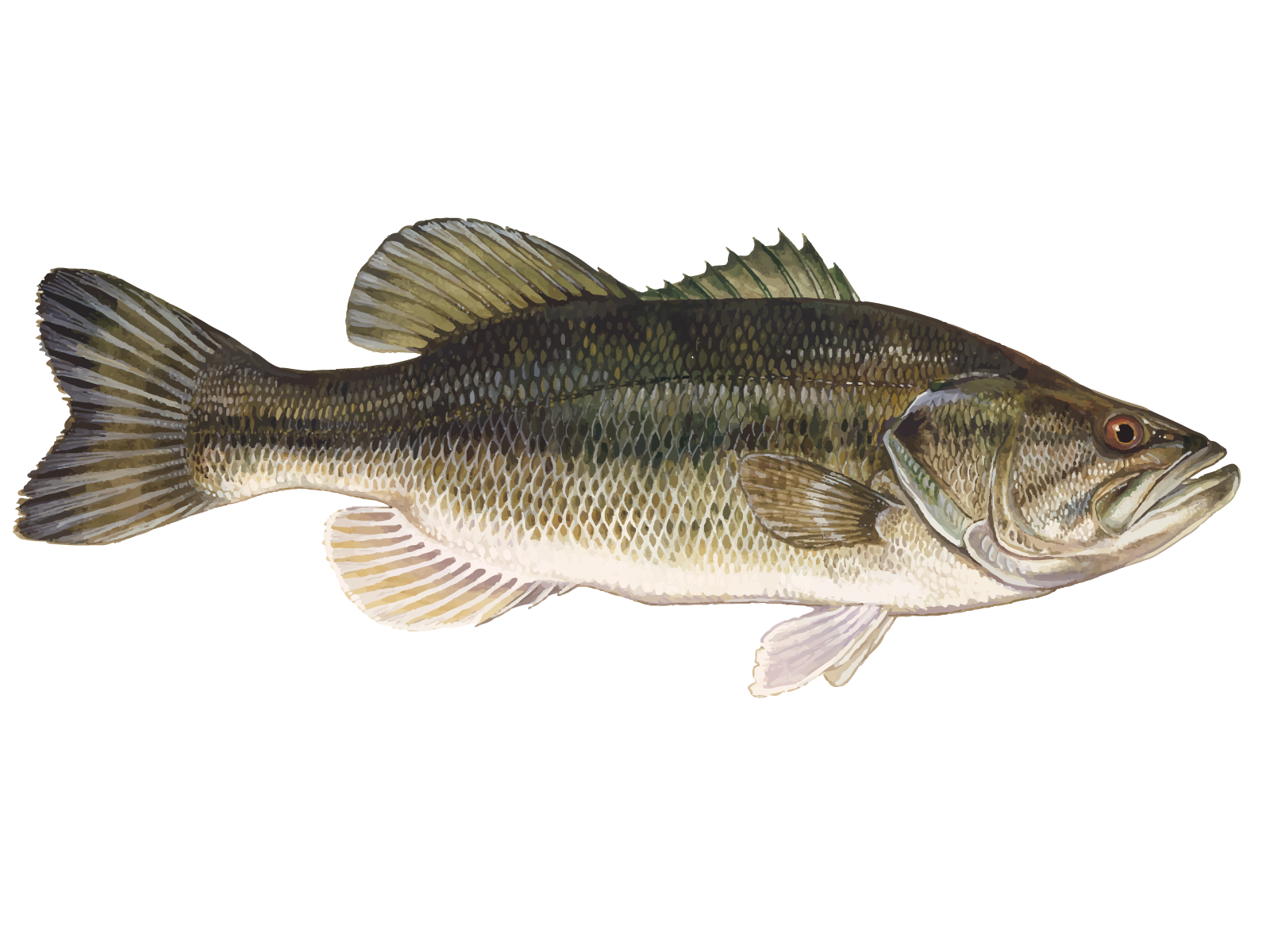


 Target bass and crappie in Missouri's premier fishing destination