Half Day Trout Fly Fishing on White River
If you're looking for world-class trout fishing without the full-day commitment, this 4-hour morning adventure on Arkansas's White River hits the sweet spot. We're talking about one of the most productive tailwater fisheries in the country, where consistent cold water releases from Bull Shoals Dam create perfect conditions for some seriously hefty trout. You'll fish with top-rated gear and expert guidance at six prime locations along the river, each offering its own character and fishing opportunities. Whether you're a seasoned fly angler or picking up a rod for the first time, this customer favorite trip delivers the kind of action that keeps people coming back season after season.
What to Expect on the Water
Your morning starts early when the fish are most active and the water conditions are prime. We'll meet at one of six renowned fishing spots: Buffalo City, Rim Shoals, Cotter, Wildcat Shoals, White Hole, or State Park. Each location offers different water characteristics - from deep pools and undercut banks to swift runs and gravel bars where trout love to feed. The White River's gin-clear water and steady 50-degree temperature year-round means you can sight-fish to individual trout, watching them rise to your fly or chase streamers through the current. Don't worry about hauling gear - we provide quality rods, reels, flies, and all tackle. Just bring your valid Arkansas fishing license, some snacks, and get ready for four hours of focused fishing time. The intimate two-angler capacity means you get personalized instruction and plenty of water to work without feeling crowded.
Fly Fishing the Tailwater
The White River below Bull Shoals Dam is a classic tailwater fishery, which means we're dealing with cold, oxygen-rich water that flows consistently year-round. This creates an environment where trout thrive and grow fat on abundant aquatic insects. We'll match techniques to conditions - dry fly fishing during morning hatches, nymphing the deeper runs and pools, and streamer fishing when the trout are looking for bigger meals. The river's structure varies from location to location, giving us options based on water levels and fish activity. At Buffalo City, you might find yourself casting to rising fish in the calm water below the shoals, while White Hole offers deeper water perfect for weighted nymphs and indicator rigs. The key is reading the water and adapting your approach, which is exactly what our guides excel at teaching. Whether you're perfecting your roll cast to avoid overhanging trees or learning to dead drift a nymph through a seam, every moment on the water builds your skills.
Species You'll Want to Hook
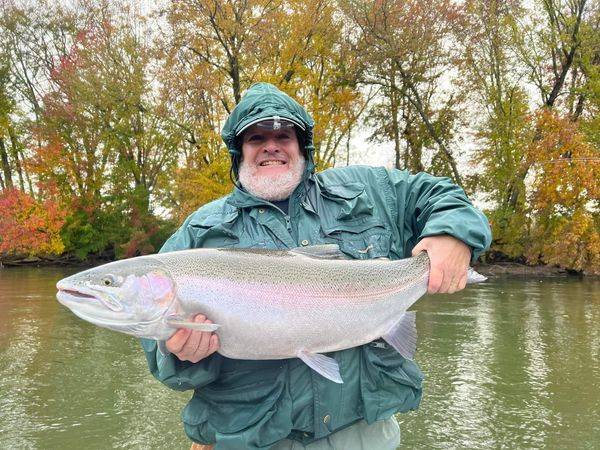
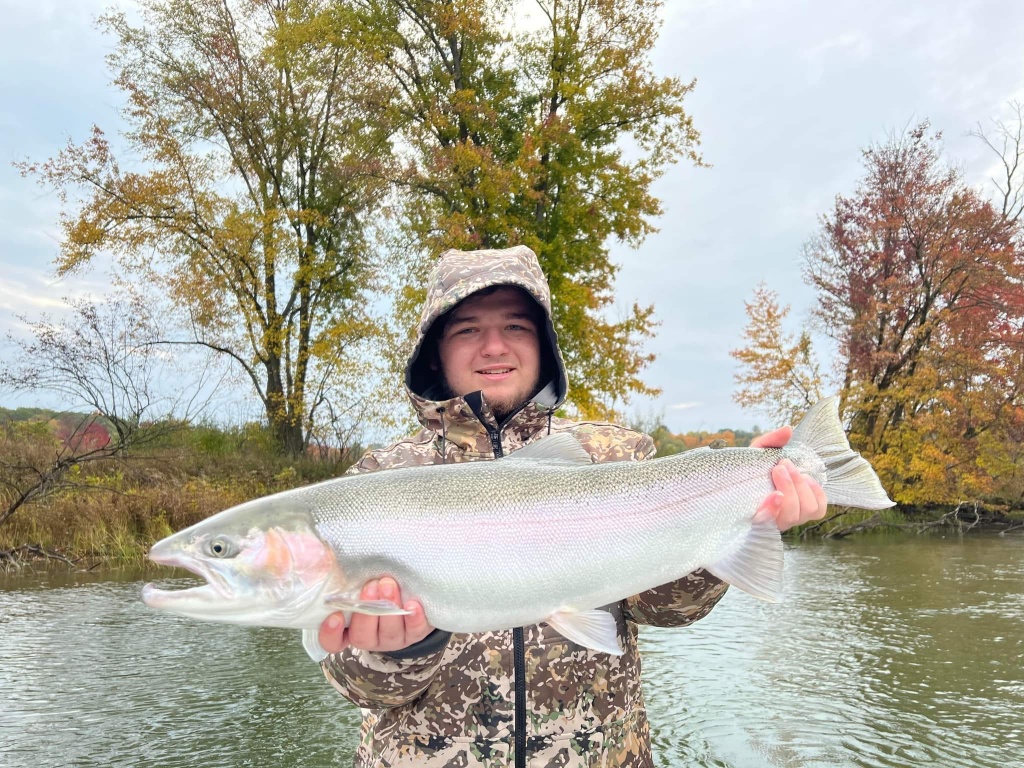
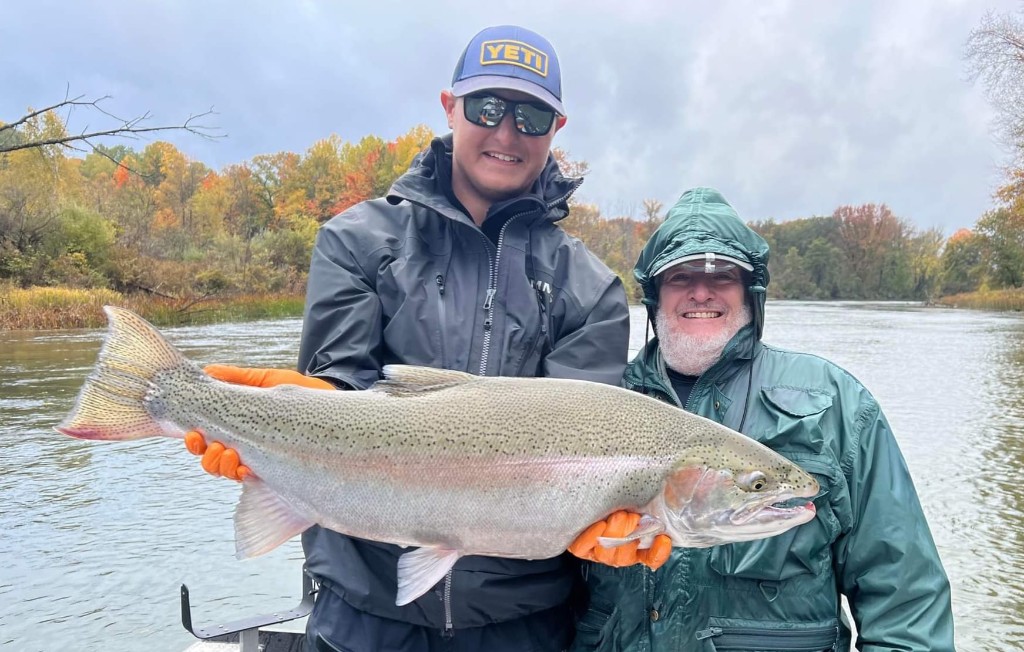
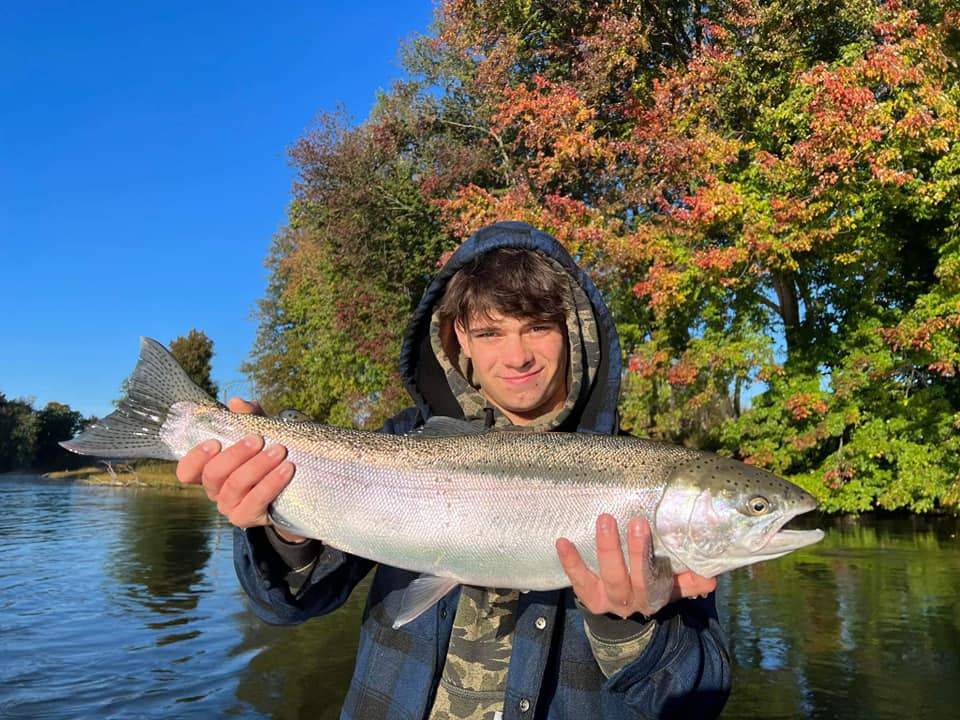
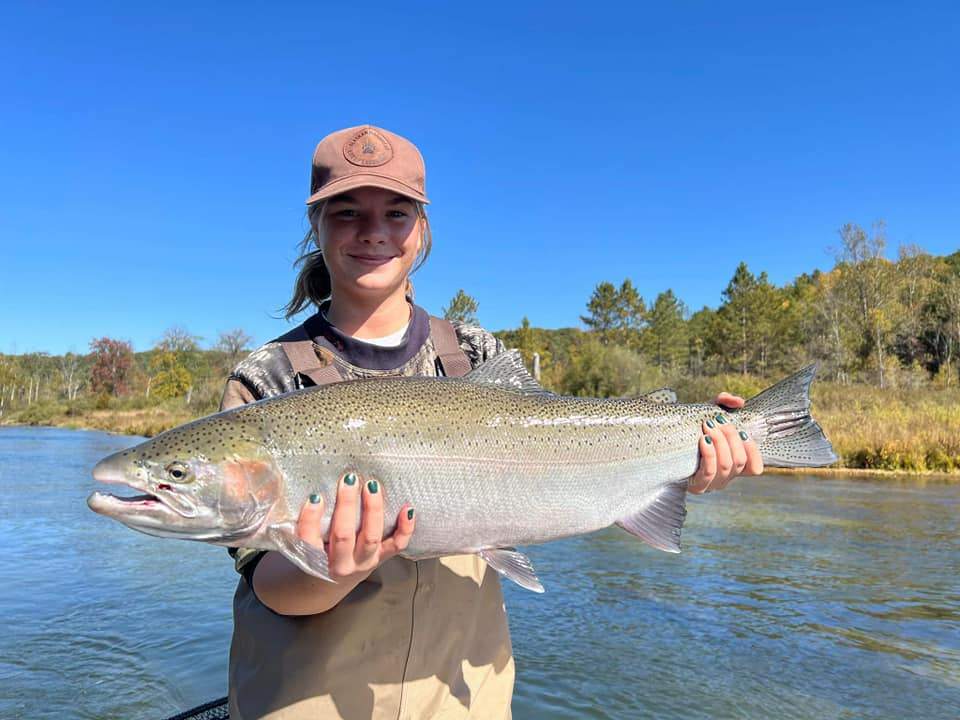
Rainbow Trout are the bread and butter of White River fishing, and for good reason. These hard-fighting fish average 12-16 inches but regularly reach 18-20 inches or more. They're active feeders that respond well to both nymphs and dry flies, making them perfect targets for anglers of all skill levels. Rainbows here are known for their acrobatic fights - expect multiple jumps and strong runs that'll test your drag system. Peak activity occurs during morning hours when water temperatures are coolest, which perfectly matches our half-day timing.
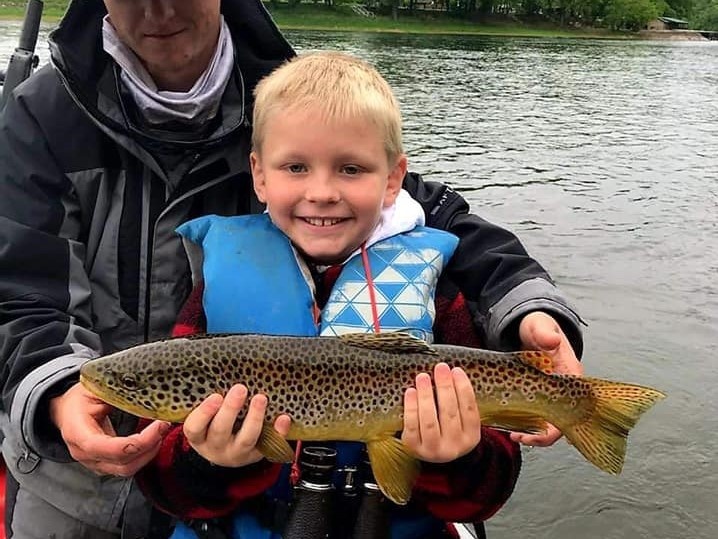
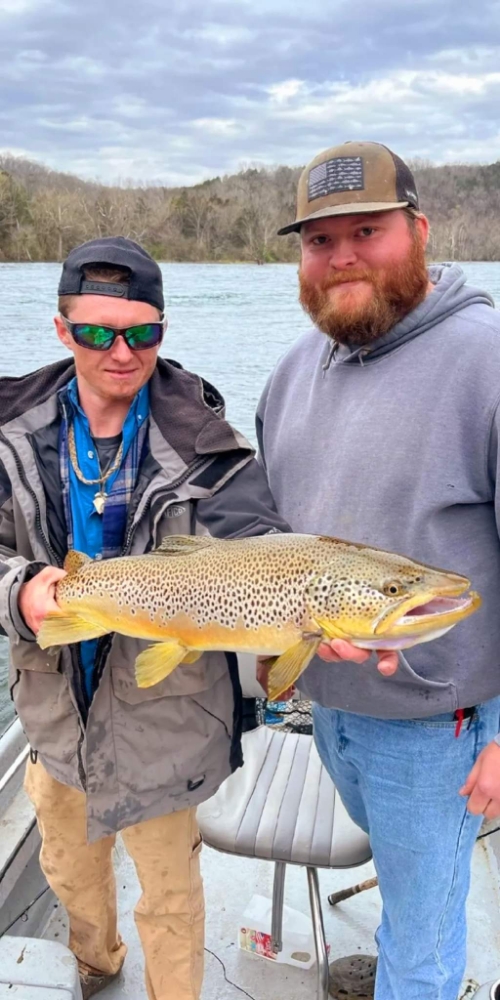
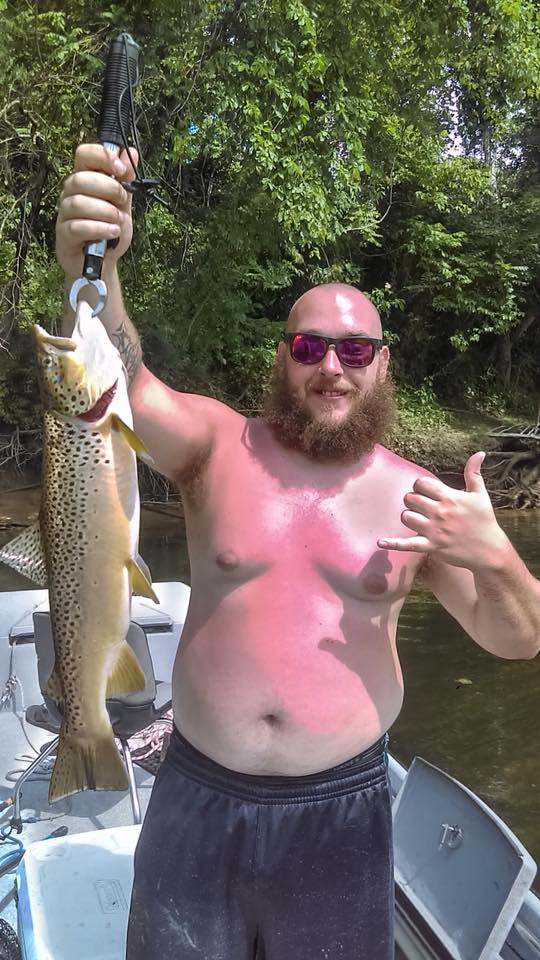
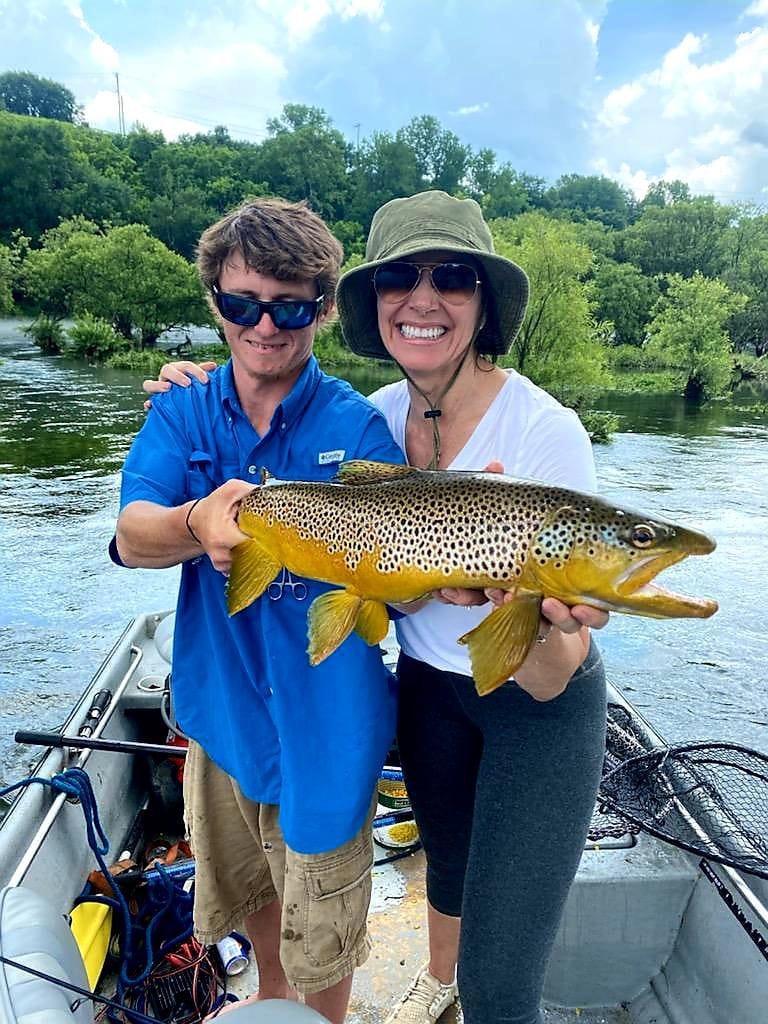
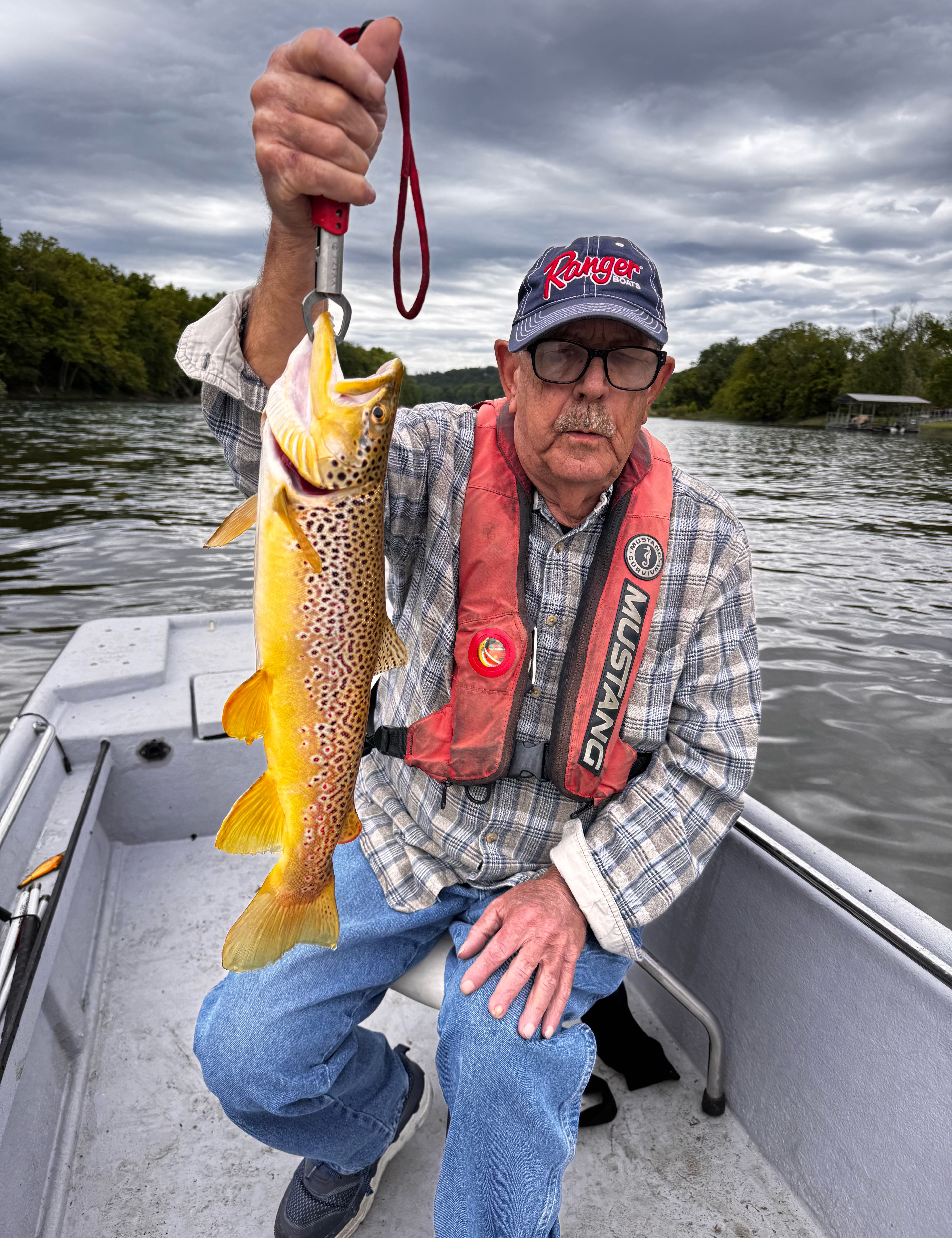
Brown Trout are the crafty veterans of the White River system. These fish grow larger than rainbows but are more selective about what they eat and when they feed. A 20-inch brown is a real possibility, with some monsters pushing 24 inches or more lurking in the deeper holes. Browns often feed more actively in lower light conditions, making early morning prime time. They're notorious for following flies without committing, then striking when you least expect it. Landing a hefty brown trout on fly tackle is one of those experiences that'll have you planning your next trip before you even get off the water.
Cutthroat Trout bring something special to the White River mix. These native western transplants have adapted beautifully to Arkansas waters and offer a unique fighting style that's different from rainbows or browns. Cutthroats are generally more willing to take surface flies and are known for their aggressive strikes. They're typically found in the 14-18 inch range and provide consistent action throughout the morning hours. Their distinctive red slash marks under the jaw make them easy to identify and a favorite photo opportunity for visiting anglers.
Brook Trout, though less common, are absolute gems when you connect with one. These char prefer the coldest water and are typically found near the dam releases or in spring-fed tributaries. Brooks rarely exceed 12 inches in the White River system, but what they lack in size they make up for in beauty and fight. Their vibrant colors and delicate fins make them a photographer's dream, and their willingness to take small dry flies makes them a joy to catch on light tackle. Finding brook trout often requires fishing the less obvious spots, which is where local guide knowledge really pays off.
Time to Book Your Spot
This best trip format gives you a taste of what makes the White River special without eating up your entire day. Four hours of guided fishing on one of America's premier trout streams, complete with quality gear and expert instruction, sets you up for success whether you're new to fly fishing or looking to improve your technique. The variety of locations means we can adapt to conditions and your skill level, while the two-angler limit ensures you get the personal attention that makes the difference between a good day and a great day on the water. Remember to secure your Arkansas fishing license before your trip - it's required for all anglers and available online or at local sporting goods stores. Ready to experience what keeps anglers coming back to the White River year after year? Let's get you on the water.
 Private Trip
 River Fishing
 Cotter, AR


 Four-hour morning trout fishing on Arkansas's White River