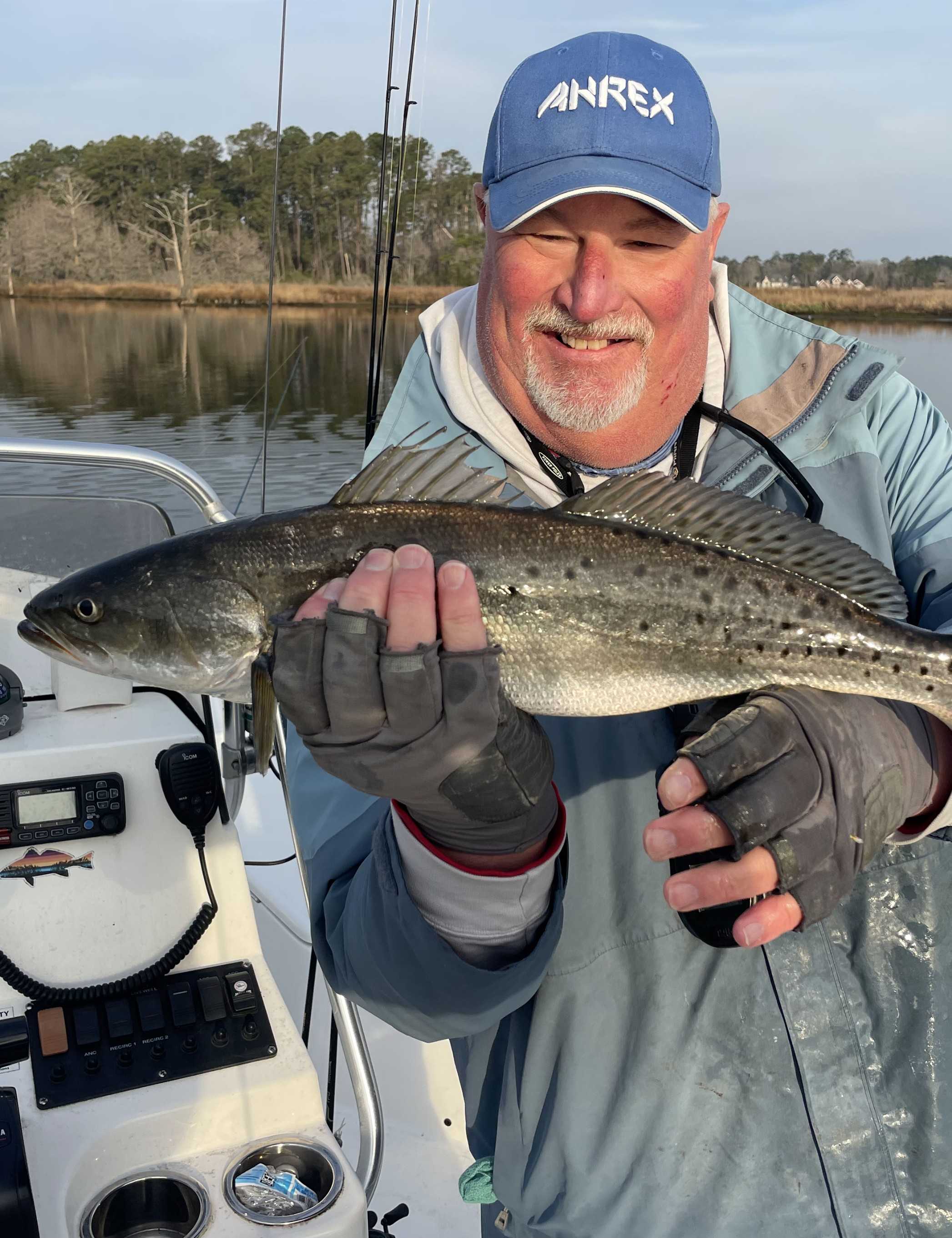
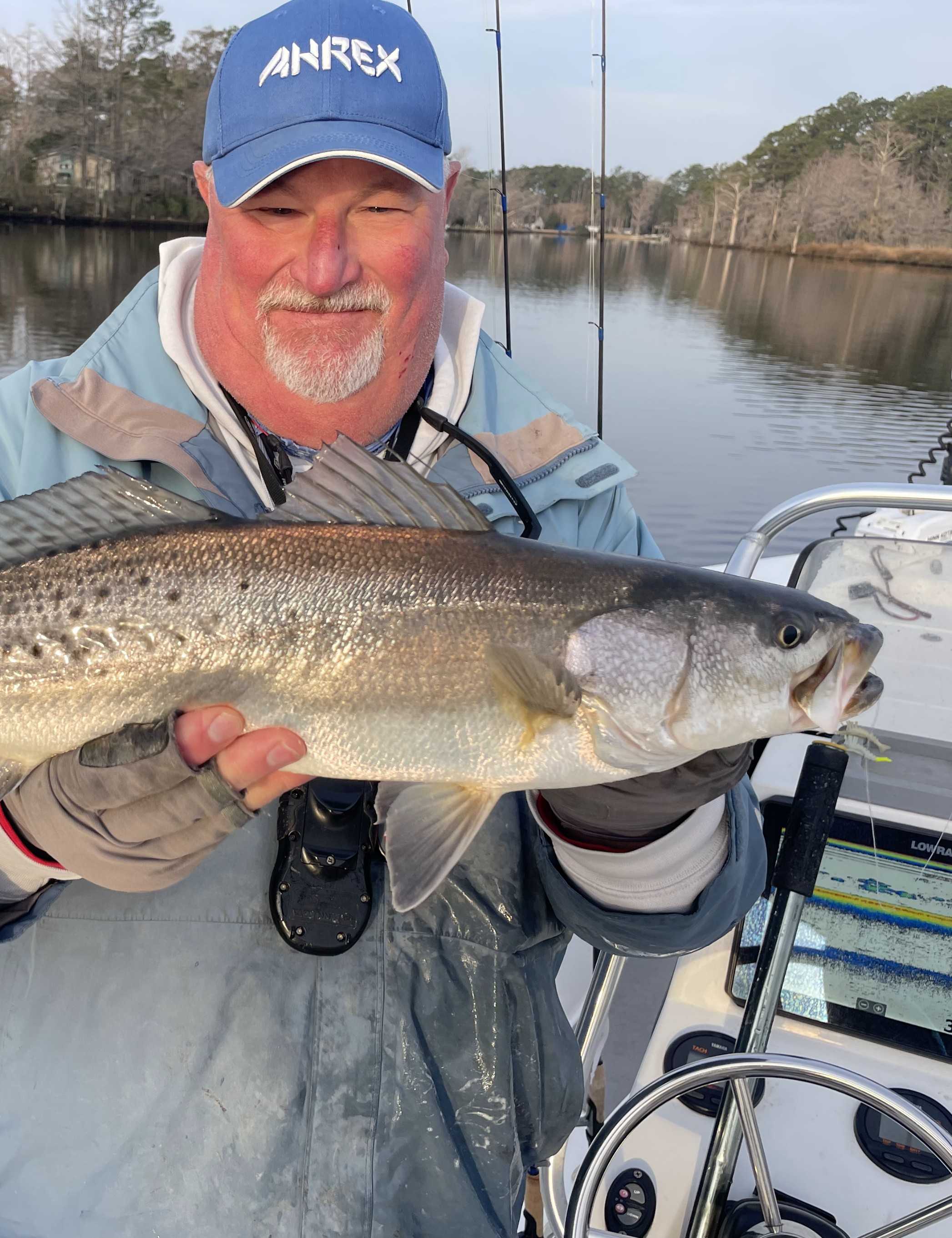
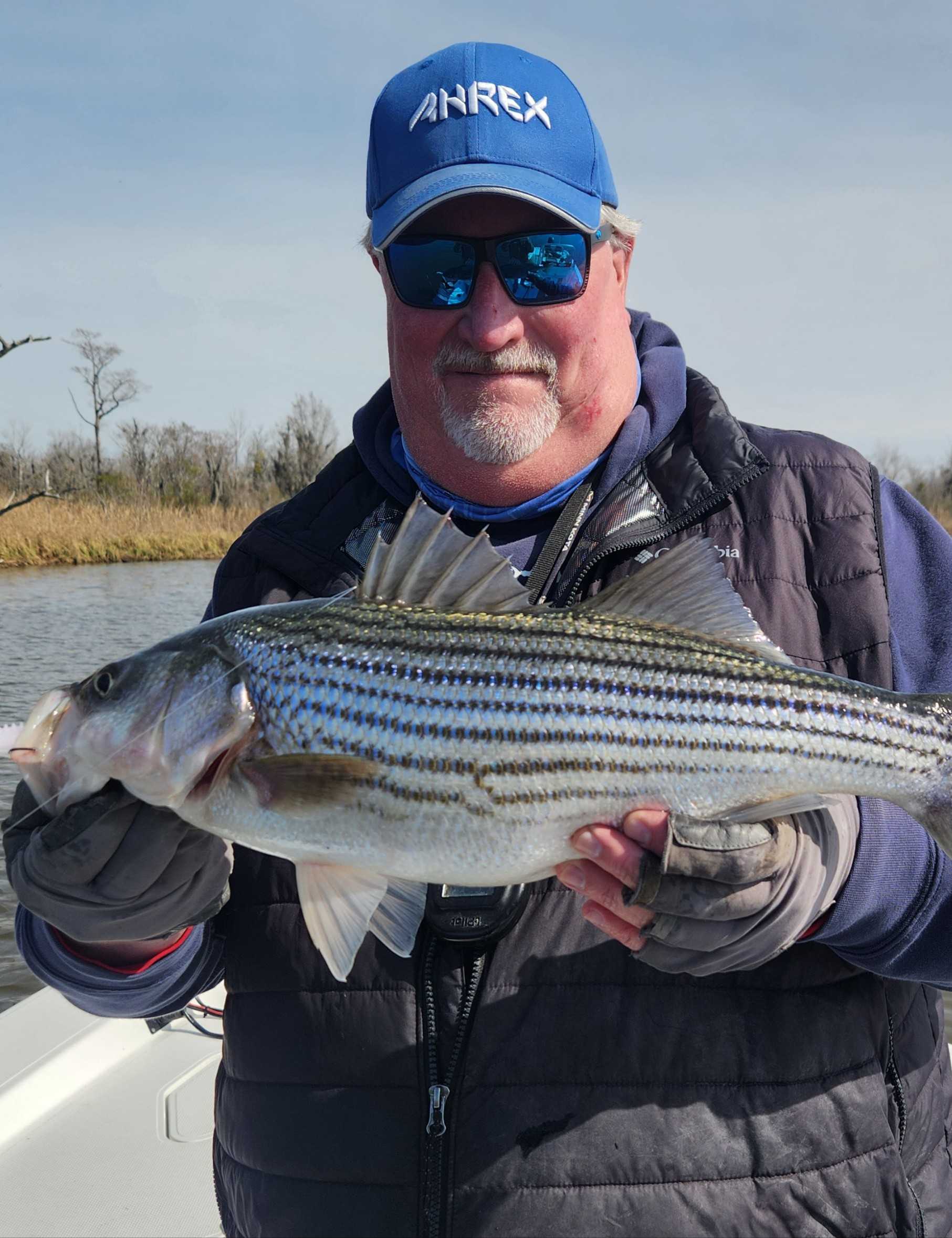
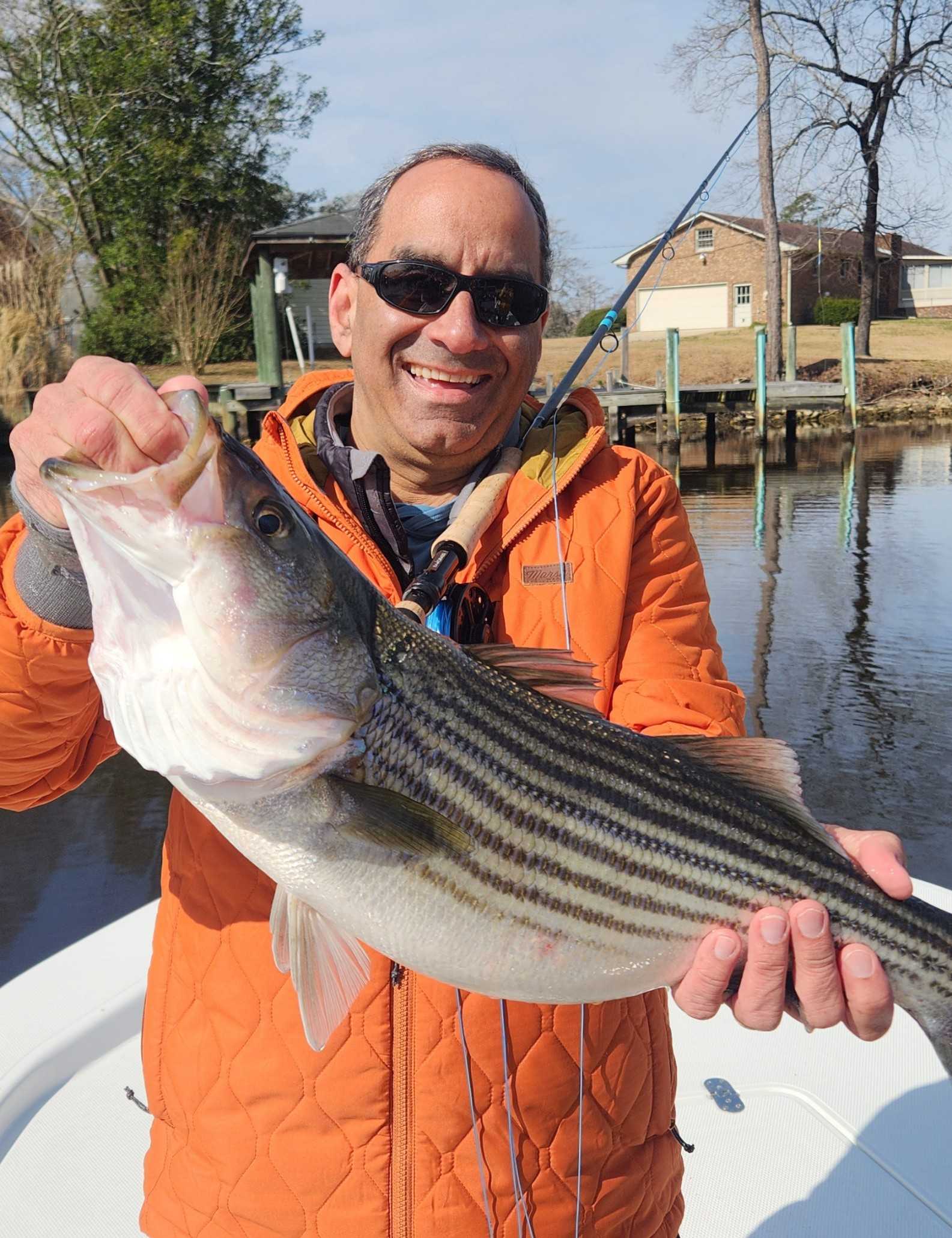
Tarpon & Trophy Reds: NC's Ultimate Big Fish Trip
Captain Gary's 8-hour private charter puts you right in the heart of North Carolina's most productive tarpon and redfish waters. The Neuse River and Pamlico Sound system creates a perfect storm of conditions that draws massive silver kings, bull reds, and chunky bluefish from mid-July through mid-September. This isn't your typical bottom-fishing trip – we're targeting apex predators that'll test your drag and leave you talking about the fight for years. With space for just two anglers, you get personalized attention and the flexibility to chase whatever's biting hardest that day.
What to Expect on the Water
We launch early to beat the crowds and position ourselves where the big fish feed. The Neuse River system is unique – it's one of the few places on the East Coast where you can realistically target 100-pound tarpon without heading to Florida. The water here is a mix of fresh and salt that creates an incredibly rich food chain, pulling in baitfish by the thousands and the predators that follow them. You'll spend the day moving between productive spots, reading the water for diving birds, bait schools, and those telltale rolling backs that get every angler's heart pumping. Captain Gary has been perfecting his approach here for years, and he's developed techniques that consistently put fish on the line when traditional methods fall short. The scenery is pretty spectacular too – wide open sounds, marshes full of wildlife, and that classic Carolina coastal vibe that makes you forget about everything back on land.
Lures, Flies & Fighting Technique
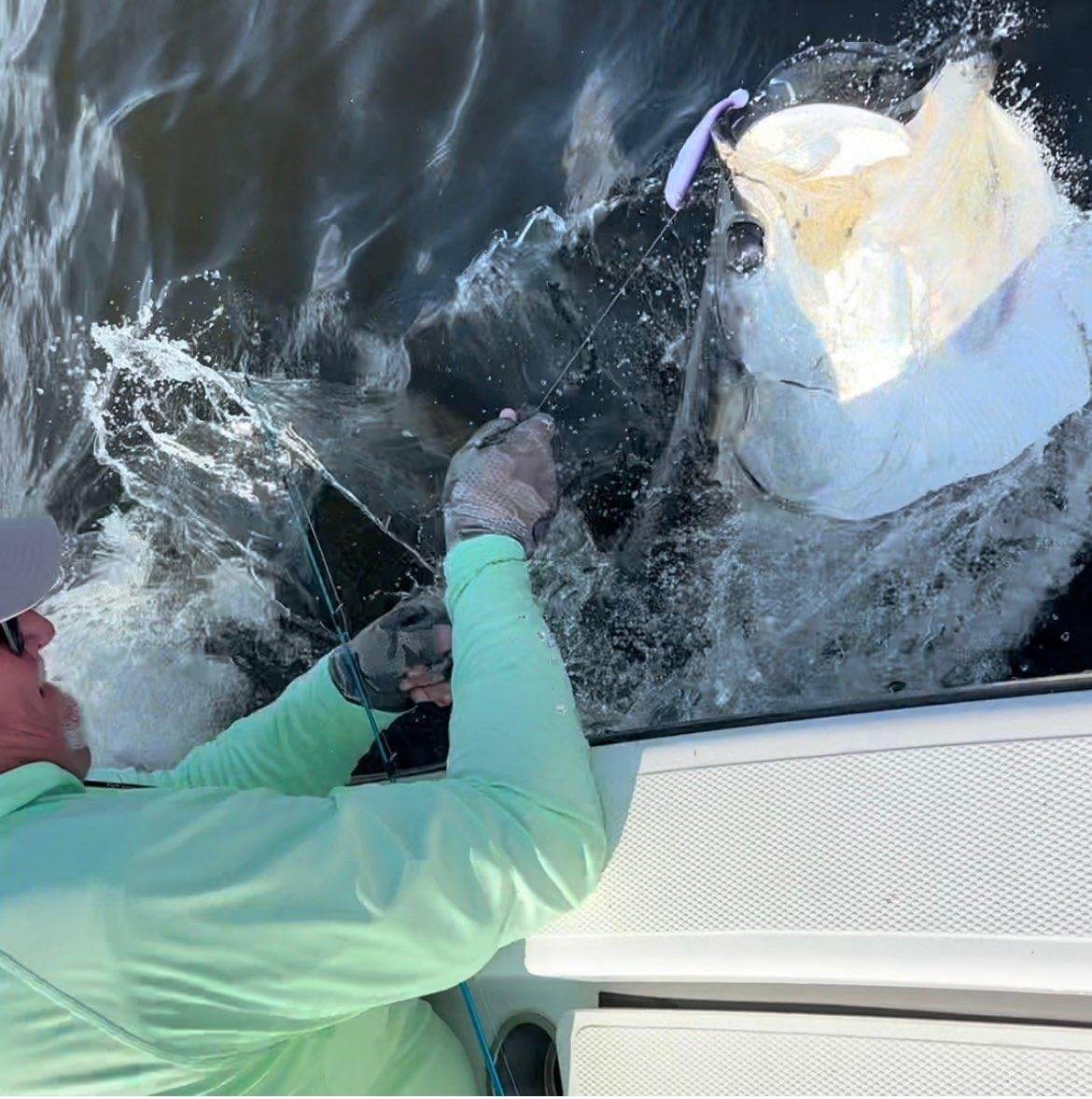
Here's where this trip gets interesting – while most guides in the area still rely heavily on live bait, Captain Gary has mastered artificial presentations that often outproduce traditional methods. We're talking heavy jigs, large swimbaits, and topwater plugs that drive these fish absolutely crazy when worked correctly. The fly fishing opportunities are world-class too, especially when we find tarpon rolling in shallow water or reds cruising the flats. You'll learn to read the water differently, looking for subtle signs like nervous baitfish or slight color changes that indicate structure below. When you hook into a tarpon, the real education begins – these fish jump, run, and bulldoze like nothing else in these waters. Captain Gary will coach you through the fight, helping you manage your drag and keep pressure on fish that can easily snap 30-pound test if you're not careful. The gear is heavy-duty but balanced, designed to handle fish that regularly top 50 pounds and occasionally push triple digits.
Top Catches This Season
The Neuse River tarpon fishery has been producing consistently impressive results, with multiple fish over 80 pounds landed each week during peak season. These aren't the small juveniles you might find in other areas – we're talking about mature, powerful fish that have been feeding in these nutrient-rich waters for years. The redfish population here is equally impressive, with bull reds in the 40-inch range showing up regularly on both artificial lures and flies. What makes this fishery special is the variety – you might start the morning throwing topwater plugs at rolling tarpon, switch to sight-fishing redfish over grass beds at midday, then finish the afternoon with bluefish that hit so hard they nearly rip the rod out of your hands. The best days often involve multiple species and fighting fish for hours at a time. Captain Gary's logbook shows consistent action throughout the season, with the peak bite typically occurring during the new moon phases when baitfish concentrate in predictable areas.
Species You'll Want to Hook
Tarpon are the undisputed kings of this fishery, and the Neuse River population represents some of the most northern tarpon fishing on the East Coast. These silver giants typically range from 60 to 120 pounds, with their incredible jumping ability making every hookup a spectacle. They feed aggressively from mid-July through mid-September, following massive schools of menhaden and other baitfish into the river system. What makes tarpon fishing here unique is the approach – rather than sight-casting to individual fish like in the Keys, we're working schools and covering water over known feeding areas. The strikes are explosive, and the fights can last 30 minutes or more with larger fish.
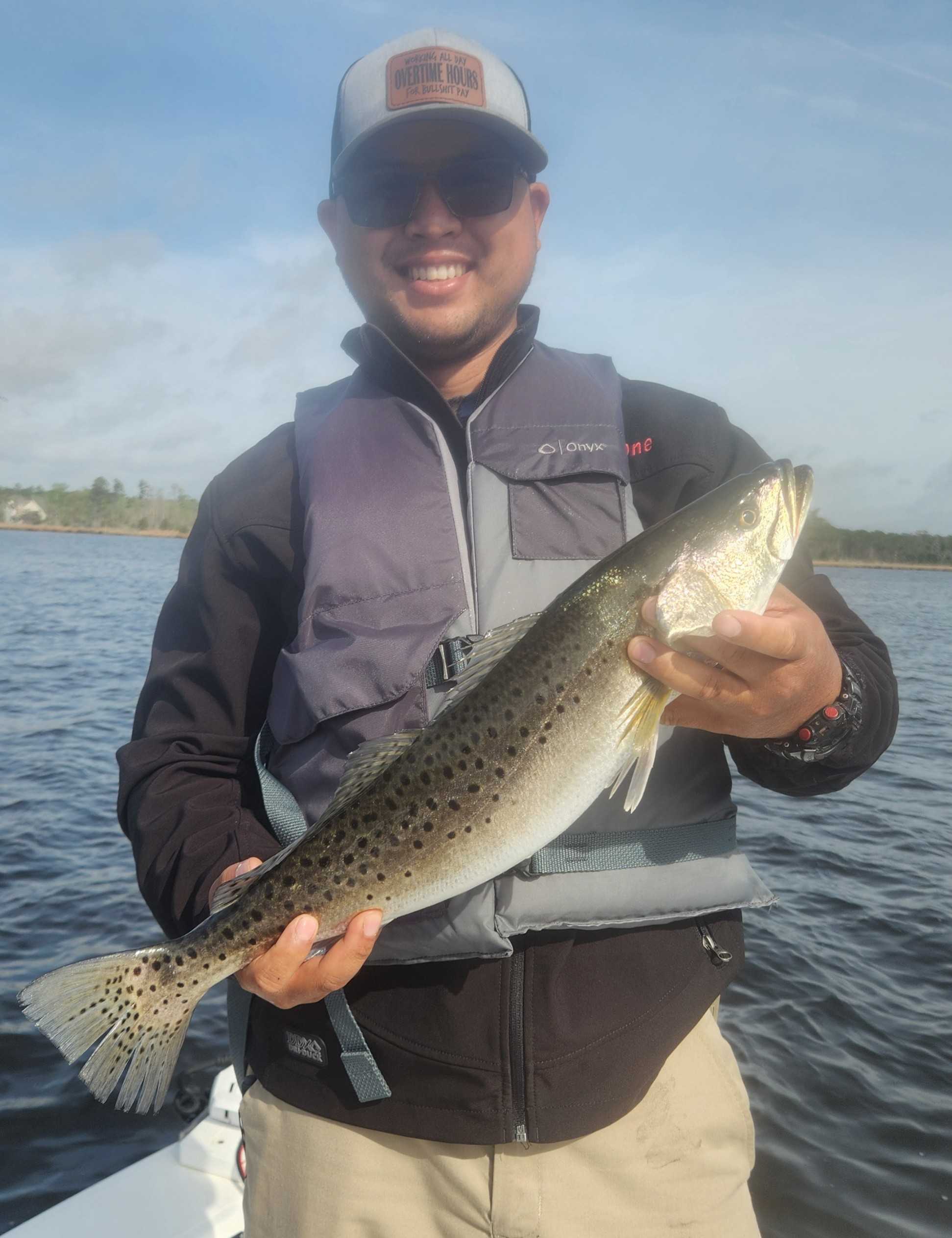
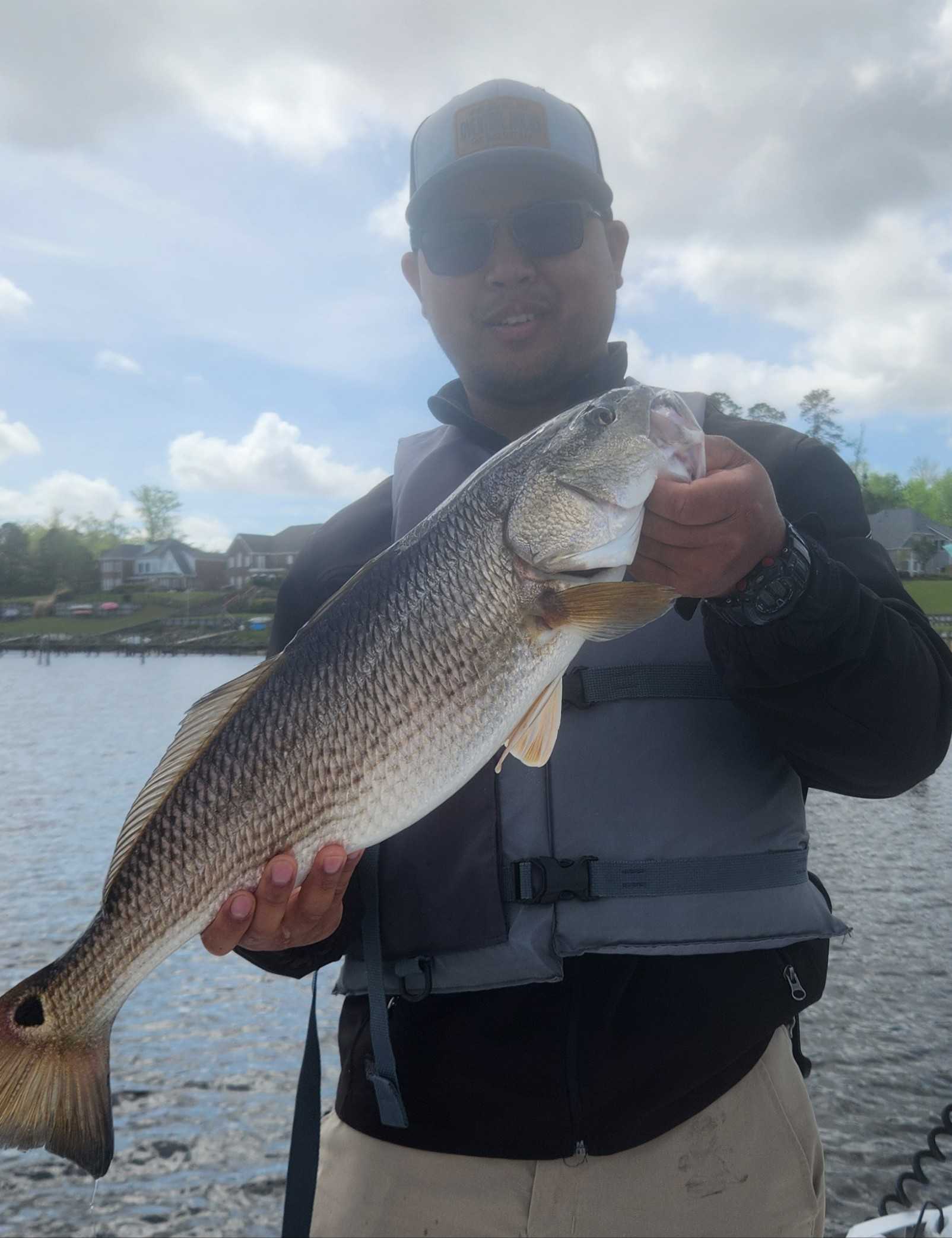
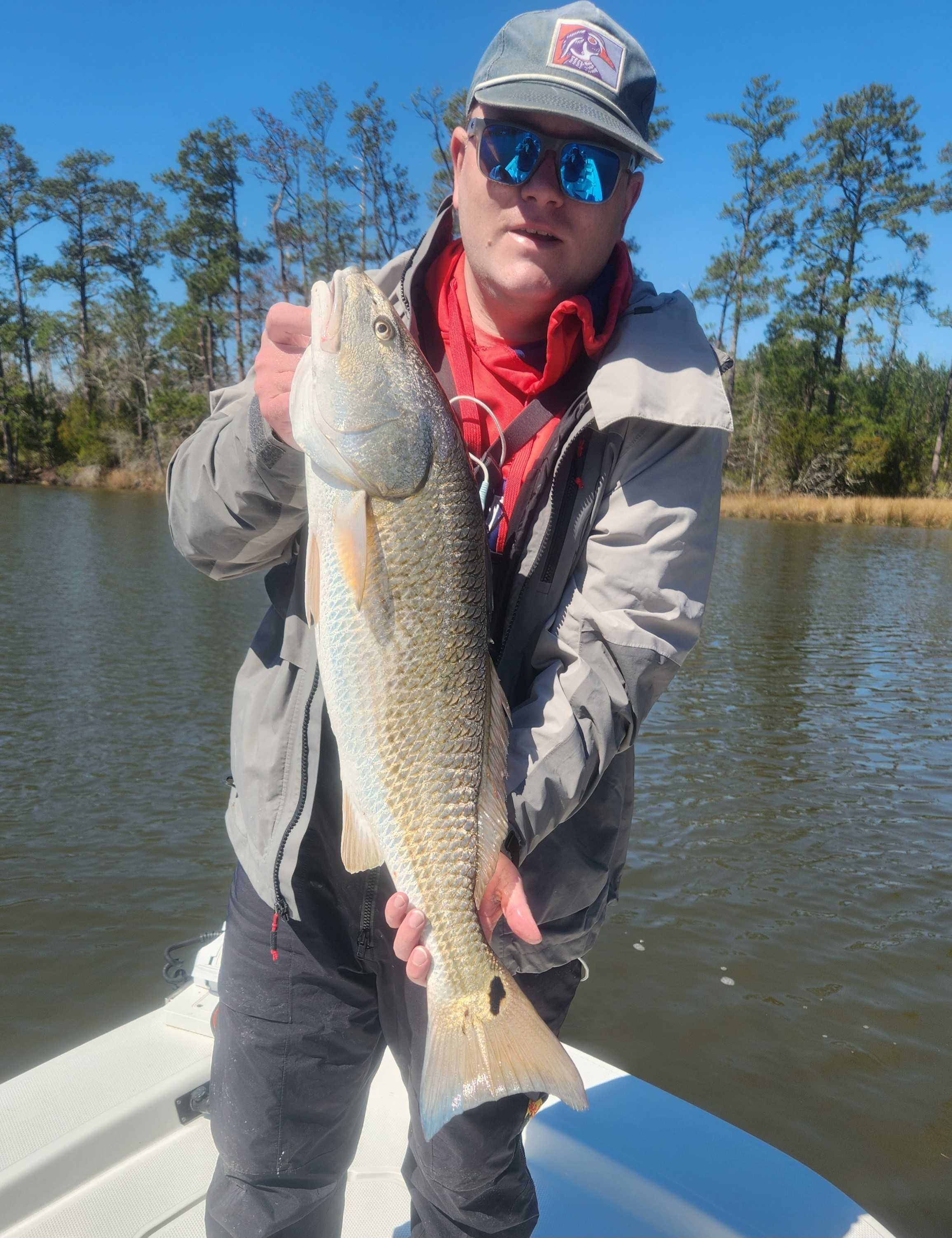
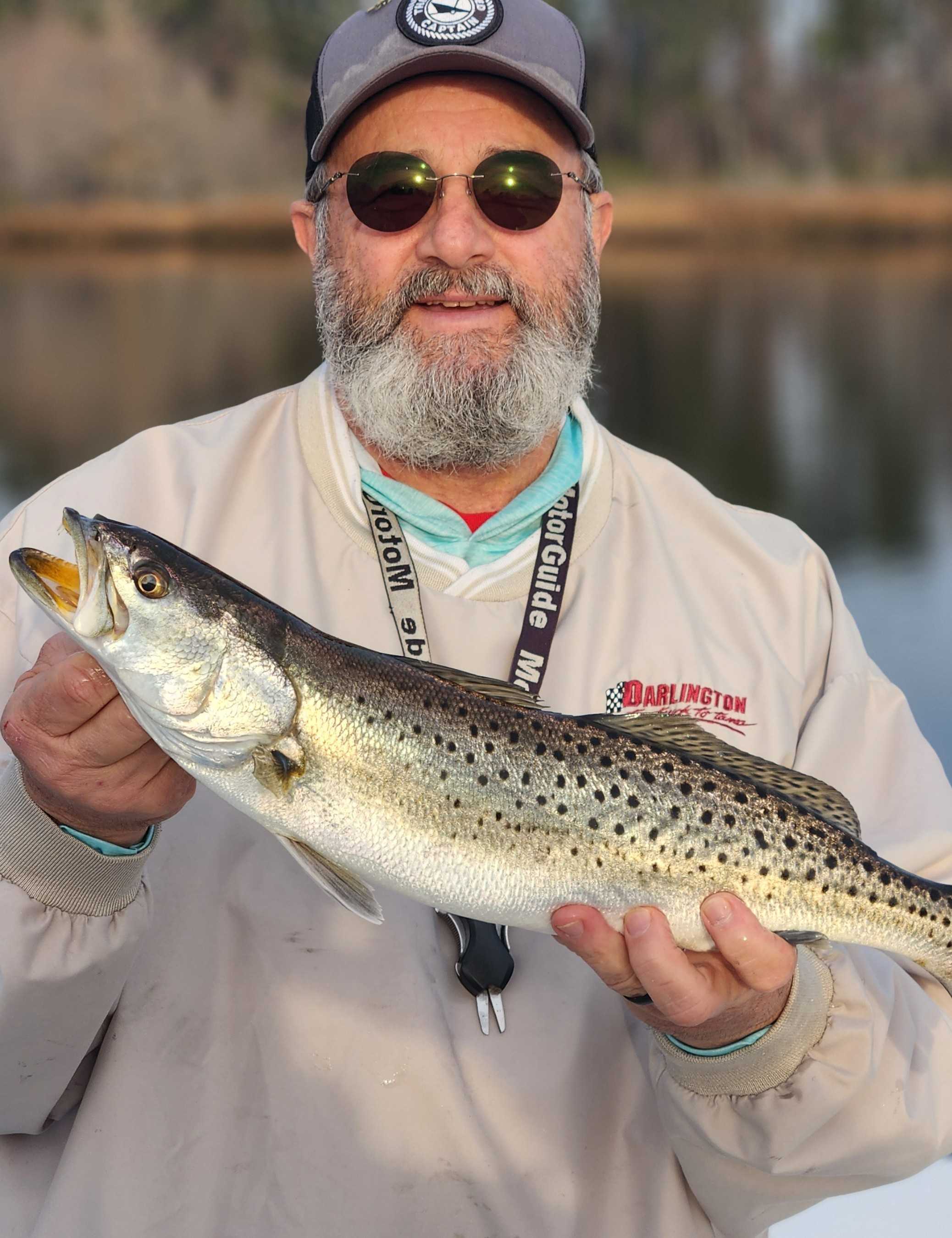
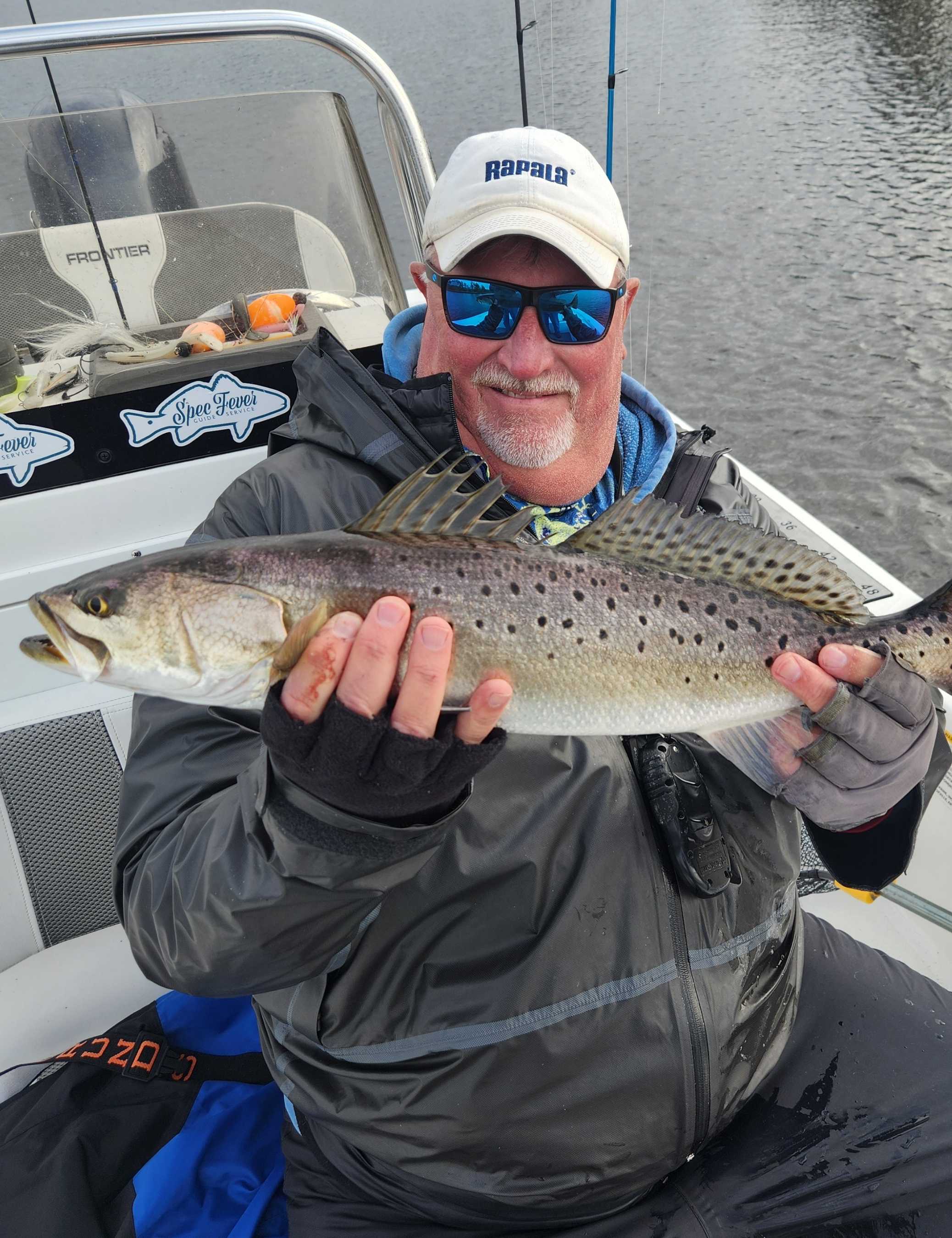
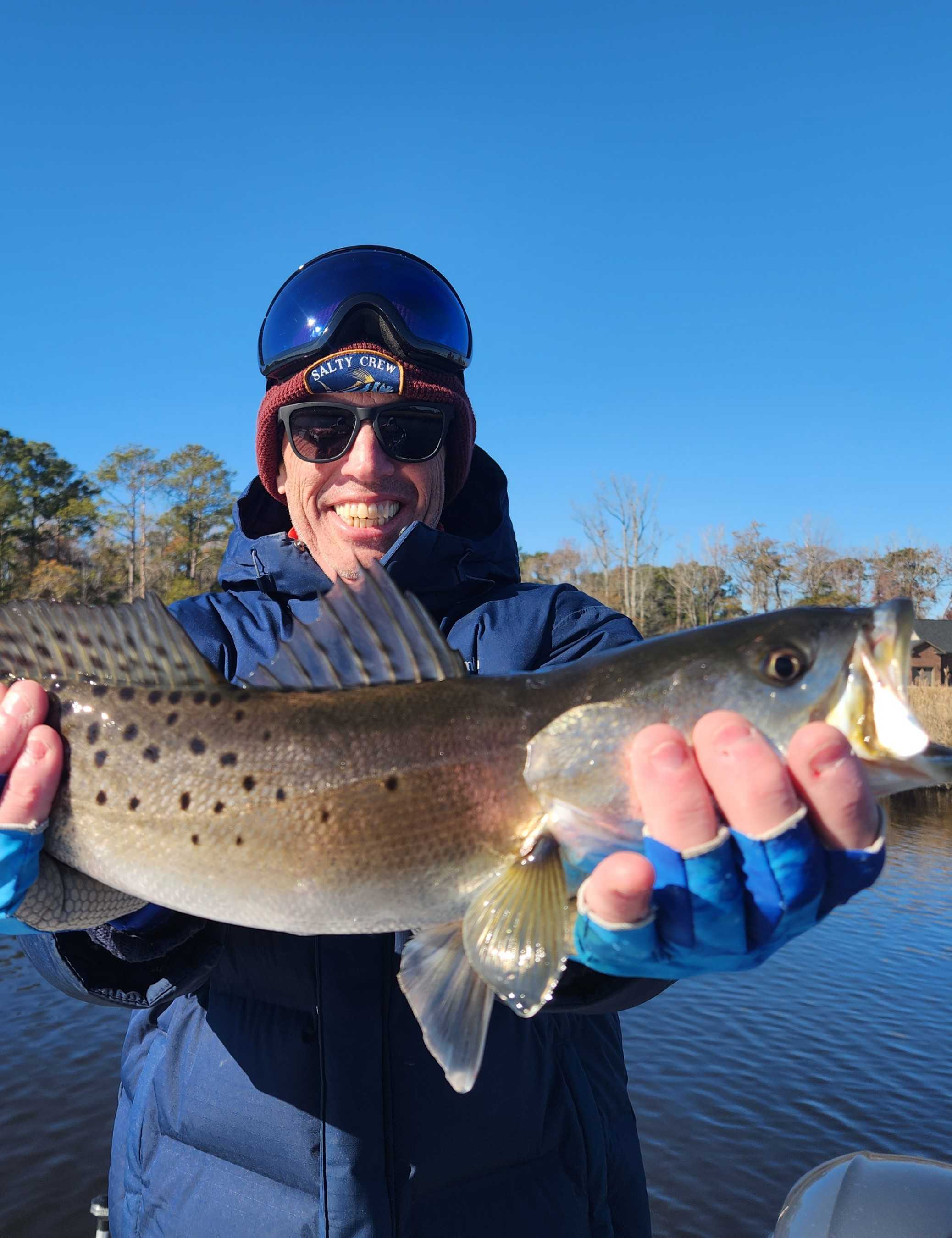
Bull redfish, or trophy reds as locals call them, are another major draw for serious anglers. These copper-colored bruisers typically measure 35 to 45 inches and fight with the determination of fish twice their size. They cruise the grass flats and channel edges looking for crabs, shrimp, and small fish, often feeding so aggressively you can see their backs out of the water. The sight-fishing opportunities for reds here are phenomenal, especially during the cooler parts of the day when they move shallow to feed. They're smart fish that require precise presentations, but when you get it right, the fight is absolutely worth the effort.
Bluefish round out the slam possibilities, and the ones we encounter here are true jumbos – thick-bodied fish that often exceed 10 pounds. They hunt in packs, creating feeding frenzies that can be seen and heard from miles away. When the blues are active, they'll hit almost anything you throw at them, making them perfect targets when you need a break from the more technical tarpon and redfish fishing. Their razor-sharp teeth and aggressive nature make them exciting on light tackle, and they're excellent table fare if you're looking to take a few fish home.
Time to Book Your Spot
This type of fishing opportunity doesn't come around often – world-class tarpon fishing without the Florida crowds or prices, combined with some of the best redfish action on the East Coast. Captain Gary's approach has been refined over years of studying these waters, and the results speak for themselves. The season is relatively short, running from mid-July to mid-September, so the calendar fills up quickly with repeat customers and referrals. Whether you're an experienced tarpon angler
 Private Trip
 Backcountry Fishing
 Greenville


 Target 100+ pound tarpon using artificial lures and flies