Half Day Inshore Fishing – Ormond Beach Charter
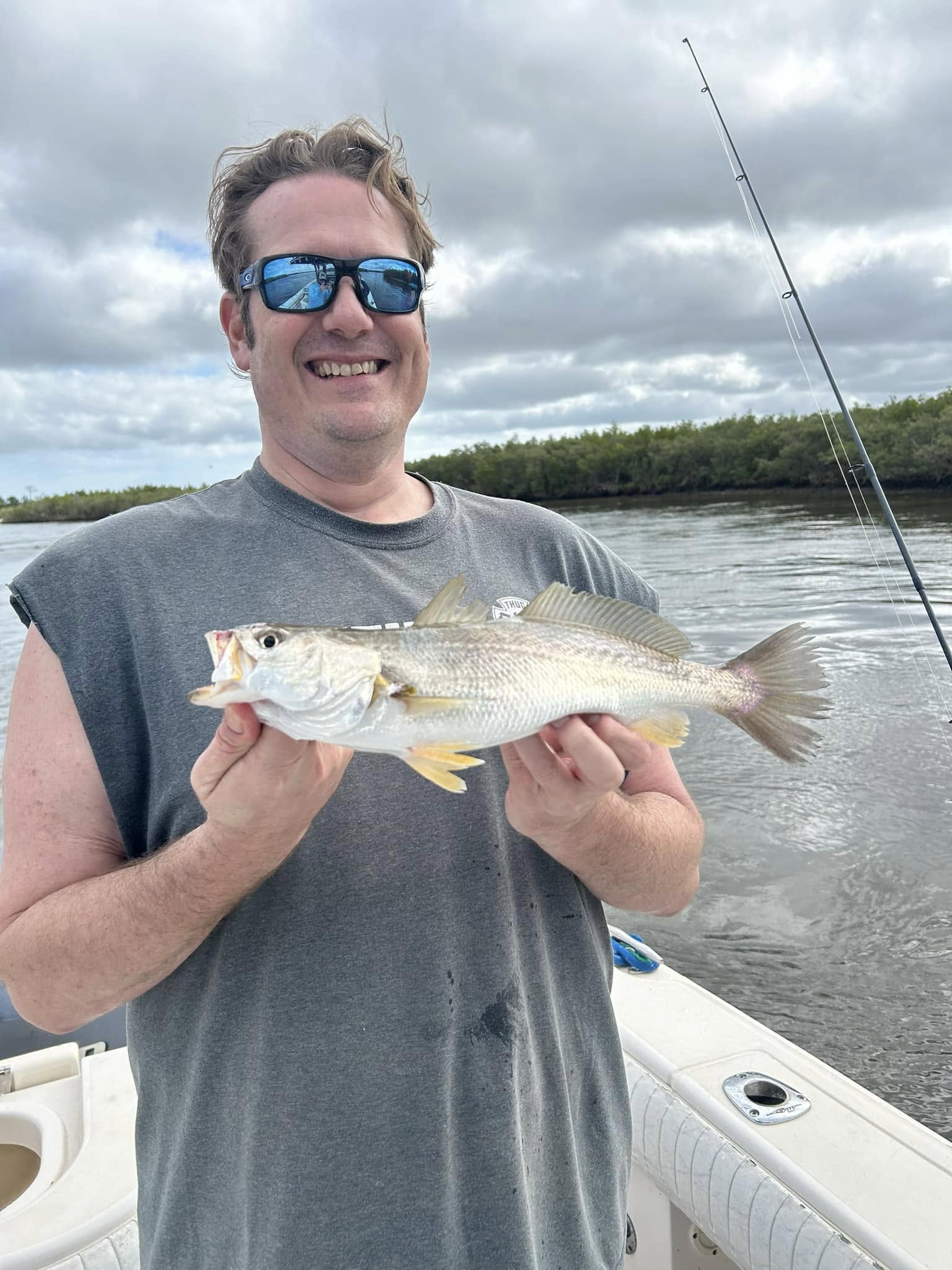
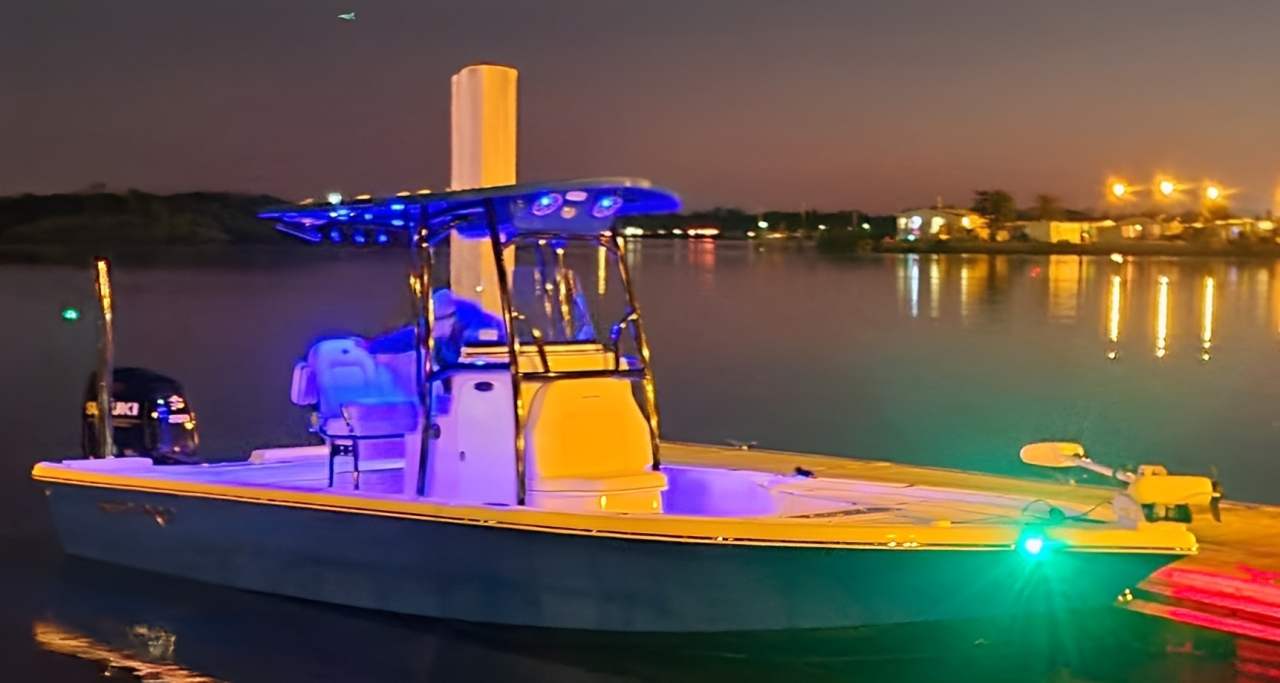
Captain David's got the perfect setup for anglers who want to get into some serious fish without burning a whole day on the water. This 4-hour private charter runs twice daily – hit the water at 6:30 AM when the fish are actively feeding, or take it easy with the 1:30 PM afternoon bite. Either way, you're looking at prime time fishing in some of Florida's most productive inshore waters around Ormond Beach and Ponce Inlet. With space for up to four anglers, this top-rated charter gives you the flexibility to fish your way while targeting some of the East Coast's most sought-after species.
What to Expect on the Water
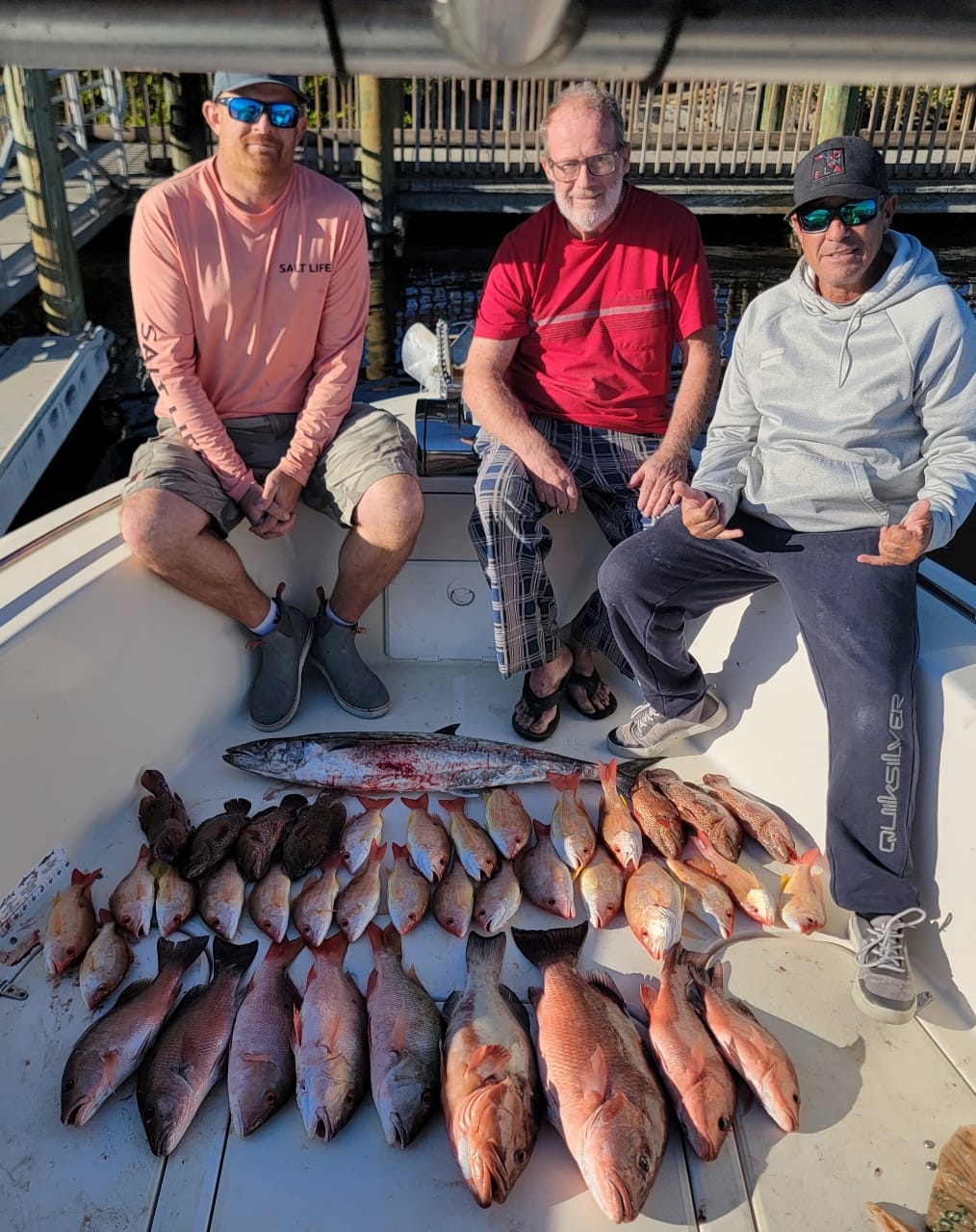
You'll be fishing the backcountry rivers and inshore flats where Redfish cruise the shallows and Snook ambush bait along the mangrove edges. Captain David knows these waters like the back of his hand – he'll position you over grass flats where Trout hold, work the deeper channels for Flounder, and if conditions are right, you might even get a shot at some resident Tarpon that call these waters home year-round. The morning trips often produce the most consistent action as predator fish are actively hunting, but don't sleep on those afternoon charters – the bite can absolutely fire up as the sun starts to drop. This isn't a cattle boat operation; with just your group aboard, Captain David can adapt the game plan based on what you want to target and your experience level.
Light Tackle & Spinning Gear
Everything's rigged and ready when you step aboard – quality spinning reels spooled with the right line weights, rods matched to the techniques you'll be using, and a tackle box full of proven lures and baits. Captain David runs light tackle exclusively, which means you'll feel every headshake and run when a fish takes your offering. We're talking 15-20 pound test on spinning gear that lets you cast accurately into tight spots while still having enough backbone to turn a big Redfish away from structure. Live bait, soft plastics, topwater plugs – the captain switches up presentations based on conditions and what the fish are telling him. Fishing licenses are covered, so you can focus on reading the water and working your lure instead of worrying about paperwork.
Top Catches This Season
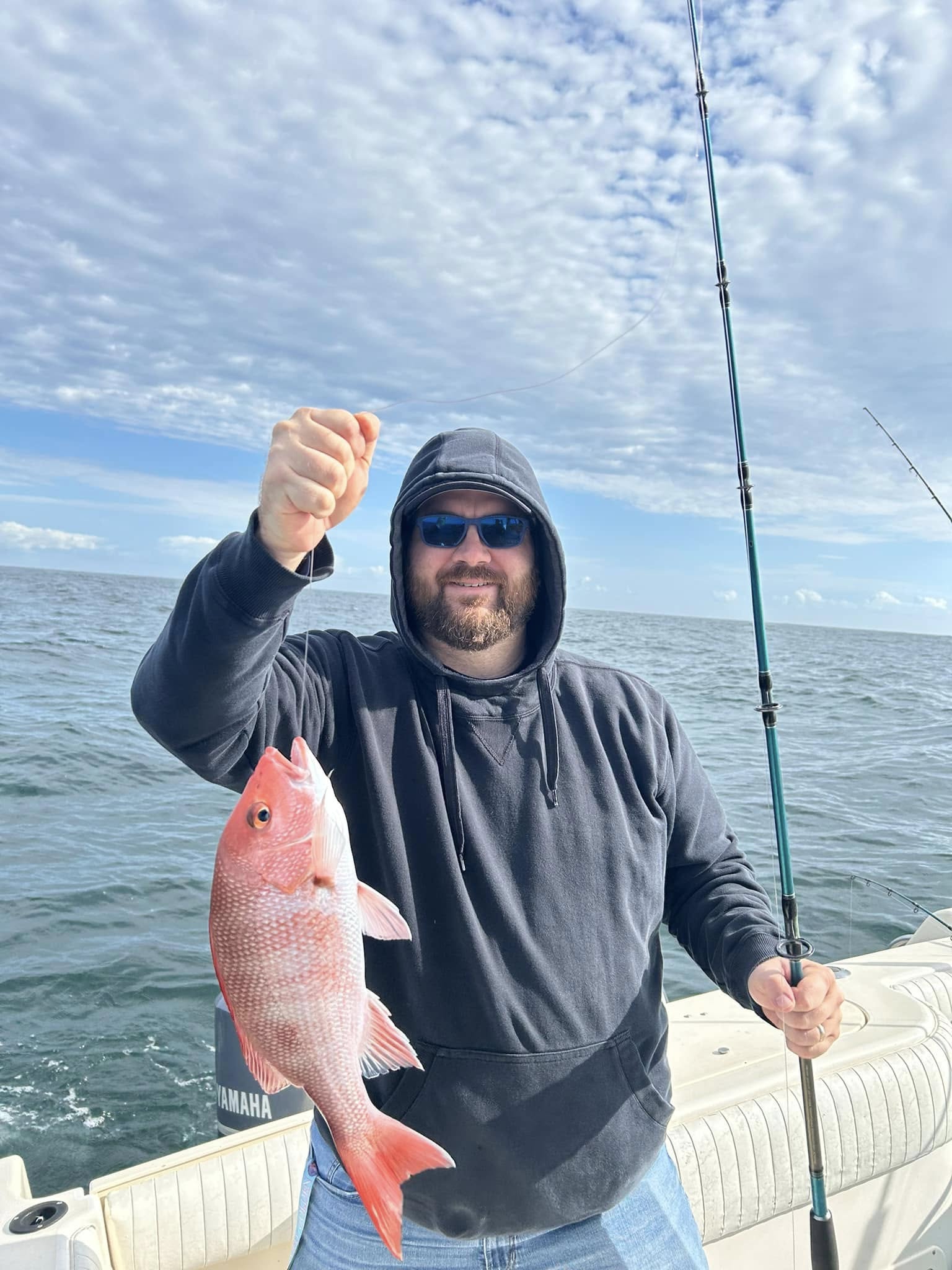
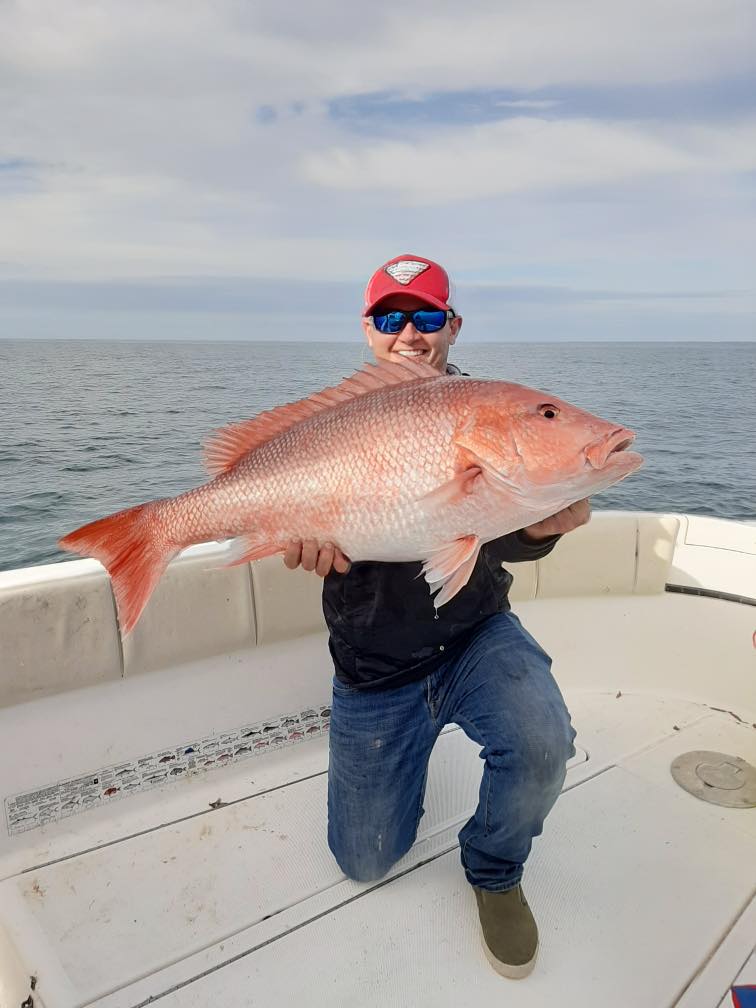
Redfish are the bread and butter of these inshore waters, and for good reason. These copper-colored bruisers cruise the shallows in schools, especially during moving tides when they're pushing up onto grass flats to feed on crabs and shrimp. Most fish run 18-27 inches, which puts them in that perfect slot size where they fight like freight trains but are still legal to keep if you want a fish dinner. Peak season runs from September through November when they school up heavy, but you'll find them year-round if you know where to look. What makes Redfish so addictive is their attitude – they'll slam a topwater plug with authority or slowly inhale a soft plastic crab, and once hooked, they make long, bulldogging runs that test your drag system.
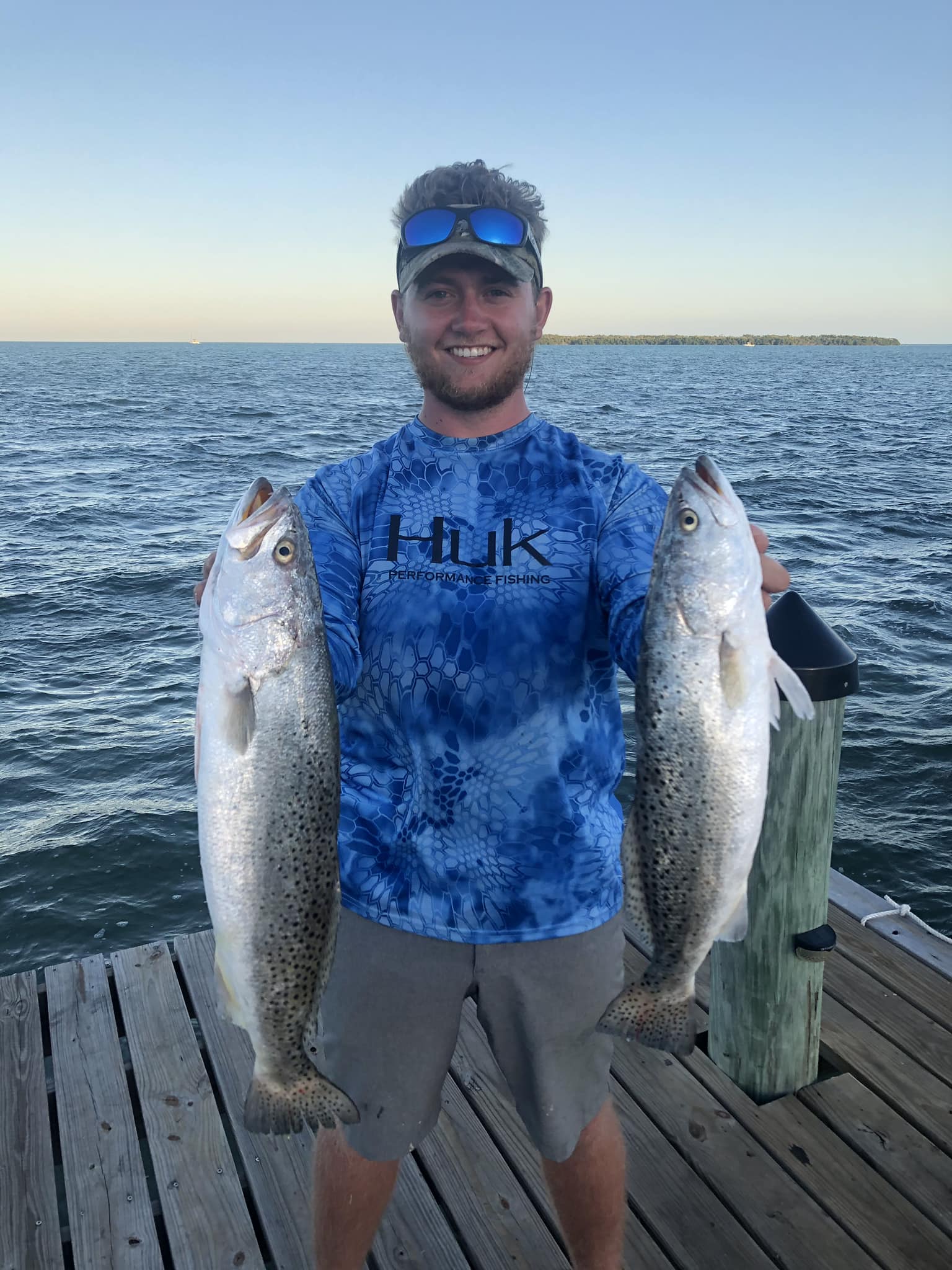
Sea Trout might not have the size of a Redfish, but they make up for it with numbers and willingness to bite. These spotted beauties hold over grass beds in 3-8 feet of water, and when you find a school, you can often catch them one after another. Spring and fall are prime time when water temperatures are in that sweet spot, and they'll hit everything from live shrimp under a popping cork to soft plastic jerkbaits worked slowly along the bottom. The bigger "gator" trout – fish over 20 inches – are the real prize, and they often hold in slightly deeper water near creek mouths and channel edges.
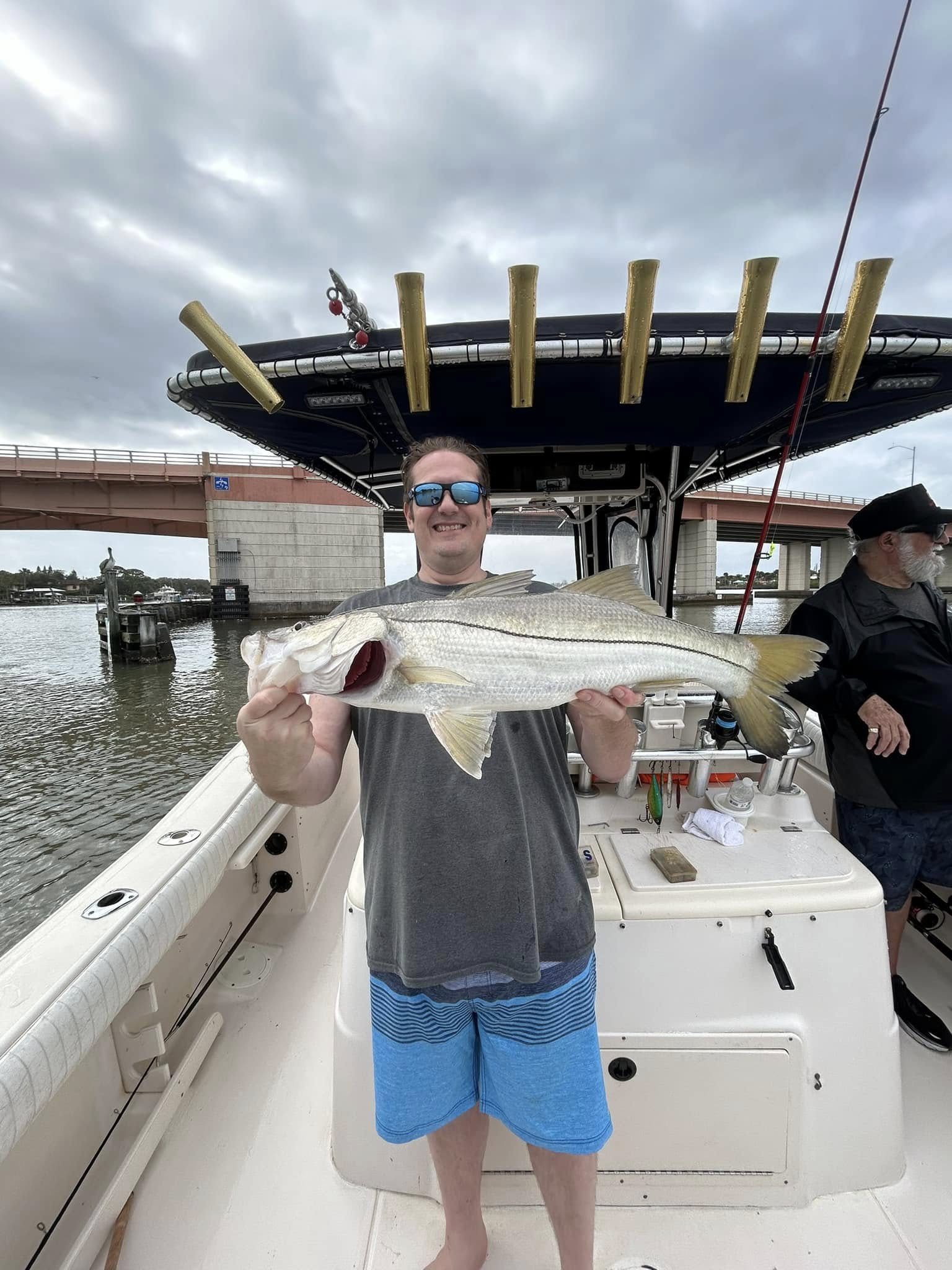
Snook fishing around Ormond Beach is something special, especially during the warmer months from May through October. These silver-sided ambush predators hang tight to structure – docks, mangrove overhangs, bridge pilings – and explode on lures with gill-rattling strikes. They're notorious for their acrobatic fights, clearing the water multiple times before you get them to the boat. The slot limit keeps things interesting since only fish between 28-33 inches can be harvested, but most anglers are happy to release these beautiful gamefish anyway. Live pilchards fished near structure are deadly, but throwing topwater plugs early morning or late evening can produce some heart-stopping surface strikes.
Southern Flounder are the masters of camouflage, lying buried in sand and mud bottoms waiting for an easy meal to swim by. These flatfish might not win any beauty contests, but they're absolutely delicious and put up a surprisingly strong fight for their size. Look for them around creek mouths, channel edges, and anywhere the bottom transitions from hard to soft. Cooler months from November through March are peak season when they're staging for their offshore spawn. A live finger mullet bounced along the bottom or a soft plastic worked slowly through likely spots will often draw a strike. When you feel that telltale tap-tap-tap, give them a few seconds to turn the bait before setting the hook.
Tarpon – even the resident juvenile fish in these waters – represent the pinnacle of inshore fishing excitement. These "baby" Tarpon might only run 10-40 pounds, but they fight with the same fury as their 100-pound cousins. Summer months bring the most consistent action when water temperatures climb into the 80s, and you'll often find them rolling and feeding near bridges and in deeper creek bends. Live bait is king for Tarpon – a frisky pilchard or threadfin herring fished on a circle hook – but they'll also crash topwater plugs when conditions are right. The jumps are what you'll remember long after the trip ends, as these silver bullets can clear the water by 6 feet or more in their attempts to throw the hook.
Time to Book Your Spot
 Private Trip
 Inshore Fishing
 undefined, undefined


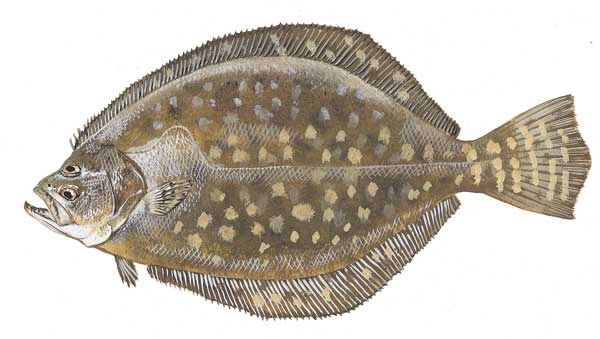

 Four-hour private inshore charter targets multiple fish species