2 Day Overnight Fishing Adventure
Picture this: two full days with your line in the water, chasing everything from feisty rainbow trout to hard-fighting striped bass, with a cozy night of camping right on the water between fishing sessions. This isn't your typical day trip – we're talking about a proper fishing getaway where you can really dial in on different species and techniques without watching the clock. With Sunny Daze Guide Service, you get the full package: expert guidance, all your meals covered, and the kind of personalized attention you can only get with our one-on-one guiding approach.
What to Expect on the Water
This two-day setup gives us serious flexibility to work the water properly. We'll start early on day one, hitting the prime morning bite when the fish are most active. The beauty of an overnight trip is we don't have to rush – if the walleye are schooling up in deeper water during midday, we can take our time working different depths and presentations until we crack the code. After a solid day of fishing, we'll set up camp right along the water, so you're literally falling asleep to the sound of the river and waking up steps away from your next cast. Day two often produces the best results because you've already gotten a feel for the water and the fish behavior patterns. Plus, there's something special about that early morning bite when you roll out of your sleeping bag and grab your rod while the coffee's still brewing.
Techniques & Tackle
We'll be mixing up our approach based on what the fish are telling us and what species we're targeting. For the trout, we're looking at everything from dead-drifting nymphs in the deeper pools to swinging streamers through the runs. The bass fishing calls for a different game plan – we might be pitching jigs into rocky structure for smallmouth or working topwater early and late in the day when they're pushing baitfish shallow. Walleye fishing often means getting down to business with jigs and live bait, especially in those deeper holes and current breaks where they like to stack up. The striped bass can be a blast on both bait and lures – these fish fight hard and give you that classic head-shaking battle that gets your heart pumping. I provide all the tackle and know exactly what's working on this stretch of water, but feel free to bring your favorite rod if you've got one. We'll adjust our tactics throughout the trip based on weather conditions, water levels, and what the fish are doing.
Top Catches This Season
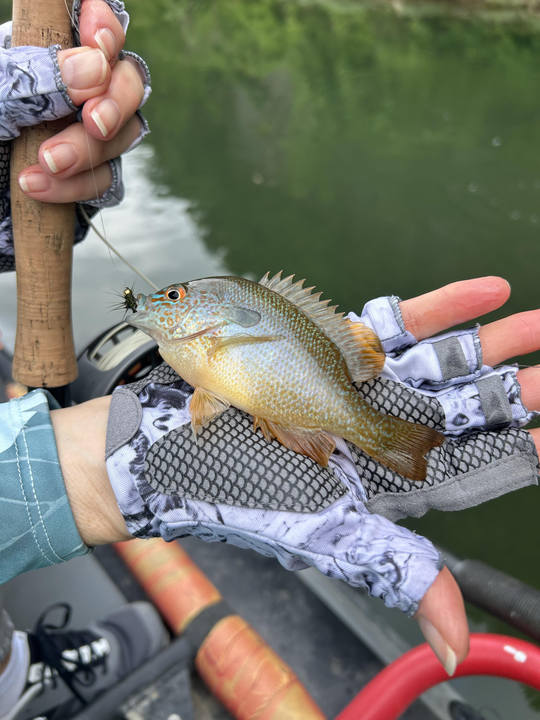
Rainbow trout here are absolutely gorgeous fish, and they fight way above their weight class. Most of our rainbows run between 12 to 16 inches, with some real bruisers pushing 18 plus. They're most active during the cooler parts of the day – early morning and evening – and they love structure like fallen trees, undercut banks, and deeper pools. What makes them special is their acrobatic fight; when you hook a decent rainbow, expect some serious aerial displays. Spring and fall are prime time, but we catch them consistently throughout the season. Walleye are the bread and butter for a lot of anglers, and for good reason. These fish are excellent table fare and provide steady action when you find them. They typically run 14 to 20 inches in this system, with some real slabs over 24 inches lurking in the deeper water. Walleye are structure-oriented fish that love rocky points, drop-offs, and current breaks. They're most active during low-light conditions, making them perfect targets for our evening fishing and early morning sessions.
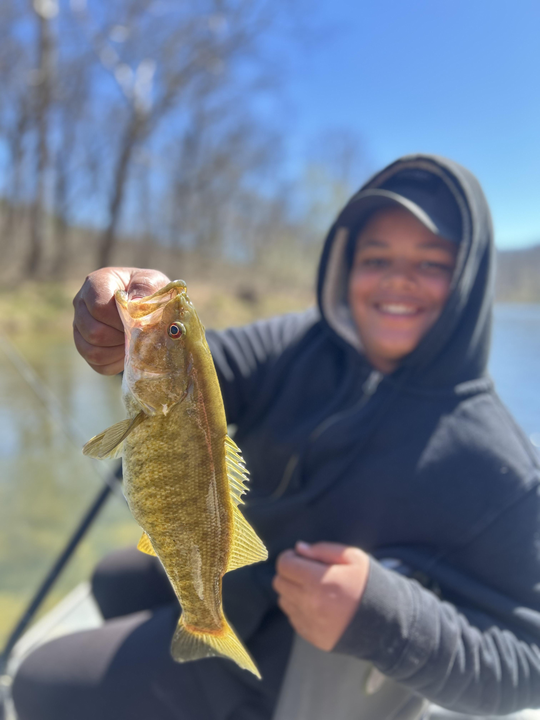
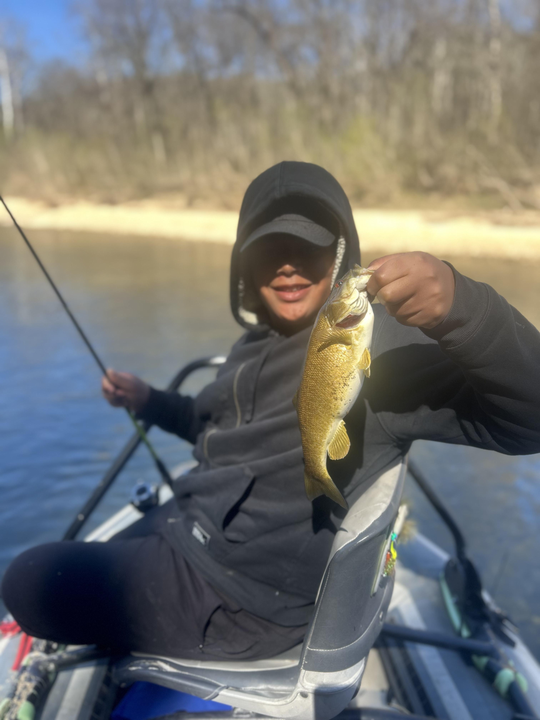
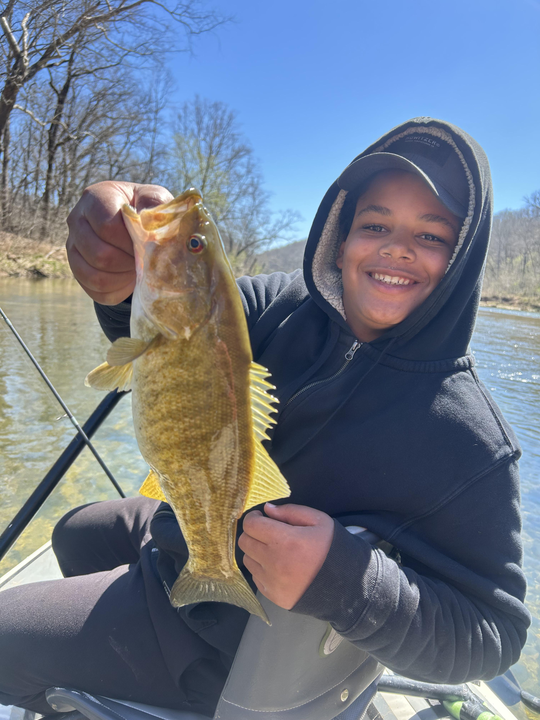
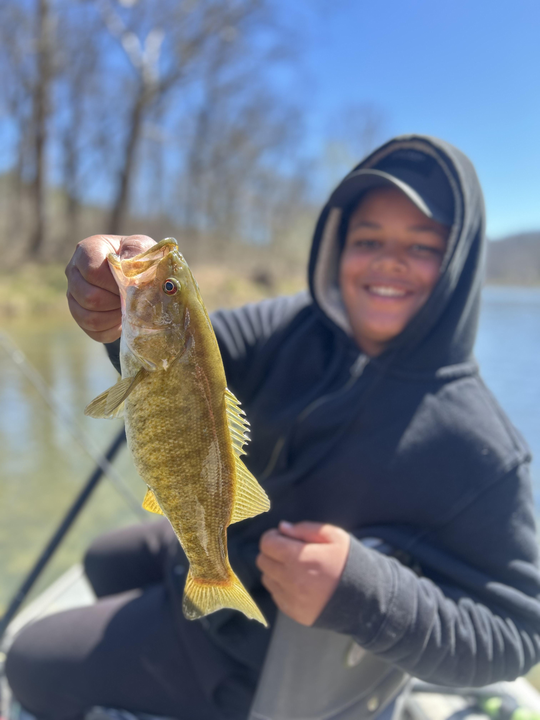
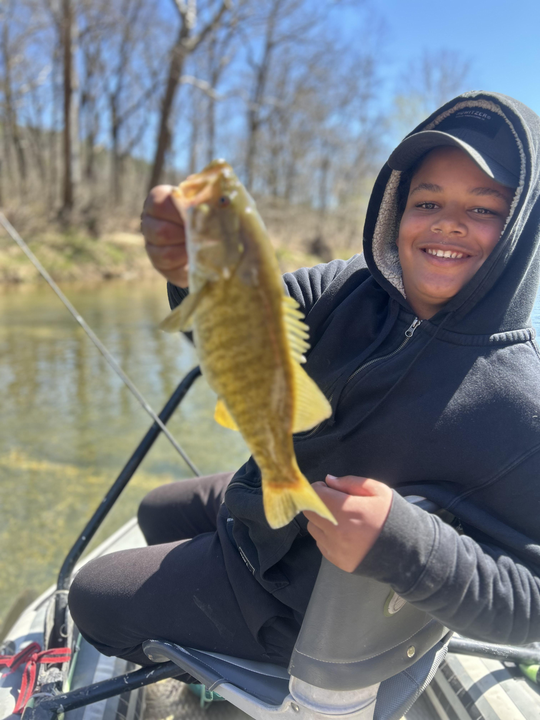
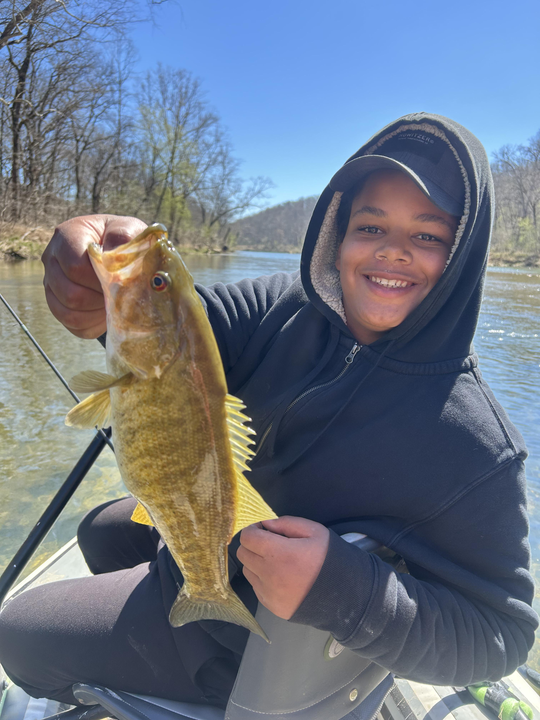
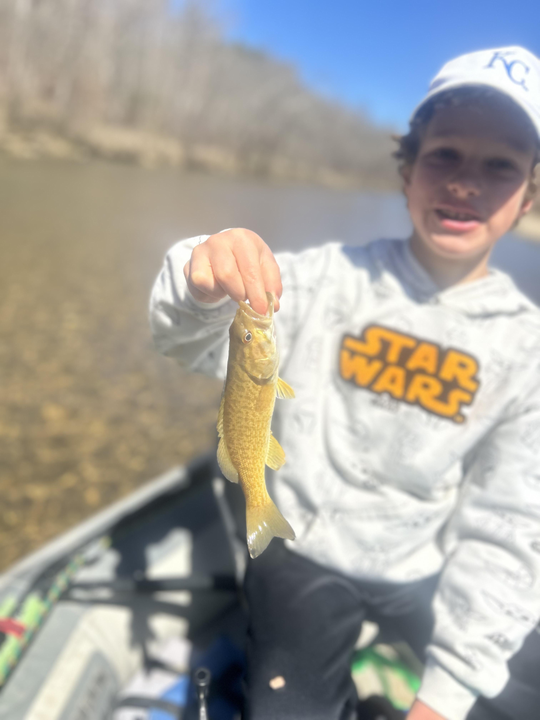
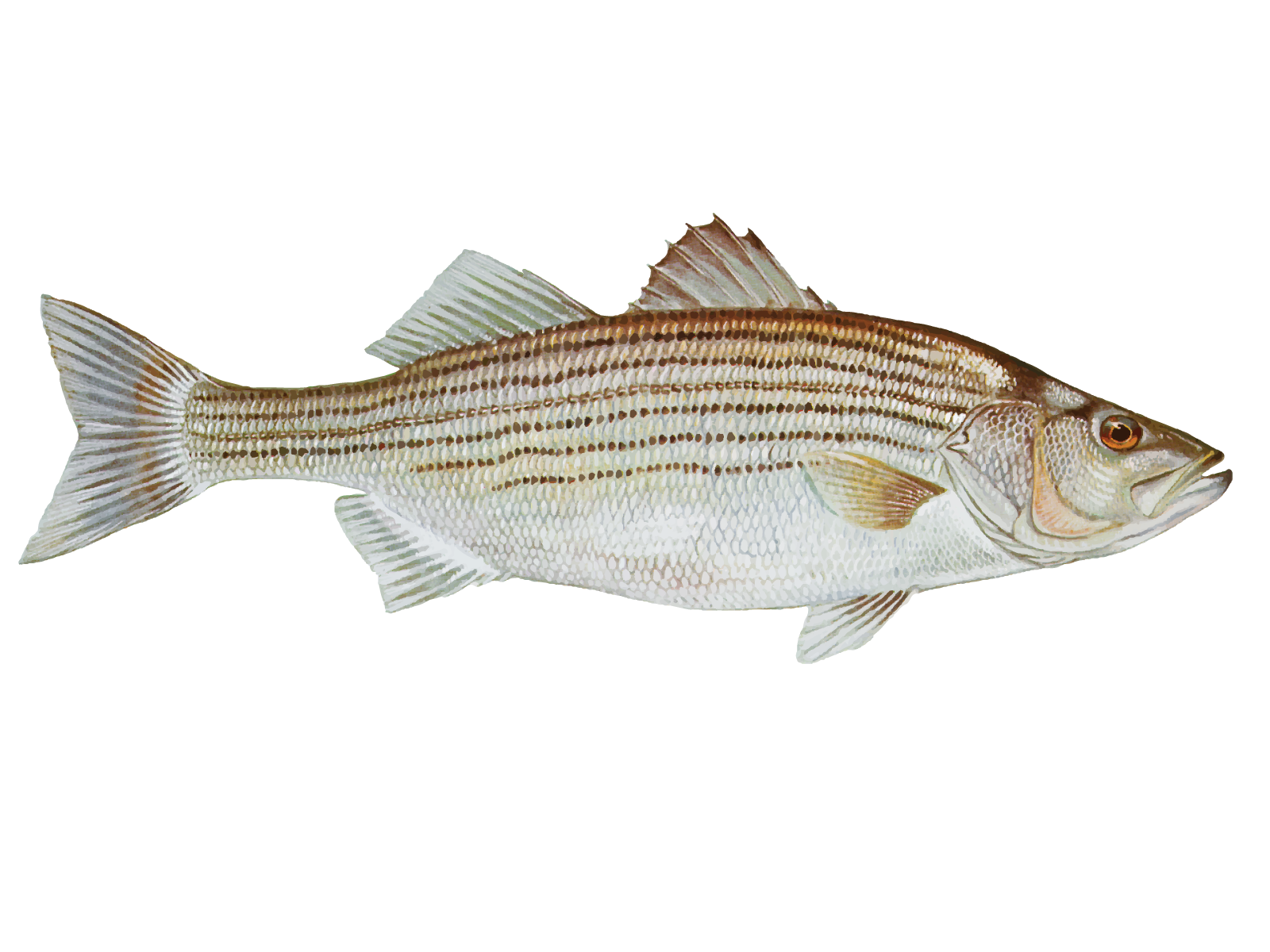
Striped bass are the real bruisers of this trip – these fish can absolutely smoke your drag and test your tackle. Most of our stripers run between 18 to 28 inches, but we see fish over 30 inches regularly. They're aggressive feeders that will smash both live bait and lures, and they're known for their powerful runs and head-shaking fights. Fall is prime time for striped bass as they're feeding heavily before winter, but they're catchable throughout the warmer months. Smallmouth bass are pound-for-pound some of the best fighting freshwater fish you'll encounter. Our smallies typically range from 12 to 18 inches, with some real tanks pushing over 20. They love rocky structure, current breaks, and deeper pools adjacent to shallow flats. What makes smallmouth special is their aggressive nature – they'll hit everything from topwater baits to deep-running cranks, and they fight like fish twice their size. Brown trout are the trickiest of our target species, but also the most rewarding. These fish are extremely wary and selective, which makes them a real challenge for experienced anglers. Our browns typically run larger than the rainbows, with fish in the 16 to 22-inch range being common. They prefer deeper water and heavy cover, and they're most active during low-light periods. Landing a quality brown trout is something you'll remember for years.
Why Anglers Keep Coming Back
The overnight format really sets this trip apart from your typical guided day. You get to experience the water during different times and conditions, which means better fishing and a deeper understanding of how this river system works. There's no rushing back to the dock when the fish start biting at sunset – we're already set up and ready to take advantage of those prime feeding windows. The camping aspect adds a whole different dimension to the experience. Sitting around the campfire after a day on the water, talking fishing stories and planning the next day's strategy, that's the stuff that turns a good fishing trip into something special. All your meals are covered, so you can focus entirely on fishing instead of worrying about logistics. The one-on-one guiding means everything is tailored specifically to your skill level and interests – whether you're looking to master a new technique or just want to catch fish consistently, we'll make it happen.
Time to Book Your Spot
This two-day overnight adventure gives you the complete river fishing experience – multiple species,
 Private Trip
 River Fishing
 Dora, MO, USA



 Two-day river fishing adventure with overnight camping experience