Half Day Advanced Fishing Trip In Wildwood, NJ
Captain Joseph knows where the fish are biting off Wildwood, and this half-day trip is built for anglers who want serious action without burning a whole day. We're talking about a top-rated morning charter that gets you into productive inshore waters fast, maximizes your fishing time, and puts you on multiple species that'll test your skills. This isn't a beginner's trip – it's designed for experienced anglers who know their way around a rod and want to bring home a cooler full of quality fish.
What to Expect on the Water
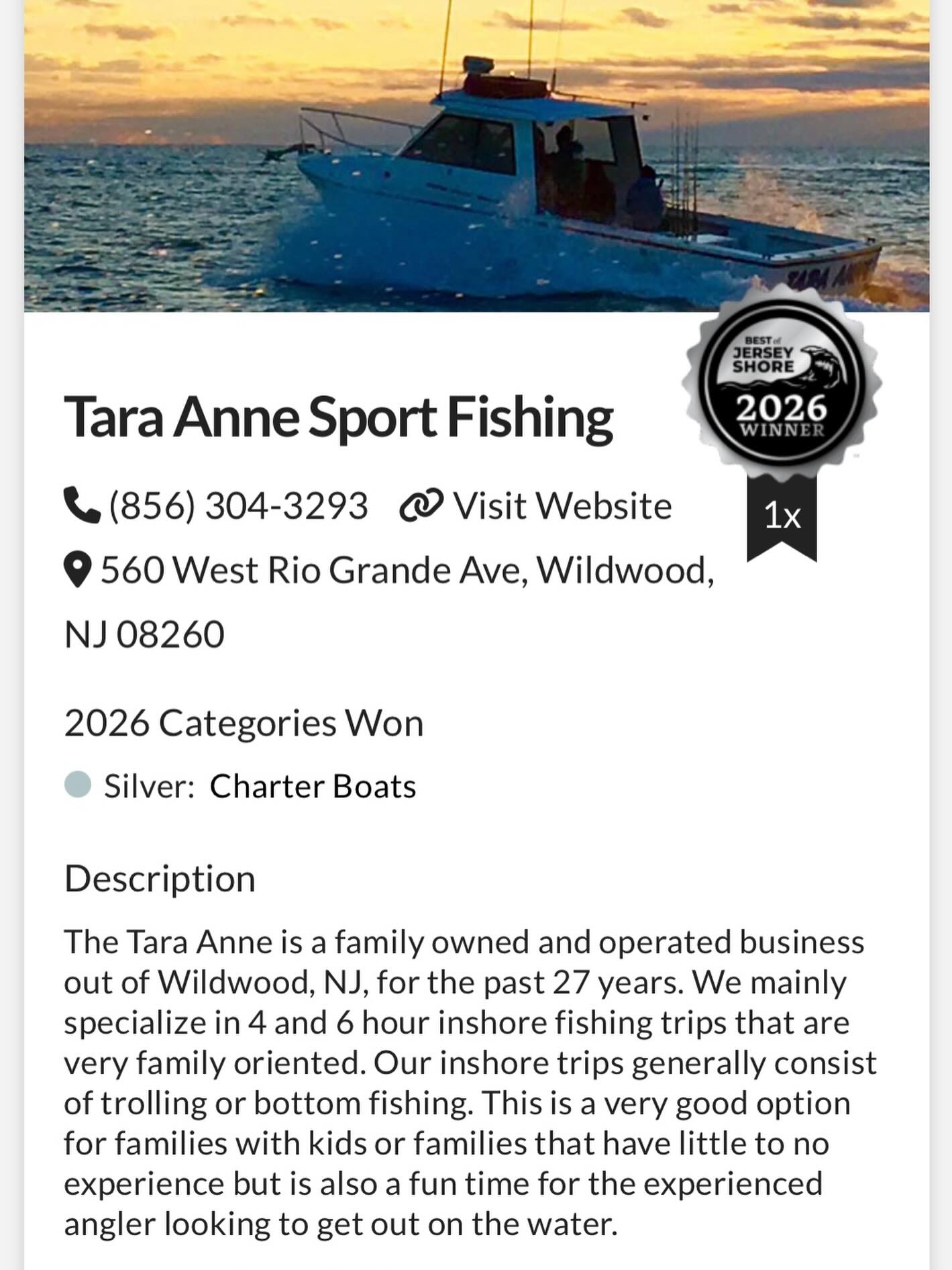
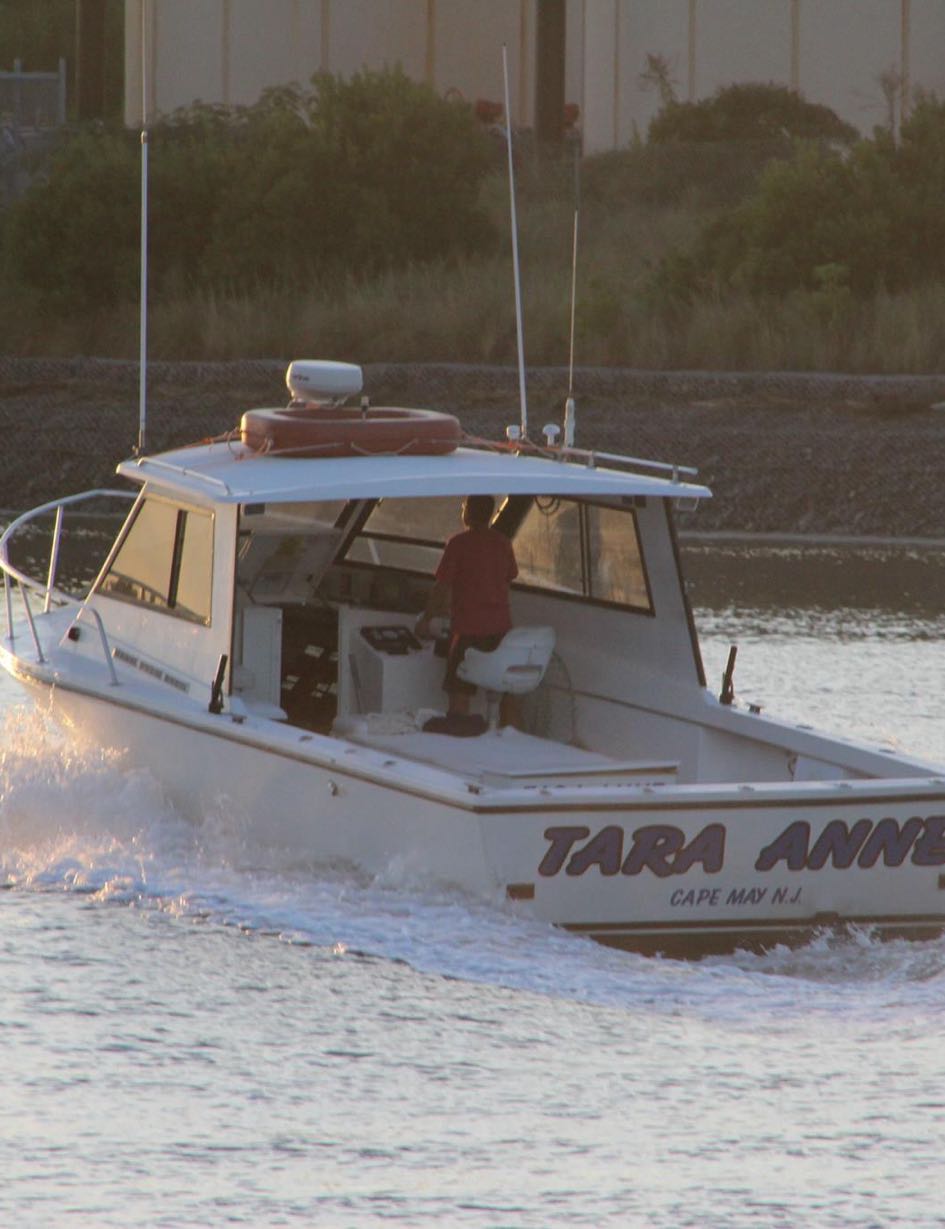
Your day starts at 8:00 AM sharp from Wildwood's docks, and we're not wasting time. Captain Joseph runs a tight ship on his 30-foot Island Hopper Pilothouse, which gives all six anglers plenty of room to work without getting tangled up. After a quick run to the fishing grounds, you'll have 2-3 hours of solid fishing time targeting whatever's hot that day. Some mornings we're trolling for fast-moving pelagics like Spanish Mackerel and Atlantic Bonito, other days we're dropping bottom rigs for Seabass and Flounder. The captain reads the conditions, checks the bite reports, and adjusts the game plan to put you on fish. All your gear and licenses are handled, so you can focus on what you do best – fishing.
Techniques & Tactics
This trip runs a mix of trolling and bottom fishing depending on what's producing. When we're chasing Bluefish, Spanish Mackerel, and Bonito, we'll be pulling spreads of spoons, small plugs, and surgical tube rigs at varying speeds to trigger strikes from aggressive feeders. The trolling setup lets us cover water fast and locate schools of baitfish where the action heats up. For bottom fishing, we're talking about two-hook rigs with circle hooks, running squid strips, clams, and cut bait for Seabass and Flounder. Captain Joseph knows the local structure – wrecks, reefs, and drop-offs where these bottom dwellers concentrate. The boat's electronics help pinpoint fish-holding spots, but it's the captain's local knowledge that really makes the difference in putting you over productive water.
Top Catches This Season
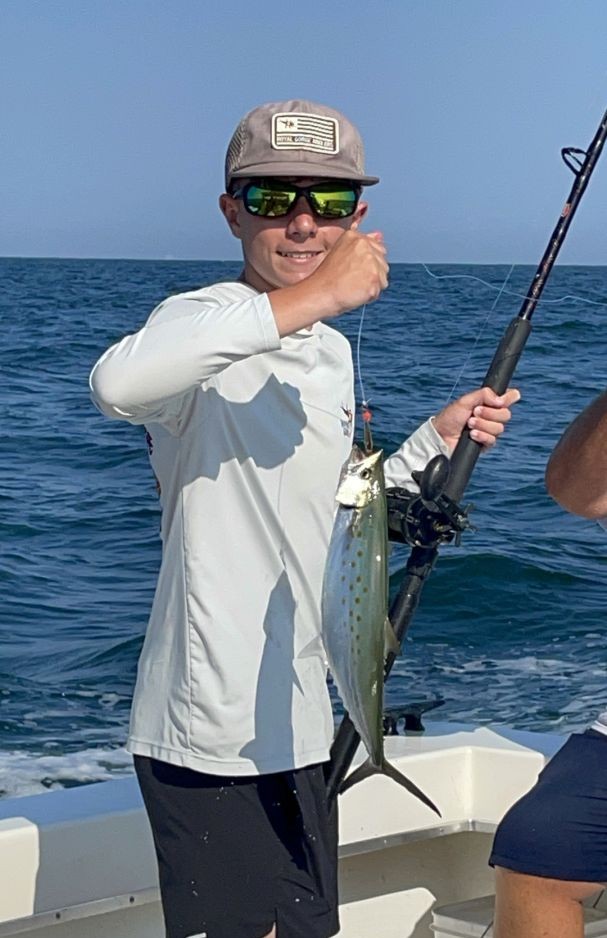
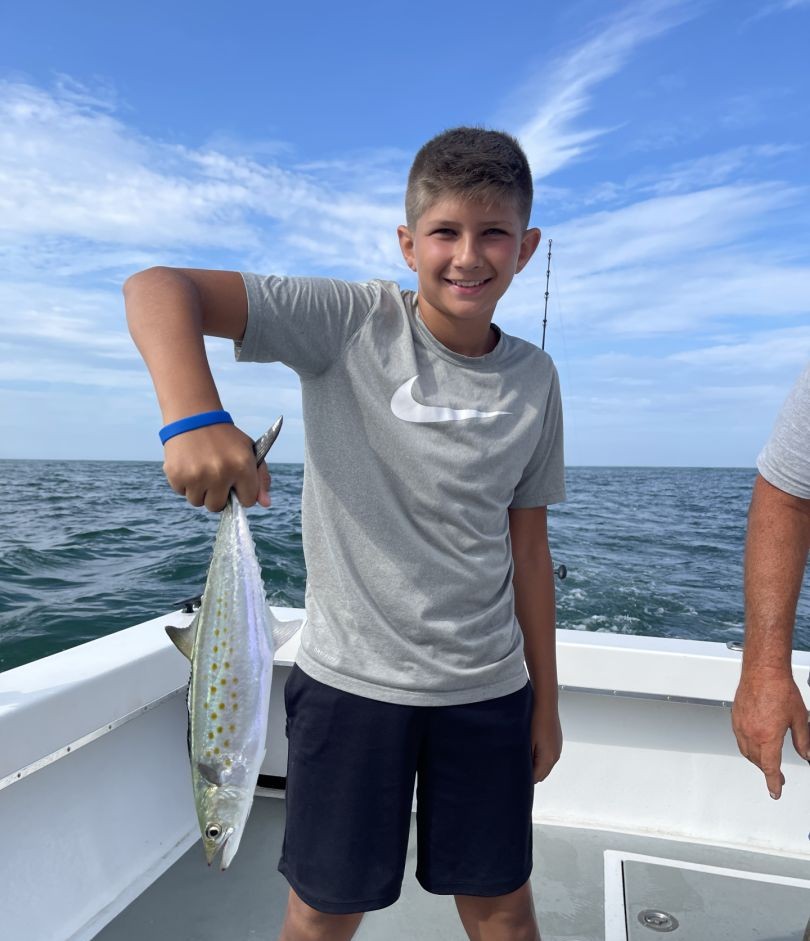
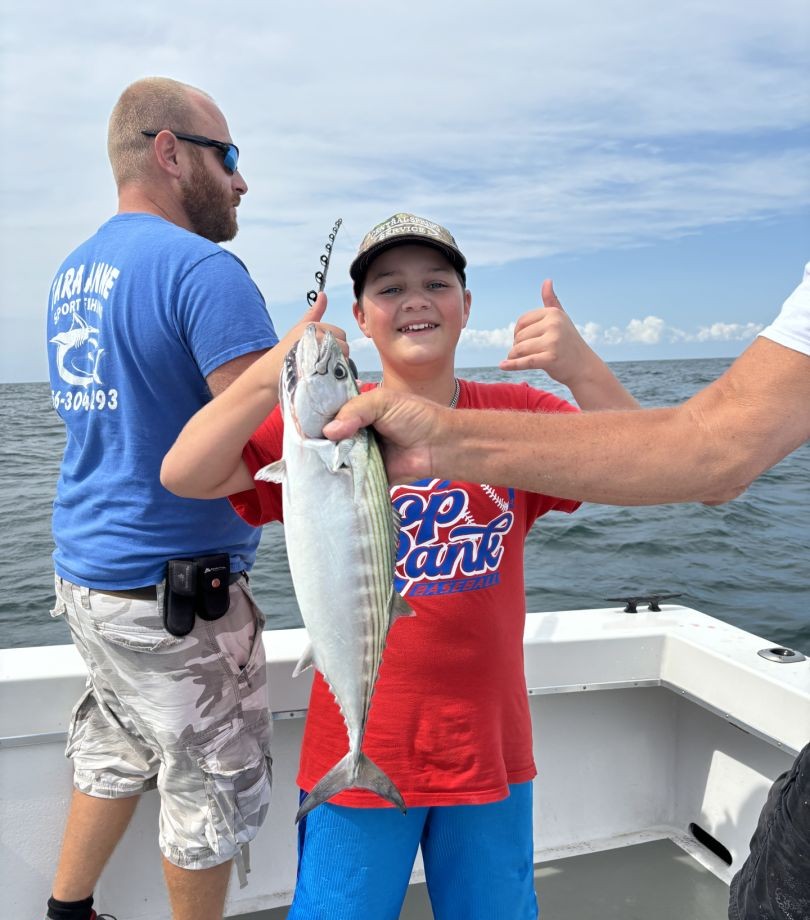
Spanish Mackerel are absolute speed demons that'll test your drag system and reflexes. These silver bullets typically run 1-3 pounds off Wildwood and peak during the warmer months from late spring through early fall. They're schooling fish, so when you hook one, get ready for multiple hookups. What makes them exciting is their explosive strikes on trolled baits and their acrobatic fights – they'll jump, run, and make you work for every fish. Plus, they're fantastic eating with firm, flaky white meat that's perfect for the grill.
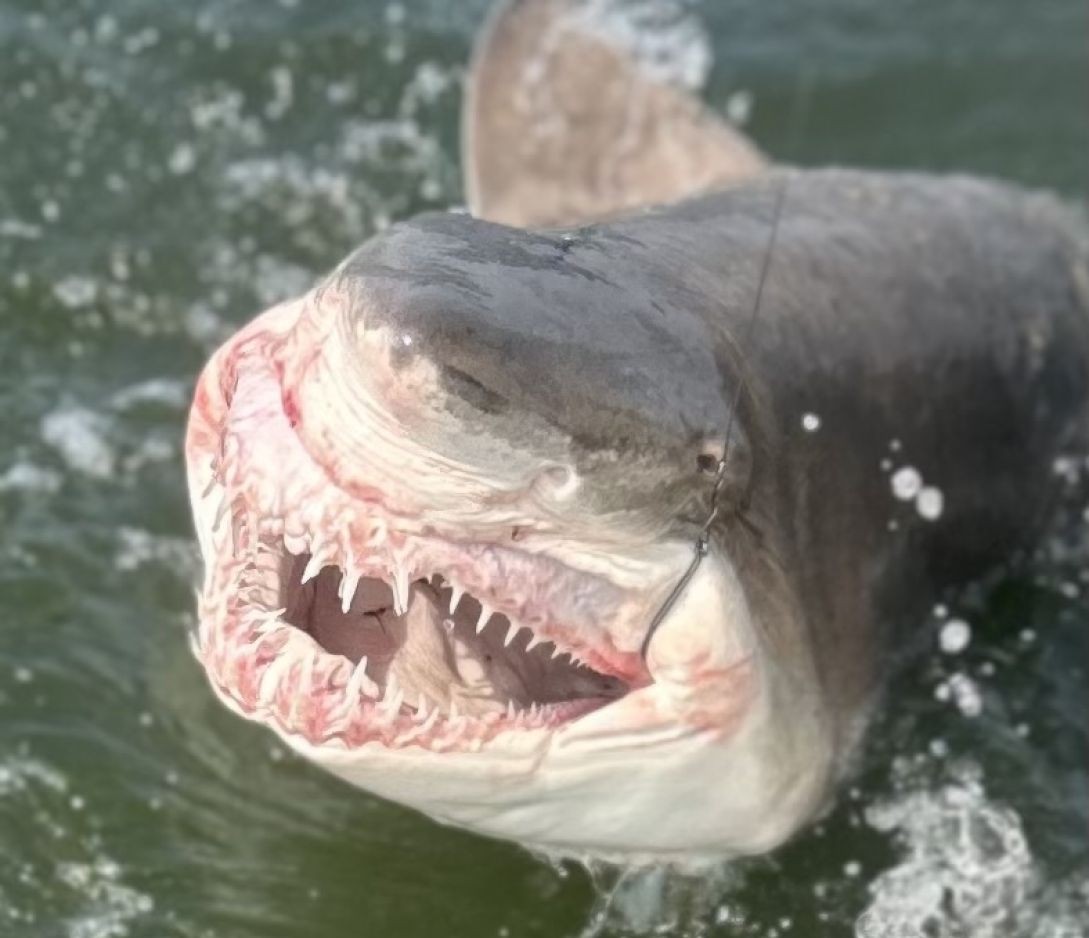
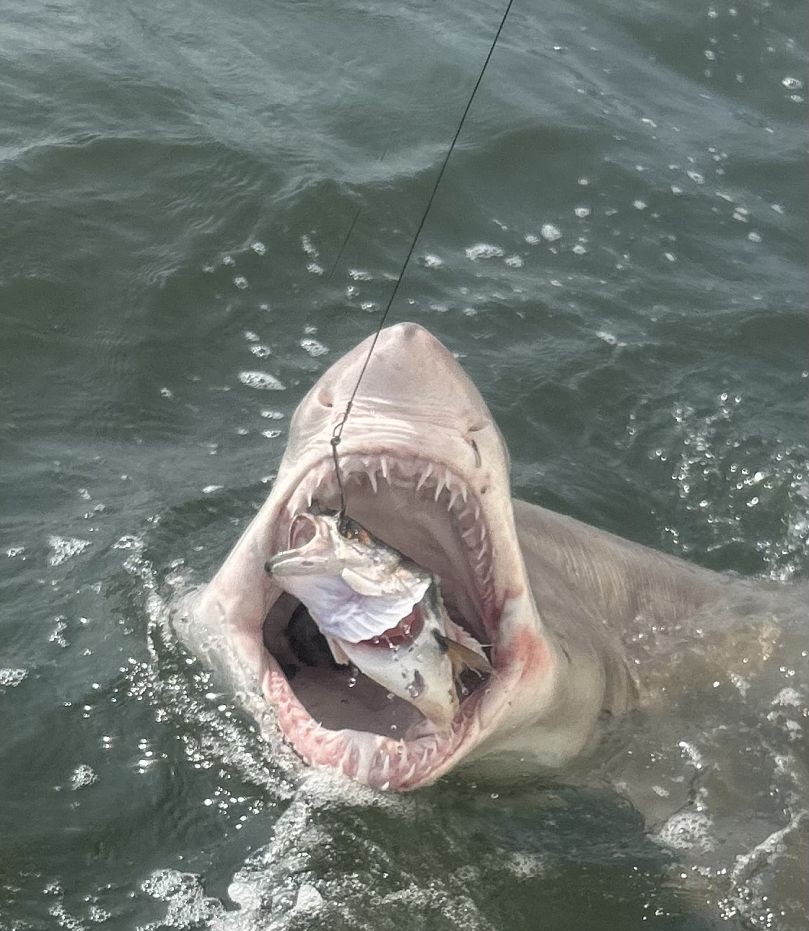
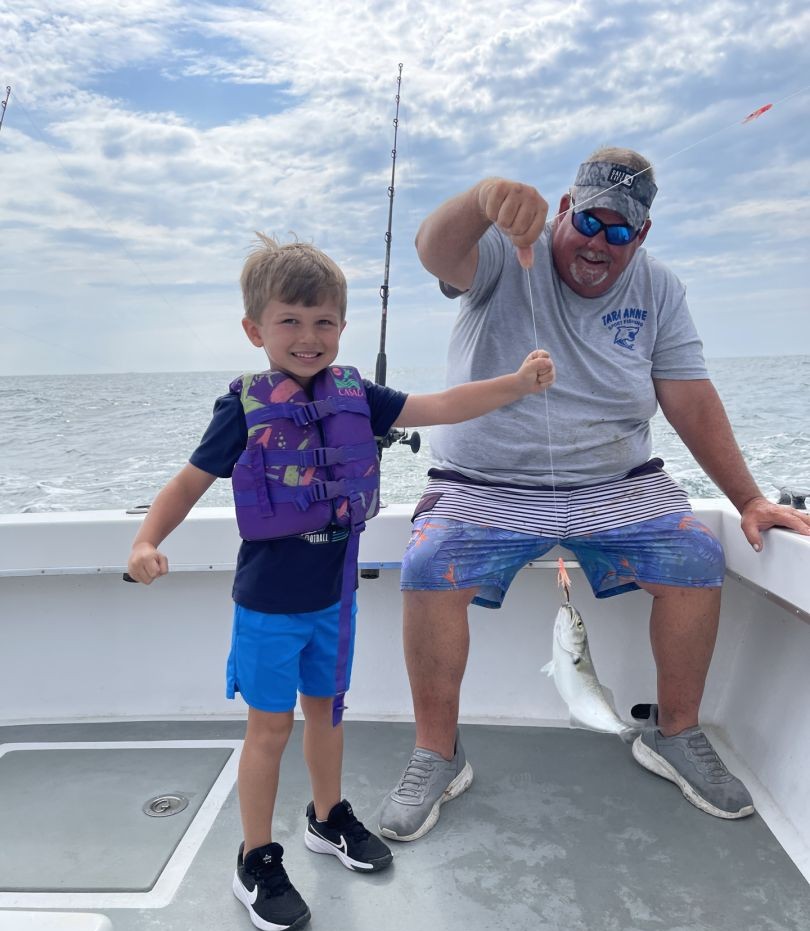
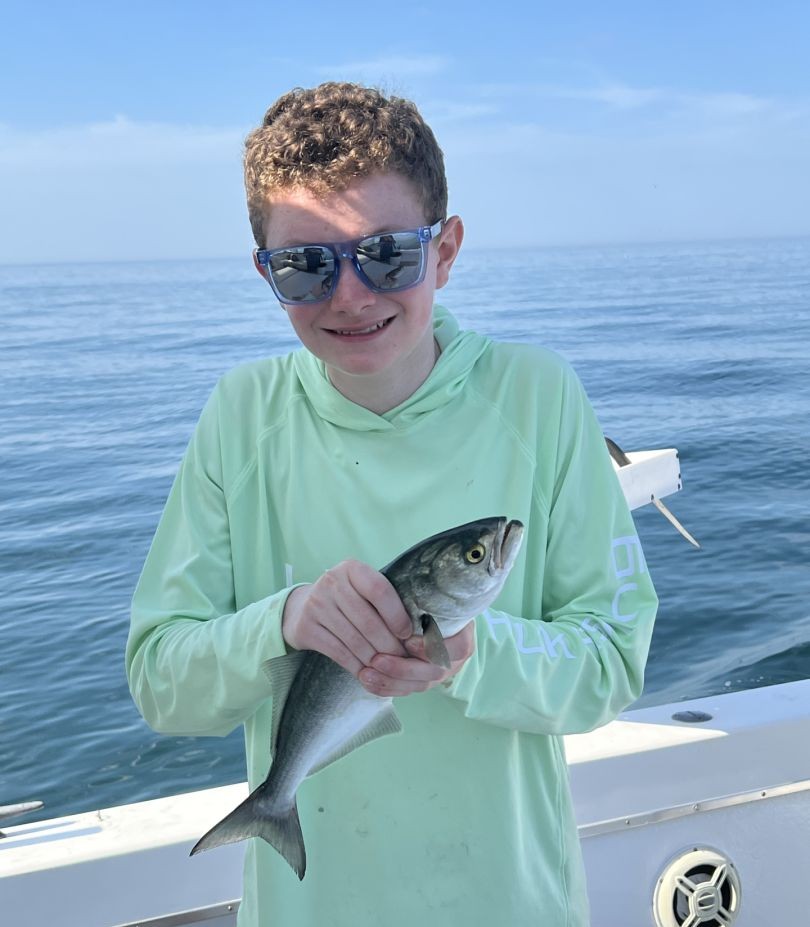
Bluefish are the ultimate aggressive predators in these waters, ranging from smaller "snappers" up to hefty 8-10 pound choppers that'll smoke your drag. They're year-round residents but really turn on during spring and fall migrations when they're feeding heavily on bunker and other baitfish. Blues hit hard, fight dirty, and never give up – exactly what experienced anglers want in a gamefish. Their razor-sharp teeth and powerful runs make them a challenging catch that keeps you on your toes.
Black Seabass are the bread-and-butter bottom fish that every angler loves to find. These chunky, hard-fighting fish typically run 2-5 pounds in local waters and are renowned for their excellent table fare. They're structure-oriented, so we target them around wrecks, reefs, and rocky bottom where they ambush prey. Summer through early fall is prime time, and their strong, bulldogging fights make them a customer favorite despite their smaller size.
Summer Flounder, or Fluke, are the flatfish that challenge your technique and patience. These ambush predators can range from keeper-sized fish up to doormat-sized slabs that every angler dreams about. They're masters of camouflage, lying buried in sand waiting for baitfish to swim overhead. The key is working your bait slowly along the bottom with subtle lifts and drops. When a good Fluke hits, it's often just a subtle tap, but once you set the hook, they'll fight like they're twice their size.
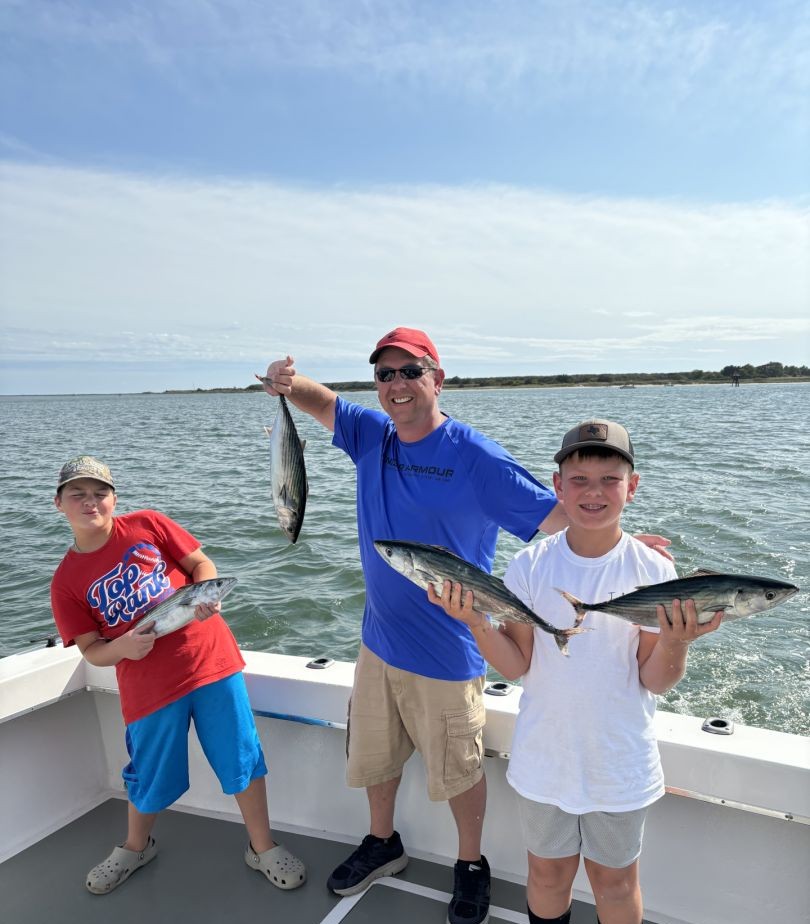
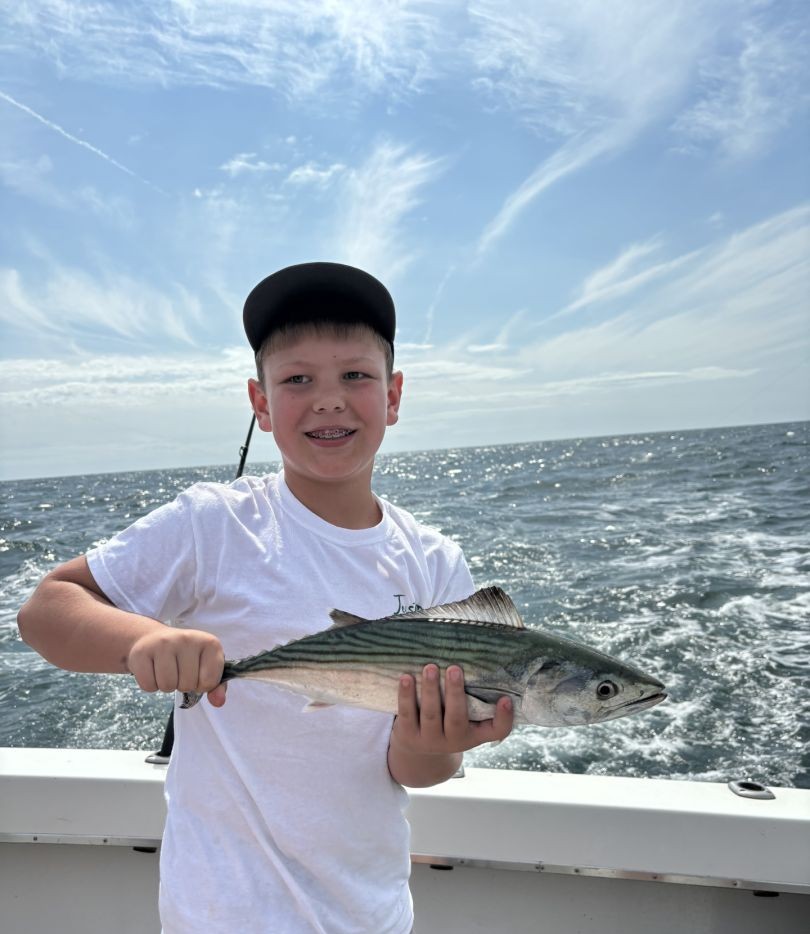
Atlantic Bonito are the speedsters that separate the pros from the weekend warriors. These small tunas typically run 3-8 pounds but fight like fish twice their size with blistering runs and incredible stamina. They're seasonal visitors, usually showing up during warmer months when water temperatures rise. Bonito are extremely finicky and require light tackle, precise presentations, and quick reflexes. Landing one is a badge of honor that proves your skills on the water.
Time to Book Your Spot
This half-day advanced trip delivers exactly what serious anglers want – quality fishing time, multiple species, and a captain who knows how to put you on fish. With only six spots available and a reputation for consistent action, these trips fill up fast during peak season. Captain Joseph's local knowledge, combined with the right boat and gear, gives you the best shot at a successful day on Wildwood's productive inshore waters. Don't wait around hoping for a last-minute opening – book your spot now and get ready for some serious fishing action off the New Jersey coast.
 Private Trip
 Inshore Fishing
 Wildwood, NJ


 Half-day morning departure targeting bonito, bass, and mackerel