Utah Fly Fishing on Weber & Provo Rivers
Looking for world-class fly fishing in Utah? You've found it. The Weber and Provo Rivers offer some of the best trout fishing in the Mountain West, and I'm here to put you on fish. These aren't your typical tourist waters – we're talking about legitimate trout streams where the fish are wild, the scenery is spectacular, and every cast has potential. Whether you're new to the fly rod or you've been swinging flies for decades, we'll tailor the day to match your skills and get you into fish.
What to Expect on the Water
Your day starts early – that's when the fish are most active and the water's at its best. We'll meet at the put-in, and I'll walk you through the stretch we're fishing, pointing out the likely spots where trout like to hold. The Weber River flows through some gorgeous canyon country, with deep pools and classic riffle-run sequences that hold plenty of fish. The Provo River is a different animal entirely – faster water, more technical fishing, but the payoff is worth it when you hook into one of those chunky browns that call it home. Both rivers fish well year-round, though spring and fall are absolutely top-rated seasons when the fish are most aggressive. We're wade fishing these waters, so you'll be right in the action, reading the water and placing your flies where the trout are feeding. I provide all the gear you need – rods, reels, lines, and a full selection of proven local patterns that these fish can't resist.
Flies and Techniques
These rivers respond well to classic nymphing techniques, especially during the cooler months when most of the feeding happens subsurface. I'll rig you up with a two-fly setup – typically a heavy attractor nymph like a Pat's Rubber Legs or Copper John, with a smaller emerger or midge trailing behind. The Weber River has excellent mayfly hatches during spring, and when they're coming off, we'll switch to dry flies and fish the rise. Blue-winged olives are reliable producers, along with caddis patterns during the warmer months. The Provo River can be more selective – the fish here see plenty of pressure, so we often have to downsize our tippet and use more realistic patterns. Small pheasant tails and zebra midges are customer favorites that consistently produce fish. Streamer fishing can be absolutely explosive, especially for the larger browns. I'll teach you the proper strip-and-pause retrieve that triggers strikes, and how to read the water to identify the ambush points where big fish wait for an easy meal.
Species You'll Want to Hook
Rainbow Trout are the bread and butter of both rivers, and these aren't your typical hatchery fish. Utah rainbows are strong, colorful fighters that'll test your drag system. They average 12-16 inches, with occasional fish pushing 20 inches or more. Spring through early summer is prime time when they're fresh from spawning and feeding aggressively. What makes these fish special is their willingness to take both nymphs and dry flies, making them perfect for anglers who want to try different techniques. When you hook a Weber River rainbow in fast water, you'll understand why fly fishers become obsessed with these fish.
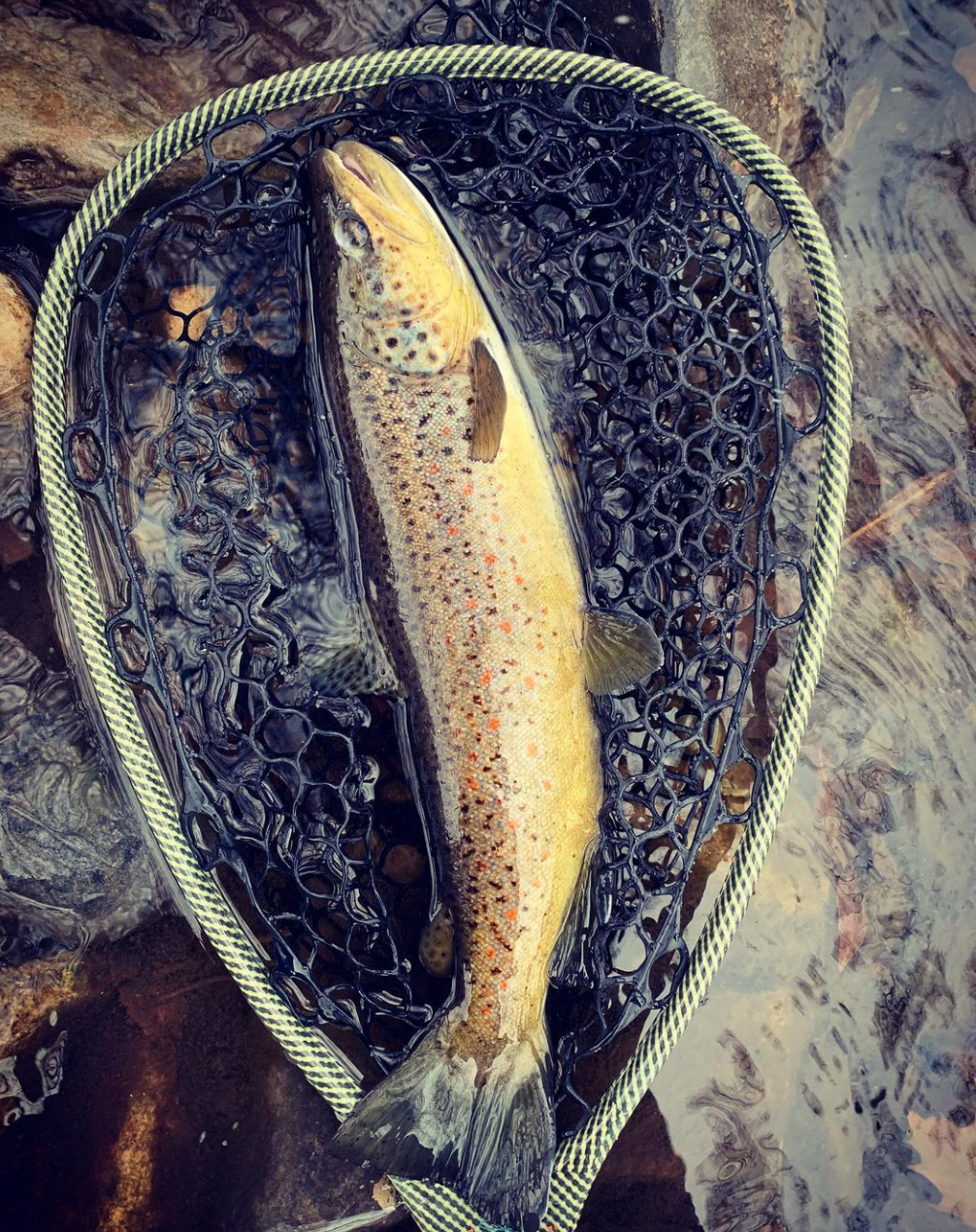
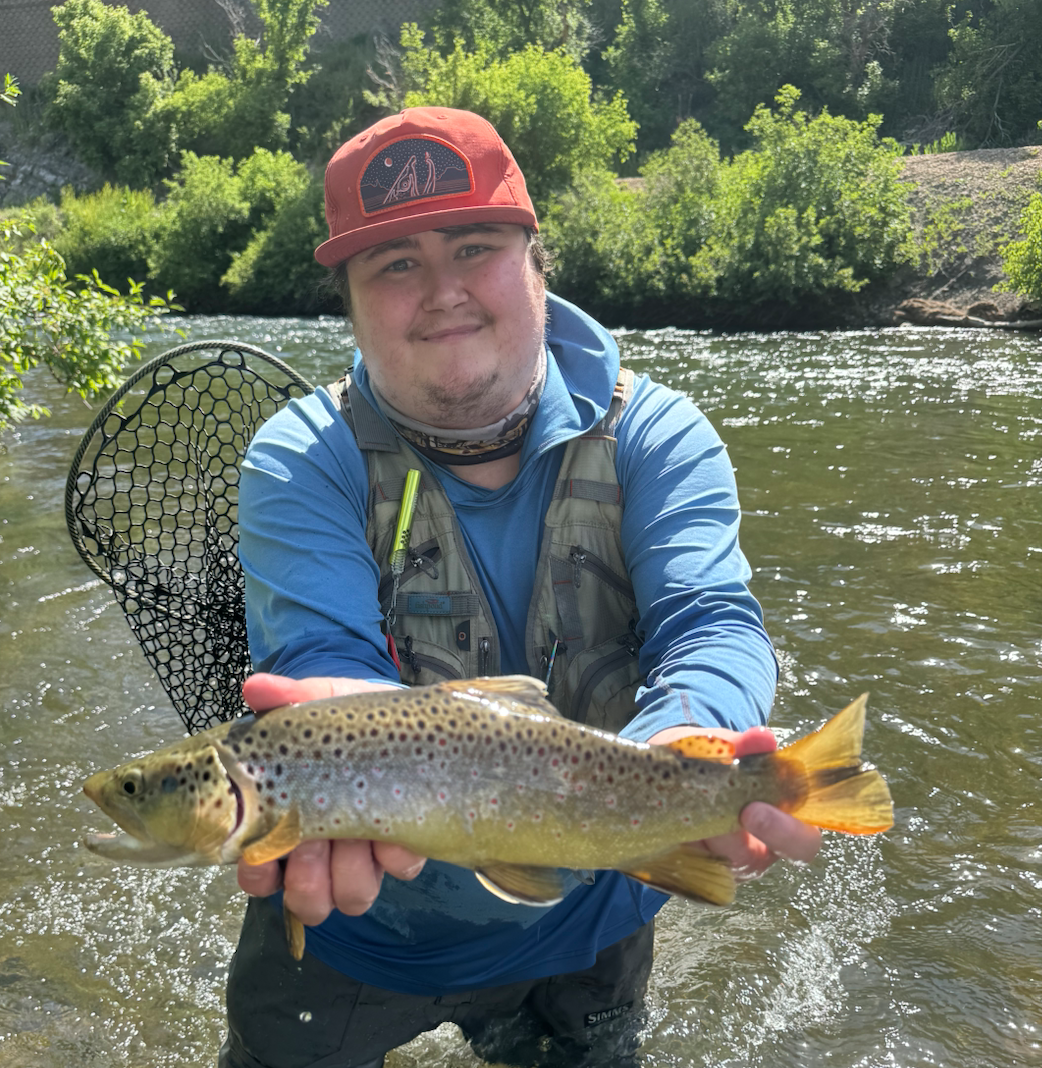
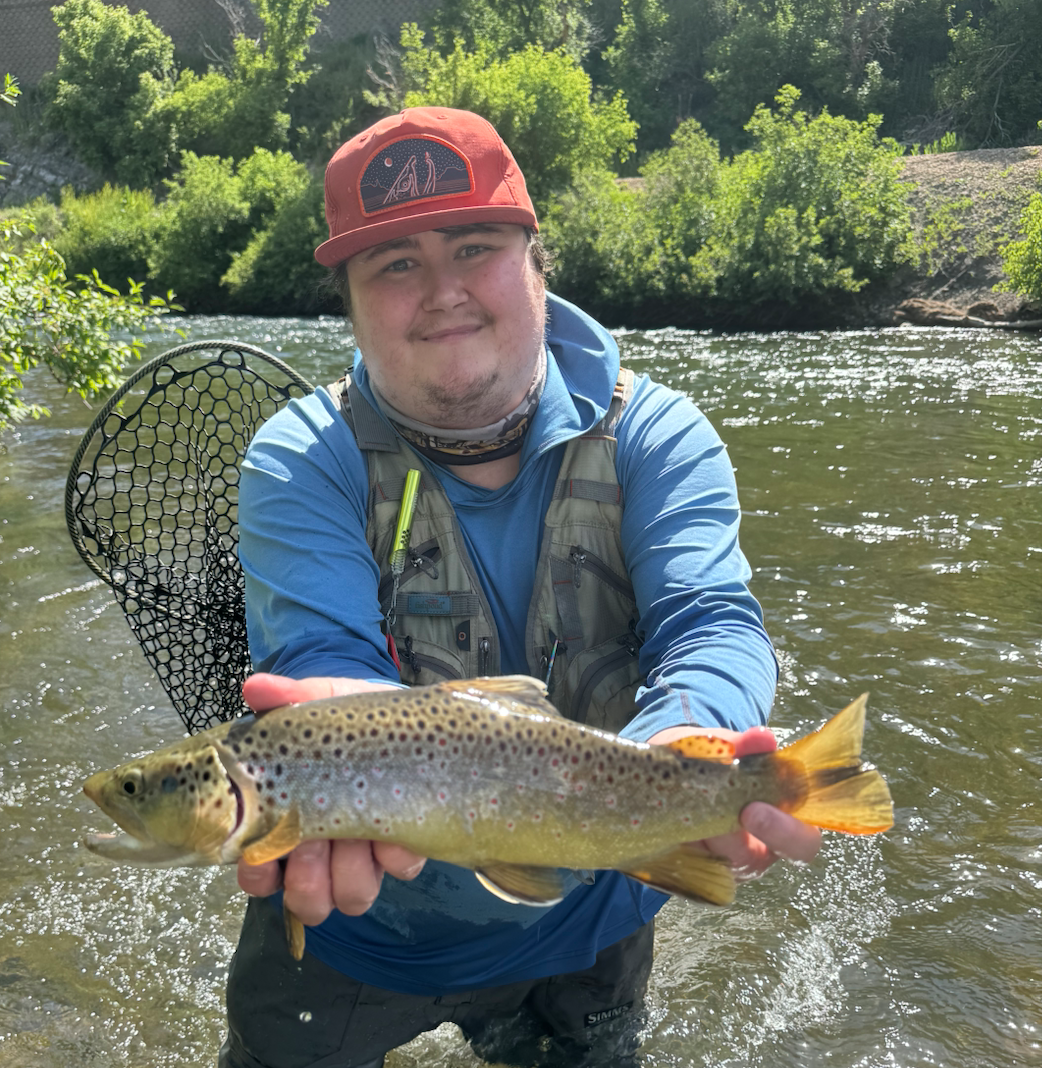
Brown Trout are the prize fish that keep anglers coming back. These wary, intelligent fish grow large in both rivers, with 18-20 inch browns being caught regularly by anglers who know where to look. Browns are most active during fall spawning runs and again in early spring, though they can be caught year-round if you adjust your tactics. They prefer deeper pools, undercut banks, and structure where they can ambush prey. What makes targeting browns exciting is their unpredictability – they might slam a big streamer or delicately sip a size 22 midge. The larger specimens are often caught early morning or late evening when they move into shallow water to hunt.
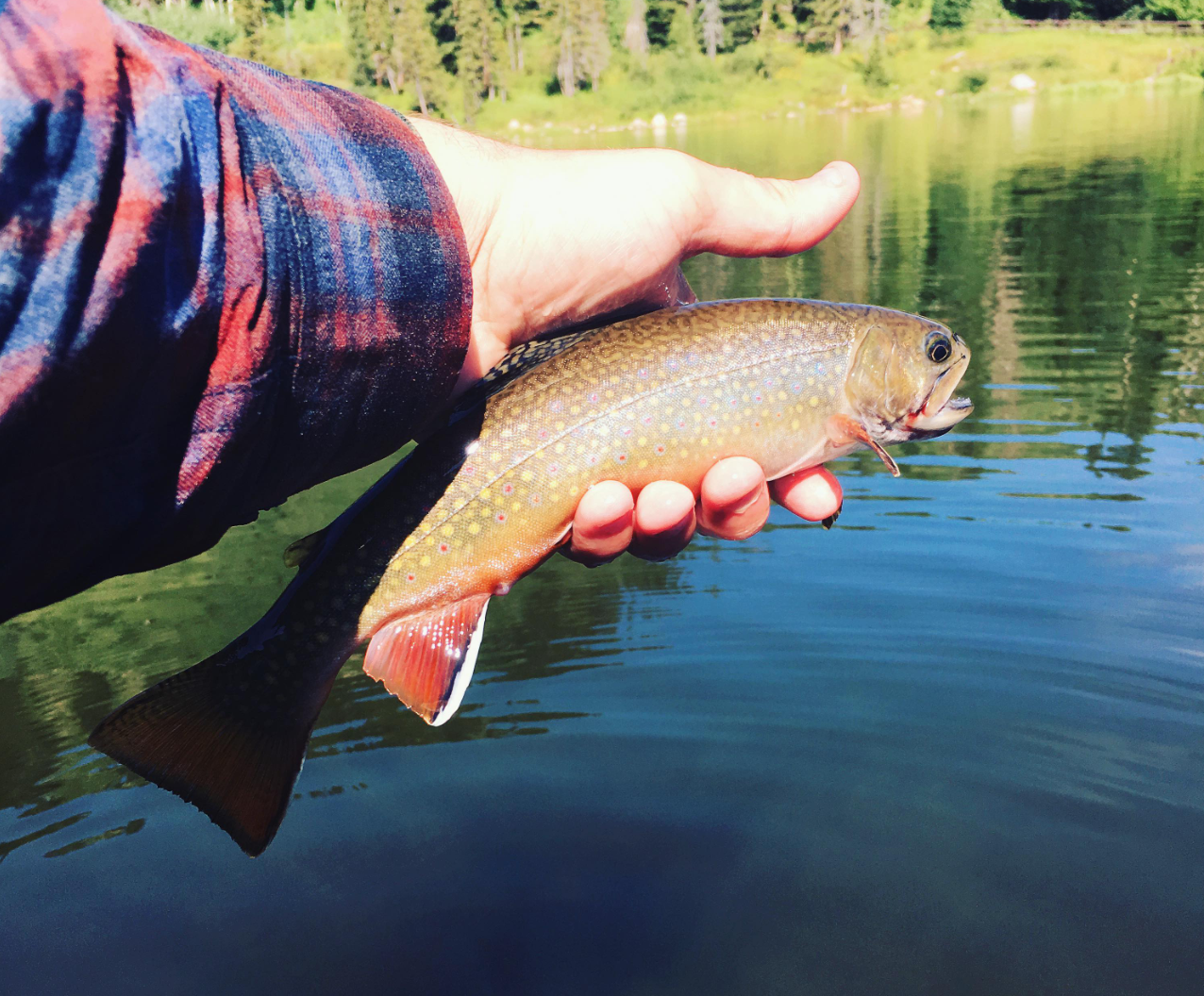
Brook Trout add color and character to your day on the water. While typically smaller than their rainbow and brown cousins, brookies are arguably the most beautiful fish swimming in Utah waters. Their vibrant spawning colors in fall are something every angler should see. These fish love cold, clean water and are often found in the upper reaches and tributary streams. They're aggressive feeders and will often outcompete other trout for your fly. Brook trout are perfect for beginning fly fishers because they're less selective about fly patterns and more willing to make mistakes, but they're challenging enough to keep experienced anglers interested.
Time to Book Your Spot
The Weber and Provo Rivers fish well throughout the season, but the best dates fill up fast. Spring offers excellent nymphing with emerging insects, summer brings consistent dry fly action during evening hatches, and fall provides some of the most reliable fishing of the year as trout prepare for winter. I keep my groups small – maximum two anglers per trip – so you get personal attention and plenty of water to fish. Whether you choose the 4-hour or 8-hour option, we'll maximize your time on productive water. The longer trips allow us to cover more river and really dial in the techniques that work best for your style. Ready to experience why Utah fly fishing has such a renowned reputation? Let's get you on the water and into some fish.
 Private Trip
 River Fishing
 undefined, undefined


 Expert-guided wade fishing on Weber and Provo Rivers