Full Day Fly Fishing for Beginners on White River
Looking to get into fly fishing or sharpen your skills? Brandon Cowan at Three Rivers Trout Guide Service has you covered with a full-day adventure on Arkansas' legendary White River. This isn't some rushed half-day trip where you barely get your feet wet – we're talking eight solid hours of hands-on instruction and fishing in some of the clearest, most productive trout water you'll find anywhere. Whether you've never held a fly rod or you're ready to move beyond the basics, this beginner-friendly trip gives you the time and guidance to really dial in your technique while chasing some beautiful trout.
What to Expect on the Water
The White River's reputation speaks for itself among fly fishing circles, and for good reason. You're looking at gin-clear water that stays consistently cool year-round, creating perfect habitat for healthy populations of rainbow, brown, cutthroat, and brook trout. Brandon knows every riffle, pool, and undercut bank along this stretch, so you'll spend your day working the most productive water instead of wandering around hoping to stumble onto fish. The pace is relaxed but focused – plenty of time to practice your casting, learn to read the water, and understand what makes trout tick. Don't worry about bringing gear; everything you need is included, from rods and reels to flies and terminal tackle. The river flows through some gorgeous Arkansas hill country, so even when the fish aren't cooperating, you'll have plenty to appreciate.
Fly Fishing Fundamentals
This trip focuses on classic fly fishing techniques that work consistently on the White River system. You'll start with basic casting mechanics – the foundation of everything else you'll do on the water. Brandon breaks down the four-part cast in a way that makes sense, then helps you practice until it feels natural. From there, you'll learn to mend line, control your drift, and present flies in a way that looks natural to feeding trout. The White River lends itself perfectly to both dry fly and nymphing techniques, so you'll get exposure to different approaches depending on conditions and fish activity. We're using quality fly rods matched to the water – typically 9-foot 5-weights that handle beautifully and won't wear you out over a full day of casting. The flies are tried-and-true patterns that consistently produce on this system: think woolly buggers, pheasant tails, Adams, and elk hair caddis, among others.
Customer Stories
Recent guests have been having some fantastic days on the water with Brandon's expert guidance. "Brandon was a great guide & we had a blast!" - Mark Downs. That's the kind of feedback we consistently hear from anglers who fish with Three Rivers Trout Guide Service – knowledgeable instruction combined with a fun, relaxed atmosphere that makes the learning process enjoyable rather than intimidating.
Species You'll Want to Hook
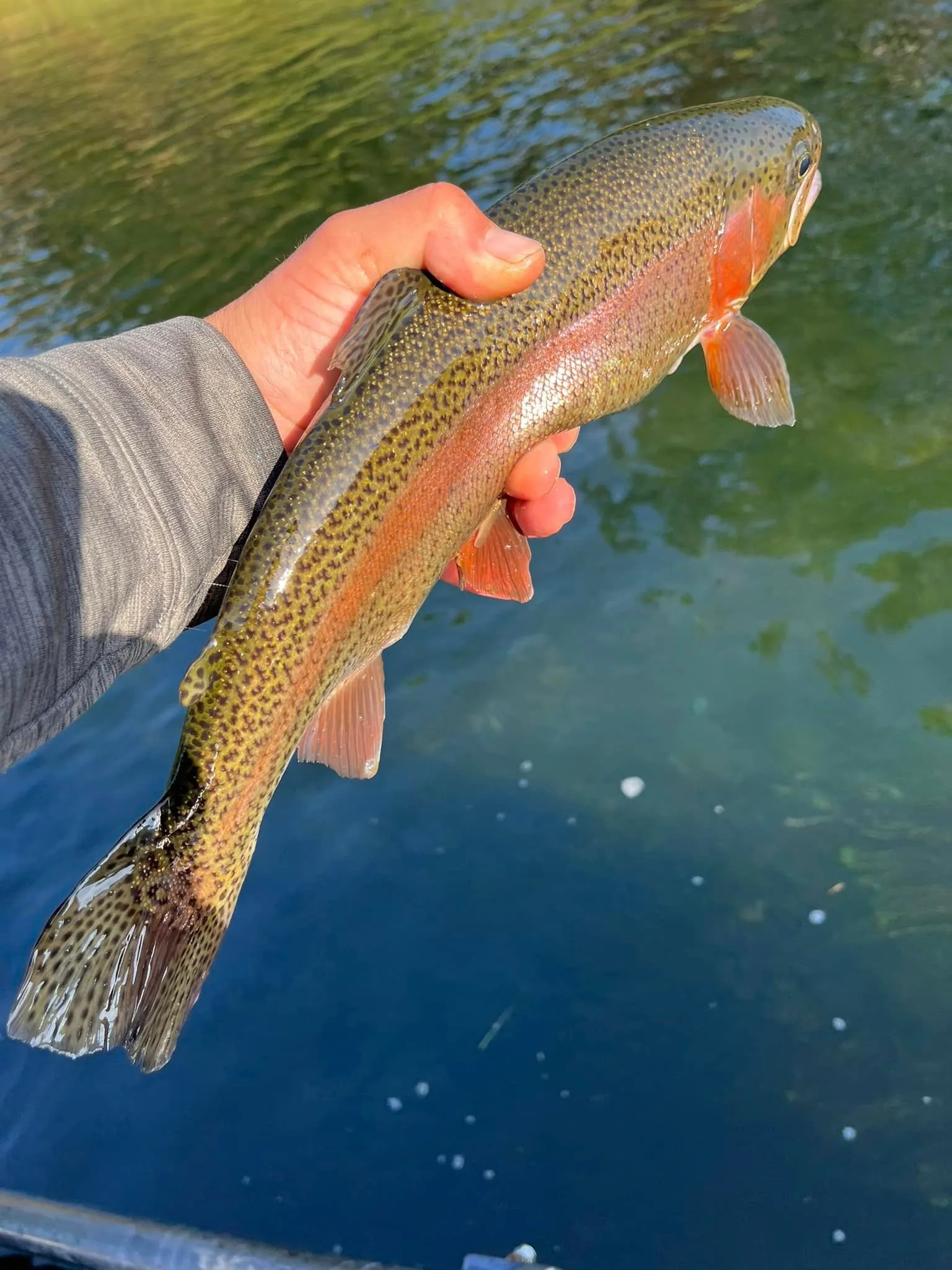
Rainbow trout are the workhorses of the White River, and for good reason – they're aggressive, fight hard, and respond well to a variety of fly presentations. These fish typically run 12-16 inches, with some real bruisers pushing 18-20 inches if you're lucky. Rainbows are active throughout the day and aren't overly picky about fly selection, making them perfect targets for beginners learning the ropes. They'll hit dry flies during mayfly hatches, take nymphs drifted along the bottom, and absolutely crush streamers when they're in feeding mode. The White River rainbows have that classic silver-sided coloration with the distinctive pink stripe, and they'll put a serious bend in your rod.
Brown trout bring a different challenge to the table – they're smarter, more selective, and tend to hold in the prime feeding lies that require precise presentations. These fish are the thinking angler's target, often demanding perfect drifts and natural fly presentations to trigger strikes. Browns in the White River system can get substantial, with fish over 20 inches definitely possible for anglers who put in the effort. They're most active during low-light periods, but a well-presented nymph or streamer can tempt them throughout the day. The payoff is worth it – browns are absolutely beautiful fish with golden flanks covered in distinctive dark and red spots.
Cutthroat trout add some western flair to your Arkansas fishing experience. These gorgeous fish sport the characteristic red slash marks under their jaws that give them their name. Cutthroats tend to be opportunistic feeders, making them great fish for beginners to target. They're typically found in the faster water and respond well to attractor patterns and larger flies. The White River cutthroats usually run in the 14-18 inch range and provide steady action when you locate a school. They're less common than rainbows but equally rewarding to catch.
Brook trout are the jewels of the system – absolutely stunning fish with intricate markings and vibrant colors that have to be seen to be believed. Technically a char rather than a true trout, brookies are native to eastern North America and thrive in the White River's cold, clean water. They're typically smaller than the other species, running 8-14 inches on average, but what they lack in size they make up for in beauty and fighting spirit. Brooks are often found in the quieter pools and back eddies, where they'll sip insects from the surface or pick off nymphs drifting by. Landing your first brook trout is a memorable experience – the olive-green back covered with worm-like markings, the orange and red fins with white leading edges, and those distinctive spots along the sides create one of the most beautiful freshwater fish in North America.
Time to Book Your Spot
Eight hours with an experienced guide on world-class trout water doesn't come around every day. This trip gives you everything you need to get started in fly fishing or take your skills to the next level, all while targeting four different trout species in one of Arkansas
 5.0(1 Reviews)
 Private Trip
 River Fishing
 Cotter


 Full-day fly fishing experience on Arkansas' pristine White River