Fly Fishing the Flats with Tide Flies Charters
Picture this: crystal-clear shallow water stretching as far as you can see, with shadows moving beneath the surface that'll get your heart pumping. That's what you're signing up for with Tide Flies Fishing Charters. We're talking serious fly fishing action in the flats, where tarpon roll like silver torpedoes, snook lurk in the mangroves, and redfish cruise the edges looking for their next meal. This isn't your typical deep-sea charter – it's sight fishing at its finest, where every cast counts and the fish you're after are some of the most sought-after species in inshore waters.
What to Expect on the Water
When you step aboard with Tide Flies, you're getting the full flats experience with just you and one other angler – no crowded boat here. The beauty of fly fishing these shallow waters is that it's equal parts hunting and fishing. Your captain will pole you through skinny water, sometimes just inches deep, while you scan for tailing redfish or that telltale wake of a cruising tarpon. The fish are spooky in these clear shallows, so we'll be talking in whispers and moving like ninjas. Don't worry if you're new to sight fishing – your guide will be your eyes until you get the hang of spotting fish. The whole vibe is about being in tune with the water, reading the tide, and making that perfect presentation when the moment's right. You'll be standing on the bow, fly rod in hand, ready to fire off a cast when your captain gives you the signal. It's addictive stuff, and once you hook into your first fish on the flats, you'll understand why so many anglers get obsessed with this style of fishing.
Gear Setup & Techniques
Tide Flies has you covered on the equipment front – they'll set you up with everything from the fly rods to the flies themselves. We're typically throwing 8 or 9-weight rods out here, which gives you the backbone to handle these powerful inshore species while still having the finesse to make delicate presentations. The fly selection varies based on what we're targeting and the conditions, but expect to throw everything from flashy tarpon flies to subtle shrimp patterns for redfish. If you've got your own setup and want to bring it, that's totally cool too – just make sure you've got a reel with a solid drag system because these fish will test it. The casting technique is different from freshwater fly fishing. You're dealing with wind, longer casts, and often heavier flies. Your guide will coach you through the timing – when to load up for a long shot at a cruising tarpon or when to drop a fly right in front of a tailing red without spooking it. Strip-setting is key here since these saltwater species have hard mouths, and you'll learn to keep that rod tip down and strip hard when you feel that take.
Top Catches This Season
The variety of species you can target on a single trip is what makes flats fishing so special. Tarpon are the kings of the flats – these silver giants can push over 100 pounds and will give you a fight you'll never forget. They're acrobatic, stubborn, and absolutely beautiful. Snook are the ambush predators, hanging around structure and mangroves, and they fight dirty with explosive runs toward cover. Redfish are probably the most reliable targets, and they're perfect for fly fishing with their habit of tailing in shallow water as they root around for crabs and shrimp. You might not think much of sea trout at first, but these spotted beauties are actually fantastic on a fly rod and often save the day when other species are being finicky. Jack crevalle are the bulldogs of the bunch – they might not win any beauty contests, but pound for pound, they'll give you one of the toughest fights you'll encounter on the flats. Each species requires a different approach, different flies, and different techniques, which keeps every trip interesting and challenging.
Species You'll Want to Hook
Tarpon are what dreams are made of for fly anglers. These prehistoric-looking fish show up in good numbers during their seasonal migrations, with the best action typically happening in warmer months. When a tarpon eats your fly and goes airborne, shaking its massive head and gill plates, you'll understand why they're called the "silver king." They're catch-and-release fish, so it's all about the experience and the photos. The key with tarpon is patience – they can be incredibly picky, and you might make dozens of casts before getting one to eat.
Snook are the locals' favorite for good reason. These fish are smart, aggressive, and absolutely gorgeous with their distinct black lateral line and golden coloring. They love structure – docks, mangroves, oyster bars – anywhere they can ambush prey. Snook are temperature sensitive, so timing matters. They feed actively in warmer water but shut down when it gets cold. What makes them special is their attitude – they hit flies hard and immediately head for cover, testing your drag and your nerves.
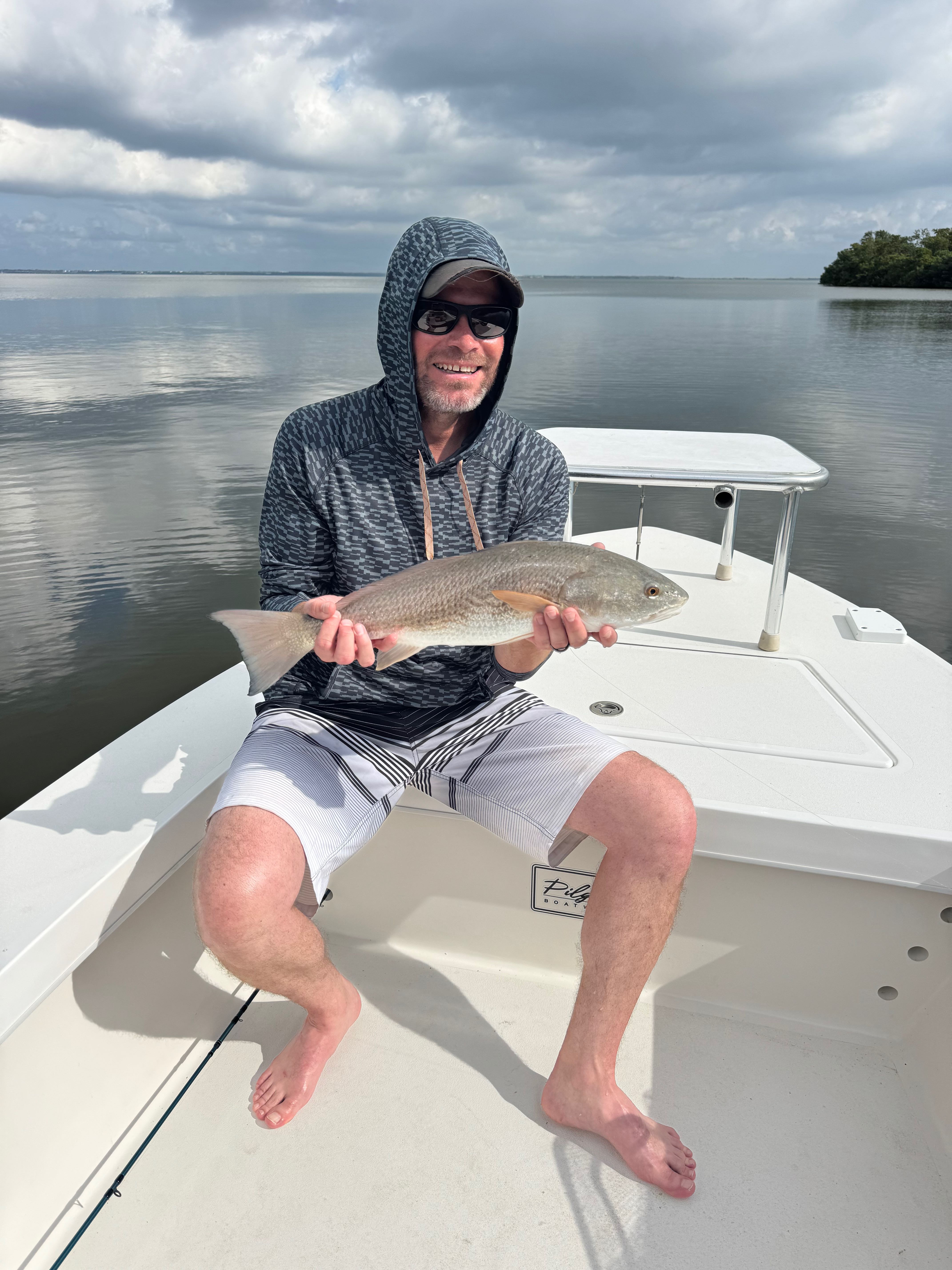
Redfish are probably the most user-friendly species for fly fishing beginners, but don't let that fool you into thinking they're easy. These copper-colored bruisers are famous for their tail-up feeding behavior in shallow water, giving you a clear target. They're strong fighters that make long, steady runs, and they're excellent table fare if you decide to keep one within the slot limit. Reds are around year-round, making them a reliable target species.
Sea trout might be the most underrated fish on the flats. These spotted beauties are actually members of the drum family, and they're perfectly designed for fly fishing. They've got soft mouths, so you need to be gentle, but they're often willing biters and fight with surprising strength. They school up in grass flats and are great targets when the wind makes sight fishing for other species tough.
 Private Trip
 Clearwater



 Fly fishing flats for tarpon, snook, redfish, and trout