Inshore Fishing with Tide Flies Charters
You're looking at some of the best inshore fishing action you'll find anywhere. Tide Flies Fishing Charters runs a top-rated operation targeting redfish, speckled trout, snook, and other prized species across prime flats, backcountry waters, and productive jetty areas. This isn't your typical crowded charter boat experience – we keep it intimate with just two anglers max, so you get personalized attention and plenty of elbow room to work your technique. Whether you're after that first snook or trying to complete your inshore slam, this trip puts you right where the fish are feeding.
What to Expect on the Water
Your day starts early when the bite is hot and the water's still quiet. We'll hit multiple zones depending on conditions – shallow grass flats where reds cruise in skinny water, winding backcountry creeks that hold monster snook, and rocky jetties where sheepshead and tarpon hang out. The boat's rigged specifically for inshore work, with a shallow draft that lets us get into spots bigger boats can't reach. You'll see why locals call this area a fish factory once we start working the mangrove shorelines and oyster bars. The variety keeps things exciting – one cast you might be sight-fishing to tailing reds in two feet of water, the next you're working a live shrimp around jetty pilings for snook. Plan on being out there for several hours, moving between productive spots as tides and conditions dictate.
Techniques & Tackle Setup
We fish multiple techniques depending on what's working that day. Live bait fishing with shrimp, pinfish, and mullet is incredibly effective – especially around structure where snook and reds like to ambush prey. Artificial lures get plenty of action too, from topwater plugs at dawn to soft plastics worked slowly over grass beds. You'll use medium-action spinning gear mostly, perfect for the fight these fish put up without being too heavy for all-day casting. The flats require stealth and precision – we'll pole or use the trolling motor to stay quiet while positioning for shots at cruising fish. Jetty fishing means working vertically around pilings and rocks, dropping baits into current seams where fish stack up. Backcountry areas call for accurate casting under mangrove overhangs where big snook love to hide. All tackle and bait are provided, but feel free to bring your favorite rod if you've got one.
Species You'll Want to Hook
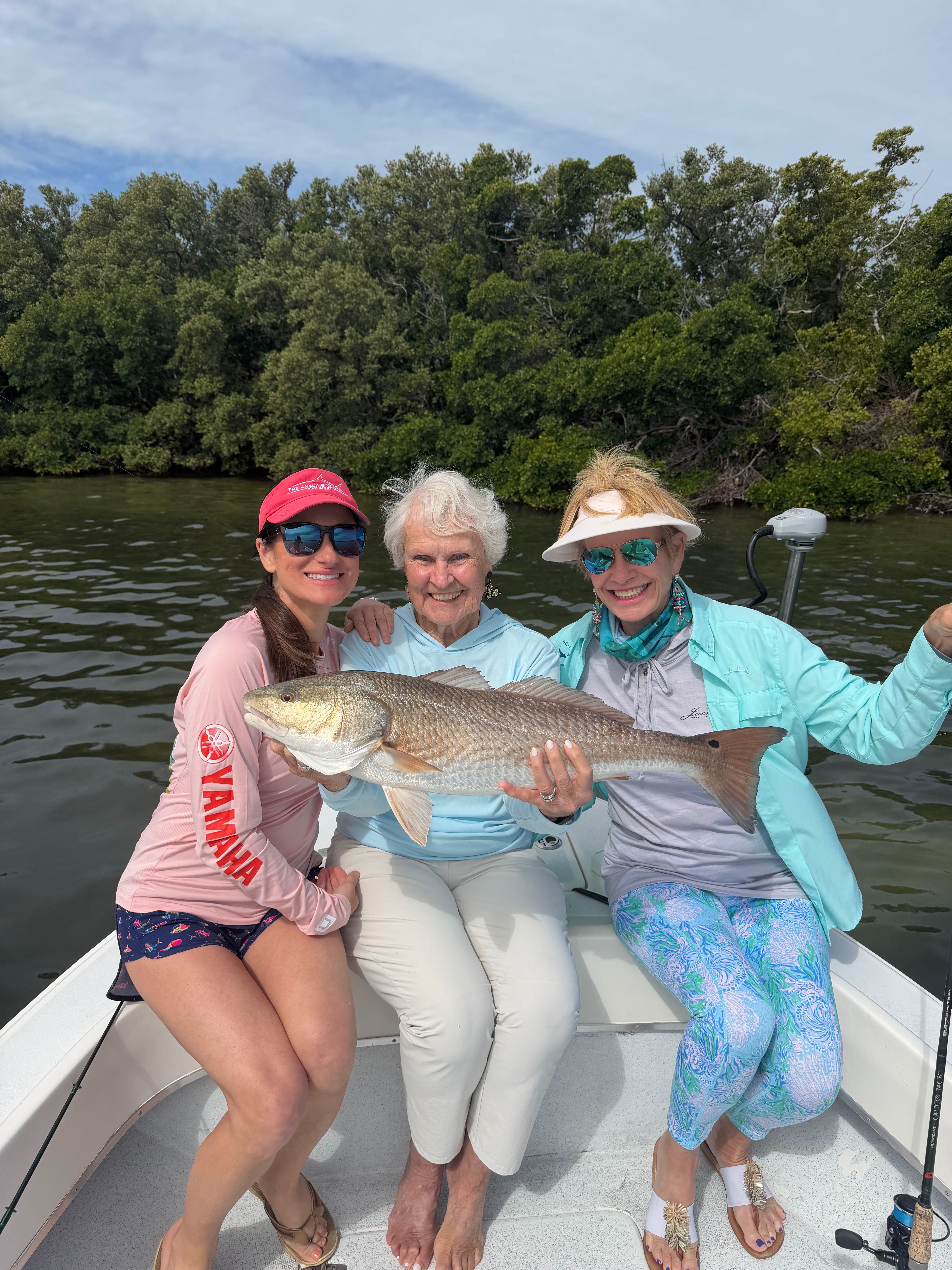
Redfish are the bread and butter of inshore fishing here, and for good reason. These copper-colored bruisers average 20-28 inches and fight like freight trains, making blistering runs when hooked. Spring through fall offers the best action, especially during incoming tides when they push onto the flats to feed. You'll spot them tailing in shallow water or cruising grass edges – sight-fishing doesn't get much better than watching a red inhale your bait. They're not picky eaters, taking live shrimp, cut bait, and artificials with equal enthusiasm.
Speckled seatrout might be the most fun fish swimming in these waters. They hit hard, jump often, and school up in good numbers over grass beds and sandy potholes. Most run 14-20 inches, with bigger gator trout pushing 24-plus inches and providing serious bragging rights. Early morning and late afternoon produce the hottest bites, especially when working topwater plugs over shallow grass. They're structure-oriented fish, so we'll target drop-offs, creek mouths, and oyster bar edges where they ambush baitfish.
Snook are the crown jewel of inshore fishing – beautiful, powerful, and incredibly satisfying to catch. These ambush predators love mangrove shorelines, dock pilings, and jetty structures where they can dart out to grab passing prey. They average 24-32 inches but can exceed 40 inches, providing arm-burning fights with acrobatic jumps. Summer months offer peak action, though they bite year-round in warmer areas. Live bait works best, particularly pilchards and shrimp worked close to structure. Their aggressive strikes and determined runs make every hookup memorable.
Sheepshead might look funny with their human-like teeth, but don't let that fool you – they're excellent table fare and tricky to catch, making them a favorite challenge among experienced anglers. These black-and-white striped fish hang around jetties, pilings, and oyster bars, feeding on barnacles, crabs, and shrimp. They're notorious bait stealers with incredibly light bites, so you need to stay alert and set the hook quickly. Most run 2-4 pounds, but bigger fish push 8-10 pounds and provide surprising power.
Tarpon are the silver kings of inshore waters, and even juvenile fish provide world-class action with their spectacular aerial displays. While most inshore tarpon run 20-60 pounds (much smaller than their offshore cousins), they jump just as high and fight just as hard. Summer brings the best chances, especially around jetties and deeper backcountry holes. Live bait works best – crabs, shrimp, and small fish all produce hookups. The fight is pure adrenaline, with multiple jumps and long runs that test your tackle and technique.
Time to Book Your Spot
This kind of personalized inshore fishing experience books up fast, especially during peak seasons when the bite is red-hot. With only two anglers per trip, you're guaranteed individual attention and prime fishing time without crowds or rushed schedules. The variety of species and fishing environments means every trip offers something different – from sight-fishing shallow flats to working structure for big snook. Whether you're a seasoned angler looking to target specific species or a newcomer wanting to experience world-class inshore fishing, this charter delivers the goods.
 Private Trip
 Clearwater


 Target redfish, speckled trout, and snook in shallow waters