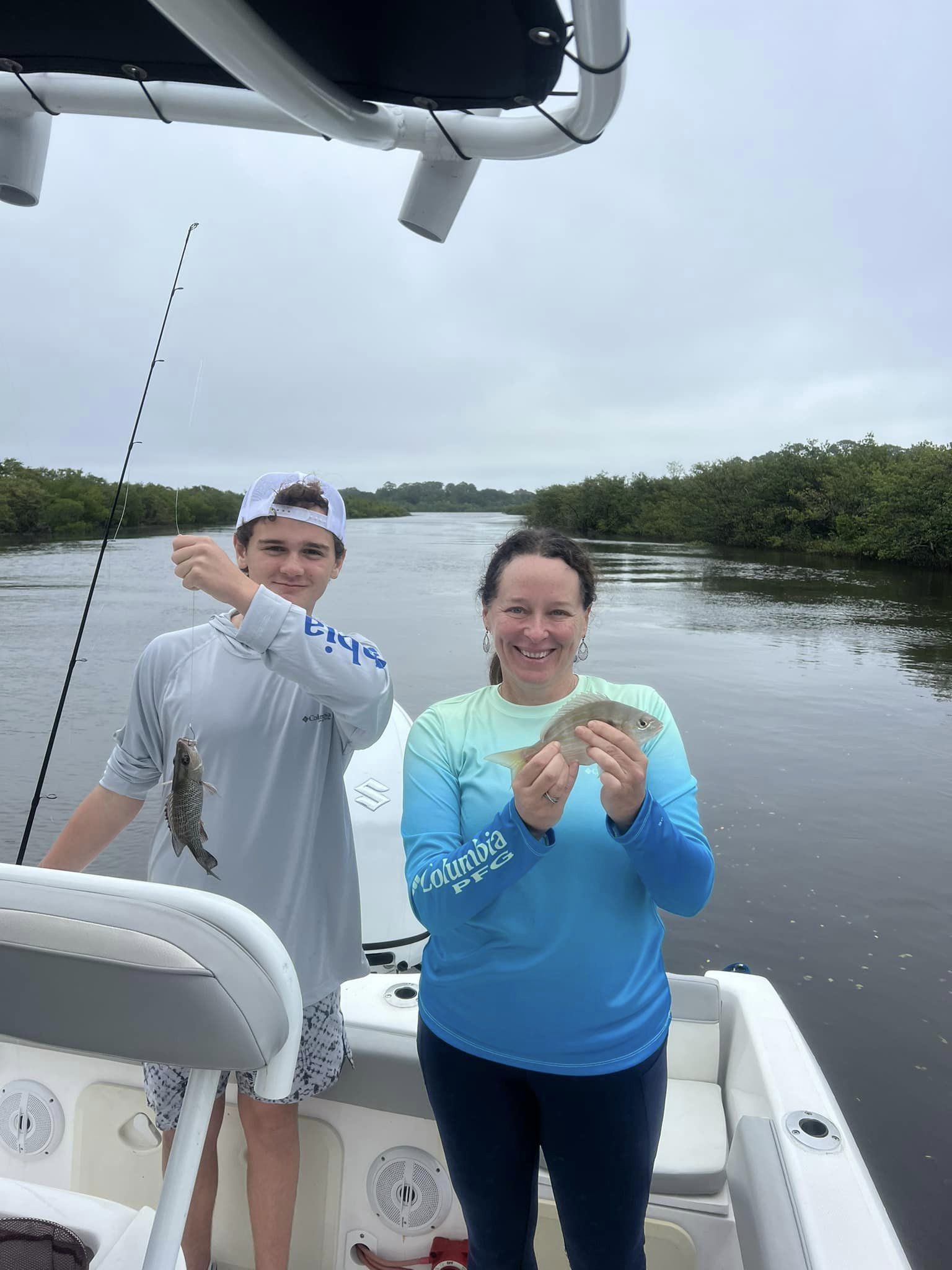
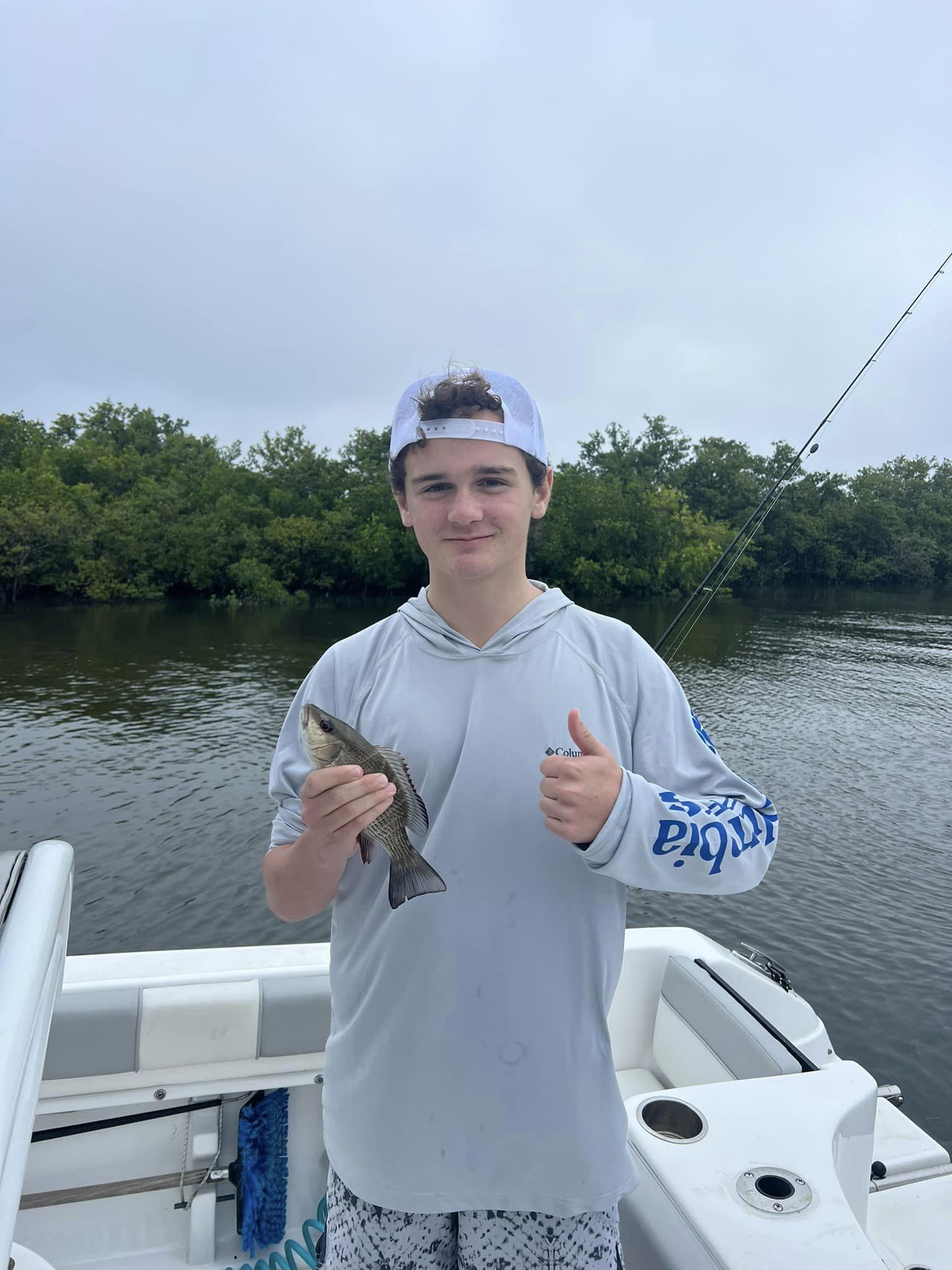
Port Orange Fishing Charters | 6HR Inshore Trip
Ready to hit the water for some serious inshore action? Our 6-hour Port Orange fishing charter puts you right in the heart of some of Florida's most productive fishing grounds. We'll cruise the scenic intercoastal waters and venture into those sweet nearshore spots that stretch from Daytona Beach down to New Smyrna Beach. This isn't your typical tourist fishing trip – we're talking about real angling in waters that consistently produce trophy catches. With room for up to 4 anglers, you'll have plenty of space to work your lines without bumping elbows. Whether you're a seasoned pro or just getting your feet wet in saltwater fishing, this charter delivers the kind of action that keeps anglers coming back season after season.
What to Expect on the Water
Your day starts early when we push off from Port Orange and head into the maze of creeks, flats, and channels that make up this world-class fishery. The intercoastal waterway here is like a highway for fish – they use these protected waters to feed, spawn, and travel between the ocean and the backwaters. You'll be fishing in 2 to 15 feet of water most of the day, which means you can actually see the structure, grass beds, and drop-offs where fish like to hang out. The nearshore areas we hit are just a short run from the inlet, putting you over productive bottom in clean, blue water. Six hours gives us plenty of time to work multiple spots, adapt to changing conditions, and really dial in what the fish want. Don't worry about bringing anything – we've got all the tackle, bait, and gear you need. Just bring your cooler, some drinks, and get ready to put some serious bends in the rods.
Tactics That Produce Fish
Inshore fishing here is all about reading the water and matching your approach to what you're seeing. We'll be working everything from live bait under popping corks to artificial lures that trigger reaction strikes. When we're targeting redfish around the grass flats, we'll use soft plastics and spoons that can handle the shallow water without getting hung up. For snook around the docks and mangroves, live shrimp and pilchards are deadly, especially when the current is moving. The flounder fishing really shines when we're bouncing jigs and gulp baits along the sandy bottoms near the inlet. Our boat is rigged with quality spinning and conventional tackle that can handle everything from finesse presentations to serious drag-screaming runs. We've got the electronics to mark fish and structure, but half the battle is simply knowing where to look based on tides, time of year, and recent weather patterns. The beauty of inshore fishing is the variety – one cast you might be sight-fishing a tailing redfish, the next you're working a school of jacks that's blowing up baitfish on the surface.
Species You'll Want to Hook
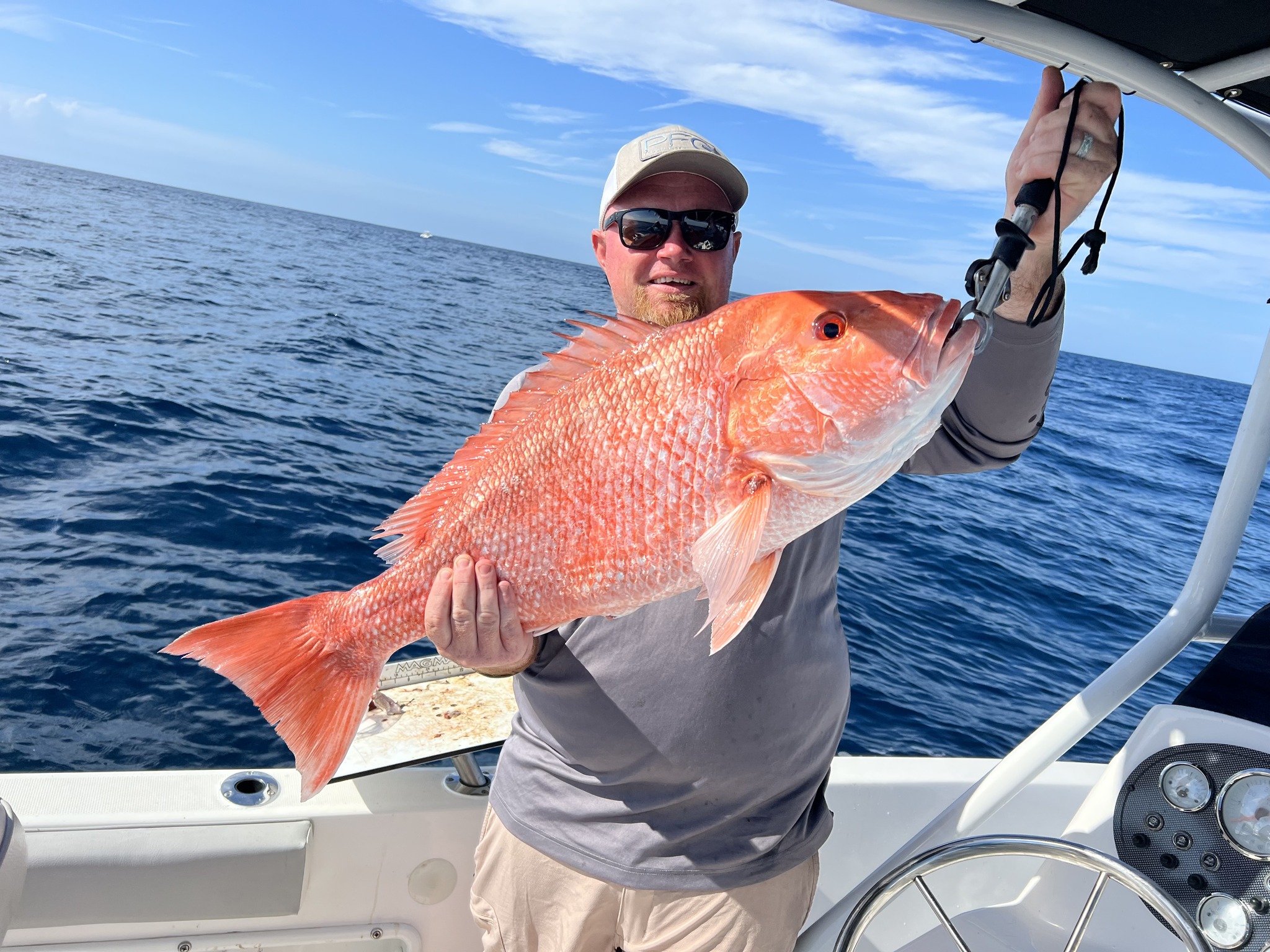
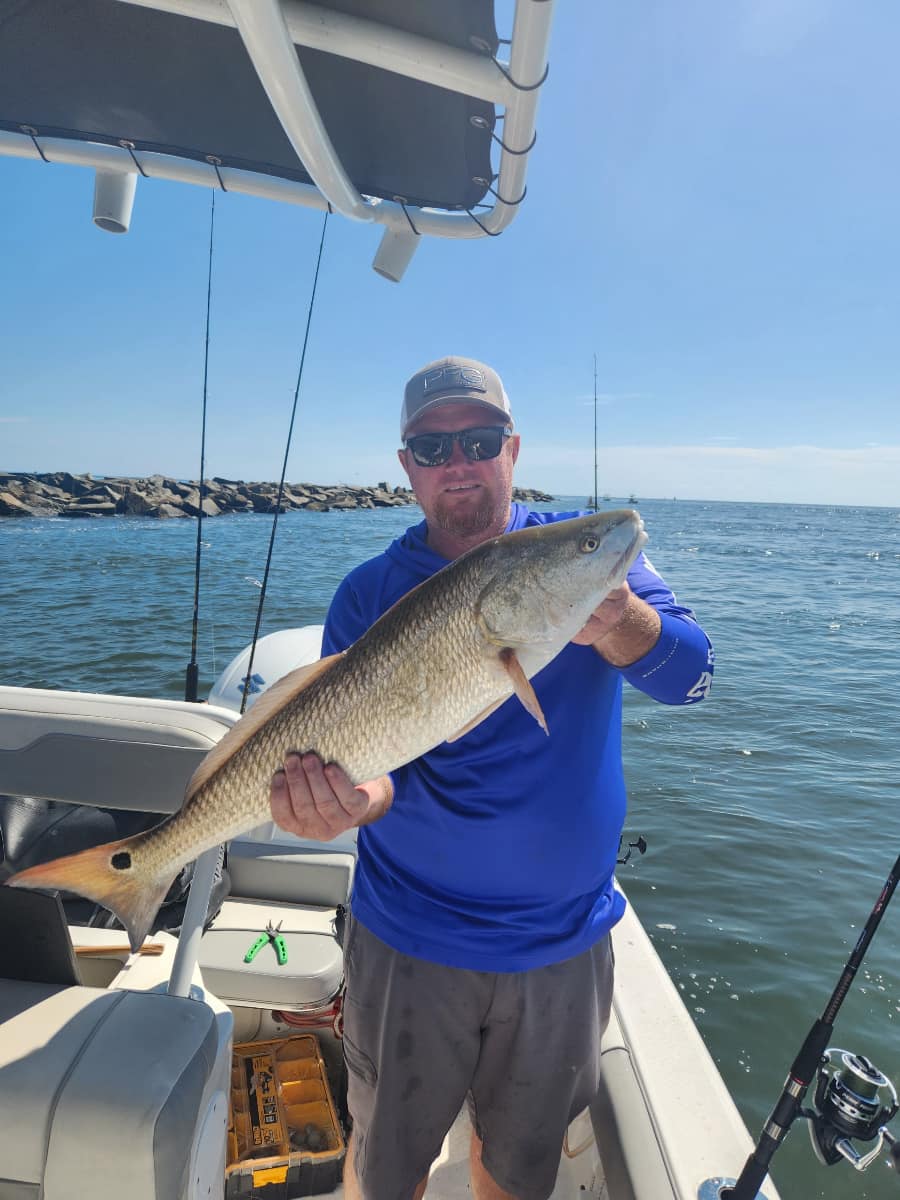
Redfish are the backbone of our inshore fishery and for good reason – these copper-colored bruisers fight like freight trains and show up year-round. They'll range from schoolie-sized 18-inchers up to bull reds that can push 40 inches and 30+ pounds. Spring and fall are prime time when the big schools move through, but summer fishing can be outstanding early in the morning around the grass flats. What makes reds so special is how they eat – sometimes they're spooky and require a perfect presentation, other times they'll slam a lure with reckless abandon. The sight-fishing opportunities are what really get anglers hooked, watching a red's back break the surface as it crushes your bait in 3 feet of crystal-clear water.
Crevalle Jack might not win any beauty contests, but they'll test your tackle and your biceps like few fish can. These silver torpedoes travel in schools and when you find them, it's game on. They'll hit topwater plugs, spoons, and jigs with violent strikes that'll catch you off guard. Jacks are most active during the warmer months and are often found busting bait near the inlet or around structure in 8-15 feet of water. What anglers love about jacks is their pure, raw power – a 10-pound jack will fight harder than most fish twice its size, making multiple runs and testing your drag system to its limits.
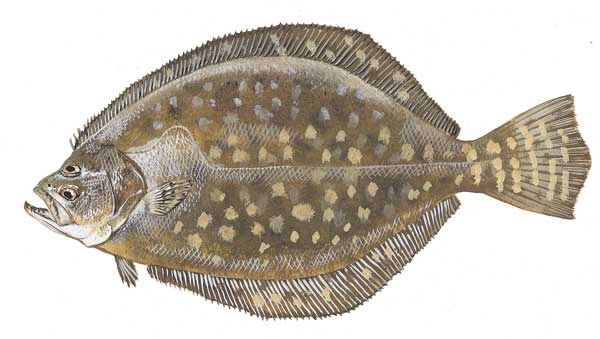
Southern Flounder are the ultimate ambush predators, lying flat on sandy bottoms waiting for an easy meal to swim by. These flatfish are most active during cooler months, particularly from November through March, when they move toward the inlet to spawn. Finding flounder requires patience and technique – slow, methodical presentations along channel edges and drop-offs where they like to position themselves in the current. The reward is some of the best eating fish in the ocean, with sweet, white meat that's perfect for the dinner table. A keeper flounder (15 inches minimum) is always a prize, and the bigger "doormat" flounder over 20 inches are true trophies that'll have you grinning for photos.
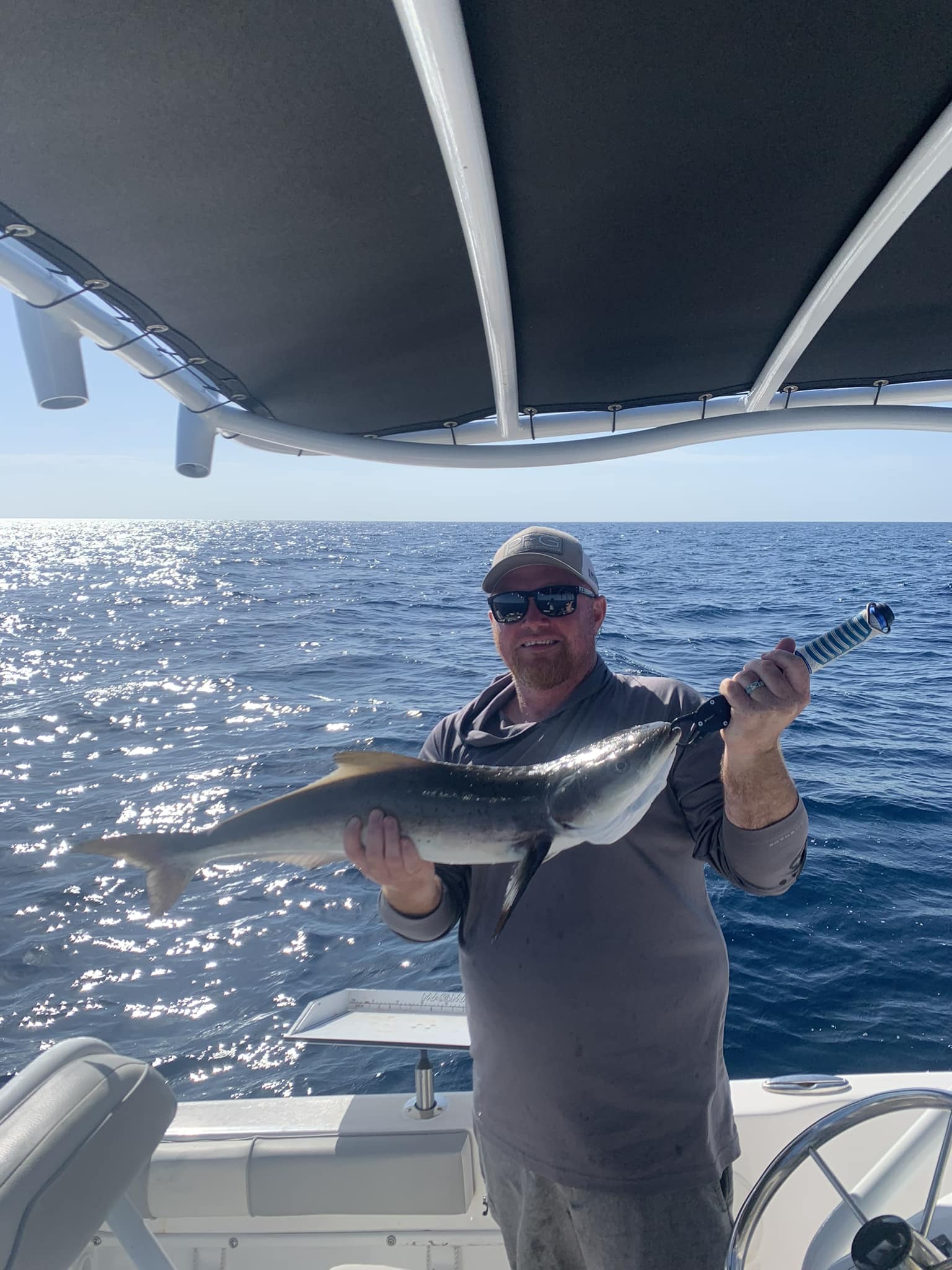
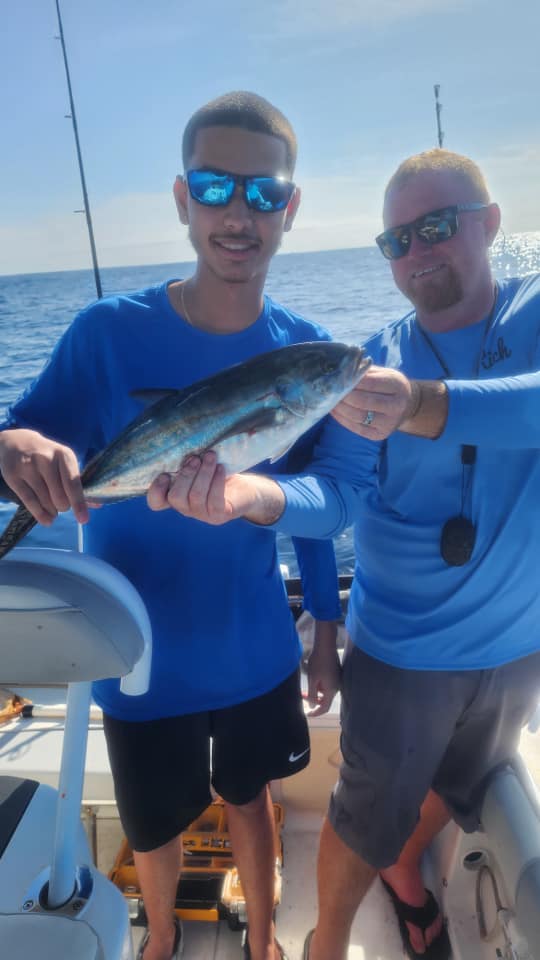
Bluefish bring non-stop action when the schools move through our area, typically during spring and fall migrations. These toothy predators are voracious feeders that'll hit just about anything you throw at them – spoons, plugs, cut bait, you name it. Blues travel in massive schools and when you hook into one, there are usually dozens more ready to eat. They're perfect for beginners because they're aggressive biters, but they'll also test your wire leaders and give experienced anglers a serious workout. The 3-8 pound class blues we see here are perfect eating size, with rich, flaky meat that's outstanding when prepared fresh.
Snook are the glamour fish of Florida inshore fishing – sleek, powerful, and finicky enough to challenge even veteran anglers. These fish love structure like docks, bridges, and mangrove shorelines where they can ambush prey. Summer months are prime time for snook
 Private Trip
 Inshore Fishing
 Port Canaveral, 445 Challenger Rd, Unit 301, Cape Canaveral, FL 32920, United States


 Six-hour inshore fishing charter accommodates four guests maximum