Two Day Tarpon Fishing Charter in Florida
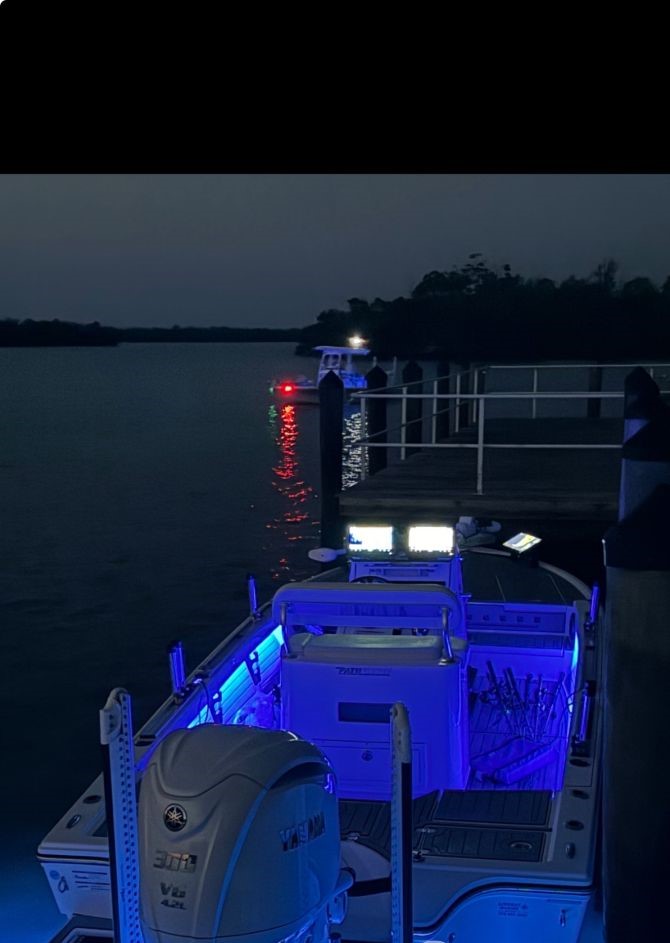
Captain Steve Gould knows what serious anglers want – more time on the water and less rushing around. His two-day tarpon charter out of Goodland is built for folks who understand that the best fishing happens when you're not watching the clock. Starting bright and early at 7:00 AM, you'll have nearly 48 hours to work the flats and channels where monster tarpon roll, plus get shots at permit, snook, sheepshead, and Spanish mackerel. With an overnight stay right on the boat, you're maximizing every fishing hour instead of burning daylight running back to the dock. At $950 for up to three anglers, it's a solid deal for prime Southwest Florida fishing with all gear included.
What to Expect on the Water
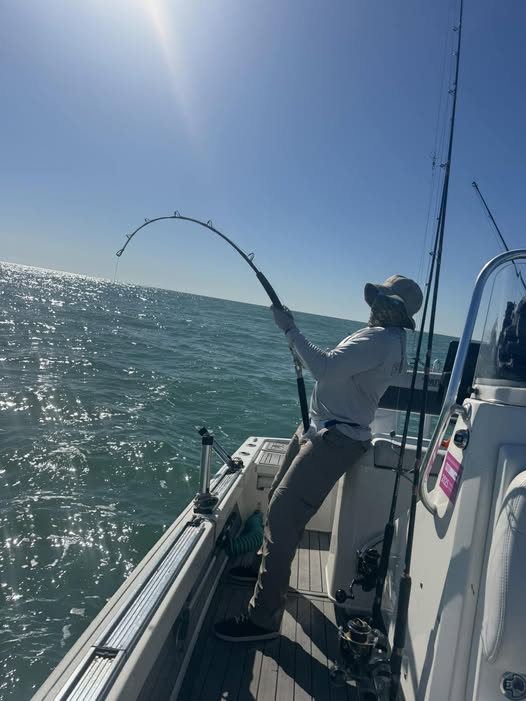
This isn't your typical half-day rush job where you barely get your lines wet before heading home. Captain Steve's setup gives you the luxury of time – something every angler craves but rarely gets. You'll start each morning positioned in prime tarpon waters before the crowds show up, working the early bite when these silver kings are most active. The overnight component means no long boat rides eating into fishing time, and you can hit different spots based on tides, weather, and what's biting. Expect to cover a mix of shallow flats, deeper channels, and structure where different species hang out. The pace is relaxed but focused – perfect for anglers who want to fish smart, not just fish hard. Goodland's location puts you close to some of the most productive inshore waters in Southwest Florida, and Steve knows exactly where to position the boat for each target species.
Techniques & Tackle Breakdown
Captain Steve runs a versatile operation that covers all the bases – bottom fishing for sheepshead around structure, jigging for Spanish mackerel over deeper flats, spinning gear for snook in the mangroves, and light tackle presentations for tarpon and permit. The beauty of a two-day trip is switching techniques based on conditions and what's happening. Early morning might call for live bait presentations to rolling tarpon, while midday heat has you working jigs and artificials around docks and bridges for snook. All tackle is provided, from spinning reels loaded with appropriate line weights to a selection of lures, jigs, and terminal tackle. The light tackle approach keeps things sporting – you'll feel every headshake from a tarpon and every run from a permit. Steve's got the boat rigged for quick changes between techniques, so when you spot a school of mackerel or see tarpon rolling, you're ready to adapt fast. The overnight setup means tackle stays rigged and ready, no wasted time re-rigging every morning.
Target Species
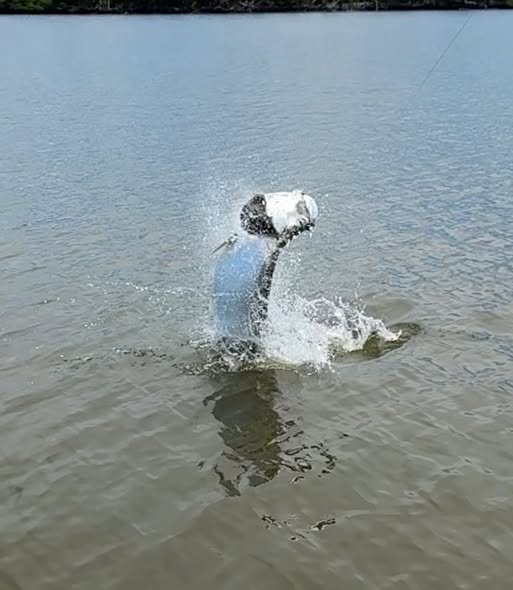
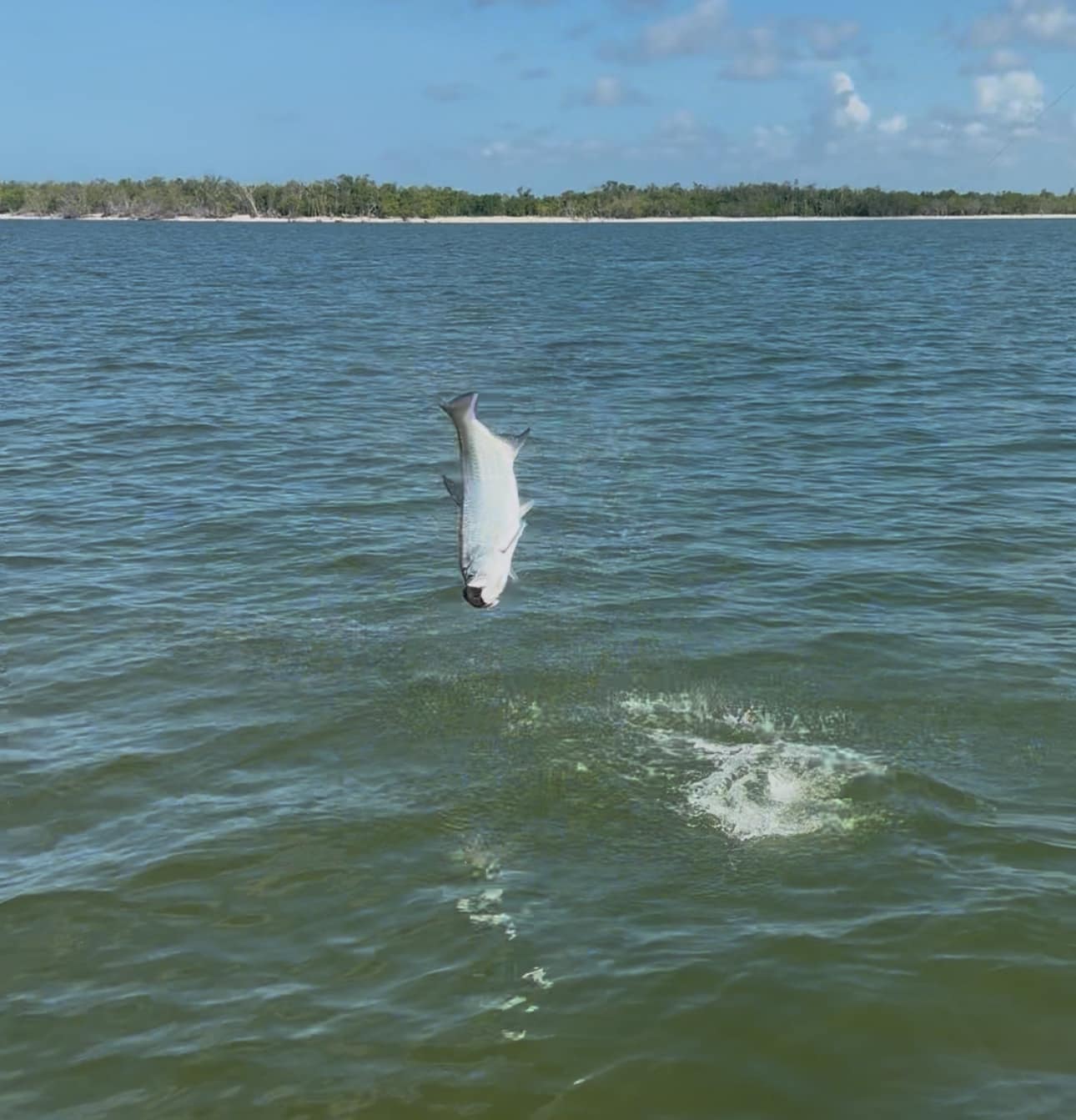
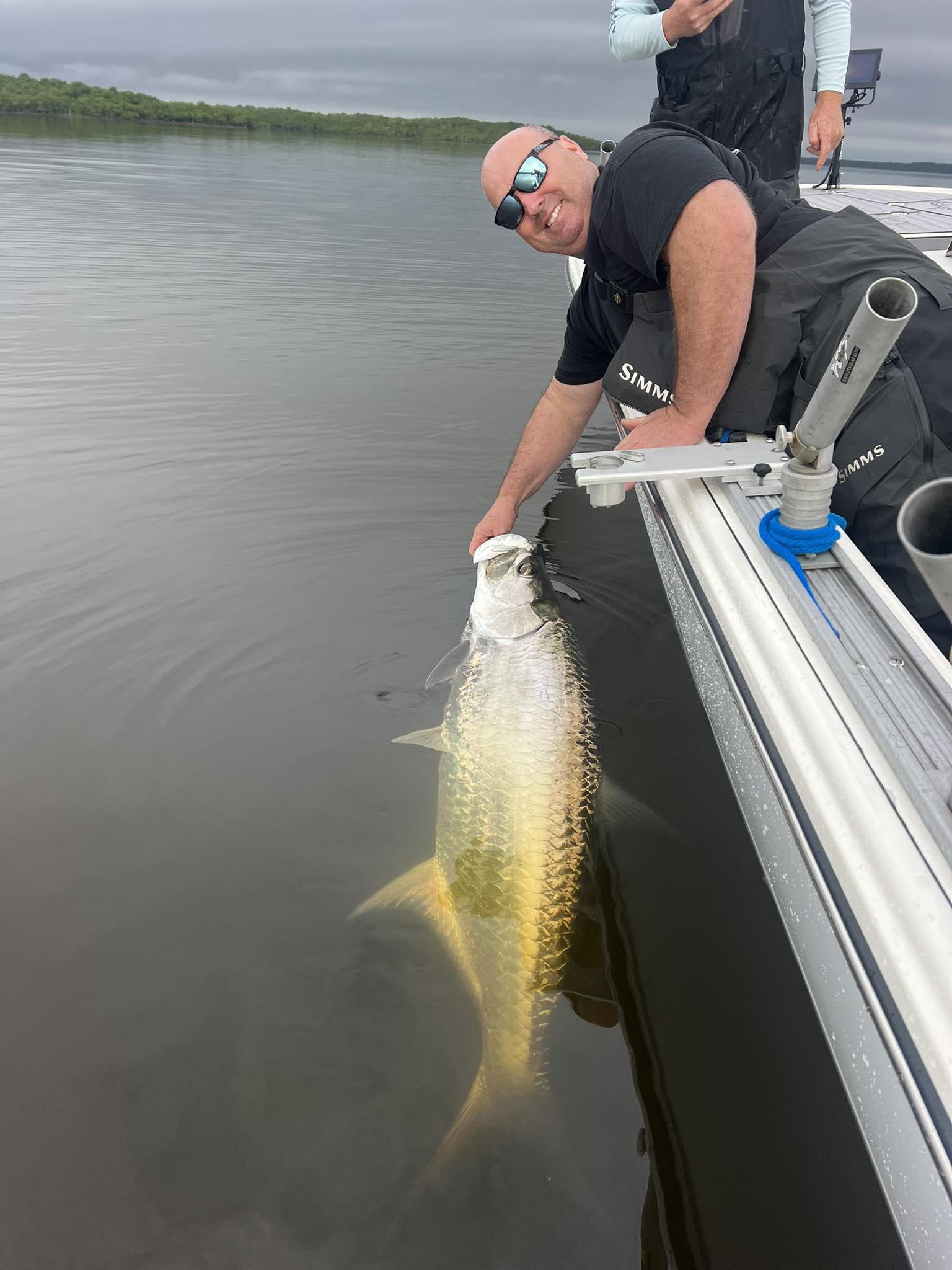
Tarpon are the headliners here, and for good reason. These silver kings can push 100+ pounds and jump like they're shot out of a cannon when hooked. Southwest Florida's tarpon fishing peaks from May through July, but fish are around much longer than that. What makes them special isn't just the size – it's the fight. A good tarpon will test your drag, your arm strength, and your patience. They're notorious for throwing hooks with their acrobatic jumps, which keeps you honest on every hookset. Steve knows the channels and flats where tarpon migrate and feed, positioning you for clean shots at fish that might be the biggest you've ever hooked.
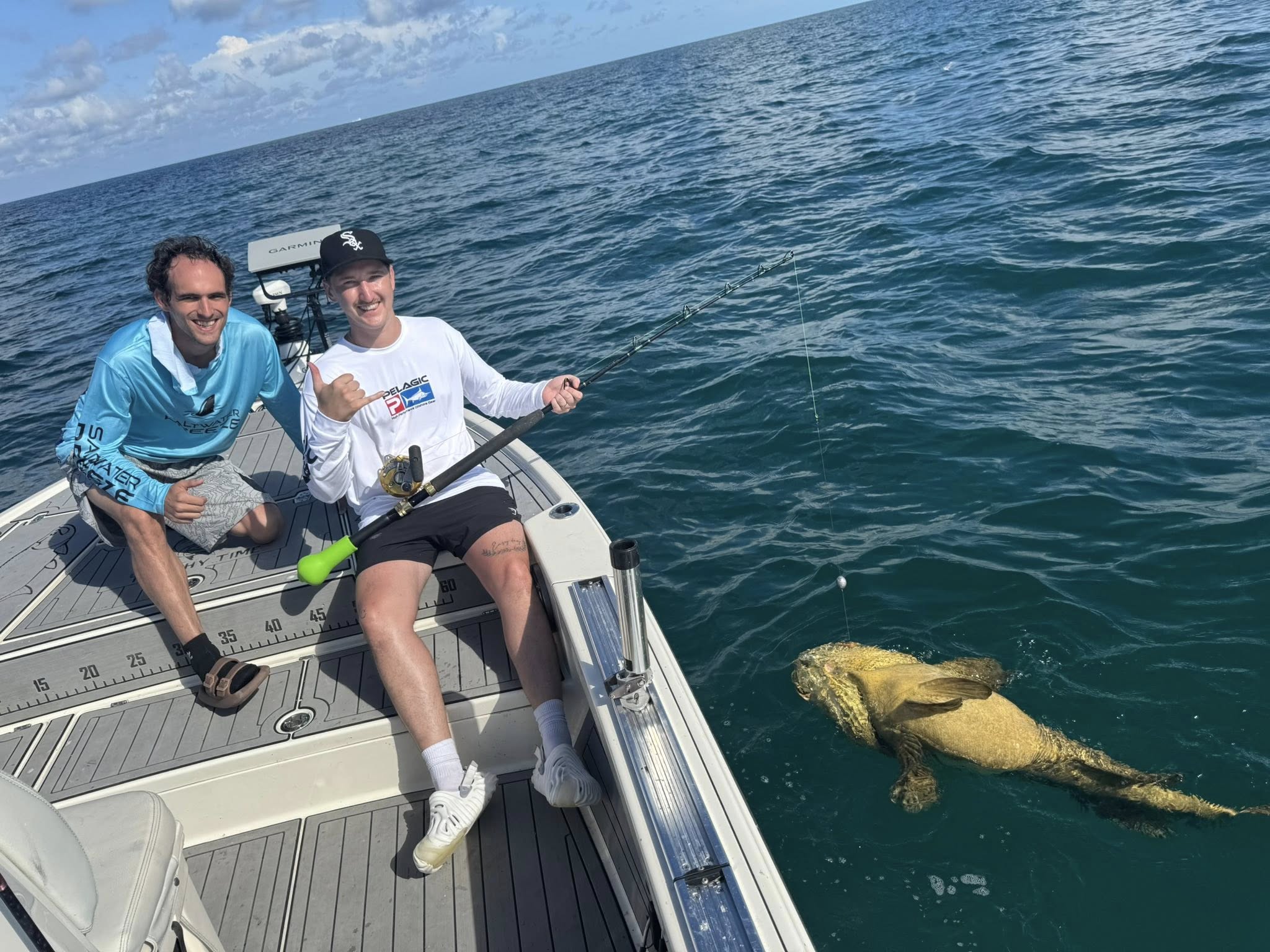
Permit are the thinking angler's target – spooky, selective, and absolutely beautiful when they eat a perfectly presented crab or jig. These disc-shaped fighters are common around Goodland's flats and structures, especially during warmer months. They're notorious for following baits without committing, testing your patience and presentation skills. When you finally hook one, expect a powerful run and stubborn fight. Permit don't jump like tarpon, but they'll pull steady and hard, using their body shape to fight the current. Landing a permit on light tackle is something most anglers remember for years.
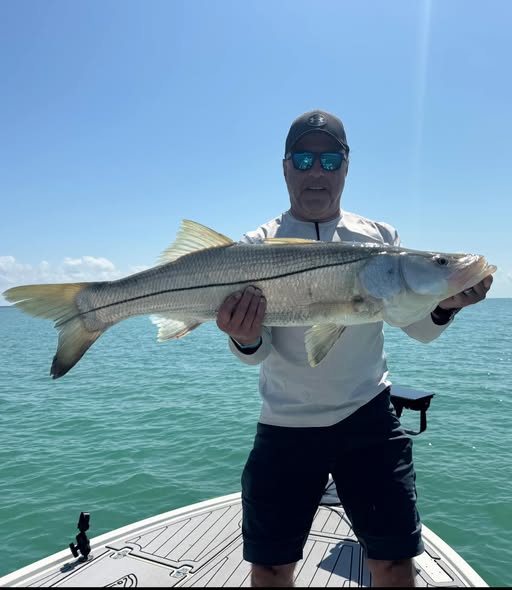
Snook are Southwest Florida's signature inshore species, and the mangrove shorelines around Goodland hold plenty of them. These ambush predators love structure – docks, mangrove roots, bridge pilings – anywhere they can hide and attack passing baitfish. Spring through fall offers the best action, with fish ranging from schoolie-sized to genuine slobs pushing 30+ inches. Snook fight dirty, using every piece of structure to cut your line, which makes landing them on light tackle a real accomplishment. Their white meat makes them one of the best eating fish in these waters too.
Sheepshead don't win beauty contests, but they're perfect for anglers who appreciate technical fishing. These black-and-white striped fish have human-like teeth designed for crushing shellfish around pilings, rocks, and structure. They're notorious bait stealers with incredibly light bites, requiring patience and sensitivity to detect strikes. But hook a big sheepshead – and Goodland's waters hold some thick ones – and you'll appreciate their surprising power. They're also excellent table fare, with firm white fillets that rival any offshore species.
Spanish mackerel bring the speed and aggression that keeps things lively between shots at bigger targets. These streamlined predators school up over grass flats and around baitfish, hitting small jigs and spoons with vicious strikes. They're perfect light-tackle fish, pulling hard for their size and often jumping when hooked. Mackerel are also great for keeping the action going when tarpon and permit get finicky – there's nothing like a screaming mackerel run to break up a slow period. Plus, they make excellent bait for bigger fish if you're looking to upsize your targets.
Time to Book Your Spot
A two-day charter isn't something you book on a whim – it's for anglers who understand that the best fishing experiences happen when you have time to do it right. Captain Steve's setup eliminates all the usual time constraints, giving you nearly 48 hours to work prime Southwest Florida
 Private Trip
 Inshore Fishing
 Florida


 Two-day tarpon charter with overnight stay onboard