Galveston Wreck Fishing: Half & Full Day Trips
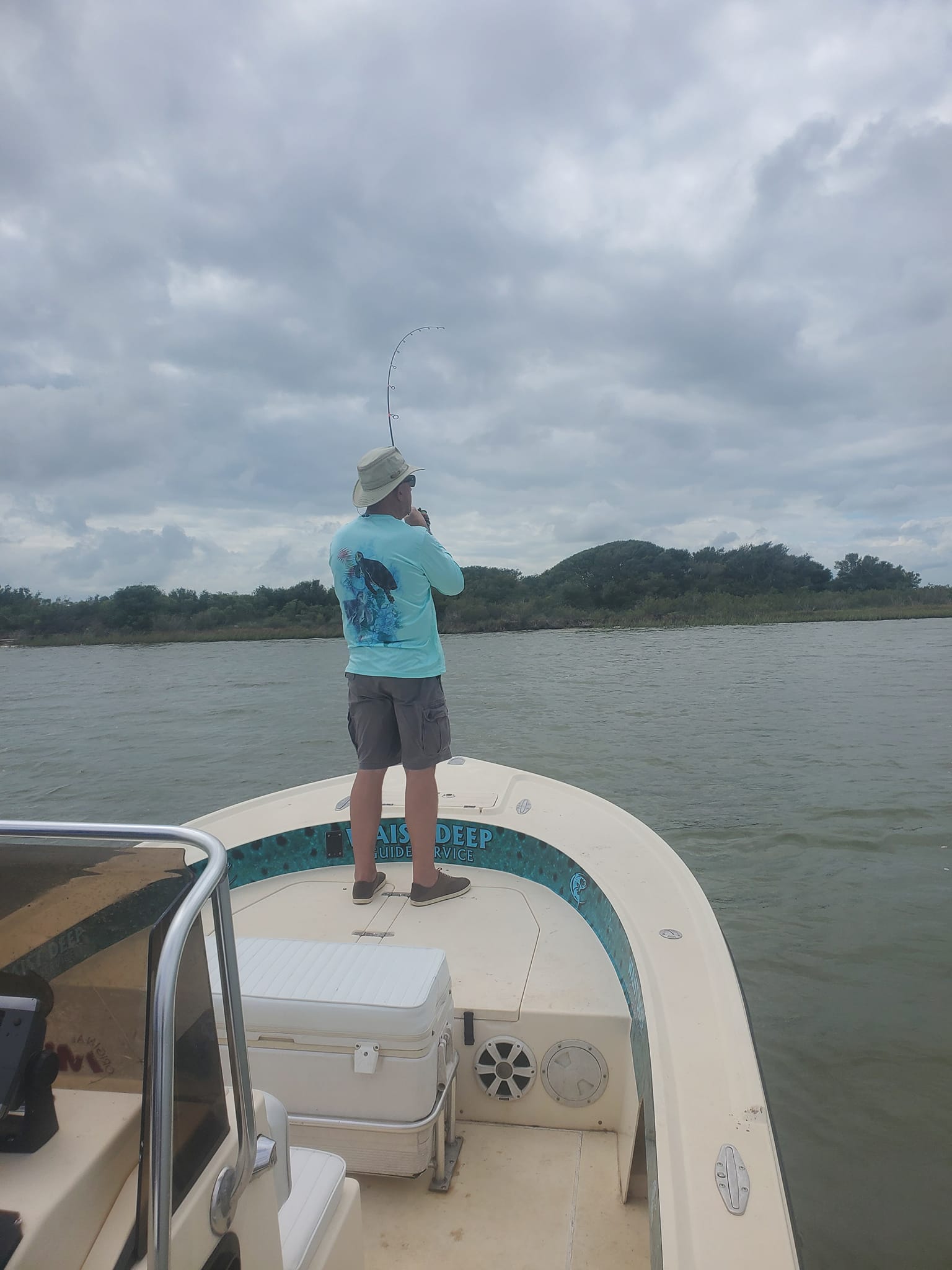
Looking for some serious fishing action around Galveston's most productive wrecks? Captain Kevin and the crew at Waist Deep Guide Service know exactly where the fish are stacked up. These half-day and full-day wreck fishing adventures put you right on top of the structure where snook, sheepshead, redfish, and jacks love to hang out. Whether you're bringing the family for a morning trip or want to spend all day working the best spots, we've got you covered with everything you need for a memorable day on the water.
What to Expect on the Water
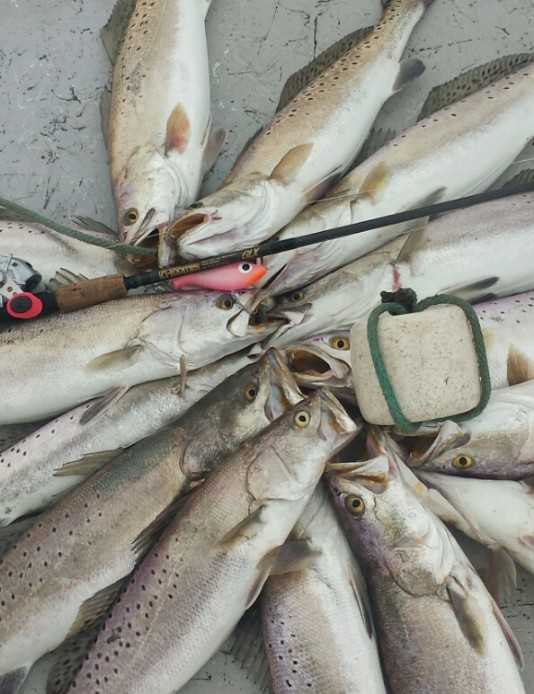
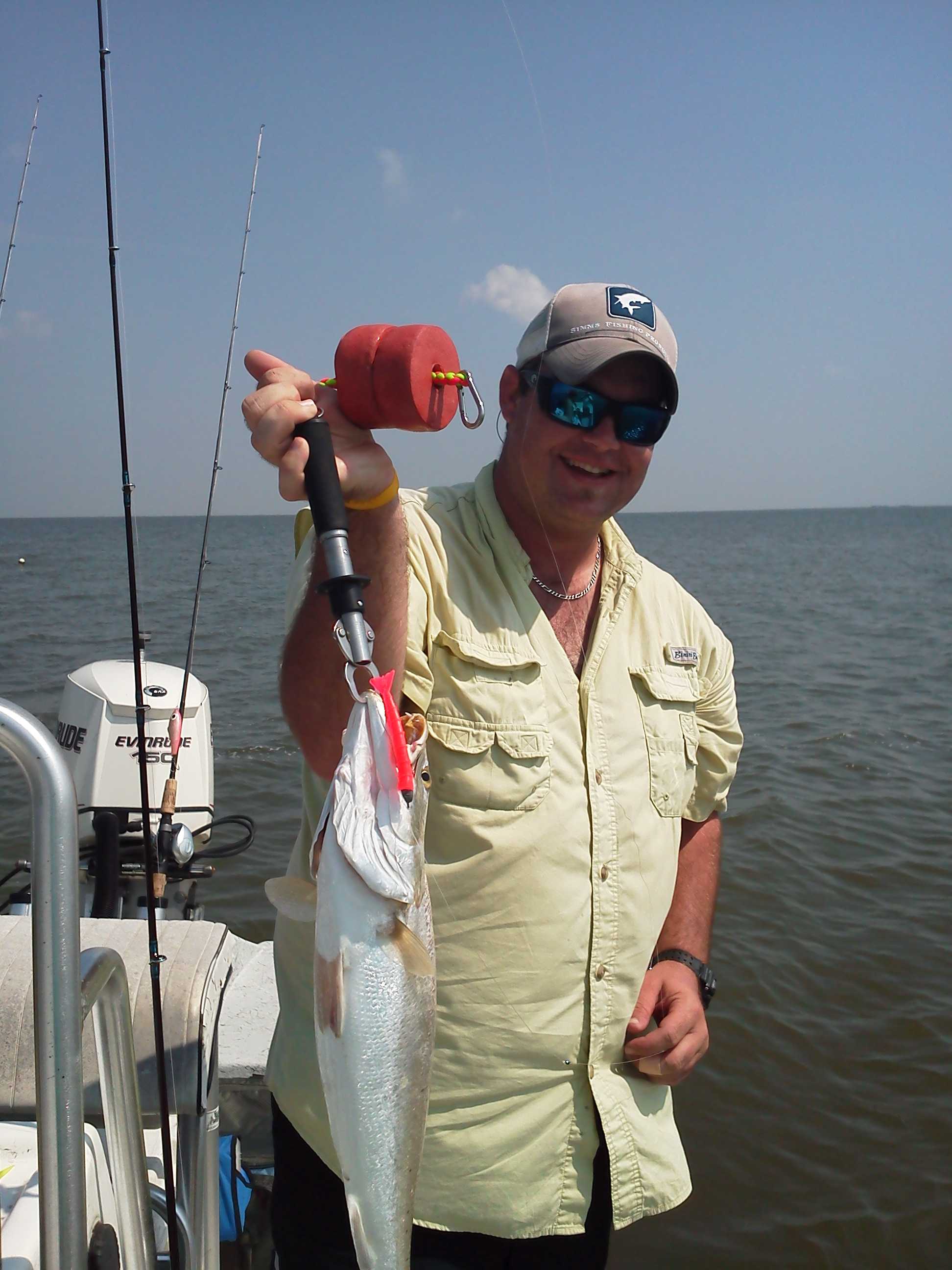
Your day starts early at 6:30 AM when we head out to hit the prime feeding times around Galveston's top wreck sites. These half-day trips run about 5 hours and accommodate up to 3 anglers for $550 - perfect for a small group or family outing. The beauty of wreck fishing is the variety you'll find. One minute you're pulling up a hefty sheepshead, the next you've got a snook making a run or a redfish putting that bend in your rod. The structure holds everything from speckled trout and flounder to black drum and even the occasional shark. Captain Kevin's been working these waters for years and knows exactly which wrecks are producing and what the fish want on any given day. You'll spend time moving between different structures, trying various techniques until we dial in what's working best.
Wreck Fishing Techniques
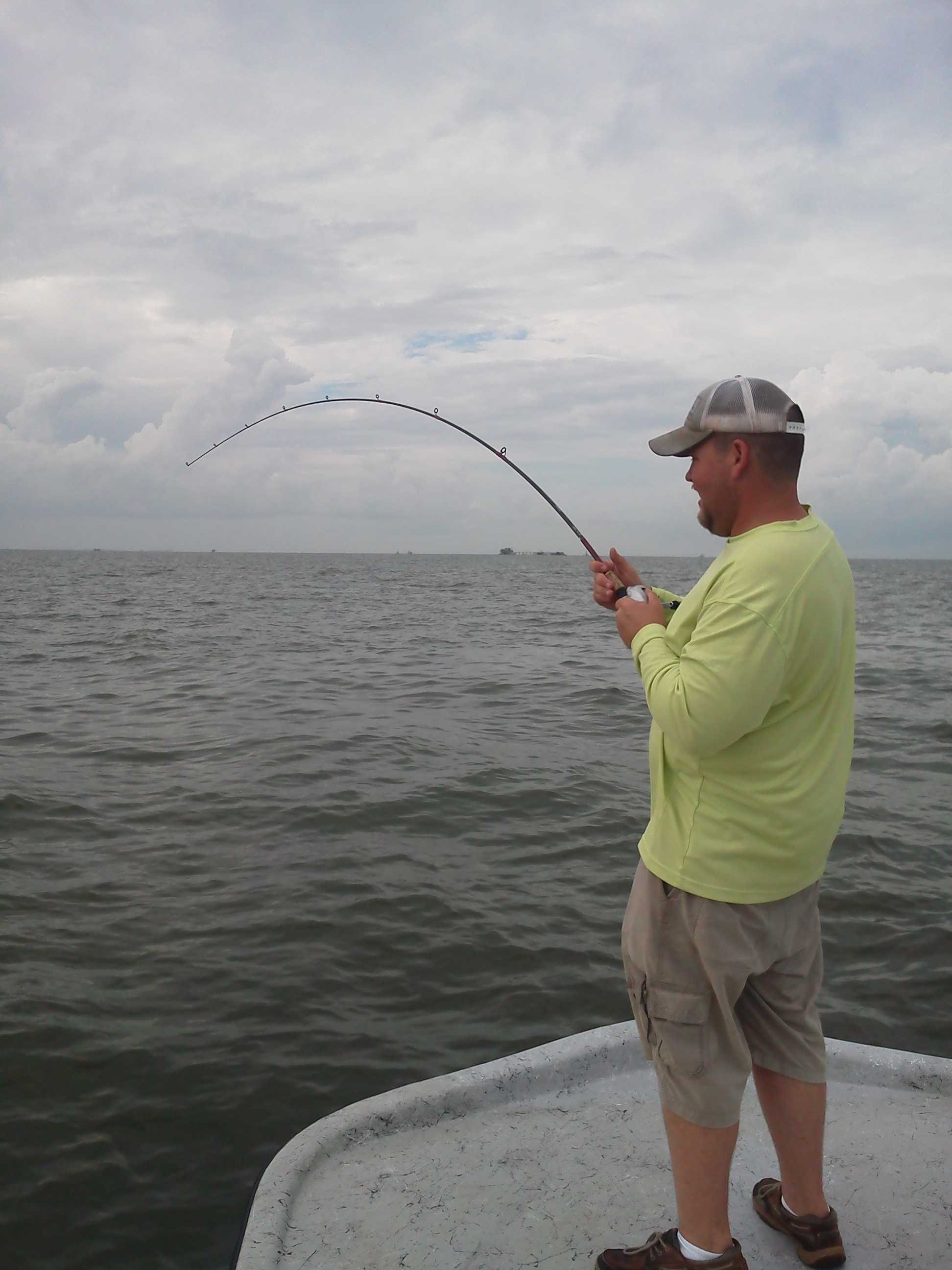
Wreck fishing around Galveston is all about reading the structure and adapting your approach. We'll use a mix of bottom fishing when targeting sheepshead and snapper around the wreck itself, then switch to light tackle spinning gear when we're working the edges for redfish and specks. The key is having your bait right in the fish's face without getting hung up in the structure - that's where Captain Kevin's local knowledge really pays off. You'll learn to work heavy tackle when we're after bigger fish or when the current's running strong, and we'll break out the popping gear when jack crevalle are busting bait on the surface. Bottom fishing with fresh shrimp and cut bait produces consistently around the wrecks, while live bait gets the bigger predators fired up. The captain provides all the tackle and knows exactly what presentations work best at each spot we hit.
Customer Stories
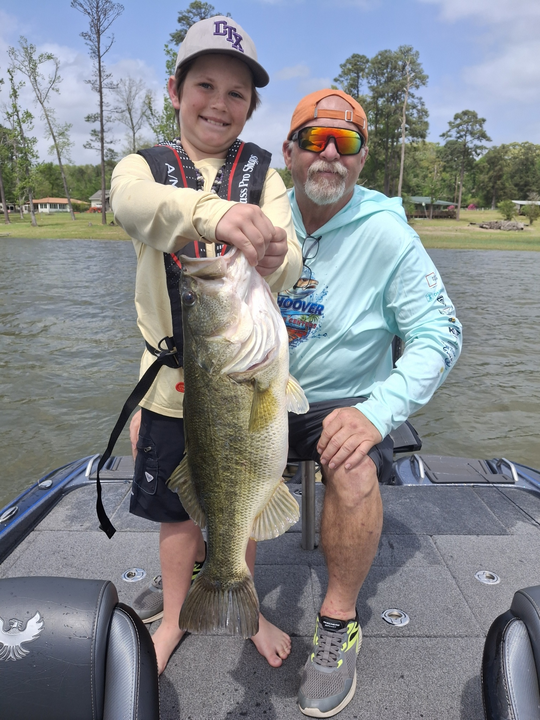
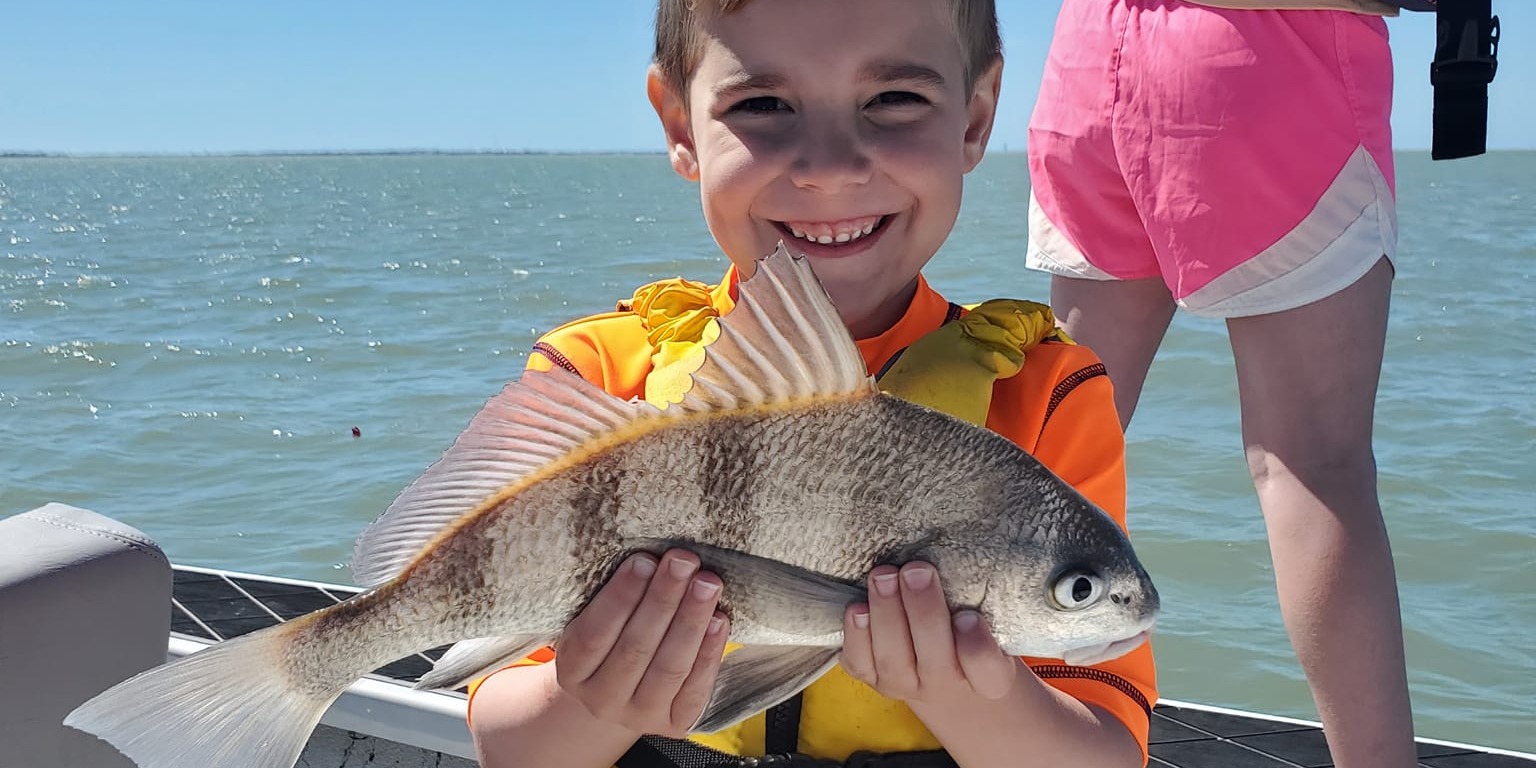
"The guys had a great trip, even our 8 year old! Captain Kevin did a great job." - Amanda
Species You'll Want to Hook
Snook are the crown jewel of Galveston wreck fishing and exactly why so many anglers keep coming back. These ambush predators love hanging around structure where they can dart out and grab an easy meal. You'll find them ranging from slot-size fish around 28 inches up to real bruisers pushing 40 inches or more. Summer and early fall are prime time for snook around the wrecks, especially when we're fishing live shrimp or small pinfish near the structure. What makes snook so exciting is their fight - they'll make powerful runs and try to cut your line on the wreck, so you need to muscle them away from cover quickly. The bonus is they're absolutely delicious on the table when prepared right.
Sheepshead might not be the prettiest fish in the Gulf, but they're definitely one of the tastiest and most fun to catch around wrecks. These black-and-white striped bottom dwellers have some of the best table fare you'll find, with firm white meat that's perfect for the grill. Sheepshead are structure-oriented fish that feed on barnacles, crabs, and small shellfish living on the wrecks. They're notorious bait thieves with those human-like teeth, so you need to stay sharp and set the hook quick when you feel that subtle tap. Winter months are typically best for bigger sheepshead, though you can find them year-round around Galveston's wrecks. Most run 2-5 pounds, but we regularly see fish pushing 8-10 pounds that'll give you a real workout.
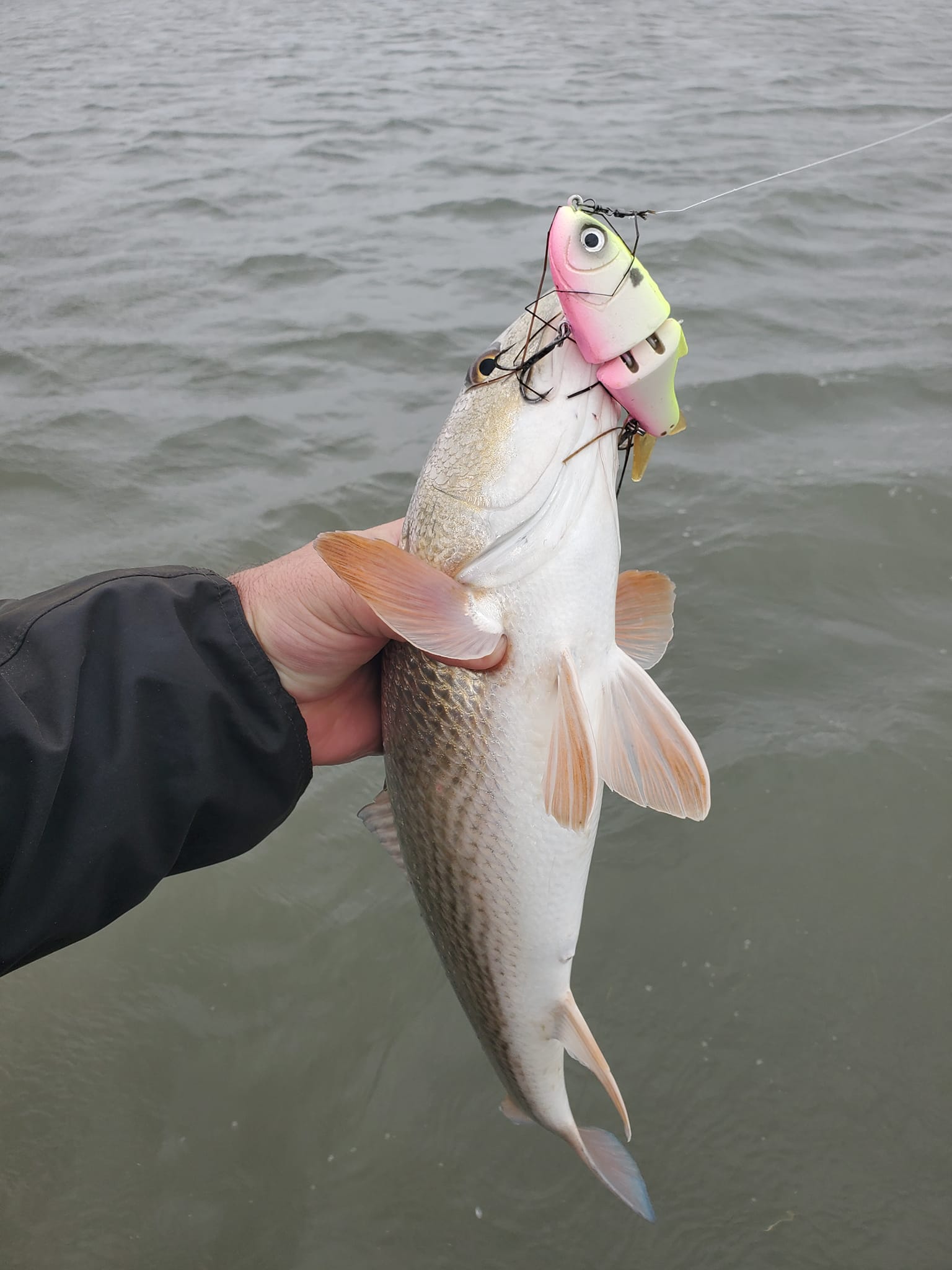
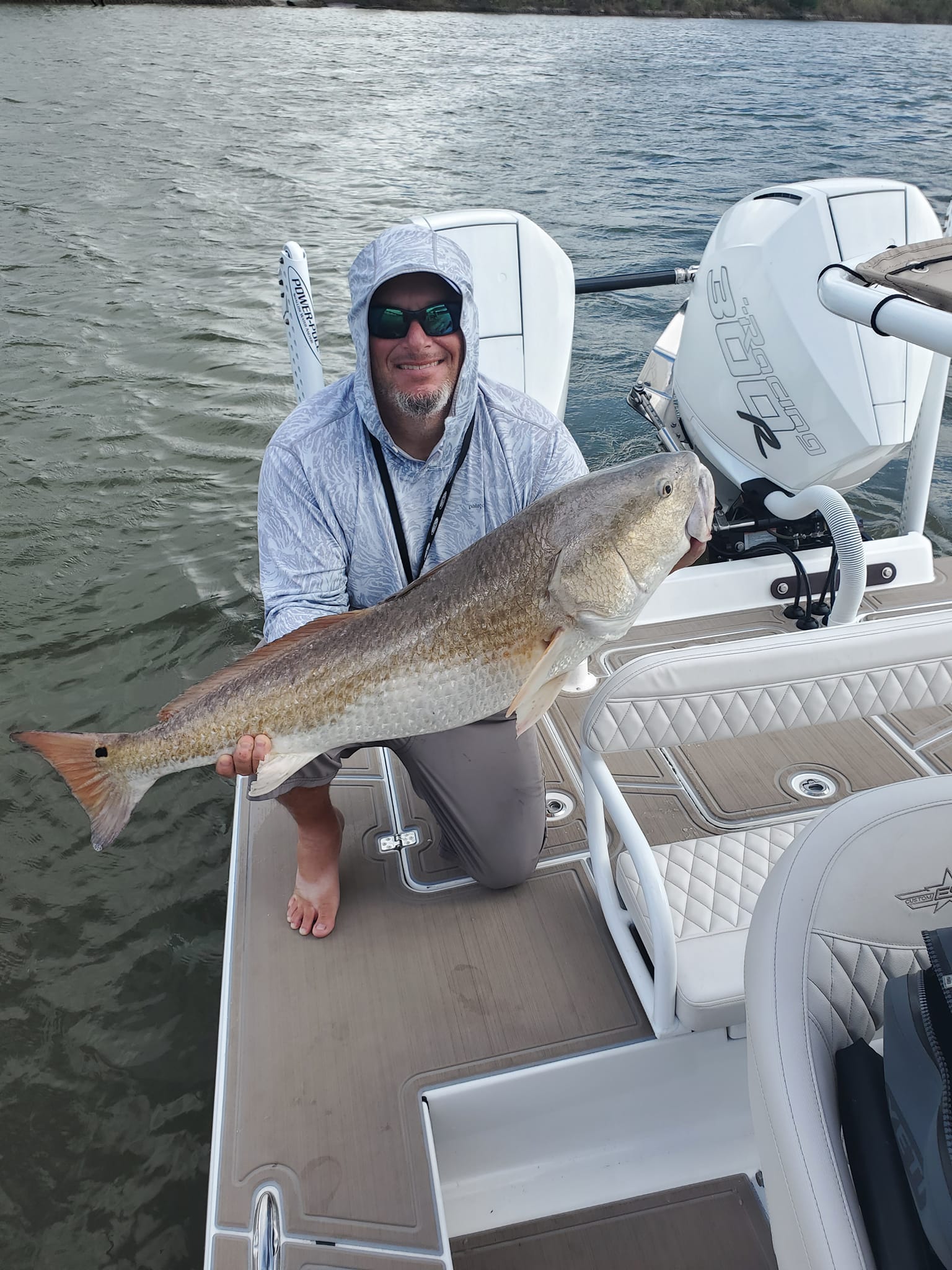
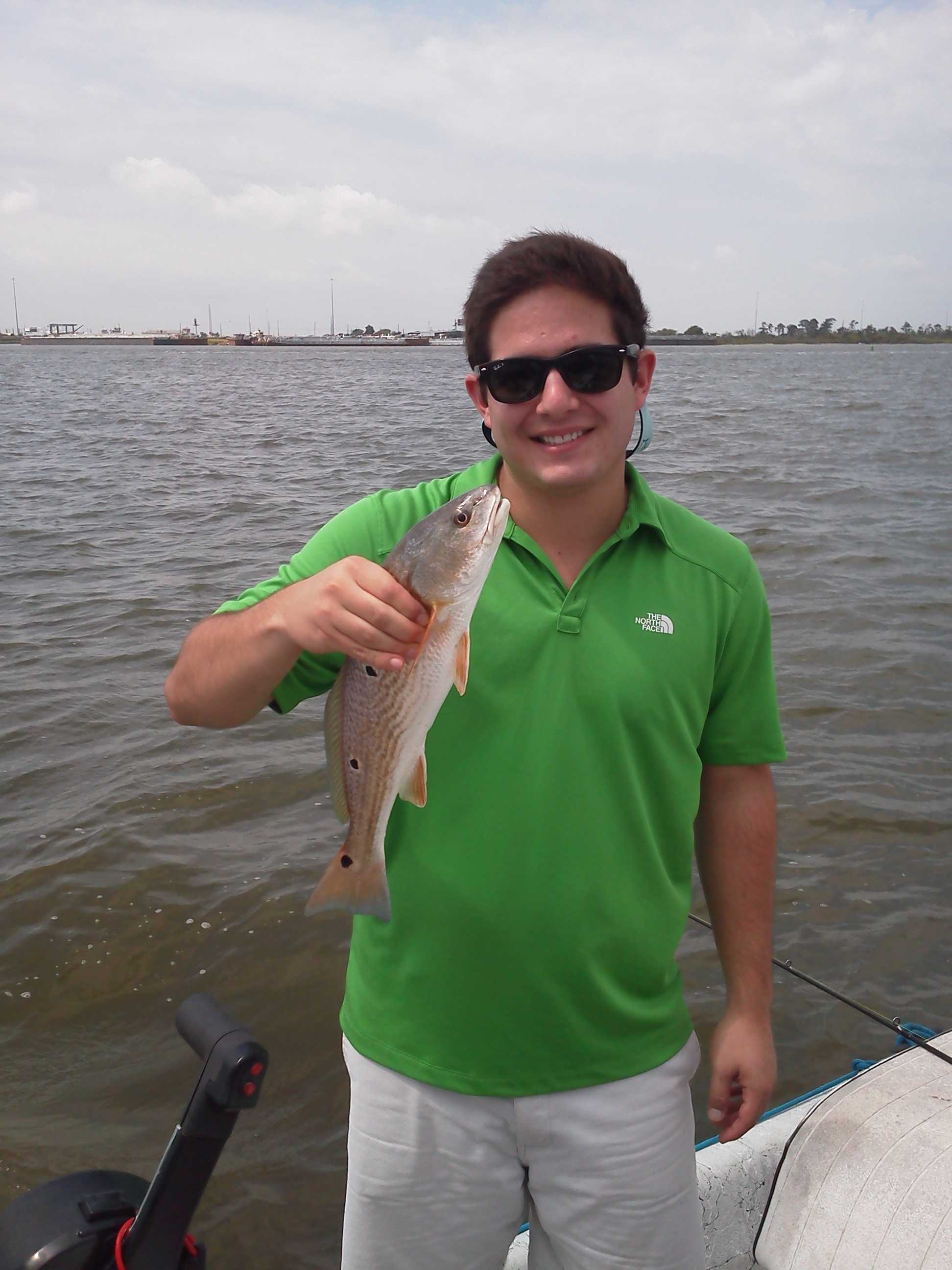
Redfish around the wrecks offer some of the most consistent action you'll find in Galveston waters. These copper-colored fighters are built for power with their broad shoulders and stubborn attitude. You'll typically find slot-size reds in the 20-27 inch range, though we occasionally hook into bull reds over 30 inches that'll test your tackle and stamina. Redfish feed aggressively around wreck structure, picking off crabs, shrimp, and small baitfish. They're year-round residents but really turn on during spring and fall when they're feeding heavily before and after spawning. What anglers love about reds is their dependability - when other species are finicky, you can usually count on redfish to keep the action going.
Atlantic mackerel bring speed and numbers to your wreck fishing trip, especially during their seasonal runs through Galveston waters. These silver bullets are built for speed and will absolutely scream line off your reel when hooked. Most mackerel you'll catch around the wrecks run 1-3 pounds, but they make up for size with sheer numbers and fighting ability. They're fantastic on light tackle and perfect for getting kids excited about fishing since the action can be non-stop when you find a school. Mackerel are excellent bait for bigger predators too, so we'll often use them fresh or live to target snook, sharks, and other gamefish. Spring and fall migrations offer the best mackerel action around Galveston's offshore wrecks.
Crevalle jack are the ultimate wreck bullies - aggressive, powerful, and always looking for a fight. These broad-shouldered bruisers will absolutely punish your tackle and test your endurance with their bulldogging runs. Jacks around Galveston wrecks typically range from
 5.0(1 Reviews)
 Private Trip
 Wrecks/Reefs Fishing
 Galveston


 Half-day or full-day jetty fishing trips starting 6:30 AM