Private 3 Hour Bass Fishing Trip
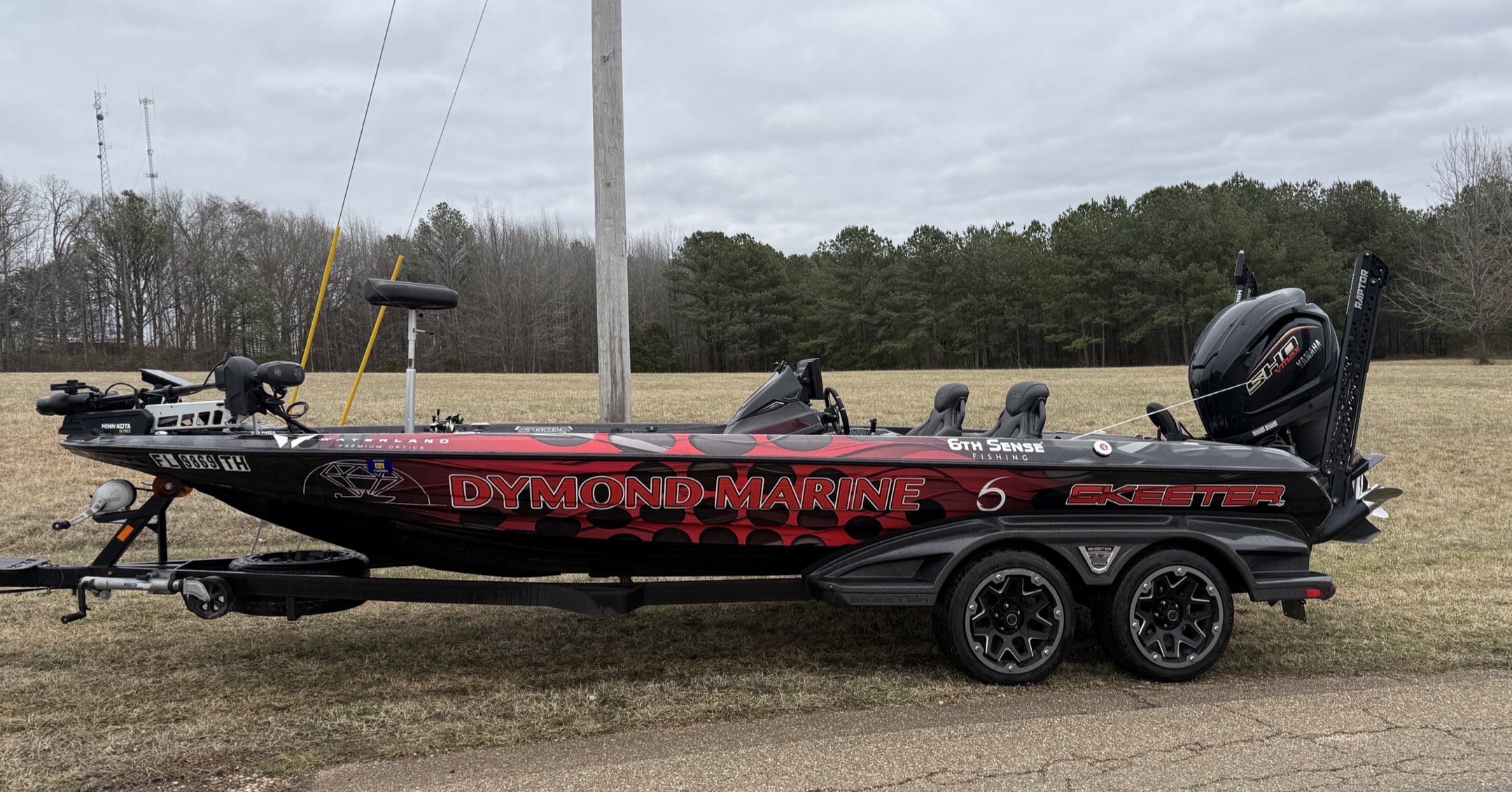
Step aboard my fully rigged 21-foot Skeeter bass boat and get ready to chase some of the Florida Everglades' most aggressive and colorful freshwater fighters. This isn't your typical pond fishing – we're talking about a world-class fishery where largemouth bass grow fat and happy, peacock bass show off their stunning colors, and exotic species like Mayan cichlids and oscars make every cast an adventure. Whether you're new to the sport or a seasoned angler looking to add some Florida favorites to your catch list, this trip delivers consistent action in one of the most unique fishing destinations in the country.
What to Expect on the Water
The Florida Everglades isn't just a fishing spot – it's a massive, living ecosystem where freshwater and wildlife create the perfect storm for bass fishing success. We'll cruise through canals, backwaters, and hidden pockets where bass stack up year-round. My Skeeter is equipped with everything you need: top-quality rods and reels, a tackle box full of proven lures, live bait when the bite calls for it, and a cooler to keep your drinks cold while we work the water. The boat's shallow draft lets us get into spots where bigger vessels can't reach, putting us right where the fish live. You'll see gators sunning on the banks, birds working the shallows, and if we're lucky, maybe a manatee or two cruising by. Just bring your Florida freshwater license if you're 16 or older, some snacks, drinks, and sun protection – I've got the fishing side covered.
Techniques and Tackle
Bass fishing in the Everglades requires a mix of finesse and power, and I'll match our approach to what the fish are telling us each day. We might start with topwater lures at dawn, watching bass explode on the surface as they chase baitfish in the early light. As the sun climbs higher, we'll switch to soft plastics worked around structure, or crank baits to cover water quickly and locate active schools. The peacock bass here love bright, flashy presentations – think spinnerbaits, chatterbaits, and anything that mimics the cichlids they feed on. For the exotics like oscars and Mayan cichlids, live bait often seals the deal, especially when they're being picky. The beauty of this fishery is its diversity – one cast might bring up a hefty largemouth, the next could be a stunning peacock bass, and you never know when something completely unexpected will grab your lure. I'll teach you how to read the water, work different lures effectively, and adjust your technique based on what we're seeing throughout the trip.
Target Species
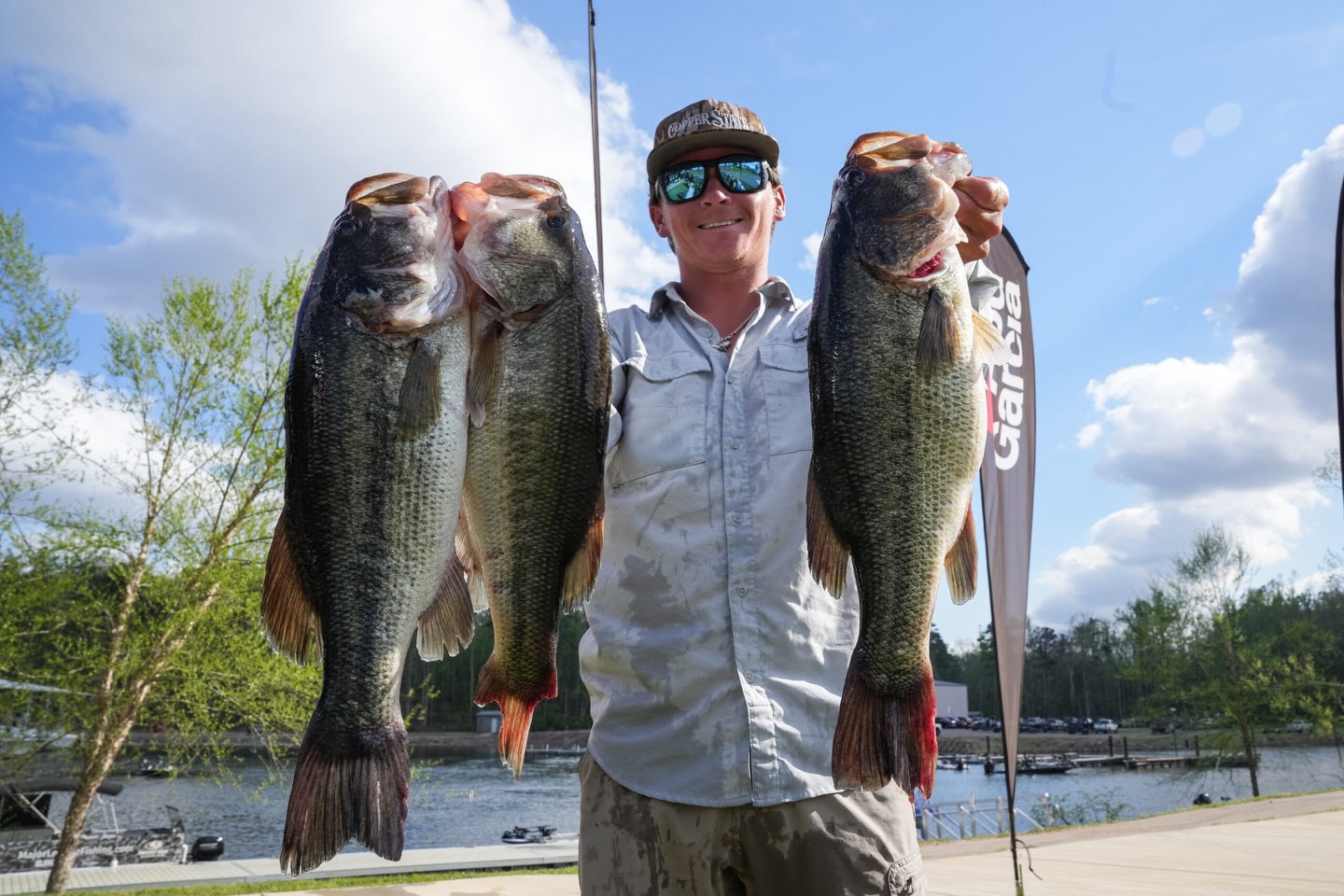
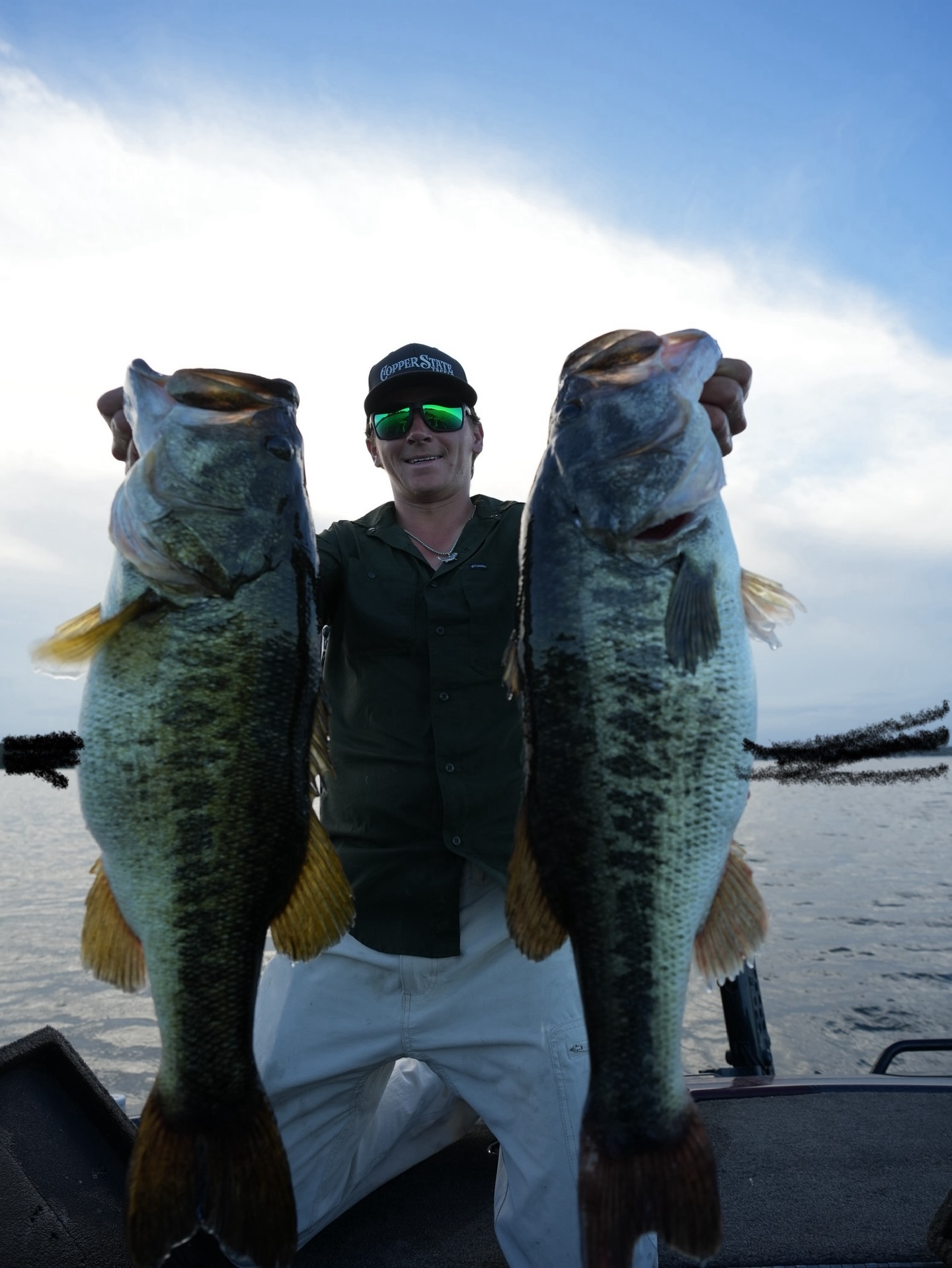
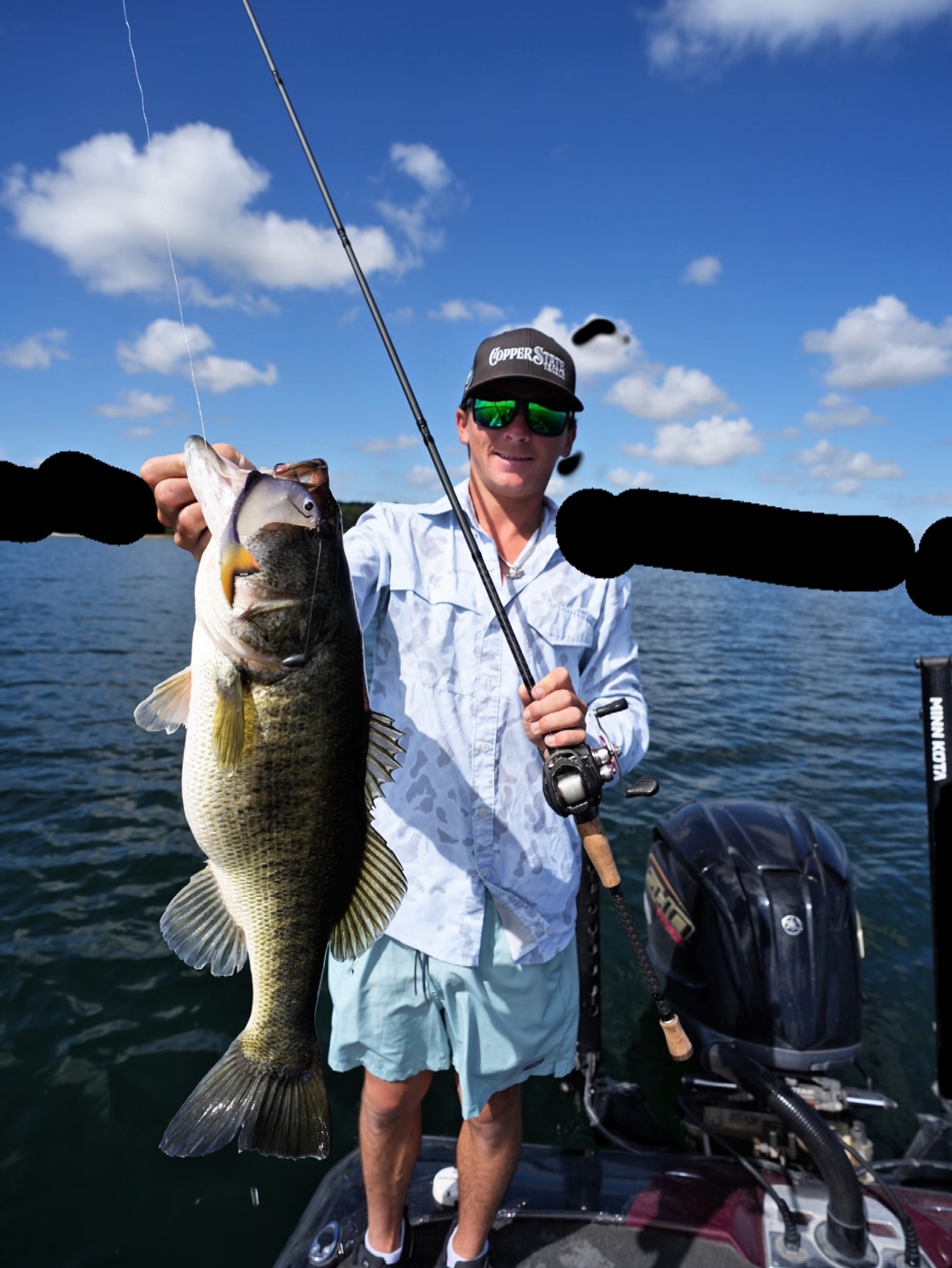
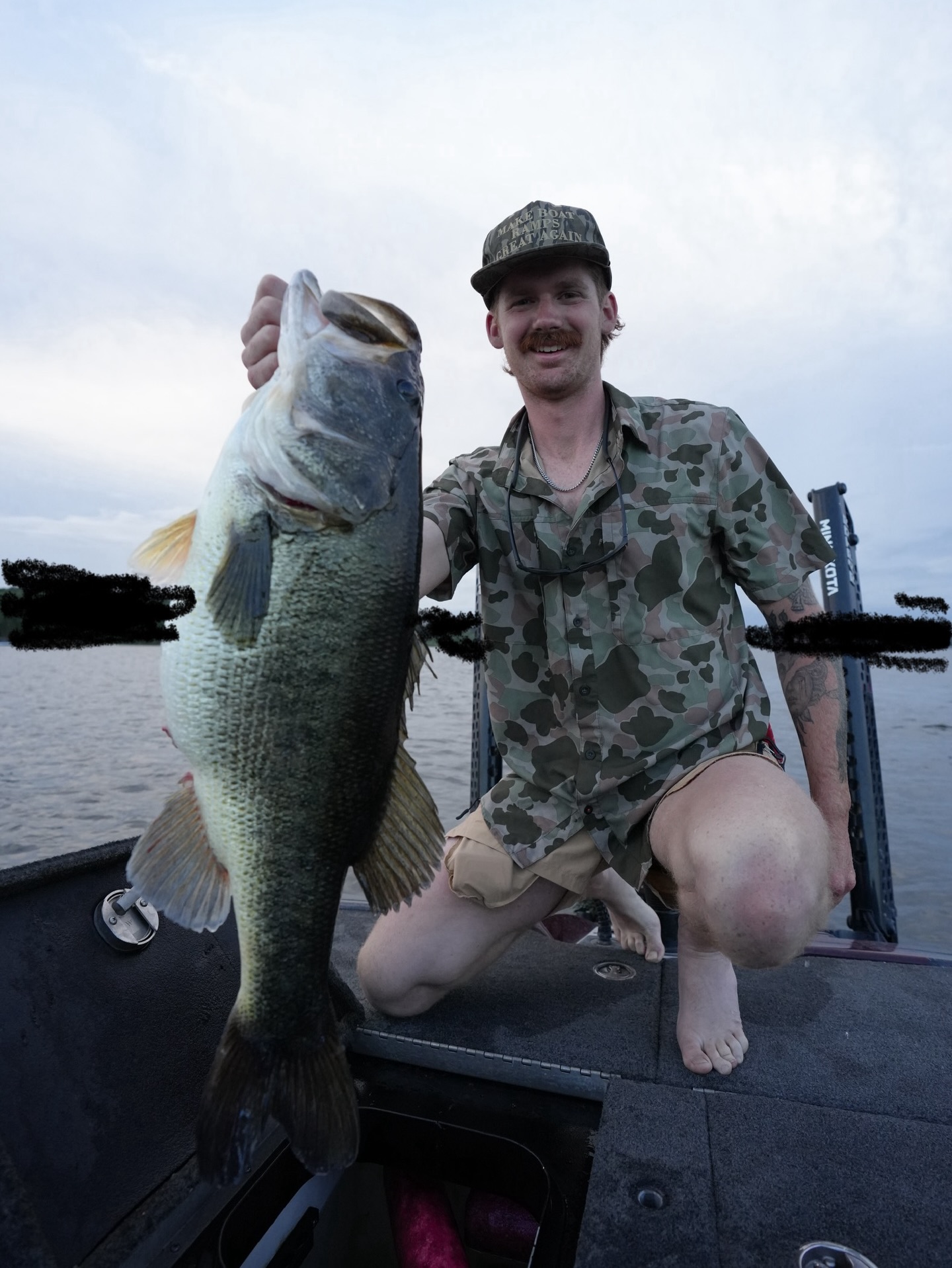
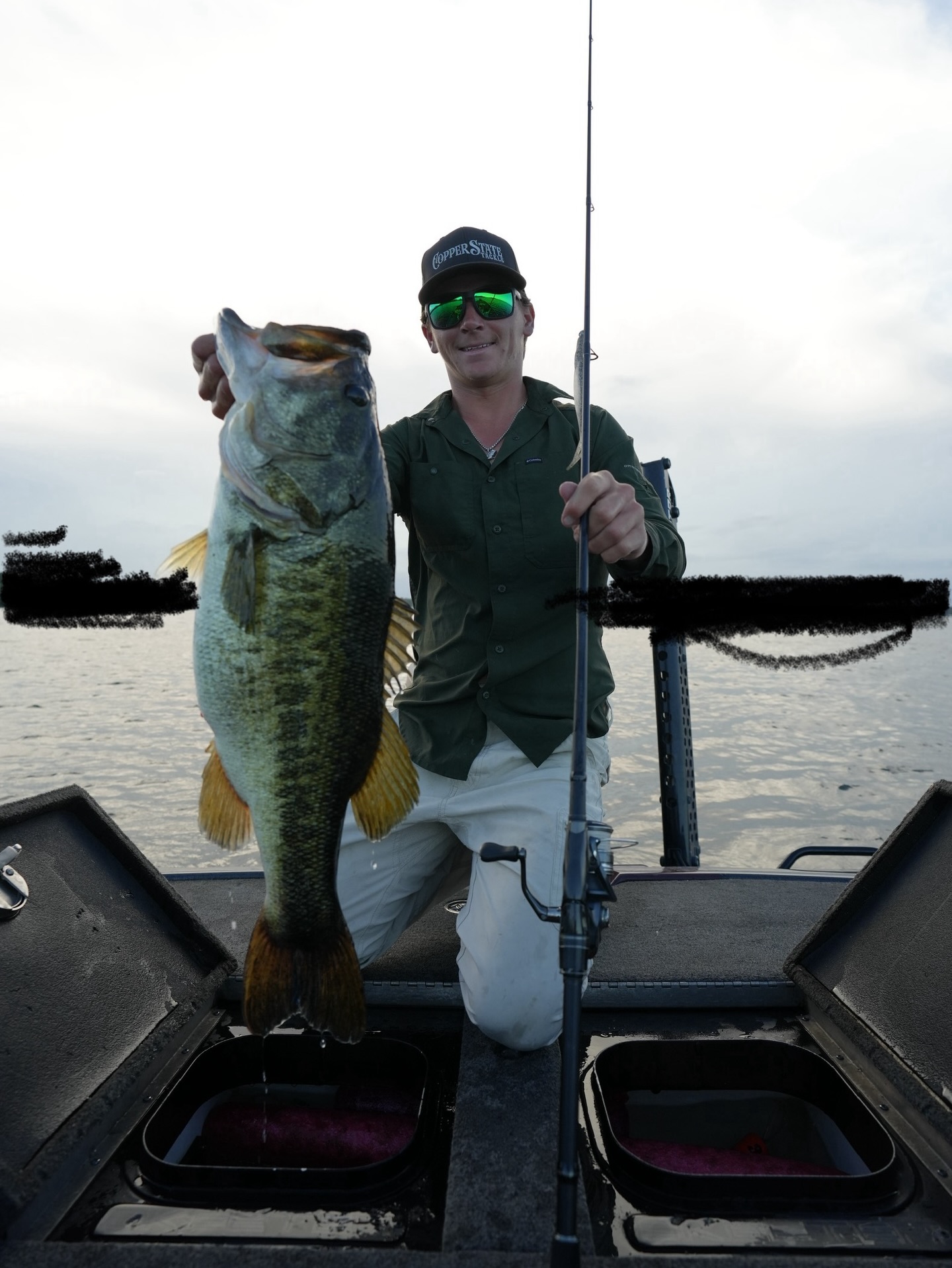
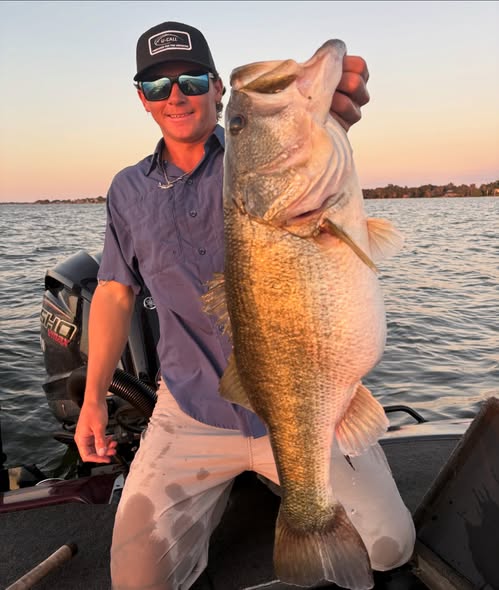
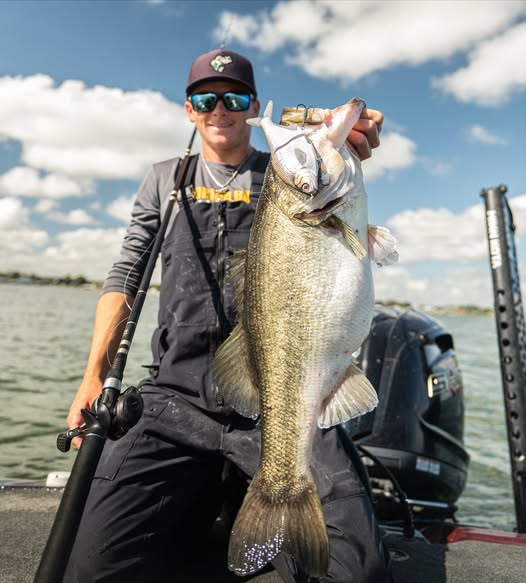
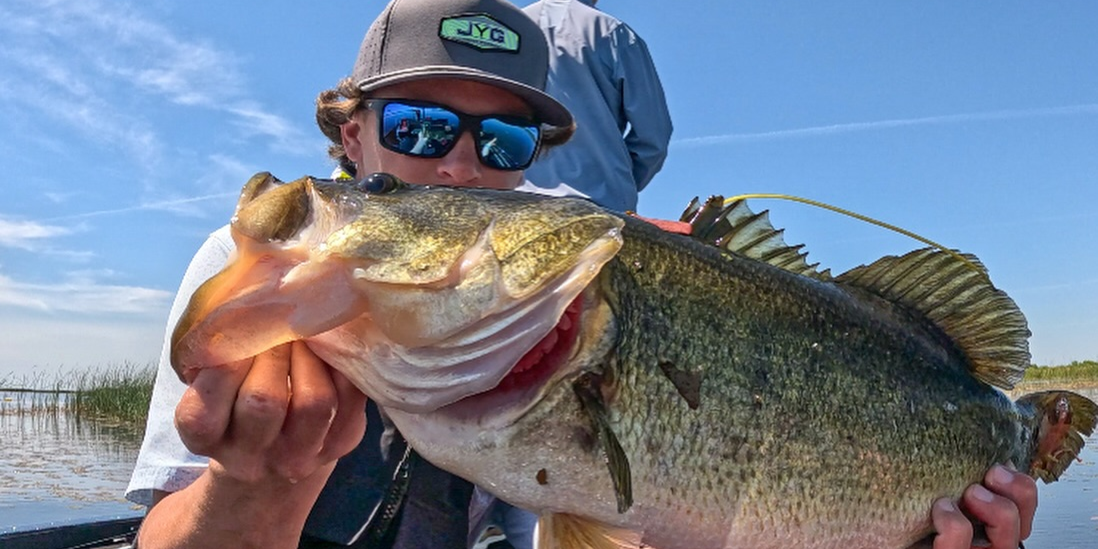
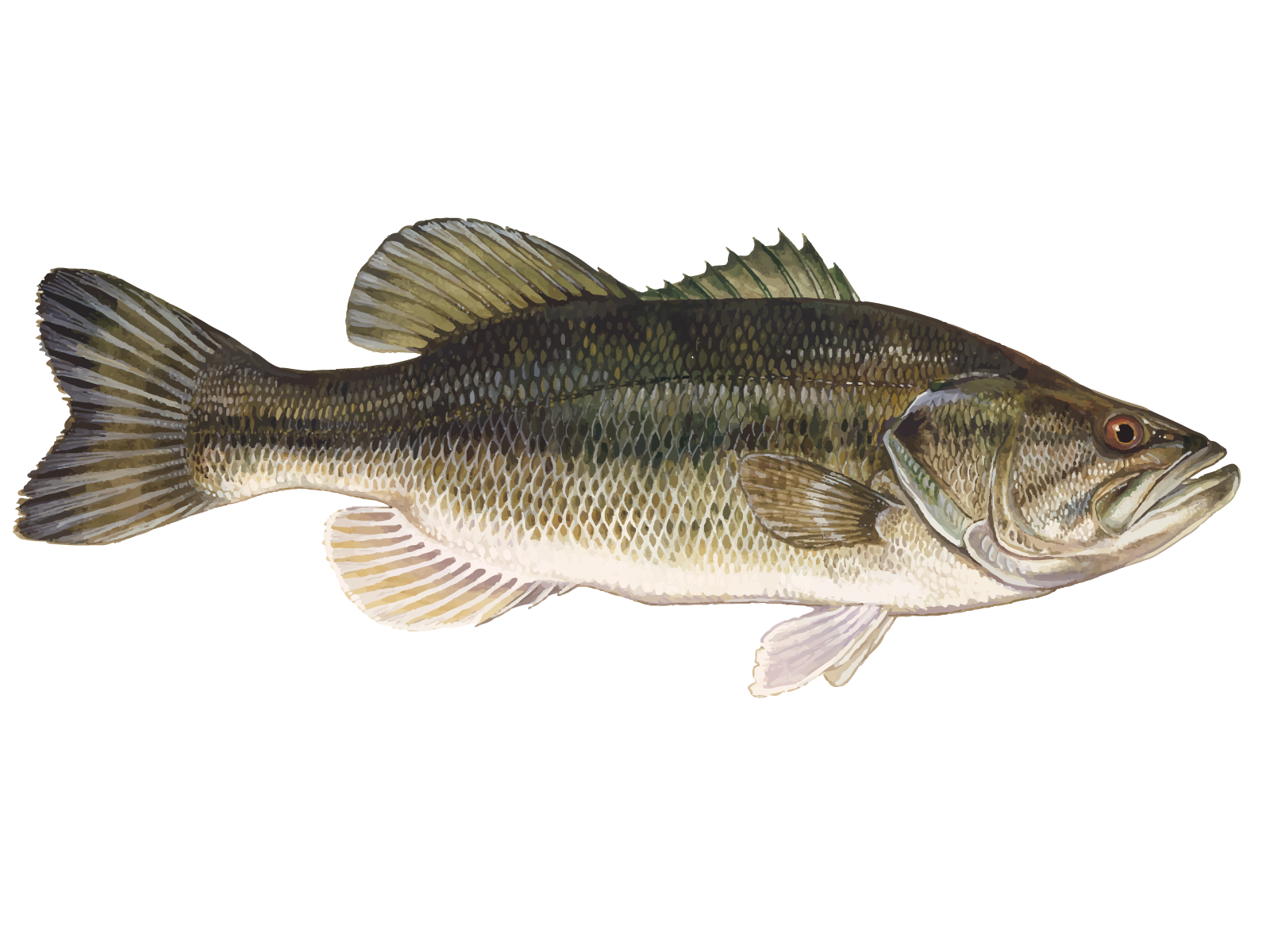
Largemouth bass are the backbone of Everglades fishing, and these fish have everything they need to grow thick and healthy. They average 2-4 pounds, but don't be surprised when a 6-7 pound giant crushes your lure near a fallen tree or grass line. Spring and fall are prime time when they're most active, but the Everglades' year-round warmth keeps them biting in every season. What makes these bass special is their attitude – they're aggressive, they fight hard, and they'll hit everything from soft plastics to big topwater lures. Plus, they're beautiful fish with that classic bronze-green coloration that looks amazing in photos.
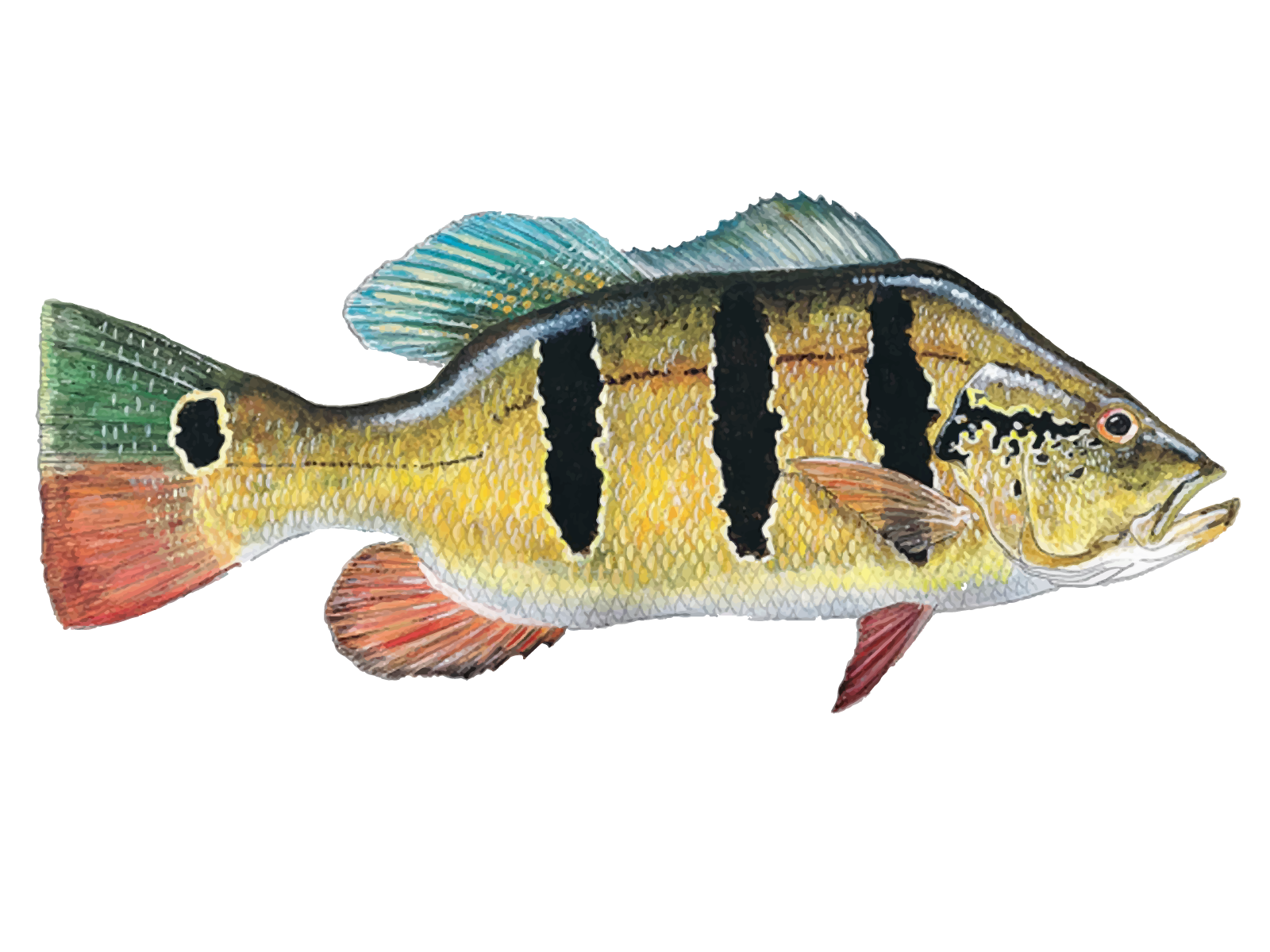
Peacock bass are the showstoppers of any Everglades trip, and once you see one, you'll understand why anglers get addicted to targeting them. These South American natives display incredible colors – bright yellow bodies with dark vertical bars and that signature eye spot on their tail. They typically run 1-3 pounds, but their strength and speed make them fight like much bigger fish. Peacocks love structure and current breaks, and they're ambush predators that absolutely demolish lures when they strike. The cooler months from November through March are peak season when they school up and become more predictable to pattern.
Oscars are the wild cards that keep every trip interesting, and they're one of the strongest pound-for-pound fighters you'll encounter in freshwater. These chunky, deep-bodied fish average 1-2 pounds but can push 3-4 pounds in the right spots. They're opportunistic feeders that love live bait, soft plastics, and small jigs worked slowly near bottom structure. Oscars are most active during warmer months and tend to hang around rocky areas, canals, and anywhere they can find cover. Their mottled brown and orange coloration makes them perfectly camouflaged, but once hooked, they'll test your drag and try every trick to break free.
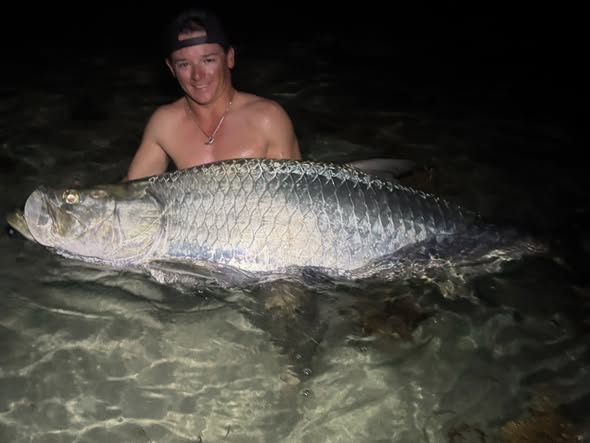
Alligator gar represent the ultimate trophy opportunity on any Everglades fishing trip, and hooking into one of these prehistoric beasts is something you'll never forget. These living fossils can reach 4-6 feet long and weigh 50-100 pounds or more, making them the apex predator of the freshwater Everglades. They're most active during summer months when water temperatures peak, and they prefer deeper canals and main waterways where they can ambush prey. Gar fishing requires heavy tackle, steel leaders, and patience – they're notorious for their bony mouths that make hooksets challenging. When we target gar, we'll use cut bait or large live baits fished near structure, and if we connect, you're in for a battle that could last 20-30 minutes or more.
Time to Book Your Spot
This top-rated bass fishing experience combines consistent action, stunning scenery, and the chance to catch species you won't find anywhere else in the country. The Florida Everglades produces fish year-round, but every season brings its own advantages – spring spawning activity, summer gar opportunities, fall feeding frenzies, and winter peacock bass concentrations. My 21-foot Skeeter gives us access
 Private Trip
 Flats/Shallows Fishing
 Everglades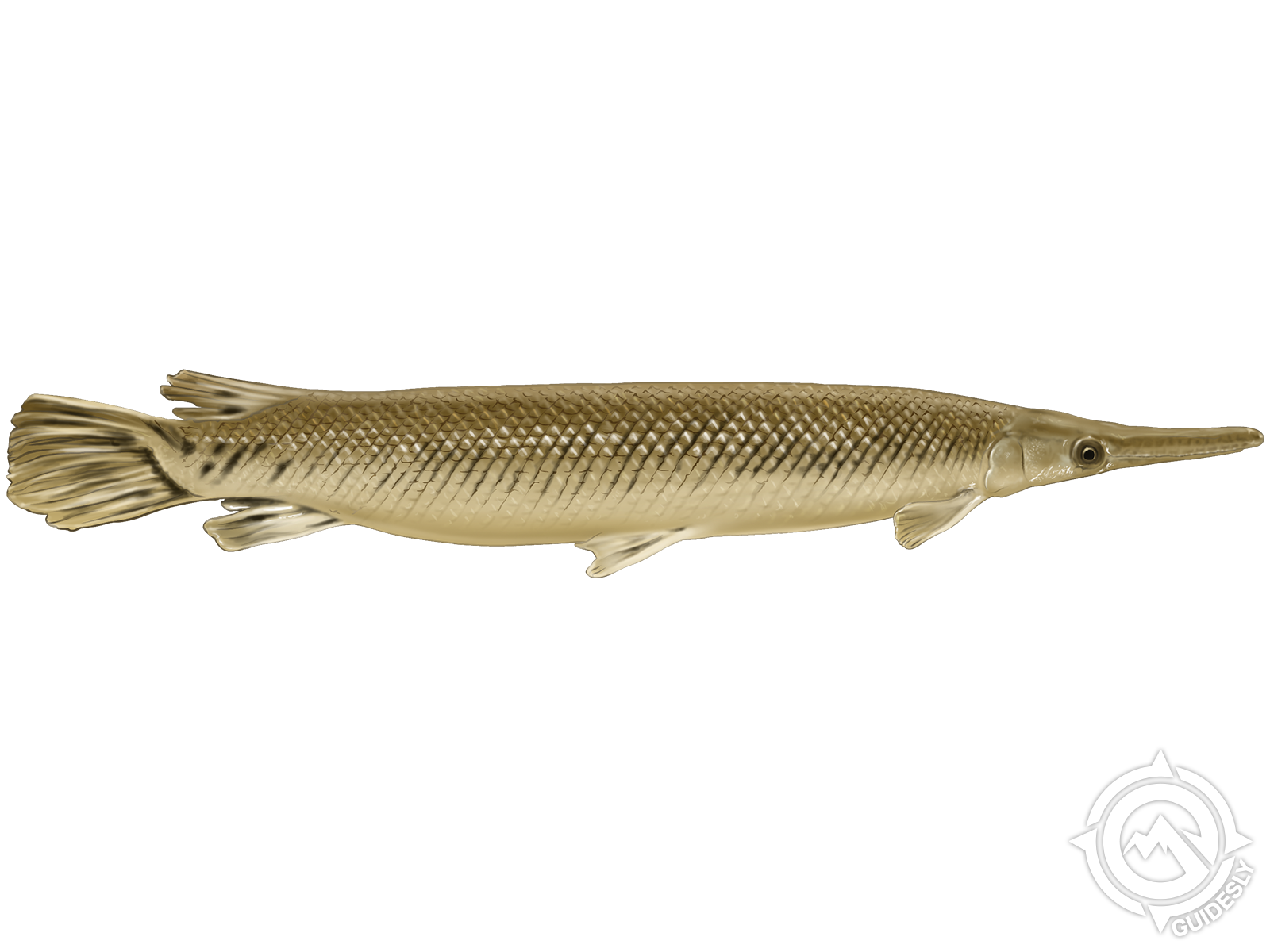

 Private 3-hour bass fishing adventure in Florida Everglades