Private 7 Hour Bass Fishing Trip - Everglades
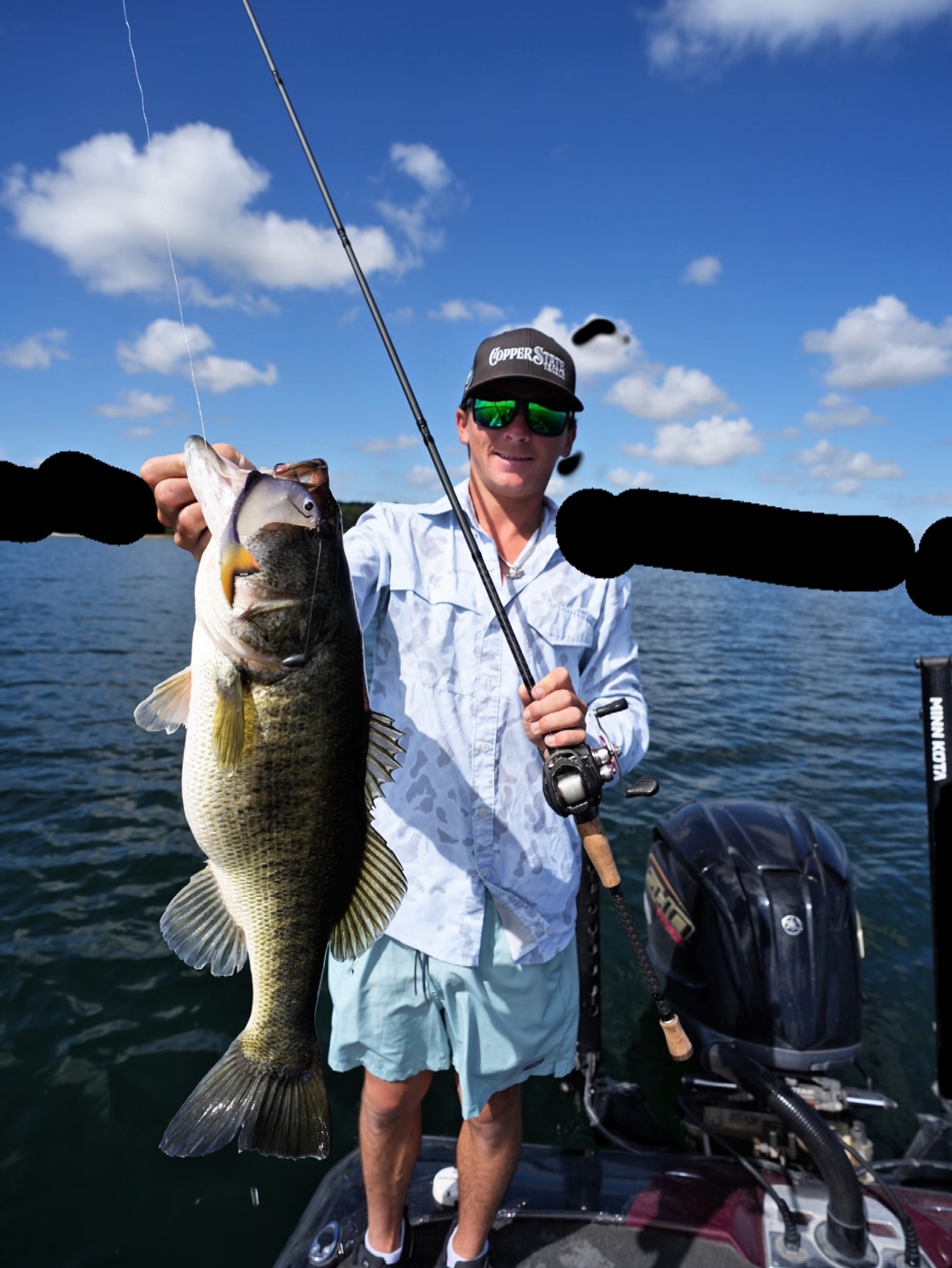
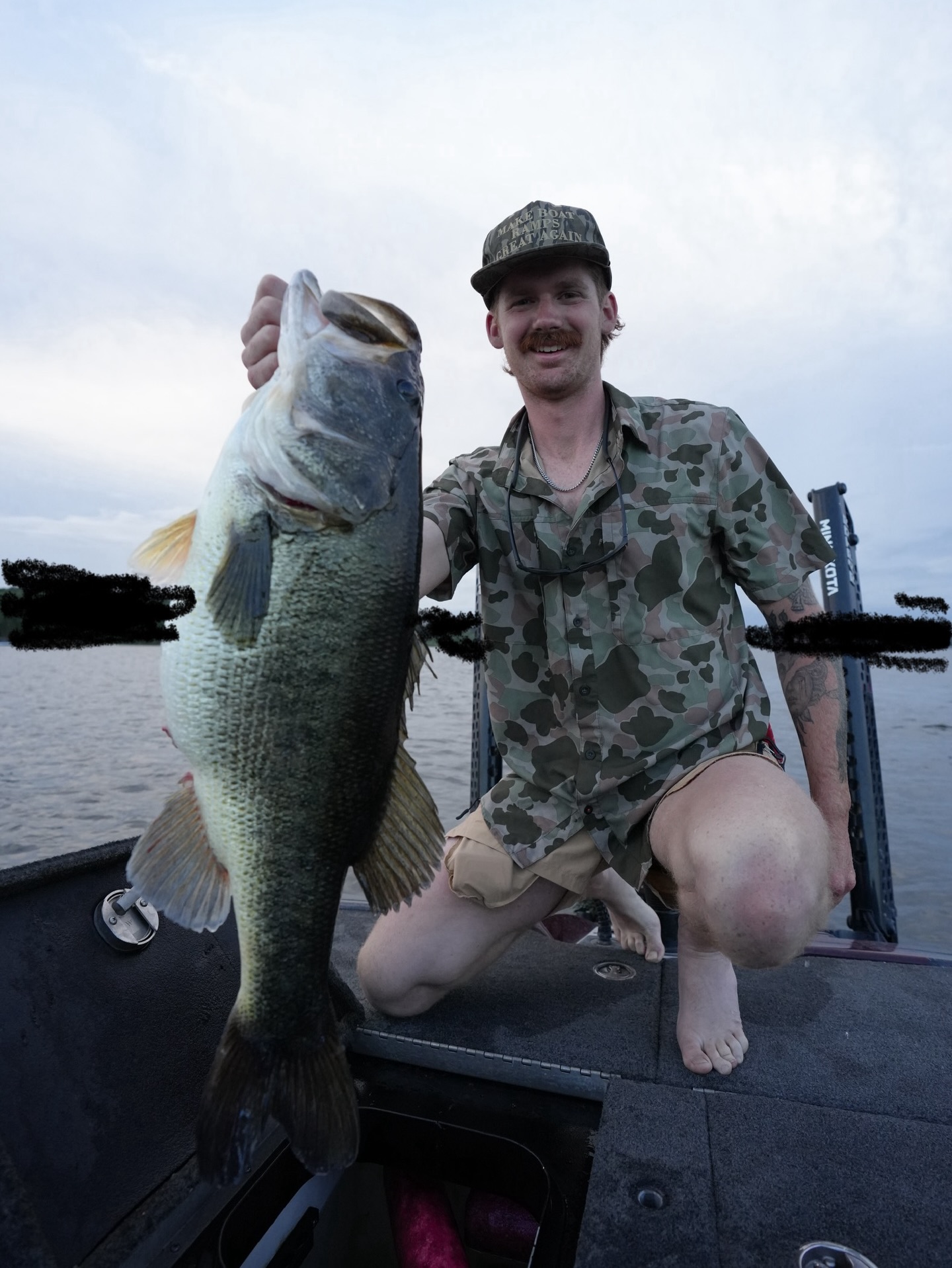
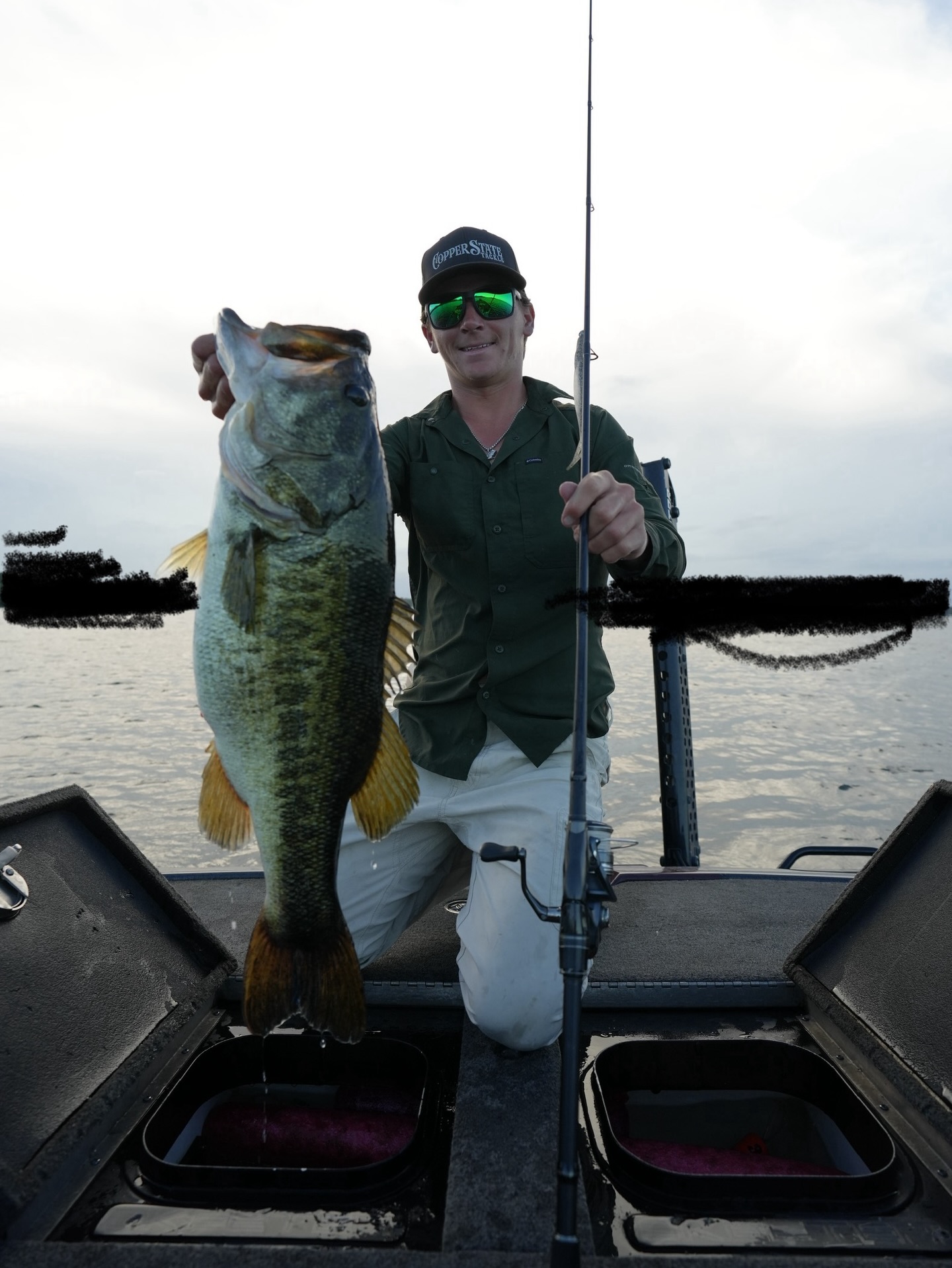
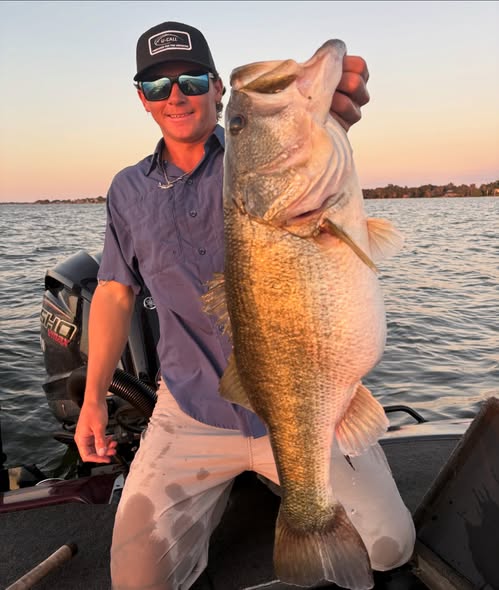
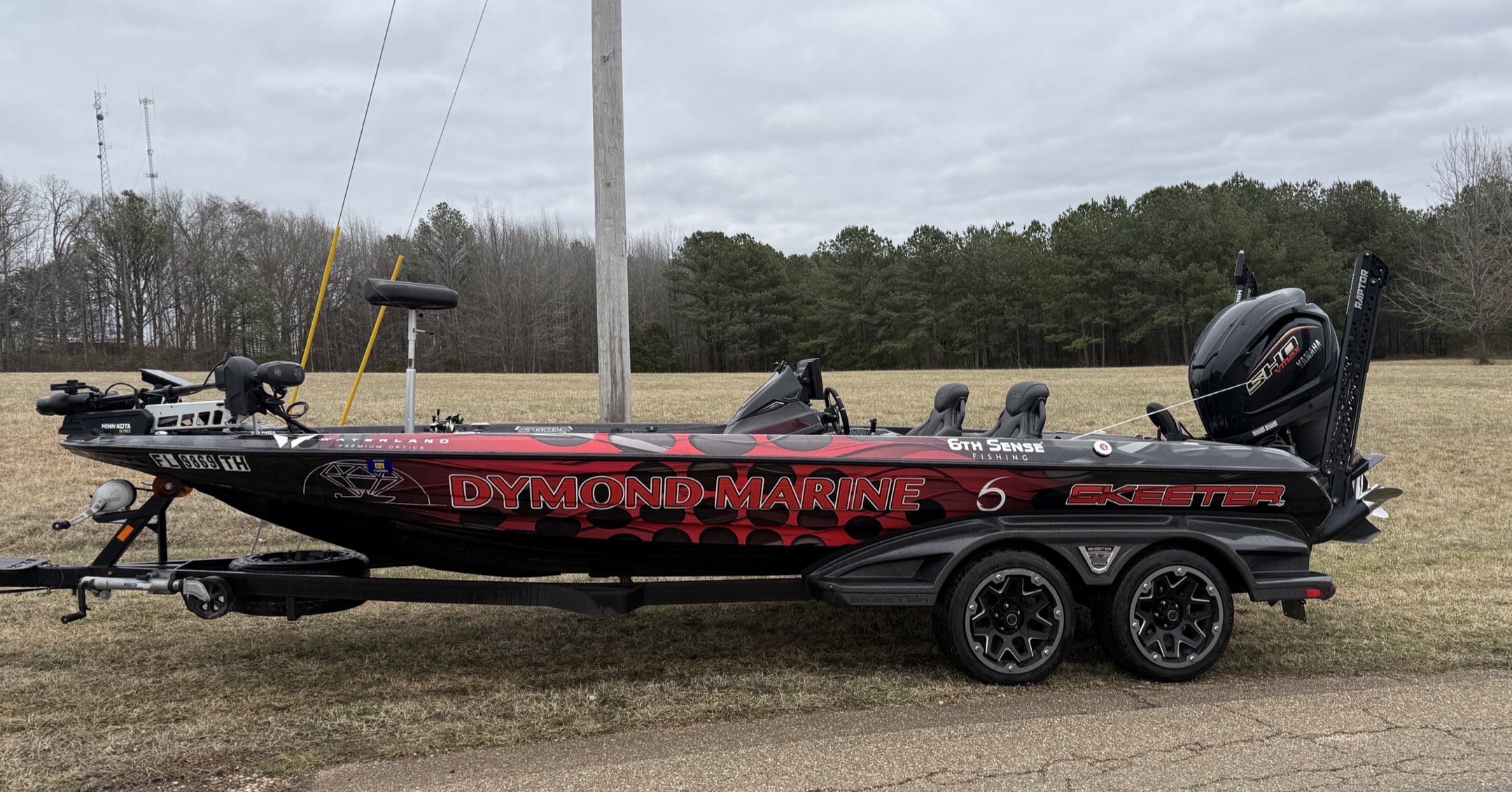
Seven hours in the Everglades means serious fishing time. This isn't your typical half-day trip where you're just getting warmed up when it's time to head back. We're talking about a full day of chasing bass in some of Florida's wildest waters, with enough time to really dial in your technique and put some serious fish in the boat. You'll be fishing from a fully rigged 21' Skeeter bass boat that can handle everything the 'Glades throw at us, from shallow grass flats to deeper canals where the big girls like to hang out. This top-rated experience gives you the luxury of time - time to work different spots, try various presentations, and really get into the zone that separates good fishing days from legendary ones.
What to Expect on the Water
We launch early to beat the crowds and take advantage of those prime morning hours when the bass are most active. The Everglades is a massive ecosystem with endless fishing opportunities, and having seven hours means we can explore multiple spots throughout the day. We'll start in the productive areas close to the launch, then venture into more remote waters that most anglers never see. The beauty of this extended trip is flexibility - if the fish are biting in one area, we can stay and capitalize. If they're being finicky, we have time to move and adapt our strategy. You'll be targeting largemouth bass, peacock bass, and some fun exotic species like Mayan cichlids and oscars that have made the Everglades their home. All your tackle, live bait, and artificial lures are included, so you can focus on fishing instead of worrying about gear. Just bring your Florida freshwater license, some drinks and snacks to keep your energy up, and plenty of sun protection - the Florida sun can be brutal out on the water.
Techniques & Prime Spots
The Everglades offers incredibly diverse fishing, and we'll use multiple techniques throughout the day to match the conditions and target different species. We'll throw topwater plugs early in the morning when the bass are feeding on the surface, then transition to plastic worms and jigs as the sun gets higher and fish move to cover. For peacock bass, we'll focus on structure like fallen trees, rock piles, and canal edges where these aggressive fighters like to ambush prey. The Skeeter bass boat gives us access to both shallow grass flats and deeper canals, so we can follow the fish as they move throughout the day. Live bait works magic here, especially wild shiners for big largemouth bass and small tilapia for peacock bass. The exotic species add an element of surprise - you never know when you'll hook into a colorful Mayan cichlid or a hard-fighting oscar. We'll work everything from isolated ponds deep in the backcountry to main canal systems where big fish cruise for easy meals. The key to success in the Everglades is staying mobile and being willing to adapt your presentation based on what the fish are telling you.
Species You'll Want to Hook
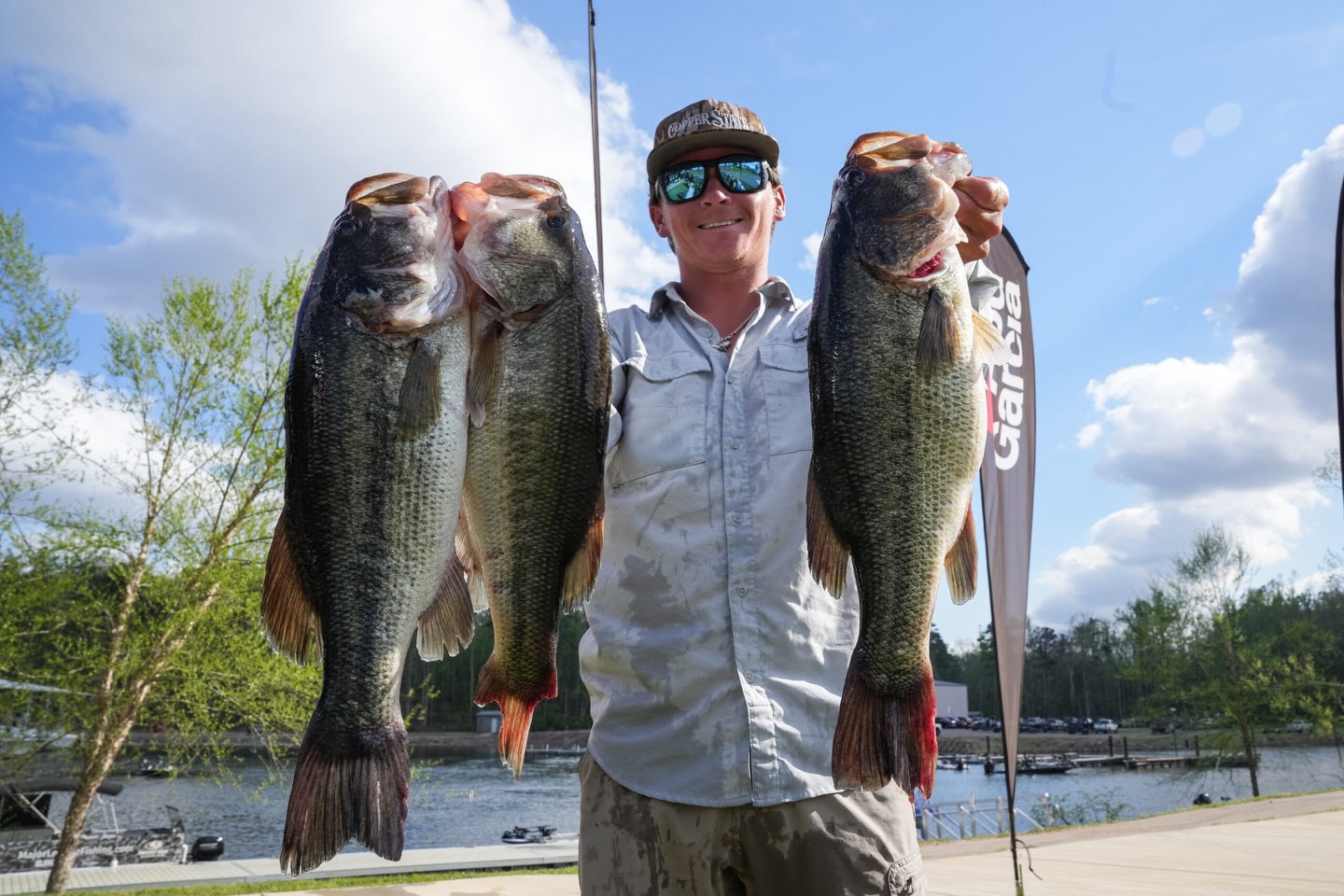
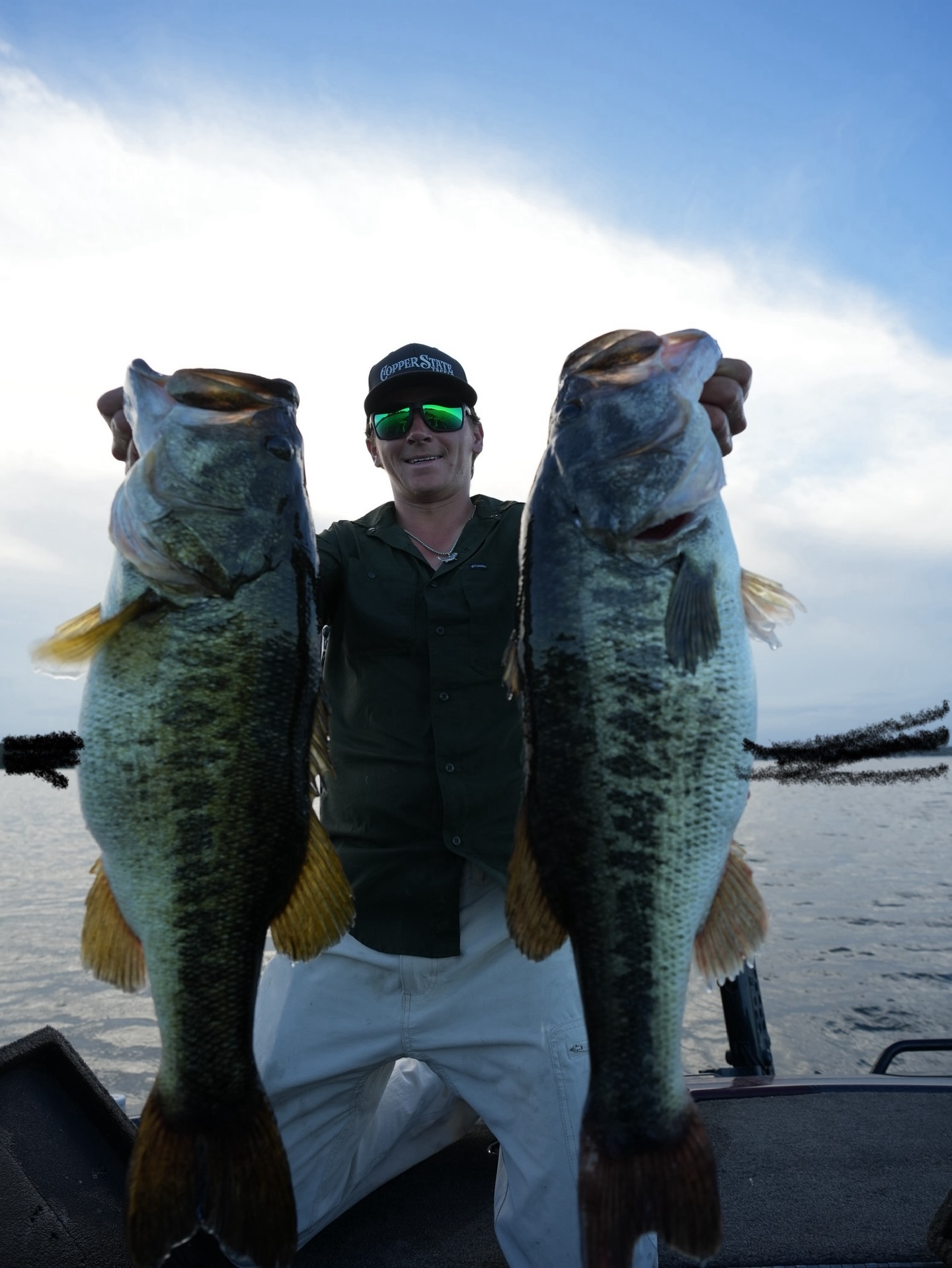
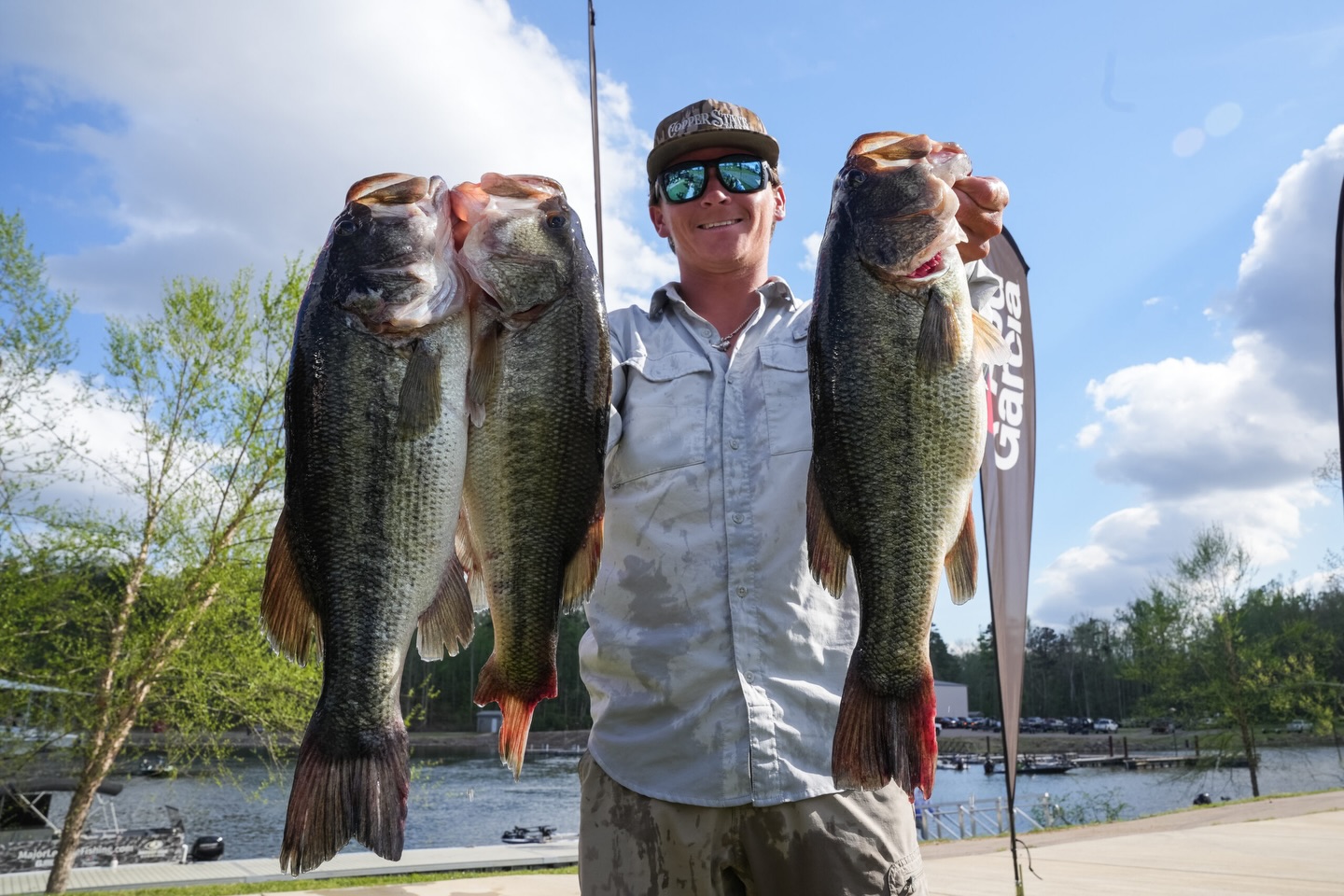
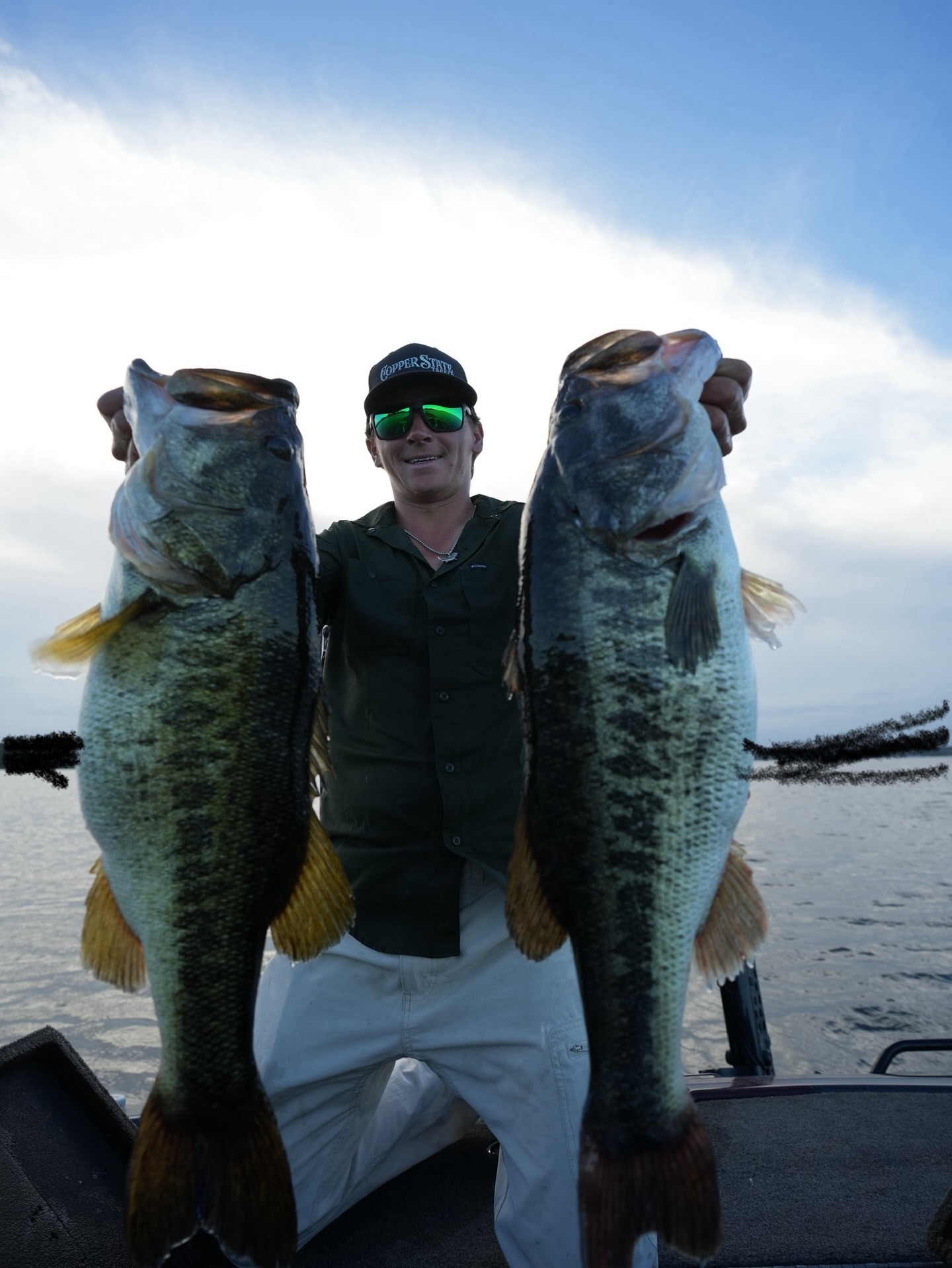
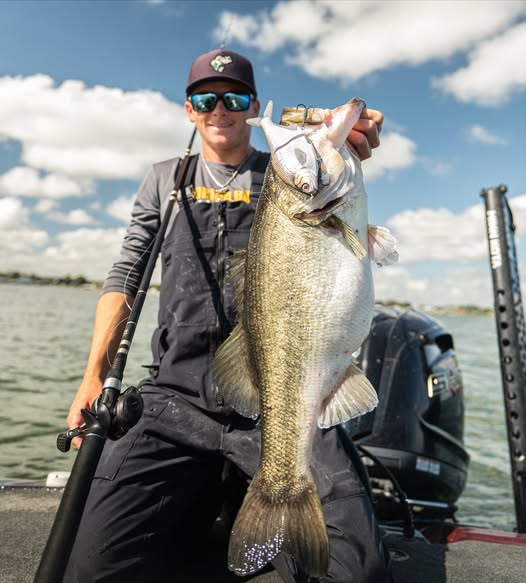
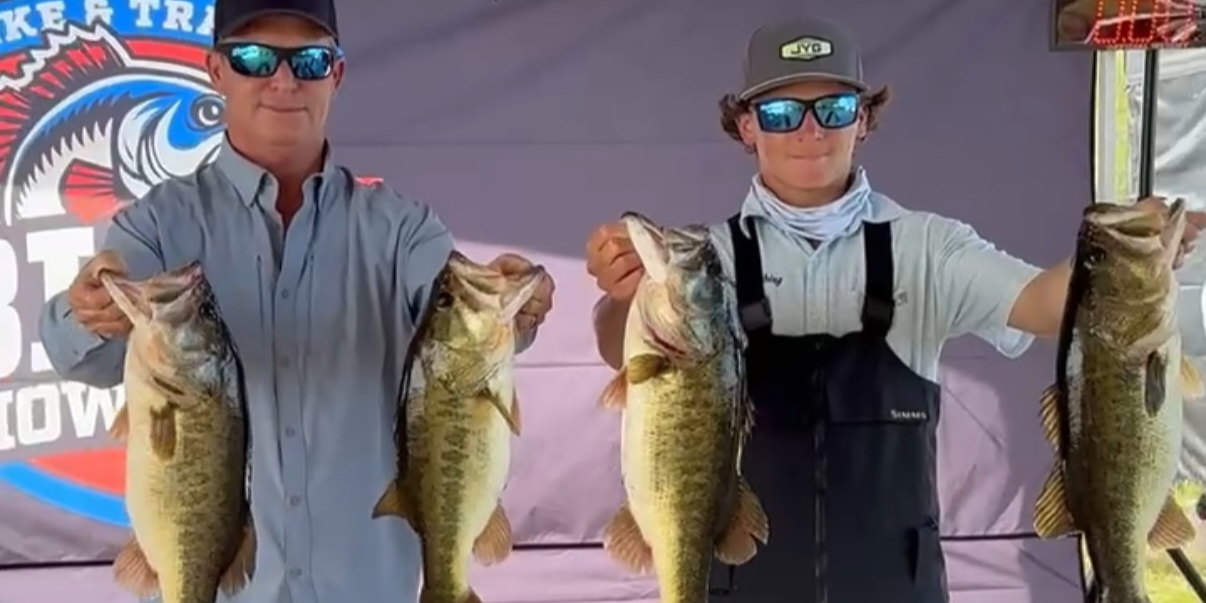
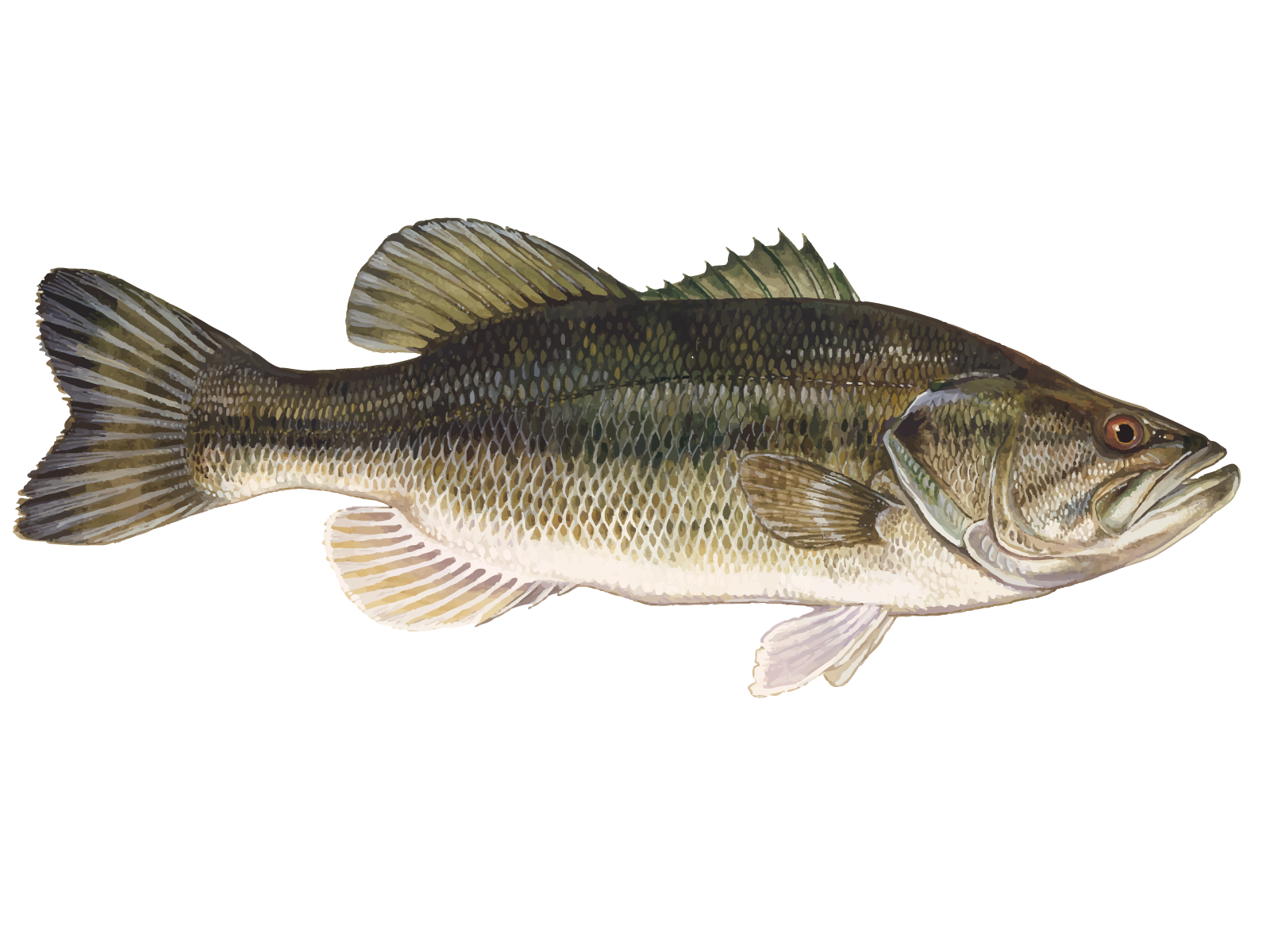
Largemouth bass are the bread and butter of Everglades fishing, and these Florida-strain fish grow big and fight hard. They're most active in the early morning and late afternoon, but with seven hours on the water, you'll hit multiple feeding windows. Florida largemouth are known for their aggressive strikes and aerial acrobatics, and the Everglades population includes some real giants. Spring and fall offer the best action, but these fish bite year-round in South Florida's subtropical climate. What makes them so exciting here is their willingness to hit topwater lures - there's nothing like watching a 6-pound bass blow up on a buzzbait in shallow water.
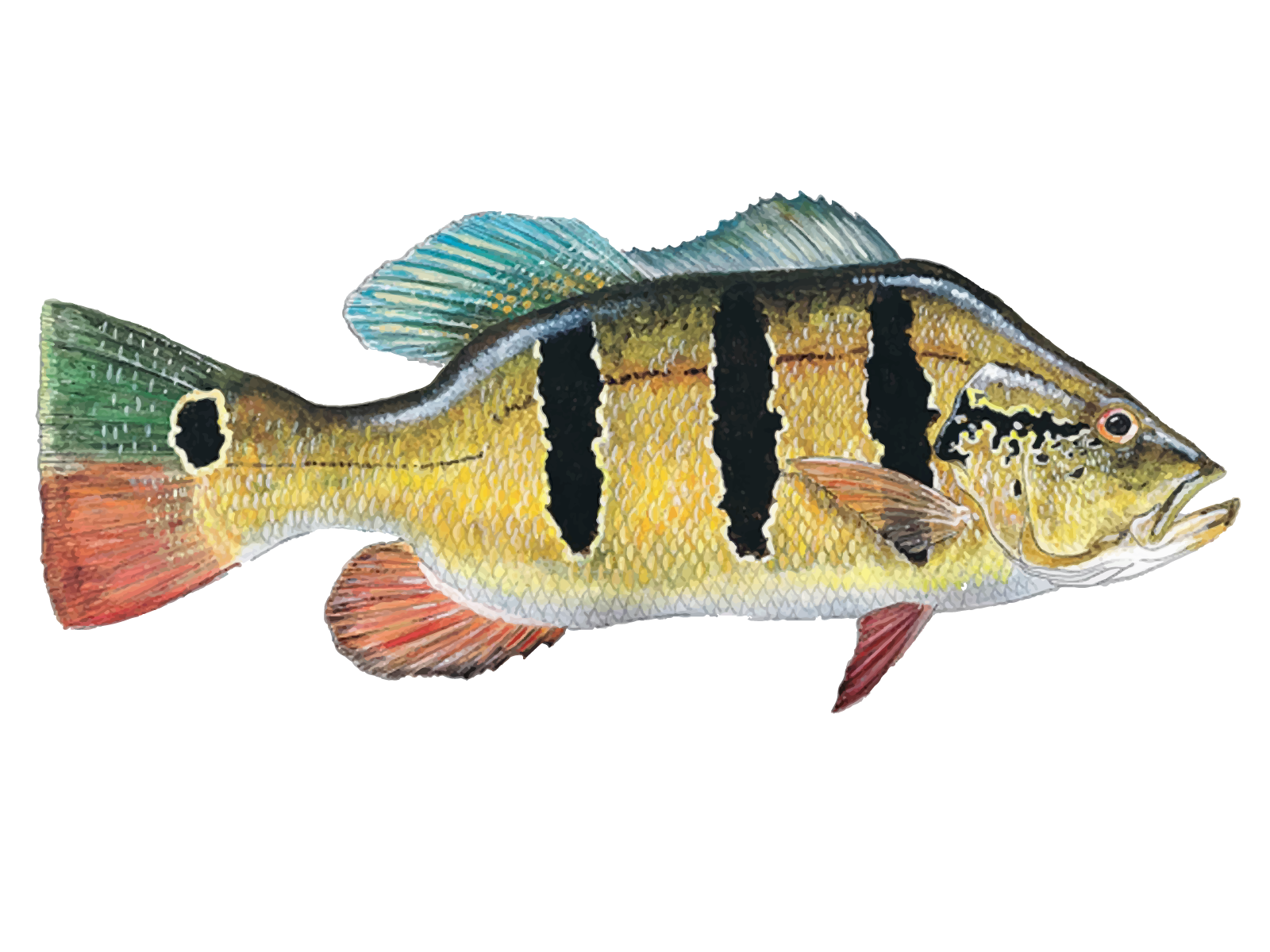
Peacock bass are the exotic superstars of the Everglades, originally from South America but now thriving in Florida's warm waters. These fish are pure aggression, attacking lures with a ferocity that puts largemouth to shame. They prefer structure and clear water, making them perfect targets along canal walls, around fallen trees, and near rocky areas. Peacock bass are most active when water temperatures are warm, typically from late spring through early fall. They're visual feeders that respond well to bright, flashy lures, and their fight is legendary - they'll make multiple runs and jump repeatedly when hooked. A good peacock bass will test your drag and your nerves.
Oscar are another South American transplant that's found a home in the Everglades ecosystem. These deep-bodied fish are surprisingly strong fighters that will bulldoze toward cover when hooked. They're opportunistic feeders that will take both live bait and artificials, though they can be finicky about presentation. Oscar are most active during warmer months and tend to hang around structure in deeper water. What makes them fun to catch is their unpredictability - you might catch them while targeting bass, and their unique appearance and fighting style add variety to your day on the water.
Alligator gar represent the prehistoric side of Everglades fishing, with their armored scales and tooth-filled jaws that look like something from another era. These ancient fish can grow massive and provide an epic fight when hooked. They're typically found in deeper canals and open water areas, often near the surface where they roll to breathe air. Gar fishing requires patience and specialized techniques, but landing one is a memory you'll never forget. They're most active during summer months when water temperatures are highest, and live bait presentations work best for consistent success.
Time to Book Your Spot
This customer favorite seven-hour trip gives you the complete Everglades bass fishing experience without feeling rushed. You'll have time to master different techniques, explore remote waters, and really connect with this world-class fishery. The extended duration means better fish counts, more variety in your catch, and the satisfaction that comes from a full day well spent on the water. Weekley Fishing Charters provides everything you need for success - the boat, tackle, bait, and local knowledge that makes
 Private Trip
 Flats/Shallows Fishing
 Everglades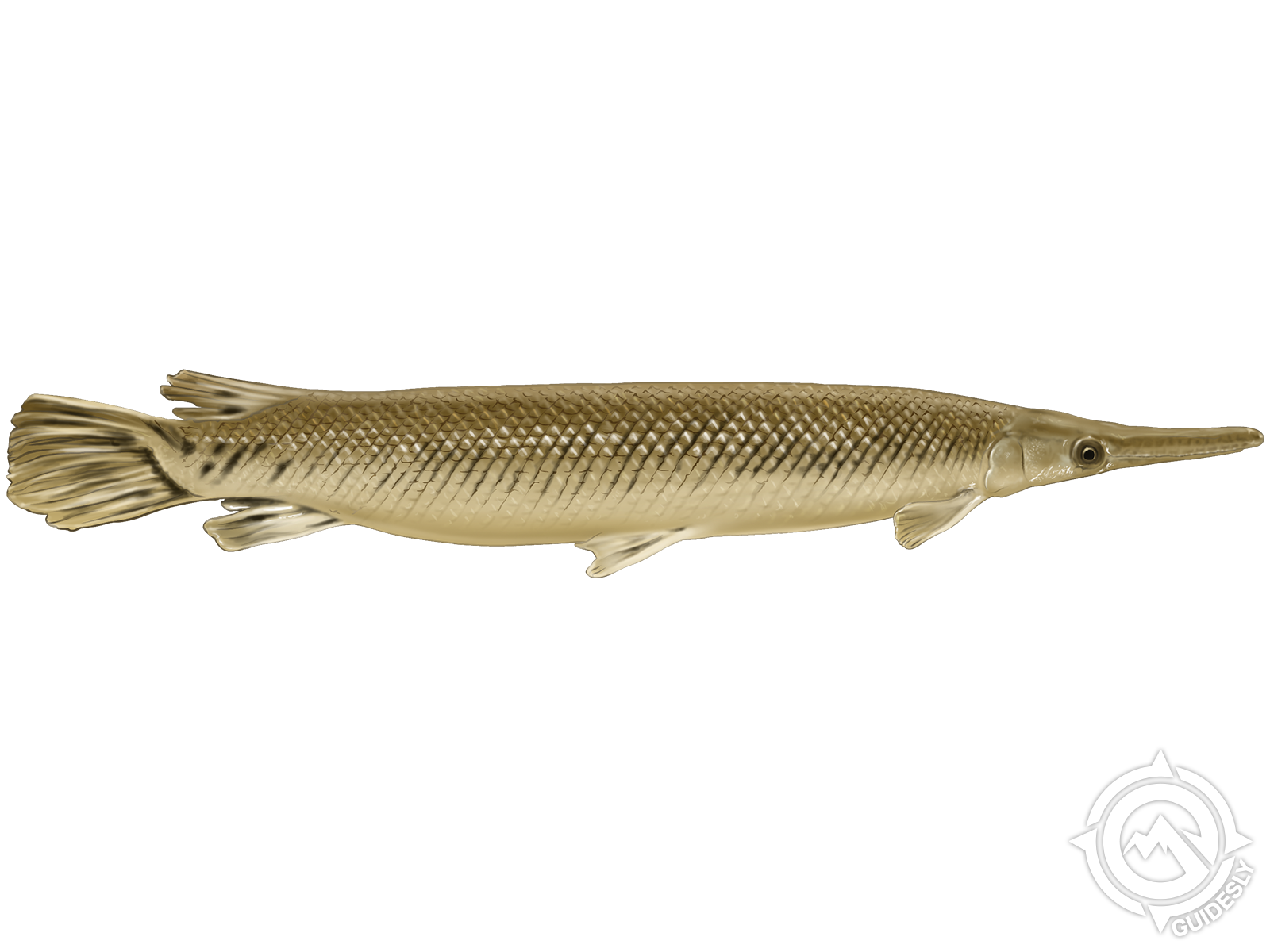

 Seven-hour private bass fishing adventure in Florida Everglades