Extended Full-Day Drift Boat Fishing Trips
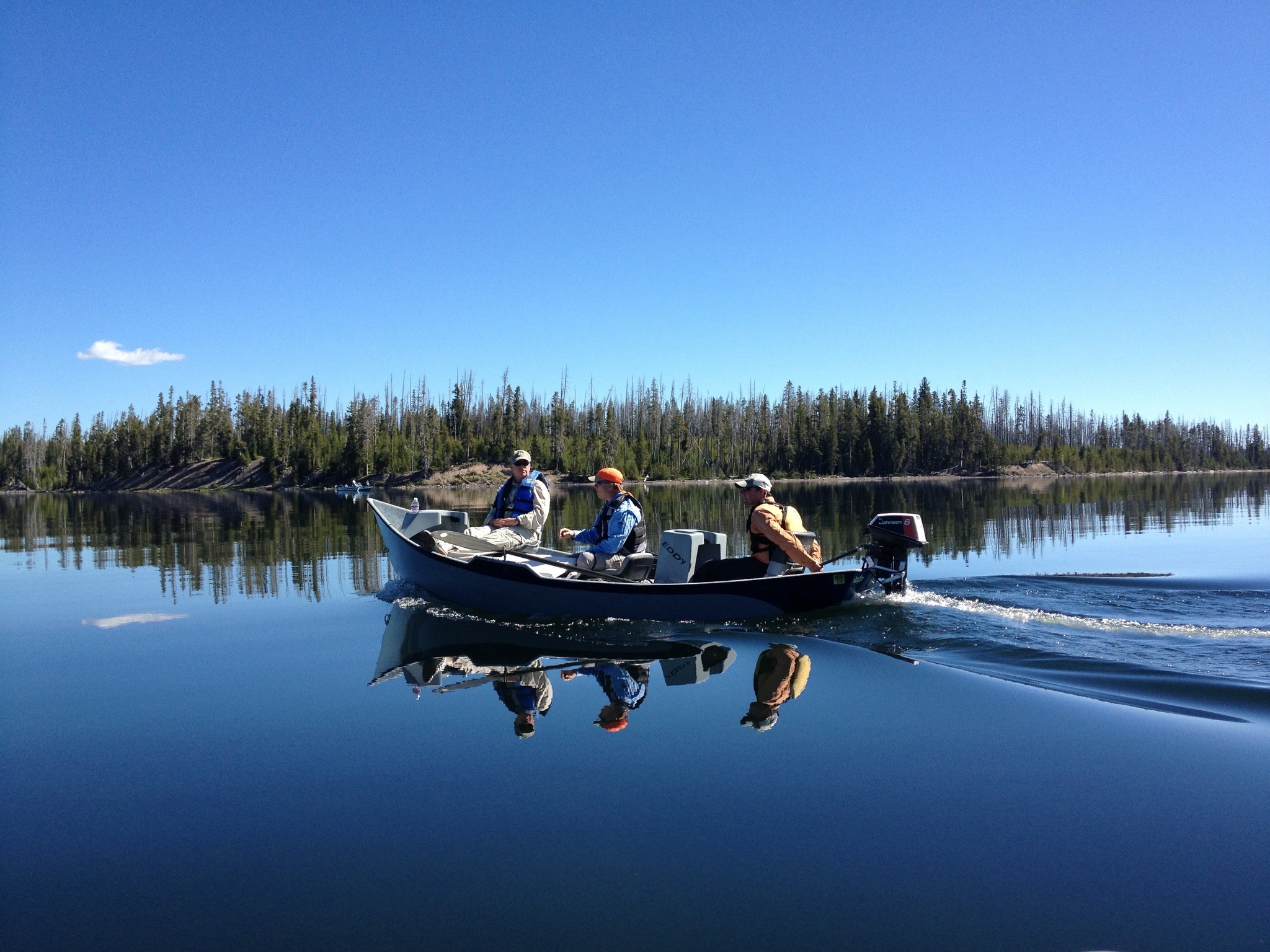
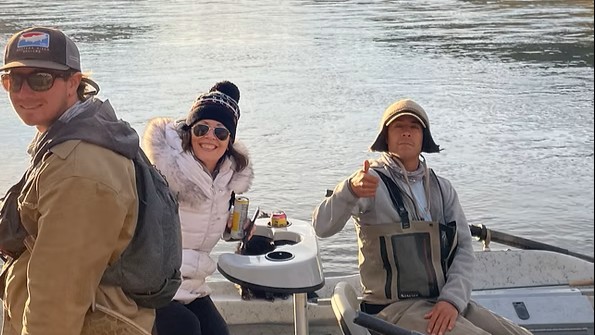
When you're serious about getting into fish and don't want to cut your day short, our Extended Full-Day Drift Boat Trips deliver up to 12 hours of prime fishing time on Wyoming's most productive waters. We're talking about the Snake River, Salt River, Green and New Fork Rivers, plus waters in Yellowstone National Park and the renowned Bighorn River. This isn't your typical half-day trip – it's designed for anglers who want to really dial in on the bite and experience multiple stretches of river in a single day. Each drift boat accommodates two anglers comfortably, with the option to squeeze in a third person if your group needs it. We'll pick you up right from your hotel in Jackson Hole, handle all the logistics, and get you back after a full day of chasing trout.
What to Expect on the Water
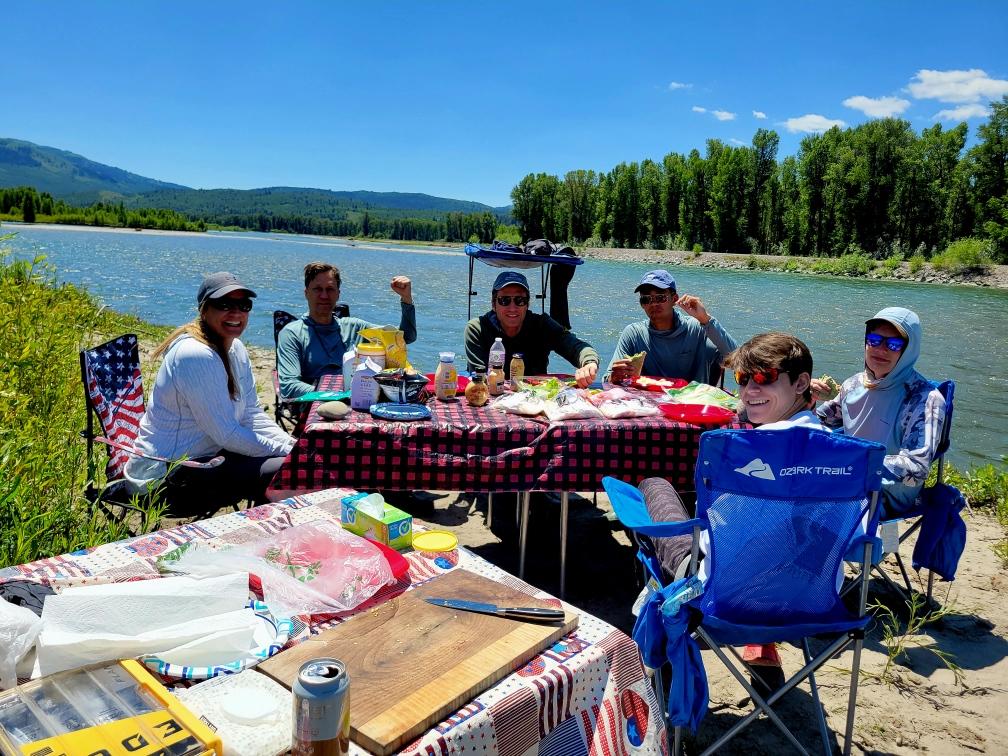
These extended trips give you the luxury of time that most fishing adventures just can't offer. Instead of watching the clock, you can focus on reading the water, perfecting your drift, and working through different techniques as conditions change throughout the day. Your guide will move you through various river sections, targeting the most productive runs and pools based on current conditions, weather, and seasonal patterns. Morning might start with dry fly action in shallow riffles, shift to nymphing deeper holes during midday, and finish with streamer fishing as the light fades. The beauty of having 12 hours is that you're not rushing – if we find a hot spot where fish are actively feeding, we can work it thoroughly. Your guide knows these waters like the back of their hand and will adjust the game plan based on what the fish are telling us. We provide all the gear you need, from quality rods matched to the conditions to a full selection of flies tied specifically for these waters. The shoreline lunch gives you a chance to recharge, swap stories about the morning's action, and get tips for the afternoon session.
Drift Boat Techniques & Gear
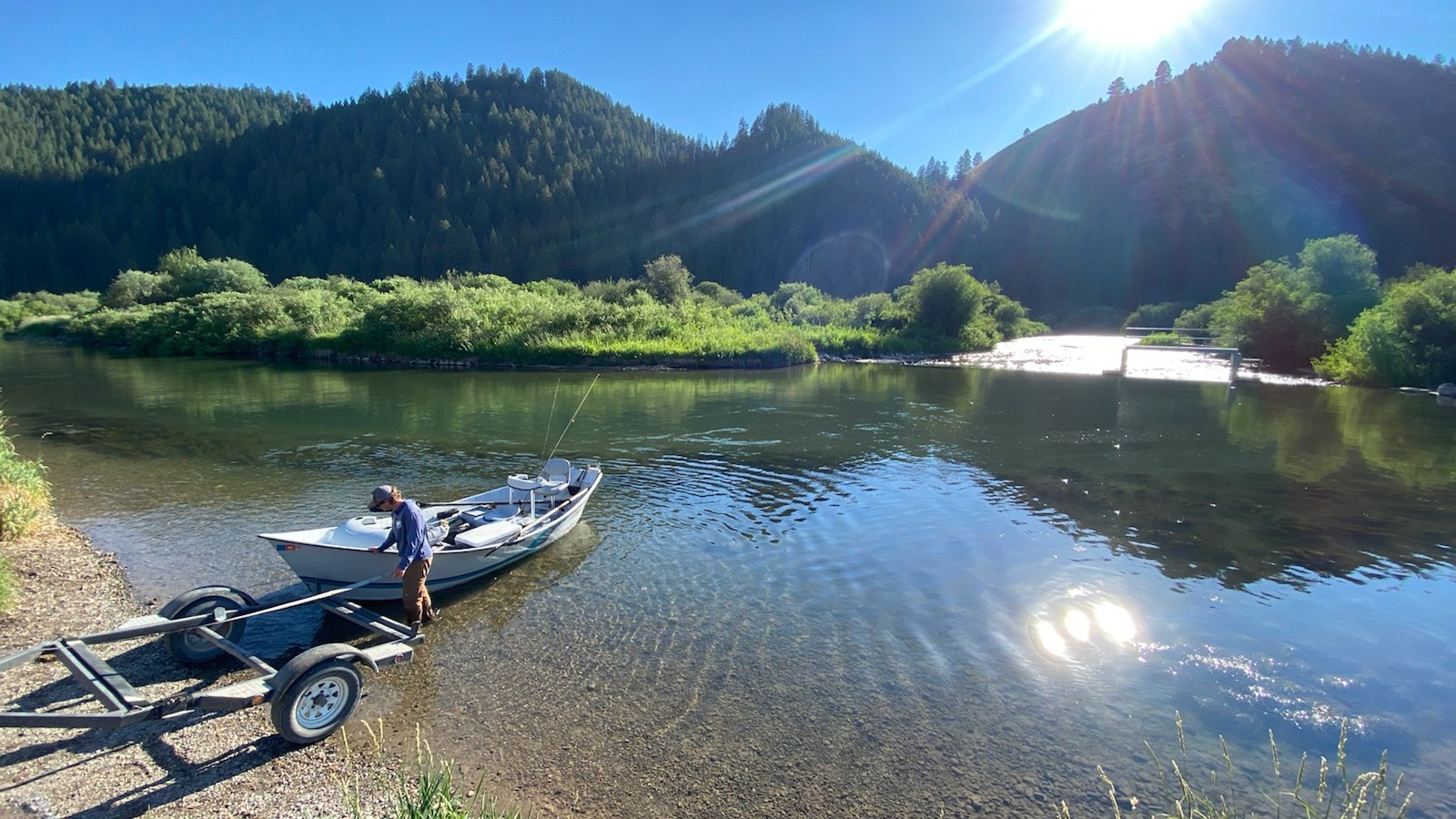
Our drift boats are perfectly set up for serious trout fishing, with casting platforms that give you clean sight lines and room to work. The boat allows us to cover serious water while keeping you in the strike zone longer than wading ever could. Your guide will be rowing and positioning the boat to give you optimal casting angles to undercut banks, deep slots, and structure where big trout hold. We'll be working everything from size 22 midges in technical water to size 4 streamers when we're hunting for the biggest fish in the system. The gear we provide includes high-quality rods in various weights – typically 4-weight for delicate presentations and 6-weight for bigger flies and windy conditions. Our fly selection is constantly updated based on what's working, including local patterns like Pale Morning Duns, Baetis, and regional attractor patterns. The boat setup lets you fish both nymphs under indicators and streamers effectively, switching between techniques as we read the water. Your guide will handle all the boat positioning while coaching you on timing, mending, and presentation – it's like having a personal fishing instructor for the entire day.
Target Species You'll Hook
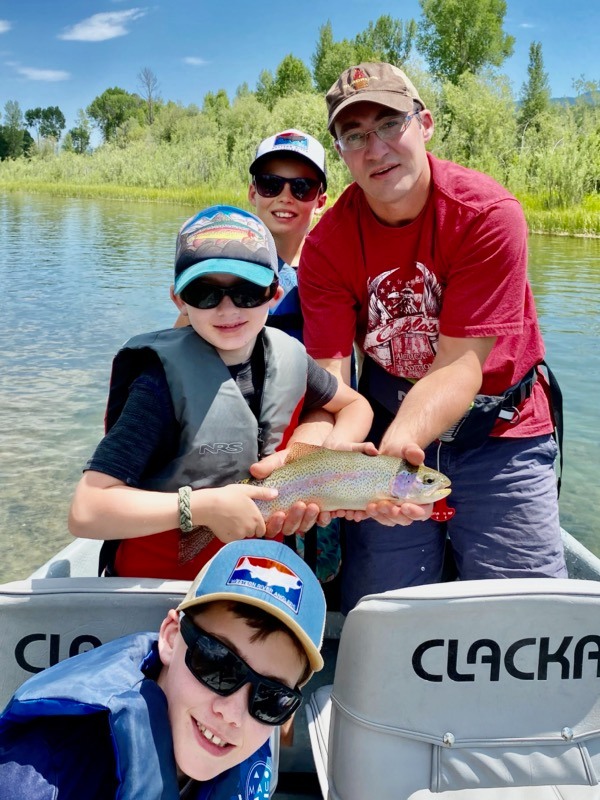
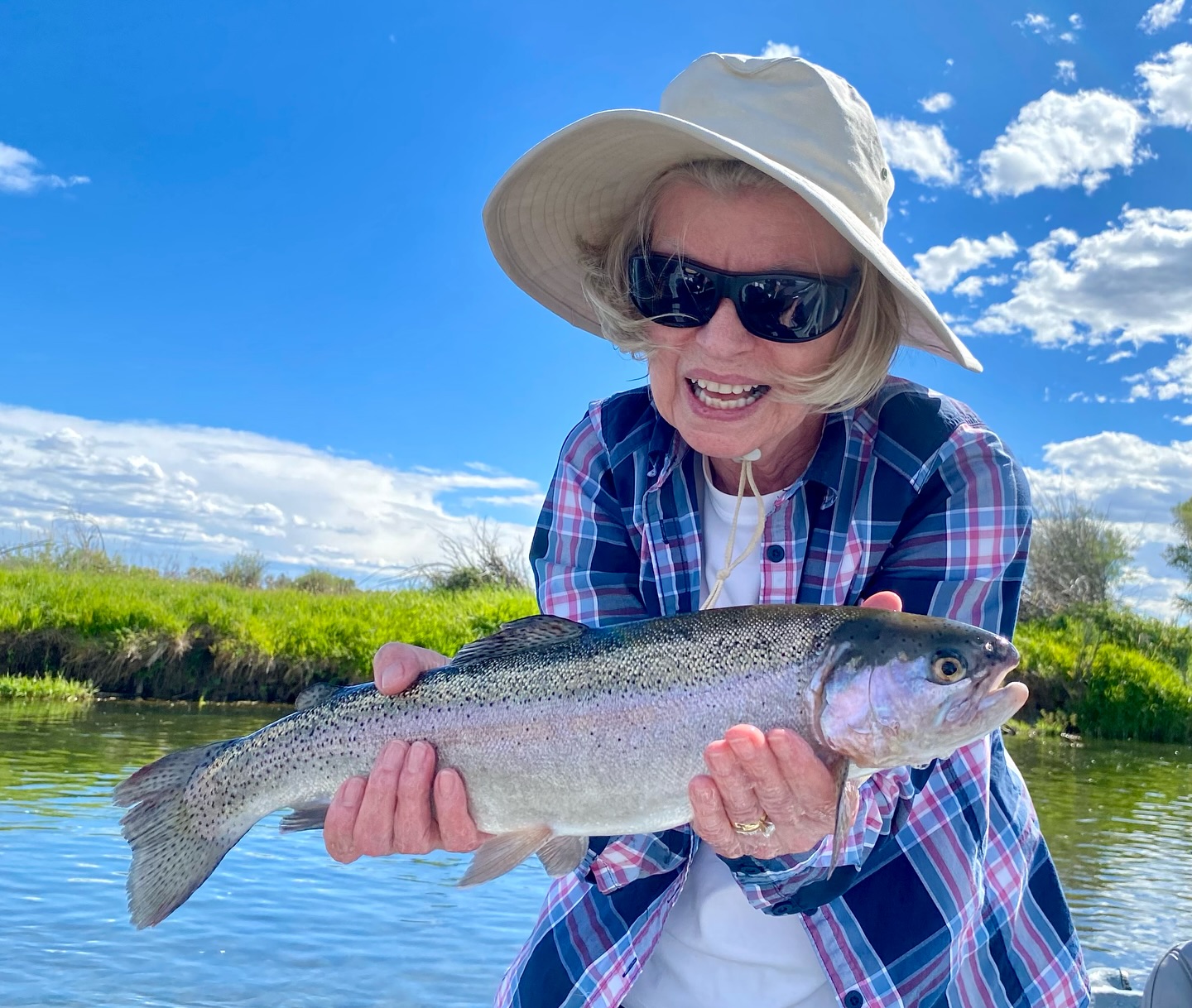
Rainbow Trout are the bread and butter of these waters, and they fight like they've got something to prove. These fish average 14-18 inches but don't be surprised when you hook into a 20-plus-inch bow that'll test your drag system. They're most active during morning and evening hours, especially in the faster water where they can ambush drifting insects. Rainbows in this system are incredibly acrobatic – expect multiple jumps and long runs that'll get your heart pumping. The best part about targeting rainbows here is their willingness to eat both surface flies and subsurface presentations, making them perfect for anglers who want to try different techniques.
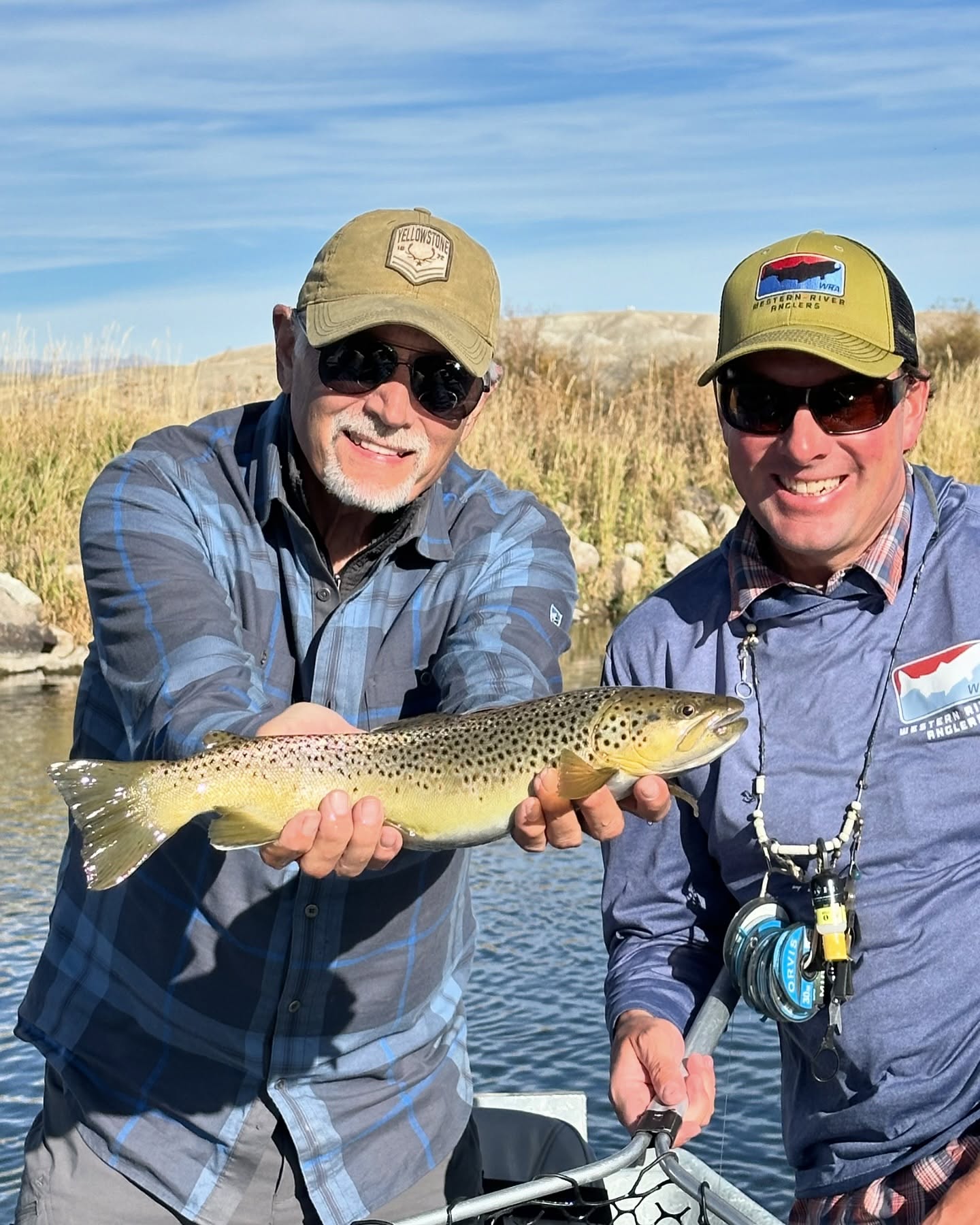
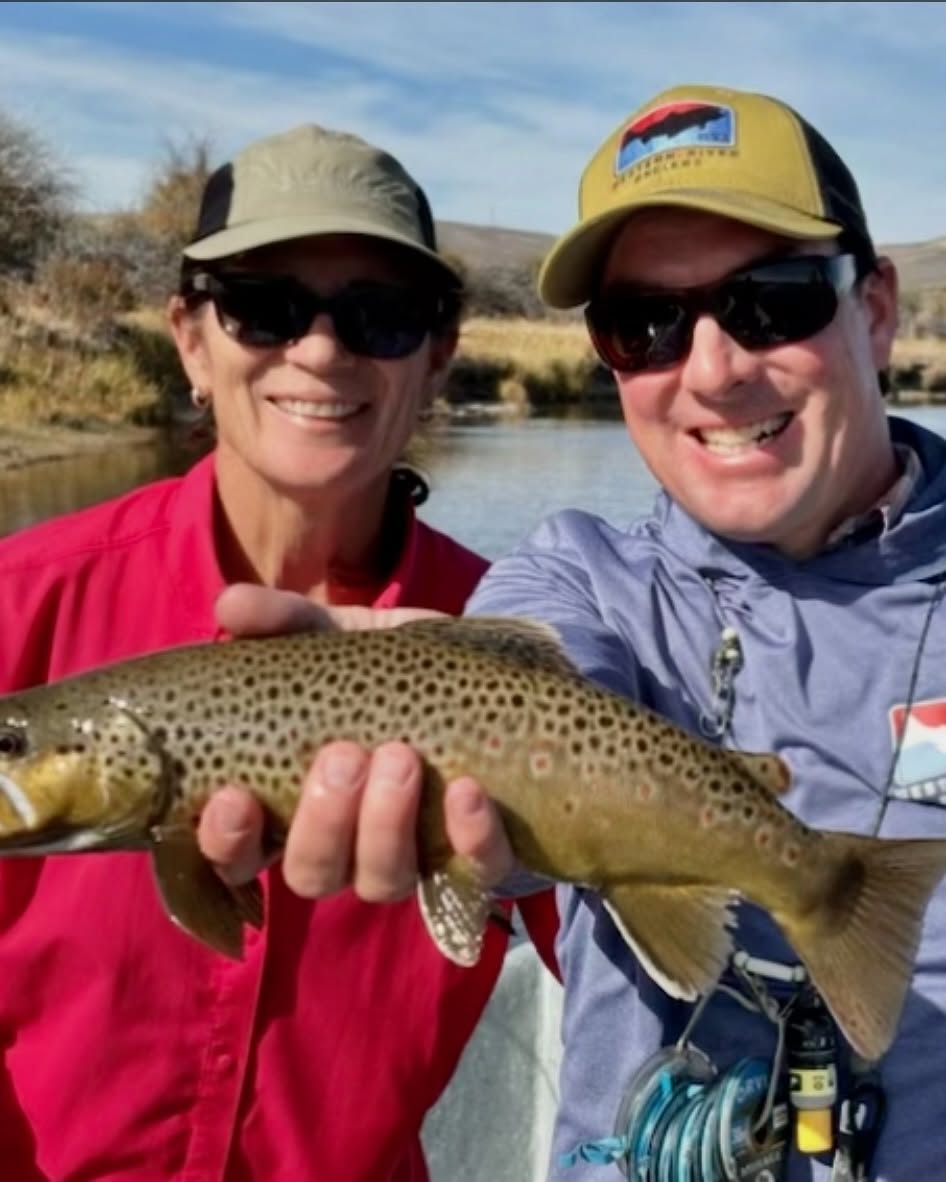
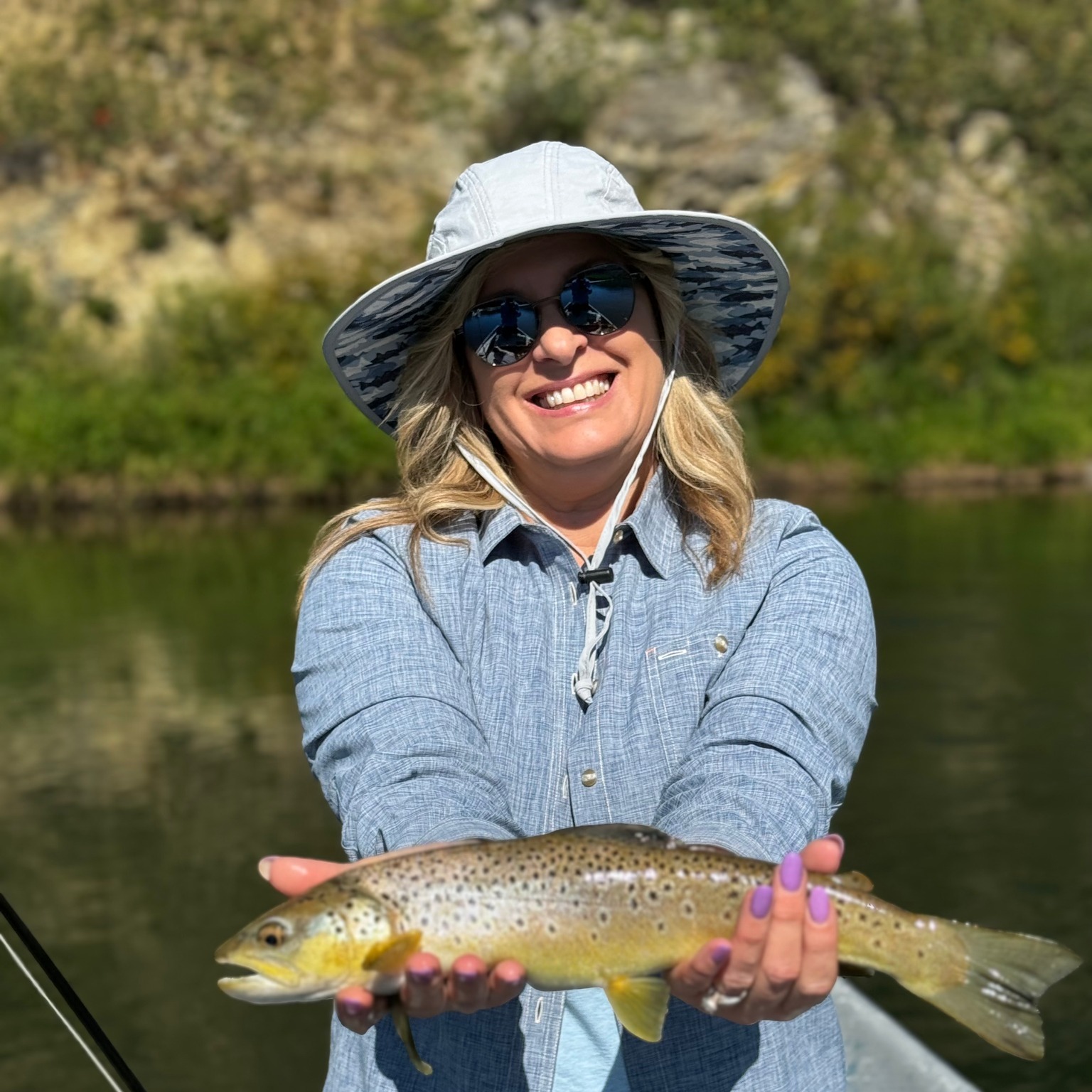
Brown Trout are the crafty veterans of these rivers, and landing a good brown is something you'll be talking about for years. These fish are notorious for holding in the trickiest spots – undercut banks, logjams, and deep pools where most anglers can't get a clean drift. Browns typically run larger than rainbows in this system, with fish in the 16-22 inch range being fairly common if you know where to look. They're most active during low-light periods, which is perfect for these extended trips since you'll be on the water during prime brown trout time. Fall is absolutely magic for browns as they move into their spawning colors and become more aggressive, but even during summer months, a well-presented streamer or perfectly drifted nymph can pull a monster brown from its hideout.
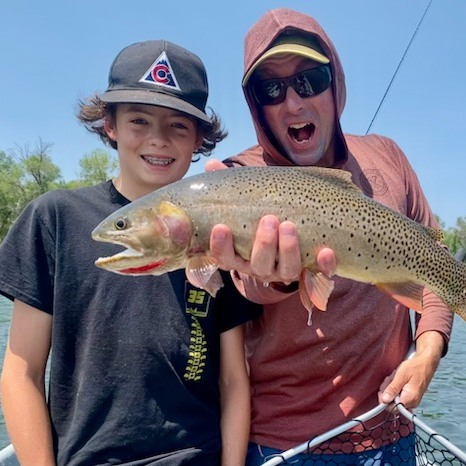
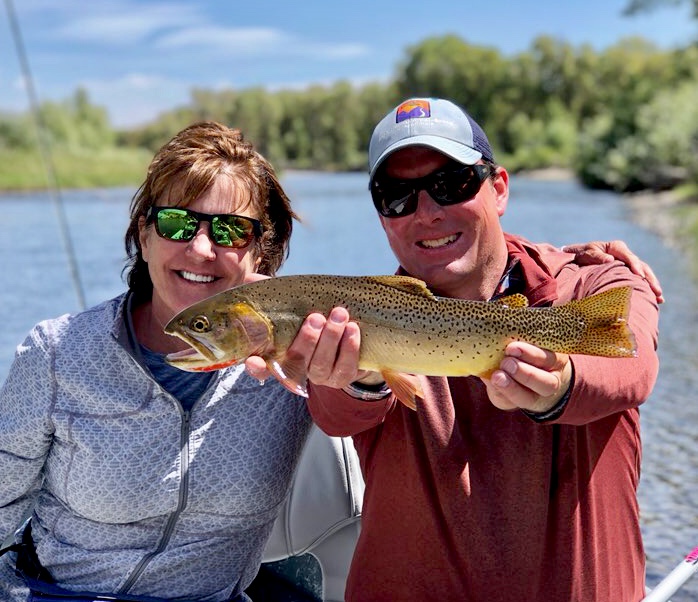
Cutthroat Trout are the native gems of this region, and catching one feels like connecting with the true spirit of these waters. Snake River cutthroats are particularly beautiful fish, with their distinctive red slashes and spotted flanks. They're typically found in the cleaner, well-oxygenated sections of the river and are suckers for a well-presented dry fly during hatch periods. Cutthroats are generally more willing to eat than browns but can be selective during heavy hatches. They average 12-16 inches but their fight is disproportionate to their size – these fish use the current to their advantage and will test your knot-tying skills.
Brook Trout are the bonus fish that make these extended trips special, typically found in the smaller tributaries and spring creeks we might access depending on conditions. While they're usually the smallest of the bunch, averaging 8-12 inches, brookies are absolutely gorgeous with their intricate markings and vibrant colors. They're often the most willing to eat, making them perfect confidence boosters if the larger fish are being finicky. Finding brookies usually means you're fishing some of the most pristine and beautiful water in the region – the kind of spots that make you understand why people get addicted to this sport.
Time to Book Your Spot
These extended full-day trips book up fast, especially during peak season when the fishing is at its best and serious
 Private Trip
 River Fishing
 undefined, undefined


 Up to 12 hours of guided drift boat fishing