Full-Day Wade Fishing Trips in Jackson Hole
There's nothing quite like spending a full day wading productive waters in the Jackson Hole region, and that's exactly what you'll get with Western River Angler's top-rated guided fishing experience. These eight-hour adventures take you to some of the most renowned walk-and-wade spots around, including legendary waters in Yellowstone National Park and prime Snake River tributaries. Whether you're just getting started with fly fishing or you've been chasing trout for years, this world-class trip delivers the kind of fishing that keeps anglers coming back season after season.
What to Expect on the Water
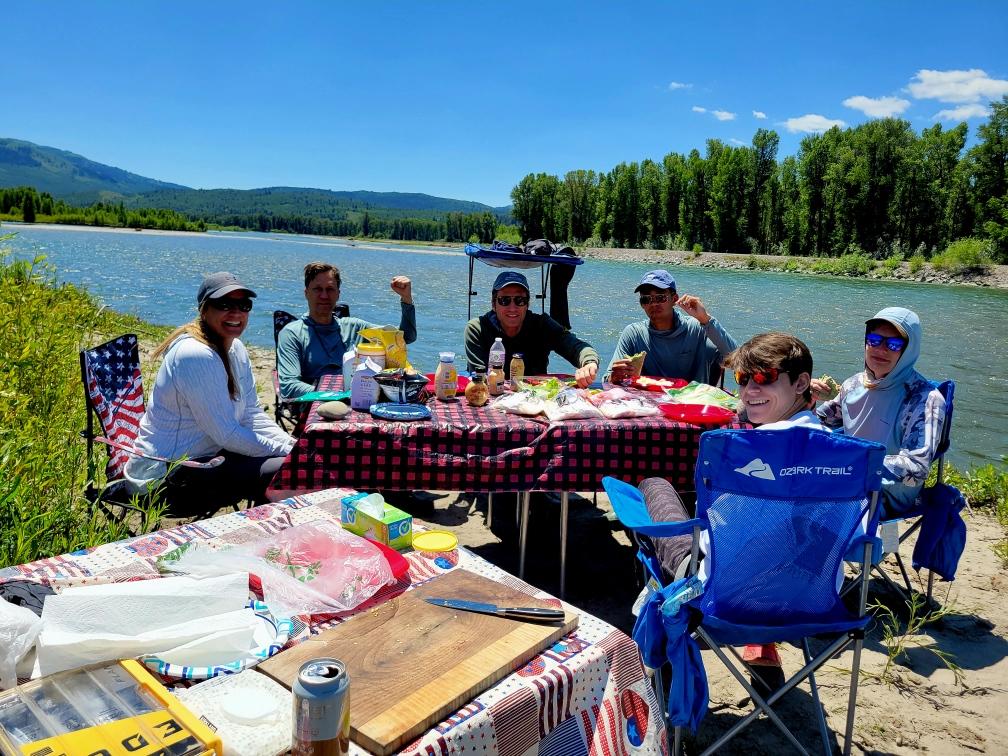
Your day kicks off with hotel pickup, so you can focus on fishing instead of navigation. You'll be matched with a professional guide who knows these waters like the back of their hand, and they'll customize the entire experience around your skill level and goals. The trip covers prime locations like the famous Firehole and Lewis Rivers in Yellowstone, plus productive Snake River tributaries such as Flat Creek. All your gear is covered – high-quality rods, tackle, and flies that are perfectly matched to current conditions. Around midday, you'll break for a shoreline lunch with drinks, giving you time to swap stories and plan your afternoon strategy. The intimate one-guest capacity means you get personalized instruction and undivided attention from your guide, making this a customer favorite for both beginners and seasoned anglers looking to up their game.
Wade Fishing Techniques
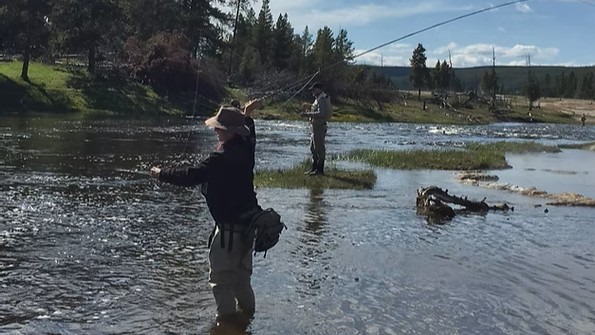
Wade fishing puts you right in the action, letting you read the water up close and present your flies with precision. Your guide will teach you to spot the subtle signs that reveal where trout are holding – the seams between fast and slow water, undercut banks, and the feeding lanes that produce consistent action. You'll learn proper wading techniques for different water types, from the gentle riffles of Flat Creek to the more challenging currents of the Snake River system. The beauty of walk-and-wade fishing is mobility – if one spot isn't producing, you can easily move to the next promising pool or run. Your guide carries a selection of proven fly patterns for the season, from attractor dries like Royal Wulffs to nymph rigs that get down to feeding fish. They'll show you how to adjust your presentation based on water conditions, teaching techniques like high-sticking in pocket water and dead-drifting through long glides.
Customer Stories
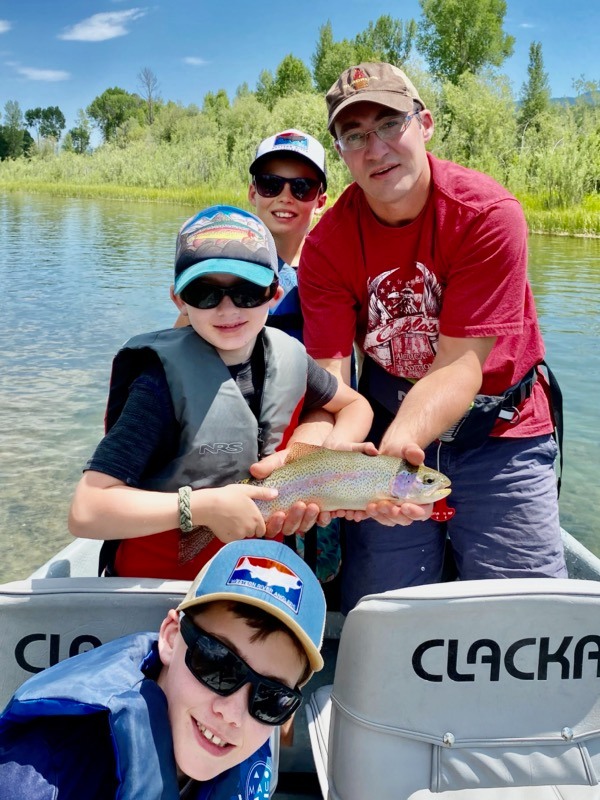
"We had a great experience with Western River Anglers and our time on the river! They were patient and encouraging in teaching our kids to fly fish, and we all had the best day! Very knowledgeable and professional guides." - Emily
Species You'll Want to Hook
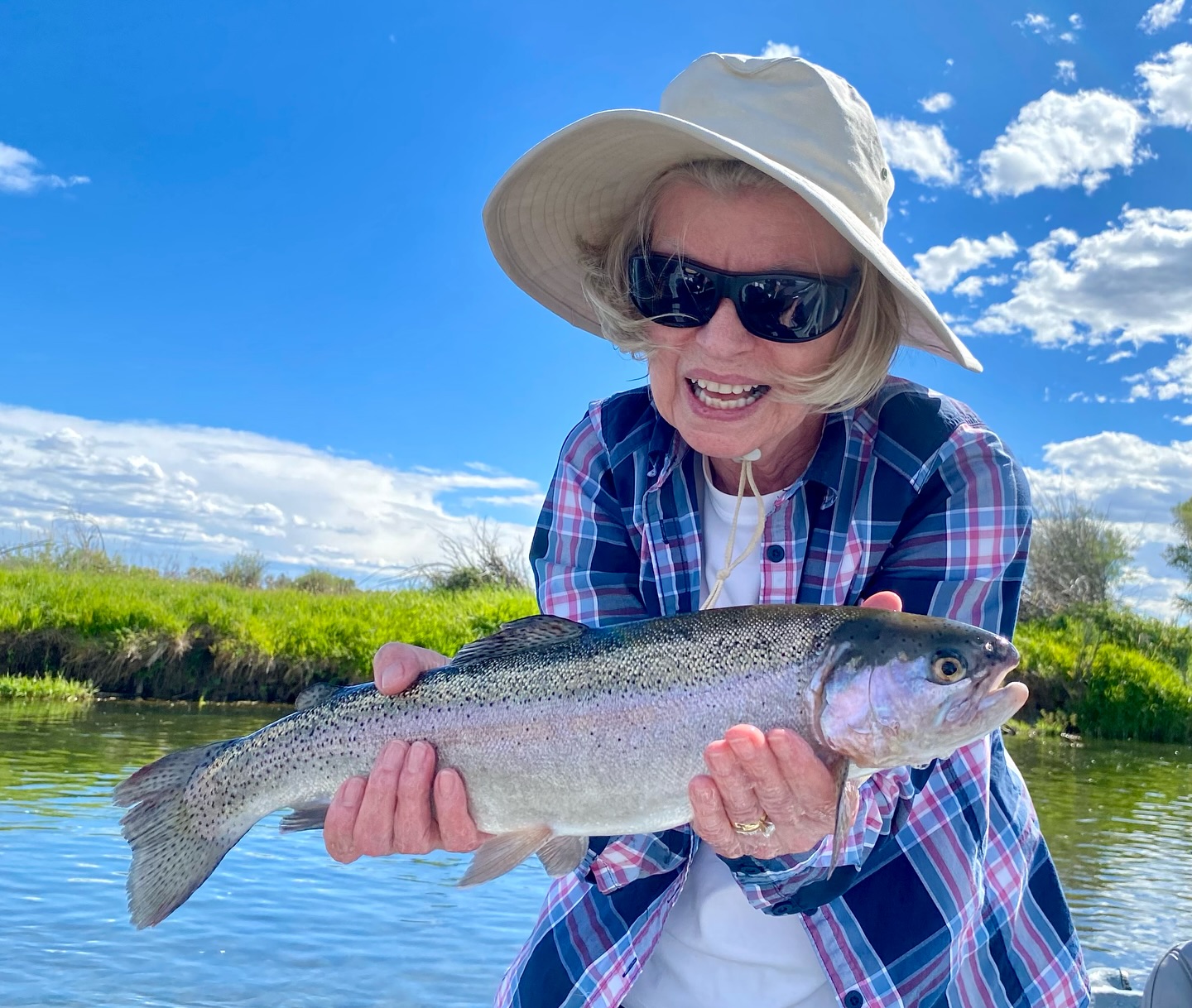
Rainbow Trout are the bread and butter of Jackson Hole fishing, and for good reason. These acrobatic fighters typically range from 12 to 18 inches in local waters, with some bruisers pushing over 20. They're most active during spring and fall, but summer mornings and evenings can produce fantastic action. What makes rainbows so special here is their aggressive nature – they'll often slam dry flies with reckless abandon, especially during hatch periods. The aerial displays they put on when hooked are legendary, making them a favorite target for anglers who love visual excitement.
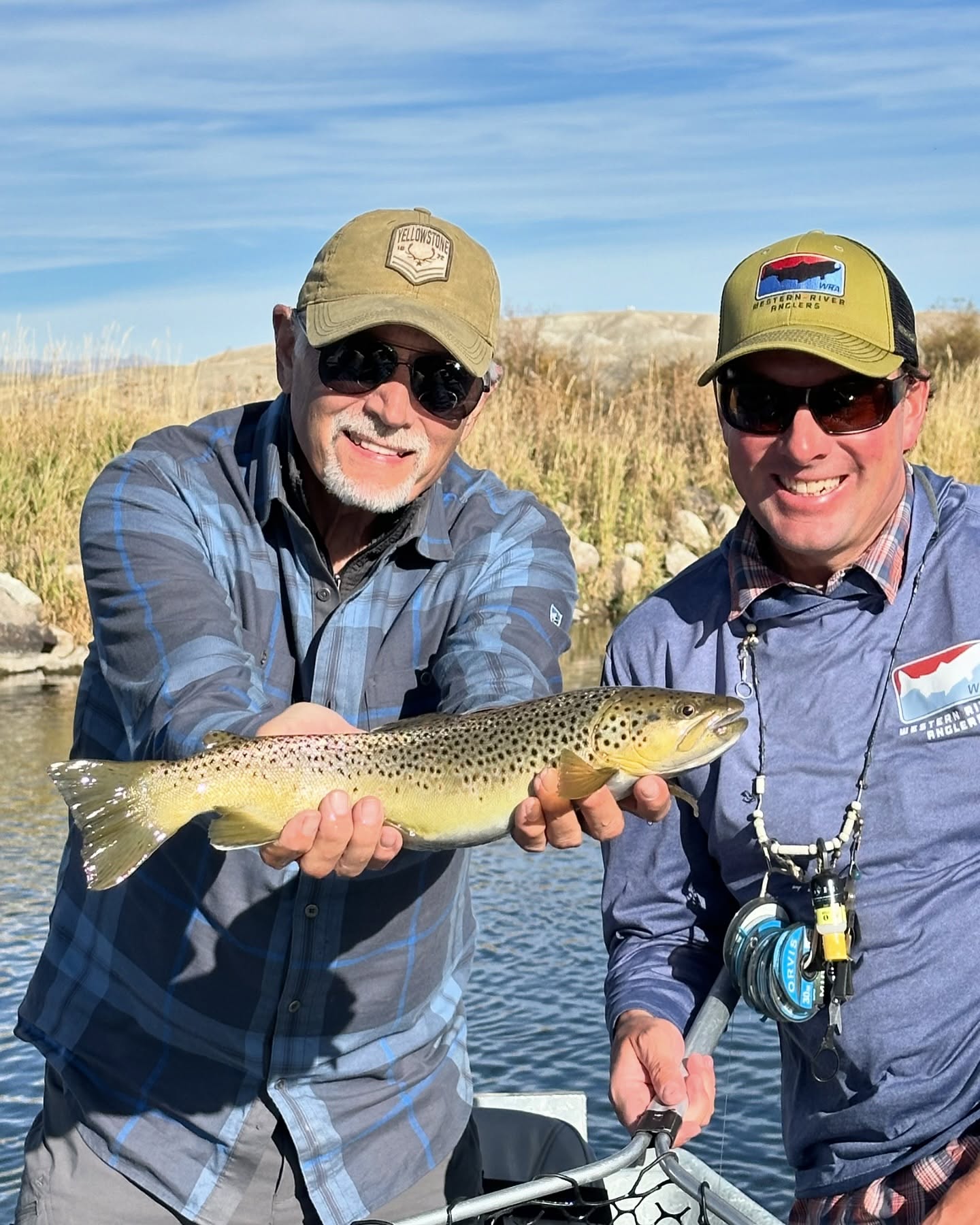
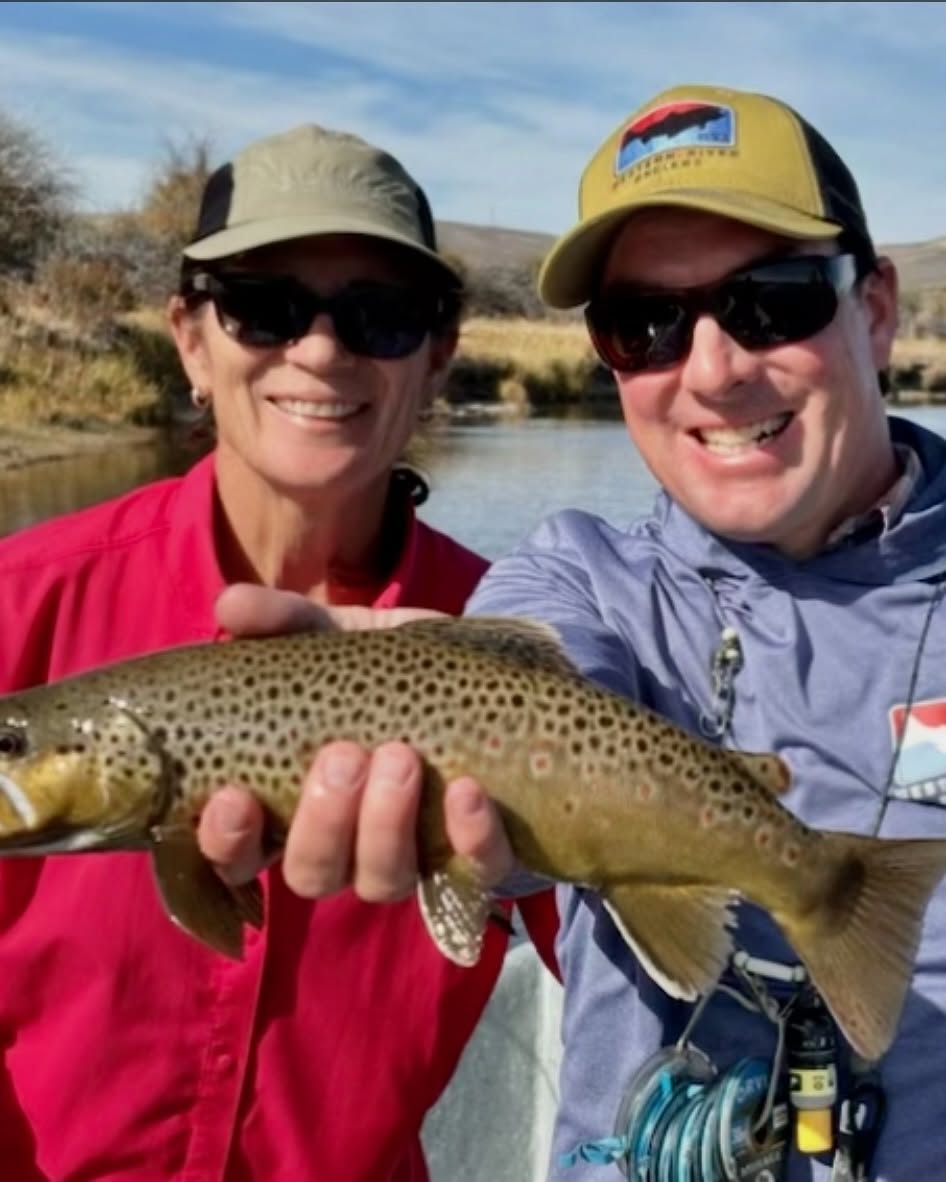
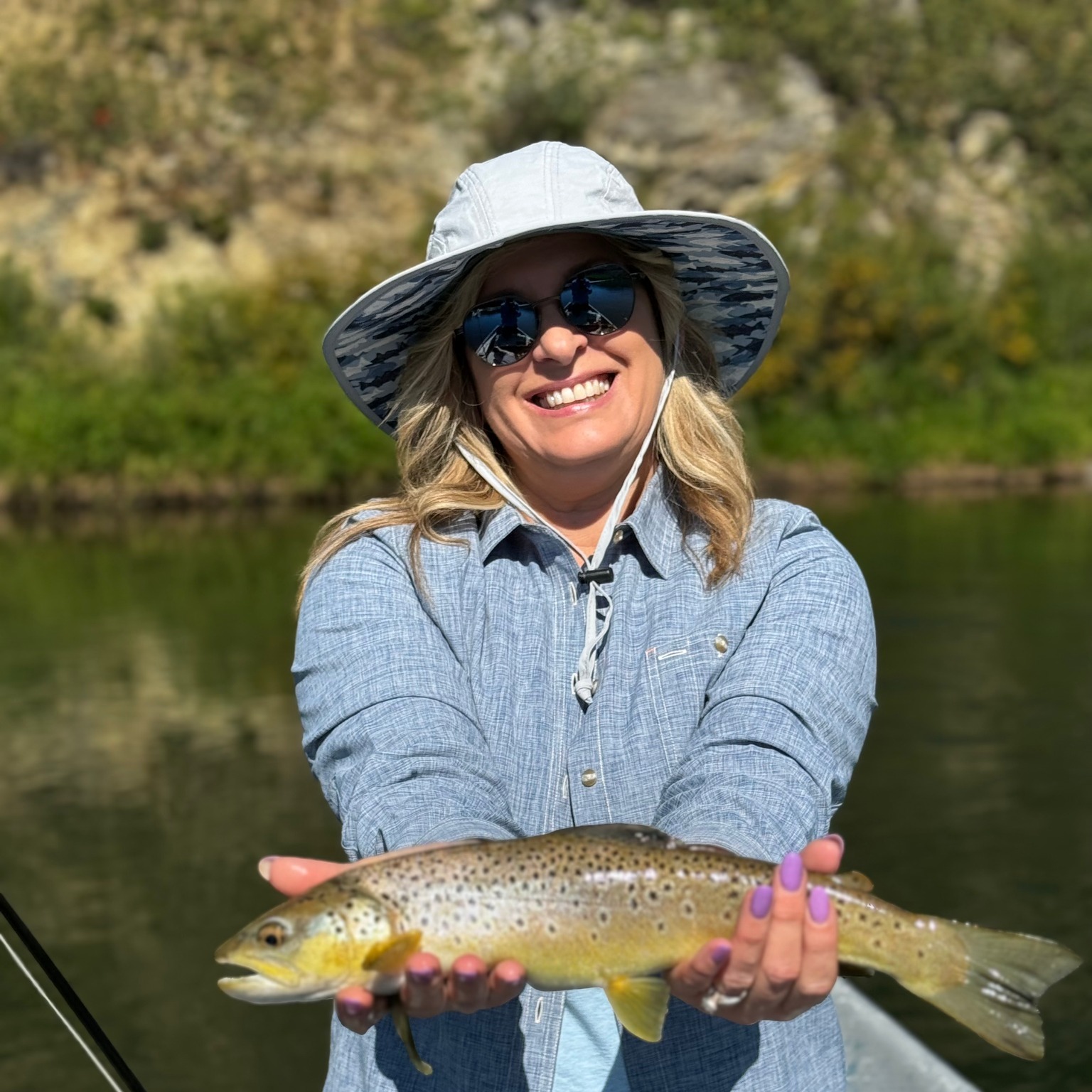
Brown Trout represent the ultimate challenge in these waters. These cunning predators grow large and smart, often exceeding 20 inches in the Snake River system. Fall is prime time for browns as they become more aggressive during spawning season, but they can be caught year-round by anglers who understand their secretive nature. Browns love structure – undercut banks, log jams, and deep pools where they can ambush prey. They're notorious for testing your tackle and your patience, but landing a hefty Jackson Hole brown is one of fishing's greatest rewards.
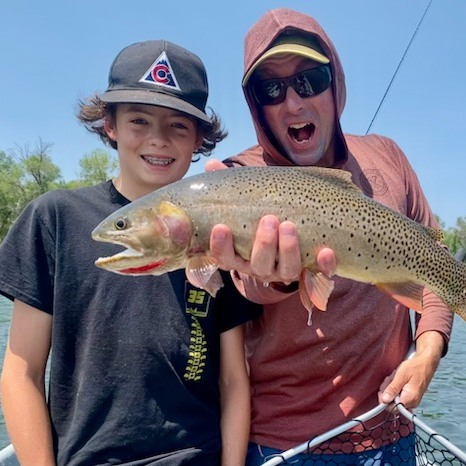
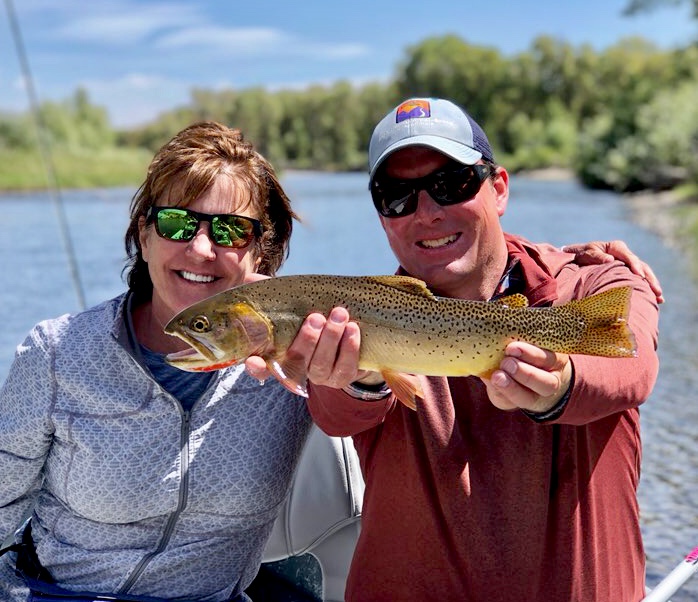
Cutthroat Trout are the native stars of the region, particularly the Yellowstone cutthroat subspecies found in park waters. These beautiful fish display distinctive red slashes under their jaws and typically measure 14 to 16 inches, though larger specimens lurk in deeper waters. Cutthroats are most active from late spring through early fall, and they're known for their willingness to rise to dry flies. What makes them special is their native status – catching a wild Yellowstone cutthroat connects you to the region's pristine ecosystem in a way that's hard to match.
Brook Trout might be the smallest of the four target species, but they're arguably the most beautiful. These colorful chars thrive in the cooler tributaries and high-elevation waters around Jackson Hole, typically measuring 8 to 12 inches. Fall brings out their spawning colors – brilliant oranges, reds, and whites that make them living artwork. Brookies are aggressive feeders and will often hit flies that other trout ignore, making them perfect confidence-builders for newer anglers. Their willingness to take both dry flies and small nymphs makes them a joy to target throughout the season.
Time to Book Your Spot
Jackson Hole's wade fishing opportunities are genuinely world-class, combining accessible waters with healthy fish populations and stunning Rocky Mountain scenery. This full-day trip gives you eight solid hours to explore multiple fisheries, learn new techniques, and experience the kind of personalized guiding that transforms good days into great ones. With everything included except your Wyoming fishing license and guide gratuity, it's a hassle-free way to experience the best fishing the region has to offer. The one-on-one format ensures you'll get maximum value from your time on the water, whether you're mastering your first cast or perfecting advanced presentation techniques. Don't wait – prime dates fill up fast, especially during peak season when the fishing is at its absolute best.
 5.0(1 Reviews)
 Private Trip
 River Fishing
 undefined, undefined


 Eight-hour guided wade fishing in Yellowstone and Snake River tributaries