Half-Day Float Fishing on the Snake River
Picture yourself drifting down one of Wyoming's most legendary trout streams, with the Tetons rising up around you and nothing but clear water ahead. That's exactly what you'll get on this half-day float fishing trip down the Snake River near Jackson Hole. Whether you've been casting flies for decades or you've never held a rod, this guided drift is designed to put you on fish while soaking up some of the best mountain scenery in the country. At $750 for two anglers, it's a premium experience that includes everything you need for a successful day on the water.
What to Expect on the Water
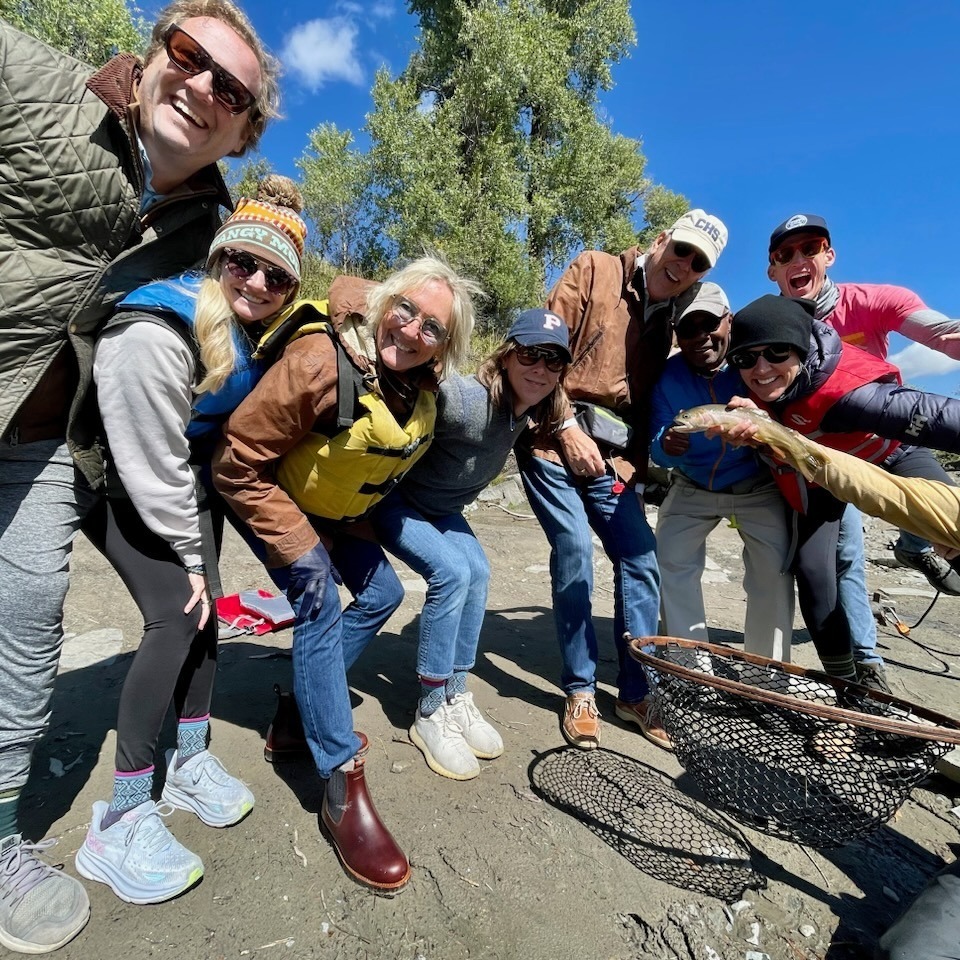
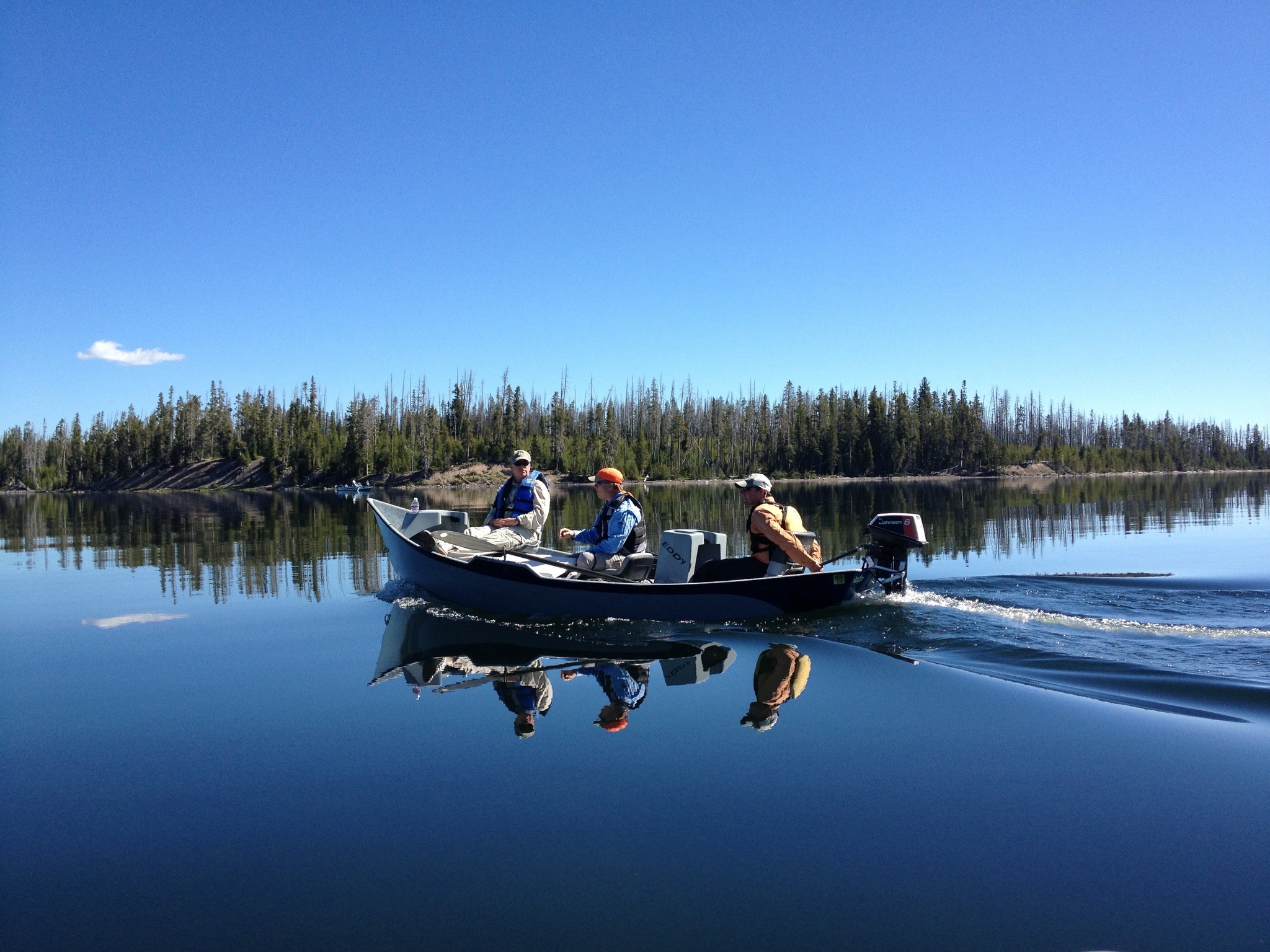
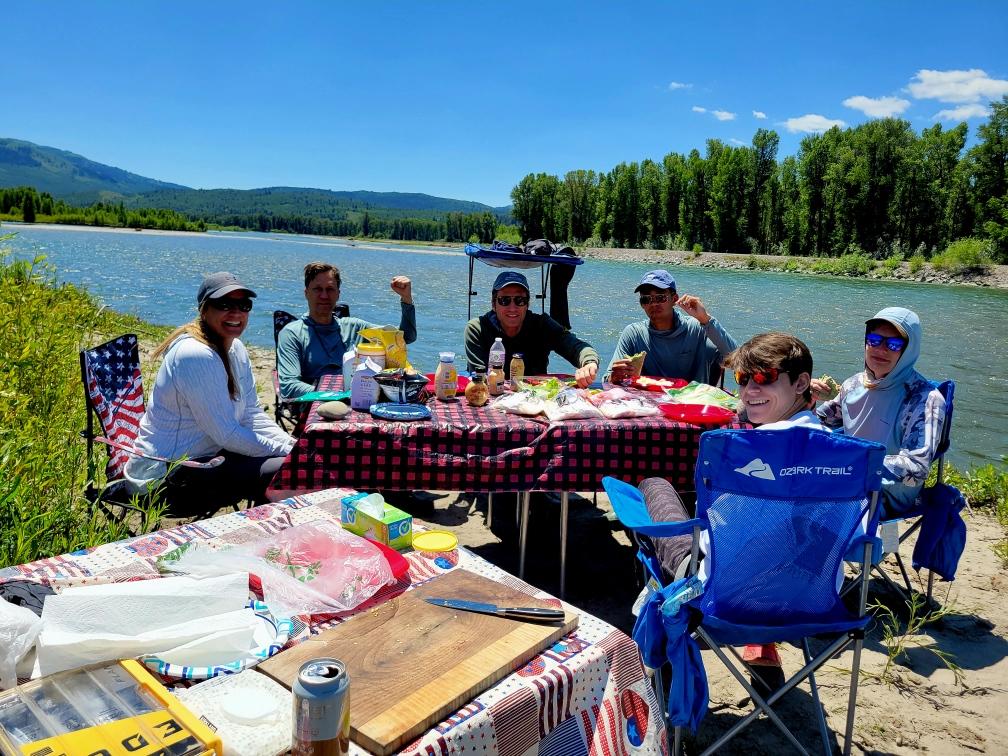
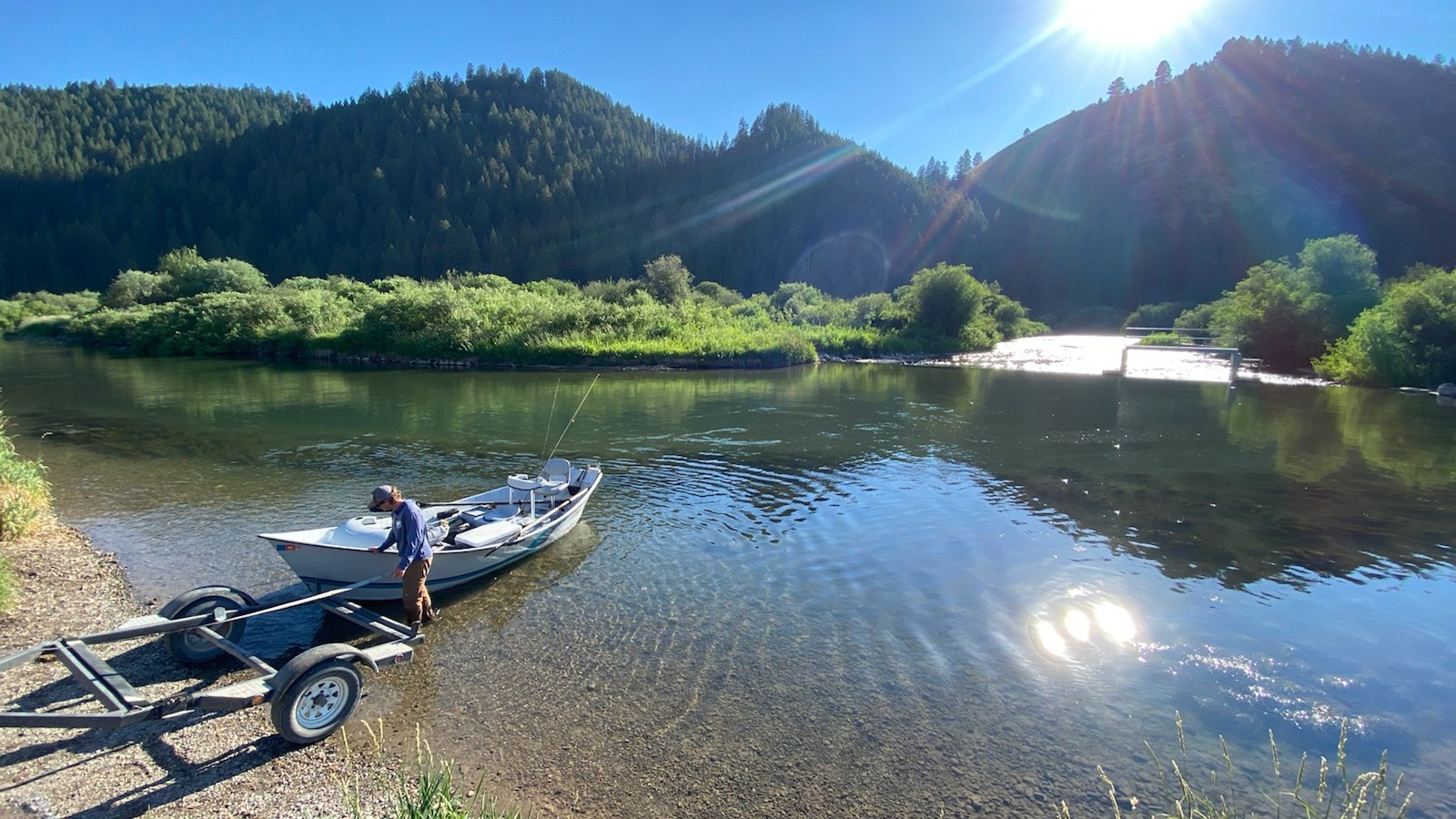
Your day starts with hotel pickup, so no need to worry about finding boat launches or hauling gear around. You'll meet your professional guide who'll get you set up in a top-quality drift boat designed specifically for fly fishing these waters. The trip runs 3.5 to 4.5 hours, giving you plenty of time to work different sections of the river without feeling rushed. Your guide provides all the fishing equipment – premium rods matched to the conditions, tackle boxes full of proven flies, and everything else you'll need to be successful. If you're traveling with a third person, they can join for an additional $200, though keep in mind the combined weight limit of 500 pounds for all guests. Along the way, you'll stop for snacks and drinks on the riverbank, perfect for taking a break and talking through techniques or just enjoying the surroundings. Just remember to grab your Wyoming fishing license beforehand, and plan on tipping your guide 15-20% if they put you on fish and show you a good time.
Drift Boat Techniques
Float fishing the Snake is all about reading water and presenting flies naturally as you move downstream. Your guide will position the drift boat to hit the best holding spots – undercut banks, deep pools, and structure where trout like to ambush food. You'll primarily be nymphing and dry fly fishing, depending on conditions and what the fish are eating that day. The beauty of float fishing is covering lots of water efficiently while your guide handles all the rowing and boat positioning. This lets you focus entirely on your casting and watching for strikes. Most of the time you'll be casting toward the banks or into deeper runs, and your guide will coach you on reading the water and adjusting your technique. The Snake's clear water means you need to be precise with your presentations, but it also means you can often spot fish before you cast to them. Your guide will have the boat rigged with quality fly rods matched to the water conditions, typically 9-foot 5 or 6-weights that handle the river's flow and give you good control over your line.
Customer Stories
"Just finished our float/fishing trip with Matt. I can't say enough about how great he is! Rolled out the red carpet for my 13 year-old and myself, who'd never been fly fishing. Matt made us feel like we were seasoned anglers. Wish I could give more than 5 stars because that doesn't seem to adequately rate how wonderful our trip was." - JT
"Excellent guide service! Highly recommend! Our trip down the Snake River was the best!" - Nicole Grindstaff
Species You'll Want to Hook
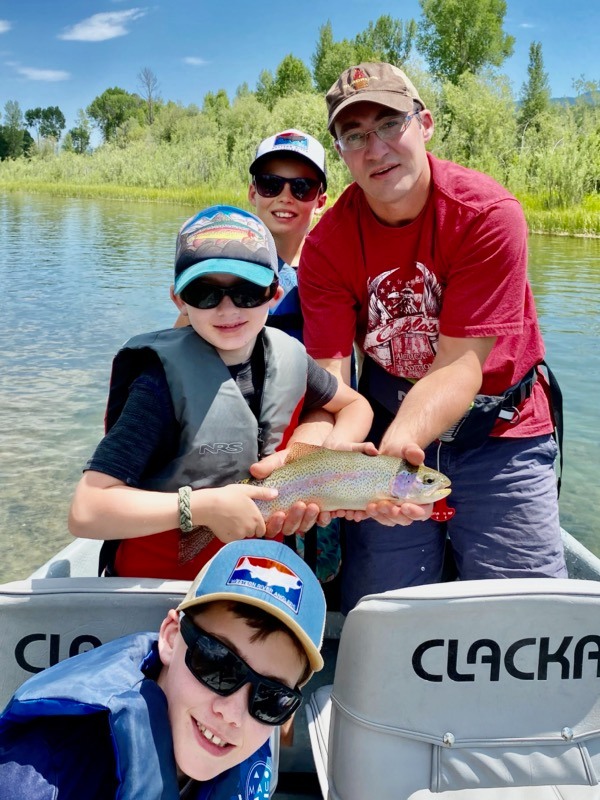
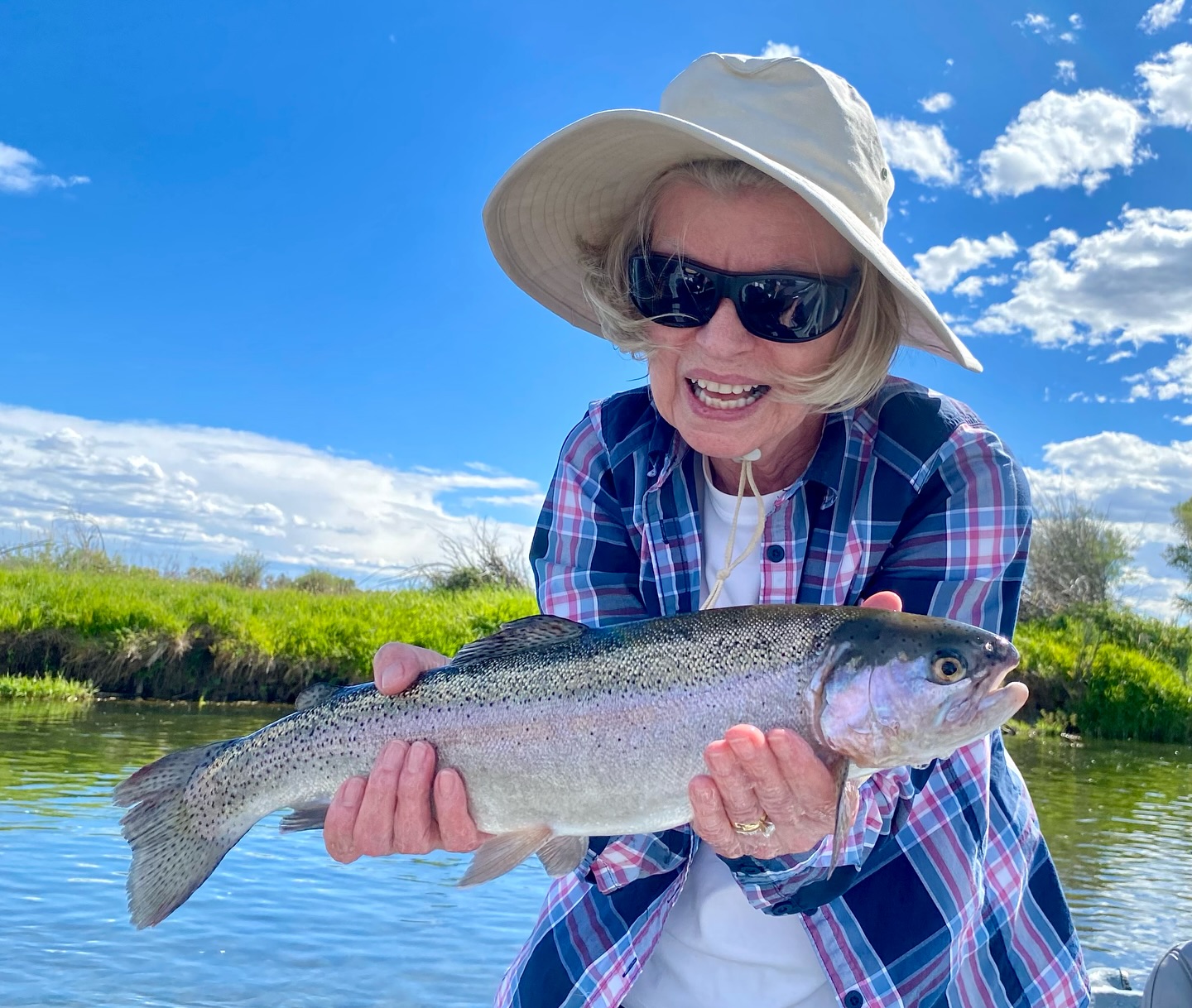
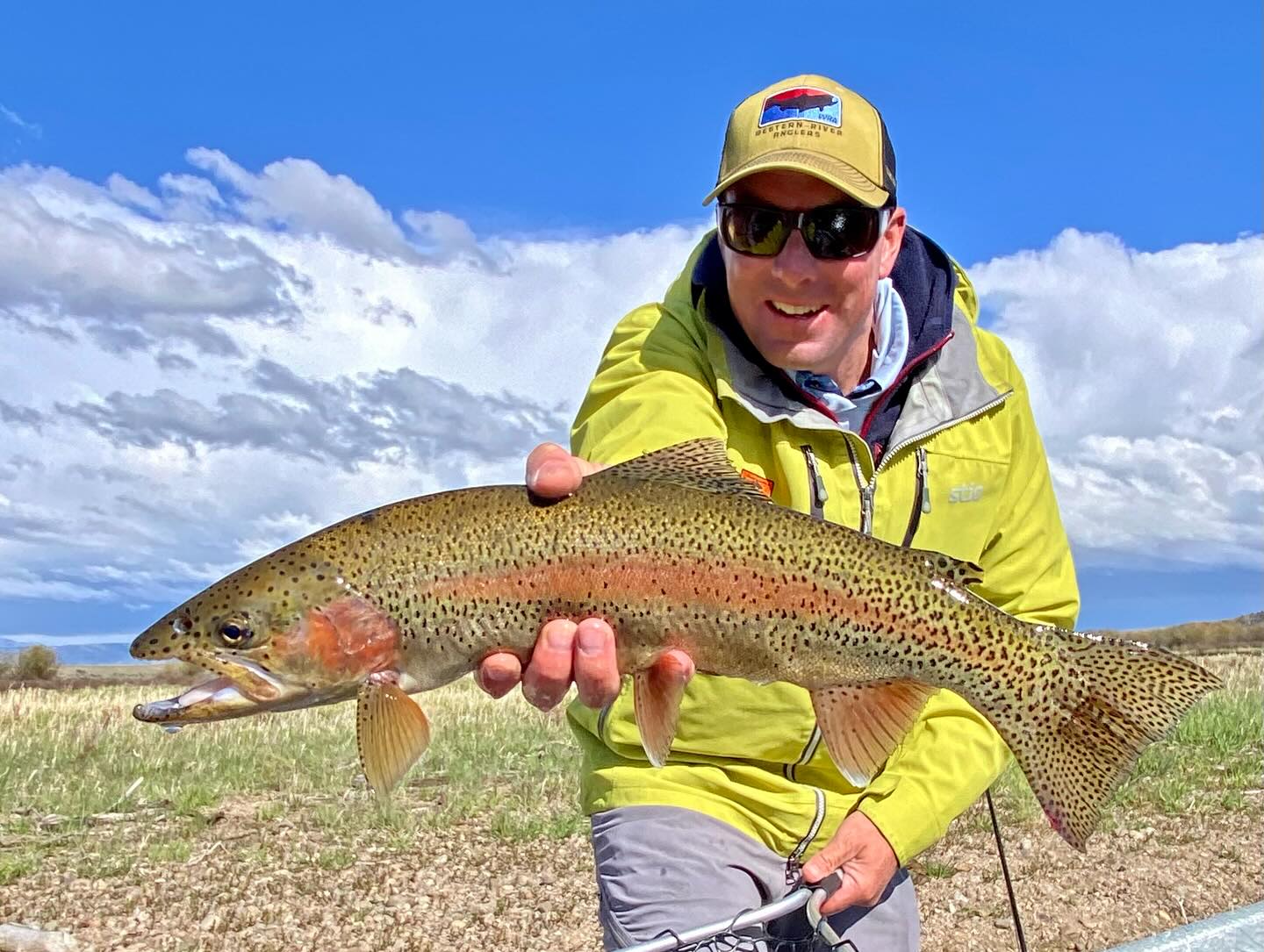
Rainbow trout are the bread and butter of Snake River fishing, and for good reason. These fish are aggressive, acrobatic fighters that'll test your skills and give you plenty of action throughout the day. Most Snake River rainbows run 14 to 18 inches, with some reaching well over 20. They're active year-round but really turn on during spring and fall when insect hatches are heavy. What makes catching rainbows so exciting is their aerial displays – these fish will jump multiple times during a fight, making every hookup a spectacle. They're also willing to eat a wide variety of flies, from tiny midges to large streamers, which gives you lots of options depending on conditions.
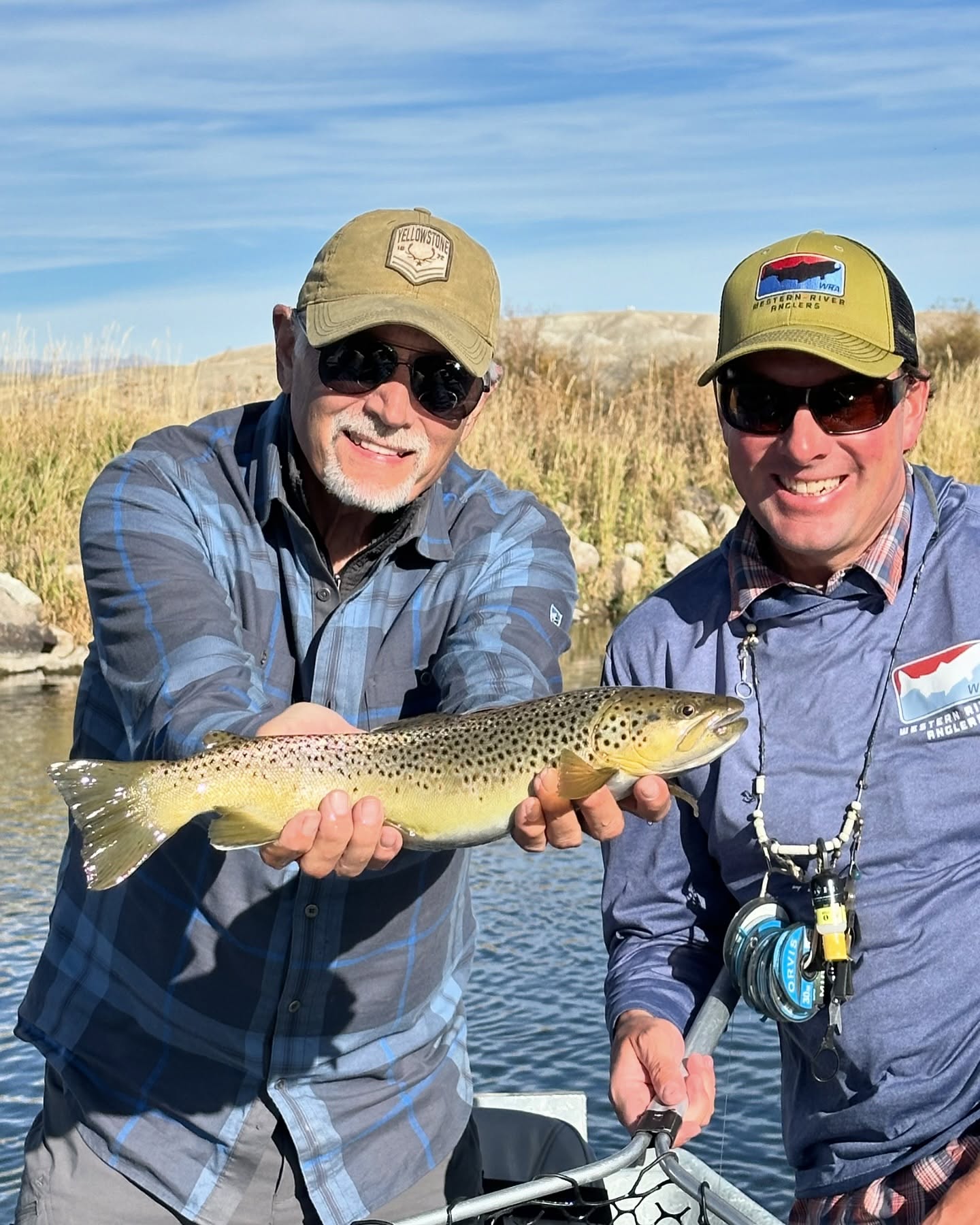
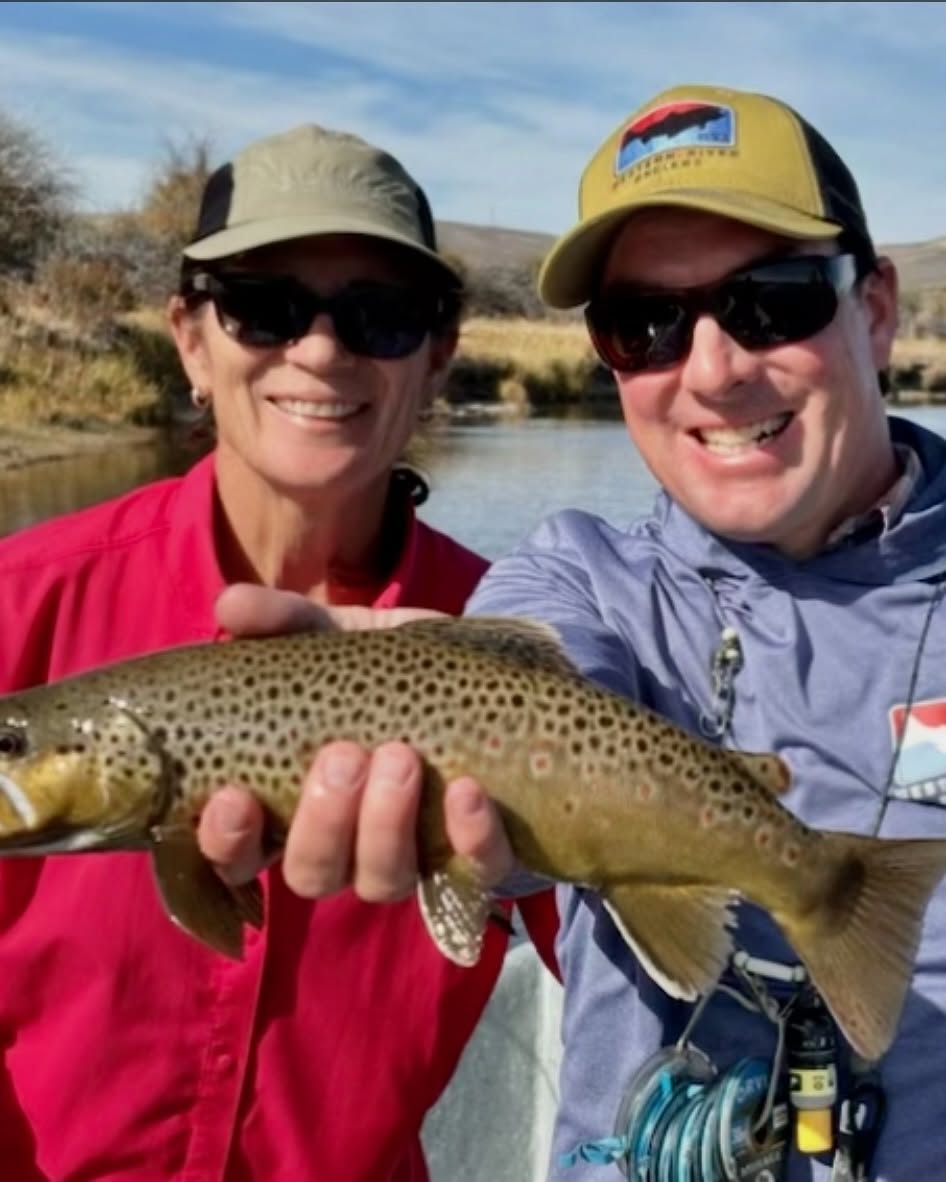
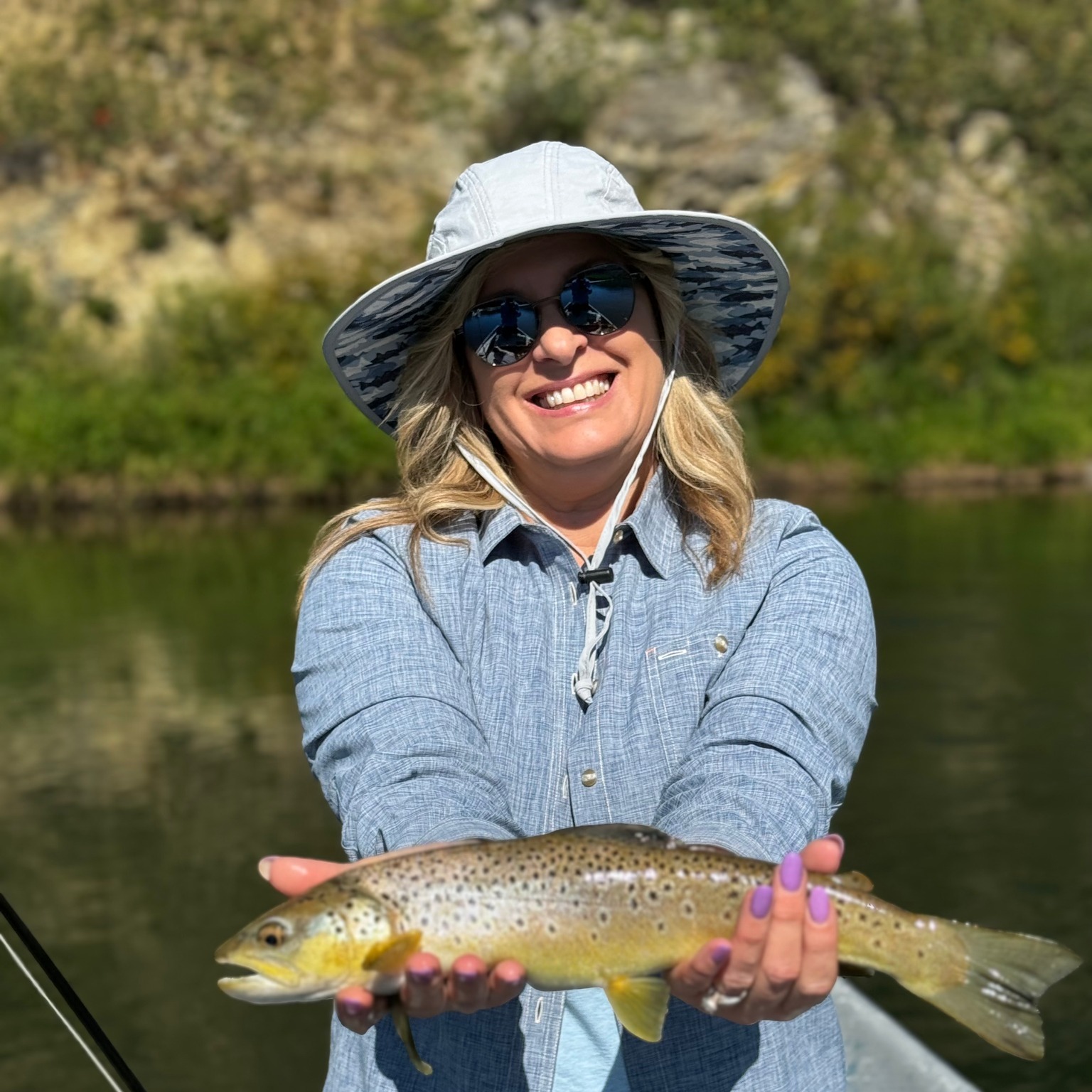
Brown trout are the craftier residents of the Snake, often holding in the deepest pools and most complex structure. These fish can live for years and grow quite large, with specimens over 24 inches not uncommon in these waters. Browns are most active during low-light conditions, making early morning and late afternoon the prime times to target them. They're notorious for being selective feeders, often requiring precise presentations and smaller flies. When you do hook into a big brown, expect a powerful, bulldogging fight that'll test your tackle and your patience. Many anglers consider browns the ultimate prize because they're so challenging to fool.
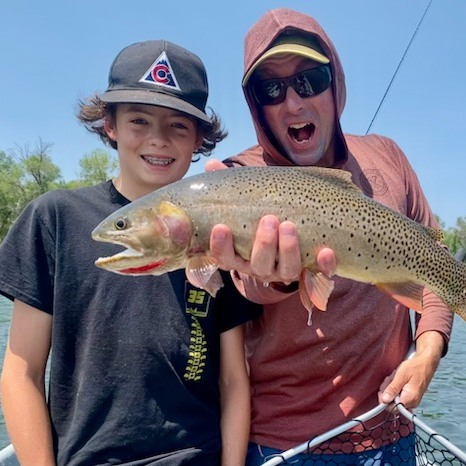
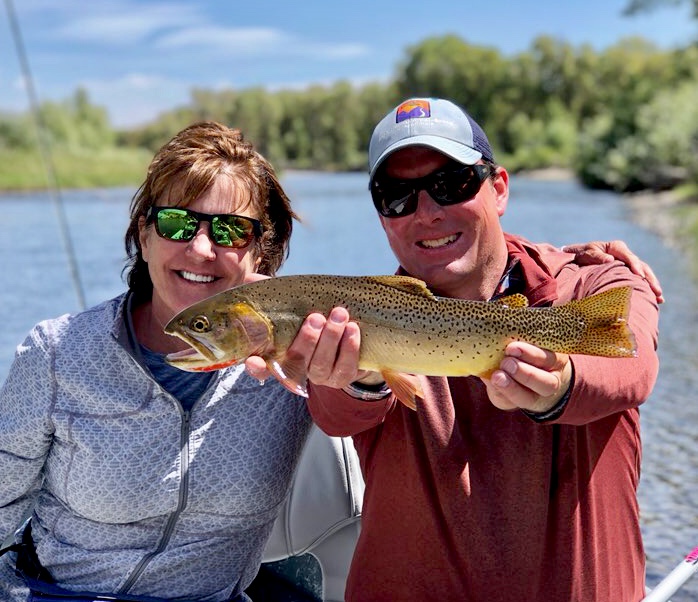
Cutthroat trout are the native species here, and catching one connects you to the Snake River's natural heritage. These beautiful fish are distinguished by the red slashes under their jaws and their willingness to rise to dry flies. Snake River cutthroats are typically in the 12 to 16-inch range, though larger fish exist in the deeper pools. They're most active during the warmer months when terrestrial insects are falling into the water. Cutthroats are generally less spooky than browns but more selective than rainbows, making them perfect for anglers who want a challenge without the extreme difficulty of targeting big browns.
Brook trout in the Snake system are often found in the cooler tributary waters and slower back channels. These colorful char are smaller than the other species, typically running 8 to 14 inches, but they make up for size with their stunning appearance and aggressive nature. Brooks are most active in cooler water, making spring and fall the best seasons. They'll hit both nymphs and dry flies aggressively, and their bright colors – especially during spawning season – make them a favorite among photographers and catch-and-release anglers.
Time to Book Your Spot
The Snake River near Jackson Hole offers some of the most consistent trout fishing in the Rockies, and this half-day float puts you right in the heart of it with minimal hassle. Your
 5.0(2 Reviews)
 Private Trip
 River Fishing
 undefined, undefined


 Half-day guided float fishing on scenic Snake River