Winter Wade Fishing Trips in Jackson Hole
Most anglers hang up their waders when the snow starts flying, but that's when some of the best fishing happens. Our Winter Wade Fishing Trips in the Jackson Hole and Yellowstone region give you access to productive waters when the crowds disappear and the fish are still biting. You'll be working pristine stretches of river with an experienced guide who knows exactly where trout hold up during the cold months. The scenery alone is worth the trip – imagine casting against a backdrop of snow-dusted peaks and ice-rimmed banks. This isn't your typical summer float; it's raw, quiet fishing that separates the dedicated anglers from the fair-weather crowd.
What to Expect on the Water
Winter wade fishing is a completely different game than summer angling. The pace slows down, the fish move deeper, and every cast counts. Your guide will position you on foot along productive river sections where trout concentrate during colder months. These fish are still feeding, but they're selective about when and what they eat. You'll be working slower water, deeper pools, and undercut banks where browns and rainbows wait out the winter. The guides know these waters like the back of their hand – they'll put you on fish while teaching you winter-specific techniques that work when temperatures drop. Expect longer drifts, smaller flies, and plenty of time to perfect your presentation. The solitude factor is huge here; you might fish for hours without seeing another angler.
Cold-Weather Techniques
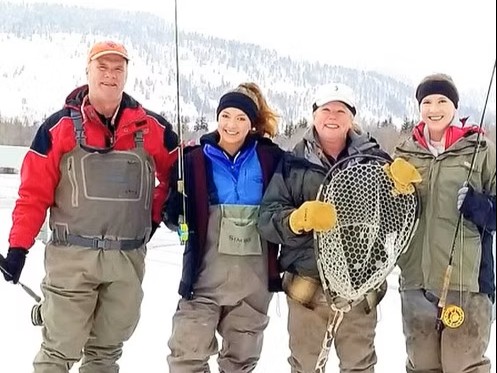
Winter fishing requires a different approach than peak season tactics. Your guide will set you up with specialized cold-water rigs – think smaller nymphs, longer leaders, and precise weight adjustments to get flies down where lethargic trout are holding. Midge patterns become crucial when nothing else is hatching, and you'll learn to read subtle strikes that barely register on your indicator. The key is slowing everything down; fish aren't chasing streamers in 35-degree water, so you're working methodical drifts through prime holding spots. All gear is provided, including insulated waders and layering systems that keep you comfortable even when the thermometer drops. Your guide carries hand warmers, extra gloves, and backup equipment because gear management becomes critical when it's freezing. You'll also pick up line management tricks that prevent ice buildup in your guides and learn how to keep your reel functional when everything wants to freeze up.
Target Species
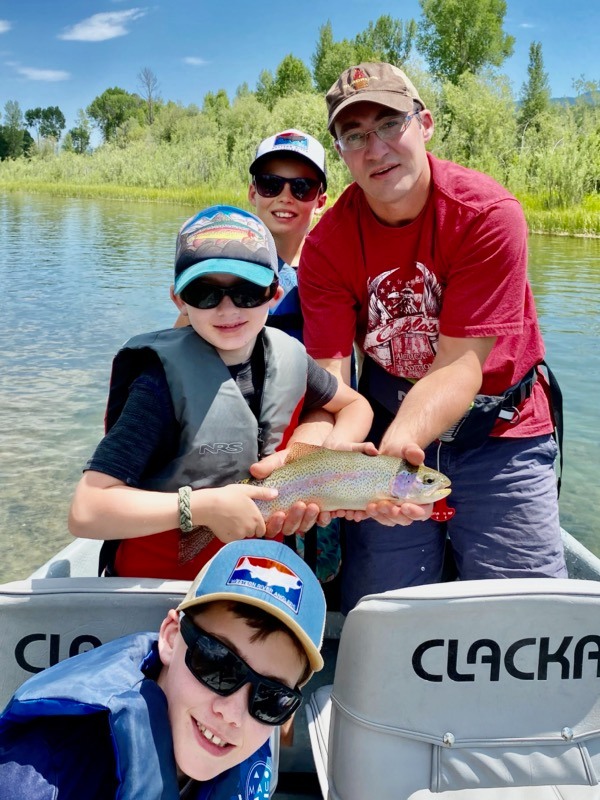
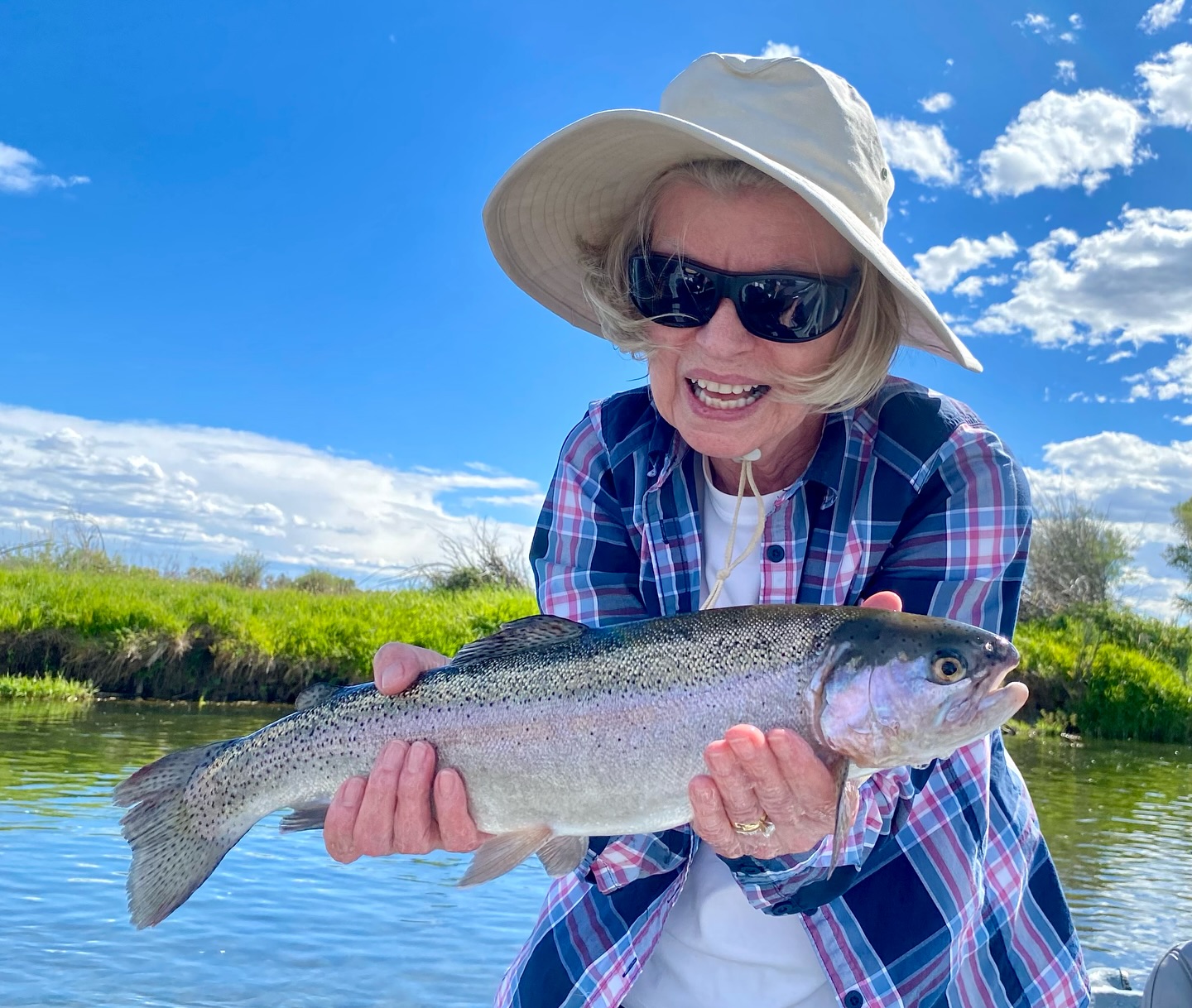
Rainbow Trout are the workhorses of winter fishing in this region. These fish stay active even when water temperatures drop into the 30s, feeding opportunistically on midges and small mayfly nymphs. Winter rainbows fight differently than their summer counterparts – they're heavier, more deliberate, and tend to stay deep during the fight. You'll find them in slower runs and deeper pools where they can conserve energy while still picking off drifting food. The best part about winter rainbows is their coloration; cold water keeps their colors vivid, and a fresh rainbow pulled from near-freezing water is absolutely stunning.
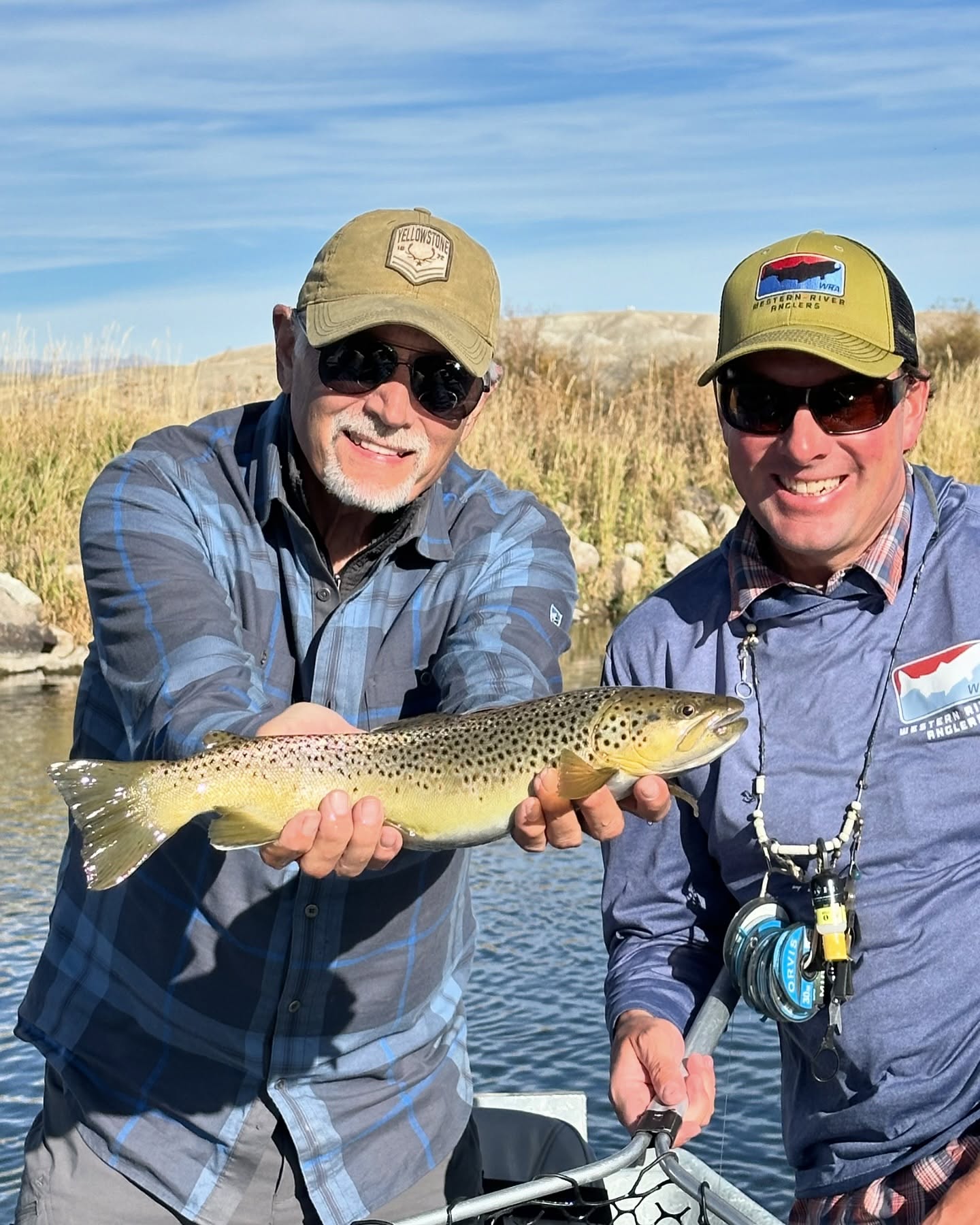
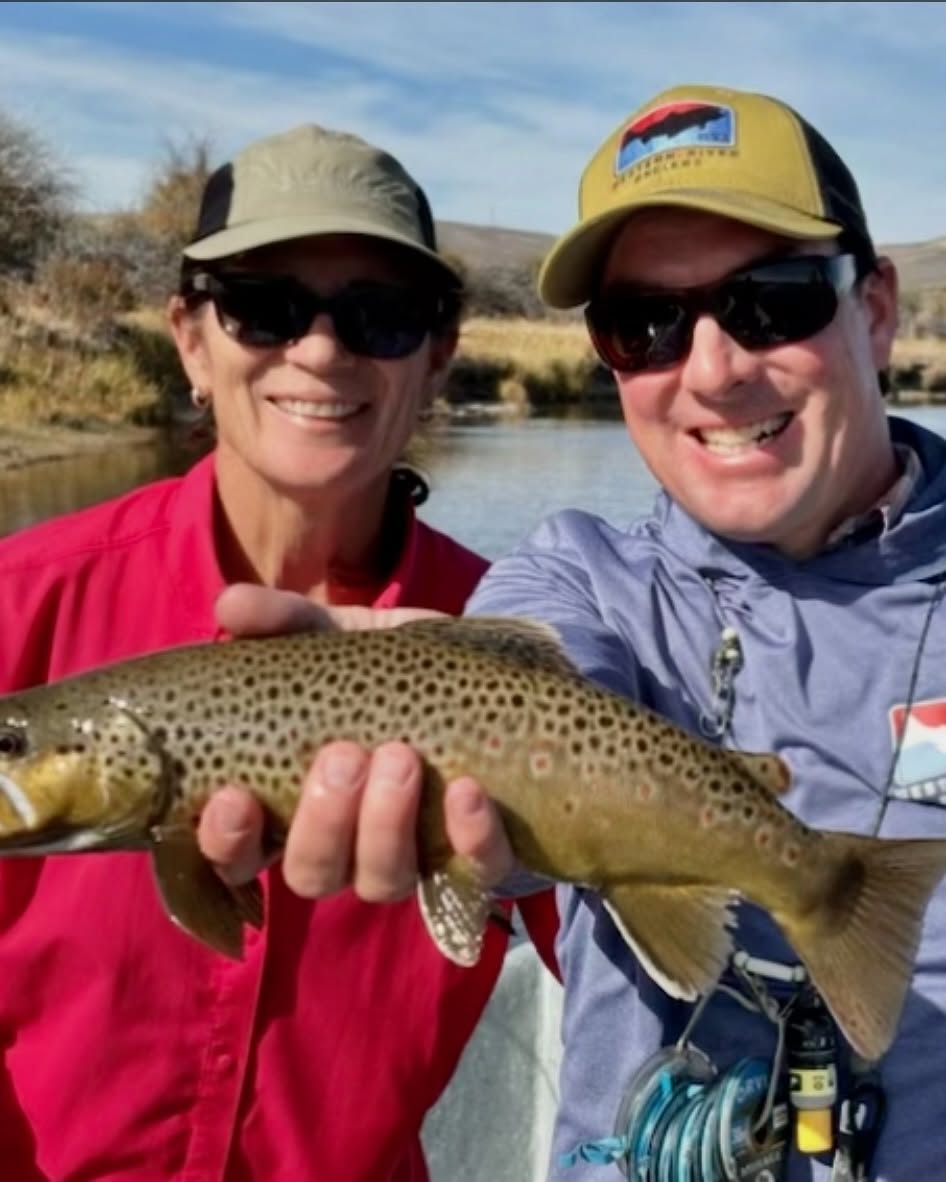
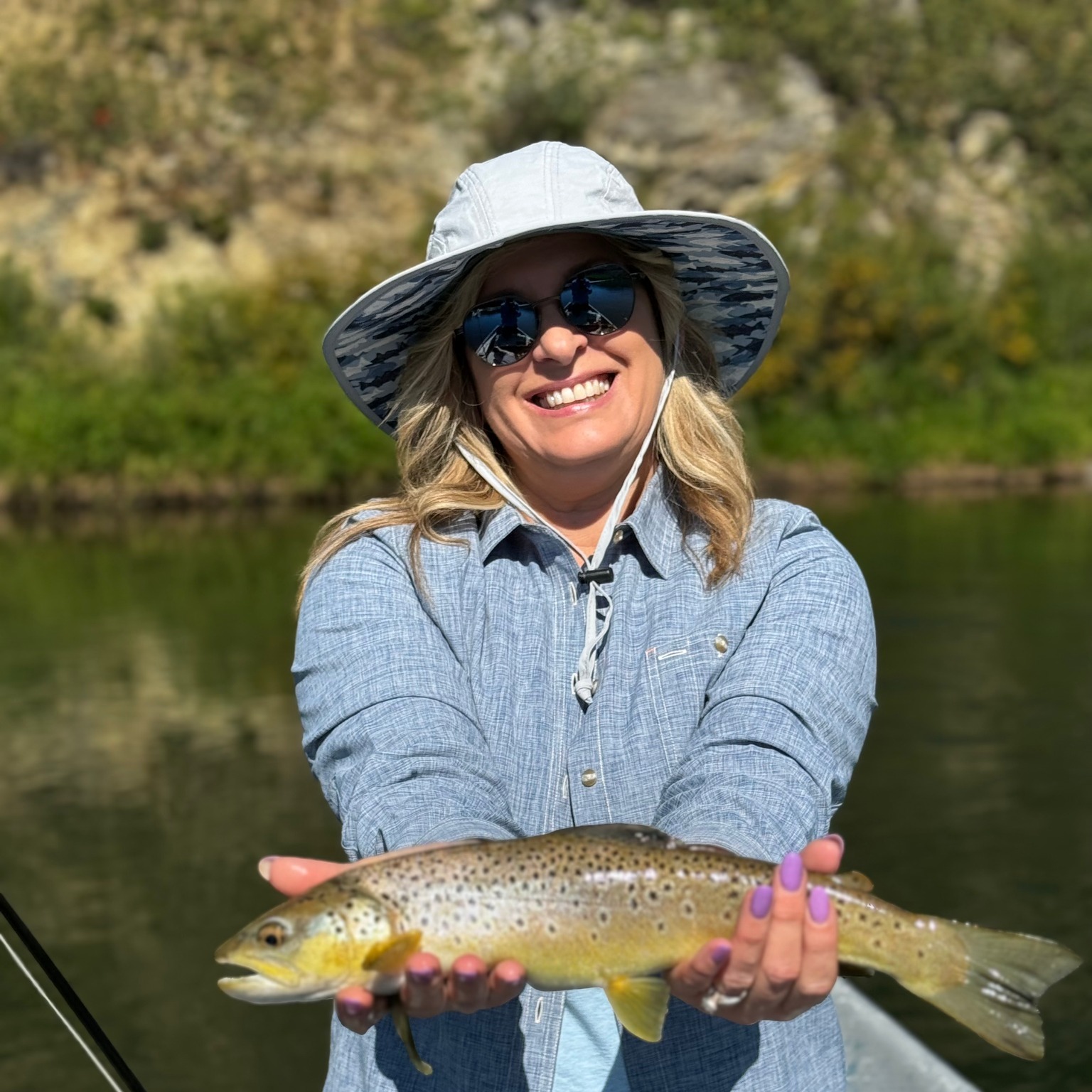
Brown Trout become the prize catch during winter months. These fish often grow more aggressive as water levels stabilize and fishing pressure disappears. Winter browns move into different lies than they use in summer, often holding tight to structure like logjams, undercut banks, and deep pocket water. They're opportunistic feeders that will take advantage of any easy meal, making them perfect targets for patient winter anglers. A 20-inch brown pulled from winter water fights like a fish twice its size, and the photos against snow-covered scenery are frame-worthy.
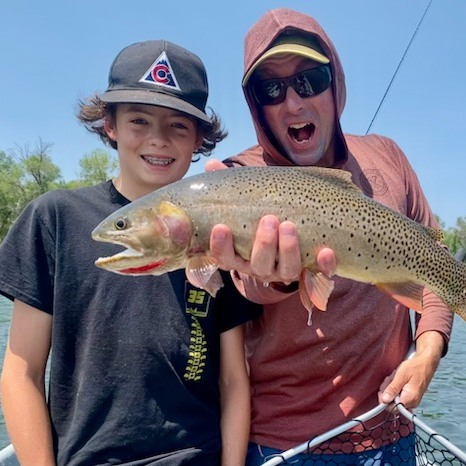
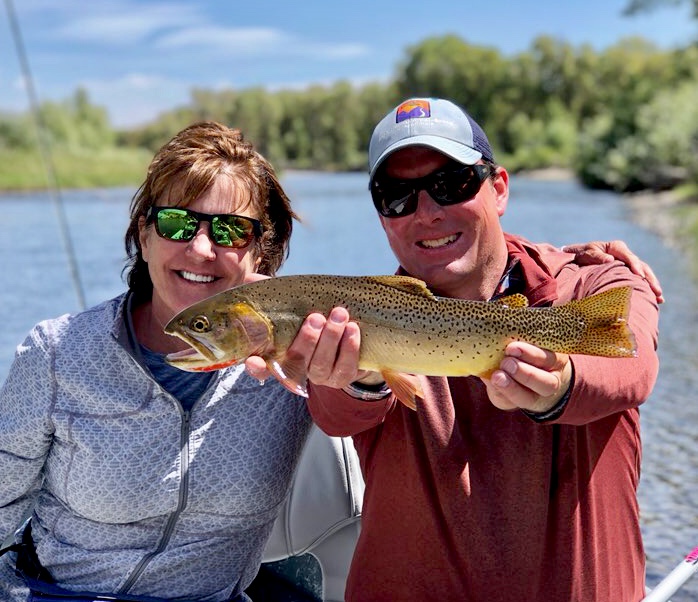
Cutthroat Trout are the native gems of this region, and winter brings out their best characteristics. These fish adapted to harsh mountain conditions, so cold water doesn't slow them down as much as other species. Cutthroats will often feed actively during winter midday periods when water temperatures peak. They're beautiful fish with distinctive red slashes under their jaws, and catching native cutthroats in their home waters during winter feels like connecting with the pure essence of western fly fishing. They're also less spooky in winter, making them great targets for anglers working on their presentation skills.
Brook Trout round out the winter opportunities in select waters throughout the region. These char prefer the coldest, cleanest water, so winter conditions often improve brook trout fishing rather than slowing it down. They're smaller on average but incredibly aggressive, often hitting flies with surprising force for their size. Brook trout are absolutely gorgeous fish with intricate patterns and vibrant colors that pop against winter landscapes. Finding brook trout water in the greater Yellowstone ecosystem feels like discovering a secret, and your guide knows exactly where these colorful char hold up when snow covers the high country.
Time to Book Your Spot
Winter wade fishing isn't for everyone, but if you're looking for world-class angling without the crowds, this is your trip. The combination of active fish, stunning scenery, and expert guidance creates a fishing experience that's completely different from anything you'll find during peak season. Your guide provides all the specialized gear and knows exactly where fish are holding during the coldest months. Remember to bring a valid fishing license and plan for gratuity (typically 15-20% is standard). This is single-angler guiding at its finest – personalized instruction, prime water access, and the kind of winter fishing stories that last a lifetime. Book your winter wade trip and discover why some of the best fishing happens when most people think the season is over.
 Private Trip
 Lakes/Reservoirs/Ponds Fishing
 undefined, undefined


 Winter trout fishing with professional guides in Jackson Hole region