Half Day Morning Trout Fly Fishing - Dubois, WY
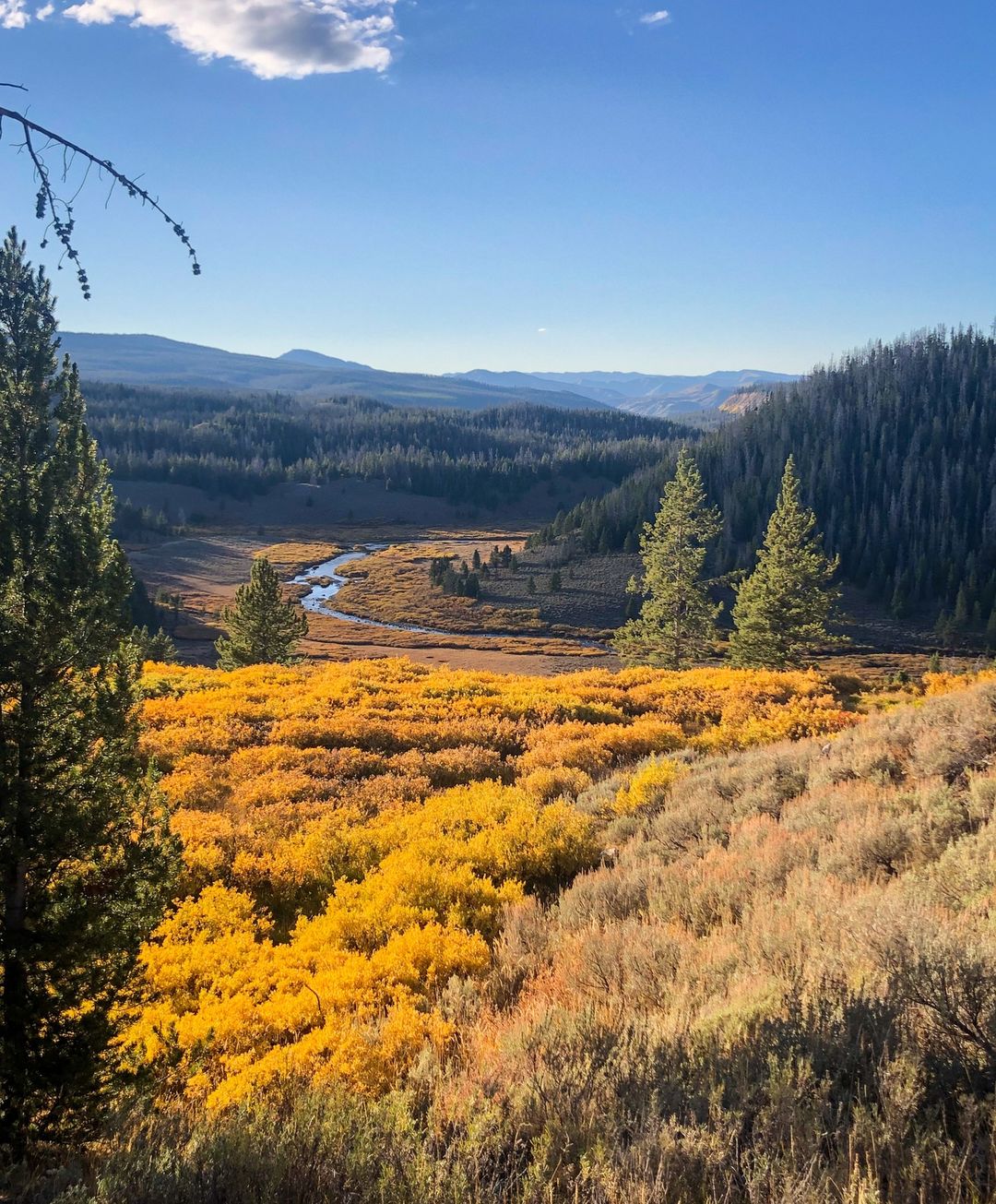
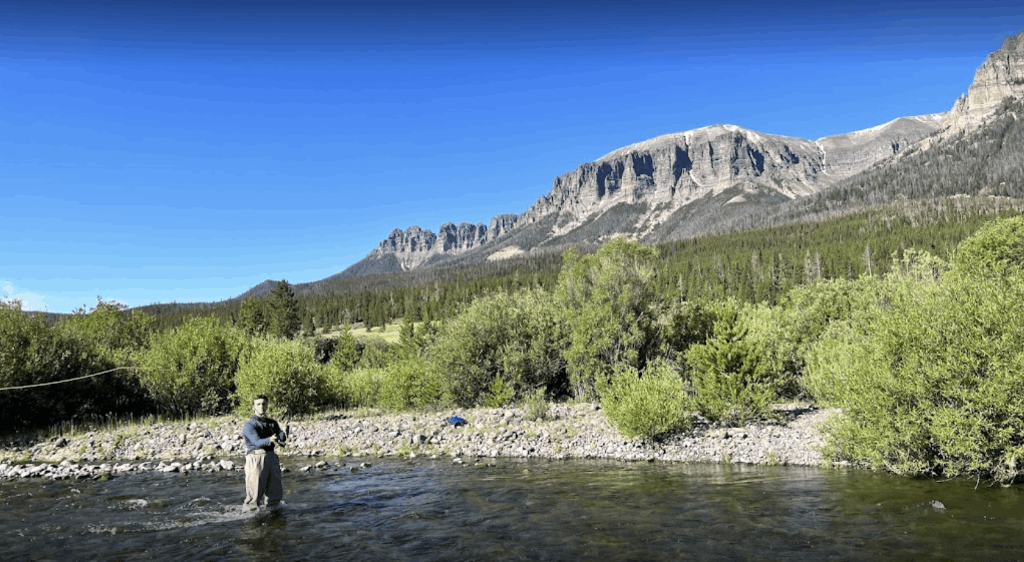
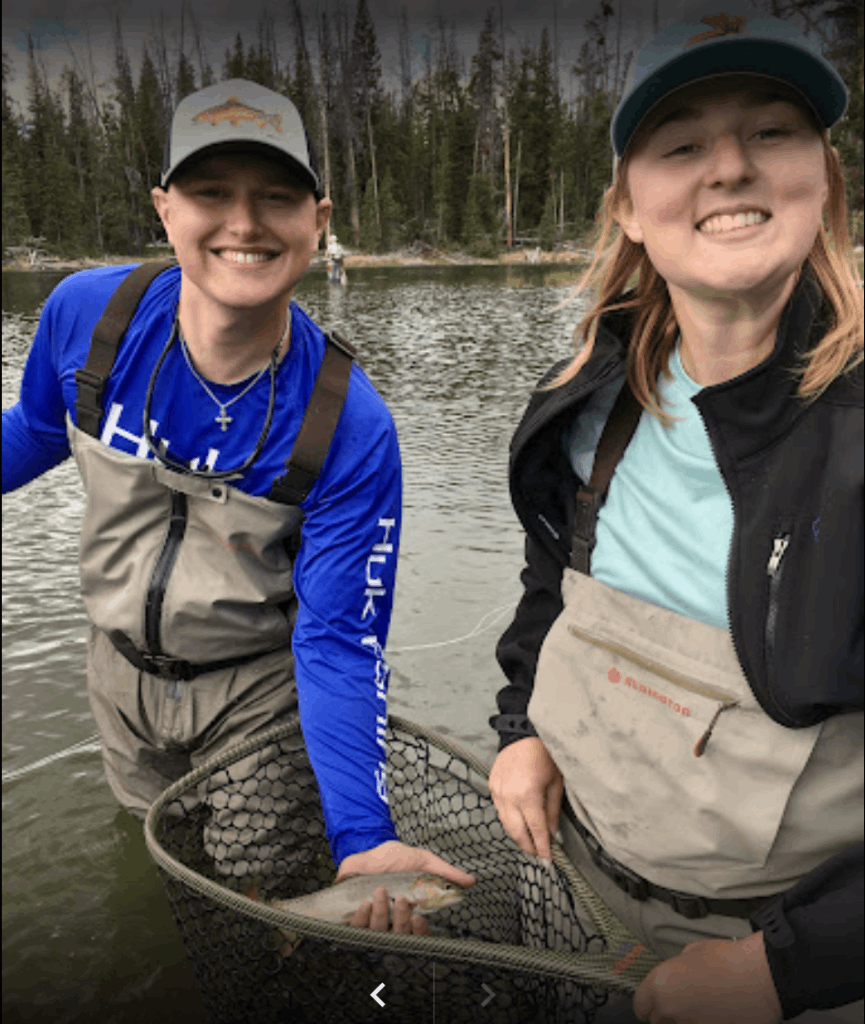
There's something special about starting your day on the Wind River with a fly rod in hand and the Wyoming wilderness stretching out around you. This half-day morning trip with ZT's Angling Company gets you right into the heart of some of the best trout water in the region. Guide Zack knows every bend, pocket, and run where the big fish like to hold, and he's ready to put you on them. Whether you're working on your cast or hunting for your personal best, this walk-and-wade adventure delivers the kind of fishing experience that keeps anglers coming back to Dubois year after year.
What to Expect on the Water
Your morning starts early when the fish are most active and the water is still cool from the night. Guide Zack will meet you streamside and get you set up with the right flies for the conditions - maybe a size 16 Adams if there's a hatch coming off, or a woolly bugger stripped through the deeper pools. The Wind River offers classic walk-and-wade fishing where you'll be moving from spot to spot, reading the water and targeting the prime lies where trout love to feed. Don't worry if you're new to fly fishing - Zack's got the patience and know-how to get beginners casting confidently within the first hour. For experienced anglers, he'll push you to try new techniques or work those tricky spots where the big browns like to hide. The scenery here is top-rated Wyoming backcountry, with mountain views that'll make you forget you're supposed to be watching your line.
Techniques & Gear Breakdown
This is pure walk-and-wade fishing, which means you'll be stepping right into the river and working your way upstream or down, depending on conditions. Zack provides all the fly fishing gear you'll need - rods, reels, flies, and leaders - but you'll want to bring your own waders or rent a pair from the shop. The technique varies with what the fish are doing that day. Early morning often means nymphing the deeper runs with a two-fly setup, but if you hit a hatch, you'll switch to dry flies and watch trout rise to your perfectly placed cast. The Wind River demands good line management and accurate casting since the fish here see plenty of pressure during peak season. Zack will teach you to mend your line properly and approach fish from the right angle so you don't spook them. Stream entomology plays a big role too - knowing when the caddis flies are active or which mayfly the trout are keyed in on can make the difference between a slow day and a fish-every-cast kind of morning.
Top Catches This Season
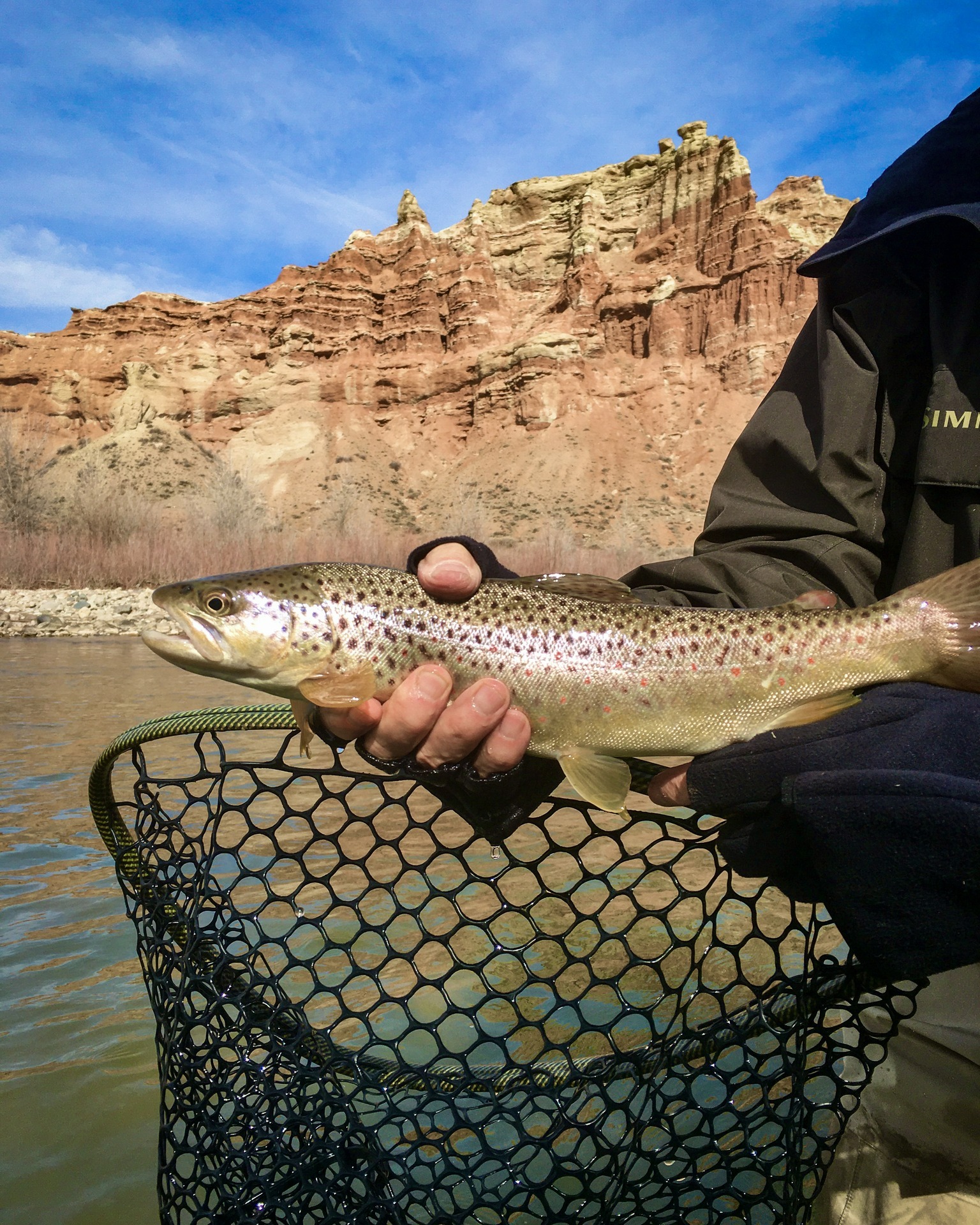
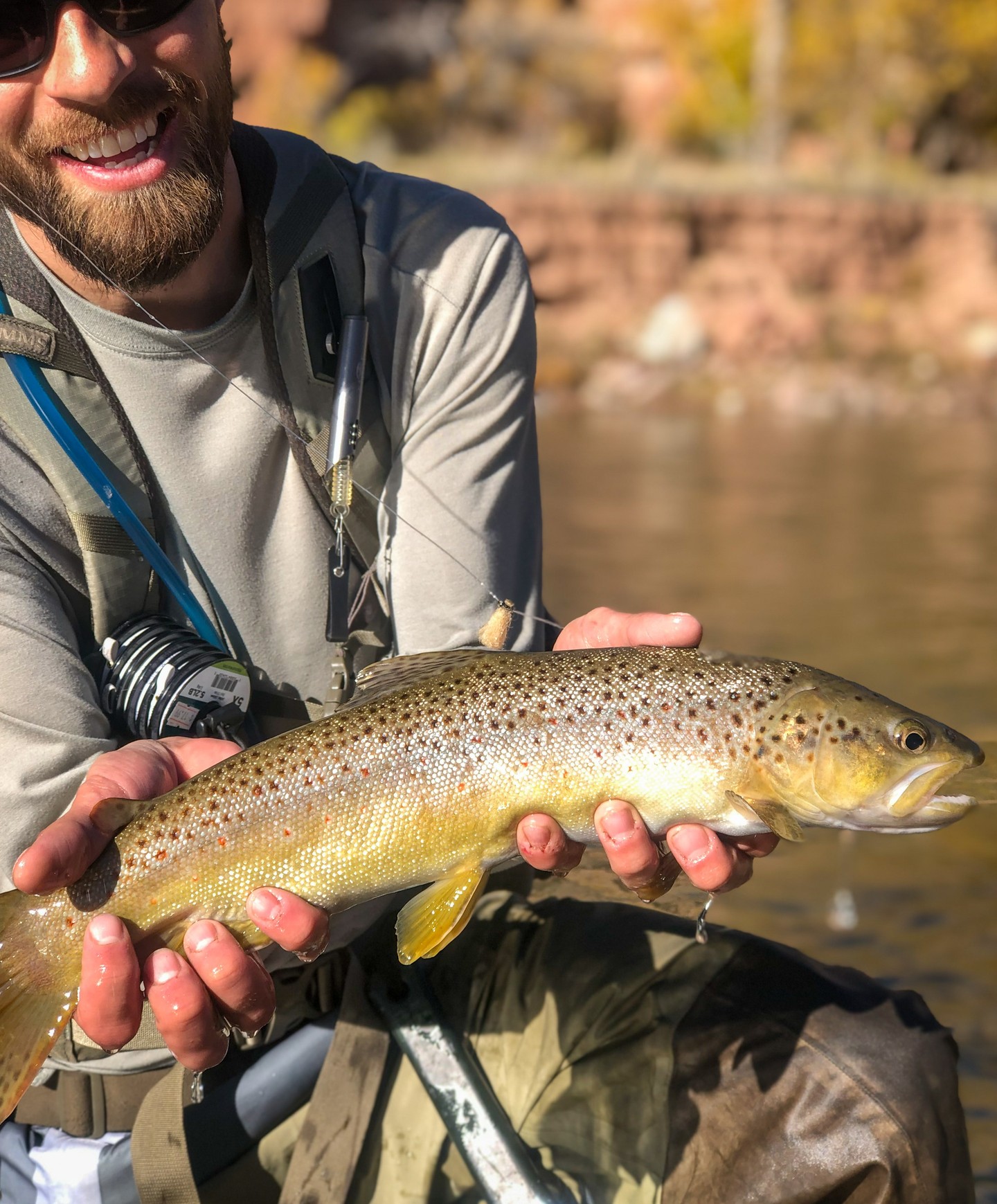
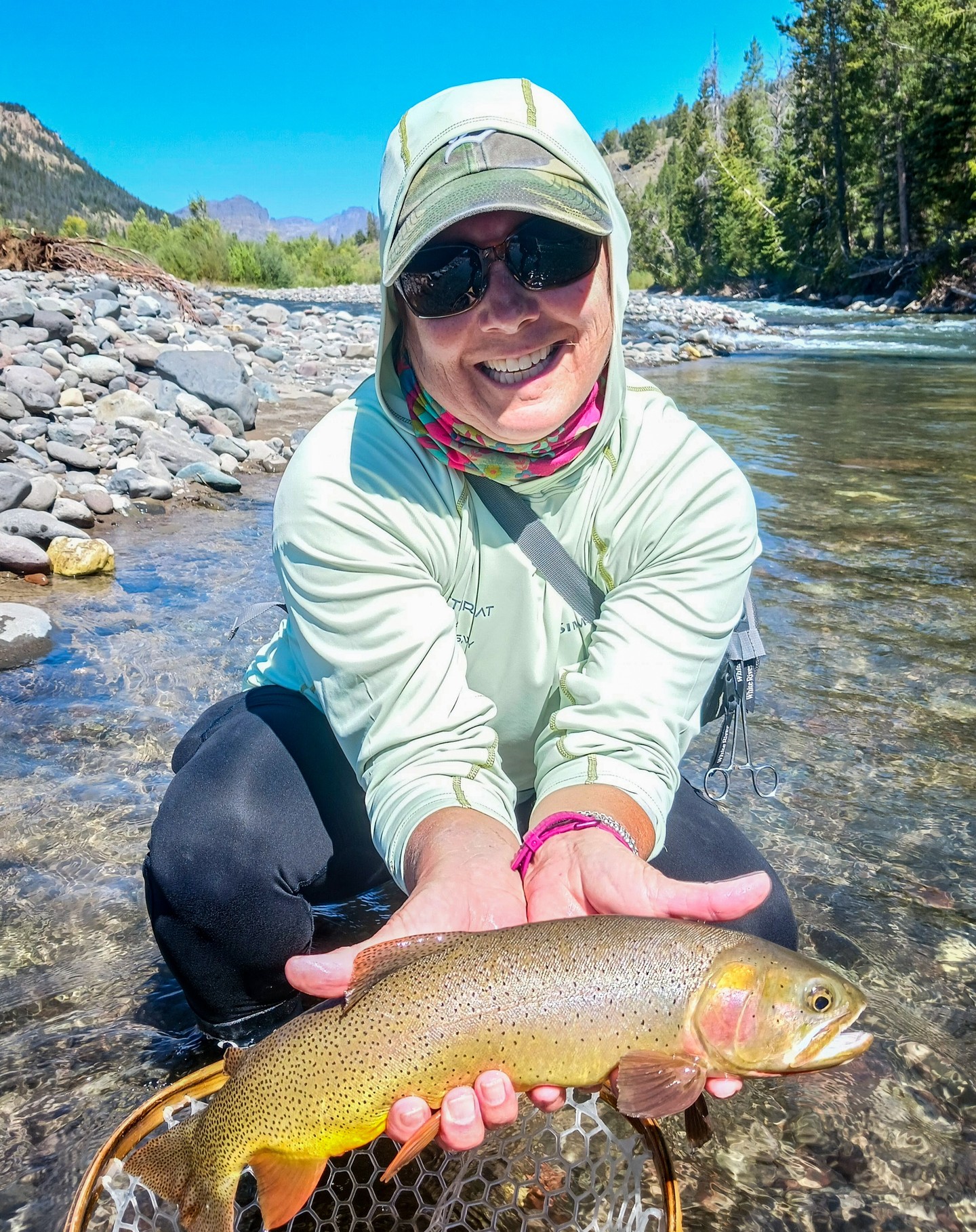
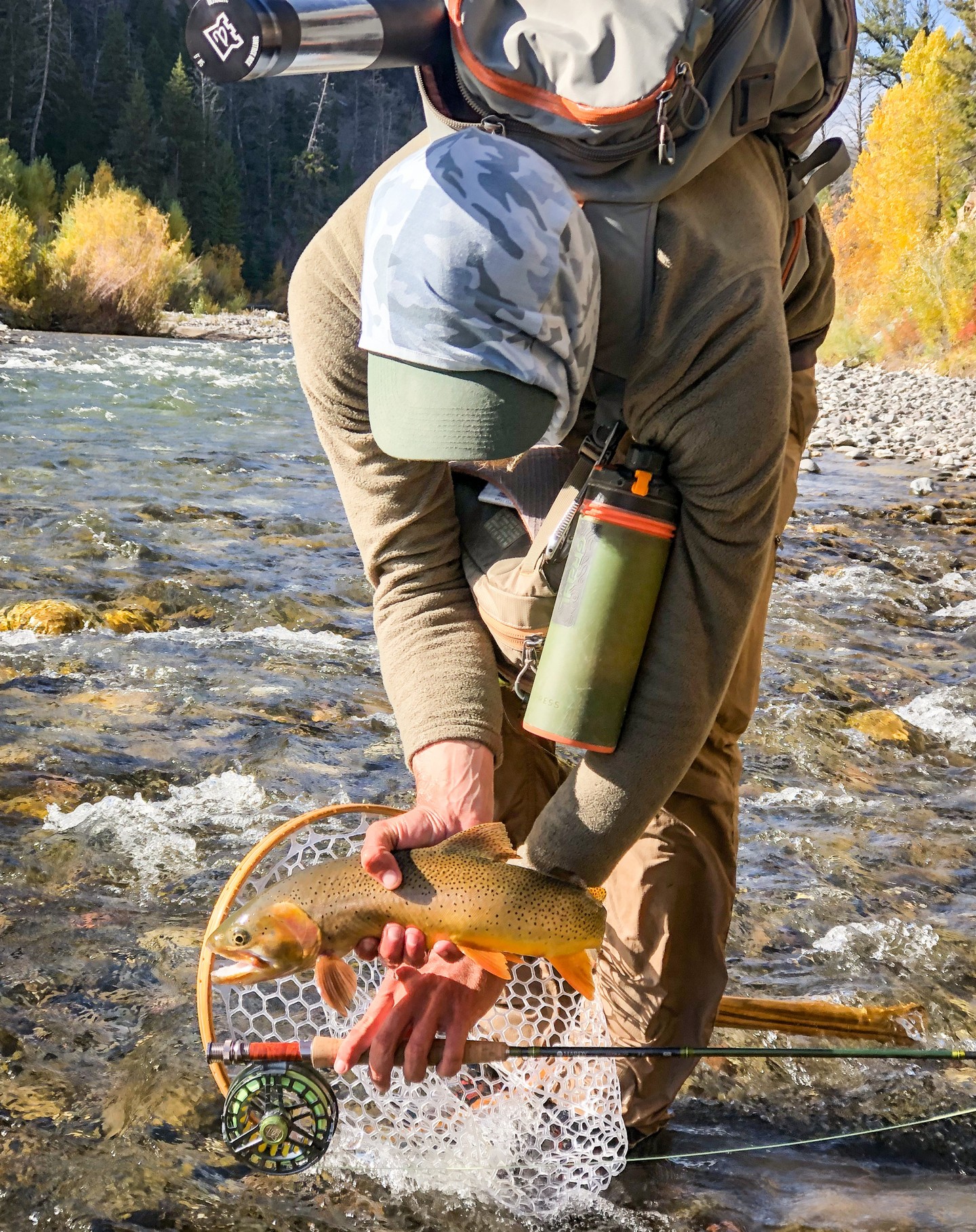
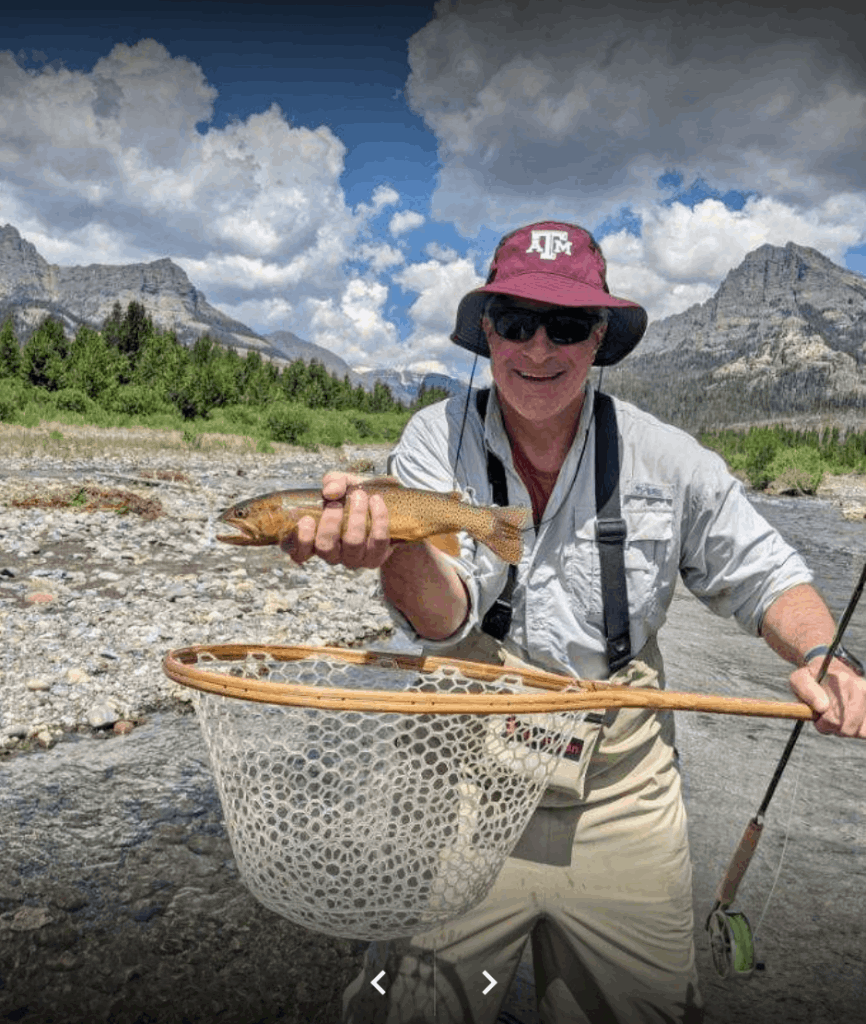
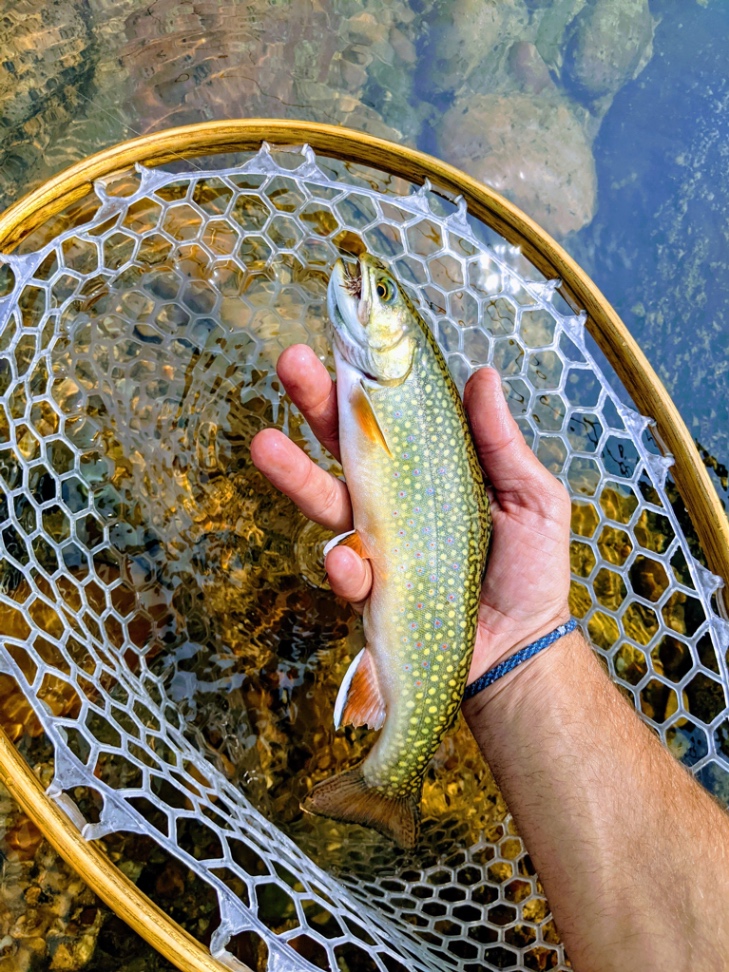
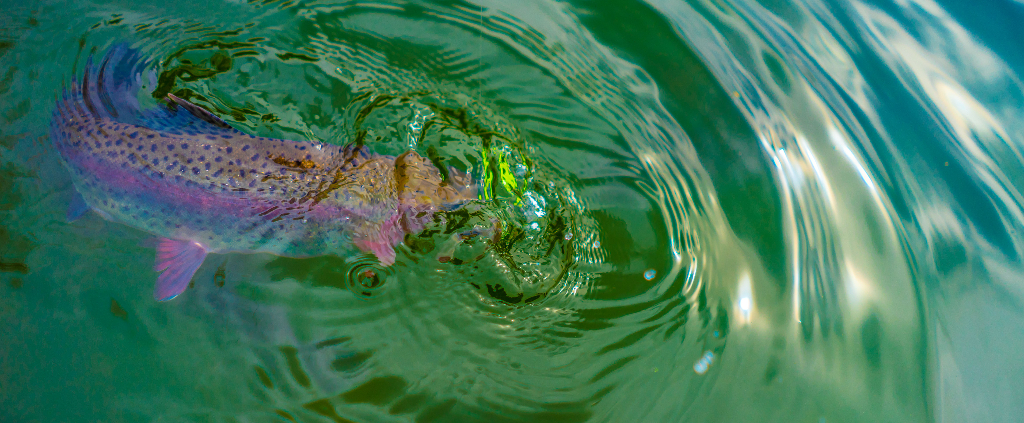
The Wind River system around Dubois holds an impressive variety of trout species that'll test your skills and fill your net. Rainbow trout are the most abundant and aggressive feeders you'll encounter here. These chrome-bright fighters typically run 12 to 16 inches, with some reaching into the 18-inch range if you know where to look. They love the faster water and will absolutely crush a well-presented dry fly during a hatch. Brown trout are the craftiest residents - these golden beauties can grow well over 20 inches and have a reputation for being extremely selective. They prefer undercut banks and deeper pools, often feeding at dawn before becoming spooky as the sun gets higher. Golden trout are the real prize of this drainage, though they're less common in the main stem. When you do hook into one, you'll know it immediately from their stunning coloration and spirited fight. Cutthroat trout round out the native species here, and they're known for being willing biters once you find their holding water. Brook trout, while not native, have established populations in some tributaries and offer some of the most beautiful fish you'll ever land, with their distinctive worm-like markings and white-edged fins. Each species requires slightly different approaches, and part of what makes Guide Zack so effective is his ability to read which fish are active and adjust tactics accordingly.
Time to Book Your Spot
This half-day morning trip gives you the best fishing window of the day while still leaving your afternoon open for exploring more of what Dubois has to offer. The one-on-one format means you get personalized instruction and won't be competing with other anglers for the prime spots. ZT's Angling Company has built a reputation as the go-to outfitter in this area, and slots fill up quickly during peak trout season from June through September. Whether you're a Wyoming resident looking for a new home water or visiting from out of state, this trip delivers the kind of quality fly fishing that makes the drive worthwhile. Don't let another season pass without experiencing what many consider some of the finest trout fishing in the Mountain West - book your morning on the Wind River and see why anglers keep coming back to fish with Zack.
 Private Trip
 Backcountry Fishing
 Dubois, WY


 Half-day guided fly fishing on scenic Wind River