Salmon, The Difference Between Wild Salmon and Farmed Salmon
Learn the difference between wild salmon and farmed salmon. Organic vs farm raised.


Introduction to Salmon: A Nutritional Powerhouse
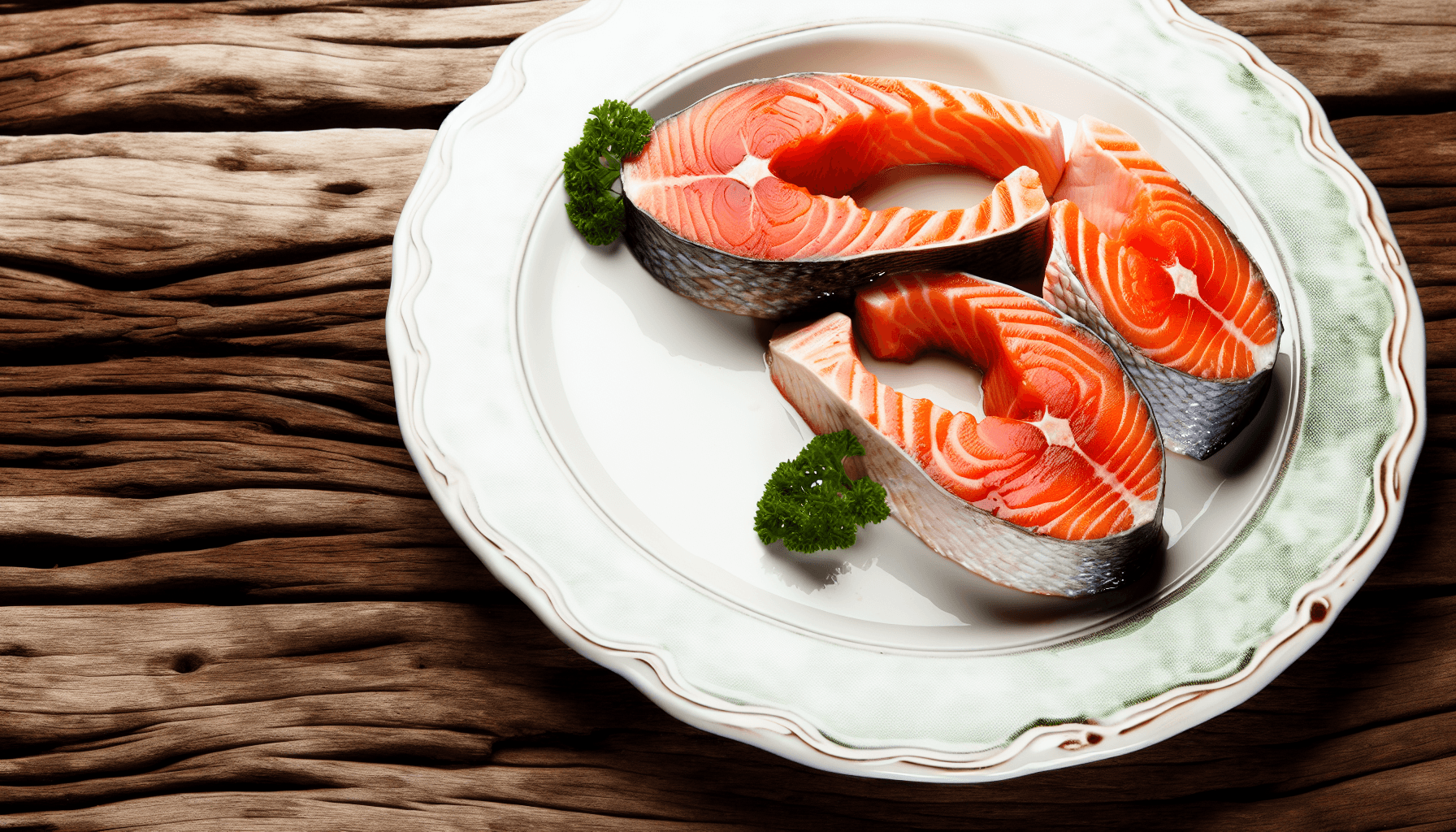
Salmon is a superstar in kitchens around the world, valued not only for its delicious taste but also for its impressive health benefits. From top chefs to everyday cooks, everyone appreciates salmon for its healthy perks. Packed with omega-3 fatty acids, high-quality protein, and important nutrients like vitamin D and selenium, salmon supports heart health, reduces inflammation, and boosts brain function. As more people focus on healthy eating, the question of whether your salmon is wild-caught or farmed becomes important, and it's key to understand the differences between the two. Salmon is the most-eaten fish in the United States, which underscores its significance in contemporary diets.
Understanding the Natural Habits of Wild Salmon
Wild salmon are amazing creatures, living in clean oceans, rivers, and lakes. They are vital to their environments, passing nutrients from the sea to freshwater areas. They eat marine life like zooplankton, krill, and small fish, which gives them their natural pink or red color from astaxanthin, a powerful antioxidant. This lifestyle makes them leaner and richer in some vitamins, with a firm texture and strong flavor preferred by many food lovers. However, wild-caught Atlantic salmon is prohibited in U.S. seafood markets due to overfishing, making wild salmon available only during certain seasons under rules and efforts to protect their ecosystems.
The Controlled Environment of Farmed Salmon
With salmon becoming more popular, farming offers a practical solution, making farmed salmon a common choice. These fish are raised in controlled environments, with their diet carefully planned to include omega-3s. This setup means farmed salmon is available all year and usually costs less. Remarkably, farmed salmon is the fastest-growing food production system in the world. But, this convenience has its issues. Sometimes, farmed salmon are given other nutrients to get a good color, and some farms use antibiotics to keep fish healthy, which can raise concerns about safety and quality.
A Nutritional Comparison: Wild vs. Farmed Salmon
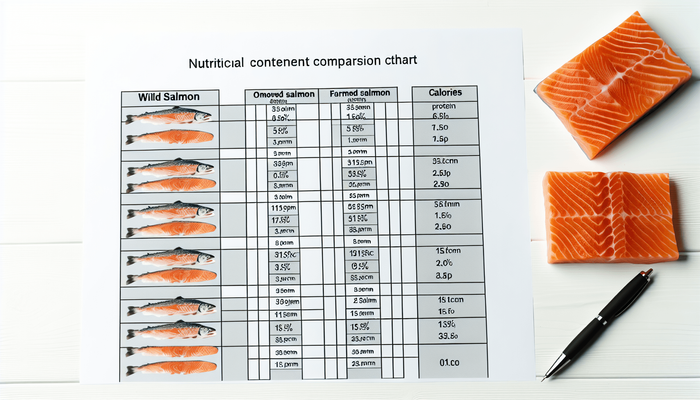
Both wild and farmed salmon are nutrition-packed but have their differences. Farmed salmon generally have more omega-3s because of their feed, which also means more calories and saturated fats. Wild salmon are leaner with fewer calories, ideal for those watching their weight. Both types offer loads of nutrients like B vitamins, potassium, and selenium. It’s important for people to choose what best fits their diet while considering sustainability.
Exploring Taste and Texture Differences
Taste and texture make wild and farmed salmon different, often guiding what people choose. Wild salmon’s intense journey gives it a firmer texture and deep flavor, appealing to those who crave authentic tastes. Farmed salmon, being richer in fats, has a milder, buttery feel. Its adaptable nature suits many recipes. So, whether you like wild salmon's strong taste or farmed salmon's gentle flavor depends on your personal preference.
Environmental Impact: Sustainability and Conservation
Sustainability plays a big role in the wild vs. farmed salmon debate. Overfishing wild salmon can harm marine life, leading to strict rules for sustainable practices. On the other hand, responsible farming helps ease pressure on wild fish, aiding food security. However, farming comes with its own challenges like water pollution and disease. Studies have found contaminants in farmed salmon are generally higher than in wild salmon, highlighting the importance of smart farming methods to protect the environment and ensure sustainability in the salmon industry.
Economic Factors: Cost and Availability
Cost and availability are crucial in picking between wild and farmed salmon. Farmed salmon is usually more budget-friendly and readily available, perfect for everyday meals. Wild salmon, with its limited supply and seasonality, tends to be pricier, often considered a treat for special occasions. Balancing these factors with health goals and taste preferences is key for making informed choices.
Addressing Health Concerns Related to Contaminants
Worries about pollutants are a key factor in choosing salmon. Farmed salmon might have more pollutants due to farming methods, while wild salmon, though generally cleaner, can also pick up contaminants. Choosing reputable sources that follow quality standards helps minimize risks. Eating salmon in moderation and knowing its source can help you enjoy its benefits without the downsides.
The Importance of Responsible Seafood Sourcing
No matter your preference, responsibly sourced salmon is crucial. Look for labels indicating sustainable practices, such as "wild-caught" or eco-friendly farms. These labels ensure the fish you eat were obtained in accordance with environmental and ethical standards. By choosing these options, you support marine conservation and sustainable farming, helping lead the way to more mindful seafood consumption.
Final Thoughts: Making an Informed Choice
When picking salmon, having the right info is essential for choices that suit your health, environmental values, and taste preferences. Both wild and farmed salmon offer benefits tailored to different needs. Knowing these differences and opting for sustainably sourced options helps you make good decisions for your health and the planet. By understanding these insights, you can enjoy the health perks and flavors of salmon, while contributing to a healthier ecosystem.