The Ultimate Guide to Cooking Perfectly Grilled Salmon
The ultimate guide to grilled salmon, from seasoning to cooking.
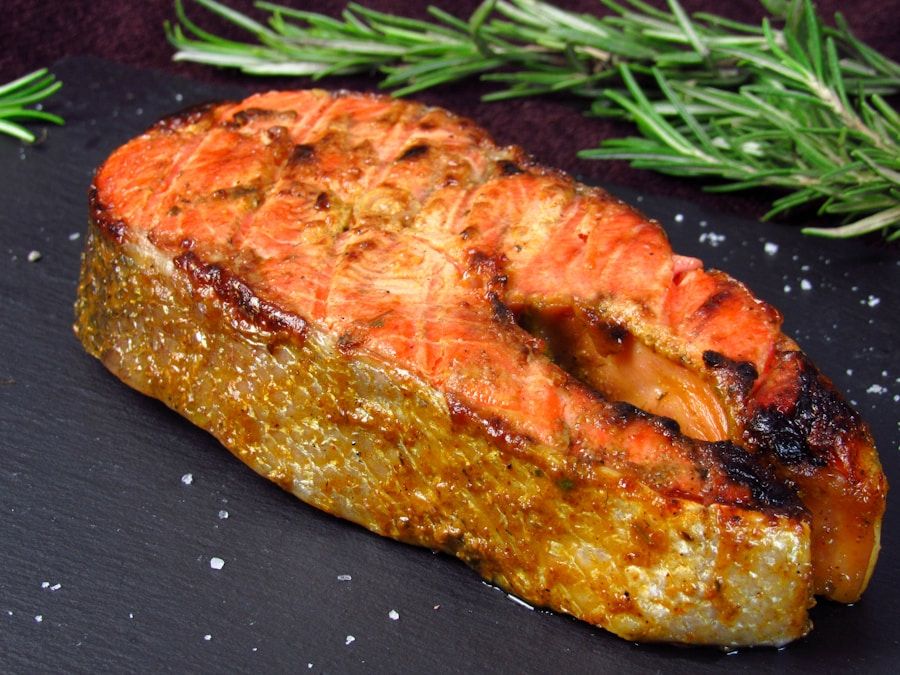


When it comes to grilling salmon, choosing the right type of salmon is crucial for achieving the best results. Wild-caught salmon, such as sockeye, coho, or king salmon, is often preferred for grilling due to its rich flavor and firm texture. These varieties of salmon are typically higher in fat content, which helps keep the fish moist and flavorful during the grilling process.
Additionally, wild-caught salmon is known for its sustainability and lower levels of contaminants compared to farmed salmon. On the other hand, if wild-caught salmon is not readily available, you can opt for high-quality farmed salmon, such as Atlantic or organic farmed salmon. When selecting salmon for grilling, look for fillets that are firm to the touch, with a vibrant color and a fresh, ocean-like aroma.
Avoid salmon fillets with any signs of discoloration, strong fishy odors, or excessive browning around the edges, as these may indicate that the fish is past its prime.
Key Takeaways
Choose wild-caught salmon for grilling for its superior flavor and texture
Season your salmon with a simple mix of olive oil, salt, and pepper for a delicious result
Use a hot grill and cook the salmon for 4-5 minutes per side for the perfect grilled texture
Invest in a good quality fish spatula and a grill basket for easy flipping and preventing sticking
Try a honey garlic marinade or a tangy dill sauce to elevate the flavor of your grilled salmon
Preparing and Seasoning Your Salmon
Before grilling your salmon, it's essential to properly prepare and season the fillets to enhance their natural flavors. Start by patting the salmon dry with paper towels to remove any excess moisture, which can prevent proper browning and caramelization during grilling. Next, you can season the salmon with a simple combination of salt, pepper, and a drizzle of olive oil to help create a flavorful crust on the exterior of the fish.
For those looking to add an extra layer of flavor, consider incorporating herbs and spices into your seasoning mix. Fresh dill, thyme, or rosemary can complement the natural richness of the salmon, while spices like smoked paprika, cumin, or chili powder can add a subtle kick to the dish. Additionally, a squeeze of fresh lemon juice over the seasoned fillets can help brighten the flavors and provide a hint of acidity to balance the richness of the fish.
Tips for Grilling Salmon to Perfection
Grilling salmon to perfection requires attention to detail and a few key tips to ensure that the fish is cooked just right. One essential tip is to preheat your grill to medium-high heat and clean the grates thoroughly to prevent the salmon from sticking during cooking. Additionally, brushing the grill grates with a light coating of oil can further help prevent sticking and promote beautiful grill marks on the salmon fillets.
When placing the salmon on the grill, start with the skin side down to help protect the delicate flesh from direct heat. Allow the salmon to cook undisturbed for a few minutes before carefully flipping it using a wide spatula to ensure that the skin remains intact. To determine when the salmon is perfectly cooked, look for opaque flesh and flakiness throughout the fillet, indicating that it's ready to be removed from the grill.
Grilling Tools and Techniques for Salmon
Grilling Tools and Techniques for Salmon
Grilling Tools Grilling Techniques
Grill or grill pan Direct grilling
Tongs or spatula Indirect grilling
Basting brush Cedar plank grilling
Thermometer Marinating
When it comes to grilling salmon, having the right tools and employing proper techniques can make a significant difference in the outcome of your dish. Invest in a quality pair of long-handled tongs and a wide spatula to handle and flip the salmon with ease while maintaining its integrity. Additionally, using a fish basket or a cedar plank can help prevent delicate salmon fillets from sticking to the grill grates and provide a subtle smoky flavor to the fish.
For those who prefer a more hands-off approach, using a grill mat or aluminum foil can also be effective in preventing sticking and simplifying cleanup. When grilling salmon, it's essential to resist the temptation to flip or move the fillets excessively, as this can cause them to break apart or lose their natural juices. Instead, allow the salmon to cook undisturbed until it's ready to be flipped or removed from the grill.
Delicious Marinades and Sauces for Grilled Salmon
Enhance the flavor of your grilled salmon by incorporating delicious marinades and sauces that complement its natural richness. A simple marinade of soy sauce, honey, minced garlic, and grated ginger can infuse the salmon with savory-sweet flavors and create a caramelized glaze during grilling. Alternatively, a zesty herb marinade made with olive oil, lemon zest, chopped parsley, and minced shallots can provide a refreshing burst of citrus and herbal notes to the fish.
For those who prefer sauces served alongside grilled salmon, consider options such as a creamy dill sauce, a tangy mango salsa, or a vibrant chimichurri sauce made with fresh herbs and vinegar. These versatile sauces can add depth and complexity to your grilled salmon while offering a refreshing contrast to its rich flavor. Whether you choose to marinate your salmon before grilling or serve it with a delectable sauce, these additions can elevate your dish to new heights.
Serving and Pairing Grilled Salmon
Once your grilled salmon is cooked to perfection, it's time to consider how best to serve and pair it for a memorable dining experience. Grilled salmon pairs beautifully with a variety of side dishes, such as roasted vegetables, quinoa salad, or garlic mashed potatoes. The versatility of grilled salmon also makes it an excellent addition to salads, pasta dishes, or grain bowls for a light and satisfying meal.
When it comes to wine pairings, consider serving grilled salmon with a crisp and refreshing white wine, such as Sauvignon Blanc or Chardonnay, which can complement the fish's natural flavors without overpowering them. For those who prefer beer, a light and citrusy IPA or a refreshing wheat beer can also be excellent choices to accompany grilled salmon. Additionally, incorporating fresh herbs and citrus into your side dishes or garnishes can further enhance the overall dining experience by echoing the flavors present in the grilled salmon.
Troubleshooting Common Grilling Mistakes with Salmon
Despite your best efforts, grilling salmon can sometimes present challenges that may affect the final outcome of your dish. One common mistake when grilling salmon is overcooking it, which can result in dry and tough flesh. To avoid this, monitor the cooking time closely and remove the salmon from the grill as soon as it reaches an internal temperature of 145°F (63°C) at its thickest part.
Another common issue is sticking salmon fillets, which can lead to frustration and potential damage to the fish's delicate texture. To prevent sticking, ensure that your grill grates are clean and well-oiled before placing the salmon on them. Using cooking oil with a high smoke point, such as grapeseed or avocado oil, can also help create a non-stick surface for grilling.
Mastering the art of grilling perfect salmon requires attention to detail, quality ingredients, and an understanding of proper techniques. By selecting high-quality salmon, preparing it thoughtfully, utilizing effective grilling tools and techniques, and enhancing its flavors with delicious marinades and sauces, you can elevate your grilled salmon to new heights. Whether served as a standalone dish or paired with complementary sides and beverages, perfectly grilled salmon is sure to delight your taste buds and impress your guests.