Barracuda Fishing: Tactics, Lures, and Tips for Experienced Anglers
Master barracuda fishing with proven lure tactics, smart retrieve adjustments, and expert tips for targeting, hooking, and safely landing these fast predators.
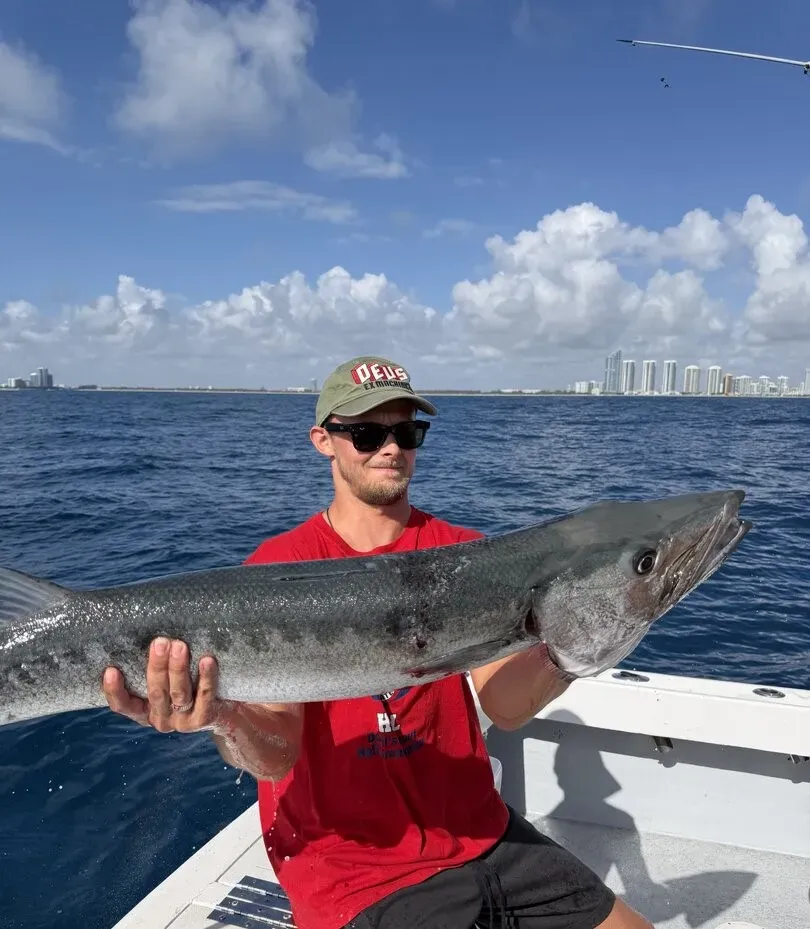


Finding barracuda is one thing but getting them to take your lure is another challenge. You might spot one cruising over a flat, working along a reef edge, or chasing baitfish near the surface. But even when a fish follows your presentation, a strike isn't guaranteed.
That's where your approach matters. The lure needs to suit the depth and conditions; the cast needs to put it in the right place, and the retrieve may need a few adjustments before the fish commits.
Keep reading as we explore what you need to look for when targeting barracuda, from choosing your setup to handling those frustrating follows and sudden strikes.
Where to Look for Barracuda: Flats, Channels, and Reef Edges
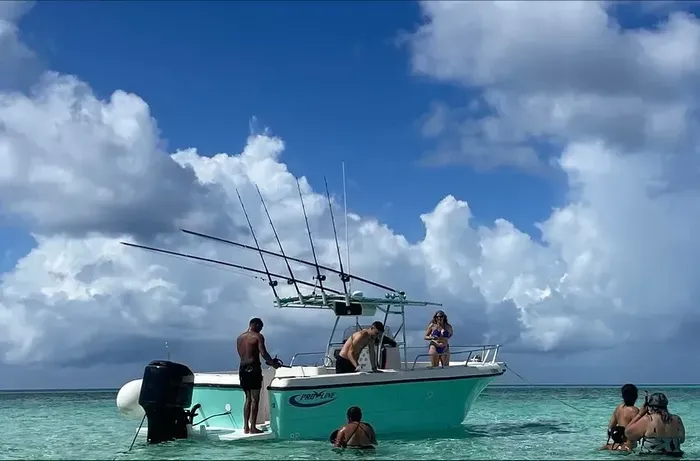
While most people consider barracuda to be a saltwater fish, they can also be found in brackish water.
They are also not limited to deep waters, and can also be found in shallow water, which means you don't necessarily need to head into the deep sea to catch one. The trick is knowing what to look for and adjusting your approach to the kind of water you're fishing. A barracuda cruising over a clear flat gives you a chance to plan a sight cast, but one holding along a reef edge or channel may never show itself until it chases bait.
Listed below are some places where you can look for a barracuda.
Shallow Flats and Seabeds
Shallow flats and seagrass beds are worth exploring when you're looking for barracuda, particularly in clear water where you can spot a fish before making your cast. Barracuda often cruise over sandy patches, grass edges, and shallow channels while looking for baitfish, so keep an eye out for a long shadow moving across the bottom or a flash of silver just beneath the surface. Larger barracuda, however, often hang almost motionless over dark grass or near the edge of a sand hole, waiting for prey to come to them. A still, log-like shape that you might mistake for debris is worth a second look before you move on.
If you spot one, try casting a little ahead of its path and retrieving the lure across its line of travel rather than dropping it directly on top of the fish, which could startle it before you get a chance to draw a strike.
Water clarity can make a difference in how you approach these areas, too. When visibility is good, you can watch the barracuda's reaction and adjust your retrieve if it starts following without committing, whereas cloudy water or surface glare may require you to rely more on baitfish activity and likely travel routes. Pay particular attention to sandy openings between seagrass beds, where baitfish can move through exposed water and give a barracuda an opportunity to strike.
Channels and Drop-Offs
When the shallow flats aren't producing, nearby channels and drop-offs are good places to look because they connect different depths and give barracuda access to baitfish moving between them. Rather than casting straight into the middle of a channel, start by working along its edges, where changes in depth can create useful feeding opportunities, and then adjust your casting angle to cover the water beyond the drop-off.
Current is worth considering here because baitfish don't always move randomly through a channel; they may follow the flow or travel along the boundary between faster and slower water. If you notice bait moving in a particular direction, try casting across its path and bringing your lure along the edge instead of repeating the same straight retrieve. This approach helps you cover the area more deliberately and gives you a better chance of presenting the lure where a barracuda is likely to encounter it.
Reef Edges and Offshore Structure
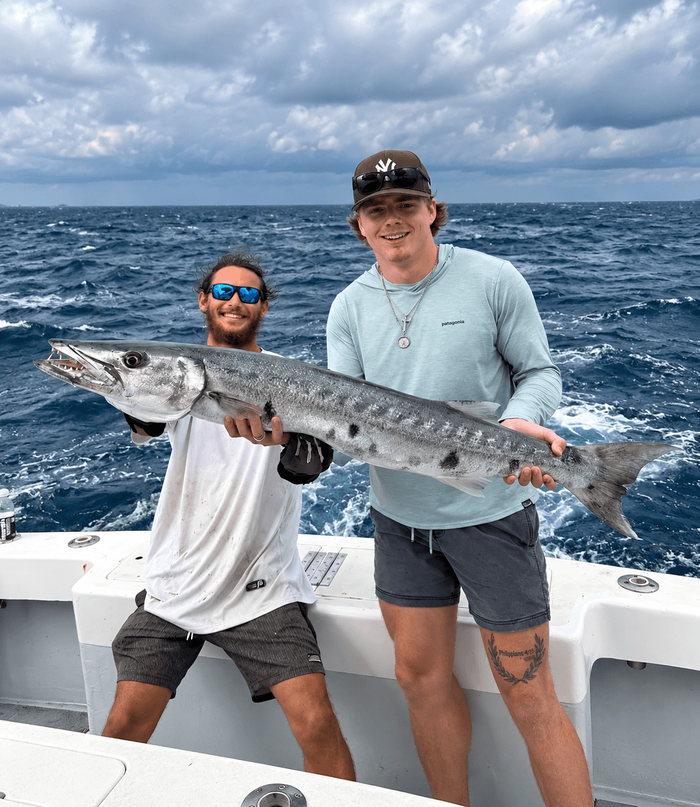
Reef edges, wrecks, and other underwater structures can also hold barracuda, particularly when baitfish are moving through the surrounding water.
While it's tempting to concentrate every cast around the structure itself, don't overlook the water above and alongside it, since barracuda may patrol the outer edge rather than stay close to the bottom. Working different angles around a reef can help you find where the fish are moving, especially when current carries bait past the structure. Your boat position matters in these areas because a hooked barracuda can make a fast run and change direction without much warning.
Before casting around a wreck or a tight reef system, consider whether you'll have enough room to fight the fish without letting it reach an obstacle. If the structure is difficult to fish safely, working the surrounding water may be a better option than trying to put your lure into every opening.
Watch for Baitfish Activity
You don't always have to spot a barracuda to identify a promising area, as baitfish activity can give you a useful indication of where predators may be feeding. Look for small fish scattering near the surface, sudden disturbances in otherwise calm water, or bait moving along a channel edge, then pay attention to the direction in which the activity is shifting. These signs don't guarantee that barracuda are present, but they can help you decide where to make your next cast instead of covering water without a clear plan.
If the bait moves, adjust your position and work the route it's taking rather than continuing to fish a stretch that has gone quiet. Barracuda can move between shallow flats, channels, and deeper structure as conditions change, so an unproductive spot may be worth revisiting later. The goal is to combine what you can see on the water with what you know about the area, then put your lure where a feeding barracuda has a reason to notice it.
Which Lures Work Best for Barracuda?
Choosing a lure for barracuda isn't just about picking something flashy and retrieving it as fast as possible. The depth you're fishing, the size of the baitfish in the area, and the way the barracuda responds to your presentation all play a part. A lure that works well when a fish is chasing bait near the surface may not be the best option when you're working along a deeper channel or trying to tempt a fish that's following without striking.
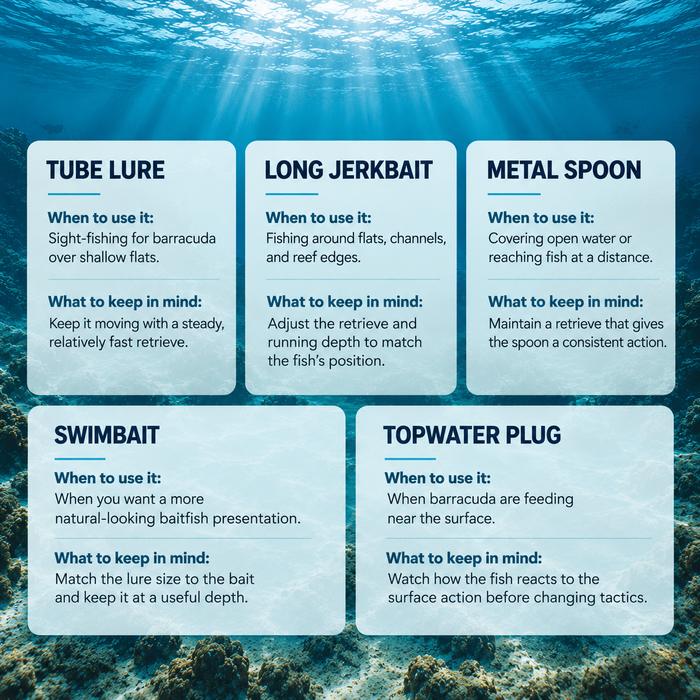
Rather than carrying several lures that do roughly the same thing, it's worth having a few options that let you change the presentation when conditions call for it. Here's how some popular choices compare.
You Might Also Like: Different Techniques for Fishing
Rig Your Lures With a Short Wire Leader
Whichever lure you choose, the leader matters just as much. Barracuda teeth cut through monofilament and light fluorocarbon with ease, and bite-offs are one of the most common ways these fish are lost. A short length of single-strand wire, roughly 40 to 60lbs and 8 to 12 inches long, is the standard choice. Brown or coffee-colored wire is harder for fish to see in clear water, and keeping it short helps preserve the lure's action.
You should also avoid shiny snaps and swivels near the lure where possible. A barracuda may strike the hardware instead of the bait, which usually ends in a cut line. A loop knot or haywire twist tied directly to the lure is the more reliable connection.
With that in mind, let's look at the types of lures for barracuda and when to use them.
Tube Lures for Shallow-Water Barracuda
If you're sight-fishing over a flat, a tube lure is worth considering because its long, slender profile resembles the baitfish barracuda often pursue. The presentation doesn't need to be complicated, but the timing of your cast matters. Try landing the lure ahead of the fish, then retrieve it across its path, so the barracuda has a chance to spot and chase it.
A steady retrieve is a sensible starting point, particularly when the fish is already moving toward the lure. If it follows closely without striking, you can experiment with a short burst of speed rather than slowing down immediately. Pay attention to whether the fish accelerates, maintains its distance, or turns away, as each response gives you a clue about what to try next.
Jerkbaits and Swimming Plugs for Covering Water
When you can't see individual fish or need to work a larger area, long jerkbaits and swimming plugs give you more flexibility. Depending on the model, they can cover different depths and imitate baitfish moving through the water, making them useful around channel edges, reef lines, and other areas where barracuda may be cruising.
The main thing is to keep track of where the lure is running. If you're seeing barracuda near the surface, but your lure is traveling much deeper, or the other way around, the fish may never get a convincing opportunity to strike. Start with a retrieve that gives the lure a clean action, then make small adjustments based on what you observe rather than changing speed, depth, and direction all at once.
Spoons and Swimbaits When Fish Won't Commit
Metal spoons are useful when you need extra casting distance or want to cover open water without spending too long on each cast. Their flash can attract attention, but the retrieve needs to suit the spoon you're using. If it starts spinning or losing its intended action, check your speed and setup before assuming the fish aren't interested.
Swimbaits give you another option when a barracuda keeps following a faster, flashier lure without taking it. Their swimming action can provide a different presentation, especially when you want to imitate the baitfish already present in the area. Choose a size that makes sense for the local forage and consider how deep the fish is holding before deciding how to retrieve it.
When a barracuda refuses a lure, try these adjustments before replacing your tackle:
Change the retrieve first: A brief increase in speed or a change in rhythm may be enough to trigger a response.
Check the running depth: If the fish is holding deeper, choose a presentation that reaches it instead of repeatedly working the surface.
Change your casting angle: Bringing the lure across the fish's path may create a better opportunity than retrieving directly toward it.
Match the local bait: Pay attention to the size and shape of the baitfish rather than choosing a lure based on color alone.
Give a wary fish some space: If a barracuda turns away after several attempts, move along the area and look for another opportunity.
There's no need to switch lures every time a barracuda follows without striking. Sometimes the lure is fine, but the presentation needs adjusting; other times, the fish may simply have lost interest. Making one change at a time helps you work out which is more likely and keeps you from abandoning a useful setup too soon.
What to Do When a Barracuda Follows but Won't Strike
A barracuda tracking your lure without striking gives you a chance to read its behavior, but the next move depends on how the fish is following. Is it closing the gap with each turn of the handle, sitting a few feet behind the lure, or following until the bait changes direction? These aren't necessarily the same problem, and changing lures immediately may not address what's putting the fish off.
Start by watching the fish's position relative to the lure. If it's accelerating and closing the distance, maintain your retrieve and consider a short speed increase to trigger a reaction. If it stays behind the lure at a consistent distance, try changing the presentation angle or running depth on the next cast. A fish that follows but never gets into a striking position may be responding to the lure without having a good opportunity to intercept it.
Adjust the Retrieve to the Fish's Response
Barracuda often attack moving prey with a short burst of acceleration, so retrieve speed and direction can influence when a strike happens. A steady, relatively fast retrieve is a useful starting point with slender baitfish imitations, but the goal is to maintain a convincing presentation rather than simply retrieve as quickly as possible.
If a barracuda is actively chasing, avoid slowing the lure abruptly just because the fish is close. Instead, maintain speed or add a brief acceleration while keeping the lure under control. If the fish repeatedly follows without closing in, change the angle of the next cast or try a different lure profile. A sudden stop or exaggerated twitch isn't automatically the answer; it may cause the lure to lose the action that attracted the fish in the first place.
Change the Interception Angle
When sight-fishing, cast placement can be as important as lure selection. A cast directly at a barracuda may land too close and spook it, while a lure retrieved straight toward the fish may give it little room to approach from the side. Try leading the fish and bringing the lure across its direction of travel.
If the barracuda is moving along a grass edge or reef line, position yourself so the lure crosses that route rather than running parallel to it for the entire retrieve. This creates an interception opportunity and lets you cover the fish's likely path without repeatedly casting over its head. In current, consider how the flow affects both the fish's movement and the lure's path before choosing your casting angle.
Also Check out: A Comprehensive Guide to Casting Techniques
Match the Lure's Running Depth to the Fish
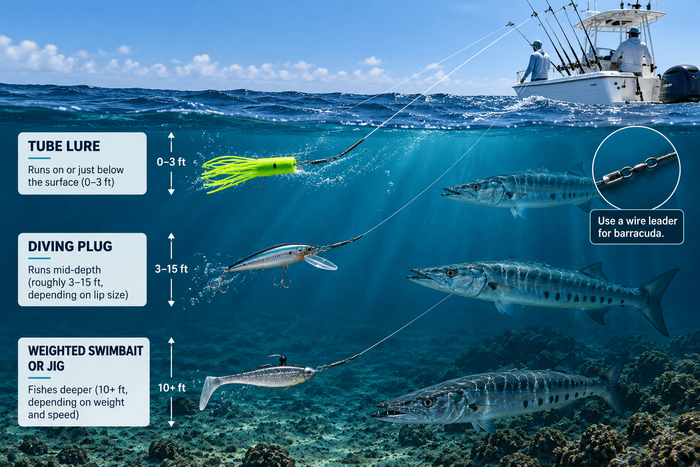
A barracuda following from below may be interested in the lure but reluctant to rise to it. Before changing color or size, consider whether the lure is traveling at the right depth.
A surface-running tube or plug can work well when fish are cruising high in the water, but a fish holding along a channel edge may respond better to a swimming plug or swimbait that runs lower. Use the fish's position and reaction to guide the adjustment. If it rises toward the lure and then drops away, try a different retrieve or a presentation that remains closer to its level.
If it never changes depth, make your next cast with a lure that runs nearer to where the fish is holding.
Know When to Stop Casting at the Same Fish
Repeated follows can tempt you to keep throwing at the same barracuda, but each pass may make the fish more cautious. After a couple of refusals, change your angle or give the fish some space instead of repeating an identical presentation. If it leaves the area, look for another barracuda rather than chasing it with casts.
Pay attention to the details of the encounter, including the lure used, retrieve speed, water depth, direction of travel, and the point at which the fish turned away. These observations help you make a more informed adjustment when another barracuda appears. Not every fish will commit, but a deliberate change in presentation is more useful than switching tackle without knowing what went wrong.
How to Fight, Land, and Handle a Barracuda Safely
Once a barracuda takes the lure, the priority shifts to keeping control of the fish. Barracuda can accelerate quickly, change direction without warning, and jump during the fight, so trying to overpower one can put unnecessary strain on your line and hooks. Keep the line tight, let the drag absorb sudden runs, and regain line when the fish slows down.
Where you're fishing also affects how you fight the fish. In open water, you may have room to let it run, but around reefs, wrecks, and other structure; you'll need to apply controlled pressure to keep it away from obstacles. Avoid locking the drag down completely, as a sudden change of direction can cause a break-off.
Before bringing the fish alongside, have your landing and dehooking tools ready. If you're fishing with a partner, decide who will control the rod and who will handle the landing to avoid having both people reach toward the fish at once.
A few precautions make the process safer:
Keep your hands away from the mouth: Barracuda have sharp teeth and can thrash suddenly, even when they appear tired.
Use long-handled pliers: Keep your hands clear of exposed hooks while removing the lure.
Avoid lifting large fish by the leader: Use suitable landing equipment and minimize unnecessary handling.
Release the fish carefully: If you're practicing catch and release, keep the fish in the water as much as possible and handle it gently. If removing a deeply embedded hook puts you at risk, don't force the process.
Additionally, make sure to check the local regulations before fishing, as size limits, harvest restrictions, and release requirements vary by location. If you're targeting barracuda in unfamiliar waters, a local guide can also help you plan the conditions and handle the fish safely.
This article on how fishing guides help anglers catch unfamiliar species explains how local knowledge and on-the-water guidance can help when targeting a new fish.
Can You Eat Barracuda? Ciguatera Risks and Regulations
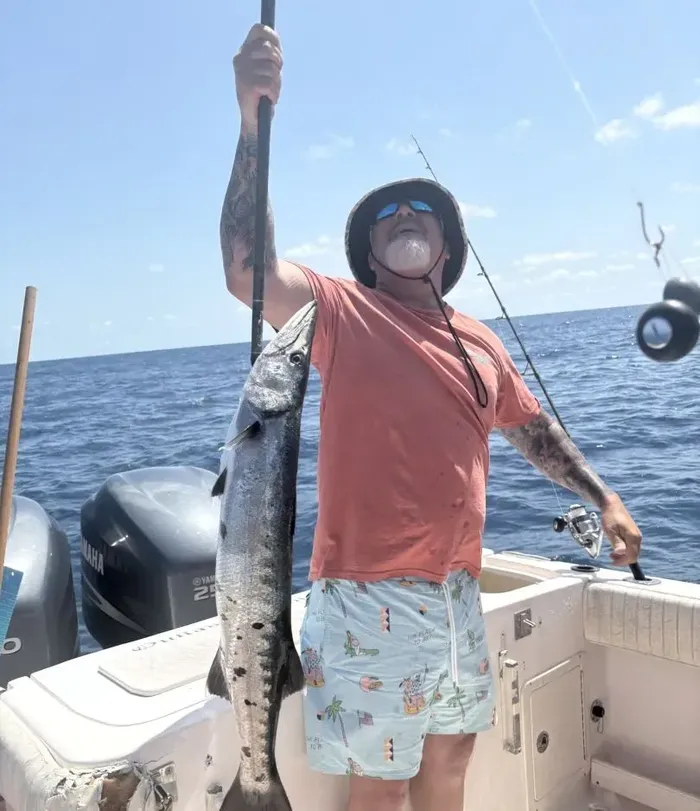
Barracuda can carry ciguatoxins in some tropical and subtropical reef environments. The toxins come from microalgae associated with coral reefs. Small fish eat the algae; larger predators eat those fish, and because the toxins are fat-soluble, they build up through the food chain.
That puts large predatory reef fish, especially barracuda, among the most common sources of ciguatera. The risk varies by location, and outbreaks are often very localized, so advice from one fishing destination may not apply to another. Ciguatoxins have no odor, color, or taste, and they are not destroyed by cooking or freezing.
The CDC advises people in areas where ciguatera occurs to avoid eating large predatory reef fish, especially barracuda, to avoid the head, viscera, and roe of any reef fish, and to avoid fish caught at sites with known ciguatera toxins. Before keeping one for food:
Look for guidance specific to the waters where you caught the fish.
Check local health advisories: Treat size as a risk factor, not a safety test: Larger, older barracuda carry a higher risk, but a smaller fish isn’t guaranteed to be safe, and appearance tells you nothing about whether a fish is toxic.
Follow official advice: If authorities advise against eating barracuda from a particular area, don’t assume cooking will make it safe.
Symptoms often begin with nausea, vomiting, or diarrhea and can include tingling, numbness, and a reversal of hot and cold sensations. Anyone who feels unwell after eating reef fish should seek medical care.
Advisory: Barracuda regulations, including size limits, bag limits, and protected areas, vary by country, state, and sometimes by region within a state. Always check the current rules with the local fisheries authority before keeping any fish.
Make Your Next Barracuda Catch Count
Barracuda fishing takes more than a fast retrieve and a lure that looks the part. Knowing where the fish are holding, reading their reaction to your presentation, and adjusting your approach when they refuse to strike can make a real difference. Pair that with a tackle suited to the conditions and a safe plan for landing the fish, and you'll be better prepared for whatever happens once the line tightens.
If you're looking to explore new fishing spots or learn from anglers who know the local water, check out Guidesly to discover fishing guides and plan your next barracuda fishing trip.