How Fishing Guides Help You Catch Species You’ve Never Caught Before
Discover how fishing guides use local knowledge, gear, and techniques to help anglers catch species they’ve never caught before on guided trips.


Targeting a new fish species for the first time often feels frustrating. You may have the right gear, solid patience, and plenty of enthusiasm, yet still come home empty-handed. Different species behave in specific ways, react to subtle environmental changes, and demand techniques that are hard to learn through trial and error alone. This is where fishing guides make a real difference. By combining deep local knowledge, real-time decisions on the water, and hands-on instruction, guides shorten the learning curve dramatically. They help anglers understand where fish hold, how conditions affect bites, and which techniques work in the moment. This blog breaks down how fishing guides help anglers succeed when chasing unfamiliar species across both freshwater and saltwater environments, focusing on practical skill-building and on-the-water strategy rather than simply explaining why guides are worth hiring.
Why Catching a New Fish Species Is Harder Than It Looks
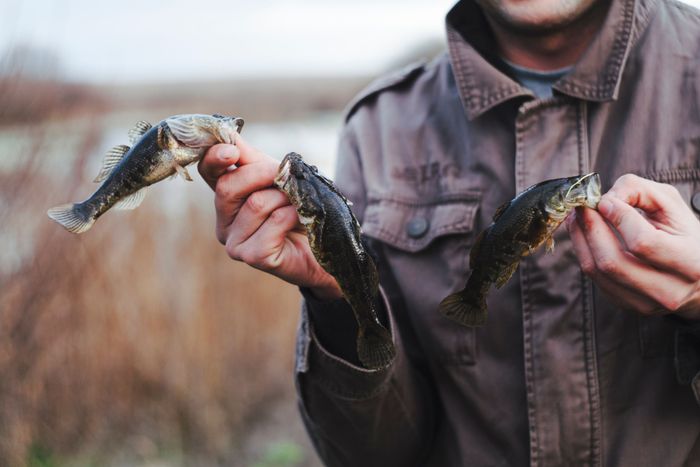
Catching a new fish species is harder than it looks because each species follows its own behavioral patterns. Feeding windows, preferred depths, movement styles, and reactions to lures vary widely. A technique that works perfectly for one species may completely fail for another. Many anglers underestimate how much small details like water temperature, light levels, or current speed influence whether a new species will bite.
Another challenge is habitat selection. Anglers often rely on online tips or general maps that do not reflect local conditions. Without understanding how a species uses structure, tides, or seasonal holding areas, time gets wasted fishing unproductive water. Trial-and-error learning can quickly become expensive, costing days on the water, fuel, and gear upgrades. Without local insight, progress is slow and frustrating, especially for beginners and intermediate anglers trying to expand their skills.
How Fishing Guides Use Local Knowledge to Target New Species
Fishing guides build authority through years spent learning specific waters, seasons, and fish behavior. Instead of relying on general advice, they apply localized insight and real-time judgment to each trip. This expertise allows guides to anticipate fish movements, adjust tactics quickly, and teach anglers proven methods that work in both freshwater and saltwater environments.
Understanding Species Behavior and Feeding Patterns
Fishing guides rely on clear behavioral frameworks to predict how unfamiliar species react under different conditions. They break these patterns into focused categories that make targeting new species more effective.
Seasonal and Environmental Triggers:
Track spawning cycles and post-spawn recovery periods
Monitor temperature thresholds that trigger feeding activity
Identify seasonal migrations between shallow and deep water
Adjust timing based on daylight length and sun position
Recognize seasonal baitfish movement patterns
Movement and Positioning Habits:
Identify how species position along structure edges
Understand depth preferences during feeding versus resting
Track how current influences are holding locations
Observe schooling versus solitary behavior
Adjust approach based on ambush or roaming tendencies
Feeding Windows and Strike Behavior:
Recognize short, high-activity feeding periods
Match lure size to the species' mouth structure
Adjust the retrieve speed based on aggression levels
Identify reaction strikes versus feeding strikes
Time presentations to peak bite windows
Reading Water Conditions in Real Time
Water conditions constantly change, and guides adjust strategies on the fly to stay aligned with active fish behavior. These decisions are based on observation, experience, and timing. These are the key adjustments guides make on the water:
Adapting to weather shifts: Guides immediately adjust locations, lure choices, and timing when wind, cloud cover, or pressure changes impact feeding behavior.
Water clarity and temperature changes: Guides refine lure color, size, and retrieve speed to match visibility levels and temperature-driven activity patterns.
Adjusting depth and presentation mid-trip: Guides reposition anglers and modify presentations to reach fish when conditions push them deeper or shallower.
Access to Productive and Restricted Fishing Locations
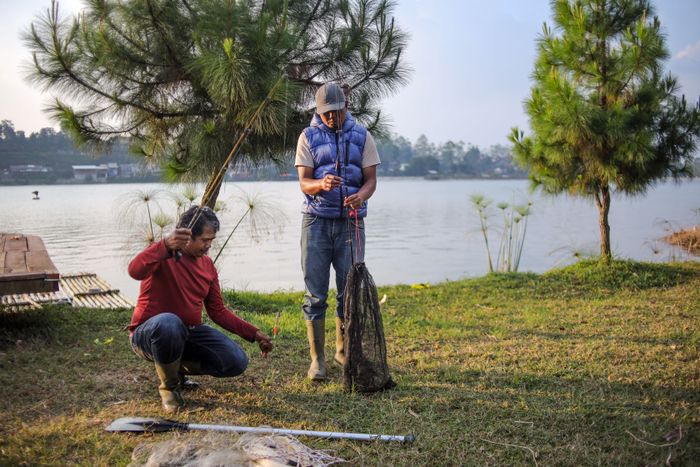
Fishing guides often access private waters and lesser-known entry points unavailable to most anglers. These areas experience less fishing pressure, allowing fish to behave naturally and feed more consistently. Guides also understand launch timing and positioning, placing anglers on productive water during peak feeding windows.
By avoiding crowded or overfished zones, guides create better opportunities to encounter new species. This controlled access increases success rates and helps anglers learn effective patterns faster.
How Guides Teach Species-Specific Fishing Techniques
Fishing guides focus on building practical skills that match the behavior of each species being targeted. Instead of generic methods, they teach anglers how and why techniques change from one fish to another. This hands-on approach helps anglers understand what works in real conditions, making it easier to apply those skills across different freshwater and saltwater environments.
Technique Adjustments Based on Species
Different species demand different approaches, and guides tailor techniques to match feeding style, habitat, and movement patterns. These are the key technique adjustments guides teach on the water:
Bottom-oriented vs ambush feeders: Guides adjust lure weight, retrieve speed, and positioning based on whether the species feed along the bottom or strike from cover.
Sight fishing vs blind casting: Guides teach visual targeting techniques or systematic casting patterns depending on water clarity and fish visibility.
Drift control and lure cadence: Guides manage boat position and drift speed to maintain natural lure movement through active feeding zones.
Trolling for active roaming species: Guides set precise trolling speeds and lure spreads to cover water efficiently when targeting wide-ranging fish.
Fly fishing presentation techniques: Guides teach fly placement, line control, and drift management to match insect or baitfish behavior accurately.
Hands-On Instruction You Cannot Learn Online
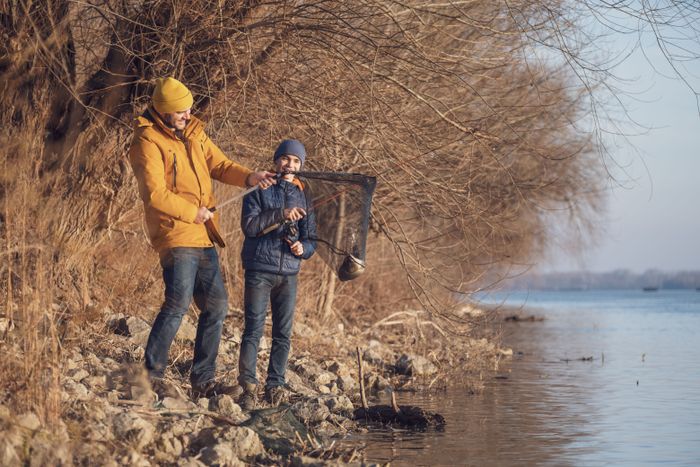
Guides provide real-time feedback that accelerates learning and corrects mistakes immediately. This type of instruction builds confidence and muscle memory faster than self-teaching. These are the hands-on skills guides developed during trips:
Casting accuracy: Guides correct casting angles and timing to place lures precisely near structure without spooking unfamiliar species.
Hook-set timing: Guides teach when to set the hook based on bite type, line tension, and species-specific mouth structure.
Fighting techniques for different species: Guides adjust rod angles and drag settings to control fish runs and reduce break-offs.
Landing fish safely: Guides demonstrate proper netting, lip gripping, and unhooking techniques to protect both angler and fish.
Specialized Gear Guides Provide for New Species
Targeting unfamiliar fish often requires specialized equipment that many anglers do not already own. Guides remove this barrier by providing proven gear matched to specific species and conditions. Instead of spending money on trial-and-error purchases, anglers gain hands-on experience with the right setups and learn how equipment choices directly affect performance and success.
Species-Matched Rods, Reels, and Lures
Guides select and adjust equipment based on species behavior, environment, and fishing style, helping anglers understand what truly works.
Why generic setups fail:
Incorrect rod action
Mismatched reel ratio
Poor line choice
Wrong lure profile
Limited sensitivity
Gear selection explained during the trip:
Rod length and power chosen for target depth
Reel size matched to retrieve speed requirements
Line type selected for abrasion resistance or stretch
Lure weight adjusted for current and structure
Terminal tackle optimized for hook-up efficiency
Learning when and why gear changes matter: Guides explain when gear adjustments are needed based on depth changes, current strength, fish behavior, and bite patterns, helping anglers respond quickly without relying on guesswork.
Using Electronics to Find Fish You’ve Never Targeted
Fishing electronics can feel overwhelming when targeting new species, but guides simplify the process through real-time explanation. They start with sonar and imaging basics, showing how depth changes, structure, and fish presence appear on screen. This helps anglers connect visual data to what is happening beneath the surface, turning electronics into a useful decision-making tool.
Guides then teach interpretation by identifying suspended fish versus structure-holding fish and explaining how each should be approached. Anglers learn when to fish vertically, when to cast horizontally, and how fish positioning changes throughout the day. This practical instruction builds confidence and reduces reliance on guesswork when exploring unfamiliar fisheries.
Safety and Conservation When Catching Unfamiliar Species
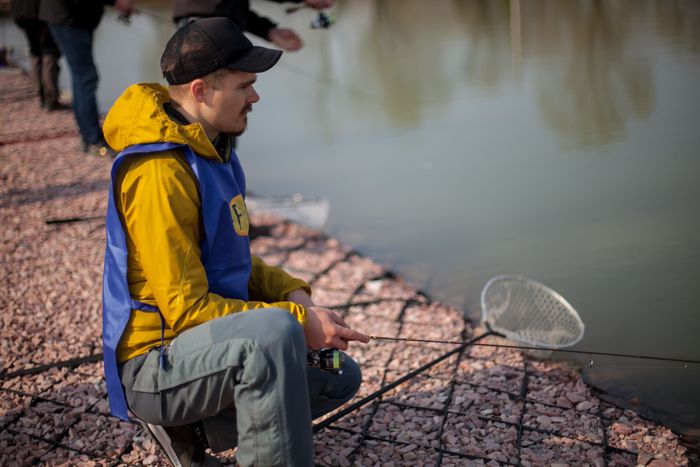
Catching a species for the first time comes with added responsibility for both angler safety and fish welfare. Guides prioritize proper handling, conservation ethics, and legal compliance to protect everyone involved. Their experience reduces risk while ensuring sustainable fishing practices are followed. These are the key safety and conservation practices guides that are enforced on the water:
Proper fish handling and release techniques: Guides demonstrate correct gripping, netting, and unhooking methods to minimize stress and injury while ensuring fish are released quickly and safely.
Avoiding injury from teeth, spines, or gill plates: Guides teach safe hand placement and tool usage to prevent cuts, punctures, or accidental injuries from unfamiliar fish anatomy.
Reducing post-release mortality: Guides limit air exposure, support fish during recovery, and release them in optimal conditions to increase survival after catch-and-release.
Species-specific handling practices: Guides adjust handling methods based on species sensitivity, body structure, and regulations to protect both angler and fish.
Staying compliant with local fishing regulations: Guides ensure anglers follow size limits, bag limits, seasonal closures, and protected species rules, preventing fines and unintentional violations.
Freshwater vs Saltwater Guides for First-Time Species
Choosing between a freshwater or saltwater guide depends on the species you want to catch and the environment in which you are most comfortable learning. While both types of guides focus on teaching fundamentals, the conditions, techniques, and challenges differ significantly. Freshwater guides often emphasize precision, structure, and seasonal patterns, while saltwater guides manage tides, currents, and constantly changing conditions. Understanding these differences helps anglers set realistic expectations when targeting a species for the first time.
Freshwater first-time species examples:
Bass
Crappie
Trout
Saltwater first-time species examples:
Redfish
Snapper
What to Expect on Your First Guided Trip for a New Species
A first guided trip is designed to remove uncertainty and help anglers feel prepared before they ever make a cast. Guides begin with pre-trip planning, discussing target species, conditions, and equipment so expectations are clear. Once on the water, they assess skill level and adjust instruction to match experience, ensuring the trip feels comfortable rather than overwhelming.
On the water, guides provide continuous coaching, offering real-time corrections and explaining each decision as conditions change. After landing a fish, guides focus on post-catch learning, breaking down what worked, why the bite happened, and how those lessons can be applied on future trips targeting similar species.
How Fishing With a Guide Builds Long-Term Skills
Fishing with a guide goes beyond a single successful trip and helps anglers develop skills they can apply for years. Through explanation, repetition, and real-time feedback, guides turn experiences into usable knowledge. This long-term approach allows anglers to grow independently across different waters and species. These are the lasting skills anglers gain from guided trips:
Transferring techniques to solo trips: Guides explain not just how techniques work, but when to use them, helping anglers confidently apply the same methods during future unguided fishing trips.
Understanding species patterns independently: Guides teach anglers how to read conditions, identify patterns, and predict fish behavior without relying on preset instructions or generic advice.
Confidence growth across new fisheries: Guided experience builds decision-making confidence, allowing anglers to adapt quickly and fish unfamiliar waters without hesitation or uncertainty.
How to Choose the Right Guide for a New Species
Choosing the right guide helps ensure a productive and educational first experience with a new species. Simple vetting makes it easier to match expectations and learning goals.
Key vetting factors:
Species specialization: Guides who focus on specific species understand behavior patterns, seasonal movement, and proven techniques, helping anglers succeed faster when targeting unfamiliar fish.
Regional experience: Local experience ensures guides know productive areas, timing, and conditions unique to the region, reducing wasted effort and improving overall catch consistency.
Teaching-focused trip style: Teaching-oriented guides explain decisions, adjust instruction to skill levels, and help anglers build techniques they can confidently apply on future trips.
Clear communication: Clear communication sets expectations, explains tactics, and ensures anglers understand goals, safety guidelines, and adjustments throughout the entire fishing trip.
Verified profiles: Verified profiles confirm guide credentials, experience, and legitimacy, helping anglers book with confidence and avoid unreliable or misrepresented services.
Positive angler reviews: Reviews reveal real trip experiences, consistency, professionalism, and teaching ability, offering valuable insight before choosing a guide for a new species.
Conclusion
Fishing guides do more than lead trips; they act as learning partners who help anglers understand new species with clarity and confidence. Their guidance delivers faster success, safer learning, and fewer costly mistakes when targeting unfamiliar fish. Through real-time coaching, local insight, and hands-on instruction, anglers build skills that last well beyond a single outing. Instead of guessing, anglers learn how to adapt, read conditions, and make better decisions independently. If you are ready to expand your experience and catch species you have never caught before, explore Guidesly to find experienced, species-specific fishing guides that match your goals, location, and preferred fishing style for responsible and rewarding guided fishing trips.
FAQs
How long do guided trips usually last for first-time species?
Most guided trips last four to eight hours, depending on species, conditions, and travel distance, with half-day options ideal for beginners seeking focused learning sessions.How much does it cost to hire a fishing guide?
Costs vary by region, boat type, and species, but many guides offer shared or introductory rates that reduce expenses for first-time anglers significantly overall value.Do I need a fishing license when booking a guide?
You need a valid fishing license for the state or country, while most guides handle permits, rules, and reporting requirements locally when required by law.Can beginners or kids join guided fishing trips?
Guides welcome beginners, families, and kids, often adjusting pacing, safety briefings, and instruction to ensure comfortable, age-appropriate experiences on the water for all participants involved.Is there a best season to book a guide for new species?
Trips run year-round, but seasonality matters; booking during peak windows improves availability, weather stability, and target species success rates overall for first-time anglers planning ahead.Do I need to own my own fishing gear?
Owning personal gear isn't required; most guides supply equipment, though bringing favorites is fine after confirming compatibility and safety standards beforehand with the selected guide.Do guides guarantee you will catch fish?
No guide can guarantee fish, but experienced professionals improve odds through planning, timing, and adaptation, maximizing productive opportunities during your outing despite variable natural conditions.Is tipping fishing guides expected?
Tipping is customary in many regions; fifteen to twenty percent reflects service, effort, and instruction, adjusted for group size and trip length when satisfied overall.What group sizes are typical on guided trips?
Group sizes vary, with private trips offering personalized attention and shared options lowering costs while maintaining learning quality for participants on busy seasonal dates, too.Do guides travel to different fishing locations?
Many guides travel to nearby waters, but confirm range, launch points, and fees in advance to avoid surprises on trip day for remote destinations specifically.