Why Professional Guides Care About Ethical & Sustainable Fishing
Learn why professional fishing guides prioritize ethical and sustainable fishing to protect ecosystems, ensure safety, and build long-term trust with anglers.


Professional fishing guides care deeply about ethical & sustainable fishing because their livelihoods, reputations, and the future of the waters they work on depend on it. For guides, fishing is not a short-term activity or a one-time experience. It is a long-term relationship with fish populations, habitats, and local ecosystems. Ethical practices help ensure healthy fisheries, safer trips, and consistent catch quality for years to come. Guides also understand the influence they have on anglers, especially beginners and families, who often learn fishing habits directly from them. By prioritizing sustainability, professional guides protect fish welfare, preserve natural balance, and build trust with clients who value responsible outdoor experiences. Ethical fishing is not just about conservation. It is about professionalism, safety, education, and ensuring that future generations can enjoy the same waters with confidence.
Ethical & Sustainable Fishing Is a Business Necessity for Professional Guides
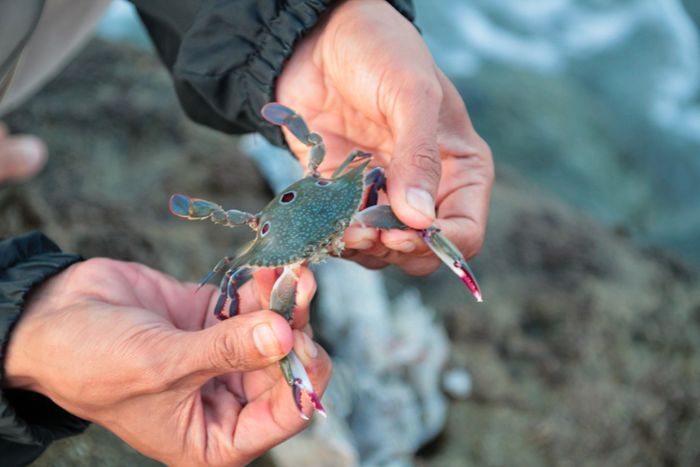
For professional fishing guides, ethical and sustainable fishing is not optional. It is a foundation for trust, credibility, and long-term reliability. Guides operate in natural environments where fish populations and habitats directly affect trip outcomes. Responsible practices protect these resources, reduce risk, and create consistency for clients who expect safe, ethical, and dependable fishing experiences year after year.
Guides Depend on Healthy Fish Populations for Long-Term Survival
Healthy fish populations are the core asset of a guiding business. Without stable fisheries, even the most skilled guide cannot deliver quality trips. Consistent catches, safe handling, and balanced ecosystems allow guides to meet client expectations across seasons.
Overfishing quickly damages trip success, leading to fewer bites, shorter action windows, and disappointed anglers. This directly impacts repeat bookings, reviews, and referrals. Sustainable fishing practices protect future income by ensuring fish stocks remain strong, not just ecosystems.
Sustainable Practices Support Premium, Experience-Driven Trips
Sustainable fishing practices allow professional guides to offer more than just a successful catch. They create thoughtful, high-quality experiences that align with modern angler values. Today’s clients look for guides who respect nature, prioritize safety, and deliver meaningful time on the water. Ethical decisions made before and during the trip build confidence, enhance satisfaction, and encourage long-term relationships. These practices elevate fishing from an activity into a trusted experience. These are the key ways sustainability supports premium, experience-driven trips:
Eco-Conscious Appeal: Guides attract anglers who value responsibility, conservation, and ethical outdoor experiences over short-term catch results.
Pre-Trip Trust: Clear, sustainable practices reassure clients before booking, reducing uncertainty and strengthening confidence in the guide’s professionalism.
Reputation Growth: Ethical positioning leads to stronger reviews, repeat bookings, and organic referrals built on trust and consistent experiences.
Long-Term Economic Viability Drives Ethical Fishing Decisions
For professional guides, ethical fishing is closely tied to financial stability and long-term success. Sustainable choices protect the resources that generate income while reducing uncertainty caused by declining fisheries or regulatory pressure. Guides who plan for the future understand that conservation is not a cost. It is an investment that supports consistent bookings, predictable seasons, and a resilient guiding business.
Fish Conservation Protects a Guide’s Future Income
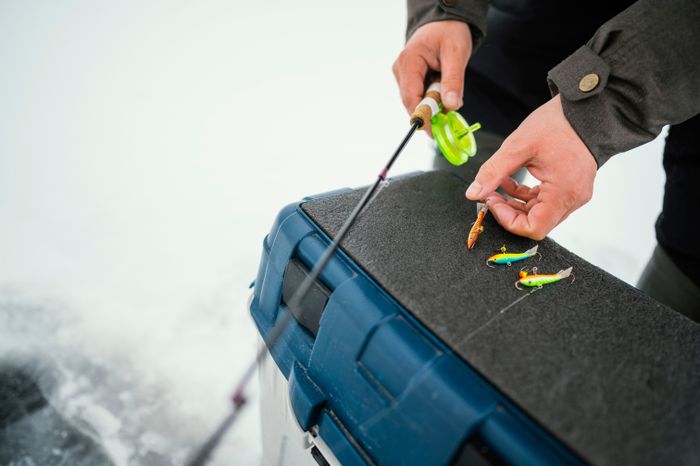
Healthy fisheries are essential to a guide’s long-term success. Conservation decisions directly affect trip quality, seasonal reliability, and income stability. Protecting fish populations ensures consistent experiences for clients and predictable business outcomes.
Key impacts:
Overharvesting reduces local fish availability and seasonal consistency
Fewer fish lead to lower catch rates and weaker trip outcomes
Damaged habitats limit long-term guiding opportunities
Declining fisheries reduce repeat bookings and referrals
Why guides act early:
Guides notice population changes through daily on-water experience
Fish behavior shifts appear before formal data is available
Early action helps prevent long-term resource loss
Proactive conservation protects future income
Business outcome:
Stable fisheries support consistent bookings
Healthy fish stocks ensure long-term access
Ethical practices protect business continuity
Reduced Operational Risk Through Sustainable Methods
Sustainable methods help guide managers manage risk while maintaining consistent service quality. Low-impact decisions reduce wear on equipment, limit environmental exposure, and protect operating margins over time. These approaches create stability even as environmental conditions change. These are the key operational benefits of sustainable fishing methods:
Efficient Operations: Fuel-efficient routes and low-impact techniques reduce daily expenses while minimizing environmental disturbance during guided trips.
Lower Losses: Responsible gear use leads to less equipment loss, fewer fines, and reduced exposure to environmental penalties.
Cost Stability: Sustainable practices support predictable long-term costs, protecting profitability across changing seasons and regulations.
Ethical Fishing Aligns With Growing Ecotourism Demand
Ethical fishing experiences attract anglers who value responsibility, education, and environmental care. These clients are more intentional, better prepared, and often willing to invest in premium trips that align with their values. Sustainability becomes part of the experience, not just a policy, increasing satisfaction and engagement.
As destinations emphasize conservation, guides who practice ethical fishing strengthen the reputation of local fisheries. Over time, these guides become trusted local experts rather than simple service providers. Their role expands into education, stewardship, and long-term community value, reinforcing both economic and environmental sustainability.
Ecological Stewardship Is Central to Professional Guiding

Professional fishing guides work directly within fragile ecosystems every day. Their success depends on healthy waters, balanced species, and protected habitats. Ecological stewardship helps maintain stable fisheries, reduces environmental damage, and ensures safe, productive trips. Guides see the long-term effects of environmental changes before most people do, which makes responsible action a practical necessity, not a theory.
Maintaining Biodiversity Keeps Fisheries Stable
Biodiversity keeps fisheries productive and resilient. Each species plays a role in maintaining balance within the ecosystem. When that balance breaks, fisheries decline quickly.
Balanced predator and prey populations prevent sudden ecosystem collapse
Removing key species causes cascading failures across the food web
Biodiversity loss reduces fish availability and seasonal reliability
Guides observe these changes firsthand through daily time on the water
Habitat Protection Preserves Fish Nurseries
Fish habitats serve as breeding and nursery grounds essential for future populations. Protecting these areas ensures long-term fish health and sustainable guiding opportunities.
Reefs, mangroves, and seagrass beds support juvenile fish development
Ethical anchoring prevents damage to sensitive underwater habitats
Responsible navigation reduces shoreline and bottom disruption
Avoiding spawning zones protects fish during critical life stages
Preventing Ghost Fishing Through Responsible Gear Management
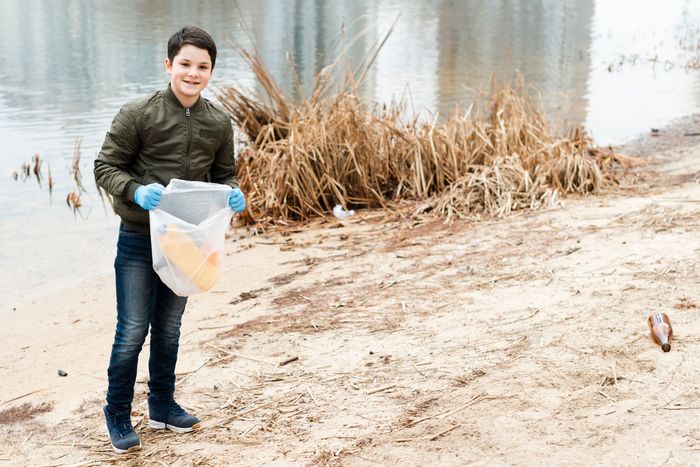
Preventing ghost fishing is an important responsibility for professional fishing guides who work in sensitive ecosystems. Proper disposal of fishing lines, nets, and hooks helps stop abandoned gear from continuing to trap and injure wildlife. Guides also remove debris during trips and teach clients responsible handling practices. These small actions significantly reduce long-term environmental damage and protect fish populations for future seasons.
Professional Guides Shape Angler Behavior On and Off the Water
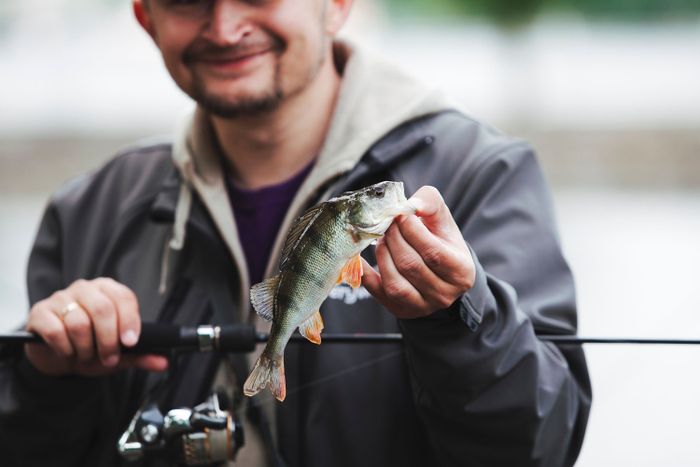
Professional fishing guides influence more than just where and how people fish. Their actions, decisions, and teaching moments shape angler habits long after the trip ends. Clients often mirror what they see on the water, trusting guides as experienced leaders. Ethical guidance builds safer practices, stronger conservation awareness, and responsible fishing behavior that carries forward for years. These are the key ways professional guides shape angler behavior:
Trusted Role Models: Clients closely observe guides and adopt their techniques, attitudes, and ethics, often carrying those habits into every future fishing trip.
Lasting Influence: A single guided experience can shape years of fishing behavior, spreading ethical practices far beyond the original trip.
Catch and Release Education: Guides teach barbless hooks, rubberized nets, minimal air exposure, and proper revival to reduce stress and improve fish survival.
Hands-On Learning: Real-time demonstrations make conservation practices easier to understand and more likely to be followed by anglers.
Regulation Awareness: Guides explain size limits, seasons, and bag rules clearly, helping anglers understand why regulations exist and how they protect fisheries.
Scientific Support: Many guides assist researchers by sharing field observations and data, strengthening conservation efforts through real-world experience.
Ethical Responsibility Protects the Integrity of the Sport
Ethical responsibility has become central to modern fishing, especially for professional guides who influence how the sport is practiced. Research now recognizes that fish experience stress and pain, which places greater responsibility on those handling them. Guides reduce unnecessary harm through careful landing, handling, and release techniques. Ethical practices improve survival rates and ensure fishing remains a respectful activity rather than a purely extractive one.
Ethics also extend beyond fish welfare to people and communities. Professional guides respect local and indigenous fishing rights while helping prevent resource monopolization. By supporting fair access and responsible use, guides protect shared waters and ensure future generations can fish safely, confidently, and sustainably.
How Ethical Fishing Builds Trust With Families and New Anglers
Ethical fishing helps families and new anglers feel safe, informed, and confident on the water. Responsible practices create predictable experiences where learning comes first, and risk is minimized. Professional guides use ethics as a teaching tool, helping guests understand not just how to fish, but how to fish responsibly from the start.
Parents Prioritize Safety and Responsibility
Parents value fishing trips that protect both people and the environment. Ethical practices help guide creators to create controlled, family-friendly experiences.
Ethical fishing practices reduce safety risks during handling and release
Predictable fish handling improves safety for children and beginners
Clear conservation rules prevent confusion and unsafe behavior
Responsible guidance builds parental trust and confidence
First-Time Anglers Learn Correct Habits From Day One
For beginners, ethical instruction shapes how they fish long-term. Guides help new anglers build confidence while learning responsible habits.
Ethical foundations shape lifelong fishing behavior
Proper handling techniques are learned early and practiced consistently
Guides reduce mistakes that cause unnecessary harm
Responsible instruction builds confidence and skill together
Why Ethical & Sustainable Fishing Defines Professionalism in Guiding
Professionalism in fishing goes beyond skill and local knowledge. It reflects how guides treat fish, respect ecosystems, and educate clients. Ethical and sustainable practices show long-term thinking, accountability, and leadership on the water. These choices separate true professionals from short-term operators and build trust with clients who value responsible experiences. These are the key reasons ethical and sustainable fishing defines professional guiding:
Long-Term Vision: Ethical guides plan for future seasons, protecting fish populations and habitats to ensure consistent opportunities for years ahead.
Client Trust: Sustainable practices signal reliability and responsibility, helping clients feel confident in the guide’s expertise and decision-making.
Skill and Discipline: Ethical fishing requires precise handling, patience, and knowledge that reflect a higher level of professional competence.
Leadership Example: Professional guides model responsible behavior that clients adopt, extending ethical fishing beyond a single trip.
Industry Credibility: Sustainable practices strengthen a guide’s reputation and position them as a trusted leader within the fishing community.
Conclusion
Ethical and sustainable fishing plays a vital role in protecting ecosystems, supporting guide livelihoods, and building lasting trust with anglers. When professional guides prioritize responsible practices, they create safer, more meaningful fishing experiences for families, beginners, and seasoned anglers alike. These choices help maintain healthy fish populations, preserve habitats, and ensure the sport remains enjoyable and accessible for future generations. Choosing an ethical guide is not just about today’s trip. It is about protecting the waters, communities, and traditions that make fishing special. At Guidesly, anglers can confidently connect with professional guides who value sustainability, safety, and integrity. Explore trusted guides, book responsible fishing trips, and support ethical fishing practices that protect the sport for generations to come.
FAQs
How does ethical fishing benefit the environment?
Ethical fishing improves water quality, reduces bycatch, supports balanced ecosystems, and helps fisheries adapt to climate change while maintaining long-term recreational and economic value.How can anglers identify ethical fishing guides before booking?
Anglers can review guide profiles, client reviews, conservation policies, safety briefings, and pre-trip communication to identify guides committed to responsible and ethical fishing practices.What is the difference between sustainable and conventional fishing?
Sustainable fishing focuses on minimal impact, selective harvest, and long-term resource health, while conventional fishing often prioritizes short-term catch volume and immediate results.Does ethical fishing improve safety during guided trips?
Ethical fishing improves safety through clear rules, controlled handling, responsible equipment use, and calm instruction, especially for families and first-time anglers.Can ethical fishing support tourism growth?
Ethical fishing supports tourism by preserving destinations, strengthening reputations, attracting conscious travelers, and encouraging repeat visits that benefit local economies sustainably.How does ethical fishing relate to fishing regulations?
Ethical fishing aligns with regulations by promoting compliance, reducing violations, and helping guides adapt smoothly to changing rules without disrupting trip quality.What role does technology play in ethical fishing?
Technology aids ethical fishing through GPS navigation, digital tracking, weather tools, and data sharing that improve decision-making, conservation accuracy, and operational transparency.Why is ethical fishing education important?
Ethical fishing education creates informed anglers who respect limits, handle fish responsibly, support conservation efforts, and promote responsible practices within their communities.Does sustainability matter in freshwater fishing?
Sustainability is critical in freshwater fishing because lakes and rivers recover slowly, face pollution pressures, and require careful management to maintain healthy fish populations.Why should anglers choose ethical fishing guides?
Choosing ethical fishing guides ensures responsible practices, clear expectations, educational experiences, and long-term enjoyment of fisheries for future anglers.