Fly Fishing vs. Spin Fishing for Trout: When to Use Each
Fly fishing vs. spin fishing for trout? Compare the tactics, tackle, and presentations that can make the difference when trout change their feeding patterns.
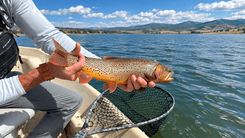
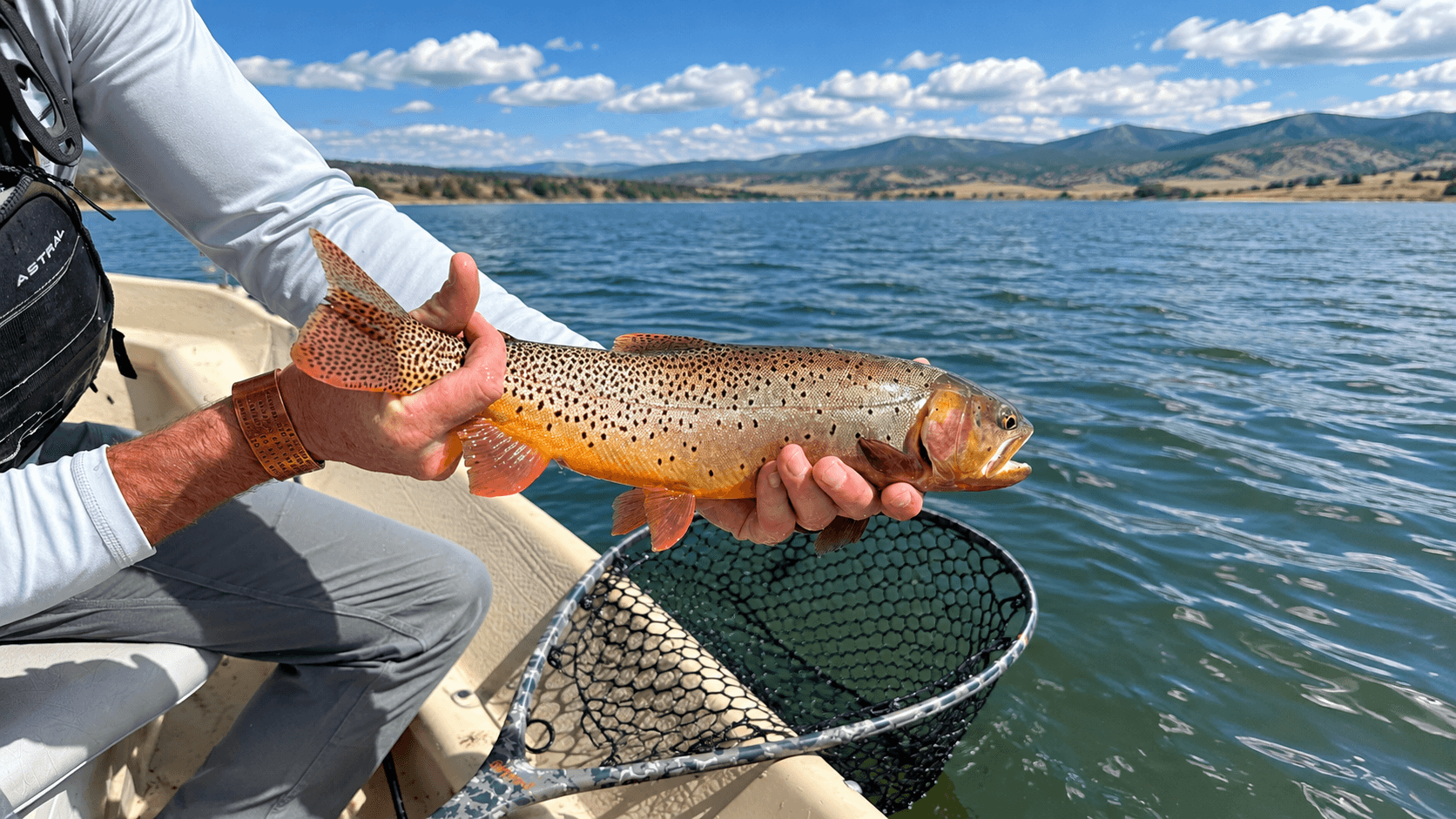


Trout have a habit of making a simple fishing trip more complicated than expected. You can find them rising to insects one day and struggling to get a bite on the same stretch of water the next. Sometimes they're right under the surface. Other times, they're sitting deep enough that you wouldn't know they were there unless you put a lure in front of them.
That's one reason the fly fishing vs. spin fishing debate doesn't have a simple winner. A fly fishing rod gives you a lot of control over a light fly and how it moves through the current. A spinning fishing rod and reel gives you more weight behind the cast, which can be handy when you need to reach farther or get a lure down quickly.
So, which fishing method should you use for trout? It depends on what the fish are doing.
Fly Fishing vs. Spin Fishing for Trout: What's the Difference?
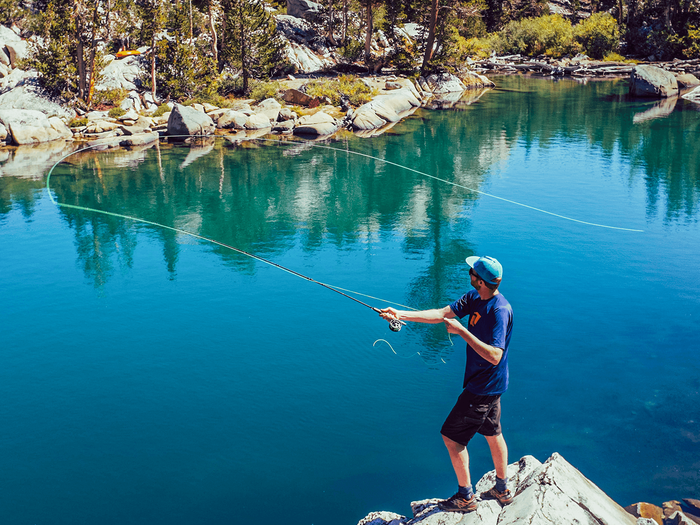
The biggest difference isn't really the rod. It's the line and what carries the cast. A fly is usually too light to cast by itself. With fly fishing, the fly line provides the weight. The rod loads as you cast, carrying the line and the lightweight fly toward the target. Spin fishing works differently. The lure provides the weight, so a spinning fishing rod can cast a small spinner, spoon, jig, or minnow-style lure without needing a weighted line. You notice the difference once you're actually fishing.
With a fly setup, you can work on the drift, mend line, change the depth, and make small adjustments to how the fly travels through current. With spinning tackle, the changes tend to be more immediate. Change the lure, let it sink longer, alter the retrieve, or cast somewhere else.
Both methods give you plenty to work with. They just give you different ways of doing it.
Suggested Read: Guide to Types of Trout Fish in North America
How Fly Fishing Changes Your Presentation
A fly fishing rod is built around a very light offering. That's important when you're using small fishing flies, dry flies, or nymphs. The fly itself doesn't provide much casting weight, so the line has to do that job. Once the fly is in the water, presentation becomes the bigger concern.
You will likely have to:
Mend the line to keep the fly drifting naturally.
Change the depth.
Adjust the drift as the current changes.
Move from a dry fly to a nymph.
Switch to a streamer when trout start chasing larger prey.
The cast gets the fly there. What you do with the line afterward determines what the trout sees.
How Spin Fishing for Trout Changes Your Approach
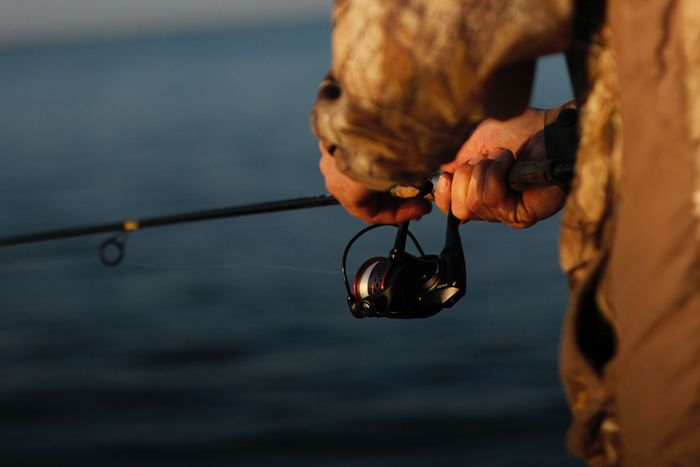
Spinning tackle is a little more straightforward. The lure loads the rod and carries the cast, which makes it easier to get a small offering out, without worrying about how much weight is in the line.
That's useful when you're fishing unfamiliar water and don't yet know where the trout are. You can cover a pool with a spinner, change to a spoon if you need more depth, or let a lure sink before starting the retrieve.
The spinning fishing reel also gives you direct control over the line while you're working the lure. And sometimes that's exactly what you need. If trout are spread out, you don't necessarily want to spend ten minutes perfecting one drift when you could be checking several likely holding spots.
When Is Fly Fishing Better for Trout?
Fly fishing has a real advantage when the trout are focused on small, natural food and the way that food moves. That doesn't always mean matching an insect perfectly. You may simply need the right size, a convincing shape, and a natural drift.
When Trout Are Rising to Insects
If trout are coming to the surface, stop and look before choosing a fly. Figure out what's actually on the water. It could be mayflies, caddis, midges, ants, beetles, or grasshoppers. The insects don't need to be identified with absolute certainty. Their approximate size and shape can still tell you a lot.
This is when carrying different fishing flies for trout fishing becomes useful. You can start with a reasonable match and change it if the trout aren't interested. It's also best to not assume the fish have stopped feeding just because the rises disappear. They may have simply moved below the surface.
When Trout Are Feeding Below the Surface
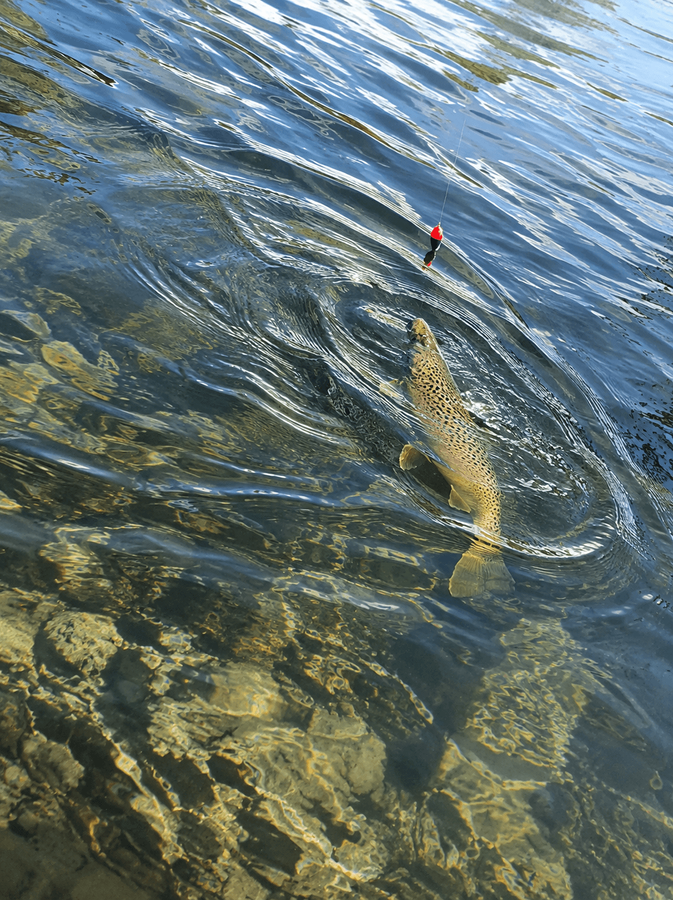
A quiet surface doesn't tell you much about what's happening underneath. Trout spend plenty of time feeding below the surface, particularly around deeper runs, riffles, and seams.
Nymphs are designed for these situations. Getting one into the feeding zone may take a little experimenting. You can adjust the weight, leader length, indicator position, or the rest of the rig to change how deep the fly travels.
For anglers who are comfortable fishing nymphs, this is one of the biggest reasons to carry a fly setup.
When You Need a Natural Drift
This is where moving water gets interesting. A river doesn't move at one speed. One section can be slow while the water beside it is moving much faster. If your line crosses those different currents, it can pull the fly along unnaturally.
Trout that have seen enough artificial presentations can notice it. Good fly fishing casting helps, but it isn't the whole solution. Mending, leader length, line placement, your casting angle, and where you're standing all affect the final drift. Sometimes the fly is fine. The way it's drifting is the problem.
When Trout Are Being Selective
Clear water tends to expose mistakes. A trout can get a good look at a fly when visibility is high, and small details suddenly matter. A heavy tippet or a poor drift may be enough to make a fish turn away. This is one situation where fly fishing gives you plenty of room to adjust.
You can go smaller with the fly, use lighter tippet, lengthen the leader, or work on making the presentation quieter. It won't make selective trout easy. It gives you more ways to respond to them.
You Might Also Like: 5 Tips So Trout Won't See You
Fly Fishing vs. Spin Fishing: Which Works Better in Different Conditions?
There is no specific answer as to whether spin fishing or fly fishing for trout is better. It all comes down to the conditions you're working with. For instance:
Trout Fishing Condition | Fly Fishing | Spin Fishing |
Trout rising during a hatch | Excellent for matching insects and controlling the drift | Can catch fish, but is harder to match a specific hatch |
Clear, shallow water with small, subtle lures | Excellent with small flies and a careful approach | Effective with small, subtle lures |
Deep pools | Nymphs, streamers, or sinking lines can reach fish | Weighted lures make it easy to get down quickly |
Strong wind | More challenging, particularly with small flies | Usually easier because the lure provides casting weight |
Large areas to search | Better suited to working specific lies methodically | Excellent for covering water and locating active fish |
Trout feeding selectively | Strong advantage when you can match the food source | Requires more attention to lure size and movement |
Trout chasing baitfish | Streamers can be very effective | Small spoons, spinners, and minnow-style lures can work well |
Changing depth | May require changing flies, leader, or line setup | Often as simple as changing lure weight or retrieve |
The important thing is not to treat these as a set of hard rules. Trout can break just about every rule when conditions change. Watch where they're holding, what they're feeding on, and how willing they are to move for a meal. Then choose the method that gives you the best way to reach them.
What Fly Fishing Equipment Do You Need for Trout?
You don't need a massive collection of gear to fish for trout. The setup should make sense for the water you're fishing and the flies you're planning to use.
Fly Fishing Rod
Your fly fishing rod affects casting, reach, line control, and how delicately you can present a fly.
Small streams: A lighter rod is useful for smaller fish and tight casting situations.
Open water: A longer rod can give you more reach and help with line control.
Streamers and larger trout: A heavier setup makes more sense when you're regularly casting larger flies or dealing with stronger fish.
There's no reason to choose a rod simply because it's a popular model or setup. Start with focusing on the water.
Fly Fishing Reels
The fly fishing reel holds your line and backing. For smaller trout, balance and smooth operation are usually more important than having an especially powerful drag.
That changes when you're dealing with larger fish or bigger rivers. If a trout can take a long run, the reel's drag becomes much more important.
Fly Fishing Line
The fly fishing line carries the cast. A floating line covers a wide range of trout fishing situations. Sinking and specialized lines become useful when you need to keep the fly deeper, particularly while streamer fishing.
Line choice also affects how you control the fly after it lands, so it should fit the presentation you're trying to make.
Leader and Tippet
The leader and tippet connect the heavier fly line to the fly. In clear water, that connection deserves more attention. Trout have more opportunity to inspect an offering, so a setup that is heavier than necessary may work against you.
What Spinning Gear Works Best for Trout?
Spinning gear doesn't require as many pieces, but the rod, reel, and line still need to make sense together. Think about the size of your trout, the lures you're using, and the type of water. Apart from that, here are a few things to consider before you head out spin fishing for trout.
Trout Spinning Rod
A trout spinning rod should comfortably cast the lure weights you're using without being unnecessarily heavy. A shorter rod can be easier to handle on narrow streams with trees and steep banks. Larger rivers and lakes give you more room, so a longer spinning fishing rod can be useful when extra casting distance matters.
Spinning Fishing Reel
For most trout fishing, a lightweight spinning fishing reel is plenty. Smooth operation and reliable line management are more useful than simply buying a larger reel. If you're fishing very light tackle, a spinning reel designed for finesse fishing can be a good fit for lighter line and smaller lures.
Line for Trout Spinning
Line affects casting, lure movement, and how much protection you have around cover. Lighter line works well with small lures and can make casting them easier. Heavier lines give you more confidence around rocks, wood, and other structures.
Water clarity and the size of the trout matter here too.
What Flies and Lures Work Best for Trout?
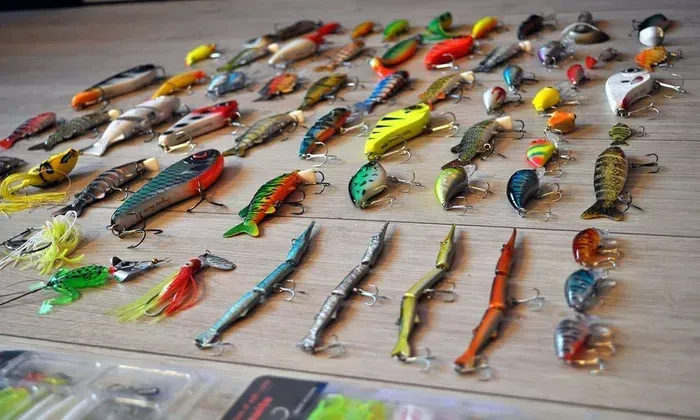
The offerings are different, but the goal is the same: give the trout something they want to eat. The right choice depends on where trout are feeding and what they're willing to chase. Surface activity calls for a different presentation than fish holding deeper or looking for larger prey. Consider the following lure options for good results.
Dry Flies, Nymphs, and Streamers
A useful selection of fishing flies could include:
Dry flies: For trout feeding on the surface. Look at the general size and profile of the insects around you.
Nymphs: For fish feeding below the surface.
Streamers: For trout willing to chase a larger meal, such as baitfish or leech.
Terrestrial flies: Ants, beetles, grasshoppers, and other land insects that end up in the water.
Streamers are worth a closer look because they change the way you fish. Also remember that you aren't limited to a dead drift. Strip the fly, pause it, swing it through the current, or change direction. Trout that aren't interested in a slowly drifting fly may react differently to something that looks like prey trying to get away.
Spinning Lures for Trout
Small spinners, spoons, jigs, and minnow-style lures are all useful options for trout. A spinner adds flash and vibration. A spoon can help you reach deeper water. A small minnow-style lure makes sense when trout are chasing baitfish.
The retrieve matters just as much as the lure. A lure crawled through the water can look completely different from the same lure moving quickly.
What Trout Fishing Techniques Work with Spin and Fly Fishing?
The equipment gets you started. The way you use it determines what the trout actually sees.
Fly Fishing Techniques for Trout
With fly fishing, you're usually managing depth, drift, line, and movement. A dry fly needs a clean landing and a convincing drift. A nymph needs to reach the right depth. A streamer can be stripped, paused, swung, or moved across the current.
Fly fishing casting is only the first part. Once the fly lands, line management takes over.
Spin Fishing Techniques for Trout
There are several easy things to change with spinning tackle:
Retrieve speed: Slow down when trout aren't chasing. Speed up when fish are actively moving after prey.
Depth: Give the lure more time to sink if fish are holding deeper.
Casting angle: Try working the current from another direction.
Cadence: Add pauses or vary the retrieve.
Lure size: Downsize when trout are cautious or the water is clear. Try a larger profile when fish are chasing bigger prey.
Before changing lures five times, change one of these variables and see whether it impacts your result as desired.
How Does Water Type Affect the Trout Fishing Method?
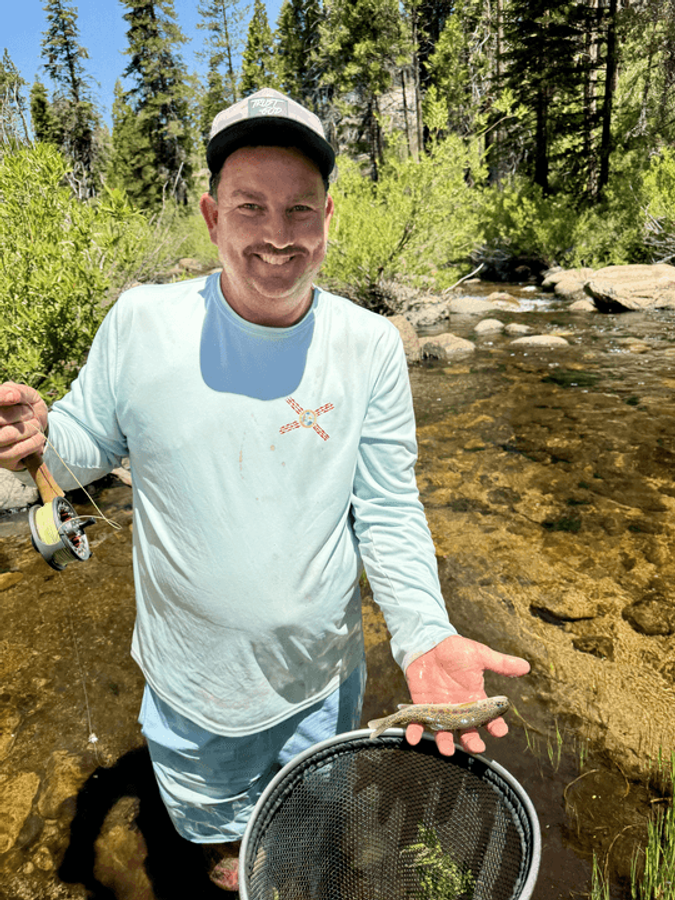
Where you're fishing can matter just as much as what the trout are eating. Let's take a look at different types of water bodies and the techniques you can use there.
Small Mountain Streams
Small streams don't give you much room to work. A shorter fly fishing rod can help around overhanging branches, while a short trout spinning rod can make it easier to drop a lure into small pockets. Long casts aren't usually the priority here; getting close without spooking the fish is.
Larger Rivers
There's more room on a larger river, and both methods can take advantage of it. Fly anglers can work seams, riffles, eddies, banks, and deeper runs individually. Spin anglers can make longer casts and use different lure weights to search the water column.
If you already know where the trout are feeding, fly fishing can let you work that area carefully. If you're still looking for fish, spinning can help you cover more ground.
Lakes and Reservoirs
Large stillwater changes the problem again. Distance and depth become more important, which can give spinning tackle an advantage. Fly fishing still works, particularly when trout are feeding near the surface or chasing streamers. It just requires a different approach to covering water.
Does Season Change Which Trout Fishing Method Works the Best?
Trout don't behave the same way throughout the year, and that can affect which technique makes the most sense. As water temperatures change, so do feeding patterns, insect activity, water levels, and the depth at which trout tend to hold. Here's how those seasonal shifts can influence the choice between fly fishing and spin fishing.
Spring
Spring can bring more insect activity, which creates opportunities for fly anglers. Higher flows can also push trout toward deeper pools and slower edges. Spin anglers can work weighted lures through those areas.
Summer
Summer is often about finding the cooler water. Early mornings, shade, deeper sections, and cooler inflows can become important. When the water is clear and low, lighter tackle and a quieter presentation may help.
Fall
Cooling water can bring another period of active feeding for trout. In some fisheries, trout also start paying more attention to larger prey. That's a good reason to experiment with streamers on fly tackle and slightly larger small-profile lures when spin fishing.
Also check out: Fall Fishing from the Shore: 4 Fish Species to Target
Winter
Trout generally become less willing to burn energy chasing food in cold water. During this time, nymphs can work well for fly anglers. Spin anglers can slow down small lures and concentrate on deeper holding water.
Think less about covering ground and more about putting the offering where the fish already are.
Fly Fishing vs. Spin Fishing for Trout: Which Should You Choose?
Start with the trout, not the gear. If they're rising to insects, fly fishing gives you more ways to imitate what's happening on the surface. If they're sitting deep, spinning may make it easier to reach them.
If the water is clear and the fish are cautious, a small fly and careful drift can be useful. If you're exploring a new river and have no idea where the fish are, the ability to cover water with spinning tackle can save time.
Fly fishing makes a strong case when:
Trout are feeding on insects.
You need to control a drift.
Fish are holding in shallow or clear water.
The trout are responding to subtle presentations.
You want to move between dry flies, nymphs, and streamers.
Spin fishing tends to make more sense when:
Trout are holding deeper.
You're searching unfamiliar water.
Wind is making fly casting difficult.
You need to cover a larger area.
You want to change lure weight or retrieve without changing the whole setup.
And there's no rule saying you have to stick with one. A river can change significantly between morning and afternoon. Trout that were rising at 9 a.m. may be feeding deeper by lunchtime. Water levels can shift, the wind can come up, or an insect hatch can taper off. When that happens, change with the conditions.
Time to Put Your Trout Fishing Skills to Work
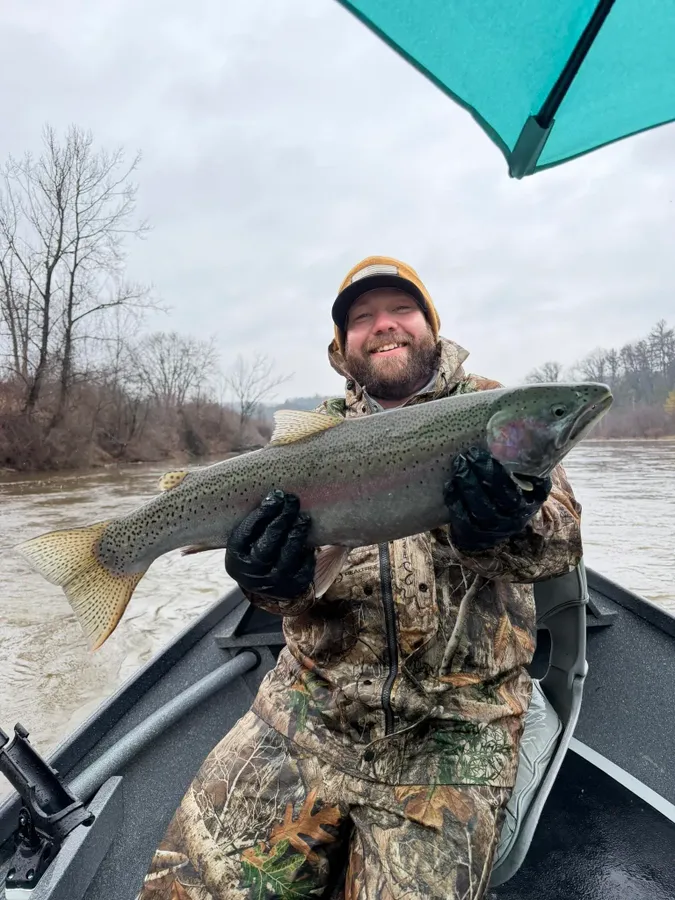
Knowing whether to pick fly fishing or spinning tackle is only part of the equation. The right stretch of water, timing, and local knowledge can make just as much difference.
If you're new to trout fishing, visiting an unfamiliar area, or simply want to spend less time figuring out where to start, fishing with a local guide can take some of that guesswork out of the day.
Guides know the water they fish regularly. They can help you understand where trout are holding, what they're feeding on, which techniques are working, and how conditions are affecting the bite. You can also get hands-on help with things like casting, fly selection, lure choice, and presentation instead of trying to work everything out yourself.
Whether you want to learn fly fishing, explore new trout water with spinning tackle, or just spend a day chasing trout with someone who knows the area, Guidesly can help you find a fishing guide and trip that fits what you're looking for. Explore trout fishing trips on Guidesly and start planning your next day on the water.