Top 10 Must-Know Lures for Freshwater Fishing
Discover the top 10 freshwater lures for bass, trout, and panfish with practical tips to improve your technique and catch more fish in any season.


Freshwater fish rely on movement, vibration, color, and profile to decide whether something is worth striking, which is why lure choice shapes every fishing session. Bass react strongly to sudden flashes and bold actions, trout focus on realistic motion in clear water, and panfish look for small, subtle prey drifting through their feeding zones. Each species interprets a lure differently based on temperature, season, depth, and available forage. When anglers understand how these fish respond to the shapes and actions they see in the water, choosing the right lure becomes much simpler. A clear awareness of these patterns helps you approach freshwater lakes, rivers, and ponds with better judgment and a sharper sense of what fish are likely to attack.
How Freshwater Fish Respond to Lure Action and Profile
Freshwater species rely on both instinct and environmental cues to identify potential prey. Bass often react to vibration and sudden movement, striking when a lure passes through their territory with enough energy to trigger aggression. Trout depend on clarity and current flow, watching how a lure swims, flashes, or drifts before deciding to chase. Panfish focus on much smaller details, responding to gentle motions that resemble insects, larvae, or tiny minnows near structure. Factors like water temperature, depth, light penetration, and forage availability influence how each species behaves. When these conditions shift, fish adjust their feeding rhythm, which means anglers must adapt lure speed, size, and profile to match what fish expect in the moment.
Top 10 Lures at a Glance
Before exploring each lure in detail, it helps to see how they compare in terms of species, depth, and performance. This overview gives anglers a quick reference for deciding which option fits the conditions they’re fishing.
Lure Type | Best For | Depth Range | Conditions | Why It Works |
|---|---|---|---|---|
Soft Plastic Worms | Bass, panfish | Shallow to mid-depth | Calm, pressured water | Natural fall and subtle action |
Spinnerbaits | Bass, large panfish | Shallow to mid-depth | Stained or windy conditions | Strong vibration and flash |
Inline Spinners | Trout, panfish | Shallow | Clear, moving water | Bright flash and tight spin |
Crankbaits | Bass, big panfish | Shallow to deep | All seasons | Realistic baitfish wobble |
Jigs | Bass, trout, panfish | Bottom to mid-depth | Cold or slow days | Controlled finesse movement |
Topwater Poppers | Bass | Surface | Low wind, early or late light | Surface disturbance triggers strikes |
Small Spoons | Trout, panfish | Mid-depth | Clear or cold water | Flashy flutter mimics minnows |
Swimbaits | Bass, trout | Mid to deep | Clear water | Lifelike swimming motion |
Tube Baits | Smallmouth, panfish | Bottom | Rocky or hard-bottom areas | Natural fall and crawfish action |
Live-Bait Imitation Plastics | All species | All depths | Murky or cold water | Natural scent and soft feel |
Top 10 Freshwater Lures Every Angler Should Know
Understanding which lures consistently excel makes it easier to respond to shifting patterns on the water. Presented below are ten proven freshwater lures that offer reliable performance and strong strike-triggering ability across a range of fishing situations.
1. Soft Plastic Worms
Soft plastic worms have a natural, flexible body that moves gently through the water, making them effective when fish are feeding cautiously or holding close to cover. Their slow descent and soft texture encourage fish to strike and hold on longer, giving anglers more time for a solid hookset. These lures adapt well to different freshwater environments, from shallow weed lines to deeper breaks, and can be presented at nearly any speed. Their quiet, non-intrusive action makes them especially useful when fishing pressure is high or when fish are easily spooked.
Imitates
Elongated invertebrates
Bottom-dwelling soft-bodied prey
Injured small fish
Crawling or drifting organisms
Best Species
Smallmouth Bass
Walleye
Pumpkinseed Sunfish and Bluegill
Why It Works
Soft texture encourages longer hold and better hook-sets
Maintains a natural profile across depths
Highly effective during slow or pressured conditions
Moves subtly without alarming fish
Usage Tips
Use a Texas or Carolina rig for vegetation and structure
Drag slowly along the bottom for neutral fish
Light hops around weedlines create gentle action
Adjust worm size and color to match clarity and forage
2. Spinnerbaits
Spinnerbaits are dependable freshwater lures known for their strong vibration and bright flash, making them effective when visibility is low or when fish rely on vibration to locate prey. Their wire frame and rotating blades create a unique underwater signature that stands out in stained water, windy conditions, or around thick cover. The angled design also resists snagging, allowing anglers to work through grass, brush, and shallow structure without constant hang-ups. This combination of movement, flash, and weed resistance makes spinnerbaits a versatile choice across many freshwater lakes and rivers.
Imitates
Flashing baitfish
Rapid fleeing prey
Disturbed forage moving through cover
Small shiners or minnows pushed by the current
Best Species
Largemouth Bass
Smallmouth Bass
Bluegill (larger sizes may trigger aggressive strikes)
Crappie (with downsized spinnerbait versions)
Why It Works
Vibrating blades attract fish from long distances
Flash increases visibility in low-clarity water
Runs clean through the cover without snagging
Triggers reaction strikes from active predators
Usage Tips
Use willow blades for speed and flash
Choose Colorado blades for strong vibration in muddy water
Slow-roll along the bottom during cold months
Burn fast near the surface during warm, active periods
3. Inline Spinners
Inline spinners are classic freshwater lures known for their consistent, tight blade rotation and bright flash, making them especially effective in clear water and moving current. Their straight, compact design allows them to travel smoothly through streams and rivers without losing action, and their flash mimics fast-moving prey that triggers quick reactions. Because they remain stable at different speeds, inline spinners help anglers cover water efficiently and locate feeding fish in both shallow lakes and running creeks.
Imitates
Flashing minnows
Small baitfish darting through the current
Aquatic insects near the surface
Quick-moving forage fleeing predators
Best Species
Trout
Smallmouth Bass
Crappie
Why It Works
Bright flash appeals to visual feeders
Tight blade rotation stays effective in the current
Performs well in shallow water where fish chase fast prey
Creates a consistent action that fish quickly recognize
Usage Tips
Retrieve slightly faster in a strong current for steady blade spin
Use silver blades in clear water and gold in slightly stained water
Cast upstream for a natural drift toward feeding trout
Downsize the lure for panfish in shallow, calm areas
4. Crankbaits
Crankbaits are highly effective freshwater lures designed to imitate injured or fleeing baitfish through their distinctive wobbling and diving action. Their built-in lip determines how deep they run, allowing anglers to target shallow flats, mid-depth structure, or deep drop-offs with precision. Because crankbaits can cover large areas quickly, they are ideal for locating active fish and triggering reaction strikes from predators holding near structure or suspended in open water. Their lifelike appearance and varied vibration patterns make them a reliable choice across changing seasons and water conditions.
Imitates
Shad and other small baitfish
Injured or fleeing forage
Young-of-year minnows
Disoriented prey knocked by current or cover
Best Species
Largemouth Bass
Smallmouth Bass
Crappie (smaller crankbaits)
Walleye (deep-diving models)
Why It Works
Wobbling action triggers instinctive predator responses
Covers water quickly to locate feeding fish
Designed to reach specific depth zones precisely
Creates vibration patterns fish feel from a distance
Usage Tips
Use shallow cranks around grass edges in spring
Switch to deep divers during summer heat
Bounce crankbaits off rocks or wood for reaction bites
Match lure size and color to local forage patterns
5. Jigs
Jigs are among the most versatile freshwater lures because they can be fished at any depth and adapted to nearly every condition. Their weighted heads and varied skirt or soft-plastic bodies allow a wide range of presentations, from subtle bottom hops to slow swimming motions in open water. Jigs excel when fish are inactive, holding tight to structure, or responding to smaller, natural movements. Their ability to imitate multiple types of prey makes them reliable year-round, especially when targeting fish that feed near the bottom.
Imitates
Crawfish
Bottom-dwelling insects
Small sculpins or gobies
Injured forage moving slowly
Best Species
Walleye
Yellow Perch
Brook Trout (small marabou or feather jigs)
Black Crappie
Why It Works
Effective when fish are holding close to the bottom structure
Can be fished slowly for lethargic or pressured fish
Offers subtle, controlled action in all water temperatures
Mimics a wide range of natural prey depending on jig style
Usage Tips
Use light feather jigs for trout in moving water
Hop or drag jigs along rocky bottoms for walleye and perch
Swim small jigs steadily for open-water crappie
Pair larger jigs with craw-style plastics for bottom-feeding predators
6. Topwater Poppers
Topwater poppers create surface disturbance that draws attention from predatory fish looking upward, especially during low-light periods or calm conditions. Their cupped face produces a sharp “pop” and splash that imitates distressed prey on the surface. Because fish can track sound and vibration from above, poppers are ideal when predators are feeding high in the water column or patrolling weed edges and shallow flats. Their visual and audible cues make them one of the most exciting lures for surface strikes in freshwater environments.
Imitates
Injured minnows struggling at the surface
Frogs or surface-feeding amphibians
Large insects falling into the water
Disturbed forage creating ripples
Best Species
Largemouth Bass
Chain Pickerel
Smallmouth Bass (in calm, shallow conditions)
Why It Works
Surface noise draws fish from long distances
Visual splash helps predators locate prey quickly
Works best when fish are hunting upward
Creates clear target zones for ambush predators
Usage Tips
Use slow pop-and-pause retrieves during calm mornings
Cast near lily pads, docks, and shallow grass edges
Try smaller poppers for smallmouth in clearer water
Increase cadence when fish are aggressively feeding
7. Small Spoons
Small spoons are reliable freshwater lures known for their fluttering, reflective action that closely mimics an injured or fleeing baitfish. Their metal bodies produce consistent flash as they wobble, making them especially effective in clear water or deeper zones where visibility matters. Spoons sink quickly, allowing anglers to target mid-depth and deeper structures where many predators hold during cooler months or bright conditions. Their simplicity, casting distance, and natural fish-attracting motion make them a staple for anglers looking to cover water efficiently.
Imitates
Flashing minnows
Weak or distressed baitfish
Small forage caught in current
Injured shiners fluttering downward
Best Species
Lake Trout
White Perch
Northern Pike (with larger spoon sizes)
Why It Works
Flash attracts visual feeders from long distances
Fluttering action imitates dying prey naturally
Works in both vertical jigging and steady retrieve techniques
Effective across large, open-water zones
Usage Tips
Use silver spoons in bright, clear water
Choose gold or copper in slightly stained water
Let the spoon flutter on the fall to trigger strikes
Jig vertically over deeper structures for trout and perch
8. Swimbaits
Swimbaits offer one of the most lifelike baitfish presentations in freshwater, thanks to their natural swimming motion and body flex. Their steady, realistic glide makes them especially effective in clear water where fish inspect prey closely before striking. Swimbaits can be fished at various depths depending on weight, allowing anglers to target suspended predators, shallow cruisers, or fish holding along deep weed edges. Their subtle tail kick and smooth profile make them a strong choice when fish are feeding on shad, minnows, or other small forage species.
Imitates
Shad and juvenile baitfish
Perch fry and small panfish
Slow-moving minnows in cooler water
Schooling forage swimming steadily
Best Species
Lake Trout
Smallmouth Bass
Striped Bass (in freshwater or brackish systems)
Why It Works
Natural swimming motion fools sight-oriented predators
Works at slow speeds, ideal for cautious or pressured fish
Maintains realistic action across different depths
Perfect for matching common baitfish forage
Usage Tips
Slow-roll swimbaits along drop-offs for suspended predators
Use larger sizes when targeting muskie or big smallmouth
Choose natural colors for clear water, brighter tones for stained water
Pair with weighted hooks to control depth and stability
9. Tube Baits
Tube baits excel in freshwater environments where fish feed on crawfish or small bottom-dwelling prey. Their hollow bodies and flared tentacles create a natural, collapsing movement that mimics real forage when the lure hits the bottom. Tubes fall with an erratic, spiraling descent that draws attention from predators holding near rocks, ledges, and hard-bottom structures. Their versatility allows anglers to drag, hop, or swim them, making tube baits especially effective in waters with rocky terrain or strong smallmouth populations.
Imitates
Crawfish
Gobies and small sculpins
Bottom-feeding minnows
Dislodged prey moving along rocks
Best Species
Smallmouth Bass
Lake Trout (with heavier tubes in deep water)
Yellow Perch
Why It Works
Erratic fall imitates natural bottom prey behavior
Tentacle movement triggers feeding responses
Effective in rocky, hard-bottom freshwater habitats
Works for both aggressive and neutral fish
Usage Tips
Drag tubes slowly along rocky points and ledges
Use internal tube jig heads for a natural fall
Hop lightly to imitate crawfish movements
Downsize for perch and rock bass in shallow water
10. Live-Bait Imitation Plastics
Live-bait imitation plastics are designed to mimic natural prey with soft bodies, subtle movement, and lifelike detail. Their realistic shape and texture make them effective when fish are feeding cautiously or when water conditions limit visibility. These plastics can resemble minnows, grubs, worms, or insect larvae, giving anglers a reliable way to match the small forage species found across most freshwater systems. Their finesse-style action works especially well when fish are pressured, suspended, or feeding lightly near structure.
Imitates
Small minnows and shiners
Aquatic insect larvae
Soft-bodied worms and grubs
Tiny forage drifting in the water column
Best Species
Black Crappie
Bluegill
Walleye (using minnow-style plastics)
Why It Works
Soft texture feels natural, reducing quick drop-offs
Subtle motion appeals to finicky or cold-water fish
Produces lifelike action with minimal rod movement
Versatile enough for vertical jigging, drifting, or slow retrieves
Usage Tips
Use small jig heads to maintain a natural sink rate
Drift minnow-style plastics for trout in slow current
Try micro-plastics for panfish near submerged structure
Add scent in murky or cold conditions for a stronger attraction
Practical Retrieval Tips for Each Lure Type
Freshwater predators respond differently to lure speed, depth, and rhythm, so adjusting your retrieve can make a big difference in how often fish commit. Slow, steady retrieves often work well in cold water when fish are less active, while faster or more erratic movements trigger reaction strikes during warmer months. Lures like crankbaits and spinnerbaits excel when covering water quickly, while jigs and live-bait plastics benefit from slower, controlled movements. Surface lures such as poppers require patience, with pauses creating the illusion of struggling prey. Matching your retrieve to water temperature, clarity, and fish behavior helps every lure perform more naturally and increases your chances of drawing consistent strikes.
When to Hire a Freshwater Fishing Guide
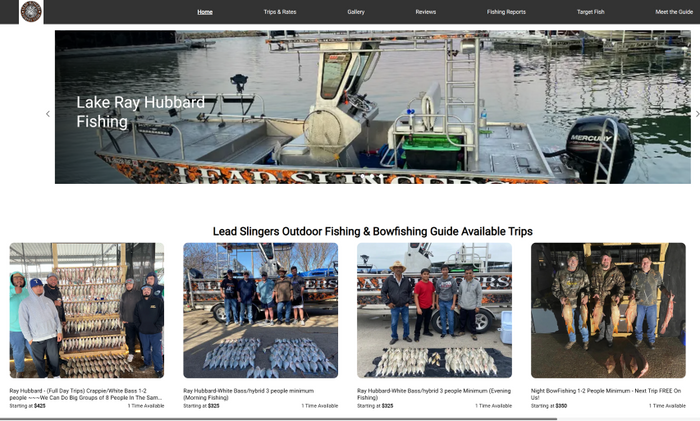
Hiring a freshwater fishing guide can dramatically shorten the learning curve, especially when exploring new lakes, rivers, or species. Guides understand how seasonal patterns influence lure choice, where fish position themselves in different conditions, and how subtle presentation changes can turn short strikes into solid hooksets. They also provide valuable insights on reading structure, interpreting electronics, and determining which lures match the day’s forage activity. Whether you’re targeting trophy fish or learning new techniques, a guide helps you get the most from your time on the water, offering practical knowledge that improves success on future trips as well.
Conclusion
Freshwater fishing becomes more successful when anglers match their lures to fish behavior, local forage, and changing conditions. Each lure in this list offers a specific advantage, whether it’s the subtle fall of a soft plastic worm, the flash of a spoon, or the controlled action of a jig. When you understand how these presentations work across seasons and water types, you can approach lakes and rivers with greater confidence and consistency. For anglers who want expert insight on choosing the right lures or learning new techniques, experienced freshwater guides on Guidesly make it easier to plan productive trips and improve your skills on the water.
FAQs
1. What lure color works best in cloudy freshwater conditions?
In cloudy conditions, fish rely more on contrast than brightness, so darker or bolder lure colors create stronger silhouettes that help predators locate moving prey effectively.
2. How often should anglers change lures during a freshwater trip?
Change lures whenever fish activity slows, weather shifts, or forage behavior changes. Frequent adjustments help match real-time conditions and reveal what fish respond to best.
3. Do water temperature changes affect how long lures should pause during retrieves?
Yes. Cooler temperatures require longer pauses because fish slow down, while warmer temperatures allow shorter pauses since predators move faster and pursue prey more aggressively.
4. Can lure size influence how many small fish versus large fish strike?
Larger lures tend to discourage small fish and attract bigger predators, while smaller lures produce more bites overall by appealing to a broader range of species and sizes.
5. How does fishing pressure influence lure presentation choices?
Heavy fishing pressure pushes fish to avoid aggressive presentations. Subtle, quieter movements often become more effective when fish have repeatedly seen typical lures and standard techniques.
6. What role does wind direction play in freshwater lure success?
Wind pushes plankton and baitfish into specific areas, drawing predators with them. Casting toward wind-driven banks often increases contact with fish feeding in concentrated zones.
7. Do freshwater fish respond differently to lures during sudden weather fronts?
Yes. Rapid fronts usually reduce feeding activity, so slower, more natural lure movements become necessary until fish adjust to the sudden environmental pressure changes.
8. Should lure action change when fishing over submerged vegetation?
In vegetation, lifts and drops that keep lures above thick weeds reduce snagging and help mimic prey escaping upward, a movement predators often track closely.
9. Why do some anglers add scent to artificial lures in freshwater?
Scent helps mask human odors and enhances the lure’s realism, encouraging hesitant fish to commit fully when visual cues alone aren't enough to trigger strikes.
10. Does water depth affect the ideal retrieval speed for freshwater lures?
Deeper water often requires slower retrieves to keep lures in the strike zone longer, while shallow water allows faster movements that imitate fleeing bait effectively.