Half-Day vs. Full-Day Guided Trips: Which Should You Book?
Compare half-day vs full-day guided fishing trips. Learn which option fits your budget, stamina, goals, and destination so you book the right trip.
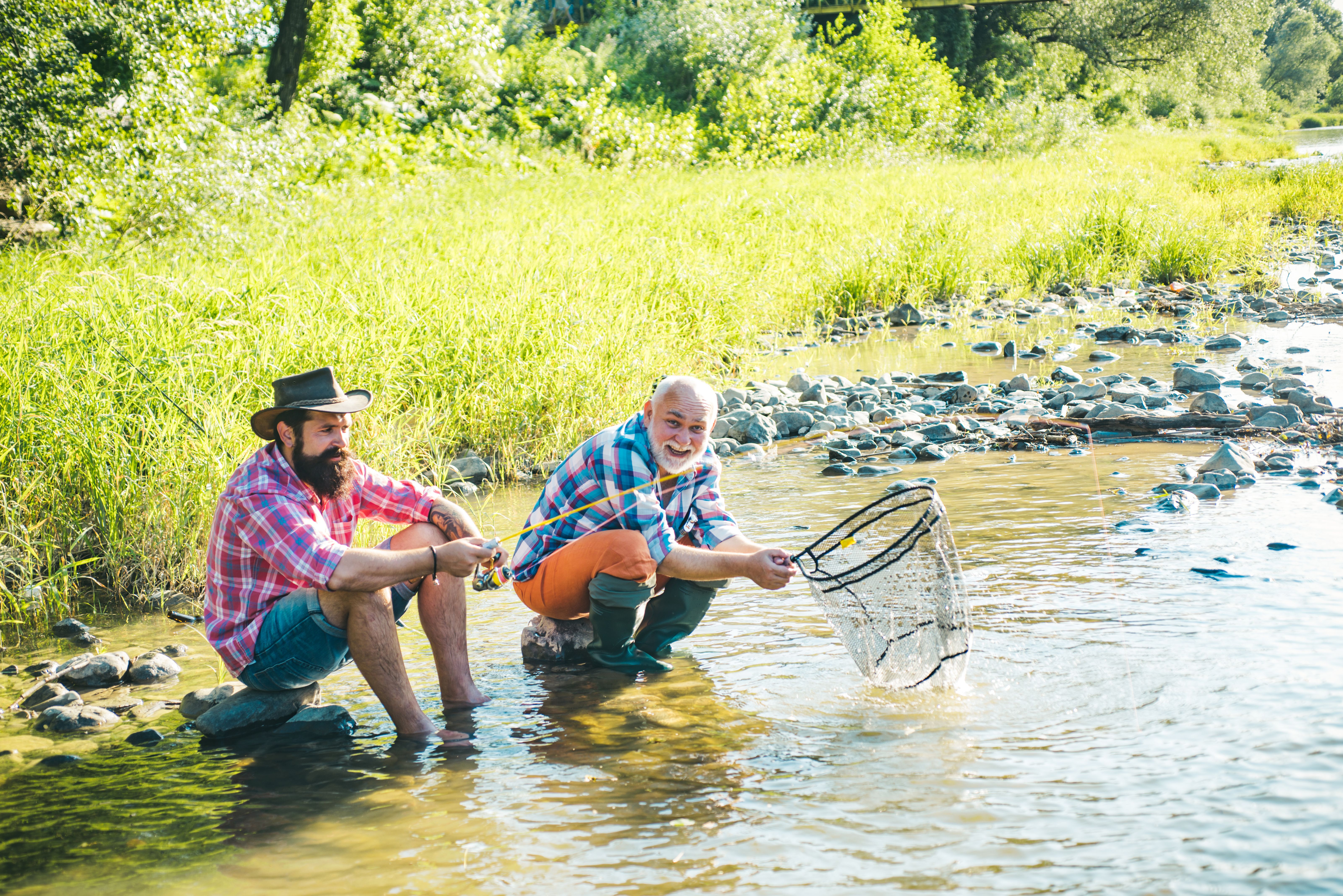


Choosing between half-day guided fishing trips and full-day fishing charters is one of the most important decisions anglers make before booking. The right choice affects your comfort, learning experience, catch potential, and overall satisfaction on the water. Some anglers want a focused, efficient outing that fits neatly into a busy schedule. Others prefer extended time to explore multiple spots, adapt to conditions, and fully settle into the rhythm of fishing. Understanding guided fishing trip duration helps you avoid fatigue, missed opportunities, or unrealistic expectations. This comparison of half-day vs. full-day fishing breaks down how time, goals, and conditions shape outcomes. By matching your experience level, stamina, and destination to the best fishing trip length, you can book a trip that delivers real value, confidence, and memorable results.
Why Trip Length Matters More Than Most Anglers Expect
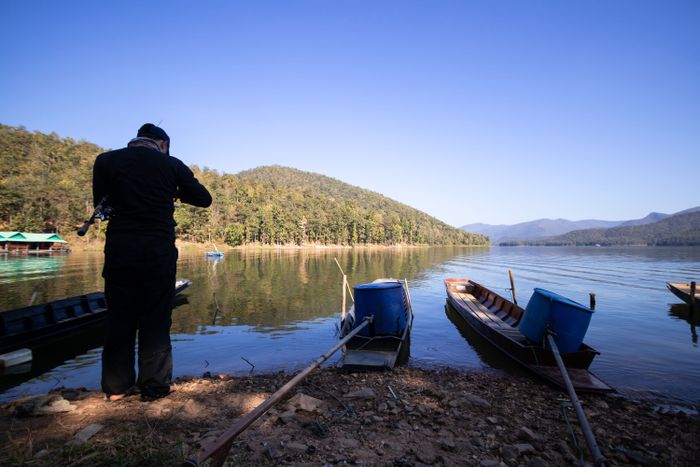
Trip length plays a much bigger role in fishing success than many anglers realize. More time on the water creates room to learn techniques, adjust presentations, and respond to changing conditions. Longer trips often improve catch rates by allowing guides to move locations, wait out slow periods, and dial in productive patterns. Shorter trips can still be effective, but they demand precision and efficiency. Understanding how time influences results helps anglers set realistic expectations and avoid rushed decisions.
Many first-time guided anglers underestimate how quickly time passes once lines are in the water. Travel, setup, and instruction all consume part of the trip. A half-day experience often feels like sampling fishing, offering a focused introduction. A full-day trip allows for immersive fishing, deeper learning, and flexibility when conditions shift.
What Defines a Half-Day Guided Fishing Trip
A half-day guided fishing trip is designed for anglers who want a focused, efficient experience without committing an entire day. These trips balance instruction, action, and comfort, making them ideal for specific goals, limited time, or lighter physical demands.
Typical Duration and Structure
Half-day trips are built around efficiency and timing rather than coverage. Guides plan these outings to capitalize on short, productive fishing windows.
Key structure elements:
3–5 hours on the water focused on active fishing time
Short travel radius to reduce downtime and fuel burn
Tide or bite-based timing for fish peak conditions
Who Half-Day Trips Are Best For
These trips work best for anglers who want results without a long physical or scheduling commitment.
Ideal for:
First-time guided anglers learning basics and expectations
Families with kids who benefit from shorter attention spans
Travelers with tight schedules or arrival day bookings
Anglers targeting one species or technique
Key Advantages of Half-Day Fishing Trips
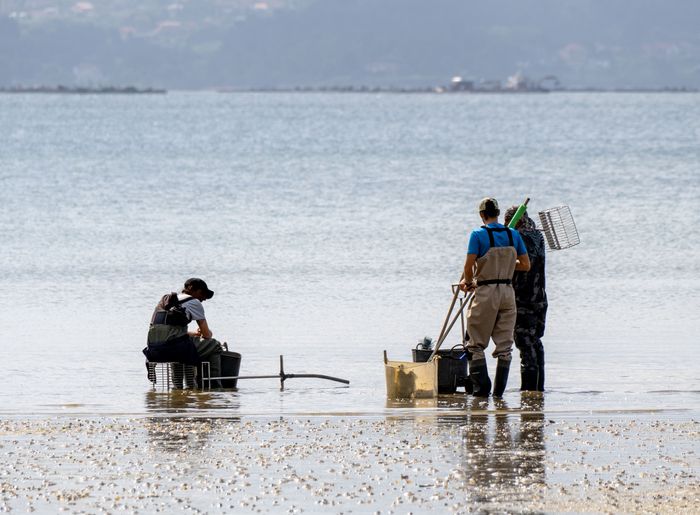
Half-day trips offer strong value when goals are clear and time is limited. These are the main benefits anglers consistently experience:
Lower overall cost: Shorter trips reduce charter fees, fuel usage, and additional expenses, making guided fishing more accessible for beginners or budget-conscious anglers.
Reduced physical fatigue: Fewer hours on the water help anglers stay focused, comfortable, and engaged, especially in heat, wind, or for those new to longer fishing days.
Easier scheduling during travel days: Half-day trips fit well around flights, check-ins, and family plans without overwhelming the rest of the day.
High efficiency during peak bite times: Guides concentrate efforts during proven feeding windows, maximizing action instead of filling slower periods.
Common Limitations to Expect
Half-day trips deliver efficiency, but they come with natural constraints anglers should understand before booking. These limitations reflect time, flexibility, and coverage trade-offs. Here are the most common limitations anglers may encounter:
Limited Species Variety: Shorter trips reduce the ability to explore multiple habitats, often limiting anglers to one primary species rather than switching targets as conditions evolve.
Reduced Adjustment Time: When weather, tides, or fish behavior shift unexpectedly, limited hours restrict how much experimentation guides can realistically perform.
Fewer Backup Locations: With a smaller fishing window, guides prioritize proven spots, leaving little time to relocate if initial areas do not produce.
Compressed Learning Opportunities: Instruction focuses on core techniques, leaving less time for advanced skills, troubleshooting, or extended hands-on coaching.
Tighter Timing Pressure: Travel, setup, and instruction consume a larger percentage of the trip, making every minute more critical than on longer outings.
What Defines a Full-Day Guided Fishing Trip
Full-day guided fishing trips are built for anglers who want depth, flexibility, and time to fully engage with changing conditions. These trips allow guides to adjust strategies, explore multiple locations, and deliver a more immersive learning and fishing experience.
Typical Duration and Structure
Full-day trips are designed around coverage and adaptability rather than speed. They allow guides to respond to conditions as they develop throughout the day.
Trip structure highlights:
8–10+ hours on the water, allowing extended fishing windows
Longer runs to productive water, including offshore or remote areas
Multiple fishing locations to follow fish movement and conditions
Built-in breaks and meal planning to manage energy and focus
Who Full-Day Trips Are Best For
These trips suit anglers who want more than a brief introduction and are prepared for a full commitment on the water.
Ideal for:
Anglers chasing multiple species across varied habitats
Offshore and deep-sea fishing clients requiring travel time
Remote lakes, rivers, or coastal runs where access takes time
Anglers focused on skill development, not just catching fish
Key Advantages of Full-Day Fishing Trips
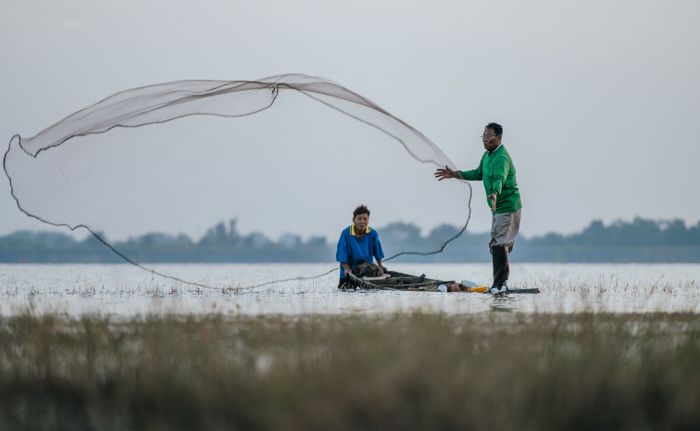
Full-day fishing trips provide the time and flexibility needed for deeper learning, broader coverage, and stronger results. They allow guides to adjust strategies as conditions evolve and anglers to fully settle into the experience. Here are the key advantages of choosing a full-day trip:
Greater Flexibility to Adapt: Extended time allows guides to respond to weather shifts, tide changes, and fish movement without rushing decisions or abandoning productive adjustments.
Higher Trophy Fish Potential: Full-day trips keep anglers on the water during prime feeding windows, increasing opportunities to target larger, more selective fish.
Deeper Skill Development: More hours create space for instruction, repetition, and refinement, helping anglers build confidence and master techniques beyond basic execution.
Expanded Location Coverage: Longer trips support travel to distant or varied spots, allowing guides to follow fish patterns across habitats throughout the day.
Improved Overall Catch Probability: Additional time increases exposure to active fish, reduces pressure to force results, and improves success across changing conditions.
Common Drawbacks to Consider
Full-day fishing trips deliver depth and flexibility, but they also demand greater commitment from anglers. Understanding these trade-offs helps set realistic expectations and avoid surprises on the water. Here are the most common drawbacks anglers should consider:
Higher Overall Cost: Full-day trips include extended guide time, fuel usage, and logistics, making them more expensive than shorter options and less ideal for tight budgets.
Greater Physical Endurance Required: Spending eight or more hours on the water can be demanding, especially in heat, wind, or rough conditions.
Reduced Schedule Flexibility: Once underway, full-day trips offer limited opportunities to shorten or adjust plans without affecting the overall experience.
Longer Recovery Time Needed: Extended outings may lead to fatigue afterward, reducing energy for other activities during multi-day travel or vacations.
Weather Exposure Risk: Longer trips increase exposure to changing weather, which can impact comfort and require anglers to remain adaptable throughout the day.
Half-Day vs. Full-Day Guided Trips at a Glance
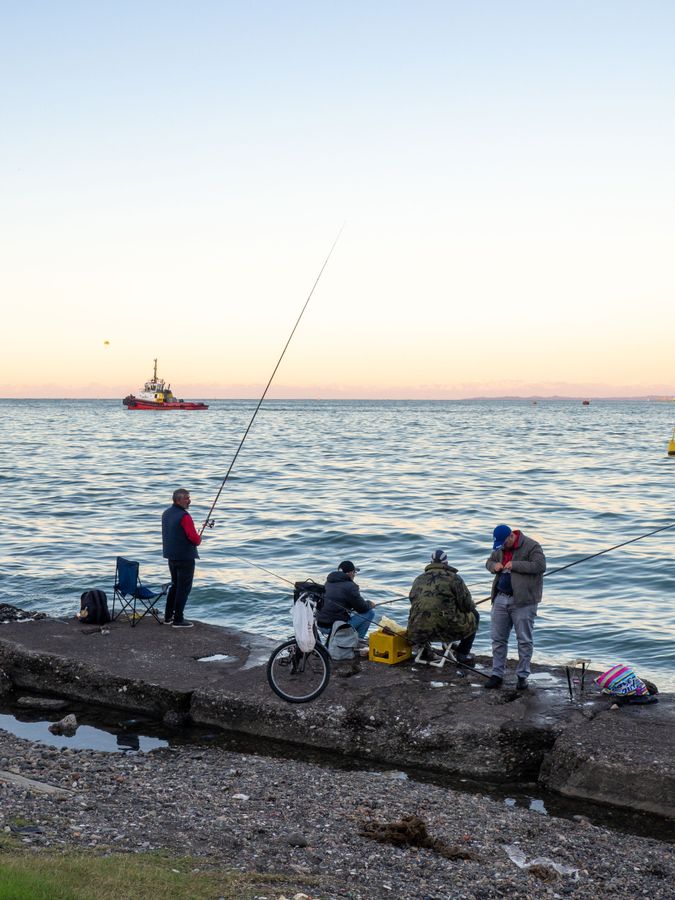
Choosing between half-day and full-day guided trips comes down to goals, comfort, and expectations. Both options offer value, but they serve different needs. Comparing cost, learning depth, flexibility, and physical demand helps anglers quickly identify which trip length aligns best with their experience level and fishing priorities.
Cost vs Value Breakdown
Half-day trips work well as budget-efficient introductions to guided fishing. They keep costs lower while still delivering professional instruction, local knowledge, and focused fishing during productive windows. For many anglers, this provides solid value without a full-day financial commitment.
Full-day trips offer a higher long-term return for serious anglers. While the upfront cost is greater, the added time allows deeper exploration, more adjustments, and increased catch opportunities, often delivering stronger overall value.
Learning and Skill Development
Shorter trips concentrate instruction into tight windows. Guides prioritize essential techniques, quick corrections, and practical tips, making half-day trips effective for learning basics without overwhelming new anglers.
Longer trips accelerate confidence through repetition and adaptation. With more time, anglers practice techniques in varied conditions, understand fish behavior shifts, and receive ongoing feedback. This extended exposure helps skills stick faster and feel more natural.
Species Targeting Flexibility
Trip length directly shapes how many species you can realistically target and how adaptable your strategy can be on the water.
Half-day trip targeting:
Single-species efficiency using proven locations
Focused techniques without switching gears frequently
Minimal habitat changes during the outing
Clear, narrow fishing goals set before launch
Full-day trip targeting:
Multi-species exploration across varied habitats
Flexibility to change targets as conditions shift
Time to adjust gear and techniques throughout the day
Opportunities to chase secondary species after primary success
Fatigue and Physical Demand
Physical demand varies significantly by trip length. Half-day outings suit a wide range of ages and fitness levels, keeping fatigue manageable even in heat or moderate conditions.
Full-day trips require stamina. Weather exposure, movement, and time on your feet add up. Anglers should factor age, fitness, and forecasted conditions when deciding if a full-day commitment fits comfortably.
How Destination and Fishing Style Influence Trip Length
Where you fish and how you fish play a major role in deciding the right trip length. Travel distance, water type, and technique requirements all affect how much time is needed to fish effectively. Matching trip duration to destination and style helps anglers avoid rushed outings and maximize results.
Inshore, Nearshore, and Offshore Differences
Inshore trips usually require minimal travel, allowing anglers to start fishing quickly. These trips often work well within shorter timeframes when conditions align.
Nearshore fishing involves moderate runs and changing conditions. Extra time improves flexibility, letting guides adjust locations as fish move or weather shifts.
Offshore trips demand longer travel and fuel use. Full-day trips are often necessary to justify run-time and ensure enough fishing opportunity once offshore.
Freshwater vs Saltwater Considerations
Freshwater and saltwater environments influence fish behavior, timing, and movement differently, shaping how long anglers need on the water to fish effectively and adapt to changing conditions.
Freshwater factors:
Lake pattern changes throughout the day
Structure-based positioning near cover
Weather-driven activity shifts
Seasonal movement patterns
Less travel between spots
Saltwater factors:
Tidal cycles control feeding windows
Current strength and direction
Broader fish movement ranges
Greater travel distances
Stronger weather influence
Technique-Driven Time Needs
Fishing techniques also influence how long a productive trip should be. Some methods need patience and repetition, while others rely on coverage and timing. Here are the technique-based time considerations anglers should expect:
Fly Fishing: Requires repetition, presentation refinement, and reading water conditions, making longer trips more effective for skill development and consistent results.
Trolling: Depends on covering distance and adjusting speeds or depths, benefiting from extended time to locate and stay with moving fish.
Bottom Fishing: Often allows steady action in shorter windows, but longer trips improve spot rotation and allow adjustment if bites slow.
Which Trip Type Is Better for First-Time Guided Anglers
First-time guided anglers benefit most from trips that build confidence without creating fatigue or information overload. The right trip length should feel manageable, educational, and enjoyable rather than rushed or overwhelming. Choosing wisely helps beginners focus on learning basics, understanding guide instructions, and staying comfortable throughout the experience.
Here are the key factors beginners should consider when deciding between half-day and full-day trips:
Confidence-Building Overload: Shorter trips help beginners stay focused, absorb instruction, and enjoy early success without mental or physical fatigue, thereby reducing learning effectiveness.
When a Half-Day Is the Smarter Choice: Half-day trips suit beginners with limited experience, uncertain stamina, or tight schedules who want a positive introduction without long-term commitment.
Clear Learning Goals: Beginners targeting one technique or species often benefit from half-day trips that concentrate instruction and practice into a controlled, efficient timeframe.
Signs a Full-Day May Be Better: Beginners with strong interest, good stamina, and flexible schedules gain more from full-day trips offering extended instruction and adjustment opportunities.
Comfort and Adaptability Needs: Longer trips allow more time to settle in, ask questions, and recover between sessions, reducing pressure for beginners eager to learn thoroughly.
Travel and Destination Factors: Remote locations or offshore trips often require full-day bookings, even for beginners, to justify travel time and ensure a meaningful fishing experience.
When Experienced Anglers Should Choose Full-Day Trips
Experienced anglers benefit most from full-day trips when the goal shifts from basic success to a deeper understanding. Pattern discovery takes time, especially when fish behavior changes with light, tides, or pressure. Longer trips allow guides and anglers to test locations, presentations, and depths until consistent patterns emerge. This extended process often reveals why fish are behaving a certain way, not just where they are biting.
Full-day trips also support advanced technique refinement and species crossover opportunities. Anglers can adjust gear, fine-tune presentations, and switch targets as conditions evolve. For trophy hunting, time is critical. Larger fish feed selectively, and staying on the water longer increases the odds of encountering prime feeding windows.
The Smart Strategy: Mixing Half-Day and Full-Day Trips
Combining both trip lengths often delivers the best overall fishing experience. This approach lets anglers ease into local conditions before committing to longer days, reducing uncertainty and improving results.
Start with a half-day trip:
Orientation-focused outing early in your stay
Learn local conditions without fatigue
Understand guide style and pacing
Clarify personal preferences
After gaining initial insight, shifting to a longer trip becomes more effective.
Follow with a full-day trip:
Target confirmed productive areas
Fish with clearer expectations
Adapt confidently to conditions
Maximize vacation fishing ROI
Conclusion
Choosing between half-day and full-day guided fishing trips comes down to matching trip length with your goals, stamina, and destination. There is no universally better option, only the one that fits your experience level, schedule, and expectations. Shorter trips offer focus and efficiency, while longer trips provide flexibility, learning depth, and adaptability. The smartest choice is based on experience quality, not just hours on the water. When anglers align time, technique, and conditions, results follow naturally. Explore half-day and full-day guided fishing trips with trusted local guides on Guidesly, and book the option that fits your fishing goals, schedule, and style.
FAQs
1. Is a half-day fishing trip long enough to catch fish?
Yes, half-day trips can be productive when timed correctly, especially during strong bite windows, but success depends on conditions, guide strategy, and realistic expectations.
2. Do full-day fishing trips guarantee better results?
No trip guarantees success, but full-day trips increase exposure to feeding periods, location changes, and adjustments, improving overall opportunity compared to shorter outings.
3. How far in advance should I book a full-day fishing charter?
Booking full-day charters several weeks ahead improves availability, especially during peak seasons, weekends, or destinations with limited guides and high demand.
4. Are half-day trips suitable for offshore fishing?
Most offshore trips require longer travel times, making half-day options less practical unless fishing grounds are unusually close or conditions are exceptionally favorable.
5. What should beginners prioritize when choosing trip length?
Beginners should prioritize comfort, clarity, and manageable pacing over duration, ensuring the trip supports learning and enjoyment rather than physical or mental exhaustion.
6. Does the weather affect half-day and full-day trips differently?
Yes, longer trips face greater exposure to weather changes, while shorter trips reduce risk by focusing on narrower time windows with more predictable conditions.
7. Can kids handle full-day guided fishing trips?
Some kids can manage full-day trips, but attention span, weather tolerance, and interest level should guide decisions to prevent fatigue or loss of enjoyment.
8. Are half-day trips better for vacation schedules?
Half-day trips fit well into busy itineraries, allowing anglers to fish without sacrificing entire days needed for travel, family plans, or other activities.
9. Do full-day trips include meals or breaks?
Many full-day trips plan for meals and rest breaks, but inclusions vary by guide, location, and trip type, so details should always be confirmed beforehand.
10. How do I decide if upgrading from half-day to full-day is worth it?
Upgrading makes sense when targeting multiple species, refining skills, or fishing remote areas where additional time directly improves flexibility and opportunity.