How Booking Early Gets You Better Fishing Spots
Booking early secures prime fishing spots, top guides, and peak conditions. Learn when to book fishing trips to maximize success and avoid missed opportunities.


Great fishing spots are no longer found by showing up and hoping for the best. Access today depends on planning, timing, and knowing when demand peaks. Popular waters, seasonal migrations, and experienced guides are booked far earlier than most anglers expect. Early booking has become a strategy, not a convenience. It connects trips with the right tides, weather windows, and species movement instead of leftover dates. It also determines who fishes quiet water and who shares crowded spots. This guide breaks down how planning ahead leads to better locations, stronger conditions, and more productive time on the water. You will see why anglers who book early consistently catch more fish, avoid pressure, and work with guides who know exactly where to go when it matters most.
Why the Best Fishing Spots Disappear First
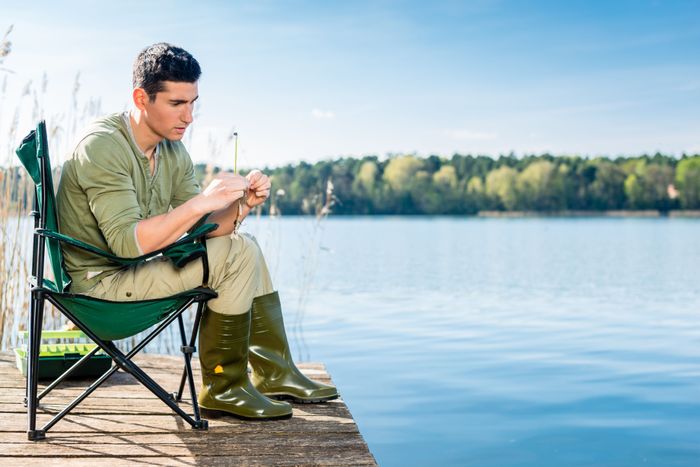
Popular fishing locations do not stay open for long once seasons approach. Access today is shaped by timing, regulation, and experience rather than luck. As conditions align for specific species, demand increases quickly while availability remains fixed. That imbalance is what causes prime water to fill months ahead, often before most anglers begin planning.
Demand Outpaces Availability
Licensed guides are limited by permits and local regulations, which cap the number of trips available each season. Peak species windows also compress into short timeframes, concentrating demand into a few critical weeks. Weekends and holidays add even more pressure, pushing the best dates off the calendar early.
Prime Locations Are Booked Around Species Timing
Fish behavior drives booking patterns. Migration routes create short opportunity windows that cannot be replicated later. Spawning periods attract anglers to the same waters at the same time each year. Narrow temperature bands further limit productive zones, causing experienced anglers to secure dates far ahead of the season.
How Early Booking Aligns You With Peak Fishing Conditions
Successful fishing trips are built around conditions, not open dates. Early booking allows trips to be planned when natural factors line up in your favor instead of forcing adjustments around what remains available. This approach gives guides the flexibility to select windows when fish are active, predictable, and feeding consistently. Timing becomes intentional rather than reactive, which directly impacts results on the water.
Tides, Moon Phases, and Feeding Windows
Early planning allows trips to be placed inside predictable feeding windows rather than random open dates. Guides rely on environmental cycles that repeat each season and cannot be recreated later.
Key factors:
New moon periods that increase feeding intensity
Full moon phases that amplify tidal movement
Strong tide swings that concentrate bait
Current flow that positions predators
Why guides plan months ahead:
Calendars built around lunar cycles
Trip dates matched to peak current strength
Avoidance of low-activity slack water
Consistent access to proven feeding windows
Matching Species Behavior With Exact Dates
Fish behavior follows seasonal patterns that are tightly linked to timing. Early booking allows guides to align trips with short windows that produce the best results.
Examples of timing-based patterns:
Offshore pelagic movement during narrow seasonal passes
River runs are triggered by flow and temperature
Lake turnover periods that activate feeding
Migration peaks tied to seasonal transitions
Planning advantage:
Dates aligned with biological movement
Reduced competition during peak windows
Better location selection per condition
Higher catch consistency across trips
Why Top-Rated Guides Are Rarely Available at the Last Minute
Highly rated guides are booked long before seasons begin because their value goes beyond availability. Experience, trust, and local knowledge limit how many trips they can run each year. As demand builds, access narrows quickly. These are the key reasons early planners consistently secure the best guides and locations:
Experience Creates Scarcity: Years of proven results drive reputation-based bookings, while repeat clients reserve annual dates early, and deep local knowledge limits how many quality trips a guide can realistically offer.
Early Clients Get Priority on Locations: Early clients access less pressured water, retain flexibility to shift locations during weather changes, fish backup spots confidently, and avoid crowded ramps during peak launch windows.
Limited Seasonal Capacity: Guides operate within fixed seasonal windows, permit limits, and safety constraints, meaning once prime dates are filled, additional trips cannot be added without compromising quality or results.
Better Boats, Gear, and Setup Come With Early Planning
Early planning affects more than dates on a calendar. It determines the quality of boats, equipment, and preparation behind every trip. Guides allocate resources well in advance, rewarding early bookings with better setups, safer vessels, and greater flexibility once conditions change on the water.
Fleet Assignment Happens First-Come
Boat assignments are not random. Guides reserve their most capable vessels early to ensure reliability and performance during peak conditions. Late bookings are often limited to what remains.
Newer boats are typically assigned first to early reservations
Advanced electronics improve fish tracking and navigation accuracy
Safety gear is more complete on primary vessels
Fuel capacity and range allow access to distant productive water
Tackle and Rigging Can Be Customized
Early communication gives guides time to prepare equipment around specific targets instead of relying on generic setups. Planning ahead allows every detail to be matched to conditions and species. These are the key customization advantages early clients receive.
Species-Specific Rigs: Guides build tailored rigs matched to target species, depth, and structure, improving hookup rates and reducing wasted time adjusting setups during limited peak fishing windows.
Fly Selection: Advance planning allows guides to select flies that match seasonal hatches, water clarity, and feeding behavior, rather than relying on leftover patterns that may not perform.
Live Bait Planning: Early bookings give guides time to secure quality live bait, plan holding systems, and coordinate collection so bait availability never limits fishing success.
Early Booking Allows True Trip Customization
Early booking turns a standard outing into a purpose-built fishing experience by giving guides time to plan around goals, conditions, and access instead of reacting to last-minute availability.
Building a Species Wish List With Your Guide
Planning early opens direct communication with your guide, allowing trips to be shaped around personal goals rather than generic targets. Clear priorities help guides prepare well before arrival.
Target species ranked by seasonal opportunity
Multi-day planning built around movement patterns
Backup species identified for changing conditions
Weather contingency strategies are mapped in advance
Time for Permits, Access, and Regulations
Some of the most productive fisheries operate under strict access rules that limit who can fish and when. Early booking provides the time needed to secure permits, understand entry systems, and plan around protected waters without last-minute restrictions disrupting the trip.
Limited-entry fisheries often release permits months in advance, and protected waters may have seasonal closures or gear limitations. Booking early allows guides to align trips with regulation changes, avoid restricted periods, and ensure full legal access to prime fishing areas.
Travel and Logistics Are Easier When You Plan Ahead
Fishing trips succeed when travel and timing align smoothly. Early booking removes pressure from flights, lodging, and coordination, allowing trips to stay focused on fishing instead of logistics. These are the key travel advantages early planners gain.
Flight and Route Availability: Early planning secures non-stop routes, preferred arrival times, and backup options, reducing delays and ensuring anglers arrive rested, on schedule, and ready for early departures.
Lodging Near Launch Points: Booking ahead allows access to accommodations close to marinas or river access, cutting transit time and avoiding long pre-dawn drives during peak fishing days.
Equipment Transport Planning: Advance notice allows airlines, guides, and lodges to coordinate rod cases, tackle limits, and specialty gear transport without last-minute fees or lost equipment risks.
Insurance and Documentation: Early timelines provide room to arrange travel insurance, medical coverage, and documentation requirements, protecting trips from weather disruptions, cancellations, or unexpected logistical changes.
Remote Destination Coordination: Planning ahead simplifies transfers, boat schedules, and supply logistics for remote fisheries where missed connections can mean lost fishing days.
Early Contact Improves Flexibility and Backup Options
Early contact with guides creates options that are not available to last-minute bookings. When plans are discussed months ahead, guides can position anglers for flexibility instead of locking them into rigid dates. Waitlists favor early inquiries, placing planners first in line for cancellation advantages, storm reschedules, or guide substitutions when schedules shift unexpectedly.
Weather changes are easier to manage with advanced communication. Guides can adjust dates, shift launch times, or move trips forward or back to stay inside safe and productive conditions. This flexibility reduces the risk of lost fishing days when storms disrupt original plans.
Location swaps and alternate species planning become practical when time allows for preparation. Early planners can pivot to different waters or target backup species without sacrificing quality. That adaptability keeps trips productive even when conditions change close to departure.
Recommended Fishing Trip Booking Timelines: 2026 Planning
Planning timelines vary by destination, demand, and season. Knowing when to book removes guesswork and protects access to prime fishing windows. Early planning is about positioning trips for success, not rushing decisions.
High-demand remote lodges should be booked 1 to 2 years ahead due to limited permits, short seasons, and international travel coordination
Prime local charters typically require 6 to 12 months to secure peak dates, preferred guides, and ideal seasonal conditions
Standard guided trips should be booked at least 6 months in advance to align with species timing and guide availability
Weekday or off-season trips often remain available 1 to 2 weeks out, offering flexibility for anglers with open schedules
Booking early does not mean committing blindly. It simply ensures options remain open while conditions, access, and guide quality are still available.
Conclusion
Peak fishing success is rarely accidental. It comes from timing, preparation, and access coming together at the right moment. Early booking protects those advantages by aligning trips with peak conditions, experienced guides, quality equipment, and flexible backup plans. It removes pressure from crowded water and last-minute compromises, allowing each trip to be built around opportunity rather than availability. Treat fishing trips like seasonal events that reward planners who think ahead instead of hoping for open dates. When timing matters most, preparation makes the difference. Explore available guides, compare seasons, and start planning early on Guidesly to secure the spots, conditions, and experiences that consistently produce better days on the water.
FAQs
1. Does booking early reduce risk if plans change?
Early reservations often unlock refundable policies, better cancellation terms, and reschedule flexibility that last-minute bookings lack, reducing risk when weather, travel issues, or plans change.
2. Is early booking helpful for beginners?
Booking early improves learning opportunities by matching trips with calmer conditions, patient guides, and instruction, helping beginners build skills faster without pressure from crowds present.
3. Can great fishing spots still be found last minute?
Some destinations release short-notice openings, but availability usually reflects leftover dates, secondary locations, or less favorable conditions rather than peak fishing windows targeted by planners.
4. Does early booking actually save money?
Yes, booking early can lower trip costs by securing stable pricing, reducing last-minute premiums, improving travel options, and preventing compromises on lodging, gear, or timing.
5. When do fishing seasons usually sell out?
Peak demand periods vary by species and region, but seasons sell out months ahead when migrations, spawning cycles, or temperature shifts concentrate fish into areas.
6. Is early booking useful for photography or filming trips?
Early booking helps photographers and content creators plan lighting, scenery, and activity levels, increasing chances of capturing action shots without boat congestion or rushed decision-making.
7. Does early planning support conservation efforts?
Booking early supports conservation by spreading pressure across seasons, reducing overcrowding during sensitive periods, and allowing guides to manage fisheries responsibly through balanced scheduling practices.
8. Do flexible travelers still benefit from early booking?
Anglers with flexible schedules still benefit from early planning by securing options, understanding patterns, and retaining freedom to adjust dates without sacrificing access or quality.
9. Why is early communication with guides important?
Early conversations help align expectations, clarify skill levels, and confirm trip goals, reducing misunderstandings and improving overall satisfaction once anglers arrive prepared and confident to fish.
10. Is early booking better for group fishing trips?
Booking early benefits group trips by coordinating availability, matching skill levels, securing adjacent dates, and ensuring consistent equipment setups across participants for smoother, enjoyable experiences.