How Last-Minute Guided Trips Can Still Be Successful
Discover how last-minute guided fishing trips can still deliver great results with flexibility, timing, and smart booking strategies that anglers use today.



Planning months ahead once felt like the only way to secure a successful guided fishing trip. That idea no longer holds true. In 2026, more anglers are booking trips within days, sometimes even hours, and still finding strong action on the water. Real-time weather updates, mobile booking platforms, and direct guide messaging have reshaped how trips come together. This shift favors anglers who stay flexible, respond quickly, and focus on current conditions instead of fixed calendars. Last-minute trips are no longer rushed decisions. When timing aligns, and expectations stay adaptable, they become strategic choices. With the right approach, anglers can still work with experienced guides, target active fish, and make the most of limited planning time. Success now comes from responsiveness, local insight, and clear communication before launch.
Why Last-Minute Guided Fishing Trips Are Increasing in 2026
Last-minute guided fishing trips are growing in 2026 because travel behavior has shifted toward flexibility and speed. Millennials and Gen Z anglers are more comfortable making plans on short notice, especially when experiences matter more than rigid schedules. Mobile-first booking tools now show real-time availability, letting anglers secure guides based on current conditions instead of distant forecasts.
The weather also plays a bigger role. Sudden temperature changes, tides, and feeding windows often create short bursts of strong fishing, making quick bookings practical and effective. Guides adjust trips around these conditions and frequently have unexpected openings due to weather cancellations or schedule changes. These openings allow prepared anglers to step in fast and fish during peak windows.
When Last-Minute Fishing Trips Actually Work Best
Last-minute fishing trips succeed when timing aligns with natural conditions instead of fixed calendars. Certain moments consistently create better outcomes for short-notice bookings.
Seasonal patterns that favor short-notice bookings:
Migration periods that shift quickly based on water temperature
Post-spawn phases, when fish regroup in predictable areas
Transitional seasons where bite patterns change week to week
Species that respond well to real-time conditions:
Fish are driven by tides, current flow, and feeding windows
Species that react immediately to pressure or temperature changes
Inshore and freshwater targets influenced by daily weather shifts
Why weather windows matter more than long-term plans:
Wind direction and light levels directly impact fish movement
Short weather breaks often trigger aggressive feeding behavior
Real-time forecasts outperform long-range planning for success
How guides adjust trips quickly based on current bite activity:
Shifting locations to match active fish patterns
Changing techniques based on same-day observations
Adjusting launch times to align with peak feeding windows
Flexibility Is the Biggest Advantage of Last-Minute Anglers
Flexibility is what turns short-notice bookings into successful fishing trips. Anglers who adapt quickly gain access to better conditions and stronger bite windows.
Being flexible with launch locations allows guides to choose areas with the most active fish instead of sticking to crowded or slower spots.
Willingness to fish nearby alternatives opens opportunities when primary locations are booked or conditions shift unexpectedly.
Targeting species based on current conditions improves success by focusing on what is feeding now, rather than fixed preferences.
Adjusting trip length or time of day helps align outings with tides, weather breaks, and peak feeding periods.
How Guides Prepare for Last-Minute Bookings
Experienced guides are well prepared for short-notice trips and often build flexibility directly into their schedules. Keeping availability open allows them to adapt to changing conditions without sacrificing trip quality.
Short-notice availability: Guides leave space in their calendars to take advantage of ideal weather windows, shifting bite patterns, and last-minute cancellations.
Backup planning: Experienced guides track multiple locations, species movements, and weather scenarios so adjustments can happen quickly.
Optimized same-week trips: Short-notice bookings rely on current conditions rather than outdated forecasts, allowing trips to be fully planned in real time.
Local knowledge advantage: Daily time on the water helps guides select productive areas, techniques, and timing, even with limited preparation.
Shorter Trips Have Higher Last-Minute Success Rates
Shorter guided trips often deliver better results for last-minute bookings because they require less coordination and adapt more easily to changing conditions. Half-day trips, in particular, allow guides to focus on the most productive bite windows instead of spreading effort across an entire day. Afternoon and evening trips also perform well on short notice, as they align with warming water temperatures, tidal movement, and increased fish activity. These time frames give guides the flexibility to adjust start times based on real-time conditions.
From a planning standpoint, shorter trips are easier to schedule and manage within the same week. They involve fewer logistical details, such as extended travel, meal planning, or equipment changes. This reduced complexity allows guides to optimize locations, techniques, and timing quickly. For anglers, it lowers risk while still providing a high-quality on-the-water experience, making shorter trips a smart choice when planning time is limited.
Communication Is What Makes or Breaks a Last-Minute Trip
Clear communication is the most important factor in last-minute trip success. Messaging the guide immediately after booking helps set expectations and allows quick adjustments. Sharing experience level, gear preferences, and specific goals gives guides the information they need to fine-tune techniques, locations, and timing. This early exchange replaces long planning cycles by focusing on what matters right now. When guides understand preferences and limitations upfront, they can adapt strategies efficiently, avoid wasted time on the water, and deliver a smoother, more productive trip even with limited notice.
Species That Are Ideal for Last-Minute Guided Trips
Inshore saltwater species, freshwater species, and migratory species are often the best targets for last-minute guided trips because their behavior responds quickly to daily conditions. These fish react to tides, weather shifts, pressure changes, and movement patterns that cannot be predicted far in advance. When guides plan trips around real-time information instead of fixed schedules, these species offer consistent opportunities for short-notice success.
Inshore saltwater species:
Species influenced by tides, wind direction, and water clarity
Fish that move shallow during feeding windows
Targets that respond quickly to temperature and light changes
Freshwater species:
Fish are driven by weather shifts and barometric pressure
Species that reposition after rain, wind, or cold fronts
Targets that concentrate around the structure during short bite windows
Migratory species:
Fish that follow narrow timing windows rather than fixed seasons
Species that require real-time tracking of movement and conditions
Targets are best approached when guides react quickly to current reports
Midweek and Off-Peak Timing Increases Availability
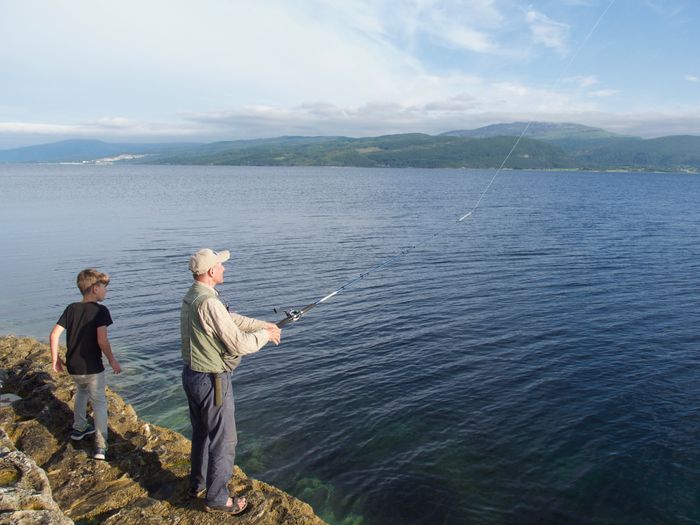
Midweek and off-peak timing play a major role in last-minute trip success. Booking trips from Tuesday through Thursday often provides more options because demand is lower compared to weekends. Guides are more likely to have open slots, allowing anglers to secure quality trips on short notice without competing for limited availability.
Reduced competition leads to better pricing and more flexible scheduling, making midweek bookings appealing for spontaneous anglers. With fewer boats on the water, fisheries experience less pressure, which often improves fish behavior and catch rates. These quieter periods allow guides to access productive areas more easily and focus on timing and technique rather than crowd management, creating a smoother and more effective fishing experience.
Technology That Makes Last-Minute Guided Trips Easier
Modern technology has made short-notice guided fishing trips easier to plan and more reliable. Anglers now rely on mobile tools that provide instant access to availability, communication, and trip details, allowing decisions to be made quickly without sacrificing quality.
Mobile-first booking behavior: Anglers book trips directly from their phones, compare options instantly, and act as soon as conditions line up.
Real-time guide availability: Live calendars show open slots, making it possible to secure guides based on current conditions rather than future estimates.
Messaging and trip coordination: Built-in messaging allows fast communication about meeting points, gear needs, and expectations.
Verified guide platforms: Platforms that vet guides help ensure safety, experience, and professionalism, reducing uncertainty for last-minute bookings.
How to Decide If a Last-Minute Guided Trip Is Right for You
Last-minute guided trips are ideal for anglers who value opportunity over long planning timelines. These trips rely on current conditions, guide expertise, and quick decision-making rather than fixed schedules. Skill level is less important than mindset, as both beginners and experienced anglers can succeed when expectations stay flexible. Being comfortable with changing locations, target species, or trip timing helps guides adapt plans for better results. Travel readiness also matters. Anglers who can pack quickly and adjust schedules without stress tend to enjoy these trips more. When expectations focus on maximizing real-time conditions instead of executing a detailed plan, last-minute guided fishing becomes a rewarding experience.
Comfortable making quick decisions.
Open to flexibility on the water.
Ready to travel on short notice.
Focused on experience over rigid plans.
Conclusion
Successful guided fishing has never depended on long planning cycles. It depends on timing, adaptability, and trusting real-time conditions. Last-minute trips are not risky guesses when approached correctly. They are opportunity-driven decisions that align anglers with active fish, favorable weather windows, and experienced local guides who adjust plans daily. In 2026, flexibility and quick action often outperform rigid schedules. When anglers stay open to changing locations, species, or timing, they increase their chances of success. Instead of waiting for a perfect future date, the smarter move is to act when conditions line up. Explore available guides on Guidesly, communicate early, and take advantage of the moments when the water is ready now.
FAQs
1. Can you really book a guided fishing trip at the last minute?
Yes, availability exists because cancellations happen, guides hold flexible slots, and short-duration trips fit openings that longer bookings cannot easily fill during busy season periods.
2. Do I need to bring my own fishing gear for last-minute trips?
Most guides provide essential gear, but anglers should confirm licenses, weather-appropriate clothing, snacks, and personal items ahead of time to avoid delays and last-minute confusion.
3. Are last-minute guided fishing trips more expensive?
Prices vary by demand and timing, but last-minute trips are not always higher, especially midweek or when guides prefer filling unused calendar gaps quickly and efficiently.
4. Are last-minute trips suitable for beginners?
Beginners often succeed because guides simplify decisions, adjust instruction on the fly, and focus on practical techniques rather than overwhelming preparation during short-notice guided trips.
5. What happens if the weather changes after booking?
Weather changes may shift plans, but flexible bookings allow guides to reschedule, relocate, or shorten trips instead of fully canceling when conditions change unexpectedly fast.
6. Is it better to stay local for last-minute fishing trips?
Staying local increases success because shorter travel allows faster response to openings, reduced fatigue, and better alignment with brief fishing windows during spontaneous booking decisions.
7. Are deposits required for last-minute guided trips?
Payment policies vary by guide, but many platforms require deposits to secure last-minute slots while protecting guides from sudden cancellations and schedule disruptions during peak.
8. How fast should I communicate with the guide after booking?
Quick replies matter because guides finalize locations, timing, and gear needs rapidly, leaving less room for back-and-forth delays once bookings are confirmed on short notice.
9. Can solo anglers book last-minute guided trips easily?
Solo anglers benefit from last-minute trips because guides can pair individuals with open slots that groups often cannot match efficiently during busy booking periods seasonally.
10. When is the best time to book a same-day guided trip?
Same-day bookings work best early morning or late evening when cancellations surface, and guides adjust schedules for upcoming conditions based on weather updates and tides.