How to Fish Safely in Stormy or Rough Conditions
Stay safe fishing in stormy or rough conditions. Learn essential safety gear, how to spot dangers early, and emergency precautions every angler should follow.
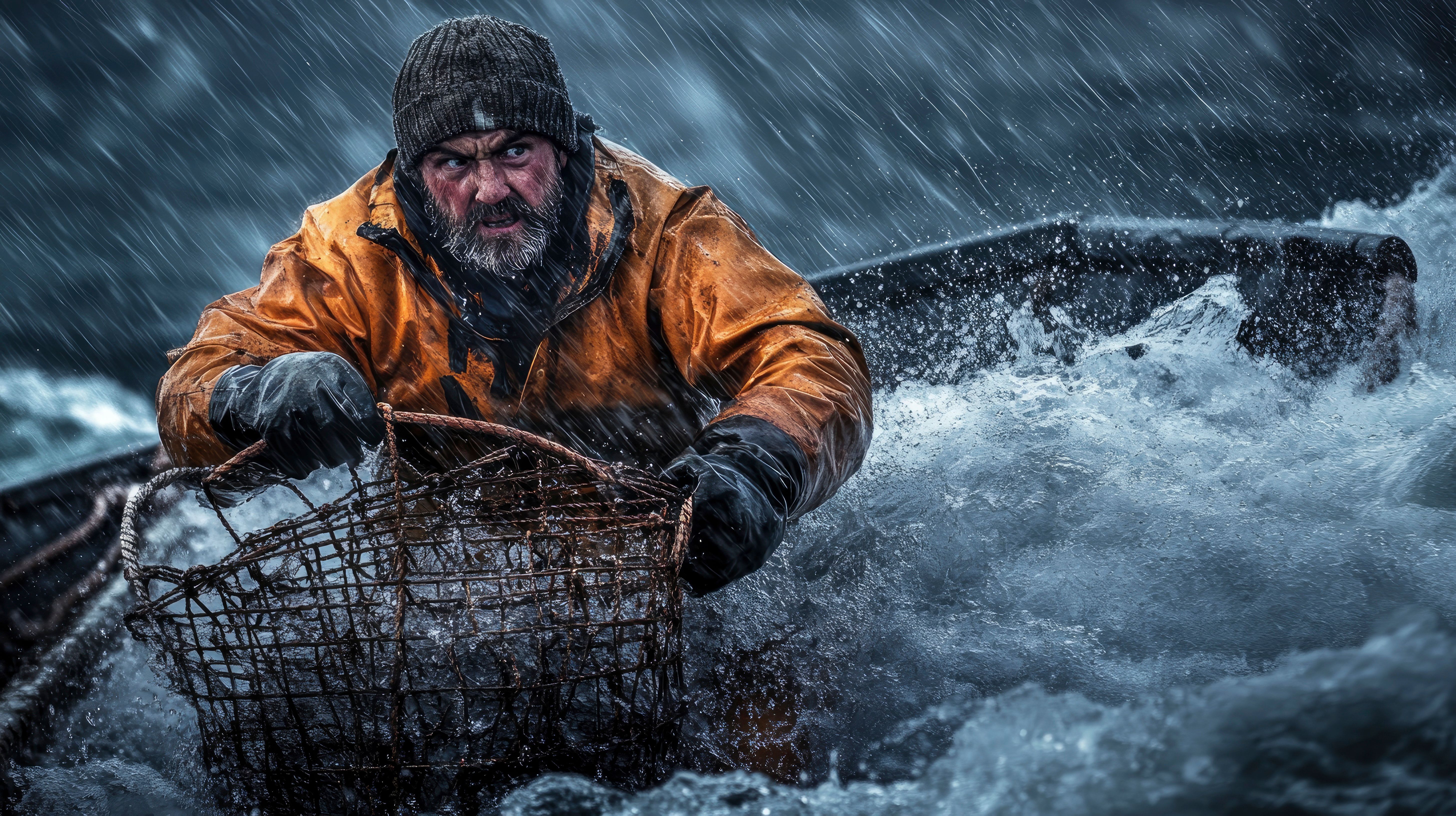


Fishing during storms brings a rush that calm days cannot match, but rough water always carries real risk. Strong winds, fast-moving clouds, rising waves, and sudden weather shifts can turn a great trip into a dangerous situation. Rough water fishing safety matters because poor visibility, unstable footing, and limited reaction time increase the chance of accidents for anglers and boaters alike. Stormy fishing safety is not about fear, but about awareness and smart decisions. Knowing which safety gear to carry, how to read warning signs on the water, and when to change plans protects lives and equipment. Rough water fishing tips help anglers spot dangers early, stay balanced, and maintain control. Clear fishing emergency procedures prepare anglers to respond calmly if conditions worsen, equipment fails, or someone goes overboard safely.
Understanding Rough Conditions Before You Go
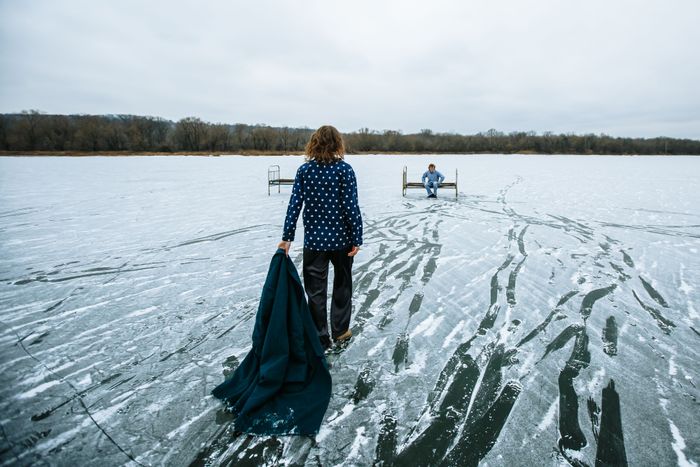
Rough fishing conditions are not limited to heavy rain or visible storms. High winds, fast-changing cloud cover, sudden temperature drops, and shifting barometric pressure can all signal unstable weather on the water. Wind speeds above safe limits create choppy surfaces, reduce boat control, and increase fatigue. Swells and cross-waves make balance harder for both shore and boat anglers. Recognizing what qualifies as rough conditions helps anglers avoid underestimating risk before launching or casting.
Weather awareness starts long before reaching the water. Checking marine forecasts, wind direction, wave height, and storm warnings provides valuable clues about what to expect. Sudden forecast changes often matter more than overall conditions. Calm mornings can quickly turn dangerous when pressure drops or storm systems move faster than predicted. Understanding these warning signs allows anglers to make safer decisions, delay trips when needed, and prepare properly when conditions begin to shift.
Essential Safety Gear for Fishing in Rough and Stormy Conditions
Fishing in stormy or rough conditions demands more than skill and experience. Proper preparation reduces risk and improves reaction time when conditions change. Here are the most important safety items every angler should carry before heading out in unstable weather.
1. Personal Flotation Devices (PFDs) and Life Jackets
CG-approved life jackets are critical for all anglers, especially during rough water fishing. Strong currents, waves, or sudden slips can quickly lead to dangerous situations. A properly fitted life jacket should feel snug without restricting movement. Always wear it rather than storing it, since emergencies leave little time to react. Fishing safety gear like PFDs provides essential flotation and visibility when conditions turn unpredictable.
2. Weather-Resistant Clothing and Footwear
Waterproof jackets and pants protect against wind, rain, and spray that lowers body temperature fast. Layering allows anglers to adjust warmth as conditions shift. Non-slip footwear improves grip on wet surfaces, helping prevent falls on boats, rocks, or muddy shorelines.
3. Communication and Navigation Tools
Reliable communication tools are vital during emergencies. VHF radios allow direct contact with nearby boats and rescue services. GPS units help maintain location awareness in poor visibility. Phones should stay fully charged and sealed in waterproof pouches. Navigation lights and emergency beacons improve visibility when the weather reduces sightlines. Fishing emergency communication devices support faster response when help is needed.
4. First-Aid and Emergency Supplies
A compact first-aid kit should include bandages, antiseptics, and basic medications. Flares, signal mirrors, and whistles help attract attention if stranded or injured. Medical preparedness ensures anglers can manage injuries or sudden health issues until assistance arrives.
Spotting Dangers in Stormy and Rough Water
Changing weather and water conditions often provide warning signs before becoming hazardous. These are the early indicators anglers must recognize to stay safe, make timely decisions, and reduce risk while fishing in stormy or rough environments.
Monitoring Water and Weather Changes
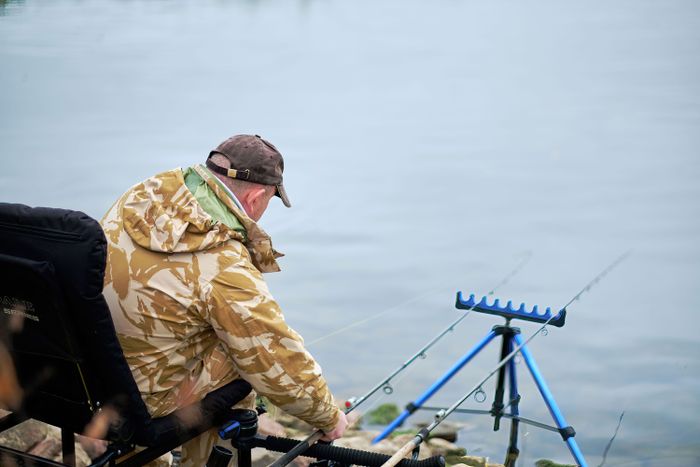
Weather shifts usually show themselves before conditions turn dangerous. Paying attention to these signals supports smarter storm tracking, fishing tips, and safer decision-making.
Darkening clouds or fast-moving cloud layers often indicate incoming storms
Sudden temperature drops can signal unstable weather patterns
Wind changing direction or increasing rapidly can create rough water within minutes
Small ripples turning into uneven chop often warn of worsening surface conditions
Recognizing Rough Water Hazards
As water conditions change, certain areas become far more dangerous. Understanding where hazards increase helps anglers avoid risky zones.
High waves and whitecaps reduce balance and boat control
Cross-swells and choppy transitions create unpredictable movement
Rocks, shoals, and submerged structures become harder to see
Shallow inlets and narrow passages intensify current speed and surge
Lightning and Thunderstorm Recognition
Lightning is one of the most serious threats during stormy fishing conditions. Immediate action is essential for lightning fishing safety.
Hearing thunder means lightning is close enough to pose a danger
Visible flashes on the horizon signal time to stop fishing immediately
Raised rods and open water increase exposure during storms
Leaving the water early is the safest response during stormy, lightning-fishing conditions
Emergency Preparedness and Precautions
Stormy conditions demand quick thinking and clear action. Proper emergency preparation helps anglers respond calmly, reduce injury risk, and improve outcomes when weather, equipment, or health situations change unexpectedly.
Preparing Before Leaving Shore
Preparation before departure reduces confusion during emergencies and increases response speed. Simple checks, shared plans, and clear limits help anglers avoid unnecessary risk when weather or water conditions worsen suddenly.
Share trip location and return time with a trusted contact
Review updated weather conditions before departure
Inspect safety gear, batteries, and communication devices
Set clear exit points if conditions deteriorate
Creating a Float Plan
A float plan provides critical information if assistance is needed. It allows responders to act quickly, narrow search areas, and improve rescue efficiency during fishing emergencies in rough or stormy conditions.
Float Plan Detail | What to Include | Why It Matters |
|---|---|---|
Fishing location | Water body, access point, nearby landmarks | Helps rescuers narrow search areas |
Launch and return time | Departure time and expected return | Signals when help may be required |
Vessel description | Boat or kayak type, color, size | Aids visual identification |
Emergency contacts | Names and phone numbers | Speeds up coordination |
What to Do During an On-Water Emergency
When conditions worsen unexpectedly, immediate action becomes essential. Staying calm, securing flotation, and reducing exposure to hazards helps anglers maintain control and avoid further danger during storm-related fishing emergencies.
Put on life jackets immediately
Reduce speed and adjust position to the waves
Maintain balance and secure loose equipment
Use radios or signals if assistance is required
Capsizing or Falling Overboard
Capsizing risks increase in rough water, strong wind, and heavy chop. Knowing how to react improves survival chances and prevents panic during unexpected falls or vessel instability in stormy fishing conditions.
Stay with the vessel whenever possible
Use flotation devices to conserve energy
Signal for help using a whistle, a light, or a mirror
Avoid swimming against strong currents
Handling Medical or Equipment Emergencies
Medical issues and equipment failures escalate faster in poor weather. Prepared anglers can manage injuries, stabilize situations, and seek assistance safely until reaching shore or receiving help.
Treat injuries immediately using first-aid supplies
Secure damaged or loose equipment
Use emergency communication devices if mobility is limited
Move toward shore when conditions allow
Post-Storm Fishing Safety Considerations
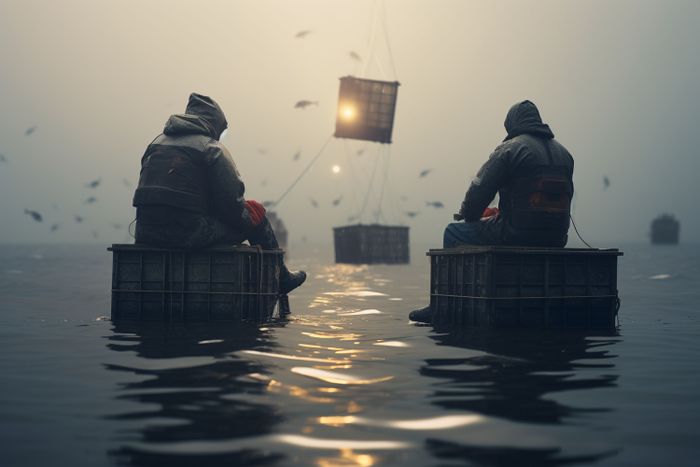
Stormy weather often leaves behind risks that are not immediately visible. Even when skies are clear, water conditions and equipment may still be compromised. Careful evaluation helps anglers avoid accidents and safely return to fishing after rough conditions.
When It’s Safe to Resume Fishing
Conditions should be fully stable before resuming fishing. Wind, water movement, and visibility must return to predictable levels. Following post-storm fishing guidelines reduces exposure to lingering hazards.
Wind speed has noticeably decreased and remains steady
Wave height and chop have settled to manageable levels
Currents near shorelines and inlets are no longer surging
Visibility has improved enough to spot structure and debris
Cleaning and Inspecting Gear After Rough Conditions
Stormy conditions place extra stress on fishing and safety equipment. Inspecting and maintaining gear ensures reliability on future trips and supports safe maintenance of fishing gear.
Check rods and reels for cracks, bent components, or stiffness
Inspect fishing line for fraying or weakened sections
Test life jackets, radios, and emergency lights
Clean salt, mud, or debris from all equipment
Repair or replace damaged gear before the next outing
Case Studies or Real Angler Experiences
Real-world situations clearly show how preparation and awareness influence outcomes on the water. Comparing safe and unsafe choices highlights the importance of safety gear, early danger recognition, and timely decision-making.
Scenario 1: Safe Response to Incoming Storm
An angler notices fast-moving clouds, rising wind, and growing chop while fishing offshore. Wearing a life jacket and monitoring weather updates, they secure gear and head toward shore early. Communication devices remain accessible, and the trip ends safely before conditions worsen.
Scenario 2: Unsafe Delay in Rough Conditions
Another angler ignores darkening skies and increasing whitecaps, assuming the storm will pass. Without wearing a life jacket, they continue fishing as waves build. A sudden gust causes loss of balance, leading to equipment damage and a dangerous near-overboard situation.
These examples reinforce how proper safety gear, early spotting of dangers, and quick decisions prevent emergencies before they escalate.
Conclusion
Fishing in stormy or rough conditions requires respect for the water and constant awareness. Proper safety gear, early danger recognition, and clear emergency preparation reduce risk when the weather changes quickly. Anglers who watch warning signs, act early, and prioritize safety protect themselves and others. Storms may pass, but hidden hazards often remain, making post-storm checks just as important. Smart decisions keep fishing enjoyable without unnecessary danger. For anglers who want to fish smarter and safer, Guidesly offers trusted resources, expert tips, and connections that support confident fishing decisions in all conditions.
FAQs
1. Why is fishing in stormy weather considered more dangerous?
Stormy fishing increases unpredictability, reduces reaction time, limits visibility, and amplifies water movement, creating higher risk scenarios where small mistakes escalate quickly into serious emergencies.
2. What areas should anglers avoid during unstable weather conditions?
Anglers should avoid elevated positions, metal exposure, open water, and isolated areas during unstable weather, since these environments intensify danger when storms develop nearby suddenly.
3. Why do anglers often delay leaving the water during storms?
Delayed responses usually stem from overconfidence, sunk cost thinking, poor weather awareness, and pressure to keep fishing, even when conditions clearly signal increasing risk levels.
4. How do storms change water behavior after the weather clears?
Water temperature shifts after storms can affect fish positioning, current strength, and debris movement, making familiar spots behave differently than expected during normal conditions periods.
5. Does fishing with others improve safety in rough conditions?
Fishing with partners improves safety through shared awareness, faster assistance, better communication, and additional problem-solving capacity when unexpected situations arise during challenging weather conditions.
6. Can weather apps fully predict on-water storm risks?
Modern weather alerts can lag behind localized changes, so relying solely on apps may cause anglers to miss rapidly developing hazards in open water environments.
7. Why is debris more dangerous after storms pass?
Post-storm debris patterns vary widely, influenced by wind direction, water flow, shoreline structure, and nearby vegetation, creating new obstacles where none existed before.
8. Can experienced anglers still be at risk during storms?
Experience helps, but seasoned anglers still face danger if habits override observation, flexibility, and willingness to adjust plans when environmental conditions deteriorate unexpectedly on the water.
9. Why are small boats more vulnerable in rough weather?
Small craft react faster to wind and waves, increasing instability and fatigue, which can compromise judgment and physical control during extended rough weather exposure periods.
10. What skills help anglers stay safer in changing conditions?
Developing situational awareness involves continuous observation, pattern recognition, listening to instincts, and respecting environmental feedback rather than focusing solely on catching fish during fishing trips.