How to Photograph Your Catch Like a Pro
Learn how to photograph your fishing catch like a pro with simple tips for fish handling, and photos perfect for social media, tournaments, and memories.

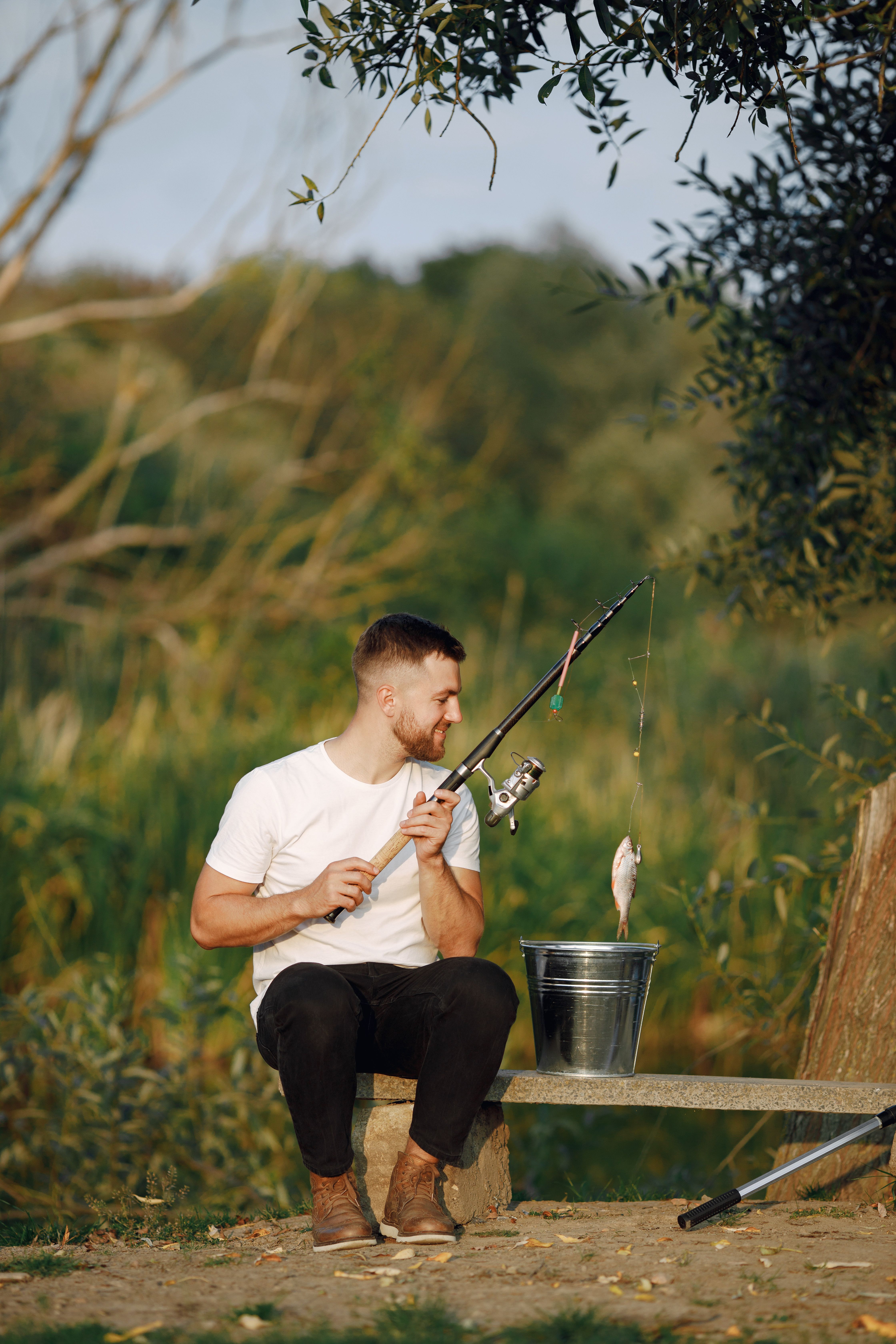


Fishing is about more than the moment a fish hits the line. It is about the story that follows. A well-captured catch photo preserves that story long after the trip ends. Today, fishing photography plays a bigger role than ever. Anglers use photos to document personal bests, verify tournament catches, and share real experiences with other fishermen. A clear, honest image shows respect for the fish, the water, and the skill involved. It also helps others understand conditions, species, and techniques used during the trip. Whether you fish from shore, kayak, or boat, learning how to photograph your catch properly adds value to every outing. With the right approach, simple gear, and good timing, any angler can capture professional-looking photos that reflect the true excitement of the catch.
Why Catch Photography Matters More Than Ever
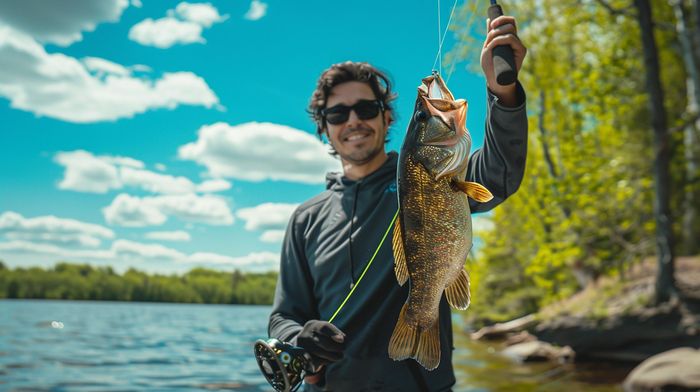
Fishing photos are no longer just personal memories saved on a phone or camera. They have evolved into proof of skill, records of achievement, and tools for storytelling. A single image can show the species caught, the conditions, the technique used, and the respect shown toward the fish. In today’s fishing world, photos help build personal brands, support tournament claims, and document real on-the-water success in a way words alone cannot.
Quality catch photos now matter for multiple reasons. Clear images drive stronger social media engagement and help anglers share authentic experiences. In tournaments, photos act as verification for size, species, and legality. For individual anglers, they help track personal bests and fishing progress over time. Guidesly anglers and guides use photos to showcase real trips, real catches, and real results, giving future anglers a transparent view of what fishing with a guide truly looks like.
How to Photograph Your Catch Like a Pro (Step-by-Step Guide)
Great catch photos come from preparation, awareness, and fast execution on the water. Every step helps protect the fish while improving image quality and credibility. Here are the exact steps anglers should follow:
Step 1: Prepare Before You Land the Fish: Thinking about photos before the catch saves time and reduces stress on the fish. Keep your camera ready, lens clean, and phone unlocked. Position yourself with good light and a clean background so the photo happens quickly after landing.
Step 2: Handle the Fish Properly: Ethical handling improves both fish safety and photo quality. Always wet your hands, support the fish horizontally, and avoid squeezing. Use a quick lift-and-shoot approach so the fish spends minimal time out of water and looks calm in the photo.
Step 3: Find the Right Angle: Straight-on photos often look flat and misleading. Hold the fish close to your body and angle it slightly to show true size and natural shape. Use eye-level shots for realism and slightly low angles to highlight color and detail without exaggeration.
Step 4: Use Natural Light to Your Advantage: Early morning and late afternoon provide the best natural light for fishing photos. Avoid harsh midday shadows when possible. Position the fish so light hits the side or front, revealing texture, patterns, and scale detail clearly.
Step 5: Frame the Shot: Strong framing keeps focus on the catch. Use the rule of thirds and include natural elements like water, shoreline, or the boat for context. Exclude distractions such as coolers, clutter, and trash to maintain a clean, professional look.
Step 6: Capture Multiple Shots Quickly: Always take five to ten photos while holding the fish briefly. Capture a mix of hero shots, close-ups, and wider environment images. Use burst mode or fast camera settings to ensure sharp results before releasing the fish.
Camera vs Smartphone: What Works Best for Catch Photography
Both smartphones and dedicated cameras can produce excellent catch photos when used correctly. Modern smartphones offer impressive image quality, fast focus, and convenience, making them ideal for most anglers. They are quick to access, easy to use with one hand, and perform well in good lighting conditions.
DSLR and mirrorless cameras provide greater control over settings, sharper detail, and better low-light performance. They work well for guides and anglers who want consistent, high-end results but require more setup and protection on the water. Smartphones remain the most practical choice for everyday fishing, while dedicated cameras suit those prioritizing professional output. Helpful accessories include a small tripod for stability, a Bluetooth remote for solo shots, and a waterproof phone case to protect gear in wet conditions.
Catch Photography Tips for Social Media (Instagram, Reels & Shorts)
Social media fishing photos need to capture attention within seconds. Clear visuals, real emotion, and simple storytelling help your catch stand out while still showing honest effort and true fishing conditions.
What Makes a Fishing Photo Scroll-Stopping
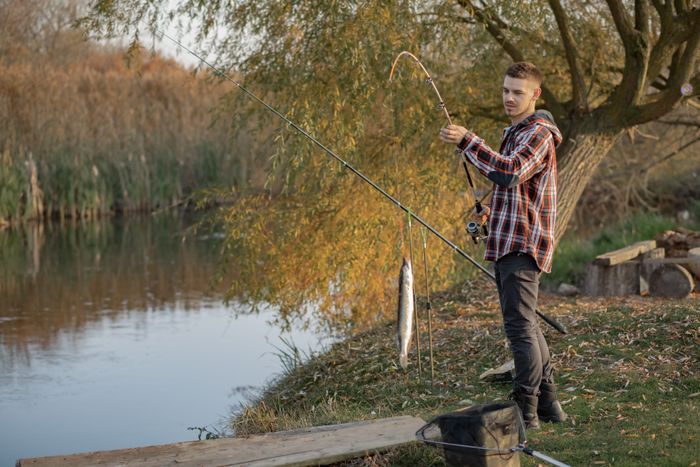
A strong fishing photo combines multiple elements that work together. When these elements are clear, viewers stop, look, and engage.
Emotion: Natural reactions, focus, or excitement create an instant connection
Size: A clear scale without exaggeration builds trust
Clarity: Sharp focus and clean framing keep attention on the fish
Story: The photo should hint at how and where the fish was caught
Authenticity always beats over-edited images. Natural lighting and realistic colors perform better and earn more respect from experienced anglers.
Best Photo Styles for Social Platforms
Different photo styles work best depending on the platform and format. Mixing styles keeps your feed interesting and relatable.
Hero pose photos: Clean, centered shots showing the fish clearly
Action shots: Reeling in, netting, or releasing the fish for movement and energy
POV shots: First-person angles that place viewers in the moment
Boat-deck shots: Casual, behind-the-scenes views that feel authentic
Captions, Hashtags & Tagging Strategy
Captions should be short, clear, and story-driven. Focus on what made the catch memorable without overexplaining.
Write brief fishing stories mentioning species, conditions, and technique
Use location-based, species-based, and technique-based hashtags
Tag your guide, fishing partners, and gear brands to increase reach
Organized captions and smart tagging help your photos reach the right audience while staying true to the fishing experience.
Tournament-Ready Catch Photography Tips
Tournament catch photos require precision, not creativity. Every image must clearly prove the catch meets event rules. Accuracy, visibility, and compliance matter more than style when photos are used for verification and official scoring.
Why Tournament Photos Need to Be Different
Tournament photos focus on proof, not presentation. Unlike casual sharing, these images must clearly document the catch according to event rules.
Proof-based photography confirms size, species, and legality
Casual angles or artistic framing can hide required details
Many anglers miss rules around angles, visibility, or required equipment
Understanding tournament photo requirements before fishing helps prevent mistakes that lead to penalties or disqualification.
Showing Size, Species & Legality Clearly
Clear documentation is essential for tournament approval. Photos should remove all doubt about the catch.
Use measuring boards with full fish length visible
Include scale shots when weight verification is required
Ensure key species features are sharp and unobstructed
Keep the fish positioned correctly on the measurement tools
Avoid cropping, shadows, or angles that hide numbers, mouths, or tail placement, as these are common disqualification triggers.
Timestamp, Location & Submission Best Practices
Accurate timestamps and organized photo files protect anglers during disputes. Clear records reduce confusion and speed up reviews.
Enable automatic timestamps on your camera or phone
Save tournament photos in a separate folder for quick access
Upload images promptly to meet submission deadlines
Well-organized, rule-compliant photos help ensure your catch is judged fairly and without delay.
Photographing Your Catch for Personal Records & Fishing Journals
Catch photos serve as powerful memory markers that go beyond written notes. They capture details that are easy to forget over time, such as weather conditions, fish coloration, size comparisons, and surrounding environments. A single image can instantly bring an entire fishing trip back to life.
Photos also help anglers track progress and patterns more accurately when used as part of a fishing journal.
Personal bests: Visual proof of size, weight, and improvement over time
New species: Clear identification helps document first-time catches
Seasonal patterns: Comparing photos reveals when and where certain species appear
When paired with trip notes and saved locations, photos become valuable learning tools that support better planning and smarter fishing decisions.
Solo Angler Catch Photography Tips
Fishing alone does not mean sacrificing quality photos. With simple preparation and the right setup, solo anglers can still capture clean, professional-looking catch images. Here are practical tips that help you photograph your catch confidently without assistance:
Timers and Remotes: Set phone timers or Bluetooth remotes before landing the fish so you can lift, shoot, and release smoothly without fumbling or extending time out of water.
Camera Placement: Position your camera on stable surfaces like boat rails, coolers, tackle boxes, or firm ground to maintain balance and consistent framing during solo shots.
Tripods and Mounts: Use small tripods or clamp mounts to keep the camera steady on boats or uneven shorelines where hand-held photos often blur.
Pre-Framing the Shot: Frame the photo and check focus before landing the fish so adjustments are minimal and the process stays fast and stress-free.
Sharp Image Capture: Use burst mode or fast shutter settings to capture multiple clear images quickly, increasing success without needing another angler’s help.
Editing Your Catch Photos Without Losing Authenticity
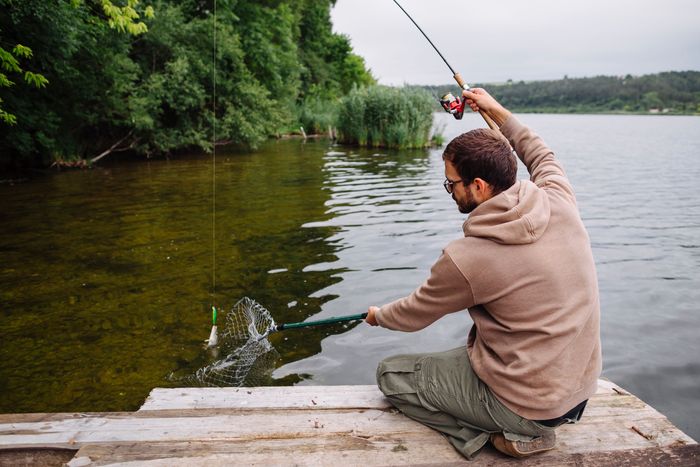
Editing your catch photos should focus on clarity while preserving honesty. Simple adjustments like light cropping help improve framing, while small changes to brightness and contrast enhance visibility without altering reality. Gentle sharpening can bring out natural scale texture and detail, especially in softer lighting conditions. It is important to keep colors true to life and avoid heavy saturation or aggressive filters that misrepresent the fish’s appearance. Resizing, stretching, or manipulating proportions should never be done, as these changes damage credibility and trust. Clean, realistic edits ensure your catch photos remain accurate, respectful, and believable to other anglers.
Common Catch Photography Mistakes to Avoid
Many catch photos fail due to small but avoidable mistakes. Knowing what to avoid helps protect the fish, improve photo quality, and maintain credibility with other anglers. These are the most common mistakes anglers should watch for when photographing their catch:
Holding Fish Too Far Forward: Extending the fish toward the camera exaggerates size, looks unnatural, and reduces trust among experienced anglers who value honest, accurate catch photos.
Bad Backgrounds and Harsh Shadows: Cluttered scenes and strong overhead light distract from the fish and create shadows that hide details and damage overall image clarity.
Waiting Too Long Before Photos: Delaying photos increases fish stress, leads to dull appearances, and raises the risk of missed shots due to movement or poor handling.
Poor Fish Handling: Improper grips, dry hands, or vertical holds harm the fish and instantly reduce credibility, especially when photos are shared publicly.
Creative Catch Photo Ideas Anglers Love
Creative catch photos help tell a deeper fishing story and keep your photo collection interesting. These ideas add variety while still showing real moments and genuine angling success.
Catch-and-Release Sequences: Capture the full moment from landing the fish to the release, showing respect for the species and creating a complete, meaningful visual story.
Species Highlight Collections: Group photos of different species caught over multiple trips to showcase diversity, learning progress, and growing angling experience.
First-Catch or Milestone Photos: Document first-ever catches, personal bests, or seasonal milestones to mark progress and create memorable reference points.
Before-and-After Trip Storytelling: Share photos from the start of the trip and the successful catch later to show effort, conditions, and the journey behind the result.
Conclusion
Photography has become a natural part of the fishing experience, not something separate from it. A well-captured catch photo reflects skill, respect for the fish, and the effort behind every successful moment. Great photos allow anglers to relive trips, share authentic stories, and clearly document their success, whether for personal records, social sharing, or verification. Over time, these images become valuable reminders of growth, learning, and memorable days on the water. By approaching catch photography with care and intention, every angler can turn a single moment into a lasting story. Share your best catch photos and fishing stories on Guidesly and be part of a community that values real fishing experiences.
FAQs
1. What camera settings are best for fishing photos?
Auto mode works for most anglers, but using a faster shutter speed reduces motion blur, especially with active fish or windy conditions on boats.
2. Can fishing photos be used as legal proof of catch ownership?
Photos alone usually do not establish legal ownership, but they can support claims when combined with permits, timestamps, and tournament or regulation documentation.
3. How do weather conditions affect fishing photography results?
Cloud cover softens light and reduces glare, while wind can cause motion blur. Adjust positioning and stability to maintain sharp, balanced images in changing weather.
4. Are underwater catch photos recommended for anglers?
Underwater photos work best for release moments but require clear water and waterproof equipment. They are optional and not suitable for documenting size or verification.
5. Should anglers photograph fish differently in saltwater versus freshwater?
Saltwater glare, spray, and reflections require faster shooting and lens protection, while freshwater environments allow more controlled lighting and calmer backgrounds.
6. How can anglers store fishing photos for long-term reference?
Organizing photos by date, location, and species in cloud storage or labeled folders helps anglers review trends, progress, and historical catch information easily.
7. Do fishing photos impact guide bookings or angler credibility online?
Yes, consistent and realistic photos help establish trust, showing real results and experience, which influences how viewers perceive an angler's skill or a guide's reliability.
8. Is flash photography recommended for fish photos?
Flash is generally discouraged because it creates harsh reflections on scales and eyes, often producing unnatural results compared to available natural light.
9. How many photos should anglers keep from each fishing trip?
Keeping a small selection of the clearest, most informative photos avoids clutter while preserving meaningful records that reflect the trip’s highlights accurately.
10. Can fishing photos help improve future fishing success?
Reviewing past photos reveals patterns in water conditions, fish behavior, and environments, helping anglers make better decisions on future trips and seasonal planning.