How to Prepare for Your First Guided Outdoor Trip: Gear, Mindset & Essentials
Planning your first guided outdoor trip? Learn what gear to pack, how to prepare mentally, and tips to make your adventure safe, confident, and enjoyable.


Your first guided outdoor trip is full of excitement and curiosity. The fresh air, scenic trails, and the thrill of exploring nature with expert guidance make it unforgettable. But before you hit the trail, a little preparation can make all the difference. Knowing what gear to pack, how to dress for changing weather, and what mindset to adopt can turn your adventure from stressful to seamless. From choosing the right backpack and footwear to staying safe and comfortable throughout the trek, every detail matters. Whether it’s your first hike, a beginner-friendly guided camping trip, or an outdoor adventure with friends, having the essentials ready and being mentally prepared ensures you enjoy every moment while staying safe and confident on the trail.
Why Planning Ahead Matters: The Importance of Preparation
Heading out on your first guided outdoor trip without proper preparation can turn even the most scenic trails into stressful experiences. Planning ahead isn’t just about packing a backpack; it’s about ensuring safety, comfort, and confidence from start to finish. First-time hikers and beginner adventurers often underestimate how quickly weather changes, terrain challenges, or simple fatigue can affect their trip. Having the right gear, knowing what to expect, and mentally preparing for the adventure make all the difference.
A well-planned trip allows you to focus on the joy of exploring nature rather than worrying about forgotten essentials or unexpected challenges. Whether it’s a guided hiking trip, a beginner-friendly camping adventure, or a multi-day outdoor excursion, preparation ensures you stay comfortable, energized, and ready for anything. Proper planning also helps you respect the environment, follow trail safety rules, and maintain group harmony, making your first outdoor experience not just enjoyable, but truly memorable.
Gear & Essentials: What to Pack (The Ultimate Checklist)
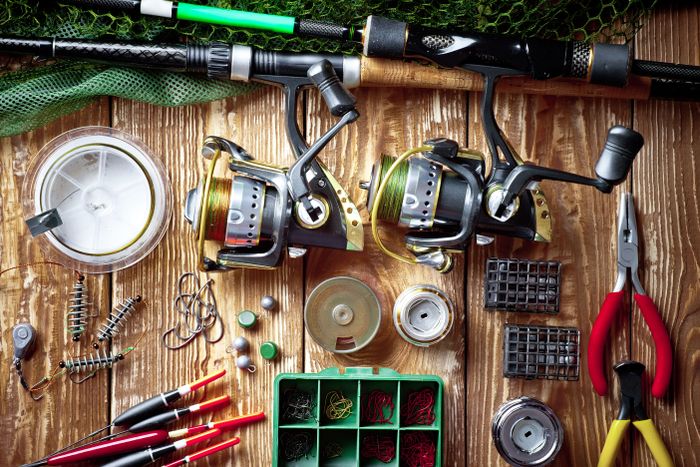
Heading out on your first guided outdoor trip can be thrilling, but packing the wrong gear or forgetting essentials can quickly turn excitement into frustration. Having the right backpack, clothing, and survival tools isn’t just about comfort; it’s about staying safe, energized, and fully enjoying your adventure. Whether it’s a day hike, a beginner-friendly guided trek, or a multi-day camping experience, packing smart makes every step easier and every moment more enjoyable.
Backpack & Packing Strategy
Choosing the right backpack sets the tone for the entire trip. For day hikes, a 20–30L pack is usually enough, while multi-day treks require 40–60L. Pack strategically by placing heavier items close to your back and frequently used items like snacks, water, and first-aid within easy reach. Waterproof packing cubes or dry bags help protect clothing and electronics from rain or spills.
Clothing & Footwear: Layering for Comfort & Weather
The right clothing can make or break your adventure. Moisture-wicking base layers, insulating mid-layers, and a weatherproof outer shell are essential for unpredictable conditions. Avoid cotton, which traps moisture, and opt for quick-dry fabrics. Comfortable, broken-in hiking boots or shoes are crucial for long trails, and extra socks and a hat will keep you dry and sun-safe.
Water, Food & Hydration
Hydration is key on any trek. Carry enough water for your route, and consider a hydration bladder or water bottles. For longer hikes, a compact water filter or purification tablets are useful. High-energy snacks like nuts, trail mix, and energy bars help maintain stamina, while a small packed lunch can keep you fueled on longer journeys.
Navigation & Communication
Even on guided trips, carrying basic navigation tools is smart. A map, compass, or offline GPS app ensures you can stay oriented if the group splits or in emergencies. A fully charged phone with a portable power bank and a GPS watch adds an extra layer of safety.
Safety, First-Aid & Emergency Gear
A basic first-aid kit, headlamp or flashlight with spare batteries, whistle, and multi-tool are must-haves. Sunscreen, sunglasses, and insect repellent protect you from natural elements. For overnight trips, lightweight emergency shelters or space blankets provide peace of mind, while carrying a small trash bag follows Leave No Trace principles.
Optional But Highly Useful Items
Depending on your adventure, trekking poles, extra clothing layers, rain gear, or specialized camping equipment like sleeping bags and mats can elevate your experience. Packing these optional items thoughtfully ensures comfort, safety, and adaptability in changing conditions.
By focusing on packing the right gear and essentials, you’ll feel confident and ready to tackle your first guided outdoor trip, making every moment enjoyable and stress-free.
Mental & Physical Preparation- Mindset for a First-Time Outdoor Trip
Stepping onto your first guided outdoor adventure isn’t just about packing the right gear; your mindset and physical readiness play an equally important role. Feeling confident, flexible, and mentally prepared can transform the experience from overwhelming to exhilarating. First-time hikers and beginner adventurers often focus solely on equipment, but building the right mindset and getting your body ready ensures you enjoy every moment safely and comfortably.
Here’s how to prepare mentally and physically for your first guided trip:
Embrace the Adventure: Accept that discomfort, fatigue, or unexpected challenges are part of the experience. A positive attitude turns hurdles into memorable moments.
Set Realistic Expectations: Understand the terrain, weather, and group pace. Knowing what to expect reduces anxiety and allows you to enjoy the journey fully.
Build Basic Fitness: Simple cardio, walking, or light hiking before the trip improves stamina and reduces soreness on the trail. Start gradually to prevent injury.
Practice Packing & Gear Use: Familiarize yourself with your backpack, footwear, and equipment. A trial hike or walk helps you adjust load distribution and test comfort.
Stay Mentally Flexible: Weather changes, trail detours, or slower group pace can occur. Staying adaptable and patient ensures a stress-free adventure.
Learn Trail Etiquette & Safety Awareness: Respect group instructions, maintain trail safety, and follow environmental guidelines. Being mindful of your surroundings benefits both you and fellow adventurers.
Visualize Success: Mentally preparing for the experience, from walking challenging trails to enjoying scenic viewpoints, boosts confidence and reduces first-time jitters.
By focusing on both mental and physical preparation, beginner adventurers can enjoy their first guided outdoor trip with confidence, energy, and a sense of accomplishment.
Before the Trip: Pre‑Trip Checklist & Practical Steps
Heading out on your first guided outdoor trip can be exciting, but skipping the pre-trip preparation can quickly turn that excitement into stress. Taking the time to plan and organize before you leave not only ensures safety and comfort but also maximizes your enjoyment of the adventure. Even beginner hikers and first-time outdoor adventurers can avoid common pitfalls by following a simple, strategic pre-trip routine. Being well-prepared gives you confidence, peace of mind, and the freedom to focus on the breathtaking views and unique experiences along the trail.
Here’s a complete pre-trip checklist and practical steps to make your first guided trip smooth and enjoyable:
Research Your Route & Conditions: Check trail maps, expected weather, terrain difficulty, and any local guidelines. Knowing what to expect prevents surprises and keeps you prepared.
Confirm Trip Details with Your Guide: Understand what’s provided versus what you need to bring. Confirm start times, duration, accommodation (if overnight), and group size.
Create a Personalized Packing List: Base your list on trip length, climate, and personal needs. Include gear, clothing, food, water, and emergency essentials.
Do a Trial Pack & Hike: Pack your backpack and take a short walk or hike to test weight distribution, footwear comfort, and accessibility of key items. Adjust as needed.
Check Gear Functionality: Ensure headlamps, water filters, GPS devices, and first-aid supplies are working and fully stocked. Replace or repair anything worn or broken.
Prepare Physically & Mentally: Light exercise, stretching, and basic cardio help your body adjust, while visualizing the experience prepares your mind for challenges and excitement.
Share Your Itinerary & Emergency Info: Leave your trip plan with a friend or family member, including route, expected return time, and contact information for your guide or group leader.
Finalize Travel Logistics: Arrange transportation to the starting point, accommodation if necessary, and confirm any permits or fees required for the area.
Following these pre-trip steps ensures that your first guided outdoor adventure is safe, enjoyable, and stress-free. By taking the time to plan ahead, you’re setting yourself up for a memorable experience, ready to focus on the adventure rather than worrying about what you might have forgotten.
On the Trip: Smart Habits & Best Practices for First-Time Outdoor Travel

ers
Your first guided outdoor trip is where preparation meets adventure. All the gear you packed and all the planning you did come together on the trail. But even with the right equipment, following smart habits and best practices ensures your experience is safe, enjoyable, and stress-free. First-time hikers and beginner adventurers can maximize comfort, energy, and fun by adopting simple routines and staying mindful throughout the journey.
Here’s a detailed table of smart habits and best practices for your first guided outdoor trip:
Habit / Practice | Description & Why It Matters |
|---|---|
Stay Hydrated & Snack Regularly | Drink water consistently and carry high-energy snacks to maintain stamina and prevent dehydration. Even mild fatigue can affect focus and enjoyment. |
Pace Yourself | Walk at a comfortable speed and take breaks as needed. Matching the group pace avoids overexertion and allows you to enjoy the scenery. |
Use Sun Protection | Apply sunscreen, wear a hat, and use sunglasses to prevent sunburn and eye strain. Sun exposure is stronger at higher altitudes or open trails. |
Keep Gear Accessible & Organized | Store frequently used items like water, snacks, first-aid, and rain gear in easy-to-reach compartments. Quick access avoids unnecessary stops or stress. |
Follow the Guide Instructions | Pay attention to your guide’s safety directions, trail markings, and group protocols. Guides ensure safety and help you navigate challenging terrain. |
Leave No Trace | Carry out all trash, avoid disturbing wildlife, and stick to designated trails. Responsible outdoor behavior protects nature and future adventures. |
Stay Aware of Surroundings | Watch the trail, weather, and other hikers. Awareness prevents accidents and ensures a smoother experience for everyone in the group. |
Practice Mindfulness & Enjoy the Moment | Take breaks to observe nature, breathe fresh air, and absorb the experience. Mindfulness enhances enjoyment and reduces stress. |
Adjust Clothing & Gear as Needed | Add or remove layers to regulate body temperature. Keeping comfortable prevents fatigue and improves the overall trip experience. |
Document & Reflect | Capture photos, take notes, or share moments with fellow hikers. Reflection creates lasting memories and helps plan for future trips. |
By following these smart habits and best practices, first-time outdoor adventurers can fully embrace their guided hiking or camping experience, stay safe, and make the most of every scenic trail, fresh mountain breeze, and unforgettable moment on the journey.
Post‑Trip: What to Do After Your First Outdoor Adventure
The adventure doesn’t truly end when you step off the trail. How you wrap up your first guided outdoor trip can impact not only the longevity of your gear but also the memories and lessons you carry forward. Post-trip care ensures your equipment stays in top condition, your body recovers properly, and your experience turns into lasting knowledge for future adventures. For first-time hikers and beginner outdoor enthusiasts, these steps are just as important as the preparation and the trek itself.
Here’s what to focus on after completing your first guided outdoor adventure:
Clean and Inspect Gear: Wash clothing, dry backpacks and sleeping bags, clean footwear, and check all equipment for wear or damage. Proper care prolongs lifespan and ensures readiness for the next trip.
Reflect on the Experience: Note what worked well and what could be improved from gear choices to pacing and comfort. Reflection helps refine packing lists and preparation for future hikes.
Document Memories: Capture photos, write a journal, or share experiences with friends. Recording your adventure preserves memories and provides insights for planning your next trips.
Rest and Recover Physically: Stretch, hydrate, and nourish your body. Recovery reduces soreness and prepares you for future outdoor activities.
Share Feedback with Guides or Groups: Positive feedback and constructive suggestions strengthen the community and improve future guided trips.
Plan Your Next Adventure: Use the experience to set new goals, whether it’s a longer trek, a different climate, or more challenging terrain. Each trip builds confidence and skill for future adventures.
By focusing on these post-trip steps, first-time adventurers can maximize the value of their guided outdoor experience, ensure their gear lasts longer, and transform lessons learned into actionable insights for even more memorable adventures ahead.
Book Your First Guided Fishing Trip on Guidesly in 7 Simple Steps
Booking your first guided fishing trip on Guidesly is designed to be simple, flexible, and beginner-friendly. From choosing a fishing location to confirming your trip details, each step helps match you with the right guide and experience. Here are the step-by-step actions to book your first fishing trip on Guidesly:
Step 1: Visit the Guidesly Website: Open the Guidesly website to begin planning your fishing trip and access the booking tools needed to find available guided fishing experiences.
Step 2: Choose Location, Date, and Group Size: Enter your fishing location or select a region on the map, choose your preferred date using the calendar, and set the number of adults and children to view fishing trips that match your plans.
Step 3: Search Available Guides: Click search to explore available fishing guides in your selected location, including pricing, ratings, trip types, and availability details.
Step 4: View Guide Trips: Open a guide profile and select View Trips to review available fishing experiences, trip durations, locations, and included equipment details.
Step 5: Build Your Trip: Confirm your date and group size, choose a trip type, then select a start time that fits your schedule and fishing preferences.
Step 6: Confirm and Pay: Review trip details, meeting location, equipment options, pricing breakdown, and complete your booking securely through Guidesly checkout.
Conclusion
Embarking on your first guided outdoor trip is more than just a hike. It is a journey of discovery, confidence, and lasting memories. Proper preparation, the right gear, and a focused mindset turn uncertainty into ease, helping you enjoy every trail, scenic view, and fresh breeze. By planning ahead, following best practices on the trail, and caring for yourself after the trip, beginners stay safe, comfortable, and energized. Each experience builds skill and confidence for future adventures. When you are ready to take that first step with a trusted guide, Guidesly makes it easy to find and book guided trips that match your goals, schedule, and skill level.
FAQs
1. How early should I start preparing physically for a guided hike?
Ideally, start light workouts and walks at least 3–4 weeks before your planned trip. Gradually increasing cardio, stair climbing, or incline‑walking helps build stamina and leg strength which pays off during long treks or hikes.
2. Do I really need special hiking shoes, or will my regular sports shoes do?
Yes, trekking shoes or boots designed for hiking are strongly recommended. They offer ankle support, better grip on rocky or slippery terrain, and are often waterproof. Regular sports shoes can be risky and lead to slips or discomfort.
3. What are the must‑have items I should never skip while packing for a guided hiking trip?
At minimum, carry what many outdoors experts call the “10 Essentials”: navigation tools (map, compass or GPS), water and hydration, food/snacks, sun protection (hat, sunscreen, sunglasses), extra clothing layers, first‑aid kit, illumination (lamp/headlamp), repair/tools kit, emergency shelter or blanket, and a way to start fire if needed (for multi-day treks).
4. How much water should I carry during a hike?
Plan to carry at least 1–2 liters per day for easy hikes and more if the trail is long, the weather is hot, or the trek is strenuous. Also, sip water regularly rather than waiting to get thirsty. Dehydration is a common risk for beginners.
5. Is cotton clothing okay for hiking? What kind of clothes should I wear?
Avoid cotton, it traps moisture and can become uncomfortable when wet. Instead, go for moisture-wicking, quick-dry fabrics like synthetic blends or wool. Wear layered clothes so you can adapt to weather shifts: base layer → insulating layer → outer shell (wind/rain jacket) as needed.
6. Do I still need navigation tools on a guided trip? Isn’t the guide taking care of that?
Yes, even on guided hikes, it’s smart to carry basic navigation gear like a map, compass, or offline GPS. They serve as a backup if the group gets separated, in case of emergencies, or for small side‑explorations offered during the trek.
7. What if the weather changes suddenly during the trek?
Trekking weather can shift unexpectedly, so always carry rain gear or a waterproof jacket, extra clothing layers, and sun protection. Being prepared helps you stay comfortable and safe even in rain, wind or sudden temperature drops.
8. Should I carry a first aid kit even if the guide or trekking group provides one?
Absolutely. A basic first aid kit with items like band‑aids, blister care, antiseptic wipes, painkillers, and any personal medications is essential. It ensures you’re covered for minor injuries, insect bites, or sudden discomfort, even if the guide has a kit.
9. Is overpacking a real problem? How do I avoid it?
Yes, overpacking is one of the most common mistakes first‑time trekkers make. A heavy, bulky pack can slow you down and lead to fatigue. Focus on essentials; choose lightweight, multipurpose gear; and limit unnecessary items. A lighter load leads to a more enjoyable, manageable trek.
10. After the trip ends, what should I do to take care of my gear and plan for the next adventure?
Once your guided outdoor trip is over, clean and dry all gear and clothes, inspect boots/shoes and backpack for wear, organise any notes on what worked vs what didn’t, rest and recover physically, and reflect on lessons learned. This post‑trip care ensures your gear lasts longer and helps you plan smarter for future adventures.