How to Secure the Best Fishing Experience on a Tight Schedule
Learn how to plan short fishing trips, book the right guide, and use smart tactics to maximize success when time is limited. Trusted tips for 2026 anglers.
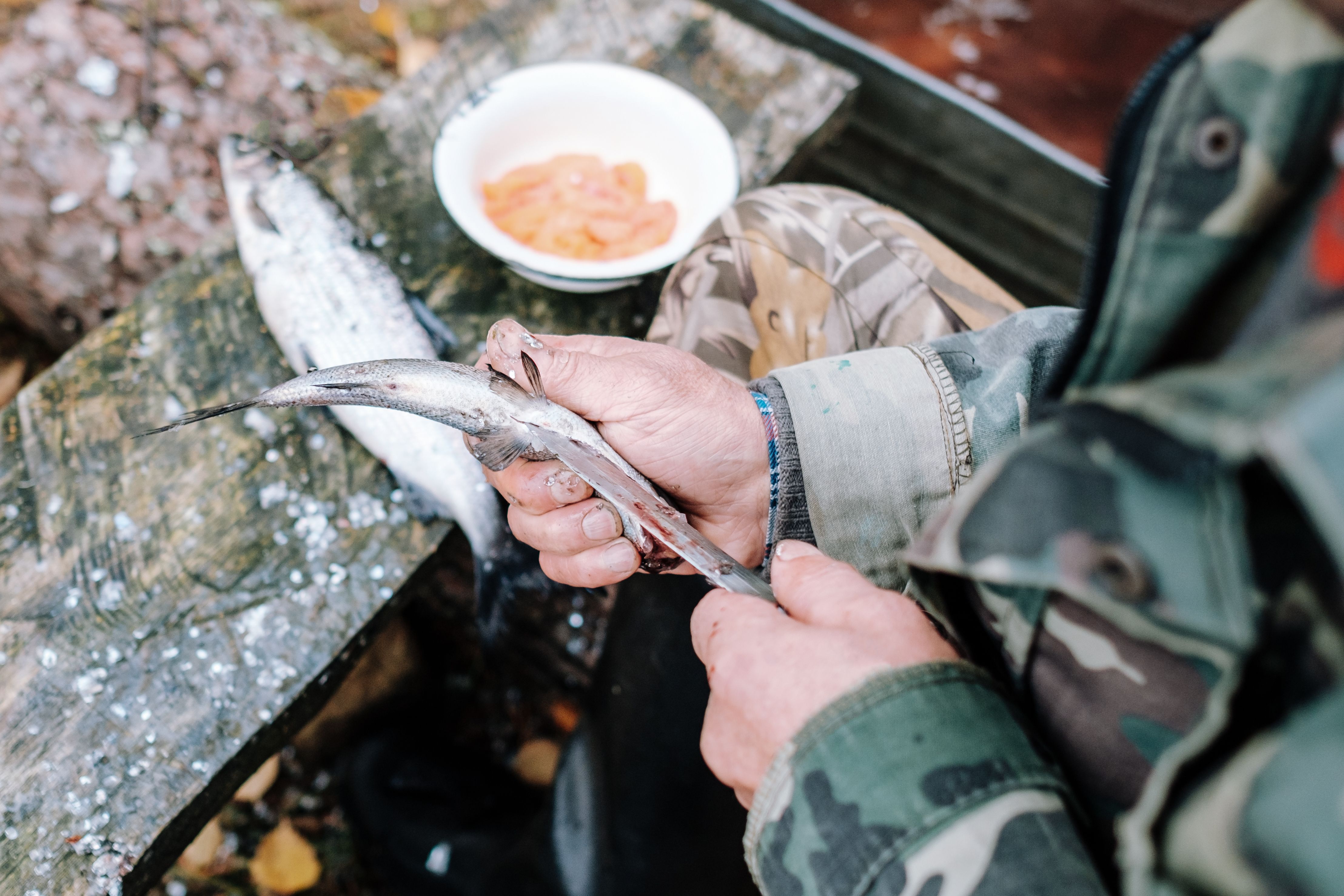


Busy schedules have changed how people approach fishing in 2026. Work commitments, family responsibilities, and short travel windows mean that many anglers have only a few hours to get on the water. That limited time can feel discouraging, especially when fishing has traditionally been seen as an all-day activity. The good news is that short trips can still deliver great results when they are planned with intention. With better access to real-time information, smarter gear choices, and experienced guides who know exactly where to go, anglers can avoid wasted effort. A focused approach removes guesswork and helps every minute count. When timing, location, and preparation align, even a tight schedule can lead to a rewarding fishing experience.
Why Tight Schedules Require a Different Fishing Strategy
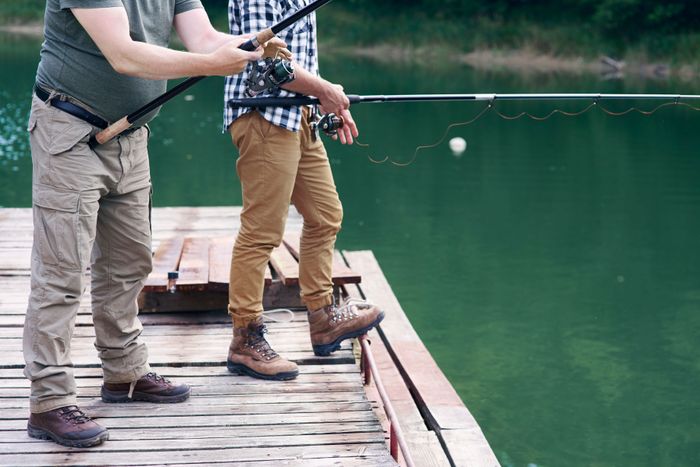
Limited time on the water changes how decisions need to be made. When hours are scarce, casual exploration and trial runs often lead to missed opportunities. A tight schedule demands a focused fishing strategy that prioritizes proven locations, active bite windows, and efficient setups. The goal shifts from relaxed exploration to purposeful action that improves results quickly.
Confidence comes from understanding that shorter trips do not reduce the quality of the experience. By setting clear expectations and planning around efficiency, anglers can fish with intent instead of pressure. A smart short trip approach replaces guesswork with clarity, helping every minute on the water feel productive and rewarding.
Optimize Your Timing for Maximum Fish Activity
Time is the most valuable asset on a short fishing trip. When schedules are tight, choosing the right window matters more than location or gear. Fish feed in predictable patterns tied to light, temperature, and pressure changes. Planning around these signals helps anglers avoid slow periods and focus only on moments when fish are most active.
Focus on Peak Feeding Windows
Fish activity increases during major and minor feeding periods linked to the moon position. Major periods occur when the moon is directly overhead or underfoot and typically last around two hours. These windows offer the highest chance of aggressive feeding, making them ideal for short trips. Minor periods are shorter and less intense but can still produce bites when conditions align. Targeting these windows helps anglers maximize results without spending unnecessary time on the water.
Adjust for Early 2026 Seasonal Conditions
Early 2026 fishing conditions require slight timing adjustments due to cooler water temperatures.
Key patterns to follow:
Late morning through afternoon often produces better action as sunlight warms the water
Sun-warmed shallow zones become holding areas for active fish
Early morning bites slow down in colder water compared to the warmer season
Use Barometric Pressure to Your Advantage
Barometric pressure plays a strong role in fish behavior, especially on short trips. Falling pressure before an approaching weather system often triggers brief feeding flurries as fish sense changing conditions.
Smart pressure-based tips:
Fish just before storm fronts arrive
Expect aggressive strikes during pressure drops
Always monitor weather changes and exit early if conditions become unsafe
Streamline Gear to Avoid Wasting Fishing Time
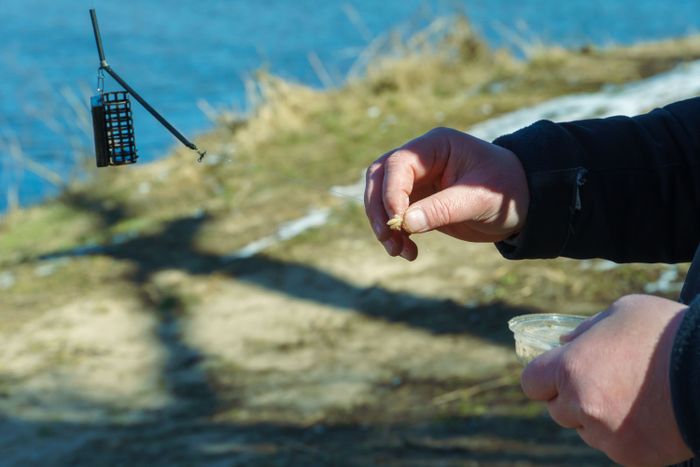
When time is limited, excess gear becomes a liability rather than an advantage. Carrying too much equipment slows movement, increases setup time, and raises safety risks on the water. A streamlined approach keeps anglers mobile, organized, and focused, allowing more time fishing and less time adjusting gear or managing clutter.
Travel Light With Versatile Setups
A simple, adaptable setup helps anglers move quickly, fish confidently, and respond to changing conditions without constant adjustments. These are the core gear choices that support short, efficient trips:
Medium action rod: Handles multiple species and lure weights, reduces rod changes, and allows anglers to fish confidently across different depths and cover types without losing valuable time.
Compact tackle bag: Keeps essential lures organized and accessible, prevents searching through clutter, and improves balance and safety when moving between spots or fishing tight shorelines.
Multi-species reel setup: Offers smooth drag and consistent performance across techniques, eliminating the need for backups and allowing quick transitions between presentations during short bite windows.
Use Fast, Search Style Lures for Quick Results
Lure fishing is more efficient than live bait when every minute counts. Search style lures allow anglers to cover water quickly and identify active fish without waiting for slow bites.
High efficiency lure options:
Jighead minnows for fast depth control and wide coverage
Soft plastics that mimic multiple forage types and adapt easily
Dock skipping techniques to reach shaded, high percentage holding areas
Prep Everything the Night Before
Preparation before the trip prevents rushed decisions and wasted daylight once fishing begins. Pre-rigging ensures anglers can start fishing immediately.
Simple prep steps that save time:
Tie leaders and lures ahead of time
Organize tackle by size and purpose
Check reels, drag settings, and line condition
This approach keeps trips calm, efficient, and productive from the first cast.
Use 2026 Digital Tools to Eliminate Guesswork
Modern fishing tools remove much of the uncertainty that once came with short trips. In 2026, anglers can rely on real-time data to make informed decisions before ever stepping onto the water. Using digital tools correctly builds confidence, reduces wasted effort, and helps anglers fish smarter while staying aware of changing conditions.
Real-Time Catch Reports and Local Activity

Recent catch reports from the last 24 to 48 hours provide valuable insight into what is actually working right now. These updates shorten the learning curve by highlighting active species, productive depths, and effective presentations. Smart anglers cross-check multiple reports to spot consistent patterns instead of chasing crowded locations. This approach helps avoid pressure, saves time, and leads to more reliable results.
Identify High-Yield Structure Before Arrival
Fish naturally gather around structures such as drop-offs, underwater ledges, docks, and vegetation lines. Identifying these areas ahead of time allows anglers to focus only on high percentage zones. Pre-planning structure reduces unnecessary movement on the water, limits exposure to hazards, and improves safety by keeping trips organized and efficient.
Wind and Weather Planning for Short Sessions
Wind direction directly influences water movement, bait positioning, and fish depth. Wind-blown shorelines often hold more active fish, while sheltered areas can produce better control in rough conditions. Checking weather and wind forecasts before short sessions helps anglers choose safer locations, adjust presentations, and avoid unexpected changes that cut trips short.
Choose Locations That Respect Your Time Limits
Short trips work best when locations match the time available. Long drives, complex access, or unfamiliar water can quickly eat into fishing hours and add unnecessary stress. Smart location choices keep trips efficient, predictable, and safer overall. Here are the location priorities that help anglers make the most of limited time:
Nearby accessible waters: Select nearby waters with easy access, predictable conditions, and clear entry points so travel time stays low and fishing time stays high for short trips.
Familiar fishing spots: Favor familiar spots you have fished before because known layouts, hazards, and patterns reduce scouting time and improve confidence during limited sessions on busy days.
Concentrated holding areas: Choose locations with multiple holding areas close together, allowing quick moves between docks, points, and edges without long runs or complex navigation for tight schedules.
Backup locations planned: Keep a backup spot mapped nearby so crowds, wind shifts, or poor clarity do not end the trip or force unsafe last-minute travel decisions.
High-Efficiency Tactics Once You’re on the Water
When time is limited, execution matters more than experimentation. High-efficiency tactics help anglers stay focused, avoid hesitation, and make confident decisions quickly. Each move should be intentional, keeping attention on areas and actions that produce results fast.
Fish Only High-Percentage Areas
Productive fish are rarely spread evenly across the water. On short trips, target ambush points where fish naturally wait for passing prey.
Key ambush locations:
Fallen timber that provides cover and shade
Dock pilings that break current and attract bait
Weed edges where fish patrol for easy meals
Apply the 15-Minute Rule
If no bites or visible activity occur within 15 to 20 minutes, it is time to adjust. Move to a new spot, change depth, or switch lure styles to stay efficient. This rule removes second-guessing and builds confidence by encouraging proactive decisions instead of waiting through unproductive water.
Stay Stealthy to Avoid Costly Mistakes
Short trips leave no room for errors that push fish away. Stealth keeps fish calm, protects active zones, and allows anglers to capitalize on brief feeding windows.
Control your presence:
Walk softly along banks and decks
Avoid dropping tackle or gear
Keep movements slow and deliberate
Minimize unnecessary repositioning
Stay aware of water clarity and depth
Plan smarter approaches:
Cast from a distance whenever possible
Approach targets from down sun angles
Avoid standing directly over holding areas
Work edges before moving tighter to cover
Use quiet entries when changing spots
Booking Smart When Time Is Limited
When schedules are tight, how a trip is booked matters just as much as how it is fished. Last-minute decisions without proper vetting often lead to mismatched expectations, wasted travel time, and missed opportunities on the water. A smart booking approach focuses on clarity, availability, and experience, helping anglers avoid guesswork before the trip even begins.
Choosing the right option in advance allows anglers to step into the trip prepared and confident. Clear communication about time limits, target species, and preferred fishing techniques helps eliminate delays and improve safety. When booking aligns with realistic goals and local expertise, even short fishing windows can feel organized, productive, and worth the effort.
Who Benefits Most From Tight-Schedule Fishing Strategies
Time-focused fishing strategies are designed for anglers who want quality experiences without long hours on the water. These approaches remove pressure, simplify decisions, and help anglers feel confident even with limited availability. These are the groups that benefit most from fishing smarter, not longer:
Working professionals: Busy schedules benefit from efficient planning, predictable timing, and focused locations that turn short fishing windows into productive outings without requiring full-day commitments.
Parents with limited free time: Short, well-planned trips allow parents to enjoy fishing without sacrificing family time or dealing with long setups, travel delays, or uncertain outcomes.
Travelers with short windows: Tight itineraries demand fast access, local knowledge, and reliable planning to turn brief stops into meaningful fishing experiences without wasted exploration.
Beginners building confidence: Structured short trips reduce overwhelm, improve learning, and help new anglers gain confidence quickly by focusing on clear goals and manageable conditions.
Conclusion
Fishing on a tight schedule is no longer about hoping for luck or waiting for perfect conditions. Successful short trips come from preparation, smart timing, and access to trusted local knowledge. When anglers plan efficiently, stay flexible, and focus on proven patterns, even a few hours on the water can deliver a rewarding experience. Short trips reward intention, not chance. By treating fishing like a precision activity, anglers can remove pressure and fish with confidence, regardless of limited availability. When you are ready to turn small windows into meaningful time on the water, explore verified guides, species, and locations on Guidesly and book with clarity, confidence, and the right expectations for your schedule.
FAQs
1. Can short fishing trips still be enjoyable if no fish are caught?
Yes short trips can work when expectations stay realistic, focusing on learning water patterns, enjoying time outside, and measuring success beyond just catching fish consistently.
2. Is it better to book fishing trips days ahead or at the last minute?
Booking days ahead improves availability, but many guides accept same-day requests, especially midweek, allowing anglers to secure options without committing to full-day trips.
3. What types of locations work best for limited fishing time?
Short sessions benefit from choosing locations with public access parking nearby facilities and predictable conditions, reducing stress and maximizing actual fishing time during limited windows.
4. How can anglers track improvement on short fishing trips?
Anglers can track progress by noting conditions tried, techniques used, observations made, and comfort gained, which builds experience even when catches are few or absent.
5. Why do weather apps matter for short fishing trips?
Weather apps matter because sudden changes affect comfort, safety, and fish mood, making it easier to decide whether to reschedule, shorten trips, or adjust expectations.
6. Are short fishing trips good for beginners?
Yes, beginners often learn faster on shorter outings because information stays manageable, mistakes feel less overwhelming, and confidence grows through repeated low pressure experiences sessions.
7. Do shorter fishing trips usually cost less?
Costs vary, but shorter bookings can reduce expenses related to fuel, gear, food, and time off work while still offering professional insight and local guidance.
8. How do crowds impact short fishing trips?
Planning around crowds helps avoid pressure, choosing off-peak hours on weekdays or lesser-known access points to maintain calm, efficient fishing conditions during short trips.
9. How should success be measured on limited fishing trips?
Success on limited trips includes relaxation skill improvement, situational awareness, and enjoyment of nature, not just numbers landed or photos taken during each outing session.
10. Can anglers prepare backup plans for short fishing trips?
Yes, anglers can plan backup options by mapping nearby waters, monitoring conditions, and keeping flexible schedules to adapt quickly when plans change unexpectedly during trips.