Islamorada Offshore Secrets: How to Spot and Target species like Mahi-Mahi
Discover how to spot and target mahi-mahi in Islamorada. Learn signs, techniques, seasons, and pro tips to boost your offshore fishing success.
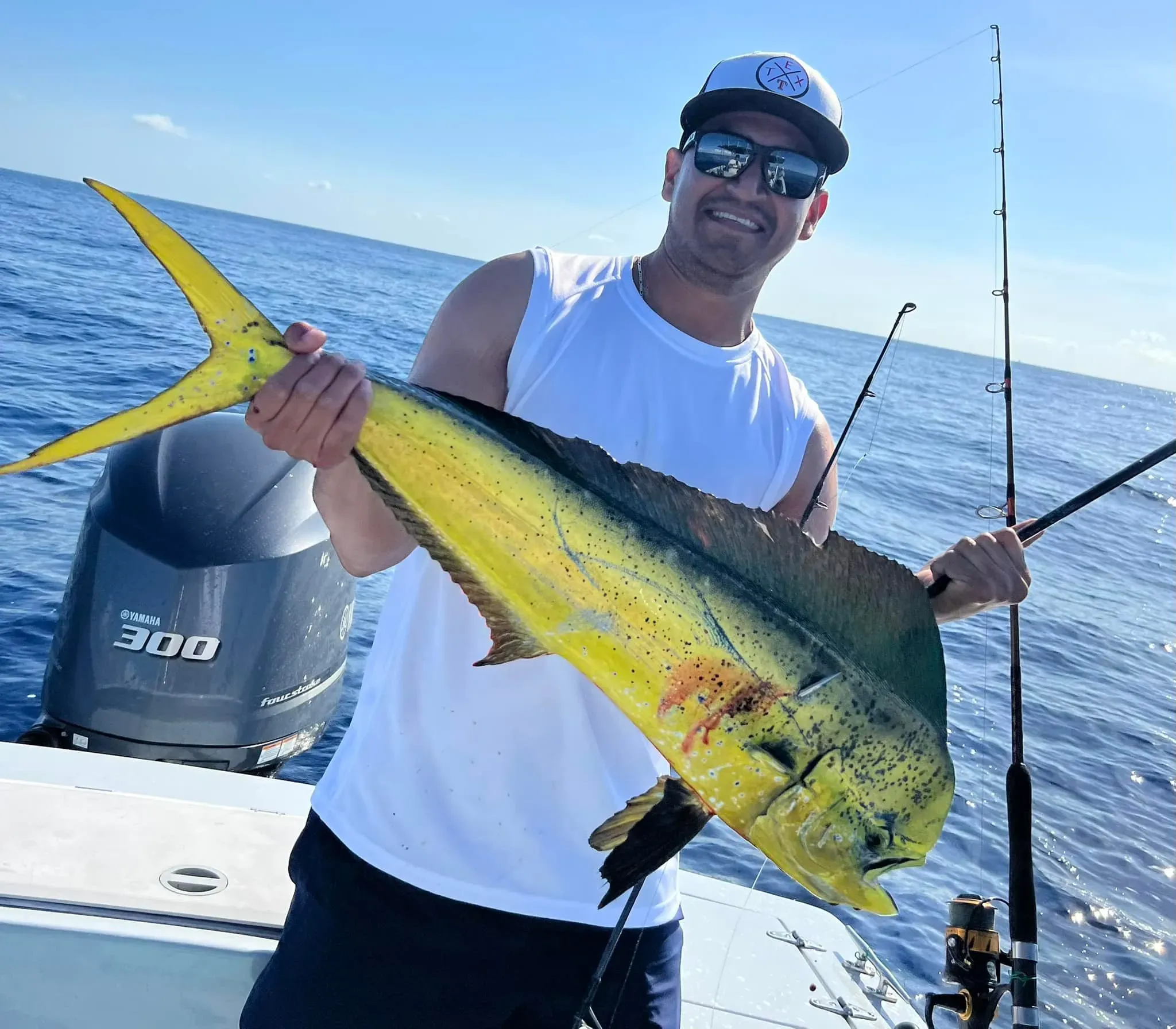


Chasing mahi-mahi offshore in Islamorada is thrilling until you’re surrounded by miles of open water and still can’t spot where the action is. For many anglers, the real challenge isn’t reeling in the fish… it’s figuring out where they’re hiding. And in a place like Islamorada, the “Sportfishing Capital of the World,” knowing how to read the ocean is what truly separates an average trip from an unforgettable one.
Out on the Gulf Stream, everything matters water color shifts, floating debris, sargassum weed lines, bird activity, even subtle temperature breaks. These tiny clues often point you straight to fast-moving schools of mahi-mahi. If you’re planning an offshore trip or booking an Islamorada fishing charter, understanding these signs can dramatically improve your chances of hooking up.
This introduction sets the stage for everything an angler needs to know: when mahi-mahi peak in Islamorada, how captains find them so quickly, what conditions trigger feeding, and which techniques consistently bring them boat-side. Whether you’re a first-timer or a seasoned deep-sea enthusiast, these insights help you fish smarter, react faster, and make the most of every mile offshore.
Understanding the Offshore Ecosystem Around Islamorada
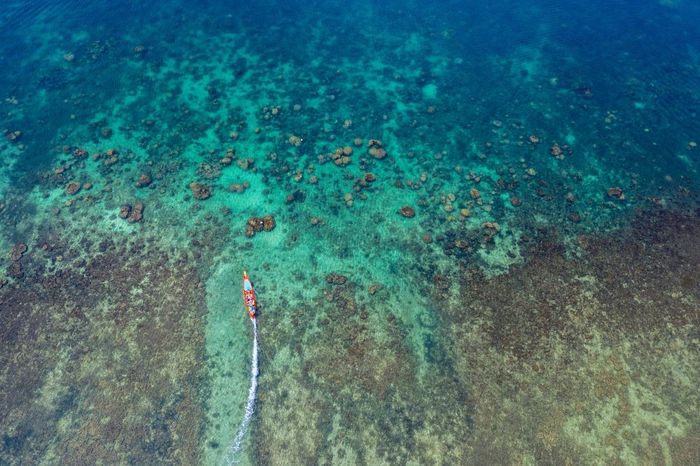
If you want to catch mahi-mahi in Islamorada, you first need to understand the ocean itself because out here, the water tells the story long before the fish do. This stretch of the Florida Keys is uniquely shaped by powerful currents, shifting temperatures, baitfish migrations, and floating structure that create perfect feeding zones for pelagic species.
Just a few miles off Islamorada, the deep blue of the Gulf Stream pushes warm, nutrient-rich water toward the Keys. This moving highway attracts everything from mahi-mahi and tuna to sailfish and wahoo. The edges of this current called temperature breaks often form natural “saltwater borders” where baitfish gather. Predators follow, and that’s exactly where savvy anglers focus their offshore efforts.
Another defining feature of Islamorada’s offshore ecosystem is the constant presence of sargassum weed lines. These golden mats act like mini floating cities, offering shade, food, and shelter for small fish, crabs, and shrimp. Mahi-mahi cruise these lines relentlessly, turning them into reliable hotspots for anglers who know what to look for. Even small pieces of floating debris branches, buckets, palm fronds can hold life beneath them and spark sudden, explosive action.
Bird activity is another major clue. Terns, frigatebirds, and gulls hovering or diving often signal schools of baitfish pinned near the surface. And where there’s bait, there are predators.
Understanding how these elements work together current, temperature, structure, and surface signs gives you a major advantage when fishing offshore. Once you learn to read Islamorada’s waters like the captains do, spotting mahi-mahi becomes far easier, and your chances of an epic trip increase dramatically.
Target Species: Mahi-Mahi and Beyond
<iframe width="560" height="315" src="https://www.youtube.com/embed/QLyRnyBnyfM?si=01cd50-RIm-zVkGM" title="YouTube video player" frameborder="0" allow="accelerometer; autoplay; clipboard-write; encrypted-media; gyroscope; picture-in-picture; web-share" referrerpolicy="strict-origin-when-cross-origin" allowfullscreen></iframe>
Few moments in offshore fishing match the rush of seeing a neon-green, electric-blue mahi-mahi explode out of the water behind your boat in Islamorada. These fish are fast, aggressive, and absolutely unforgettable one of the biggest reasons anglers travel from around the world to the Florida Keys. But mahi-mahi aren’t the only stars offshore. Islamorada’s deep blue water is home to an entire lineup of prized pelagic species that keep rods bent year-round.
Mahi-mahi also known as dolphin or dorado are the undeniable headliners. They’re one of the most visually striking fish you’ll ever see, with shimmering colors that light up the moment they’re hooked. Their behavior makes them even more exciting: they travel in schools, strike without hesitation, and often stay near the boat when the action heats up. In Islamorada, peak mahi-mahi season typically runs from late spring through summer, when warm water temperatures and strong Gulf Stream currents push large schools close to the surface.
These fish gravitate toward weed lines, floating debris, and current edges areas where baitfish gather. Their speed and curiosity make them perfect targets for both trolling and casting, which is why anglers rate Islamorada as one of the best places in the world to catch them.
But mahi-mahi are just the beginning.
Islamorada’s offshore waters also deliver big-game favorites like sailfish, especially during the winter months when cooler temperatures bring them closer to the reef edges. Their acrobatic jumps and fast runs make them a bucket-list catch for many offshore anglers.
You’ll also find powerful Blackfin tuna during much of the year strong fighters that show up around humps, wrecks, and current rips. On deeper drops or around fast-moving current lines, anglers may encounter wahoo, known for blistering first runs that test even the best reels and drag systems.
Other possibilities include king mackerel, amberjack, cobia, and seasonal grouper species. Each offers a different style of fight, making every trip offshore unpredictable in the best possible way.
Knowing the behavior, seasonality, and feeding patterns of these species helps you adapt your strategy on the water. Whether your target is mahi-mahi or any of the other pelagic predators that roam Islamorada’s offshore ecosystem, one thing is guaranteed these waters offer some of the richest, most diverse fishing opportunities in the entire Florida Keys.
How to “Spot” Mahi-Mahi: Reading the Signs
The real skill in catching mahi-mahi around Islamorada isn’t luck it’s learning to “read” the ocean like seasoned captains do. Offshore waters may look empty at first glance, but they’re full of subtle signals that reveal exactly where mahi are feeding, cruising, and hiding. Once you train your eyes to recognize these patterns, locating mahi becomes predictable, even across miles of blue water.
- Sargassum Weed Lines: Long golden streaks of floating sargassum act as natural fish highways. They hold baitfish, shrimp, and shelter perfect feeding grounds where mahi patrol the edges for easy prey.
- Floating Debris: Anything drifting offshore a log, buoy, board, or palm frond forms a mini-ecosystem. Mahi often hover beneath debris, waiting to ambush bait. Approach slowly and cast close.
- Bird Activity: Terns, gulls, and especially frigatebirds are your offshore “spotters.” Circling, dipping, or tracking birds almost always indicate bait movement with mahi or tuna right beneath.
- Water Color Changes: Look for clear separation between deep blue water and greener or milky water. These temperature breaks concentrate nutrients, bait, and fast-moving pelagic predators like mahi.
- Current Seams: Where two currents meet, debris, sargassum, and bait gather. These seams act as feeding lanes, making them prime zones for finding mahi schools.
Mastering these visual cues turns guesswork into strategy. When you can read the ocean using weed lines, birds, debris, and temperature breaks, every offshore mile transforms into an opportunity and mahi-mahi become far easier to locate consistently.
When to Fish for Mahi-Mahi in Islamorada
If you want to catch mahi-mahi consistently in Islamorada, timing is everything because these fast-moving pelagics follow seasons, currents, and water temperatures more than most anglers realize. Knowing when they’re closest to the surface and most active can transform your catch rate instantly.
The peak mahi-mahi season in Islamorada runs from late April through September, when warm Gulf Stream currents push nutrient-rich water closer to the Florida Keys. During these months, schools of mahi travel near the surface, feeding aggressively along weed lines, debris, and current rips. This is when anglers often experience those unforgettable “gaffer days” where the action barely slows down.
Summer isn’t just about higher numbers it’s when you’re more likely to find larger bulls and cows cruising together. Calm seas, longer daylight hours, and predictable weather patterns also make offshore trips smoother and more productive.
However, mahi-mahi don’t disappear after summer. They remain catchable almost year-round, especially during mild winters. Winter and early spring may bring fewer fish, but the ones you find are often larger singles or pairs riding temperature breaks and feeding around floating structure.
Time of day matters too. Early mornings and late afternoons typically offer the best surface activity, with fish rising to chase bait under softer light. Midday action picks up when strong currents push bait toward weed lines.
For the highest success rate, pair your timing with good conditions: blue water, organized sargassum lines, moderate current flow, and stable weather windows.
When you line up season, temperature, and ocean signs correctly, Islamorada becomes one of the most reliable mahi-mahi fisheries in the world making every offshore run worth the ride.
Tackle, Techniques & Baits for Targeting Mahi-Mahi
Hooking a mahi-mahi in Islamorada is pure adrenaline but having the wrong tackle or bait can turn a guaranteed hookup into a missed opportunity. These fish strike fast, fight hard, and demand gear that’s built for speed, power, and constant action. The right setup not only helps you land more fish but also keeps the bite going when multiple mahi swarm the boat.
For starters, a medium spinning or conventional outfit in the 20–30 lb class is ideal for most mahi-mahi. Paired with a fast-retrieve reel, it helps you keep tight pressure during quick runs and aerial jumps. Fluorocarbon leaders in the 30–40 lb range offer the perfect balance of invisibility and abrasion resistance, especially when larger bulls start thrashing boat-side.
When it comes to techniques, few methods beat trolling for covering water and finding schools fast. Anglers often run small ballyhoo, squid skirts, or bright trolling feathers at 6–8 knots. The flash and movement trigger instinctive strikes from hungry mahi cruising near the surface. Once you hook the first fish, don’t stop this is the perfect moment to pitch additional baits, as mahi-mahi often travel in schools and stay near the boat when the excitement starts.
Casting is another deadly tactic, especially around weed lines and floating debris. Keep a spinning rod rigged with a bucktail jig, live pilchard, chunk bait, or bright soft plastic. Tossing a bait toward visible fish or the shadow under structure can trigger instant hookups.
Live bait is unbeatable when mahi are being picky. Pilchards, cigar minnows, ballyhoo, and small blue runners mimic natural prey and keep fish fired up. Cut bait works well too, especially for schooling mahi.
The key is staying fast, organized, and ready mahi-mahi don’t give you time to hesitate. With the right tackle, techniques, and baits, you’ll turn every offshore trip in Islamorada into a high-action, rod-bending adventure.
Conservation & Responsible Fishing
Landing a mahi-mahi in Islamorada is exciting but protecting the fishery ensures that future anglers can enjoy the same thrill for years to come. As pressure on offshore species increases, responsible fishing practices have become just as important as the gear and techniques we use.
Mahi-mahi are fast-growing fish, but that doesn’t mean they’re unlimited. Following Florida fishing regulations, respecting size limits, and keeping only what you plan to eat helps maintain a healthy population. Many anglers in Islamorada now release larger bulls to support breeding cycles and take home smaller, better-tasting fish.
Handling fish gently also makes a big difference. Wet your hands before touching a mahi, avoid dropping them on the deck, and release them quickly if they’re undersized or not needed. Using circle hooks, barbless options, and dehooking tools improves survival rates significantly.
Responsible fishing also means respecting the environment itself. Never leave plastic, fishing line, or bait packaging in the water debris harms the same offshore ecosystem that attracts mahi, tuna, and sailfish.
By fishing with intention and awareness, you’re not just enjoying Islamorada’s world-class offshore experience you’re helping protect one of the most iconic and productive fisheries in the Florida Keys for generations to come.
Real-Life Tips from Anglers & Local Charter Captains
If you truly want to fish like a local in Islamorada, it helps to listen to the people who spend their lives on the water because their small, practical tricks often lead to the biggest mahi-mahi. These insights come straight from seasoned anglers and top charter captains who know how to turn “good days” into unforgettable offshore trips.
Here are some of the most reliable, field-tested tips you can use right away:
- Stay on the First Bite: When you hook the first mahi, keep it in the water for a moment its school often circles the boat, giving you multiple hookups.
- Match Bait to Conditions: If the fish are finicky, switch from trolling baits to live pilchards or chunk baits for quicker strikes.
- Follow the Birds, Not Waves: Captains swear by frigatebirds if one is locked onto a moving shadow, there’s usually a mahi or tuna beneath it.
- Use Bright Colors on Cloudy Days: Chartreuse and pink lures stand out in lower light, drawing fish from deeper water.
- Check Every Piece of Debris: Even a small board or buoy can hold an entire school of mahi hiding underneath.
These simple but powerful tips can instantly elevate your offshore success in Islamorada.
Conclusion
Choosing the right fishing trip shouldn’t feel overwhelming especially when you’re counting on 2025’s top fishing charters, smarter tech, and better booking options to deliver the experience you want.
A great fishing adventure isn’t just about luck, it’s about preparation, choosing the right charter, and knowing what matters before you book. Whether you’re planning an inshore trip for beginners or chasing deep-sea giants offshore, the best charters focus on safety, clear communication, and honest expectations. With modern tools, real-time forecasts, and expert captains, your chances of landing the perfect catch are better than ever.
Key Takeaways:
- Match your charter to your goal: inshore for calm action, offshore for big-game thrill.
- Check licenses, reviews, and safety gear before booking.
- Confirm what’s included bait, tackle, cleaning, duration, limits.
- Ask weather, tide, and species questions to avoid surprises.
- Use reputable platforms for smoother, more transparent booking.
Your perfect trip is waiting. Choose smart, ask the right questions, and reel in memories that last.
FAQs
1. What’s the difference between inshore and offshore fishing charters?
Inshore fishing stays close to shore with calmer waters and smaller species, while offshore charters travel deeper for big-game fish, stronger action, and longer, more adventurous trips overall.
2. How do I choose the best fishing charter for my needs?
Select a charter based on your target species, group size, trip duration, captain reviews, safety record, and whether the crew offers guidance suited for beginners or experienced anglers.
3. Are fishing charters safe for beginners?
Yes. Most charters offer beginner-friendly instruction, safety gear, patient crews, and simple techniques, ensuring first-time anglers enjoy a comfortable, safe, and confidence-building fishing experience.
4. What should I bring on a fishing charter trip?
Carry sunscreen, sunglasses, snacks, water, comfortable clothes, non-slip shoes, medication, and a small waterproof bag to keep your essentials dry during the trip.
5. What’s included in most fishing charter packages?
Most packages cover rods, bait, tackle, fishing licenses, safety equipment, fuel, and sometimes fish cleaning, making the experience convenient and stress-free for all anglers.
6. How early should I book a fishing charter?
Booking at least two weeks ahead helps secure preferred dates, while peak seasons or weekends may require scheduling three to four weeks in advance.
7. What’s the best time of day for fishing charters?
Early morning trips usually offer calmer waters, cooler temperatures, and active feeding periods, increasing your chances of consistent bites and high-quality catches.
8. Can kids join a fishing charter?
Absolutely. Many charters provide child-friendly gear, shorter trip options, safety instructions, and calm inshore routes designed to keep kids comfortable and excited.
9. How do weather and tides affect fishing success?
Tides influence fish movement, while weather affects visibility and feeding patterns. Checking local forecasts and tide charts increases your chances of productive fishing.