How Weather Affects Fishing Success
Learn how temperature, wind, rain, and barometric pressure affect fishing success and fish behavior so you can plan better trips and catch more fish.
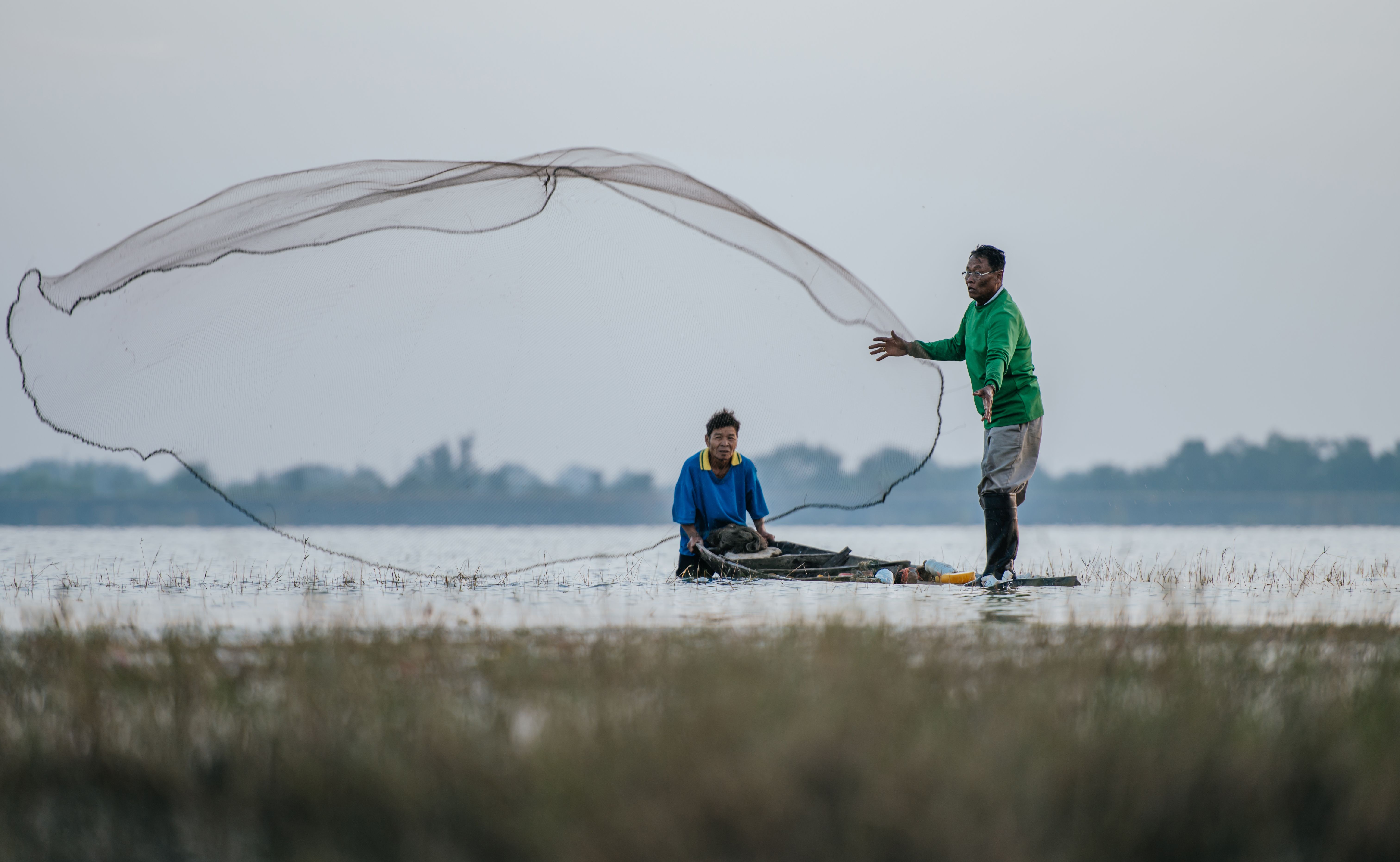


Weather plays a major role in fishing success, often influencing results more than lure choice or equipment. Fish respond directly to their environment, and changing weather conditions affect where they move, how active they become, and when they feed. Factors such as temperature, wind, rain, and barometric pressure work together to shape fish behavior throughout the day and across seasons. Water temperature controls metabolism and feeding intensity, wind pushes currents and baitfish, rain changes water clarity and oxygen levels, and pressure shifts often trigger feeding or slow periods. Learning to read these conditions helps anglers move beyond guesswork and fish with purpose. Using a reliable fishing weather guide makes it easier to identify the best weather for fishing and understand how fish behavior and weather patterns influence success, leading to smarter decisions and better catch rates.
The Science of Fish and Weather
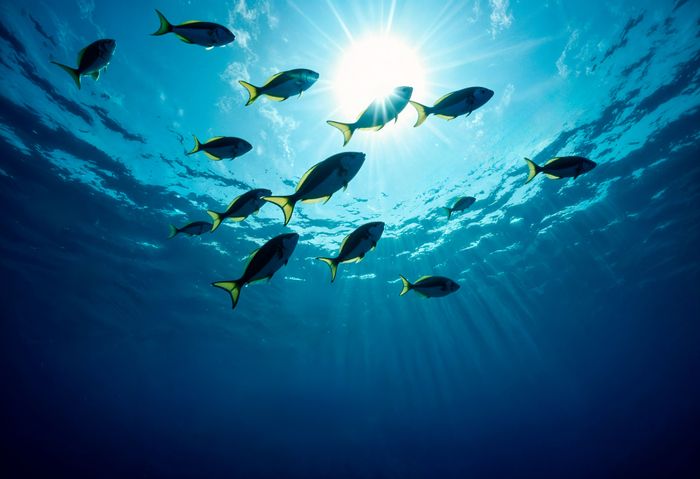
Fish are cold-blooded animals, which means their body temperature matches the surrounding water. Because of this, weather conditions directly control how fish move, feed, and react to their environment. When conditions are stable, fish follow predictable patterns. Sudden changes in weather often disrupt those patterns, causing fish to slow down, change depth, or adjust feeding behavior. This close connection between fish and their environment is why the weather has such a strong impact on fishing success.
Weather also affects water temperature, oxygen levels, pressure, and light penetration, all of which influence fish activity. Warmer water increases metabolism and feeding, while colder water slows fish movement. Oxygen levels shift with temperature, wind, and rain, changing where fish feel comfortable. Pressure systems signal approaching or passing weather, often triggering feeding or shutdown periods. Light conditions, influenced by cloud cover and sun angle, affect visibility and feeding confidence, shaping when and where fish are most active.
Key Weather Factors That Directly Affect Fishing Success
Weather influences fishing success through a few core factors that consistently shape fish behavior. These elements determine how comfortable fish feel in the water, where they position themselves, and when they decide to feed. Changes in weather can create short feeding windows or slow activity for hours or even days. Understanding how each factor works helps anglers adjust timing, location, and technique instead of relying on luck. Below are the main weather factors that have the strongest impact on fish movement and feeding patterns across freshwater and saltwater environments.
1. Water Temperature
Water temperature is the most influential factor affecting fish behavior and fishing success. Because fish are cold-blooded, their body functions depend entirely on the surrounding water. Even small temperature changes can alter feeding patterns, movement, and depth preference. Stable temperatures usually create predictable fishing, while sudden shifts often slow activity or shorten feeding windows.
Most influential factor: Water temperature controls metabolism, digestion speed, energy levels, and overall fish activity. When temperatures sit in a species’ comfort range, fish feed more consistently and move more freely.
Seasonal temperature shifts: As seasons change, fish follow temperature trends. Spring warming pulls fish shallow, summer heat pushes them deeper or into shade, fall cooling increases feeding, and winter cold slows movement and feeding.
Hot vs cold conditions: Warm water speeds digestion and increases feeding frequency, often leading to short but aggressive bite windows. Cold water slows metabolism, making fish less active and more selective.
Cold front temperature shock: Rapid temperature drops from cold fronts can cause fish to suspend, retreat to deeper water, or stop feeding temporarily until conditions stabilize again.
2. Barometric Pressure
Barometric pressure plays a major role in fishing success because fish can sense even small changes in atmospheric pressure. These changes often signal incoming or outgoing weather systems, which directly affect fish comfort and feeding behavior. While anglers cannot see pressure shifts on the water, fish respond to them quickly.
Pressure sensitivity: Fish detect pressure changes through their swim bladder, which helps control buoyancy and balance. Sudden shifts can make fish uncomfortable and alter their movement.
Falling pressure: Pressure drops usually occur before storms and often trigger increased feeding activity as fish prepare for changing conditions.
Stable pressure: Consistent pressure creates predictable fish behavior, making it easier to locate active fish.
Rising pressure: After a storm, rising pressure commonly slows feeding and pushes fish deeper or closer to structure until conditions stabilize again.
3. Wind Speed and Direction
Wind is one of the most overlooked weather factors in fishing, yet it has a powerful impact on fish location and feeding behavior. Wind influences how water moves, where food collects, and how comfortable fish feel in different areas. Learning to read wind conditions can quickly improve catch rates.
Water movement and currents: Wind pushes surface water and creates currents that move plankton and baitfish. Predatory fish often follow this food source and position themselves where currents naturally deliver meals.
Oxygen distribution: Light to moderate wind increases oxygen levels by mixing surface water. Higher oxygen often leads to more active fish and stronger feeding behavior.
Wind direction and positioning: Fish commonly hold on windblown banks, points, and structure where baitfish are pushed. These areas frequently produce better action than calm shorelines.
Strong wind effects: Heavy wind can scatter baitfish, reduce visibility, and make lure control difficult. In these conditions, fish often tuck into cover or deeper water to avoid turbulence.
4. Rain and Cloud Cover
Rain and cloud cover can either improve or hinder fishing success, depending on intensity and duration. These conditions influence light penetration, water clarity, and oxygen levels, which directly affect fish comfort and feeding behavior. Understanding how different types of rain and cloud cover impact the water helps anglers adjust their approach.
Light rain benefits: Gentle rain increases surface oxygen and creates a subtle disturbance, making fish feel less exposed and more willing to feed.
Heavy rain impact: Strong rain can muddy the water, reduce visibility, and disrupt fish positioning, especially in shallow areas or fast-moving water.
Cloud cover effects: Overcast skies lower light penetration, allowing fish to move freely and feed longer throughout the day instead of only during low-light periods.
Storm runoff: Rain runoff can bring cooler water, debris, and nutrients into lakes and rivers, temporarily shifting fish locations and feeding zones.
5. Seasonal Weather Patterns
Seasonal weather patterns create long-term changes in water conditions that shape fish behavior throughout the year. Unlike short-term weather events, seasonal trends influence where fish live, how often they feed, and the times of day they are most active. Understanding these patterns helps anglers plan trips around predictable fish movements.
Spring patterns: Rising water temperatures and longer daylight hours trigger increased activity and movement toward shallow areas for spawning and feeding.
Summer patterns: Higher temperatures push fish into deeper water, shaded structure, or cooler current. Feeding often peaks early in the morning and late in the evening.
Fall patterns: Cooling water increases oxygen levels and feeding activity as fish prepare for winter, often creating some of the best fishing of the year.
Winter patterns: Cold water slows metabolism, limits movement, and shortens feeding windows, requiring slower presentations and precise locations.
Putting It All Together: Using Weather to Improve Fishing Success
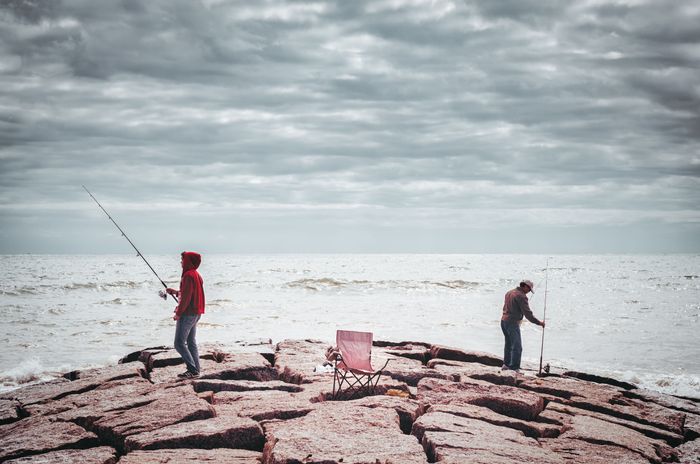
Successful anglers look at the weather as a complete system rather than individual conditions. Water temperature, barometric pressure, wind, rain, and seasonal patterns all interact to influence where fish position themselves and when they feed. For example, a warming trend combined with falling pressure and light wind often creates ideal feeding conditions, while sudden cold fronts, rising pressure, and calm post-storm skies typically slow the bite.
By learning to read these combined signals, anglers can plan trips more effectively. Checking recent weather trends, monitoring forecasts, and observing on-the-water conditions help determine the best times and locations to fish. Instead of relying on luck, anglers who understand weather patterns can adjust techniques, timing, and presentation to match conditions, leading to more consistent results and better overall fishing success.
Practical Prep: Using Weather to Plan Your Fishing Trip
Preparing for a fishing trip with weather in mind allows anglers to fish smarter and more efficiently. Weather does not just affect comfort on the water. It directly influences fish location, activity level, and feeding windows. By understanding weather patterns before leaving home, anglers can choose better times, locations, and techniques. Here are the key weather checks and planning steps that help turn forecasts into more productive fishing trips.
Review recent weather trends: Look at conditions from the past few days, not just the forecast. Stable weather usually means predictable fish behavior, while sudden changes often require slower presentations and deeper locations.
Focus on water temperature: Water temperature is more important than air temperature. Knowing how warm or cold the water is helps identify where fish will hold and how active they are likely to be.
Watch barometric pressure movement: Falling pressure often signals increased feeding, while rising pressure can slow fish down. Planning trips around these changes can improve timing and catch rates.
Use wind to your advantage: Wind direction helps locate productive areas. Windblown shorelines and points often concentrate baitfish and attract feeding fish.
Adjust based on rainfall and clarity: Recent rain can improve oxygen levels or reduce visibility. Adapting lure choice and presentation speed to water clarity improves success.
Stay flexible on the water: Conditions can change quickly. Observing surface activity, water movement, and fish response allows anglers to adjust tactics in real time for better results.
Conclusion
Understanding the weather gives anglers a clear advantage on the water. Temperature, pressure, wind, rain, and seasonal patterns shape where fish move and when they feed. Learning to read these signals helps anglers choose better timing, locations, and techniques instead of relying on guesswork. While general patterns apply, local conditions and species behavior always matter, so observation and adjustment are key. Fishing becomes more consistent when the weather is treated as part of the strategy. For anglers looking to put this knowledge into action, Guidesly connects you with experienced local guides who understand weather-driven fish behavior and can help turn conditions into successful fishing trips.
FAQs
1. What is the best time of day to fish based on the weather?
Early morning and late evening are often best because lower light, cooler temperatures, and calmer conditions encourage fish movement and reduce stress across many environments.
2. Does fishing improve before a storm?
Fishing often improves before storms because changing conditions stimulate fish activity, but timing is short, and anglers should always prioritize safety when weather systems approach.
3. How does humidity affect fishing success?
Humidity itself has little direct effect on fish, but it often accompanies weather changes that influence comfort levels, feeding behavior, and how aggressively fish respond.
4. Is fishing better on cloudy or sunny days?
Cloudy days usually extend feeding periods by reducing visibility, while sunny days may limit activity to low-light periods unless fish are holding deep or shaded.
5. Can weather apps accurately predict fishing success?
Weather apps provide helpful forecasts, but they should be used alongside local knowledge, recent conditions, and on-water observation for the most reliable fishing decisions.
6. How long do weather effects on fishing last?
Weather impacts can last from a few hours to several days, depending on severity, water size, species behavior, and how quickly conditions stabilize afterward.
7. Does moon phase matter more than weather?
Weather usually has a stronger influence than moon phase because it directly affects water conditions, comfort levels, and feeding triggers experienced by fish.
8. How does altitude-related weather affect fishing?
At higher altitudes, rapid weather changes and cooler temperatures can shorten feeding windows, making timing and stable conditions more important for consistent fishing success.
9. Should beginners avoid fishing in changing weather?
Beginners do not need to avoid changing weather, but starting during stable conditions helps build confidence and makes it easier to understand basic fish behavior patterns.
10. Why do local guides outperform anglers during tough weather?
Local guides understand area-specific patterns, recent conditions, and fish reactions, allowing them to adjust quickly when weather creates challenging fishing situations.