Catching Kingfish: Tips for Anglers in the Atlantic
Target Atlantic kingfish with expert gear, bait, and location tips. Learn proven techniques to catch king mackerel and boost your offshore fishing success.
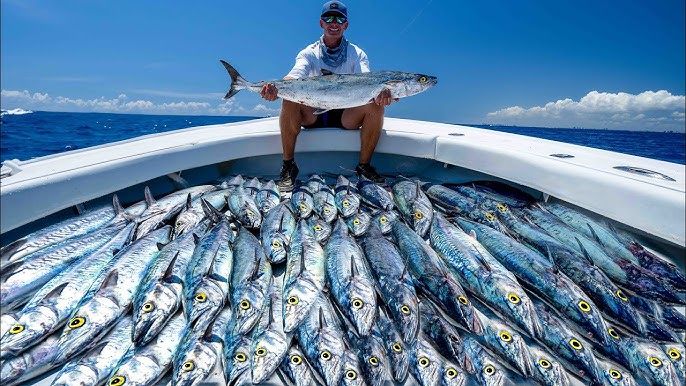


Kingfish are one of the most exciting gamefish found in Atlantic waters, with King Mackerel leading the list for speed, power, and nonstop action. These aggressive predators patrol offshore reefs, wrecks, and bait-filled waters, striking fast and fighting hard once hooked. Anglers across the Atlantic target kingfish for their blistering runs, sharp instincts, and challenging battles on both light and heavy tackle. Consistent success comes from understanding how kingfish feed, where they travel throughout the season, and how they react to changing conditions. This guide breaks down the essential gear, proven bait options, and productive locations that put anglers closer to active fish. It also shares practical, pro-level tips that help improve hookups, reduce lost fish, and make every kingfish trip more rewarding.
How Kingfish Behave in Atlantic Waters
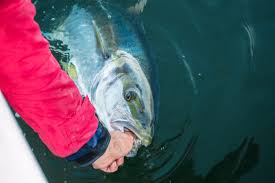
Kingfish behavior in Atlantic waters is shaped by speed, bait movement, and structure. Understanding how king mackerel feed, migrate, and position themselves helps anglers plan better drifts, bait presentations, and fishing locations.
Fast-Paced Feeding Habits of Kingfish
Kingfish rely on speed and aggression to hunt baitfish in changing conditions. Their feeding behavior shifts with bait depth, light levels, and current flow. Here are the key patterns anglers should watch for.
Kingfish attack baitfish using explosive bursts of speed.
Strikes often come from behind or below prey.
Surface feeding occurs when bait schools rise or scatter.
Mid-water feeding happens when bait holds deeper along currents.
Seasonal Migration Patterns of Atlantic Kingfish
Kingfish move throughout the year in response to temperature changes and bait availability. These seasonal shifts determine where anglers should focus their efforts. These are the main migration patterns to expect.
Spring and summer bring kingfish closer to coastal waters.
Warm water and bait movement drive inshore activity.
Fall pushes fish gradually offshore.
Fish stage along deeper migration routes before winter.
Key Structures That Attract Kingfish
Kingfish consistently hold near structure that concentrates bait and current. These areas create natural feeding zones. Here are the most productive structures anglers should target.
Reefs and wrecks are holding steady baitfish.
Ledges where depth changes funnel prey.
Large bait schools that trigger feeding activity.
Temperature breaks where current and clarity shift.
Best Gear Setup for Catching Atlantic Kingfish
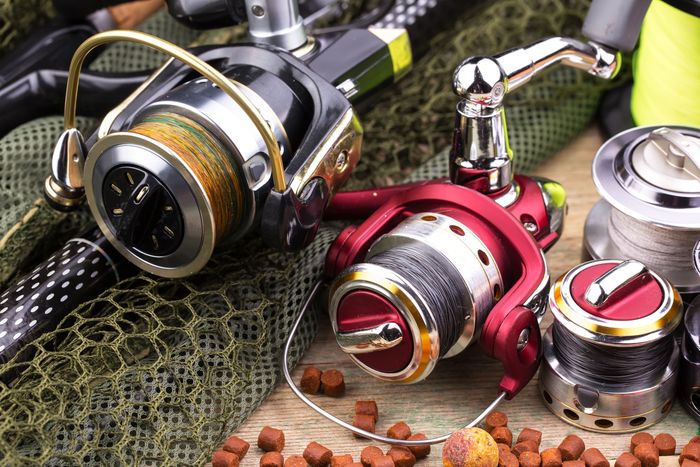
Targeting fast, aggressive Atlantic kingfish requires a balanced gear setup built for speed, strength, and control. From rods and reels to wire leaders and rigs, using the right tackle improves hook-ups, reduces bite-offs, and helps anglers handle long, powerful runs.
Rod & Reel Recommendations
The right rod and reel combo allows anglers to react quickly to explosive strikes while maintaining pressure during long fights. Here are the key setups anglers rely on.
Medium-heavy to heavy rods handle strong runs and sudden surges.
Fast-action tips help absorb shock during strikes.
High-speed spinning reels excel for quick line pickup.
Conventional reels provide better control for trolling spreads.
Line, Leaders & Wire Setups
Strong line and leader choices are critical because kingfish have razor-sharp teeth and hit at high speeds. Here is a quick breakdown to help choose the right setup:
Braided mainline (30 to 50 lb): Best for trolling and live bait fishing. High strength with minimal stretch improves hooksets and maintains pressure during fast runs.
Mono topshot: Used for shock absorption. Helps reduce pulled hooks when kingfish strike hard or make sudden directional changes.
Single-strand wire leader: Most effective in clear water conditions. Provides stealthy presentation and clean bait action while still protecting against bite-offs.
Multi-strand wire leader: Designed for heavy strikes. More durable and forgiving, making it a solid choice when fish are aggressive or conditions are rough.
Hooks, Rigs & Terminal Tackle
Proper terminal tackle increases hookup ratios and limits lost fish during aggressive strikes. Here are the essentials every angler should carry.
Stinger rigs catch short-striking kingfish.
Treble hooks improve hookups with live bait.
Heavy-duty swivels reduce line twist at speed.
Quality wire prevents bite-offs from sharp teeth.
Gear Based on Technique
Different fish techniques require slight adjustments in gear selection. Matching tackle to the method improves efficiency and presentation. These are the setups that match each fishing style:
Trolling setups focus on speed control and lure spread.
Jigging gear uses shorter rods with heavy jigs for vertical action.
Live-bait drifting gear prioritizes sensitivity and natural bait movement.
Effective Kingfish Fishing Techniques in the Atlantic
Success with Atlantic kingfish comes from matching technique to fish behavior, depth, and bait position. Using the right approach helps anglers cover water efficiently, present bait naturally, and stay connected during fast, aggressive strikes.
Trolling for Kingfish
Trolling is the most consistent way to locate active kingfish across large areas. Speed control and spread depth are critical. Here are the key elements anglers rely on.
Ideal trolling speeds range from moderate to fast, depending on bait type.
Faster speeds trigger reaction strikes from aggressive fish.
Planers pull baits deeper along ledges and structure.
Downriggers keep baits at precise depths.
Surface spreads target fish feeding high in the water column.
Trolling Tool | Best Use | Benefit |
|---|---|---|
Planers | Deep-running baits | Reaches fish below bait schools |
Downriggers | Depth control | Keeps bait at exact levels |
Surface lines | Active feeders | Covers wide strike zones |
Jigging Around Reefs & Wrecks
Jigging works best when kingfish hold tight to structure. This method keeps lures in the strike zone longer, triggering reaction strikes from aggressive fish staged around reefs and wrecks.
Use vertical jigging when fish stack deep.
Drop jigs along reefs and wrecks holding bait.
Lift and drop motions trigger reaction strikes.
Heavy jigs help maintain control in strong currents.
Light Tackle Kingfish Fishing
Light tackle fishing adds excitement while targeting smaller or nearshore kingfish. It requires careful pressure control, and here are the main advantages of this approach.
Ideal for nearshore and inshore opportunities.
Better sensitivity for detecting subtle strikes.
Longer fights test an angler's skill.
Smooth drag settings help prevent pulled hooks.
Specialized Techniques
Advanced methods help anglers target kingfish in specific conditions. These techniques keep bait where fish are feeding. These are the most effective options.
Kite fishing suspends live bait near the surface.
Keeps bait in the strike zone longer.
Drift fishing follows bait schools naturally.
Works well when fish are scattered or current-driven.
This combination of techniques allows anglers to adjust quickly and stay effective as kingfish behavior changes throughout the day.
Best Atlantic Locations to Catch Kingfish
Kingfish location patterns in the Atlantic are driven by bait movement, water temperature, and structure. Here are the most productive location types, when to fish them, and the signs that help anglers find active kingfish faster:
Offshore hotspots: Focus on reefs, wrecks, ledges, and continental shelf edges from spring through fall. Structure concentrates bait and creates feeding lanes. Look for strong current and stacked bait.
Nearshore and coastal areas: Target inlets, pier edges, and beach bait schools from late spring into summer. Tides and bait runs pull kingfish closer to shore. Watch for birds and surface bait activity.
Southeast Atlantic zone: The Florida Atlantic coast produces year-round action, with peak activity during warmer months. Warm water and dense bait populations keep kingfish active. Clear water and consistent bait presence are strong indicators.
Mid Atlantic corridors: Seasonal migration routes become productive in spring and fall as kingfish move north and south with temperature shifts. Temperature breaks are key signs to monitor.
Fast search indicators: Open water near current lines can hold roaming kingfish during any active season. Kingfish gather where bait collects. Birds diving and visible bait balls signal immediate opportunities.
Pro Tips for Anglers Targeting Kingfish
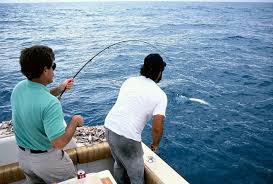
Consistently catching kingfish comes down to small adjustments that match their speed, aggression, and feeding triggers. These proven tips help anglers reduce lost fish, improve hookups, and stay on active feeders.
1. Always Use a Wire Leader
Kingfish have razor-sharp teeth that slice mono instantly. Using wire leaders is non-negotiable. Here are the key reasons anglers rely on them.
Prevents sudden cut-offs during high-speed strikes
Handles head shakes and short strikes
Improves landing ratio on larger fish
2. Match Speed to Kingfish Mood
Kingfish react strongly to presentation speed, which changes with conditions. Adjusting trolling or bait speed helps trigger strikes when fish are aggressive or keeps presentations natural when fish slow down.
Fast trolling triggers reaction strikes from aggressive fish
Slower presentations work when fish are cautious or pressured
Change speed until consistent strikes occur
3. Watch the Bait, Not Just the Depth
Kingfish follow bait movement more than structure alone. Paying attention to bait location and behavior helps anglers stay on feeding fish instead of focusing only on depth readings. Here are the signs that matter most:
Bait schools holding near the surface
Scattered bait indicates feeding pressure
Sudden bait movement along current lines
4. Adjust Based on Water Temperature
Water temperature directly affects feeding activity. Understanding preferred ranges helps narrow locations. These are the conditions to target:
Warmer water increases aggression and speed
Stable temperatures hold fish longer
Temperature breaks often create feeding zones
5. Don’t Ignore Early Morning & Tide Changes
Kingfish feed most actively during specific windows. Timing trips around these moments helps. Here are the prime opportunities:
Early morning low-light feeding periods
Incoming and outgoing tides that move bait
Current changes that trigger strikes
This focused approach helps anglers stay efficient and capitalize when kingfish are most willing to feed.
Kingfish Fishing Safety, Regulations, and Conservation Practices
Fishing for kingfish in the Atlantic requires more than technique. Safe planning, regulatory awareness, and conservation-minded actions protect anglers, sustain fish populations, and support long-term access to productive fisheries.
Weather awareness: Check weather conditions before offshore trips, monitor forecasts, wind, storms, and visibility, plan safe routes, set turnaround limits, and delay departures when conditions threaten crew safety and vessel stability margins.
Safety gear: Carry required safety gear, including life jackets, EPIRB, flares, radios, first aid, and fire extinguishers. Inspect equipment before launching, brief crew procedures, and maintain clear communication throughout the trip.
Regulations compliance: Follow local size and bag limits for kingfish, verify current regulations by region, measure fish accurately, record harvests when required, and avoid penalties to protect stocks and support sustainable fisheries.
Fish handling: Handle kingfish carefully during landing and release, minimize air exposure, use wet hands or tools, support the body, revive fish before release, and reduce post-release mortality rates through proper techniques.
Ethical harvest: Practice ethical harvesting by keeping only needed fish, bleeding and icing catches promptly, using meat efficiently, sharing excess legally, and preventing waste to respect resources, community expectations, and ecosystems.
Seasonal rules: Respect seasonal closures and regional rules, stay informed on updates, cooperate with enforcement, report violations responsibly, and support conservation programs that maintain healthy kingfish populations long term across Atlantic waters.
Conclusion
Targeting kingfish in the Atlantic is rewarding when anglers combine the right gear, proven techniques, and smart location choices. Understanding behavior, seasonal movement, and feeding triggers helps reduce guesswork and increases consistency on the water. Small adjustments in speed, bait presentation, and timing often make the biggest difference. Just as important, safe practices and responsible harvesting protect both anglers and future fisheries. Whether fishing offshore structure or nearshore bait runs, preparation and awareness lead to better results. For anglers looking to sharpen skills or explore new waters, learning from experienced local captains through Guidesly can shorten the learning curve and turn more trips into successful kingfish days.
FAQs
1. When is the best time to catch kingfish in the Atlantic?
Kingfish are caught year-round in Atlantic regions, but success occurs during migration periods when bait is abundant, and water temperatures stabilize offshore or nearshore.
2. Is live bait better than artificial lures for kingfish?
Live bait generally produces more strikes, but artificial lures excel for covering water quickly, locating fish, and triggering reaction bites when kingfish are actively feeding.
3. Why are wire leaders necessary for kingfish fishing?
Wire leaders are necessary because kingfish teeth easily slice mono or braid, and wire reduces bite-offs without significantly affecting strike rates in most conditions.
4. How do kingfish typically fight once hooked?
Kingfish typically fight with long, fast runs rather than deep dives, requiring smooth drags, steady pressure, and patience to avoid pulled hooks during the battle.
5. Does water clarity affect kingfish success?
Clear water improves kingfish visibility and lure effectiveness, while slightly stained water can reduce pressure, allowing anglers to approach fish more closely without spooking them.
6. What is a common mistake anglers make when hooking kingfish?
Many anglers miss kingfish strikes by setting hooks too hard, as steady pressure and allowing circle or treble hooks to seat improve landing percentages overall.
7. Can boat noise spook kingfish?
Boat noise can affect kingfish behavior in calm conditions, so reducing sudden throttle changes and maintaining approaches helps keep fish active and willing to strike.
8. How does sunlight influence kingfish feeding behavior?
Bright sunlight can push kingfish deeper or make them cautious, while low-light periods often increase aggression and improve surface-level feeding opportunities for anglers.
9. Are kingfish dangerous to handle?
Kingfish teeth remain sharp after capture, so using tools for unhooking reduces injury risk and speeds safe releases during active fishing conditions for the angler's safety.
10. Is hiring a guide helpful for catching kingfish?
Hiring a local guide shortens learning curves by providing current location knowledge, seasonal timing insight, and technique adjustments specific to regional Atlantic kingfish fisheries conditions.