The Best Baits for Trout, Bass, and Saltwater Fish
Discover the best live and artificial baits for trout, bass, and saltwater fish, and tips to help you choose the right bait for every fishing condition.
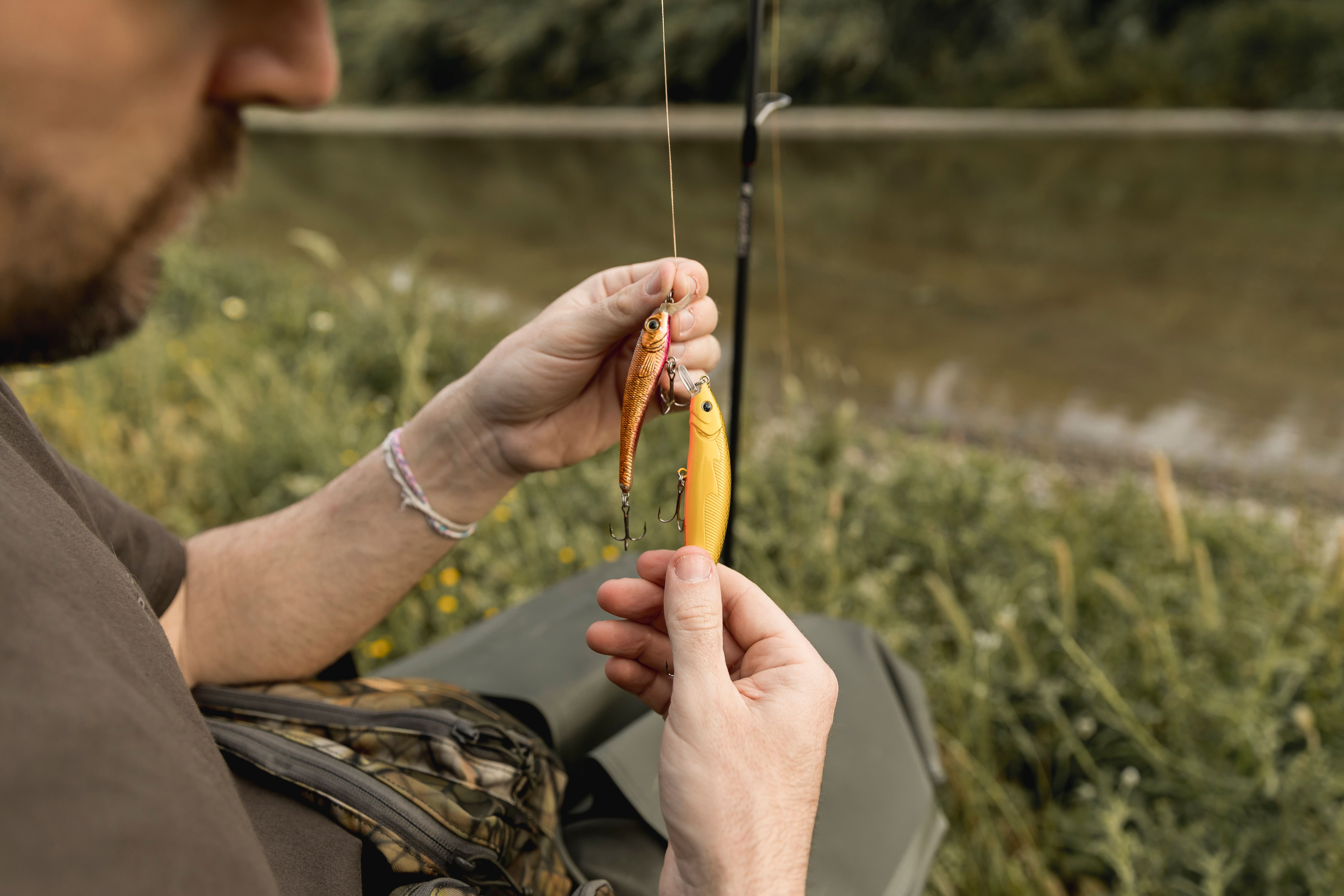


Choosing the right bait is one of the most important decisions an angler can make, whether you are fishing a cold mountain stream for trout, a warm lake for bass, or a coastal flat for saltwater species. Fish respond differently to scent, movement, size, and color, so the bait you select directly influences how often you get bites and what kind of fish you attract. Live bait offers natural scent and behavior, artificial lures provide versatility and speed, and seasonal patterns determine which options perform best at different times of the year. This guide breaks down the most effective baits across freshwater and saltwater environments, helping you understand what works, why it works, and how to choose the right bait for consistent results.
Understanding Bait Basics
Understanding bait begins with knowing how fish interpret scent, movement, color, and size in their environment. These sensory cues help predators identify prey and decide whether to strike. When anglers match their bait to natural conditions and forage, their presentations look more believable and consistently attract more fish across all seasons.
What Makes Bait Effective?
Fish react to bait based on instinct and environmental cues. These core factors influence how quickly predators detect, evaluate, and strike your presentation in different water types and conditions.
Scent: Fish rely heavily on smell to locate prey, especially in murky or cold water. Baits releasing natural scent attract more strikes and help fish follow your presentation effectively.
Movement/action: Predators react strongly to lifelike or erratic motions that mimic fleeing or injured prey. Natural movement increases strike triggers and convinces fish that the food source is real.
Size & profile: Matching bait size to local forage improves catch rates. Fish target prey fitting seasonal patterns, so correct proportions help your presentation appear natural and appealing.
Color in relation to water clarity: Clear water requires subtle, natural tones. Murky water favors bold, high-contrast colors. Color helps fish identify the bait and determine whether to strike confidently.
Local forage (match-the-hatch principle): Fish feed on what is most available. Using bait resembling natural prey increases success because predators trust familiar shapes, colors, and movement patterns.
The Three Core Bait Categories
Understanding bait categories helps anglers choose the most effective option for conditions, target species, and seasonal behavior. Each type excels in different water clarities, temperatures, and activity levels.
Live Bait: Live bait offers natural scent, movement, and realism, making it highly effective for beginners and pressured fish. Best when water is cold, fish are sluggish, or natural forage dominates.
Cut Bait: Cut bait releases a strong scent, ideal for murky water or bottom-feeding species. It performs well when fish rely on smell or during slow, low-visibility conditions.
Artificial Lures: Artificial lures mimic prey through vibration, action, and color. They excel at covering water quickly, targeting active fish, and adjusting depth or speed as conditions change.
Live Bait: The Most Natural and Consistent Fish Catcher
Live bait remains the most reliable option for anglers because it offers real scent, natural movement, and familiar prey profiles. It consistently attracts strikes in cold water, pressured environments, and tough conditions where artificial lures fail, making it a top choice across freshwater and saltwater species.
Why Live Bait Works
Natural smell: Live bait releases authentic scent trails that fish detect easily, especially in cold, deep, or murky water where visibility is limited.
Organic movement: Its lifelike motion mirrors real prey behavior, triggering instinctive feeding responses and encouraging hesitant fish to commit.
Best for beginners, cold water, pressured fish: Live bait is easy to present and highly effective when fish are sluggish, selective, or wary due to heavy fishing pressure.
Best Live Baits for Trout
Worms (Nightcrawlers, Red Wigglers): Ideal for rivers, creeks, and stocked trout. Their scent and drift make them a dependable all-season option.
Minnows: Highly effective in cold-water lakes. Minnows attract larger trout looking for high-protein meals.
Crickets & Grasshoppers: Perfect for late spring and summer. They excel in fast-moving streams where insects naturally fall into the water.
Salmon Eggs / Roe: Extremely productive in spring and fall during spawning cycles when trout actively seek drifting eggs.
Best Live Baits for Bass
Shiners (number one for largemouth): Shiners closely match natural forage and consistently attract largemouth bass across clear, stained, warm, or cool water conditions.
Nightcrawlers (beginner-friendly): A simple, highly effective option for largemouth and smallmouth bass, especially during spring, early summer, and post-front situations.
Crawfish (top pick for smallmouth and river bass): Crawfish are the primary forage for smallmouth. They perform best in rocky rivers, current seams, and deeper pools.
Frogs (great for lily pads and summer): Live frogs shine in heavy vegetation during warm months when bass actively hunt amphibians near the surface.
Best Live Baits for Saltwater Fish
Shrimp: A universal inshore bait effective for redfish, snook, trout, sheepshead, and flounder. Works well on popping corks, jigheads, or free-lined.
Mullet (finger mullet): Highly effective for snook, tarpon, and redfish. Their vibration and flash attract strong predators around the structure and tidal movement.
Squid: Ideal for bottom species like flounder, snapper, grouper, and sea trout. Tough texture keeps it secure on the hook.
Crabs: Best for permit, black drum, and sheepshead. Removing the top shell enhances scent release and improves hook placement.
Pilchards & Menhaden (Bunker): Excellent for larger predators, including striped bass, tarpon, snook, bluefish, and mackerel. Can be used live or as cut bait.
Cut Bait: Slow, Scent-Rich, and Effective in Murky or Deep Water
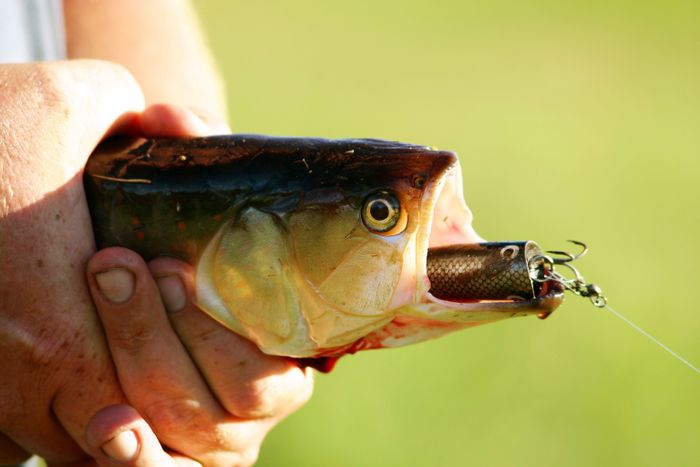
Cut bait releases steady scent trails that travel through the water, attracting fish even when visibility is low or when predators are inactive. It is especially effective for bottom feeders and scent-driven saltwater species that rely more on smell than sight.
Best Cut Baits for Saltwater
Mullet chunks: Great for redfish and snook near inlets, docks, and tidal edges where scent travels with current.
Menhaden (bunker) chunks: Highly effective for striped bass and bluefish thanks to their strong, oily scent.
Squid strips: Ideal for flounder, snapper, sea trout, and other structure-oriented bottom species. Tough texture helps it stay on the hook.
Cut crab: Top choice for black drum and sheepshead, especially around pilings, jetties, and reefs.
Best rigs for cut bait
Carolina rig: Perfect for presenting cut bait naturally along the bottom while maintaining sensitivity.
Fish-finder rig: Allows fish to take bait with minimal resistance, increasing hook-up rates.
Bottom rigs: Use enough weight to hold position in strong current, especially when fishing deep channels or inlets.
Artificial Baits: Versatile, Durable, and Perfect for Active Fish
Artificial lures imitate prey through movement, vibration, and color, making them ideal when fish are actively feeding or when you need to cover water quickly. They allow precise depth control, fast adjustments, and consistent performance across changing conditions in freshwater and saltwater.
Best Artificial Baits for Trout
Inline Spinners: Create flash and vibration that mimic small baitfish. Effective in streams, rivers, and shallow lakes.
Spoons: Excellent for deeper or fast-moving trout water. Their fluttering action attracts both stocked and wild trout.
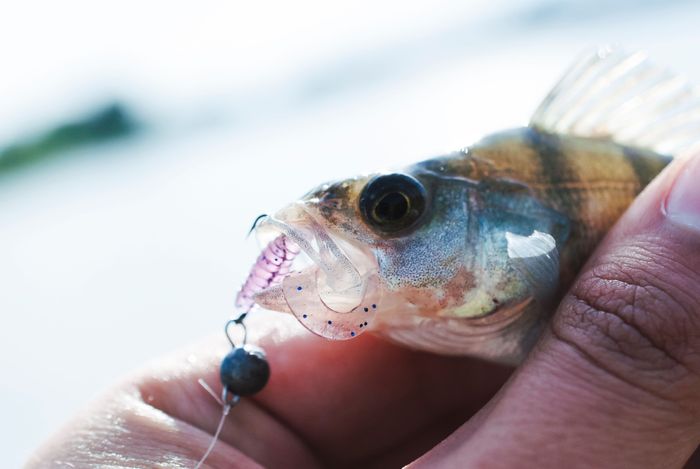
Soft Plastics: Small grubs, micro worms, and trout magnets work well for finicky trout or cold-water conditions.
PowerBait Dough: Ideal for stocked trout in lakes; scent formulas trigger feeding even when fish are sluggish.
Best Artificial Baits for Bass
Soft Plastic Worms: Highly versatile for Texas rigs, wacky rigs, and drop shots. Effective year-round.
Crankbaits: Shallow, mid-depth, and deep-running models cover water efficiently and trigger reaction strikes.
Jigs: Great for crawfish imitation or swimming presentations around grass and structure.
Spinnerbaits & Chatterbaits: Excellent for stained water and fast coverage. Vibration helps bass locate the lure.
Topwater Lures: Use in low light or warm months when bass feed aggressively at the surface.
Best Artificial Baits for Saltwater Fish
Soft Plastic Shrimp: One of the best inshore lures for redfish, snook, and trout. Works with slow hops or steady retrieves.
Paddle-Tail Swimbaits: Mimic mullet and pilchards. Effective around the structure and tidal flow.
Bucktail Jigs: Highly adaptable for shallow or deep water. Works well for flounder, striped bass, snapper, and more.
Metal Spoons: Great for fast-moving predators like bluefish and mackerel.
Topwater Plugs: Create noise and surface disturbance, ideal for redfish, snook, and striped bass during active feeding windows.
Seasonal Bait Recommendations
Seasonal changes affect water temperature, prey movement, and feeding behavior. Choosing baits that match each season’s conditions helps anglers target trout, bass, and saltwater fish more effectively throughout the year. This chart helps anglers choose the most effective baits for each species throughout the year.
Season | Trout | Bass | Saltwater Species |
Spring | Worms, salmon eggs, small spinners | Jerkbaits, crawfish imitations, soft plastics | Shrimp, mullet, bucktail jigs |
Summer | Deeper-running spoons, small minnows | Topwater frogs, swimbaits, crankbaits | Crabs, squid strips, soft plastics |
Fall | Minnows, spoons, small soft plastics | Chatterbaits, crankbaits, crawfish | Mullet-pattern swimbaits, spoons, live mullet (mullet run) |
PowerBait dough, slow-moving spinners | Slow jigs, blade baits | Shrimp, squid, slow-pitch jigs |
How to Choose the Right Bait: A Simple Decision Guide
Choosing the right bait depends on water clarity, temperature, and fish behavior. Understanding these basic conditions helps you match natural prey patterns and select bait that consistently produces strikes across all environments.
Clear water: Use smaller, natural-colored baits that closely resemble local forage. Fish rely heavily on sight in clear water, so subtle, realistic presentations lead to more consistent strikes and fewer spooked fish.
Muddy water: Use bright colors, vibration, or strong-scented baits to help fish locate your presentation. In low visibility conditions, fish depend on vibration and smell, making bold, noticeable baits far more effective.
Cold water: Use slower-moving baits and scent-rich options because fish conserve energy in cold conditions. Subtle presentations match their reduced activity levels and increase confidence in feeding opportunities during the winter months.
Warm water: Use faster-moving lures to match increased fish activity and metabolism in warm conditions. Aggressive retrieves and reaction-based presentations help trigger strikes from actively feeding predators across shallow or mid-depth zones.
Beginners: Use live bait for the highest success rate, since natural movement and scent reduce the need for advanced technique. Live options consistently attract fish and simplify decision-making for new anglers.
Pressured fish: Use smaller, more subtle presentations to avoid triggering caution in heavily pressured fish. Downsized baits and natural colors help reduce suspicion and increase strikes during tough, high-traffic fishing periods.
Common Bait Mistakes to Avoid
Small mistakes in bait selection or presentation can significantly reduce success on the water. Avoiding these errors helps anglers present bait more naturally and match changing conditions effectively.
Using bait that is too large for the species: Oversized bait looks unnatural and discourages strikes. Fish prefer prey matching their typical forage size, so keeping bait proportional greatly improves feeding responses and catch rates.
Ignoring seasonal patterns: Using the same bait year-round limits success. Fish adjust feeding based on temperature and forage availability, so matching seasonal changes ensures your bait remains relevant and effective.
Using lures too quickly in cold water: Cold temperatures slow fish movement. Fast retrieves look unnatural and reduce strike chances, while slower presentations match their energy levels and increase feeding probability significantly.
Over-scenting soft plastics: Excess scent can overwhelm fish and seem unnatural. Light, controlled scent application works best, enhancing realism without creating an overly strong chemical presence in the water.
Not matching local forage: Using baits unrelated to local prey reduces confidence strikes. Matching shape, size, and color to regional forage helps your presentation appear familiar and more appealing to predators.
Letting live bait die before use: Dead or weak bait loses natural scent and movement. Maintaining healthy, active bait ensures lifelike action and improves your ability to attract and trigger consistent strikes.
Expert Bait Tips to Improve Your Catch Rate
Here are practical tips that help anglers fine-tune bait presentation, improve realism, and increase strike consistency. Small adjustments often create major improvements in how effectively fish respond to your bait.
Keep live bait fresh and oxygenated: Healthy bait moves naturally and releases a stronger scent. Proper aeration and cool temperatures maintain vitality, increasing its ability to attract fish and trigger reliable strikes.
Sharpen hooks frequently: Sharp hooks penetrate quickly with minimal pressure, improving hooksets. Touching up hook points throughout the day prevents missed opportunities, especially when targeting species with tough mouths.
Change lure color when water clarity shifts: Water conditions affect lure visibility. Switching to natural tones in clear water and brighter colors in murky water helps fish locate your bait more effectively.
Adjust lure speed instead of switching lures too early: Changing retrieve speed often solves presentation issues. Faster or slower movement can trigger strikes before needing to swap lures, saving time and maintaining fishing efficiency.
Observe birds and baitfish to pick the right bait profile: Surface activity reveals natural prey movement. Watching diving birds or schooling baitfish helps identify forage type, guiding your bait selection to closely match what predators are actively hunting.
Conclusion
Choosing the right bait becomes easier when you understand how fish respond to changing seasons, water clarity, and natural forage. Live bait delivers unmatched realism, artificial lures offer versatility and depth control, and cut bait excels when scent matters most. Matching these options to fish behavior greatly increases success. Simple adjustments in presentation, color, or speed can turn slow days into productive ones. For anglers who want to improve their skills or learn effective bait strategies directly from experienced professionals, Guidesly connects you with knowledgeable fishing guides who can help turn these principles into more productive days on the water.
FAQs
1. What bait lasts the longest without losing effectiveness?
Salt-cured baits endure longest because they resist softening, maintain scent, and remain firm on hooks, offering reliable performance during extended fishing periods across various environments.
2. How do I know if fish are ignoring my bait?
If bites stop, the line stays still, or bait returns untouched, fish aren’t engaging. Changing depth, location, or presentation often restores activity quickly.
3. Are store-bought baits as effective as natural options?
Store-bought baits work effectively because they use attractants and uniform designs. They become especially useful when natural forage is limited or when visibility decreases due to poor conditions.
4. What bait should I use when fishing pressure is extremely high?
Highly pressured fish respond best to small, subtle baits. Downsized offerings reduce suspicion and frequently outperform regular sizes in areas where many anglers compete daily.
5. How often should I replace bait during a fishing session?
Replace bait whenever scent weakens, texture softens, or color fades. Freshening bait regularly boosts effectiveness, especially in moving water where degradation occurs faster naturally.
6. Is it better to bring multiple bait types on one trip?
Bringing multiple baits increases adaptability. Weather changes, shifting forage, and varying fish moods often require different options to maintain consistent success throughout the outing.
7. Do different hook styles affect bait performance?
Hook style influences bait movement, durability, and hook-up quality. Circle hooks, wide gaps, and J-hooks each support specific presentations and target species effectively.
8. How does depth influence which bait works best?
Depth determines weight and profile needs. Deep water requires heavier, streamlined baits, while shallow zones perform best with lighter offerings that maintain visibility and subtle action longer.
9. What bait should beginners avoid using initially?
Beginners should avoid fragile baits that tear easily or require advanced rigging techniques, as these complicate presentation and reduce confidence during early fishing experiences.
10. How do weather changes affect bait selection?
Weather shifts impact feeding behavior and positioning. Stable conditions allow predictable bait choices, while sudden barometric changes often require experimenting with movement styles or alternate bait types.