What a Professional Fishing Guide Does Before You Even Arrive
Discover what a professional fishing guide does before you arrive, from scouting and gear prep to weather planning, safety checks, and trip logistics.
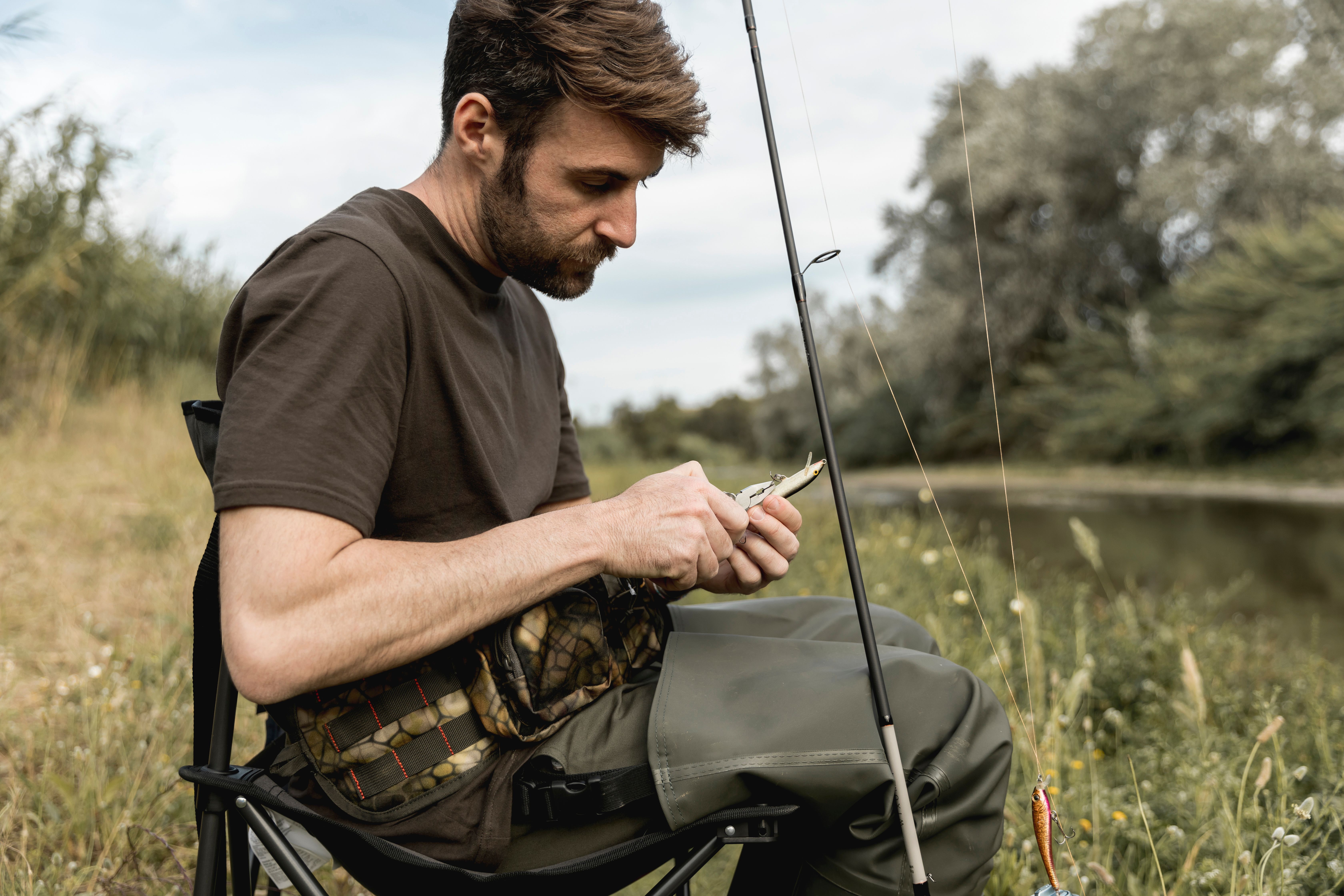


Most people assume a guided fishing trip begins when they step onto the boat. In reality, that moment is only the visible end of a much longer process. The real work starts days, and often weeks, before you ever arrive. Professional fishing guides spend countless hours planning, scouting, and preparing to give you the best possible window of success. They study conditions, track fish movement, ready equipment, and make decisions that shape how your entire day unfolds. A guide is not just someone who runs a boat or points to a spot. They are operators, planners, and problem solvers managing dozens of variables before the first cast is made. This behind-the-scenes effort is what separates an average outing from a productive, confidence-building experience. To understand the true value of a professional guide, it helps to look at what happens long before launch time.
Pre-Trip Communication Starts Long Before Launch Day
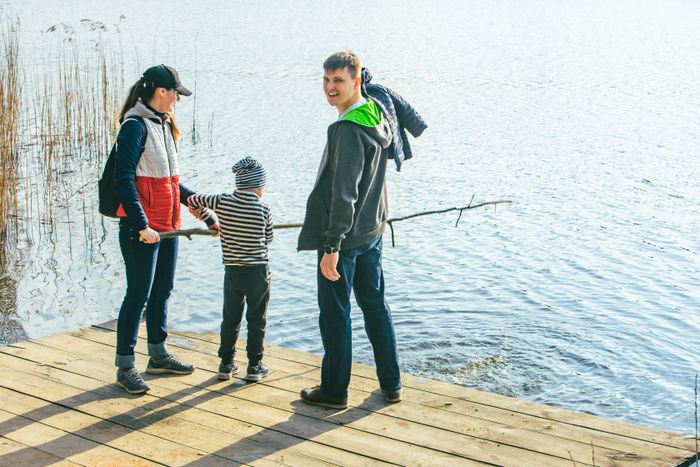
Professional guides begin working with clients well before the calendar date of the trip. Early communication sets the foundation for everything that follows on the water. Guides ask targeted questions to understand what success looks like for you, then shape the trip around those answers. This process ensures time on the water is spent fishing with purpose, not correcting assumptions or resetting expectations after launch.
Goal Alignment and Expectation Management
Before a trip is confirmed, guides clarify key details like target species, experience level, physical comfort, and desired pace. Some anglers want steady action and simple techniques. Others want a technical day focused on learning, timing, or pattern recognition. Guides also discuss conditions honestly, explaining what is realistic for the season and location. This alignment prevents frustration and keeps the day moving efficiently. When expectations match reality, guides can focus on execution instead of adjustment, and anglers stay engaged rather than disappointed.
Client Checklists and Advance Briefings
Once goals are aligned, guides provide clear pre-trip instructions so nothing slows momentum at the dock. These are the essential items guides cover to streamline the start of the day:
Clothing Guidance: Weather-specific layering advice prevents discomfort and distractions, keeping anglers focused on fishing rather than adjusting gear throughout changing conditions.
Required Documents: License and permit reminders eliminate last-minute delays and ensure legal compliance before lines ever touch the water.
Personal Gear Checklist: Sunglasses, footwear, and optional items are clarified early, avoiding wasted time repacking or returning to vehicles.
Arrival and Meeting Details: Clear timelines and locations reduce confusion and ensure the first hour is spent fishing, not sorting logistics.
Environmental Monitoring Happens Daily, Not the Morning Of
Professional fishing guides do not rely on last-minute forecasts. Environmental monitoring is an ongoing process that shapes every decision before a trip ever begins. By tracking conditions daily, guides reduce uncertainty and eliminate guesswork on the water.
Weather, Tides, Moon Phases, and Seasonal Patterns
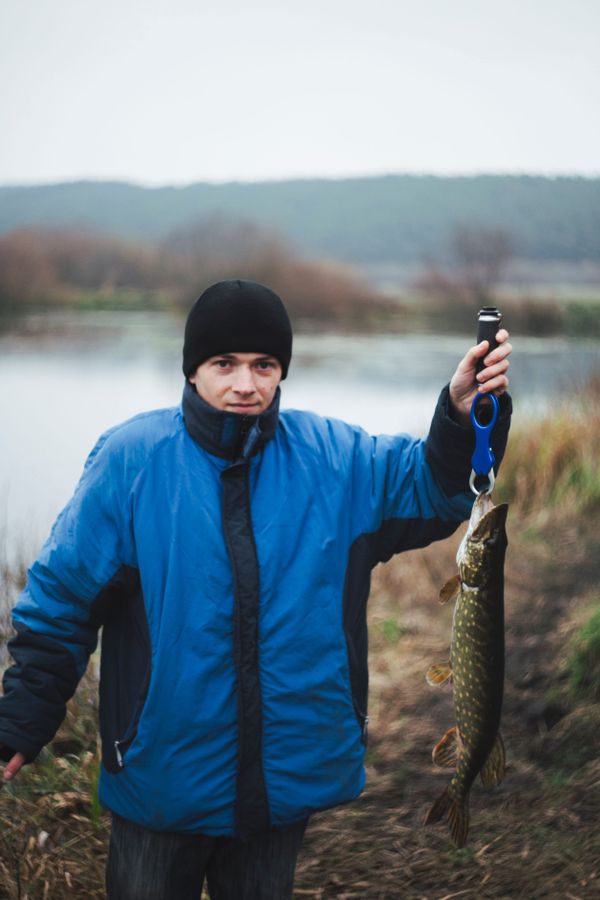
Guides continuously monitor environmental variables to understand how conditions are evolving, not just what they look like today. These factors determine where fish position themselves and when they are most active.
Core factors guides track:
Weather trends over multiple days
Wind direction and sustained speed
Tide timing and current strength
Moon phases and light influence
Seasonal temperature shifts
How these affect trip planning:
Determines starting locations
Controls fishing windows
Influences technique selection
Shapes daily route planning
Translating Conditions Into Fish Behavior Predictions
Environmental data only matters when it is correctly interpreted. Guides connect patterns to fish behavior, allowing decisions to be made before clients ever arrive.
Behavioral signals guides watch for:
Temperature-driven movement changes
Current-related feeding zones
Stable pressure feeding windows
Seasonal depth transitions
Pre-trip decisions based on analysis:
Route selection before launch
Technique choices in advance
Reduced trial-and-error time
Faster access to productive water
Gear Preparation Happens When Clients Are Asleep
Most of the physical preparation for a guided fishing trip happens late at night or early in the morning, long before clients arrive. Professional guides spend this time fine-tuning equipment so the day begins with fishing, not setup. Every rig is built around current conditions, species behavior, and the specific goals discussed before the trip.
For custom rigging, guides tie leaders, prepare flies, and select lures that match water clarity, depth, and feeding patterns. Knots are checked, hooks sharpened, and presentations tested in advance. This preparation means rods are ready the moment clients step aboard, allowing immediate fishing instead of delays at the dock or on the first stop.
Redundancy is just as important as precision. Guides prepare multiple rods and backup rigs for different depths, retrieves, and fishing techniques. When conditions shift or a technique stops producing, adjustments happen instantly. This keeps anglers fishing, learning, and adapting without breaking momentum or wasting valuable time on the water.
Boat and Equipment Readiness Is a Safety Process, Not a Routine
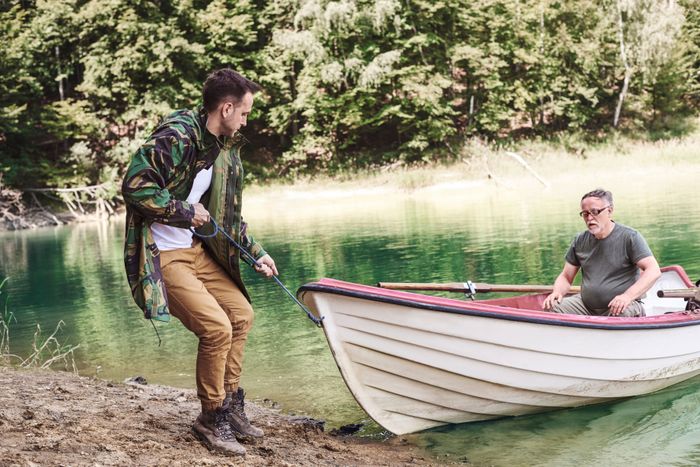
Professional guides treat boat preparation as a safety protocol, not a checklist to rush through. Mechanical reliability and equipment readiness protect more than fishing time. They protect everyone on board. These checks happen before every trip, regardless of distance, conditions, or familiarity with the water. A single overlooked issue can turn a productive day into a delayed or unsafe situation.
Mechanical and Trailer Inspections
Guides inspect every critical system to ensure smooth launches and uninterrupted fishing.
Core mechanical checks:
Fuel levels and fuel quality
Battery charge and connections
Electronics and navigation systems
Bilge pumps and livewell operation
Launch readiness checks:
Trailer lights and brakes
Tire pressure and wheel bearings
Winch straps and tie-downs
Ramp access planning
Mechanical failures cost more than time. They disrupt trip flow, limit mobility, and create avoidable safety risks. Proper inspections keep guides focused on fishing, not problem-solving mid-trip.
Safety Equipment Verification and Compliance
Safety preparation happens before clients ever step aboard. Guides verify that all required equipment is present, accessible, and in working condition. This responsibility falls entirely on the guide, and it is never treated casually.
These are the critical safety items guides confirm before every trip:
Life Jackets: Proper sizes and quantities ensure every angler has immediate access without searching or sharing during unexpected conditions.
First Aid Kits: Fully stocked kits allow guides to respond quickly to minor injuries without ending the trip or risking further harm.
Communication Devices: Radios and phones are tested to maintain contact during emergencies or sudden weather changes.
Emergency Signaling Gear: Flares and signaling tools provide visibility and response options if assistance is needed.
Cleanliness and Organization Affect Fishing Performance
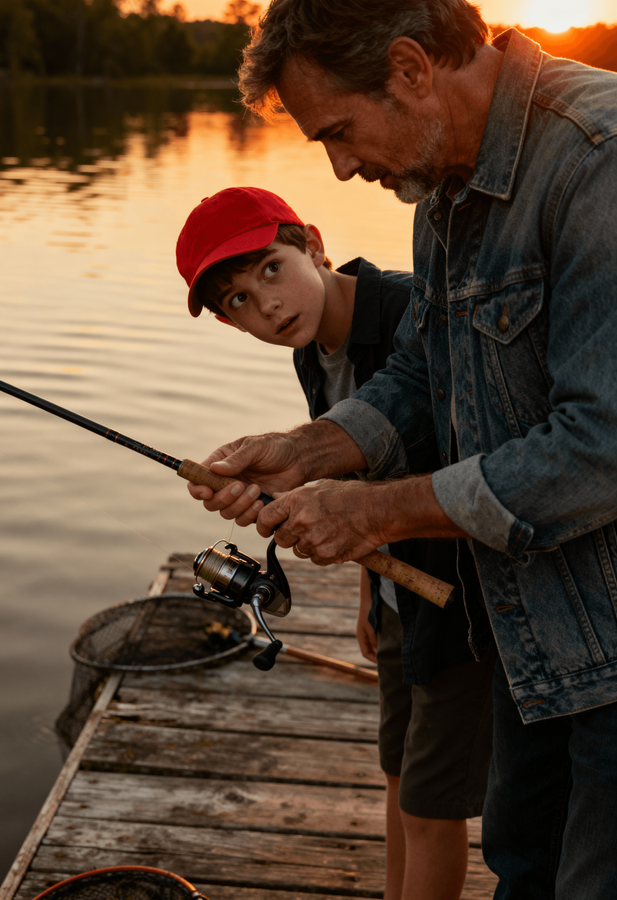
Professional guides treat cleanliness and organization as functional priorities, not cosmetic details. Decks are washed, storage compartments are arranged, and livewells are prepared before every trip. A clean, uncluttered boat allows anglers to move freely, cast safely, and focus on fishing instead of navigating obstacles. Organized gear also makes adjustments faster, keeping presentations consistent and productive throughout the day.
Order on the boat directly impacts confidence and efficiency. When rods, tackle, and tools are easy to access, instruction flows smoothly and mistakes are minimized. Clients feel more comfortable stepping into a well-prepared environment, which builds trust and focus early. For experienced guides, professionalism is part of performance. A clean, organized boat supports better decisions, smoother execution, and a more effective fishing experience overall.
Logistics Planning Eliminates Friction Before It Exists
Strong logistics prevent small problems from becoming distractions on the water. Professional guides plan every non-fishing detail in advance so attention stays on timing, technique, and learning. Food, transportation, and access are handled before the trip begins, removing friction that can quietly drain energy and focus throughout the day.
Food, Hydration, and Energy Planning
Guides plan nutrition with the same intention as fishing strategy, especially on long or weather-exposed trips.
Core provisioning considerations:
Adequate water for changing conditions
Electrolytes for heat and physical exertion
High-energy, low-mess foods
Easy access without interrupting fishing
Performance benefits of planning:
Sustained focus throughout the day
Reduced fatigue during peak fishing windows
Fewer unnecessary breaks
Consistent decision-making energy
Proper fueling keeps anglers sharp, engaged, and physically comfortable, allowing guides to maintain pace and momentum when opportunities appear.
Shuttle Coordination and Access Planning
For river float trips and multi-access fisheries, logistics extend beyond the boat. Guides arrange shuttle vehicles, confirm take-out locations, and account for timing before launch. Access points are selected based on water levels, flow rates, and traffic. By managing transportation details in advance, guides remove uncertainty and stress for clients. Anglers can focus on fishing and learning, knowing that every transition has already been planned and accounted for.
Final-Day Scouting Confirms the Plan
Many professional guides fish the same water shortly before a client trip to validate decisions made during earlier planning. This scouting confirms which areas are holding active fish, where bait is present, and how timing windows are developing. Conditions can shift quickly, and firsthand observation allows guides to adjust locations, routes, or techniques before launch. Rather than relying on assumptions or outdated patterns, final-day scouting provides real-time confirmation. It ensures that the plan is built on current behavior, not hope, and puts anglers in productive water from the first stop.
Why All This Preparation Matters to You as an Angler
Most of the value in a guided fishing trip is created before you ever make your first cast. The planning, scouting, and preparation you never see shape how efficiently you learn, adapt, and succeed on the water. When you hire a professional guide, you are not paying for boat time alone. You are gaining access to experience, decision-making, and preparation that compress years of trial into a single focused day.
Here are the key benefits that preparation delivers to you:
Faster Access to Fish: Pre-trip scouting and planning eliminate unproductive water, putting anglers into active zones with minimal wasted time.
Clear Learning Opportunities: Structured preparation allows guides to teach techniques and decisions in real conditions instead of reacting to chaos.
Higher Confidence Levels: Knowing the trip is planned builds trust, helping anglers fish decisively rather than second-guessing every move.
Reduced Frustration: Fewer surprises mean fewer distractions, allowing anglers to stay focused when conditions change.
Efficient Use of Time: Every hour is optimized, turning limited trip windows into meaningful fishing and learning experiences.
Long-Term Skill Transfer: Preparation-driven trips teach patterns and decisions anglers can apply independently on future outings.
Conclusion
Fishing success rarely happens by accident. It is front-loaded through preparation, planning, and decisions made long before the boat leaves the dock. Professional guides remove uncertainty before it ever reaches the water, allowing anglers to spend their time fishing with purpose instead of reacting to problems. Every step taken in advance, from scouting and rigging to logistics and safety, creates clarity and momentum on the day of the trip. This is what separates productive experiences from average outings. If you want to fish smarter, learn faster, and maximize every hour on the water, choosing a well-prepared guide matters. Explore experienced, vetted fishing guides and plan your next trip with confidence on Guidesly.
FAQs
1. How far in advance should I book a professional fishing guide?
Booking several weeks ahead improves guide availability, seasonal planning accuracy, and access to peak conditions, especially during high-demand periods or short regional fishing windows.
2. Do fishing guides adjust trips if conditions suddenly change?
Yes, guides build flexibility into trip plans, allowing quick adjustments to locations, timing, or techniques when unexpected weather or water changes occur.
3. Are guided fishing trips suitable for complete beginners?
Guided trips work well for beginners because instruction, equipment handling, and pacing are adapted to experience level, reducing overwhelm while building foundational fishing skills.
4. What makes one fishing guide more effective than another?
Consistency, local experience, preparation habits, communication style, and decision-making under changing conditions often separate highly effective guides from average operators.
5. How much physical effort is required on a guided fishing trip?
Effort varies by trip type, but guides can tailor pacing, technique intensity, and duration to match angler comfort, fitness level, and learning goals.
6. Can guided fishing trips help improve my independent fishing success later?
Yes, guided trips often teach transferable skills like pattern recognition and timing, helping anglers make better decisions when fishing alone in similar conditions.
7. Are guided fishing trips affected by seasonal fishing regulations?
Professional guides track seasonal rules closely, ensuring compliance with species limits, closures, and gear restrictions to protect anglers from unintentional violations.
8. What happens if fishing conditions are poor on trip day?
Guides adapt by targeting alternative species, adjusting techniques, or shifting locations to maintain productive opportunities within the safest and most ethical boundaries.
9. Is tipping expected after a guided fishing trip?
Tipping is customary in many regions and typically reflects effort, instruction quality, and overall experience rather than the number of fish caught.
10. How do I choose the right guide for my fishing goals?
Review guide profiles, specialties, reviews, and trip descriptions to ensure their experience aligns with your target species, learning objectives, and preferred fishing style.

