What Separates a Productive Fishing Trip from a Wasted One
Learn what separates productive fishing trips from wasted ones. Discover how skill, preparation, and smart decisions outperform luck on the water.
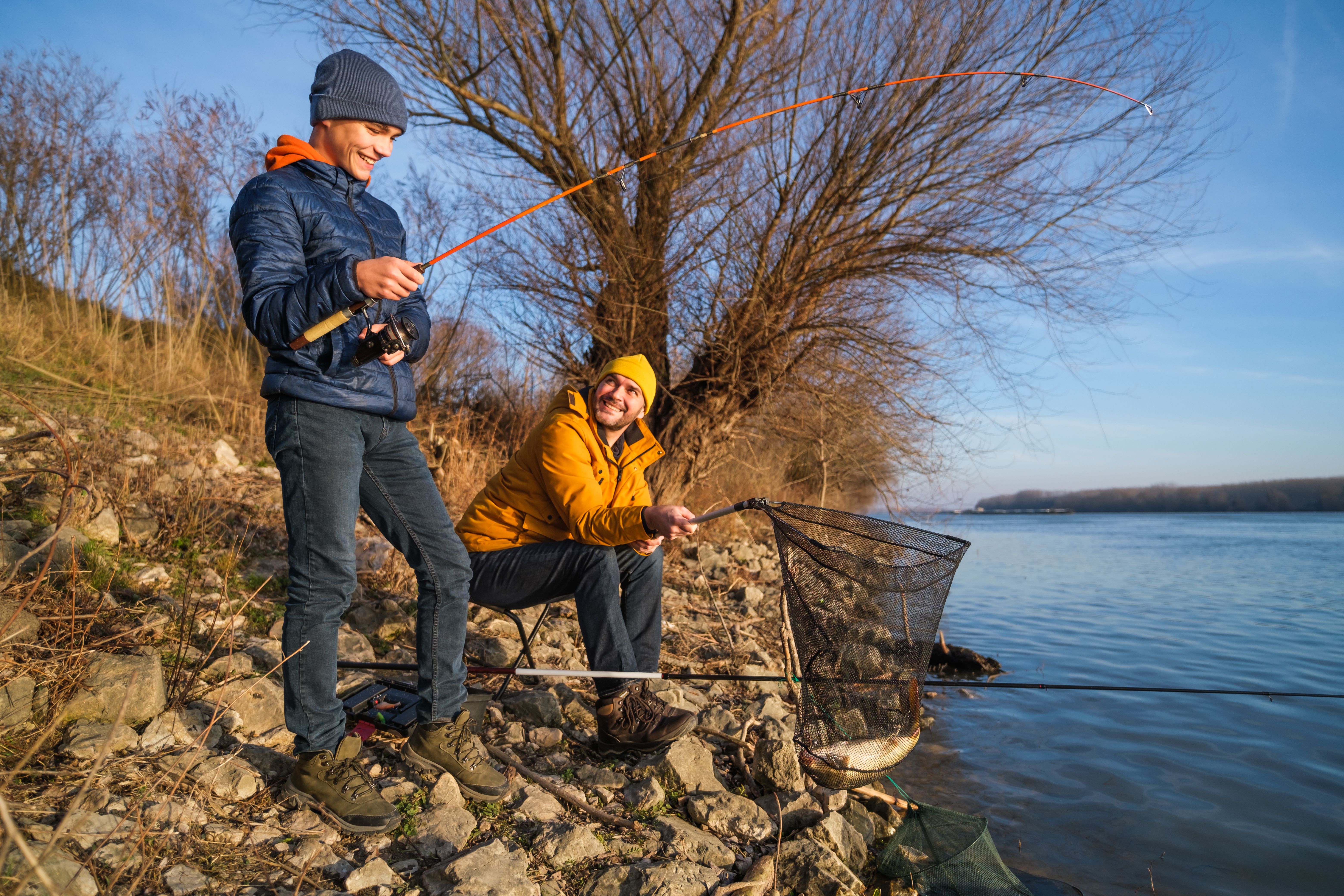


A productive fishing trip is not measured only by how many fish land in the boat. Many experienced anglers return satisfied even on slow days because success comes from decisions, preparation, and learning, not just bites. A wasted fishing trip usually happens when effort replaces strategy, conditions are ignored, or mistakes repeat without adjustment. In 2026, skilled anglers plan with intent, fish with discipline, and adapt as conditions change. They understand that weather, pressure, timing, and presentation play a bigger role than luck. Instead of chasing memories or hopping spots blindly, they work patterns and refine techniques. This mindset turns uncertain days into valuable ones. When you define success beyond catching fish, every trip builds skill, confidence, and consistency. The difference between productive and wasted fishing is rarely about talent. It is about how well you control what you can and respond to what you cannot.
The 60/30/10 Rule That Defines Fishing Success
The difference between a productive fishing trip and a wasted one often comes down to balance. The 60/30/10 rule breaks fishing success into skill, preparation, and luck. Skill drives consistency, preparation removes preventable problems, and luck fills the final gap. Anglers with a productive fishing mindset focus on what they can control instead of blaming conditions.
60 Percent Skill Builds Consistency
Skill determines how often effort turns into results. Casting accuracy places lures where fish actually live. Lure control keeps presentations natural and efficient. Reading water helps anglers identify depth, structure, and movement. Decision discipline prevents random changes that waste time. Strong fundamentals allow anglers to adjust calmly and stay effective across changing conditions.
30 Percent Preparation Prevents Avoidable Failure
Many bad trips start long before the first cast. Preparation covers gear checks, fresh line, sharp hooks, charged batteries, and weather awareness. Knowing access points and safe routes reduces stress. Planning target species and depth ranges saves time. When preparation is ignored, small failures stack up and quickly turn a trip unproductive.
10 Percent Luck You Cannot Control
Luck still plays a role, but it is limited. Sudden weather shifts, pressure changes, and short feeding windows can impact any outing. Fish behavior can change without warning. Skilled anglers accept this uncertainty instead of fighting it. They stay flexible, fish patiently, and maximize opportunity when luck finally aligns.
What a Productive Fishing Trip Actually Looks Like
A productive fishing trip is defined by control and clarity, not just fish caught. Successful anglers fish with intention, adapt to conditions, and leave with usable insight. Each decision serves a purpose, from where to start to how to adjust. Even slow days become valuable because patterns are learned, mistakes are reduced, and future success becomes repeatable.
Clear Objectives Before the First Cast
Productive trips begin with defined goals instead of guesswork. Anglers decide what they want to learn or test before launching. This focus keeps decisions aligned and time efficient. These are the objectives that shape productive fishing days:
Target Species: Choosing one species narrows decision-making and improves efficiency. Focused effort leads to better location choices, cleaner presentations, and fewer wasted casts.
Depth Range: Defining a depth range early removes uncertainty. Staying disciplined helps anglers understand fish positioning instead of guessing across the entire water column.
Pattern Goals: Setting pattern goals shifts focus from catching fish to learning behavior. Patterns create repeatable success across future trips.
Technique Focus: Limiting techniques improve execution. Repetition builds confidence and reveals subtle adjustments that trigger bites.
Environmental Observation: Tracking temperature, clarity, and pressure adds context. These factors explain why fish behave a certain way on any given day.
Intentional Decisions on the Water
Productive anglers make decisions with purpose instead of reacting emotionally. They adjust lure speed, depth, and casting angles based on feedback from each presentation. Rather than abandoning areas too quickly, they work methodically to understand how fish respond. This discipline keeps effort focused and prevents wasted time caused by constant spot hopping or random lure changes.
Intentional decisions also create clarity. Each adjustment answers a question about fish behavior or conditions. When a change produces a reaction, anglers learn what to repeat. When it fails, they know what to eliminate. This process turns uncertainty into usable information and keeps the trip productive, even when bites are limited.
Measurable Outcomes Beyond Fish Count
A fishing trip can be productive even without a full livewell. Real success comes from what you learn and refine on the water. Experienced anglers evaluate results based on clarity gained, patterns uncovered, and mistakes reduced. These outcomes build consistency and make future trips more efficient and predictable.
Learning-Based Outcomes:
Patterns Identified
Depth Zones Learned
Timing Windows Noted
Behavior Clues Logged
Condition Effects Understood
Execution-Based Outcomes:
Techniques Refined
Presentation Control Improved
Casting Accuracy Improved
Mistakes Reduced
Decision Confidence Built
What Turns a Fishing Trip into a Wasted One
A fishing trip becomes wasted when control is replaced by reaction. Poor preparation creates avoidable problems. Emotional decisions override logic. Instead of adjusting to conditions, anglers repeat mistakes and chase outcomes. Wasted trips feel frustrating because effort is high, but direction is missing. The common thread is a lack of structure, awareness, and intentional decision-making from start to finish.
Mistakes That Kill Productivity Early
Many fishing trips fail before the first cast due to avoidable errors. These mistakes compound quickly and limit opportunity. Here are the early mistakes that derail fishing days:
Poor Gear Preparation: Rods are tangled, line is worn, hooks are dull, and backups are missing. These issues cost time, confidence, and fish once action finally starts.
Dead Batteries: Uncharged trolling motors and electronics eliminate boat control. Positioning suffers, spots cannot be worked properly, and adjustments become impossible.
Rushed Launches: Late starts create pressure and sloppy decisions. Missed windows reduce patience and force anglers into reactive fishing instead of controlled execution.
No Clear Plan: Launching without target species or depth goals leads to scattered effort. Time is wasted guessing instead of testing patterns.
Ignoring Safety Checks: Skipped checks increase stress. When safety feels uncertain, focus drops, and productivity follows.
Random Fishing and Emotional Decisions
Random fishing replaces thinking with motion. Anglers bounce between spots without giving areas time to develop. Lures are changed constantly without testing depth or speed first. Decisions are driven by frustration instead of feedback. This behavior feels busy but produces little information.
Emotional fishing often relies on memory rather than conditions. Anglers fish yesterday’s success instead of today’s reality. They chase confidence baits even when fish behavior clearly changes. Without discipline, adjustments become guesses, and the trip slowly slips away.
Ignoring Environmental Feedback
Fishing conditions always provide information. Wasted trips happen when anglers fail to listen and adapt. Ignoring these signals keeps mistakes repeating instead of correcting.
Pressure and Weather Signals:
Rising Pressure
Wind Shifts
Cloud Cover Changes
Temperature Drops
Fish Behavior Signals:
Short Strikes
Follows Only
Inactive Marks
Missed Hooksets
Recognizing and responding to these signals is often the difference between recovery and failure.
Why Preparation and Discipline Matter More Than Luck
Luck is unpredictable, but preparation and discipline are controllable. Productive anglers rely on systems instead of hope. When planning is thorough, focus is sharp, and equipment is ready, fewer things go wrong. These habits reduce wasted time and allow anglers to adapt when conditions change. Preparation and discipline turn uncertain days into manageable ones.
Why Preparation Wins:
Six P’s Applied
Gear Checked Early
Routes Planned
Backup Options Ready
Why Discipline Matters:
Mental Focus Maintained
Decisions Stay Intentional
Adjustments Made Calmly
Distractions Eliminated
Why Equipment Readiness Counts:
Batteries Fully Charged
Hooks Sharp
Line Fresh
Electronics Reliable
These habits consistently separate productive fishing trips from wasted ones.
How Adaptation and Review Prevent Future Wasted Trips
Every fishing trip provides information, even the difficult ones. Productive anglers improve by adapting during the day and reviewing results afterward. This habit turns mistakes into lessons and patterns into repeatable success. Instead of starting fresh every trip, they build on experience. These are the practices that prevent future fishing trips from being wasted:
Weather-Based Adjustments: Anglers adjust depth, speed, and location as weather shifts occur. Responding to pressure changes, wind, and light conditions keeps presentations aligned with active fish behavior.
Precision Over Variety: Small adjustments outperform constant change. Modifying lure speed, retrieve angle, or casting distance reveals triggers without introducing unnecessary variables.
Pattern Confirmation: Rather than chasing bites, anglers confirm patterns. Repeating successful setups across similar conditions builds confidence and consistency on future trips.
Fishing Journals Maintained: Recording conditions, locations, fishing techniques, and outcomes creates a personal database. These notes shorten learning curves and reduce repeated mistakes over time.
Post-Trip Review Habits: Analyzing what worked and what failed sharpens judgment. Reviewing decisions improves preparation and execution on the next outing.
Skill-Focused Improvement: Each trip targets growth, not numbers. This mindset keeps anglers progressing even when results are limited.
Conclusion
The difference between productive and wasted fishing trips is rarely luck. It is skill, preparation, and mindset. Anglers who plan with intention, fish with discipline, and adapt to conditions consistently create better outcomes over time. Even slow days become valuable when lessons are captured and mistakes are reduced. This long-term approach builds confidence, consistency, and real progress on the water. Fishing success is earned through decisions, not chance. When you want to shorten learning curves and avoid wasted trips, fishing with experienced guides makes the difference. Explore local guides, species-specific trips, and learning-focused experiences through Guidesly to turn every outing into a productive one.
FAQs
1. What makes a fishing trip successful without catching fish?
A trip succeeds when anglers gain clarity on conditions, improve execution, validate assumptions, and return with information that improves future decisions rather than relying on fish counts.
2. How long should anglers stay in one spot before moving?
Time depends on feedback, not minutes. Staying long enough to test depth, speed, and angles prevents premature moves that eliminate learning opportunities.
3. Why do experienced anglers fish fewer techniques per trip?
Limiting techniques reduce variables. This clarity helps anglers identify what works faster and prevents confusion caused by constant changes without measurable feedback.
4. Can bad weather still produce productive fishing trips?
Yes. Difficult weather often reveals fish positioning and behavior patterns that calm days hide, providing valuable insight when anglers adjust instead of resisting conditions.
5. How does fishing pressure affect productivity?
Heavy pressure alters fish behavior, pushing them deeper or offshore. Productivity improves when anglers recognize pressure effects instead of repeating crowded shoreline approaches.
6. What role does patience play in fishing success?
Patience allows patterns to develop. Rushing decisions prevents understanding fish behavior, while controlled pacing improves observation, execution, and long-term learning.
7. Is it better to fish familiar water or explore new areas?
Both matter. Familiar water reinforces patterns, while new areas expand knowledge. Balanced anglers use exploration strategically rather than randomly.
8. How do guides help anglers improve beyond catching fish?
Guides shorten learning curves by explaining decisions, reading conditions, and teaching adjustments that anglers can apply independently on future trips.
9. Why do some anglers struggle despite good equipment?
Equipment cannot replace decision quality. Without discipline, planning, and adaptability, even advanced gear fails to produce consistent results.
10. How can anglers measure improvement over an entire season?
Seasonal improvement shows through faster adjustments, fewer repeated mistakes, clearer pattern recognition, and confidence in making decisions under changing conditions.