Why Guides Fish Smarter, Not Harder
Discover how fishing guides use technology, fish behavior, and smart tactics to deliver consistent results instead of relying on luck or effort.




Modern professional fishing guides no longer rely on casting more or staying out longer to find success. In 2026, guided fishing has evolved into a system built on insight, preparation, and precision. The idea of fishing smarter, not harder, reflects how guides replace guesswork with informed decisions rooted in data, technology, and fish behavior. Instead of hoping the bite turns on, they study conditions, identify patterns, and choose the right approach before lines ever hit the water. This shift creates consistent outcomes rather than occasional luck. Through smart fishing techniques, guides improve fishing efficiency by focusing effort where it matters most. The result is dependable guided fishing success that saves time, reduces frustration, and delivers more meaningful time on the water. Fishing becomes less about chance and more about understanding how fish and environments truly work together.
What “Fishing Smarter” Really Means in 2026
In 2026, fishing smarter means shifting from effort to intention. Guides rely on planning, observation, and repeatable systems instead of endless casting. These modern fishing strategies prioritize reading conditions, selecting precise locations, and choosing fishing techniques with purpose. Time on the water is used efficiently because decisions are made before action, reducing wasted motion and guesswork while increasing consistency.
Recreational anglers often learn through trial and error, adjusting only after hours pass. Professional guides operate differently. They evaluate feedback quickly, change approaches without hesitation, and follow proven frameworks. Each choice builds on experience and data, turning uncertainty into controlled outcomes rather than hoping luck eventually appears during every guided trip today.
Guides Use Technology to Remove the Guesswork
Modern fishing technology allows guides to eliminate wasted time before lines even hit the water. Instead of relying on memory or chance, they use precise sonar fishing systems and advanced fish-finding tools to confirm location, depth, and activity. This approach shortens the search process and turns every decision into an informed move rather than a hopeful guess.
Sonar Shows Fish Behavior, Not Just Depth
Modern sonar helps guide understanding of how fish behave in real time, not just where they are suspended. Instead of treating sonar as a depth finder, guides use it to interpret movement, spacing, and reactions. This insight reveals whether fish are feeding, resting, or avoiding pressure, allowing guides to adjust before making unnecessary casts.
What guides interpret:
Fish arches that show speed, direction, and intent
Bait movement that signals feeding windows
Fish positioning relative to structure and current
Vertical shifts caused by light or pressure changes
Real-time reactions to lure presence
Why does it change outcomes:
Confirms active versus inactive fish
Prevents wasted effort on neutral targets
Improves presentation timing and placement
Increases efficiency by targeting responsive fish
Environmental Data Points: Guides to Better Water
Before launching, guides study conditions that influence where fish are most likely to feed. Environmental data removes guesswork by narrowing the focus to productive zones. Instead of reacting to the water, guides arrive with a plan built around current conditions and expected movement.
Key data guides monitor:
Water temperature fishing zones that trigger feeding
Surface temperature breaks and transitions
Chlorophyll levels indicating bait presence
Tide flow and current direction
Wind impact on clarity and drift
How guides use it:
Pre-select productive areas
Adjust depth and location early
Avoid dead water
React faster to changing conditions
Fish Are Smart, and Guides Fish With That in Mind
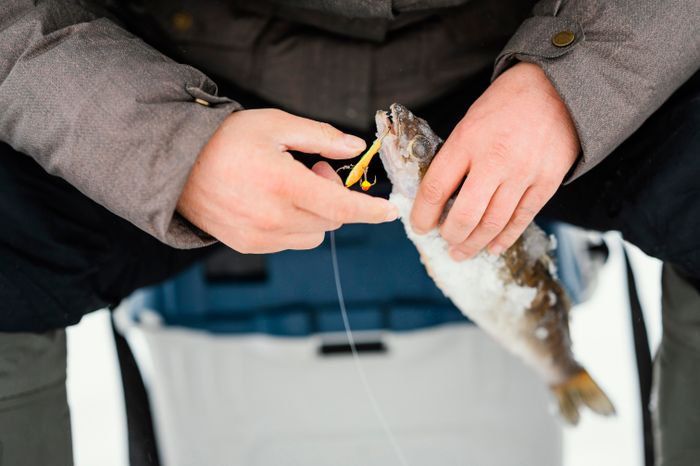
Fish respond to their environment with intent, not chance. Understanding fish behavior patterns, how fish feed, and basic fishing biology helps the guides predict movement and feeding windows. Fish adjust to pressure, conserve energy, and react to conditions. Guides succeed by reading these choices, not assuming bites happen randomly.
Fish Save Energy, So Guides Target Easy Feeding Zones
Fish rarely chase food unless conditions demand it. Through structure fishing, guides focus on places where fish can feed efficiently without burning energy. These areas naturally concentrate movement and opportunity.
Eddies, drop-offs, grass lines, and ambush points allow fish to hold position while the current delivers food. Current seams create natural lanes where bait drifts predictably, making these zones reliable targets for consistent feeding behavior.
Fish Learn Pressure, So Guides Change Patterns Often
Fish quickly associate repeated presentations with danger, especially in pressured waters. Guides watch how fish react, then adjust before avoidance sets in. These are the key pattern changes guides rely on:
Lure selection: Switching profiles and materials prevents conditioned fish from recognizing familiar shapes they have already learned to avoid.
Color rotation: Adjusting color breaks visual familiarity, especially when pressured fish associate certain shades with previous hook encounters.
Retrieve variation: Changing speed, cadence, or direction disrupts learned timing and forces reaction instead of cautious inspection.
Depth adjustment: Moving presentations higher or lower separates offerings from zones fish associate with repeated angling pressure.
Smart Fishing Produces Consistent Results, Not Lucky Days
Professional guides focus on repeatable systems instead of hoping effort pays off. Consistent fishing results come from recognizing patterns, not staying out longer or casting more. Through experience and structure, guides turn uncertainty into guided fishing success by adjusting based on feedback rather than forcing unproductive water.
Pattern Recognition Helps Guides Find Fish Faster
Guides identify productive trends early by observing conditions and responses. Instead of experimenting endlessly, they narrow in on what works and scale it across the trip. These are the key fishing patterns guides rely on:
Depth patterns: Identifying the precise depth zone where fish hold allows guides to eliminate unproductive water and focus effort where bites actually occur.
Speed patterns: Matching retrieve or drift speed to fish mood increases strike timing and improves hookup consistency throughout changing conditions.
Bait patterns: Selecting bait that aligns with forage size and behavior produces faster feedback and limits wasted experimentation.
Seasonal adjustments: Using seasonal fishing strategies helps guides anticipate movement and feeding windows before fish visibly react.
Smart Guides Adjust Instead of Forcing a Bad Bite
When activity slows, guides shift strategy rather than pushing the same approach. Adapting fishing techniques keeps the momentum during slow bite fishing conditions.
Switching to a more active species
Changing from artificial to live bait
Adjusting depth or location
Modifying presentation speed or profile
Fishing Smarter Improves the Client Experience
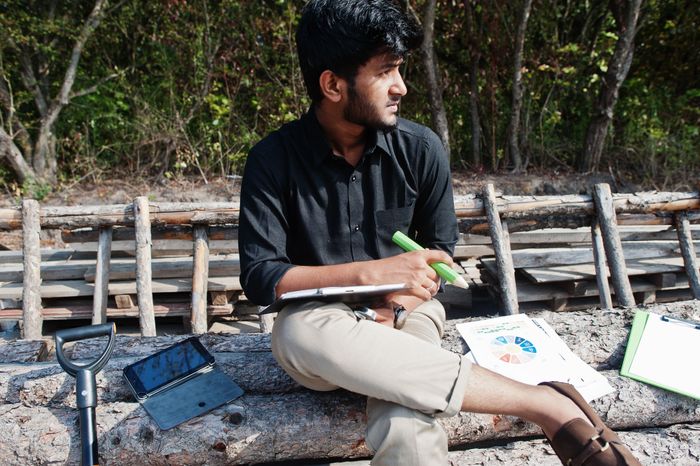
On modern guided fishing trips, success is no longer measured only by numbers. A strong fishing guide experience focuses on comfort, learning, and flow. Smart fishing removes long gaps of uncertainty and replaces them with clear decisions. Clients stay engaged because each move has purpose. The trip feels organized, calm, and productive rather than rushed or random.
When guides fish efficiently, they gain time to teach. Learning fishing from guides becomes natural because instruction fits into real situations, not forced explanations. Guides explain why choices are made, helping anglers build real fishing skills. This creates confidence instead of confusion. Clients understand what is happening and why it works.
For beginners, smart fishing reduces stress quickly. Beginner fishing success comes from fewer empty hours and more intentional action. On a first guided fishing trip, guides avoid overwhelming new anglers with constant changes. Each step feels manageable. This keeps energy high, frustration low, and learning enjoyable from start to finish.
Why Smart Fishing Is the Real Advantage of Hiring a Guide
Hiring a guide is not about fishing harder. It is about making better decisions on the water. Smart fishing combines experience, preparation, and adaptability to remove guesswork and deliver consistent outcomes. This approach turns time on the water into focused progress instead of trial and error. These are the key guided fishing benefits that explain why you should hire a fishing guide:
Faster success: Guides eliminate unproductive water quickly, helping anglers reach active fish sooner without wasting hours experimenting blindly.
Better decision-making: Every move is based on conditions, patterns, and feedback, replacing luck with informed choices throughout the trip.
Efficient use of time: Smart planning maximizes fishing windows, ensuring each hour contributes to learning, action, or results.
Adaptability on the water: Guides adjust techniques, depth, or species instantly when conditions shift, preventing stalled or frustrating periods.
Stronger learning experience: Clients gain practical knowledge by seeing real-time decisions explained clearly during the trip.
Consistent outcomes: Systems and patterns deliver reliable results across changing conditions, not just occasional lucky days.
Conclusion
Guided fishing succeeds because of decisions, not effort. A strong professional fishing mindset replaces endless casting with preparation, observation, and adaptability. When guides think ahead, adjust quickly, and teach along the way, results become predictable instead of accidental. These fishing success tips apply beyond one trip, helping anglers understand patterns, conditions, and fish behavior with confidence. Choosing the right guide means choosing someone who plans with intent, responds to real feedback, and values learning as much as results. If you want fishing trips built on clarity and consistency rather than chance, explore experienced guides, species options, and trip styles through Guidesly and fish with purpose every time.
FAQs
1. How do guides decide when to start a fishing trip?
Guides monitor timing windows, client stamina, weather shifts, and access limitations to decide start points, ensuring productivity without exhausting anglers or relying on fishing hours.
2. Does smart fishing make guided trips more expensive?
Smart fishing focuses on efficiency, not added gear costs, often delivering better value by maximizing outcomes within standard trip lengths rather than charging for extra hours.
3. Can technology replace a fishing guide completely?
Technology provides data, but guides interpret conditions, manage people, and adjust decisions, combining judgment and experience that tools alone cannot replicate effectively.
4. What should beginners prepare before a guided fishing trip?
Beginners should arrive open-minded, rested, dressed for conditions, and ready to learn, focusing on listening and asking questions rather than worrying about technical mastery.
5. How do guides decide trip length for different anglers?
Guides match trip duration to attention span, physical comfort, and learning goals, ensuring steady engagement instead of fatigue or rushed experiences.
6. Is smart fishing safer for clients on the water?
Yes, thoughtful planning reduces exposure to risky conditions, limits unnecessary movement, and keeps clients comfortable while maintaining awareness of weather and water changes.
7. Does fishing smarter work the same year-round?
Smart approaches adapt seasonally, with guides adjusting timing, expectations, and targets based on biological cycles rather than applying identical tactics throughout the year.
8. How do guides choose between freshwater and saltwater trips?
Guides evaluate client goals, comfort levels, conditions, and species availability to recommend environments offering the best learning experience and manageable challenges.
9. Do guided trips provide all fishing equipment?
Most guided trips include essential equipment, allowing anglers to focus on technique and understanding rather than transporting or selecting unfamiliar gear.
10. How can anglers apply lessons after a guided trip ends?
Anglers can reflect on decision-making, note condition cues, and practice simplified techniques learned, gradually building independence through observation rather than copying exact setups.