Why the Best Fishing Spots Are Never Publicly Shared
Discover why the best fishing spots are never shared publicly and how professional guides help anglers find fish ethically, efficiently, and consistently.
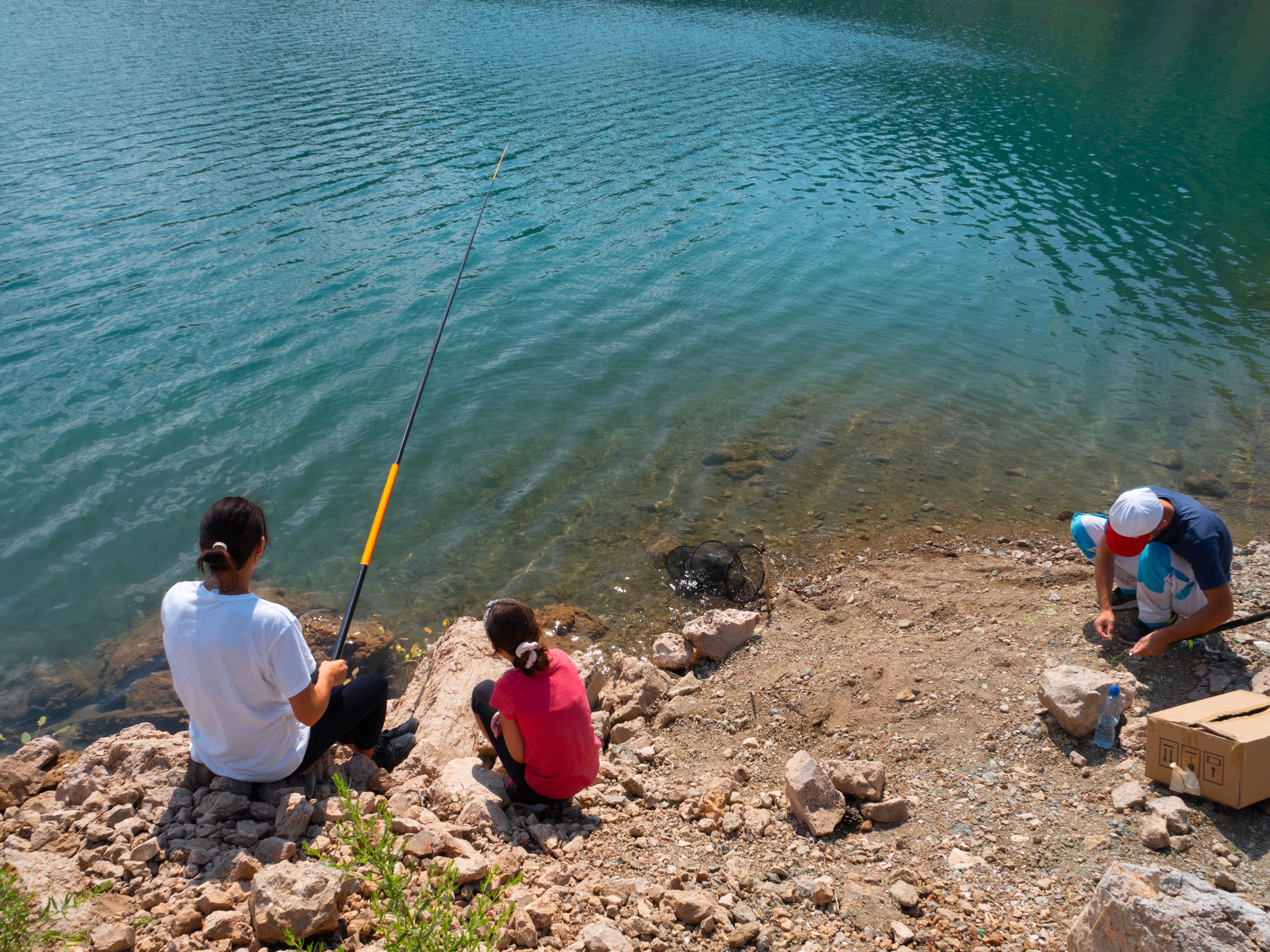


Every angler dreams about secret fishing spots, those quiet stretches of water where the fish seem untouched and success feels almost guaranteed. That curiosity drives people to search maps, forums, and social posts, hoping to uncover locations others have missed. What many anglers do not realize is that the most productive fishing areas are rarely common knowledge. Experienced anglers and professional guides guard them carefully, not to exclude others, but to protect fish populations, preserve patterns, and respect the effort it took to find them. Public exposure often leads to overcrowding, pressured fish, and declining results. Instead of sharing exact locations, professional guides help anglers access great fishing by teaching water reading, seasonal movement, and effective techniques. This approach delivers consistent results while keeping sensitive spots healthy and productive for the future.
What Anglers Mean by “Secret Fishing Spots”
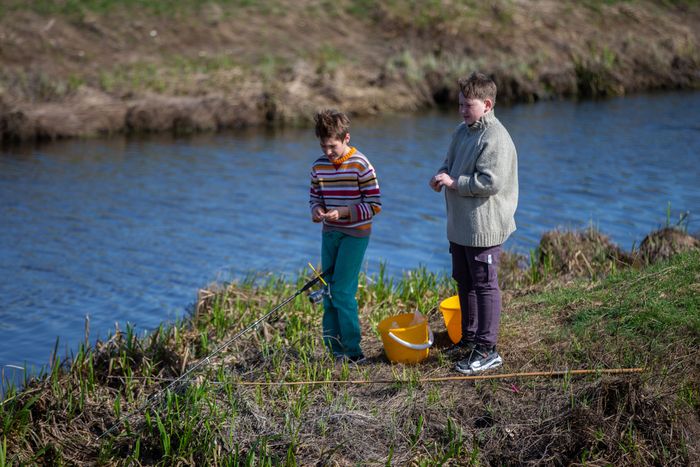
When anglers talk about secret fishing spots, they usually mean areas that produce consistently while staying relatively untouched by heavy pressure. These places often hold higher fish density, reliable feeding activity, and conditions that allow fish to behave naturally. The value comes from consistency, not luck, where the same area continues to produce when fished correctly and at the right time.
Secret spots can vary widely depending on the type of fishing. Freshwater anglers may think of small creek bends, submerged structure, or overlooked shorelines that rarely see traffic. Offshore anglers often refer to subtle depth changes, reefs, ledges, or current edges that are not obvious on standard charts but regularly attract bait and predators.
Modern technology plays a role in uncovering these locations. Tools like sonar, GPS mapping, and fish finders help anglers identify structure and movement patterns. Still, anglers value these spots because they combine discovery, effort, and understanding, making success feel earned rather than handed out.
Top Reasons Why Fishing Spots Aren’t Publicly Shared
The most productive fishing locations stay private because public exposure often damages fisheries, reduces success, and disrespects hard-earned knowledge. Experienced anglers and guides protect these areas for long-term sustainability. Below are the key reasons fishing spots are rarely shared openly.
1. Conservation & Sustainability
Publicizing a highly productive fishing spot almost always increases pressure beyond what the ecosystem can handle. Fish populations concentrate in specific areas for feeding and spawning, and repeated targeting disrupts those natural cycles. Fisheries experts often warn that even catch-and-release pressure can change fish behavior and reduce long-term population health. Protecting locations allows fish stocks to recover naturally and keeps ecosystems balanced for future generations of anglers.
Increased fishing pressure accelerates population decline
Repeated disturbance disrupts spawning and feeding patterns
Sensitive habitats struggle to recover once exposed
2. Overcrowding & Loss of Solitude
When a fishing spot becomes public, crowds arrive quickly, and the experience changes overnight. Boat traffic, noise, and constant casting push fish away and shorten productive windows. For many anglers, fishing is about calm, focus, and connection with nature. Overcrowding removes that element entirely. Social discussions among anglers often describe shared spots as burned, meaning pressure destroys both the fishing quality and the peaceful atmosphere.
Crowding spooks fish and reduces bite consistency
Noise and traffic damage the shoreline and habitat
Litter and conflict increase in popular areas
3. Protecting Angler Effort & Skill
Productive fishing spots are rarely found by accident. They come from years of learning water behavior, seasonal movement, and how conditions affect fish positioning. Sharing exact locations removes the challenge that builds skill and understanding. Many anglers value the process as much as the result. Professional guides respect this effort because they rely on experience and pattern recognition, not shortcuts, to consistently put anglers on fish.
Discovery requires time, failure, and observation
Skill development loses value when everything is shared
Guides honor the craft behind finding fish
4. Preserving Local Knowledge & Respect
For local anglers and guides, fishing spots represent more than opportunity. They often support livelihoods, traditions, and long-standing relationships with the water. This knowledge is built over seasons, tides, and weather shifts. Respecting it means recognizing that success is not tied to a single location. It comes from understanding how fish behavior, structure, and conditions align at specific moments.
Local insight develops through long-term experience
Conditions change how spots perform day to day
Respect protects both people and fisheries
Why Being a Guide Changes the Spot-Sharing Game
Professional guides approach fishing differently because their responsibility goes beyond a single trip or location. They balance results, ethics, and long-term fishery health while teaching anglers how to succeed anywhere. Below are the key ways being a guide reshapes how fishing spots are shared.
1. Ethical Knowledge Sharing Over Location Dropping
Guides understand that sharing exact locations can damage fisheries and reduce future success. Instead of giving out coordinates, they focus on ethical fishery use and responsible learning. By teaching techniques, seasonal adjustments, and decision-making, guides help anglers catch fish without exposing sensitive areas or encouraging harmful pressure.
2. Teaching the Why and When, Not Just the Where
Experienced guides study seasonal movements, spawning cycles, tides, and forage behavior. This allows them to explain why fish are present and when conditions align. That insight gives anglers transferable knowledge that works across different waters, rather than relying on a single spot that may only produce briefly.
3. Combining Experience With Advanced Fishing Tools
Guides pair years of on-water experience with modern tools like sonar, mapping software, and detailed catch logs. These tools help identify patterns and confirm fish presence efficiently. However, the real advantage lies in interpreting the data, something that cannot be replicated by simply viewing an online map.
The Benefits of Choosing a Professional & Experienced Fishing Guide
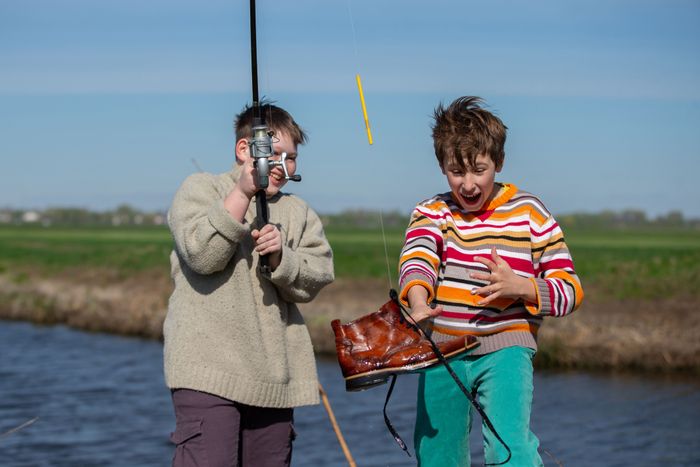
Hiring a professional fishing guide improves results, learning, and overall confidence on the water. Instead of guessing, anglers benefit from proven systems, local expertise, and structured instruction. Here are the key benefits of choosing an experienced guide.
Increased Catch Success: Guides help anglers find fish faster by understanding productive water and why it works. This eliminates hours or days of trial and error, especially for beginners learning new fisheries.
Customized Instruction & Skill Development: Guides teach practical techniques like drift fishing, jigging, casting control, and seasonal adjustments. This hands-on instruction helps anglers build transferable skills they can use across different waters and conditions.
Safety, Logistics & Legal Know-How: Professional guides manage navigation, weather timing, tides, and local regulations. Their experience reduces risk, avoids costly mistakes, and ensures anglers fish legally while focusing fully on learning and catching fish.
Access to Private or Less-Known Waters: Some guides fish in overlooked or limited-access areas based on local relationships and experience. These locations may not be secret, but most anglers miss them without local insight.
Learning Fish Behavior & Species Specifics: Guides specialize in how specific fish behave under changing conditions. Understanding species movement and feeding patterns helps anglers adjust faster instead of relying on guesswork.
What Guides Typically Teach You Instead of Giving You the Exact Spot
Professional fishing guides focus on building decision-making skills rather than handing out exact locations. A spot may only work for a short window, but understanding structure, timing, and technique allows anglers to consistently find fish across different waters and conditions.
How to Read Water Structure
Guides teach anglers how fish relate to physical features in the water. Structure determines where fish hold, travel, and feed, making it a foundation skill for consistent success.
Identifying current breaks where fish save energy while waiting for food
Reading depth changes like drop-offs, ledges, channels, and flat transitions
Locating bait corridors that funnel prey during feeding periods
Understanding how submerged grass, brush, and timber provide cover
Using shoreline clues, wind direction, and electronics to confirm structure
Recognizing how structure changes fish positioning throughout the day
Seasonal Patterns & Time Windows
Instead of repeating the same approach year-round, guides explain how fish behavior shifts with seasonal changes. Timing often matters more than location, especially in pressured fisheries.
Learning which months trigger feeding, spawning, or migration activity
Understanding tide stages that position fish for ambush or movement
Using moon phases to predict stronger bite windows
Recognizing how water temperature affects metabolism and location
Identifying short feeding windows tied to light, weather, or pressure changes
Planning trips around conditions rather than forcing poor timing
Techniques Tuned to Conditions & Species
Guides teach anglers how to adapt techniques based on fish mood, water clarity, and target species. This flexibility prevents frustration and increases efficiency on tough days.
Adjusting lure speed and depth based on fish activity levels
Using slow rolling presentations when fish are neutral or inactive
Changing jigging cadence to trigger reaction strikes
Selecting bait and lure profiles based on species' feeding habits
Modifying techniques for bass, tarpon, and trout behavior
Fine-tuning hook sets, retrieve angles, and presentation control
How to Respect Fishing Spots & Fishing Culture
Respecting fishing spots starts with responsible behavior on the water. Practicing catch and release when appropriate helps protect fish populations and preserve healthy size structures. Proper etiquette matters just as much. Giving other anglers space, minimizing noise, handling fish carefully, and leaving no trash behind all contribute to a better experience and a healthier environment. Environmental stewardship ensures that productive waters remain viable for future seasons and generations.
Anglers can also support sustainability by sharing fishing techniques, seasonal insights, and general advice instead of exact coordinates. Teaching others how to read water and fish responsibly spreads knowledge without damaging sensitive areas. While some anglers believe spots should be freely shared, long-standing fishing culture favors respecting local anglers and professional guides. This approach protects fisheries, maintains quality fishing, and supports the communities that depend on these waters.
Conclusion
Fishing spots stay secret for clear reasons rooted in conservation, respect, tradition, and the overall quality of the experience. Public exposure often leads to pressure, disrupted patterns, and damaged fisheries, while quiet stewardship protects fish behavior and fragile ecosystems. Experienced anglers and guides understand that success is earned through knowledge, timing, and ethical fishing, not shared coordinates. Professional fishing guides help anglers catch more by teaching transferable skills, reading water, and adapting techniques to changing conditions. They also play a key role in preserving fisheries for future generations by managing pressure responsibly. If you want better results without harming the waters you love, explore guides and book a trip on Guidesly.
FAQs
Why do fishing spots disappear after becoming popular?
Fishing spots often fade because increased pressure changes fish behavior, damages habitat, and shortens feeding windows, making once reliable areas inconsistent or completely unproductive over time.Are secret fishing spots always better than public ones?
Not always. Secret spots feel better because of reduced pressure, but success still depends on timing, conditions, and technique rather than privacy alone.Can beginners find good fishing without insider locations?
Yes. Beginners can succeed by learning structure, timing, and species behavior instead of chasing locations, which builds confidence and long-term consistency across different waters.Do fishing regulations influence spot secrecy?
Regulations often limit access, seasons, or harvest. Anglers avoid sharing spots publicly to prevent violations and ensure areas remain legally fishable without attracting unwanted enforcement attention.Is sharing fishing photos online harmful to fisheries?
Photos alone are harmless, but revealing backgrounds, landmarks, or patterns can attract crowds, increasing pressure and unintentionally damaging fragile or recovering fishing areas.How do guides decide when to stop fishing a productive area?
Guides monitor pressure, fish response, and conditions. When bite quality drops or fish show stress, they rotate areas to protect future productivity.Are offshore fishing spots harder to protect than freshwater spots?
Offshore spots spread pressure faster due to technology and mobility. Once shared, boats concentrate quickly, making even large areas feel overfished in short periods.Why do some anglers oppose keeping spots private?
Some anglers believe sharing promotes community and access. However, without limits, openness often reduces fish quality and harms long-term fishing opportunities.Can technology replace local fishing knowledge entirely?
Technology helps locate structure, but it cannot interpret fish behavior, pressure changes, or timing. Local experience remains critical for consistent results.What is the biggest mistake anglers make when searching for spots?
Focusing on locations instead of learning patterns. This approach limits growth and leads to frustration when conditions change or spots stop producing.