The Flounder Run Explained: Timing, Tides and Tackle in Texas
Learn when the Texas Flounder run happens, where Flounder gather, which baits and techniques work, and what to know about tides and regulations.
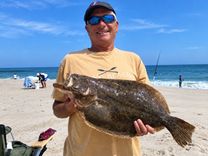
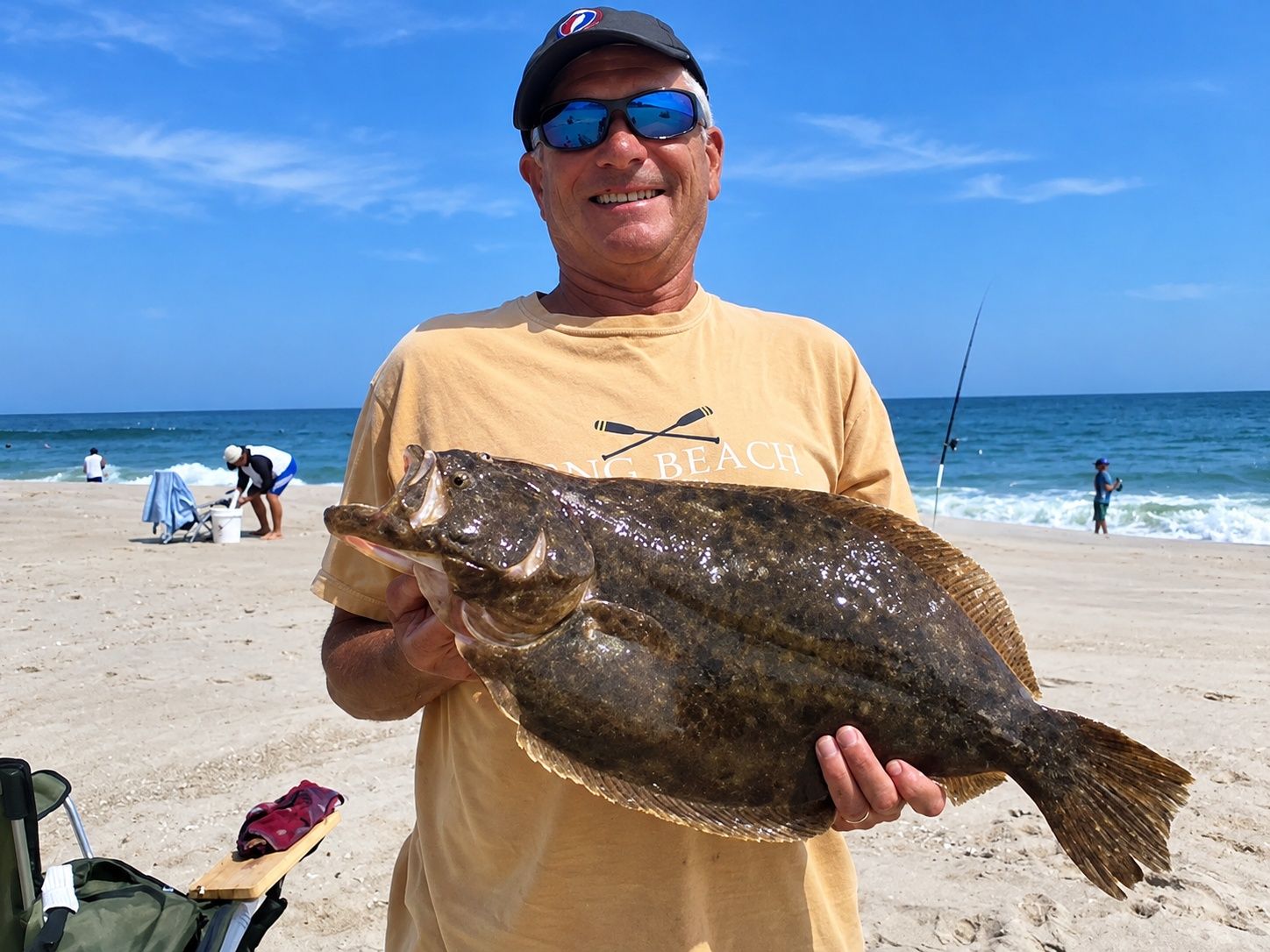


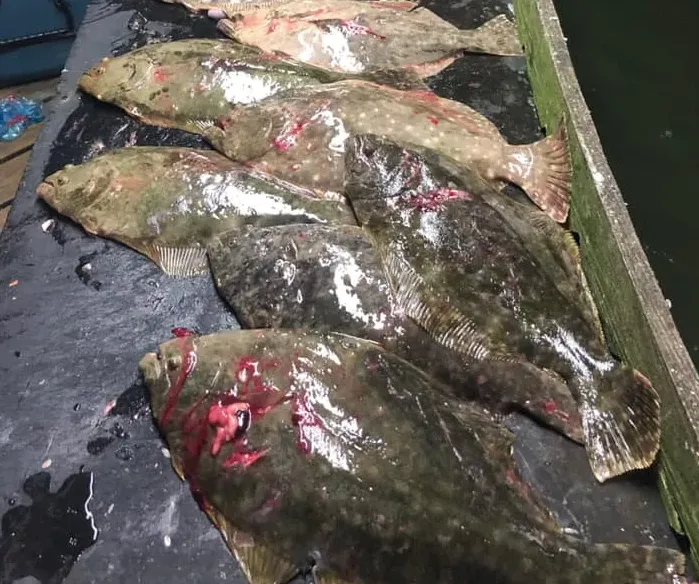
There’s a point every fall when the Texas coast starts to feel a little different. The heat finally eases off. Cold fronts begin showing up more often. The water cools down, and Flounder that have spent the warmer months in the bays start making their way toward the Gulf. That’s the famous Texas Flounder run. It sounds simple enough. The fish leave the bays, head toward the Gulf, and anglers wait for them around the passes. In reality, there’s a little more to it. Flounder don't all leave at once, and the strongest part of the run can change depending on the weather. Tide, water temperature, wind and water clarity can all affect what happens on a given night.
That’s also why Flounder fishing can be frustrating when the conditions are wrong and incredibly rewarding when everything falls into place.
If you’re planning to fish during the run this year, here’s what’s actually worth paying attention to.
What is the Texas Flounder Run?
The Flounder run is the fall migration of adult Southern Flounder from Texas bays and estuaries toward the Gulf of Mexico, where they spawn. For most of the year, Southern Flounder live in inshore waters. They spend a lot of time close to the bottom in bays, backwater areas, bayous and estuaries. Their body is practically designed for this lifestyle. They lie on their side, both eyes sit on the upper side of the head, and their coloring can blend into the bottom around them. In other words, they’re built to disappear.
They’re also ambush predators. Rather than racing around looking for food, a Flounder can settle into the mud or silt and wait for a shrimp, baitfish or another small creature to come close. That behavior becomes particularly important during the fall migration.
As adult fish begin moving toward the Gulf, they tend to concentrate around the routes they need to take. This is why channels and passes suddenly become much more interesting to anglers. But it’s best not to assume every fish is sitting in the middle of the deepest channel. A Flounder moving through an area may stop along an edge, tuck into a shallower section or settle near a change in the bottom. The fish still needs to eat, after all.
When is the Flounder Season in Texas? Understanding the Fall Run
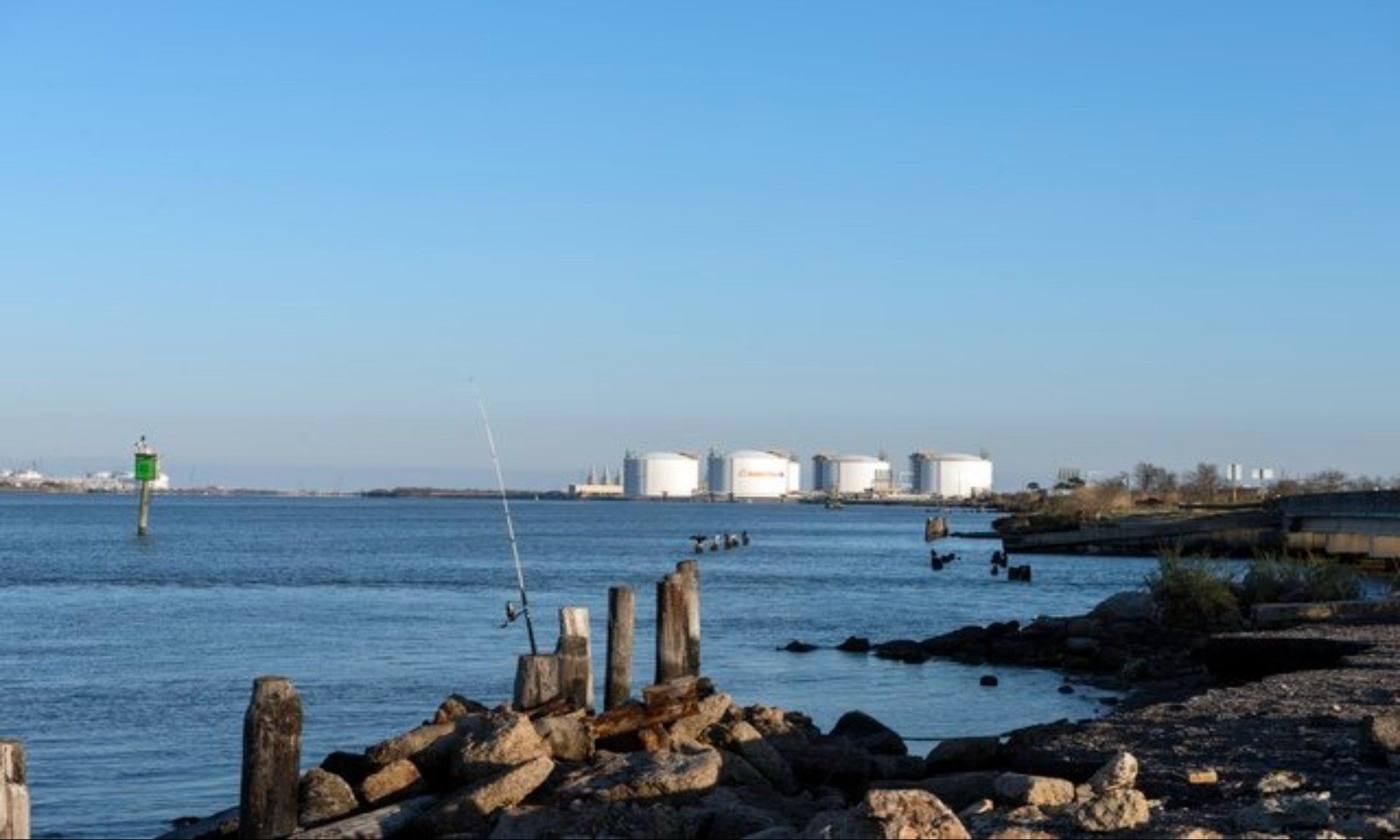
The traditional window is October through December, but there isn’t a specific day when the run starts. Water temperature has a lot to do with it. As the first real cold fronts of fall move across Texas, temperatures begin to fall.
That change can trigger Flounder to start heading toward the Gulf. A strong cold front can push a noticeable number of fish toward the passes, while a milder stretch of weather can spread that movement over a longer period. That’s why an angler who fishes in the same spot every October may not see exactly the same thing every year. One season, the fish may start showing up early. Another year, it can seem like everyone is waiting around for the water to cool down a little more. The weather is usually a better signal than the calendar.
If you’re planning a fishing trip in Texas, watch for a meaningful temperature drop rather than assuming a particular date guarantees a bite. Keep an eye on what the wind is doing, too. A cold front followed by calmer conditions can create a completely different fishing situation from a cold, windy night with dirty water. And yes, sometimes being a week too early or too late really does make a difference.
Why do Flounder Gather Around Passes and Channels?
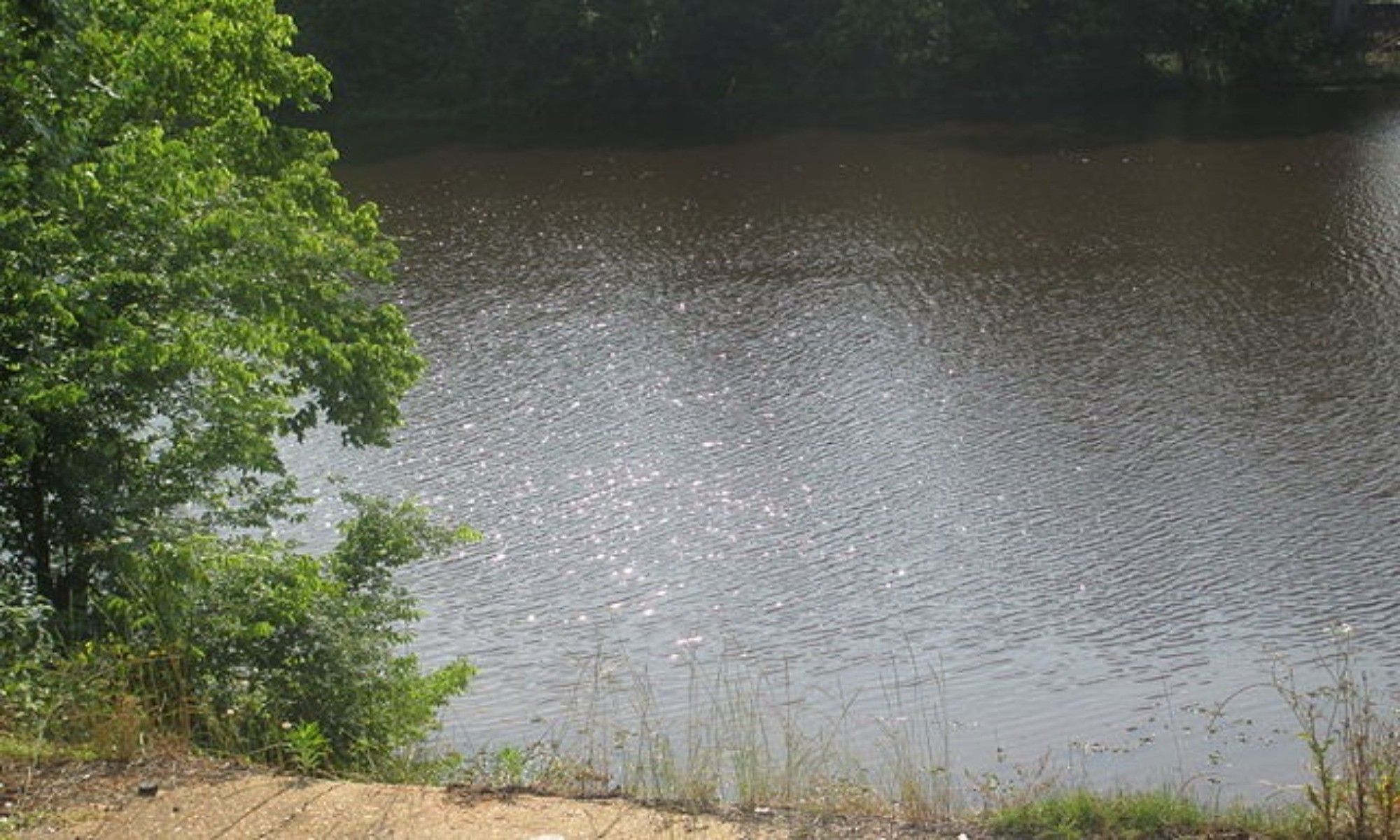
Picture the route a fish has to travel from a bay toward the Gulf. There are only so many ways out. That’s what makes passes and channels so useful to anglers during the run. Instead of searching an entire bay for a fish that could be almost anywhere, you can narrow the search to the places that connect one part of the system to another. But there’s a second piece to it; Flounder aren’t just migrating. They still have to feed. That makes the edges of these migration routes particularly interesting. A deeper channel beside a shallow flat gives a Flounder somewhere to move, somewhere to feed and somewhere to sit while waiting for food to drift past.
Look for changes rather than perfectly uniform bottom. A few areas worth paying attention to include:
Small drops in depth: Even a slight change in depth can give Flounder a place to hold as they move through an area.
Channel edges and cuts: These connect different parts of the water system and can form part of the migration route.
Muddy stretches beside firmer bottom: Changes in bottom composition can help identify areas where Flounder may settle.
Bayou mouths and nearby flats: Shallow flats close to deeper routes give Flounder places to feed while remaining near their migration paths.
How Bottom Structure Affects Flounder Fishing
Flounder spend their lives close to the bottom, so it makes sense to pay attention to what's down there. Slightly muddy or silty bottoms are often associated with Southern Flounder. They can bury themselves in that kind of bottom and use their natural camouflage to disappear. That doesn’t mean a hard-bottom area will never hold one. It simply means that if you’re deciding between two otherwise similar places, the bottom can be a useful clue. This is also where a depth finder can help.
A broad bay flat may look like one giant, featureless piece of water until you notice a small depression or drop. That little change gives fish another place to hold, especially when there’s current moving over it. It’s worth paying attention to those details rather than spending the day randomly covering water.
Considering the Tide for Texas Flounder Fishing
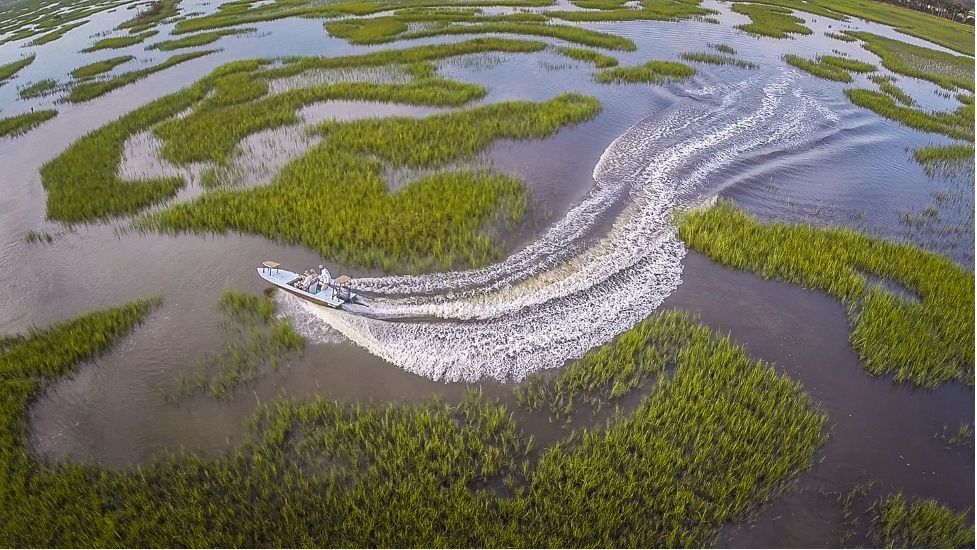
If there’s one thing to pair with the fall migration, it’s a moving tide. Incoming water is generally considered one of the better opportunities for targeting Flounder, particularly around shallow areas. This is because the tide is moving food. Shrimp and baitfish are carried into shallower water, across flats and through cuts. A Flounder sitting on the bottom doesn’t have to do much work. It can stay put and wait for something edible to come within range. Outgoing water can be productive, too. When the tide falls, water drains from shallow areas and pushes bait toward channels and deeper sections. Flounder can hold around those edges and take advantage of the moving food.
Here’s a quick look at how different tide conditions can influence where you look for Flounder:
Tide Condition | What Happens | How Flounder React |
Incoming tide | Shrimp and baitfish move into shallower water with the incoming current. | Shallow flats, cuts, and areas where bait moves across the bottom. |
Outgoing tide | Water drains from shallow areas, pushing bait toward channels and deeper sections. | Channel edges, deeper sections, and areas where water drains from flats. |
Slack tide | Water movement slows, reducing the movement of bait through the area. | Pay attention to areas where Flounder may already be holding near the bottom. |
Best Baits and Lures for Texas Flounder Fishing
Flounder fishing doesn't require an enormous tackle box. A light or medium-light spinning setup works well for rod-and-reel fishing. The main thing is being able to feel what your lure is doing close to the bottom.
Soft Plastics
Soft plastics are a straightforward option because you can fish them slowly and keep them near the bottom. A jighead paired with soft plastic can be worked across a flat, along a channel edge or near a drop-off. You don't need to make the retrieve complicated. Cast it out and let it reach the bottom. Work it a little, then pause, and repeat. The instinct for many anglers is to move a lure faster when nothing is happening. Flounder fishing often rewards the opposite approach.
The fish is likely sitting on the bottom waiting for food. There's no reason to make the presentation look like it's in a hurry to leave. Try working the lure parallel to a channel edge as well as casting directly across it. Those small changes in angle can put your bait in front of fish holding on different sections of the bottom.
Live Shrimp
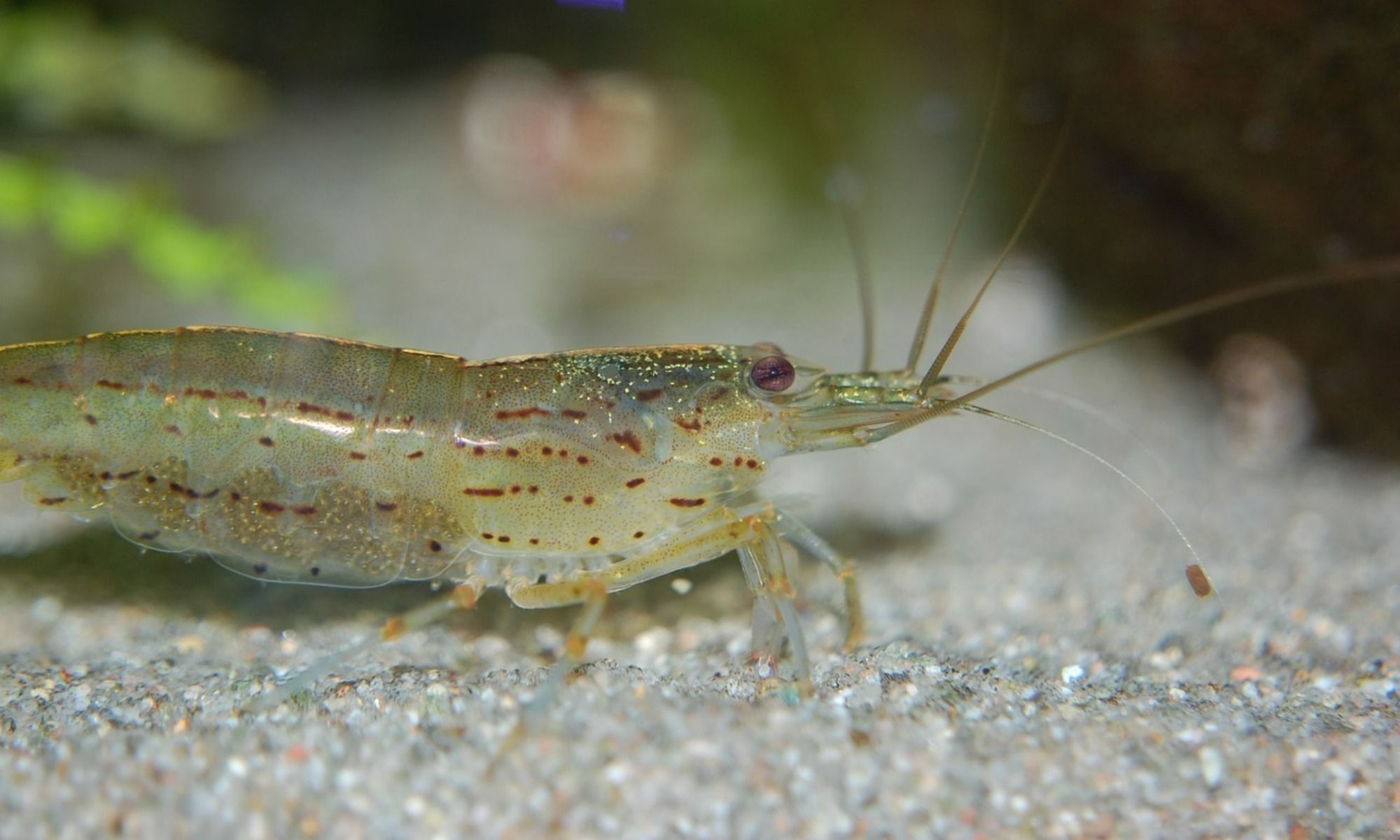
If artificial lures aren't producing, live shrimp give you a more natural option.
Shrimps are part of a Flounder's diet, and a live bait moving slowly along the bottom can be difficult for a hungry fish to ignore. Mud minnows are another popular bait for inshore Flounder.
Again, the presentation doesn't need to be fancy. Keep the bait down where the fish can find it and avoid moving it too quickly through the strike zone.
Spoons
Fishing shallow areas with vegetation? A shallow-running spoon can be useful there, particularly when you need something that can cover water without constantly getting buried in the bottom or fouled with vegetation. There isn't one lure that magically catches every Flounder. Location and timing tend to matter much more than having a dozen different colors in the tackle box.
Gigging
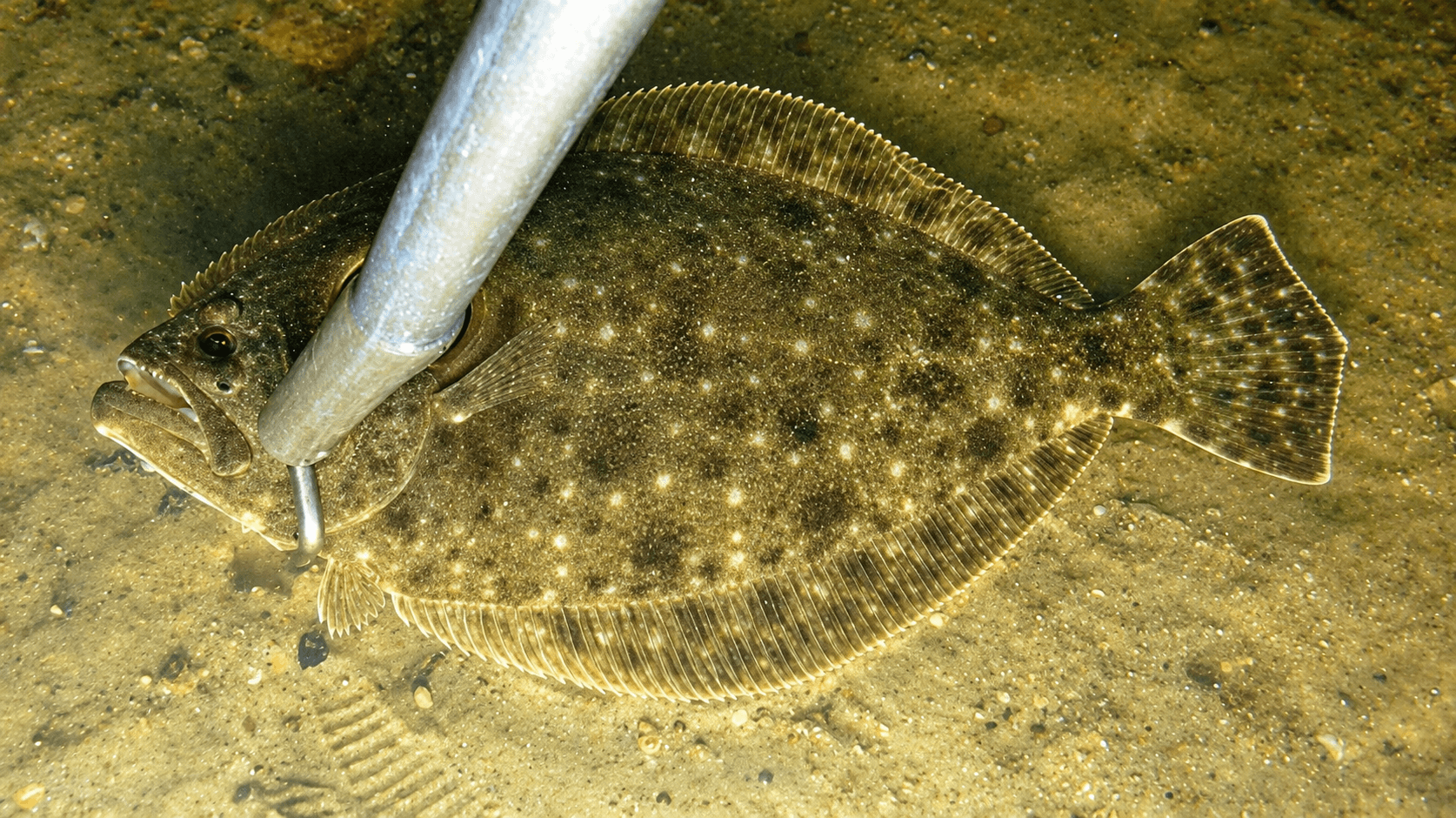
Few fishing methods feel more closely tied to the Texas Flounder run than gigging. It’s a very different way of fishing. Instead of casting and waiting for a bite, you're looking down into the water and trying to find a fish that may be sitting perfectly still on the bottom. When conditions are right, it's surprisingly effective. When conditions aren't right, it can be miserable. And there's something else to remember in shallow water: not every flat shape on the bottom is a Flounder. Stingrays can be around the same areas and can be confused with Flounder when visibility is poor. Take the time to identify what you're looking at before making a move.
Texas Flounder Fishing Regulations: Size Limits, Bag Limits, and Seasonal Closure
This is where planning a Flounder trip gets especially important. Texas has specific regulations governing the size, bag limit and season for Flounder, and the current rules include a seasonal closure from November 1 through December 14. For the 2026–27 fishing year, the statewide recreational limit is five Flounder per day with a 15-inch minimum length and no maximum length limit. During the November 1 through December 14 closure, the bag limit is zero. That can be easy to miss if you're relying on older articles or advice from anglers who remember a different set of rules. The timing is particularly important because the closure overlaps with the traditional fall migration.
So, before you head out with the intention of keeping fish, check the current Texas Parks and Wildlife regulations. Also make sure you have the required saltwater fishing license and endorsement unless you qualify for an exemption. Knowing where the fish are is only half the job. Knowing whether you can legally keep them is just as important.
Final Thoughts
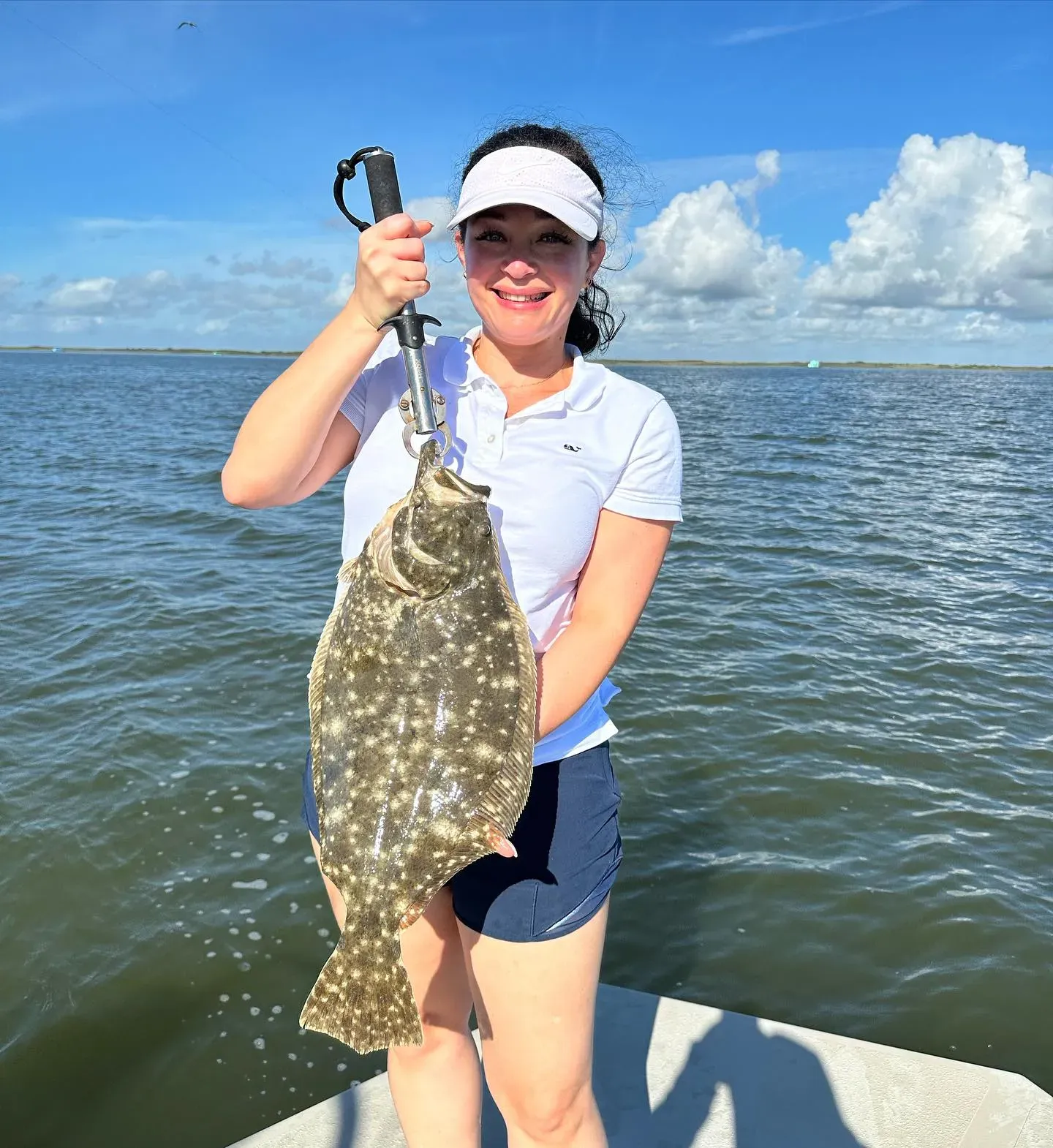
The Texas Flounder run isn't difficult to understand once you look at it from the fish's perspective. These aren't fish wandering aimlessly around the coast. They're leaving the bays and moving toward the Gulf, and along the way they still need food and places to rest. That creates opportunities.
A channel suddenly matters because it gives the fish a route out. A shallow flat matters because that's where a Flounder may feed. Falling temperature matters because it tells the fish that it's time to move. And a moving tide matters because it brings food within reach. Put those things together and the puzzle gets a lot easier to solve. The exact timing will vary from one year to the next, so don't rely on the calendar alone. Watch the weather. The traditional Flounder run extends into a period when harvest is closed in Texas, so a trip that looks perfect on paper may still need a change of plans. If you don't know the local bay system well, fishing with a local guide can take some of the guesswork out of the trip. For example, there are guides fishing the Galveston Bay area for flounder, as well as captains around Matagorda Bay and Rockport who target flounder during the run. Their familiarity with the local passes, tides and shallow-water areas can be especially useful when the fish aren't where you expect them to be.

