Adirondack Fly Fishing Day Trip
Picture this: you're standing waist-deep in a crystal-clear Adirondack stream, watching a native brook trout rise to your perfectly placed dry fly. The morning mist is lifting off the water, and you've got an entire day ahead with one of our top-rated guides who knows every pool, riffle, and secret spot in these mountains. That's what you get with our Adirondack Fly Fishing Day Trip – a personalized adventure that puts you right where the fish are feeding.
What to Expect on the Water
We keep it simple: just you and your guide, which means you get all the attention and instruction you need. Whether you're a complete beginner who's never held a fly rod or a seasoned angler looking to dial in your technique, we'll match the water to your skill level. Our guides know the difference between a nervous first-timer and someone ready to work technical water, and they'll adjust the day accordingly. We're talking remote backcountry brooks where you might not see another soul, spring-fed streams that stay cool all summer, bigger rivers with deep runs and undercut banks, and stillwater ponds where the fish cruise just under the surface. The beauty of fishing the Adirondacks is the variety – we can literally drive five minutes and be on completely different water if the fish aren't cooperating or you want to try something new. Your guide will read the conditions that morning and make the call on where to spend your time. Lunch is included, and we'll find a good spot streamside to fuel up and talk about what we're seeing on the water.
Flies, Lines, and Local Know-How
Don't worry about gear – we've got you covered with quality rods, reels, lines, and a full selection of flies that actually work in these waters. Our guides tie many of their own patterns based on what's hatching locally, and they're always tweaking their boxes throughout the season. You'll learn to read the water like a local, spotting the deeper holes where big fish hold, the subtle current seams that concentrate food, and the undercut banks that scream "trout water." We'll cover the fundamentals if you're new to fly fishing: how to load the rod, mend your line, and present a fly naturally. For experienced anglers, we'll dig into the finer points – matching the hatch, nymph fishing techniques, and reading rises to figure out what the fish are actually eating. The Adirondacks have some unique characteristics that separate them from other fishing destinations. The water tends to be on the acidic side, which keeps it incredibly clear but also means the insect life is different from what you might find in limestone streams. Our guides have spent years figuring out what works here, from the specific fly patterns that produce to the presentation techniques that fool educated fish.
Customer Stories
"Jamie and Cody were amazing ice fishing guides! It was my second time out with my boys and we learned so much. We had a blast! We will be back for other outdoor adventures in the Adirondacks with Jamie and his crew." - Eileen
Species You'll Want to Hook
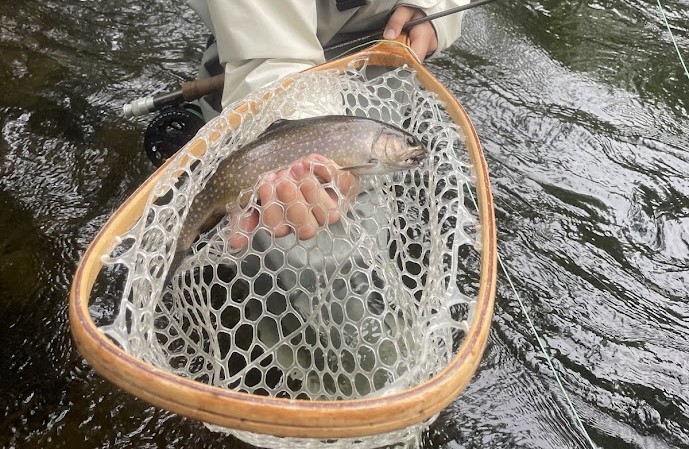
Brook trout are the crown jewel of Adirondack fishing, and for good reason. These native beauties prefer cold, clean water and they're absolutely gorgeous – think olive backs with wormy markings, red spots with blue halos, and fins edged in white and black. They're not usually huge (12-14 inches is a nice fish here), but they're scrappy fighters and they live in some of the most beautiful water you'll ever see. Spring through early summer is prime time when they're actively feeding on mayflies, caddis, and terrestrials. What makes brook trout special is their willingness to rise to a well-presented dry fly, and there's nothing quite like watching one come up from the depths to sip your Adams or Elk Hair Caddis off the surface.
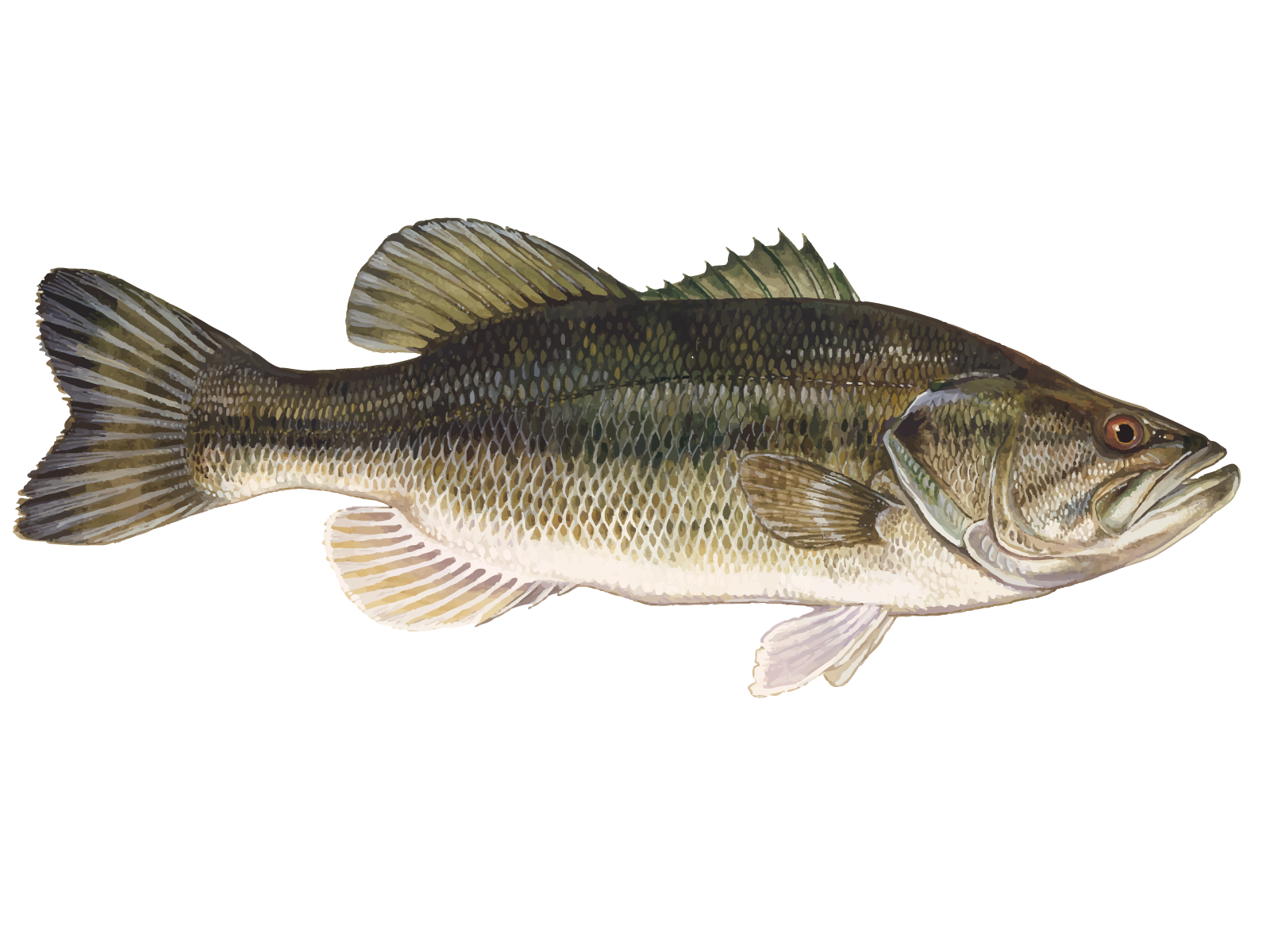
Largemouth bass in the Adirondacks get overlooked by a lot of anglers, but they're a blast on a fly rod. These fish love the weedy bays and shallow areas of the bigger lakes and ponds, where they ambush prey from cover. They'll absolutely crush a popper or streamer, and once you hook one, they'll jump, run, and do everything they can to throw your fly. Summer is prime time for largemouth action, especially early morning and evening when they're feeding in the shallows. A 3-4 pound largemouth on a 5-weight fly rod will give you a workout you won't forget.
Smallmouth bass are pound-for-pound some of the hardest fighting fish in these mountains. They prefer rocky areas, drop-offs, and current breaks in the rivers and lakes. These bronze fighters are incredibly aggressive and will hit everything from streamers to nymphs to surface flies. What sets Adirondack smallmouth apart is the clarity of the water they live in – you can often watch them track and hit your fly, which adds a whole visual element to the fishing. Peak season runs from late spring through early fall, and a 2-3 pound smallmouth will test your tackle and your skills.
Rainbow trout in the Adirondacks are typically stocked fish, but they adapt quickly and put up an amazing fight. They're known for their aerial displays – these fish love to jump when hooked, often multiple times before you get them to the net. Rainbows tend to be a bit more aggressive than brook trout, and they'll often hit larger flies and streamers. They do well in both moving water and lakes, and they can grow quite large in the nutrient-rich Adirondack waters. Spring and fall are peak times, but they can be caught throughout the open water season.
Northern pike are the apex predator in many Adirondack waters, and they're an absolute blast to target with big streamers and surface flies. These toothy critters can reach impressive sizes – 30
 5.0(1 Reviews)
 Private Trip
 Backcountry Fishing
 undefined, undefined


 Guided fly fishing across diverse Adirondack waters and terrain