Asheville Full Day Float Fishing Charter
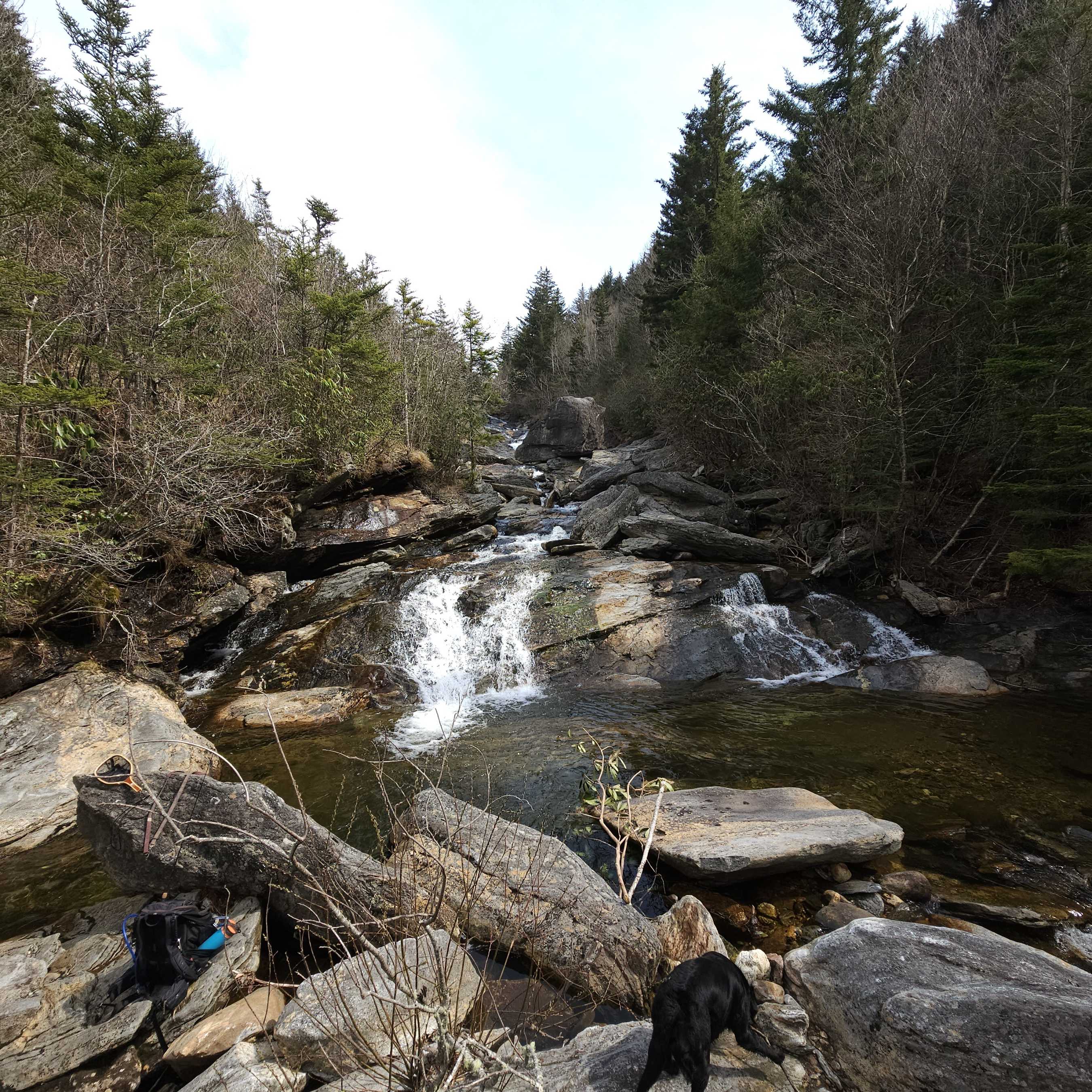
Picture yourself drifting down some of North Carolina's most productive trout and bass waters, rod in hand, with eight solid hours to work every promising pool and riffle. This isn't your typical rushed half-day trip – we're talking about a full commitment to putting you on fish, whether that's a trophy brown trout or a feisty smallmouth that'll test your drag. Based right here in Asheville, we've got access to waters that most anglers only dream about, and we're going to make sure you experience the best of what our mountain rivers have to offer.
What to Expect on the Water
Every float starts with a conversation about what gets you fired up. Some folks want that wall-hanger brown trout they can brag about for years. Others just want to feel that steady bend in their rod all day long – and trust me, we can deliver 30-40 trout in a single float when conditions align. Most of our guests fall somewhere in between, and that's exactly how we'll structure your day. We're constantly reading the water, adjusting our approach based on what's happening right now. Early morning might have us working terrestrial patterns in the shallows for rising trout, while the afternoon heat could send us hunting for smallmouth in deeper pools where the water stays cool. The beauty of an eight-hour float is that we have time to adapt, move spots, and really dial in what's working. You'll eat a solid lunch right on the water, then get back to business with fresh energy for the afternoon bite.
Techniques & Tackle Setup
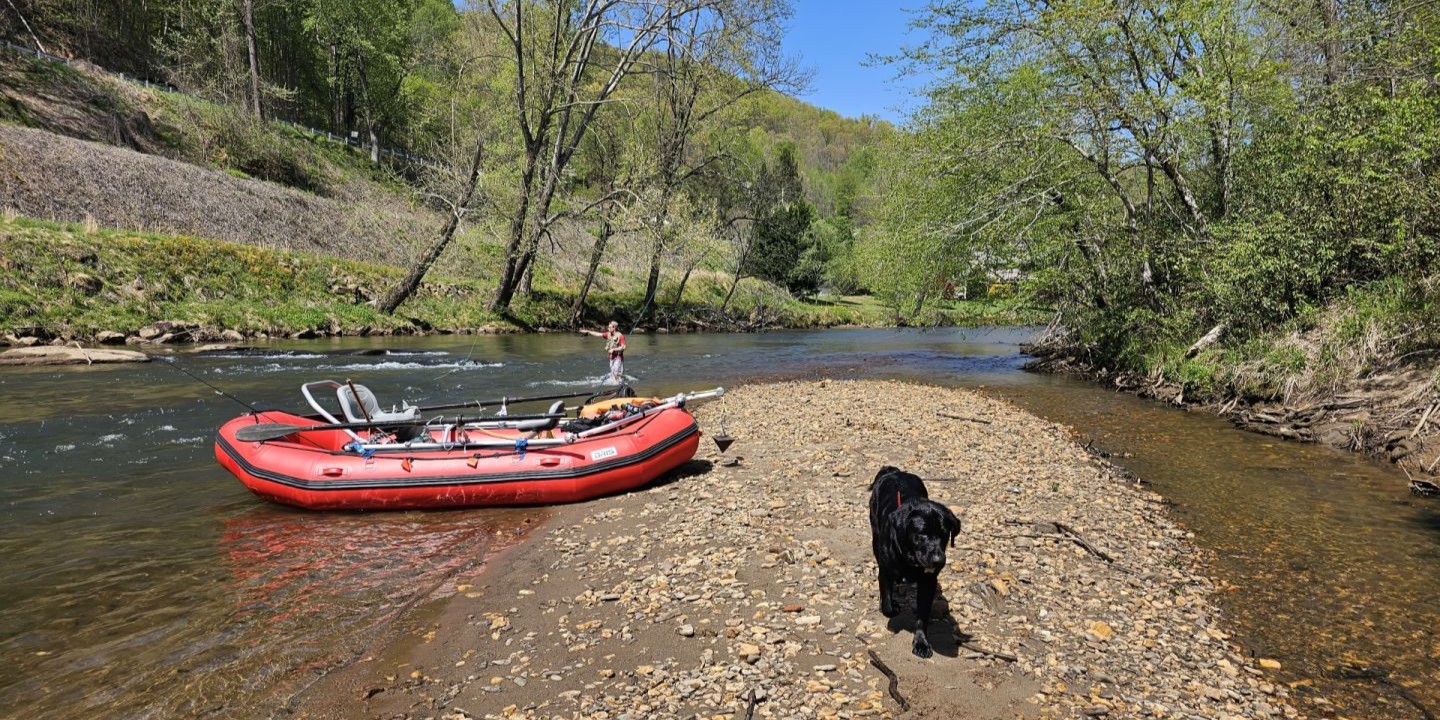
We fish both fly and conventional tackle depending on what the fish are telling us and what you're comfortable with. Fly fishing here means everything from dry dropper rigs in pocket water to streamers stripped through deep runs. We're not purists – if the smallmouth are crushing soft plastics on spinning gear, that's what we're throwing. The boats we use are designed specifically for these mountain rivers, stable enough to stand and cast but nimble enough to navigate the technical water where the big fish live. We'll have you rigged with quality gear that matches the conditions, whether that's a 9-foot 5-weight for delicate dry fly presentations or a 7-foot medium action spinning rod for working jigs around structure. During runoff season, we might be throwing weighted nymphs and indicators. Come summer, it's all about reading hatches and matching the naturals. Fall brings streamer fishing that'll get your heart pumping when a 20-inch brown comes charging out from an undercut bank.
Species You'll Want to Hook
Rainbow trout are the workhorses of our local waters, and they fight like fish twice their size. These aren't your typical stocked rainbows – our wild and holdover fish have learned to be selective, making them a real challenge on light tippet. Spring and fall are prime time when they're actively feeding, but even summer evenings can produce explosive surface action. What makes rainbows special here is their willingness to chase streamers and their acrobatic fights that'll have you scrambling to keep tension on the line.
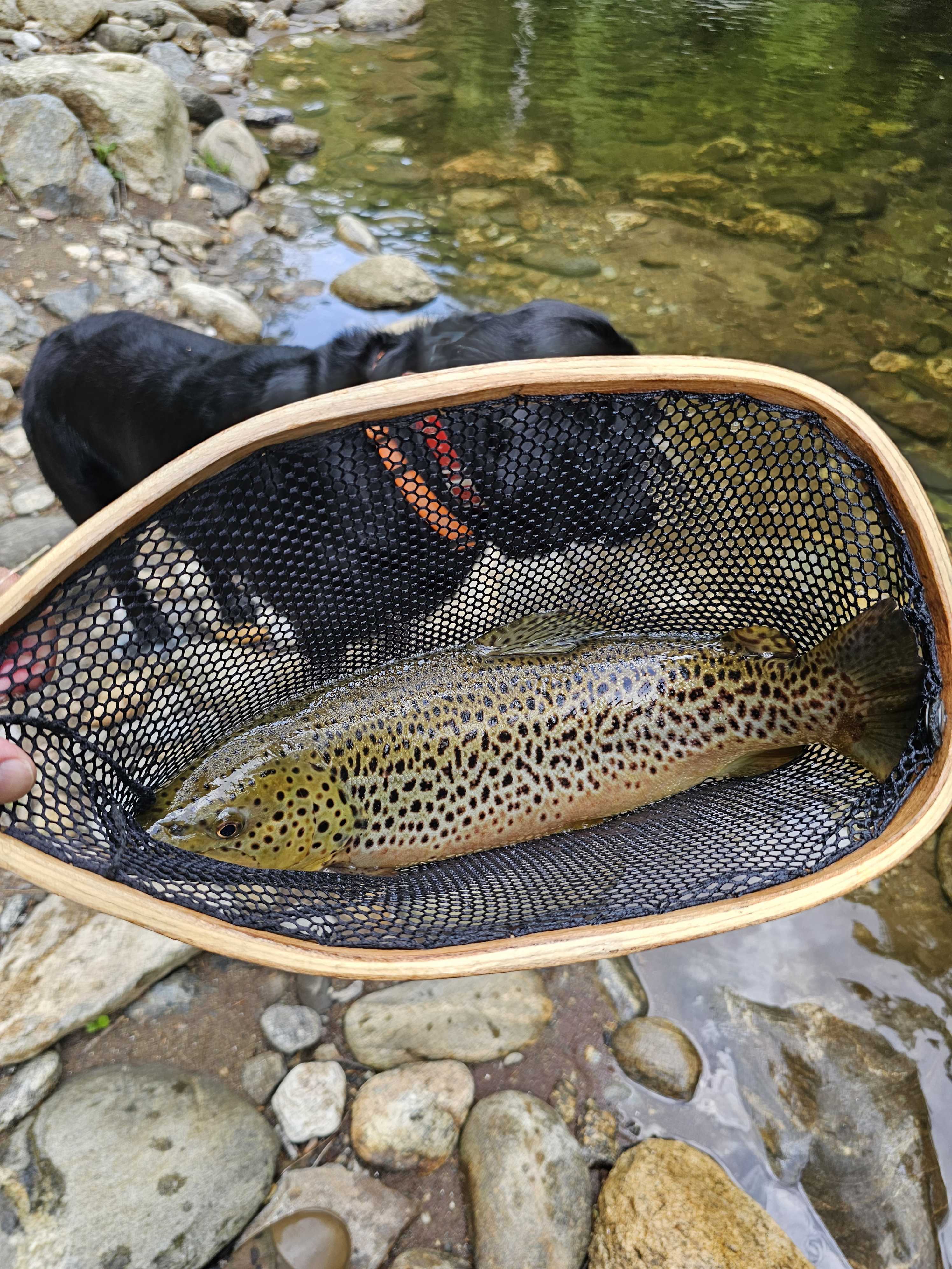
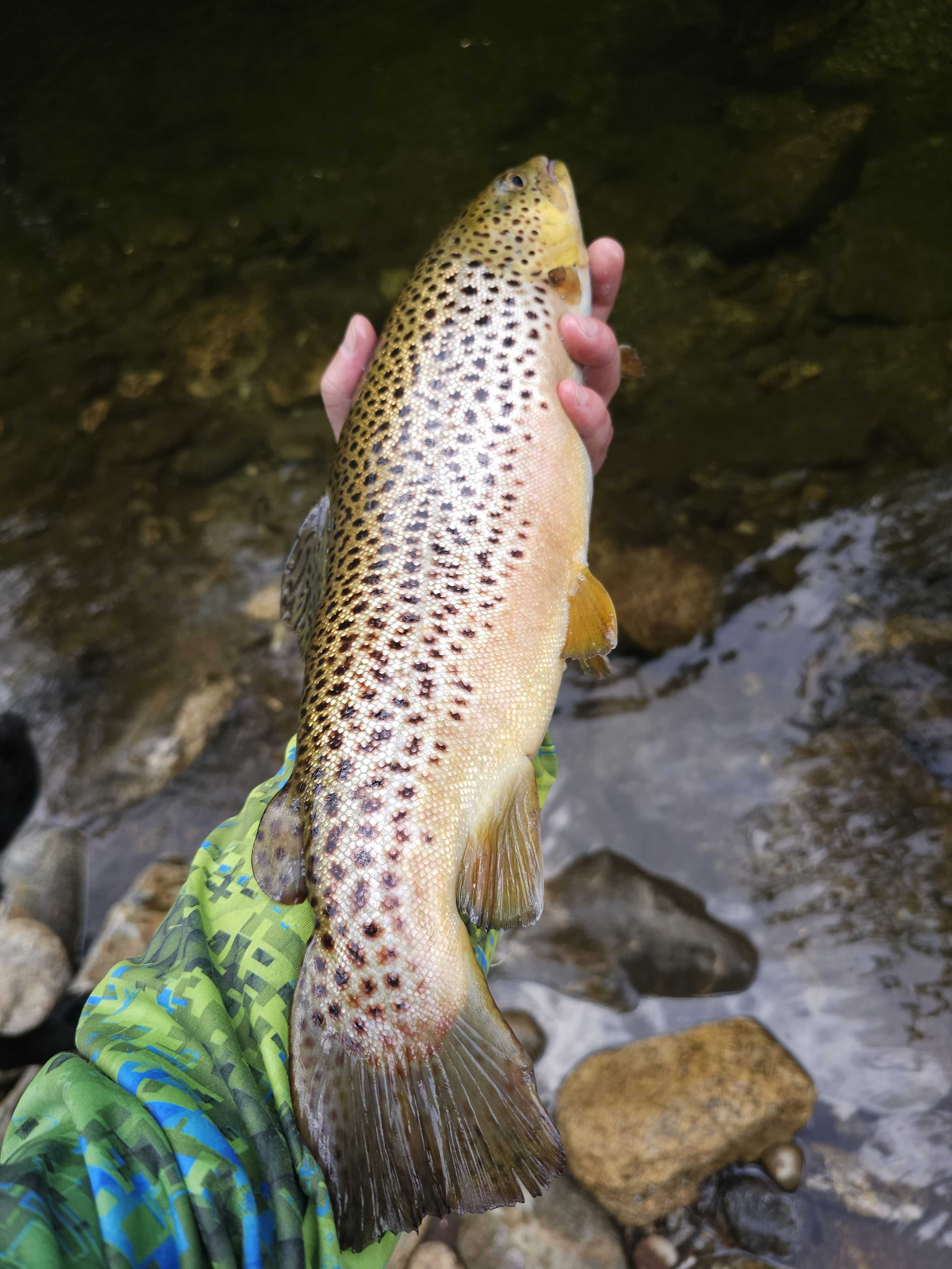
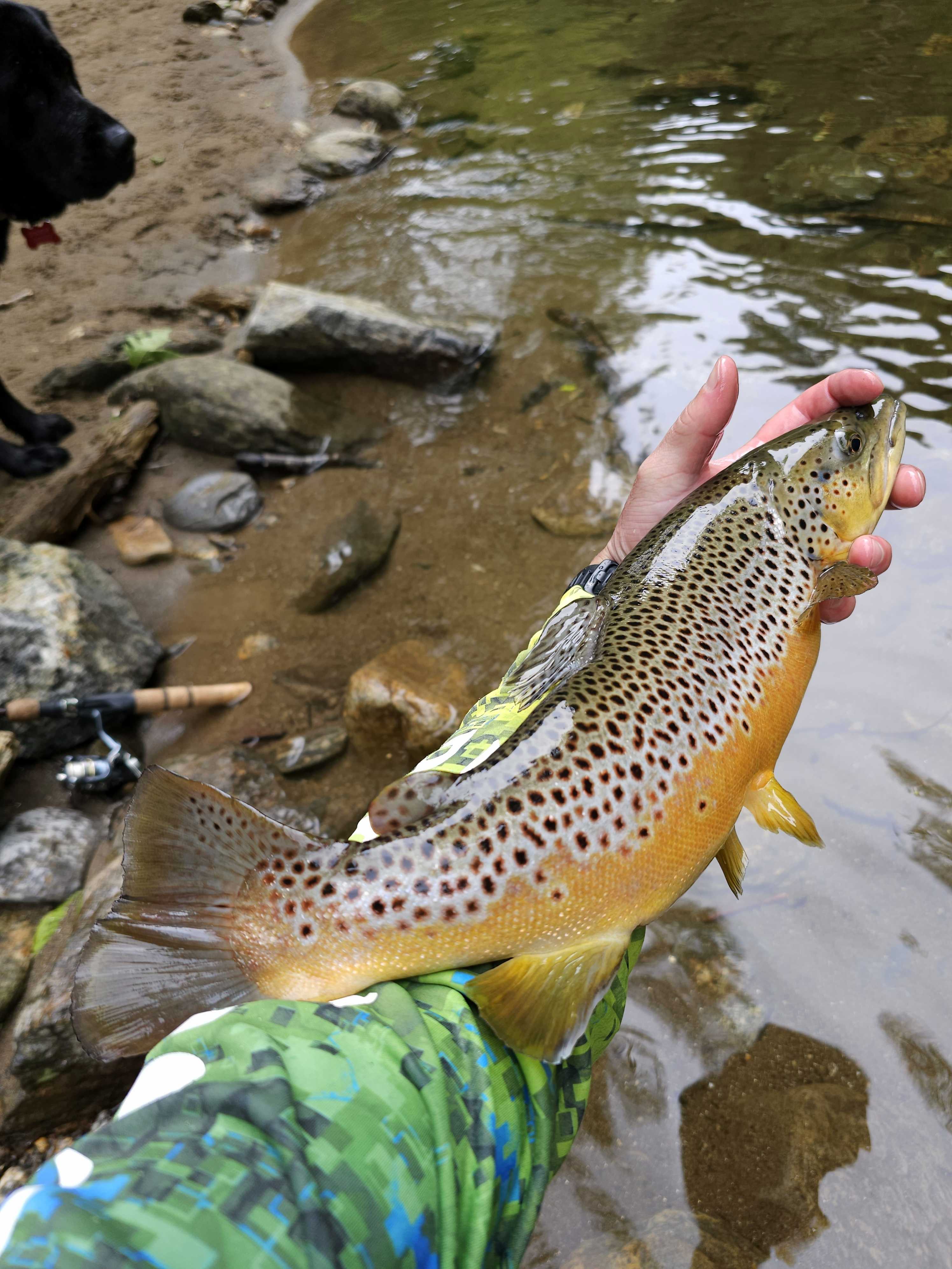
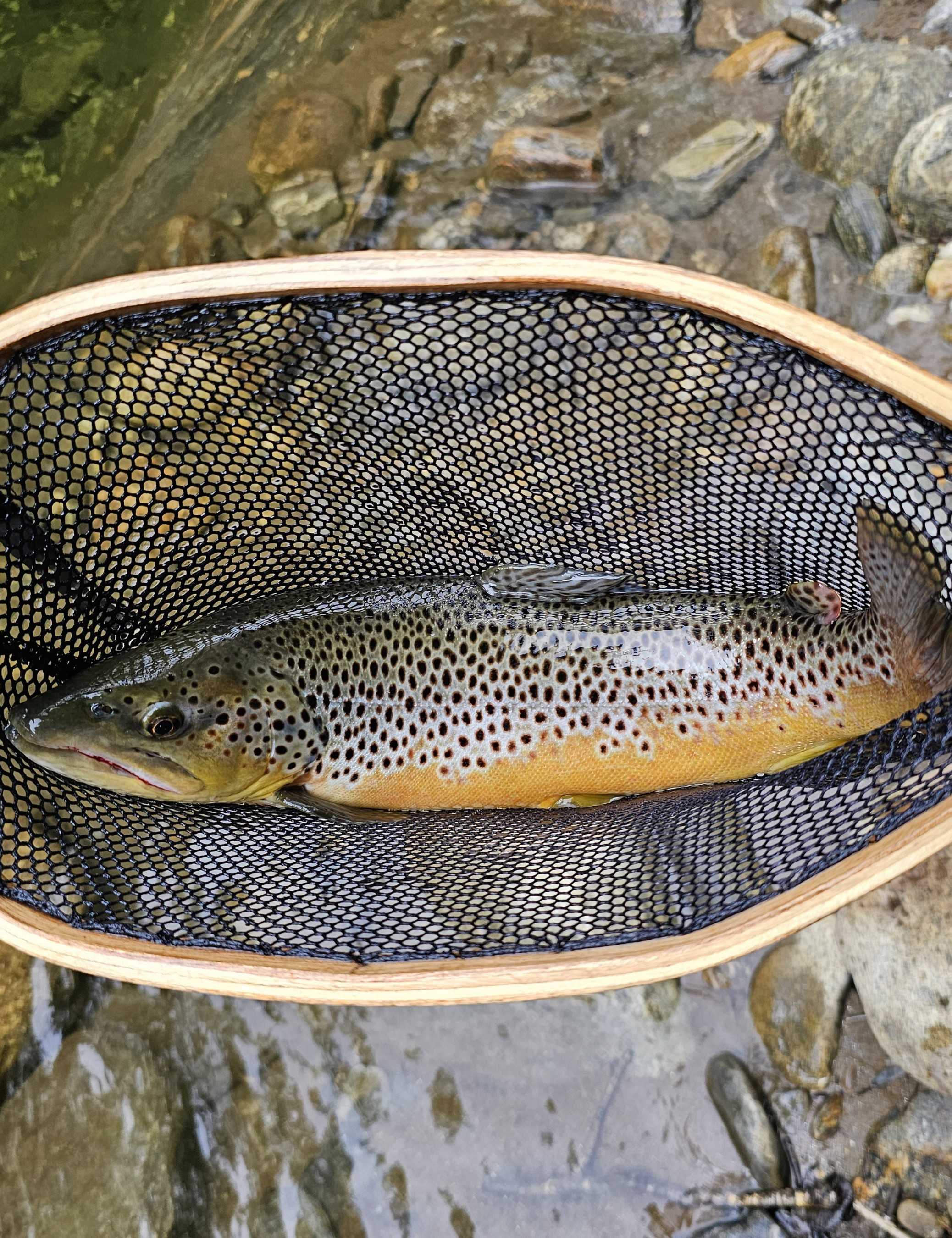
Brown trout are the ghosts that every serious angler dreams about. These fish have earned their reputation as the smartest trout in the river, often living in spots that seem impossible to fish. Fall is absolutely magical for browns as they enter their spawning colors – we're talking fish that look like they're painted with gold and crimson. They love structure, undercuts, and deep pools where they can ambush prey. Landing a quality brown on our waters is something that stays with you long after the trip ends.
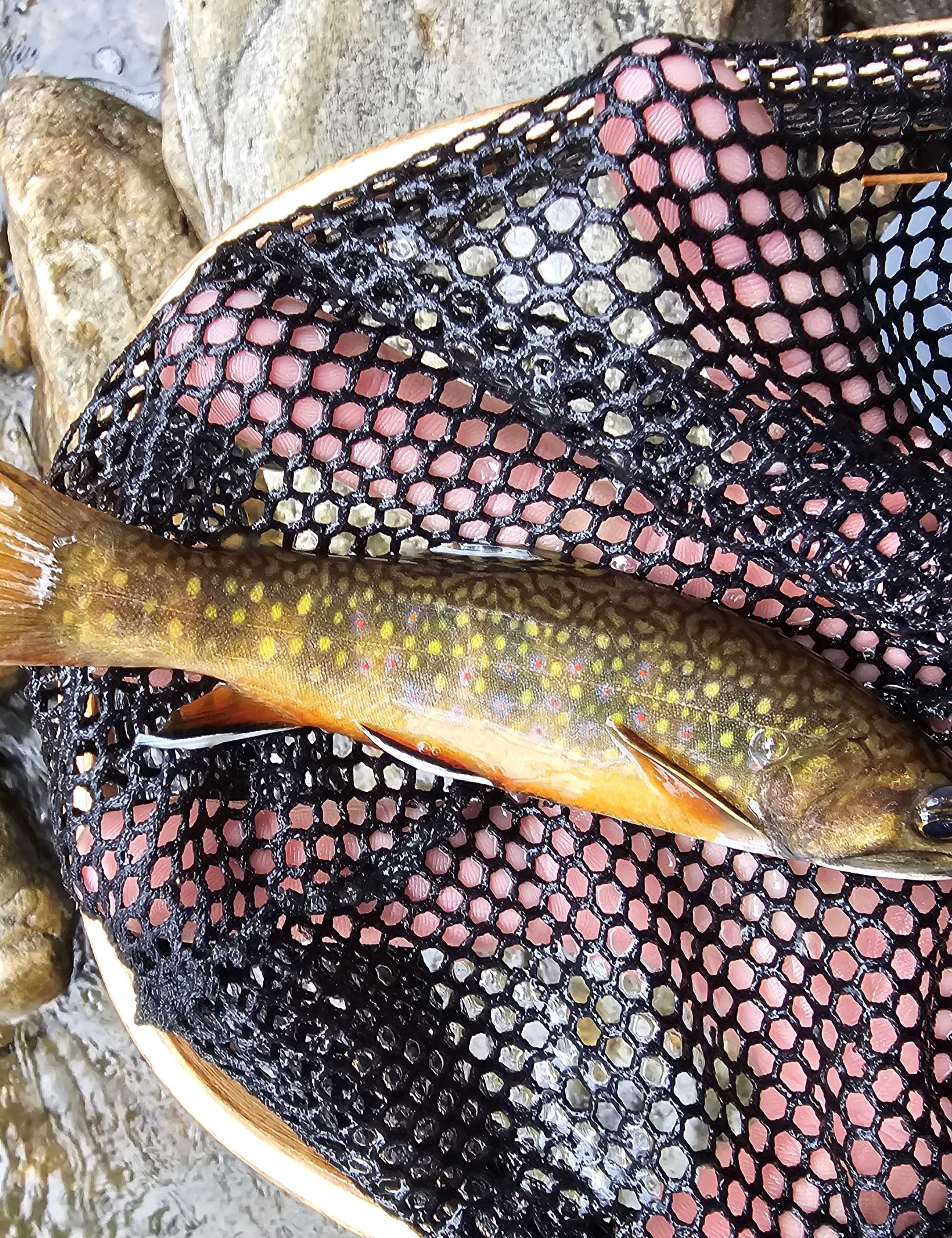
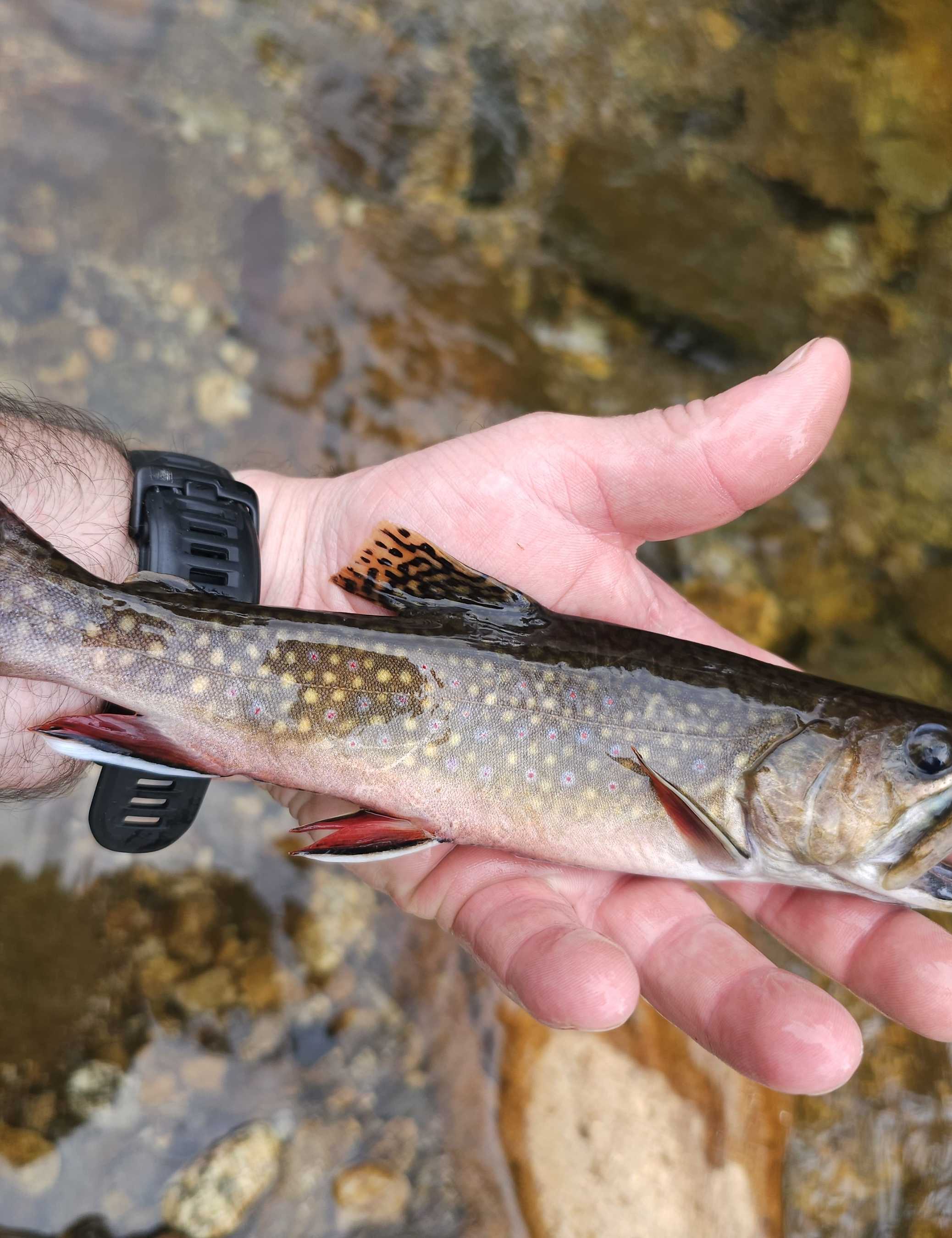
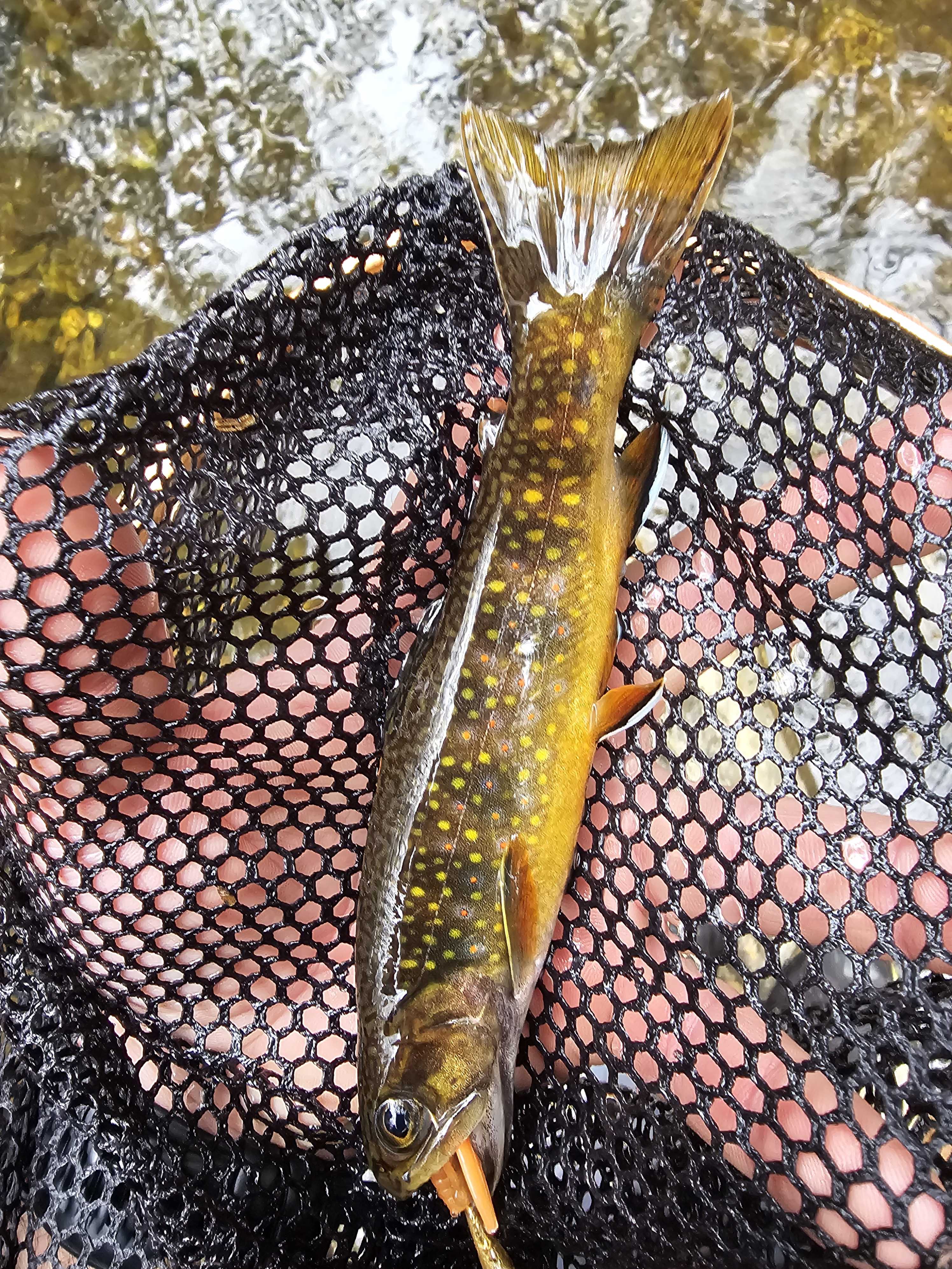
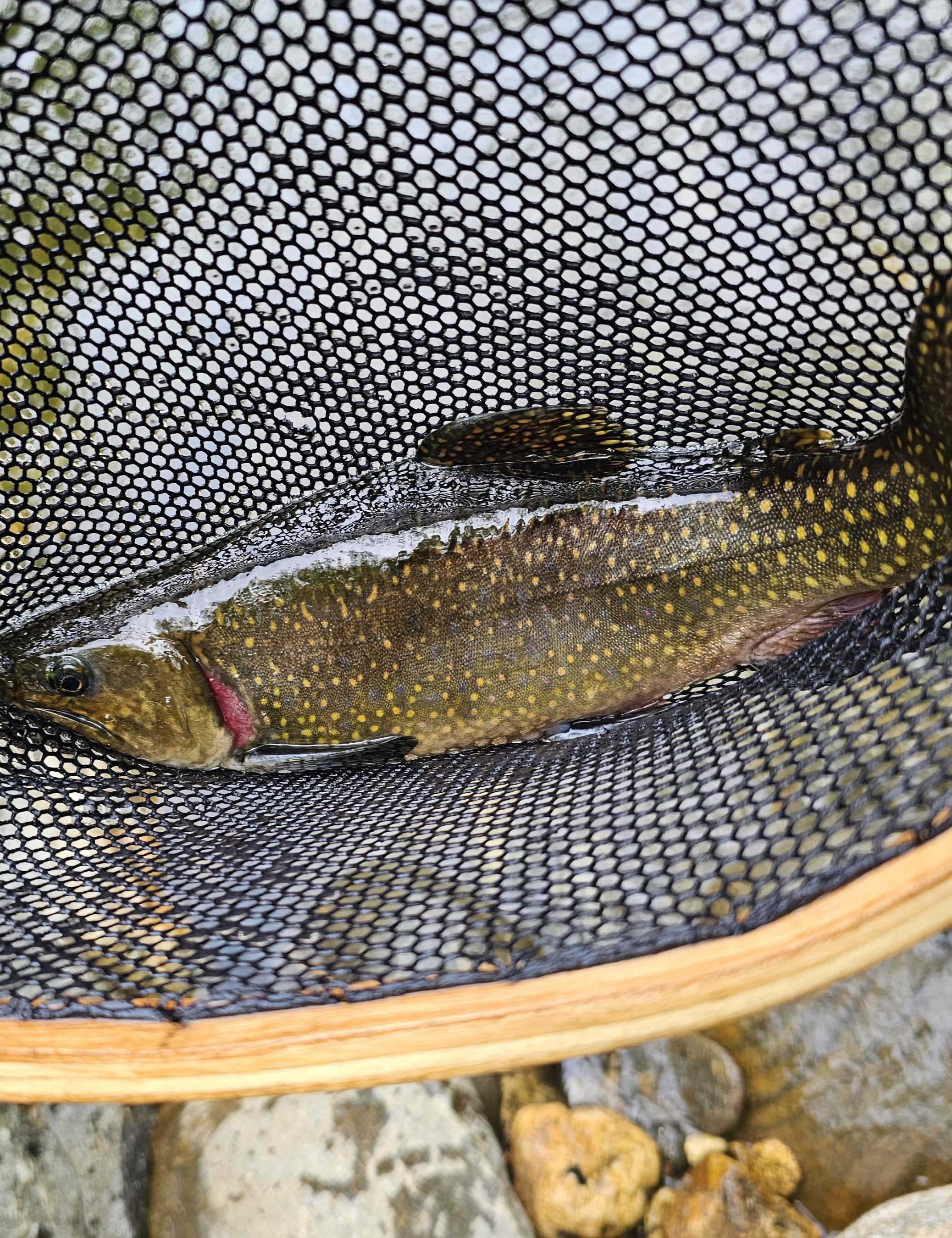
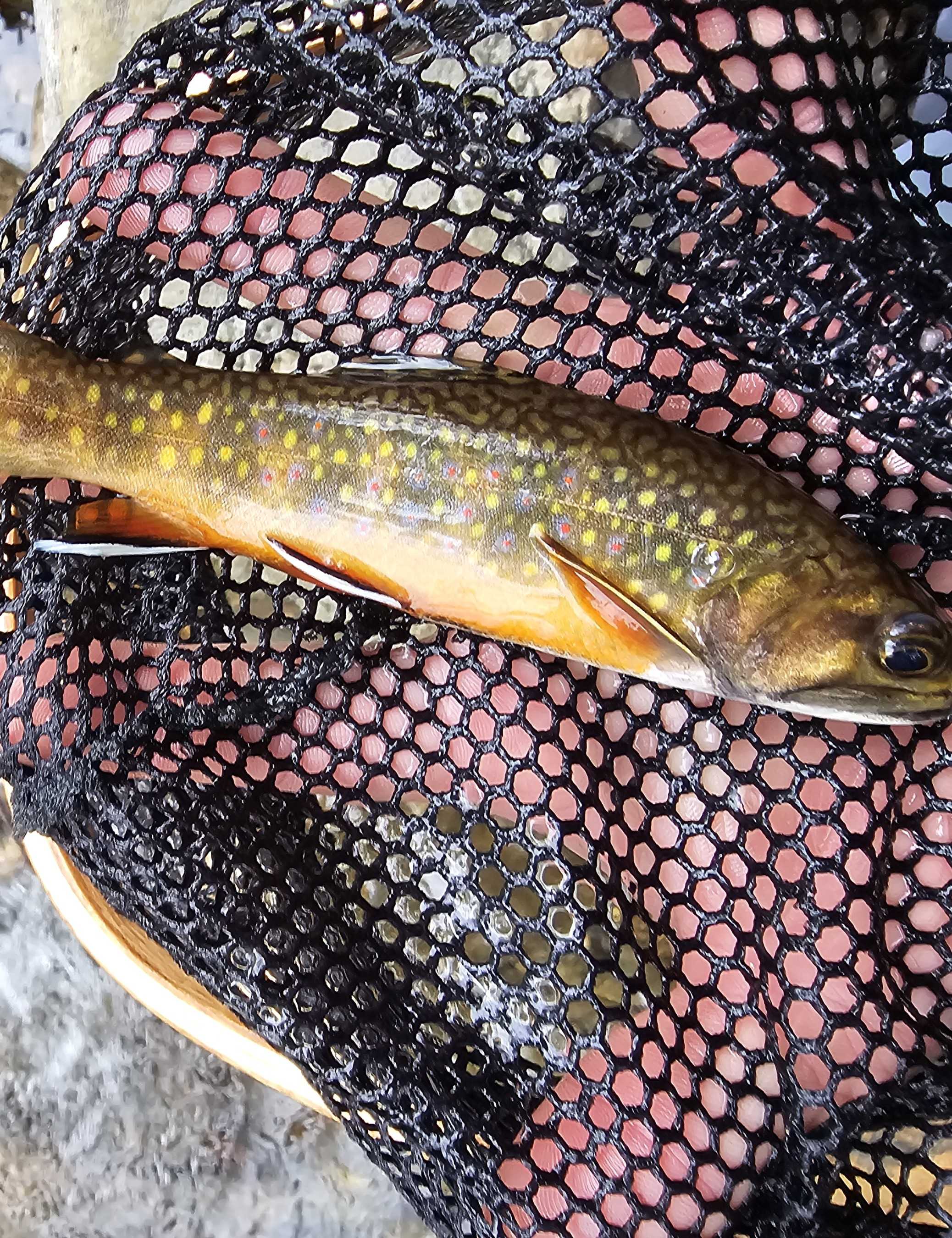
Brook trout might be smaller on average, but they're pure mountain magic. These native beauties thrive in our higher elevation streams where the water stays cold year-round. Their colors are absolutely stunning – especially the males during spawning season with their bright orange bellies and white-edged fins. Brooks are aggressive feeders when you find them, often hitting dry flies with reckless abandon that's both exciting and endearing.
Largemouth bass in our area are often overlooked, but they grow fat and happy in the slower sections and backwaters. Summer is prime time when they're actively feeding on surface lures and poppers. These fish fight dirty – diving for cover, jumping, and generally doing everything they can to throw the hook. Our largemouth spots see very little pressure, which means they haven't been educated by countless lures, making them eager to play.
Smallmouth bass are pound-for-pound the strongest fish we target regularly. These bronze fighters love current, rocky bottom, and clear water – exactly what our mountain rivers provide. When trout fishing gets tough during summer heat, smallmouth fishing often heats up. They'll crush everything from topwater lures at dawn to crawfish patterns bounced along the bottom. The smallmouth fishing here receives almost no pressure, so these fish are aggressive and numerous. A 15-inch smallmouth in current will test every knot and connection you've got.
Time to Book Your Spot
Eight hours on the water with a knowledgeable local guide, lunch included, and access to some of the most productive fishing in Western North Carolina – this is what separates a good day from a legendary one. We're limiting this to just two anglers per trip, which means personalized attention and the flexibility to chase whatever species are biting best. All you need to bring is a valid North Carolina fishing license and the desire to experience what our mountain waters are really capable of producing. Whether you're chasing your personal best or just want to spend a full day doing what you love most, this charter delivers the kind of fishing that keeps people coming back to Asheville year after year.
 Private Trip
 River Fishing
 Asheville, NC

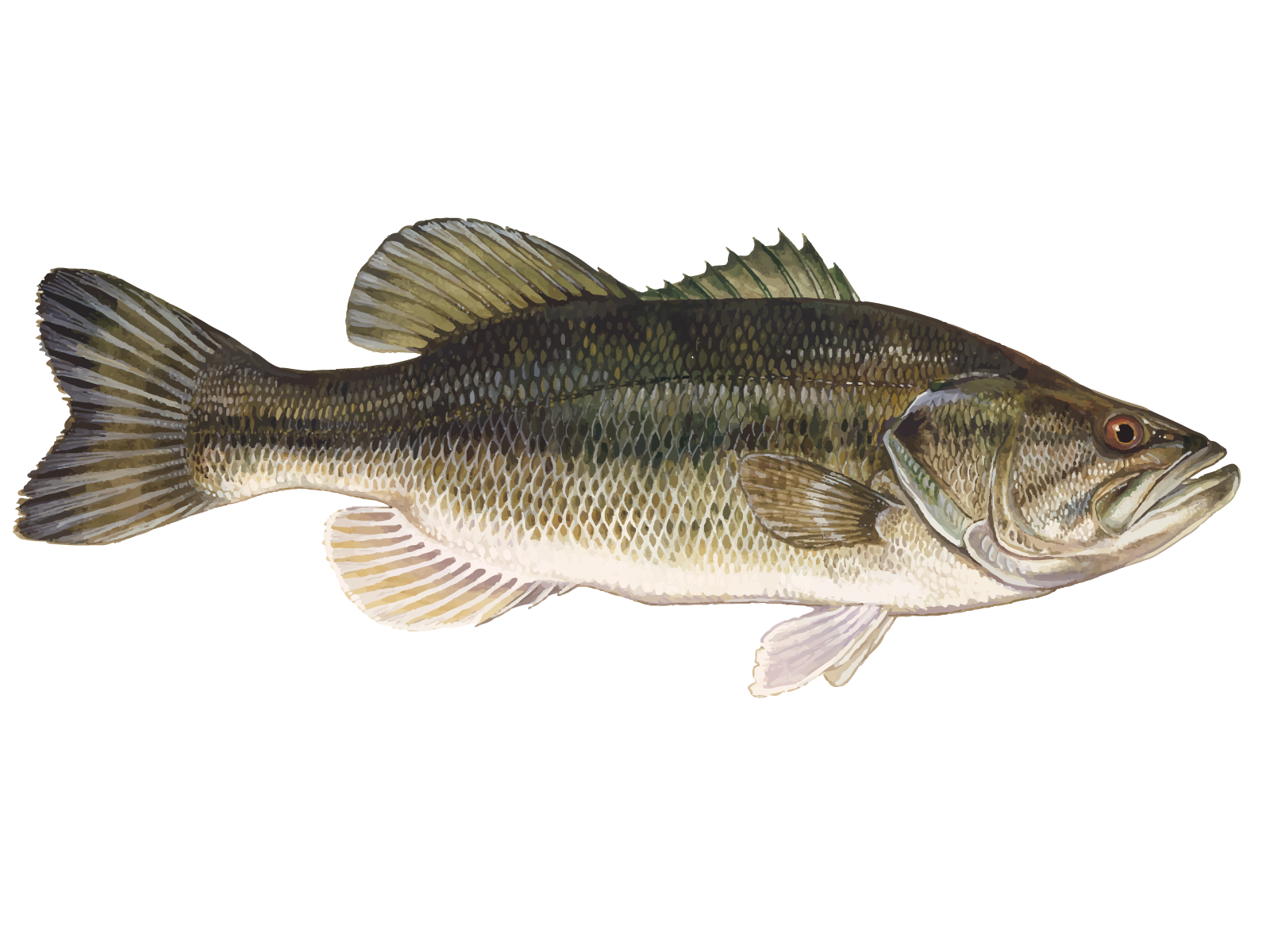


 Full-day private float trip targets multiple trout and bass species