12 Hour Gulfstream Trip with Atlantic Blue Charters
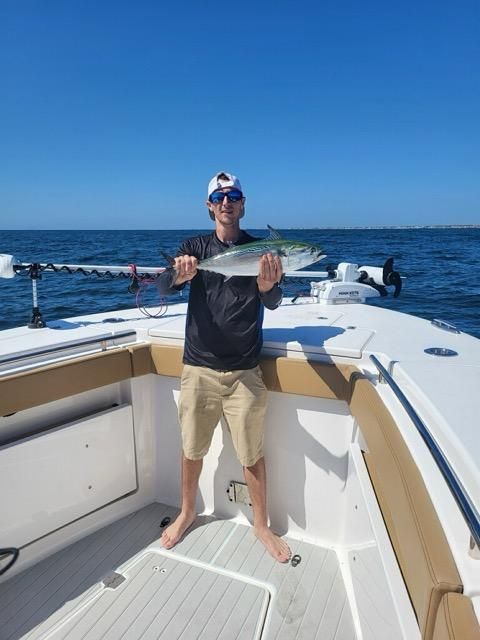
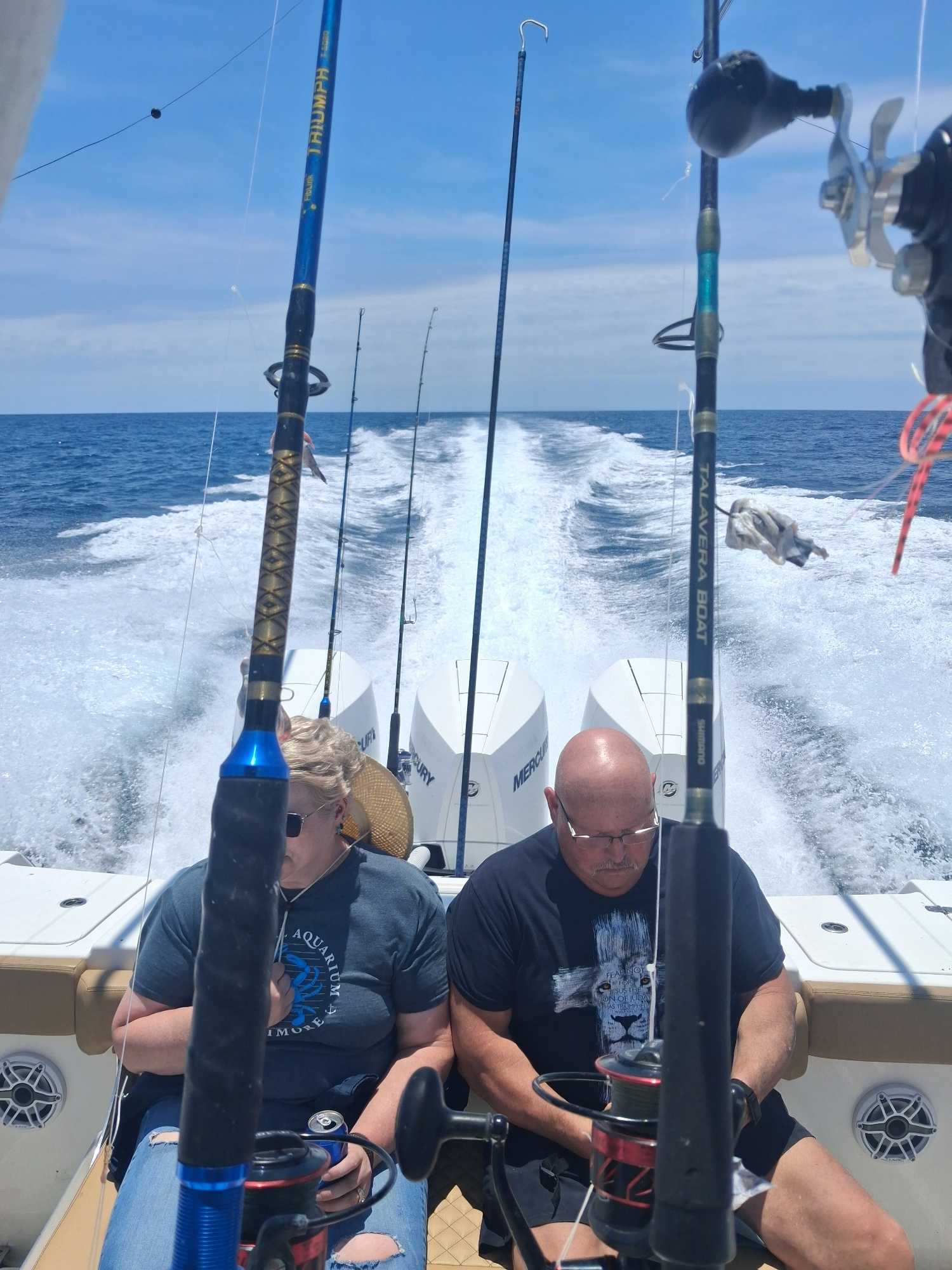
Get ready to experience North Carolina's best offshore fishing grounds with Captain Drew Jackson and Atlantic Blue Charters. This 12-hour Gulf Stream adventure puts you right where the big fish live, hunting everything from screaming wahoo to acrobatic mahi mahi. With room for up to 6 anglers, you'll have plenty of space to work the lines and battle trophy fish in some of the most productive waters off the Carolina coast. Captain Drew knows these waters like his own backyard, and he's dedicated to putting you on fish that'll have you talking for years to come.
What to Expect on the Water
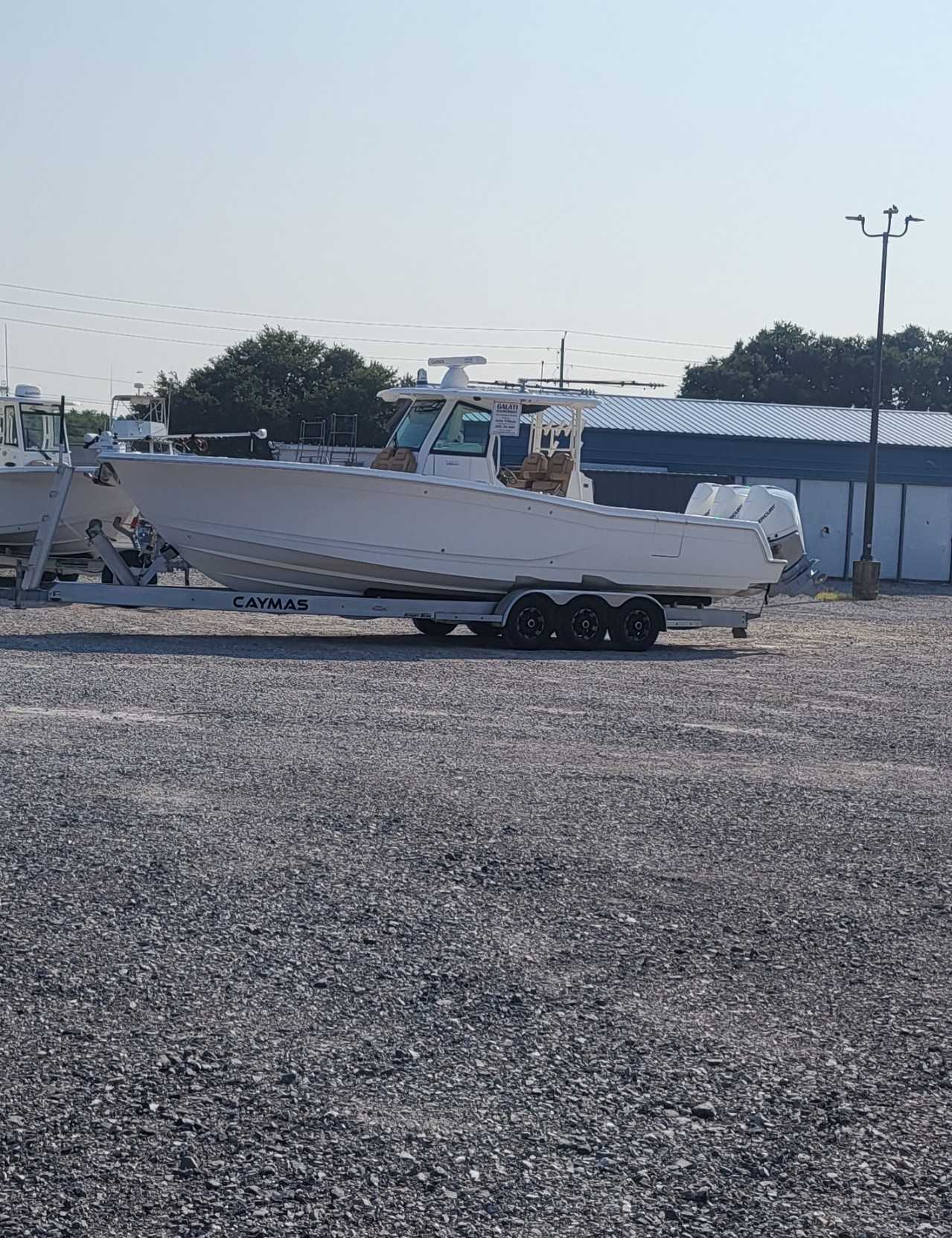
Your Gulf Stream fishing adventure starts early, but trust me – it's worth every minute of lost sleep. We're talking about a full day targeting the apex predators that call the deep blue home. Captain Drew's new boat cuts through the water smooth as butter, getting you to the fishing grounds fast so you can maximize your time with lines in the water. The Gulf Stream's warm, nutrient-rich waters create the perfect hunting grounds for pelagic species, and you'll be working everything from the surface down to the depths where the big tilefish and grouper hang out. Expect a mix of high-speed trolling for the speed demons like wahoo and tuna, plus some bottom fishing when we hit structure that holds snapper and grouper. The southern hospitality comes standard with Captain Drew, who'll work his tail off to make sure you're hooked up and having a blast.
Trolling Tactics & Gear Setup
We'll be running a spread of lures and baits designed to trigger strikes from multiple species. The trolling spread typically includes high-speed lures for wahoo – those cedar plugs and jet heads that drive them crazy when pulled at 15+ knots. For mahi mahi, we'll work ballyhoo rigs and colorful skirted lures around any floating debris or weed lines we find. The tuna bite often comes on the darker lures and skip baits, especially when we locate birds working baitfish on the surface. When targeting billfish, we'll deploy a mix of lures and rigged ballyhoo at different positions in the spread. Captain Drew's got all the tackle dialed in – heavy spinning gear for when the mahi are thick, stand-up tackle for the tuna battles, and wire leaders ready for those wahoo with razor-sharp teeth. Bottom fishing requires a different approach entirely, with electric reels and heavy sinkers to get your bait down to where the big snapper and grouper live along the continental shelf.
Customer Stories
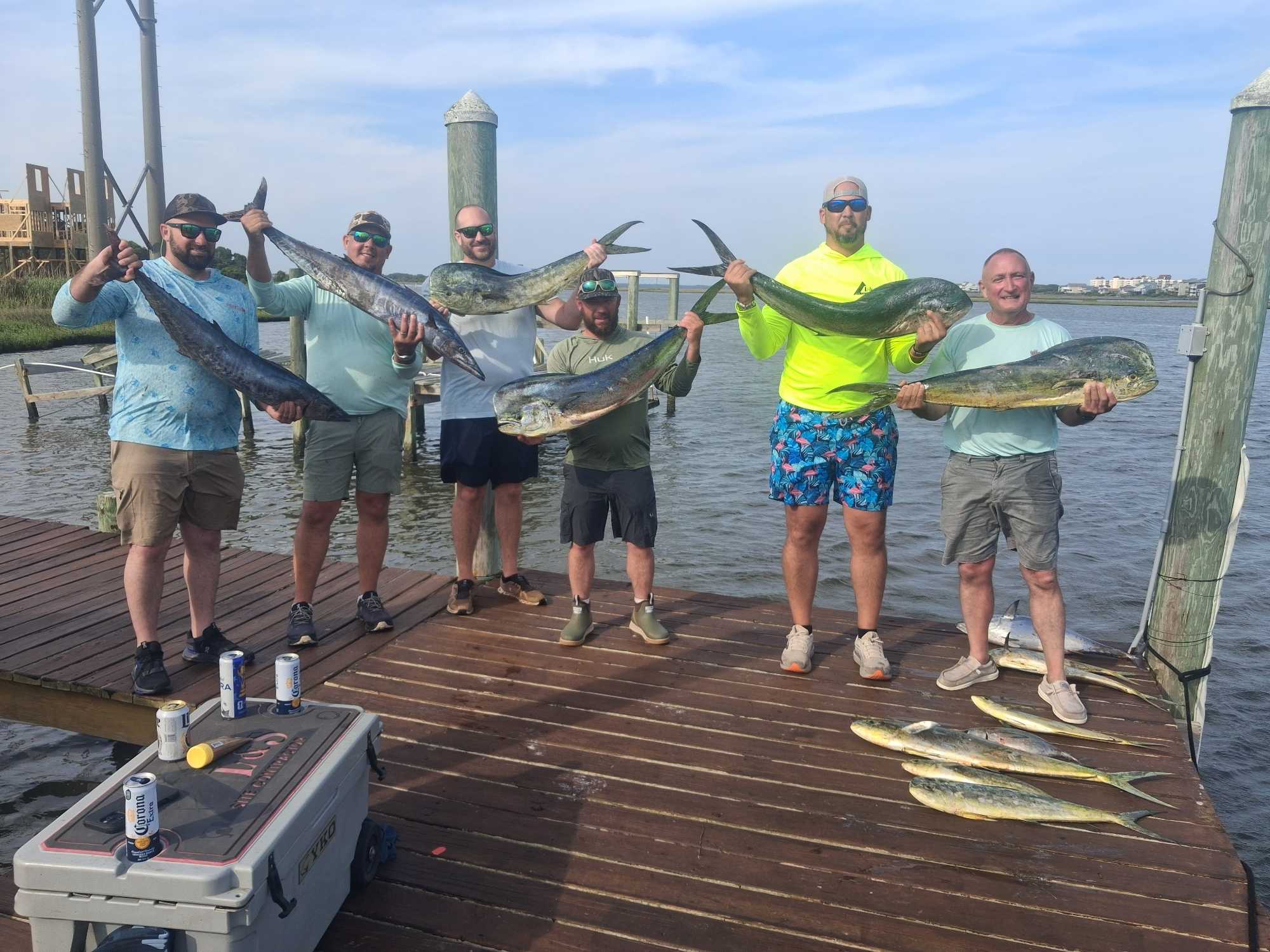
"Overall just a fantastic trip. Captain Anderew and his mate were awesome. We caught the species we were most interested in which was Wahoo and Mahi. The weather was perfect and his new boat was amazing. Don't hesitate to book with Captain Andrew you will love the southern personality and his dedication to make it a trip to remember. Thank you Captain for an awesome adventure." - Dwight
Species You'll Want to Hook
Blue marlin are the ultimate prize in these waters, and North Carolina's Gulf Stream sees some genuine giants. These apex predators can exceed 400 pounds and put on a show that'll leave you speechless. Summer months from June through September offer the best shot at hooking into one of these beasts. Blue marlin are notorious for their aerial displays, often launching completely out of the water multiple times during the fight. They're ambush predators that cruise the edges of the Gulf Stream, following baitfish concentrations. Landing one is a career highlight for most anglers, and the adrenaline rush of seeing that electric blue fish come up behind your lure never gets old.
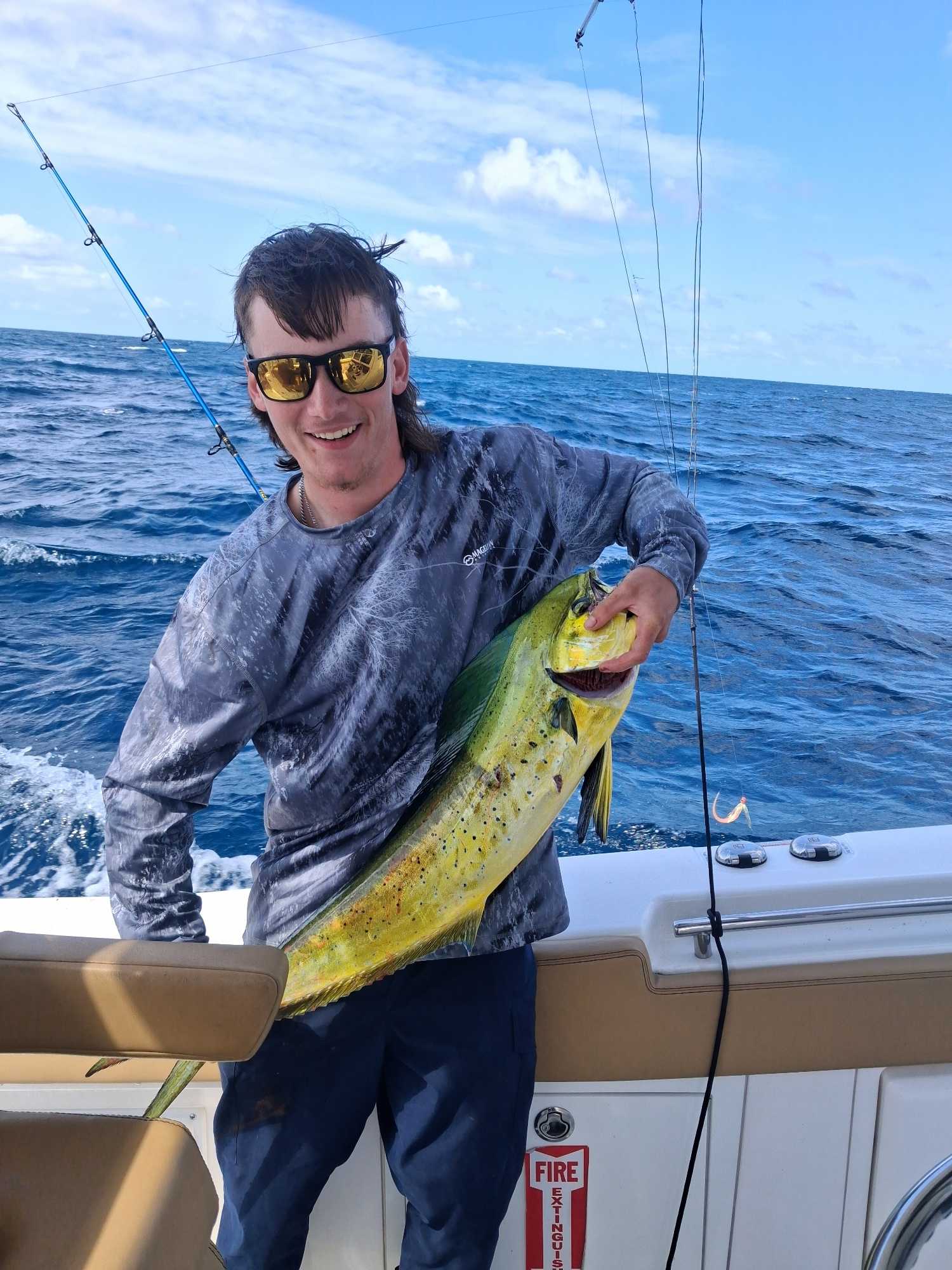
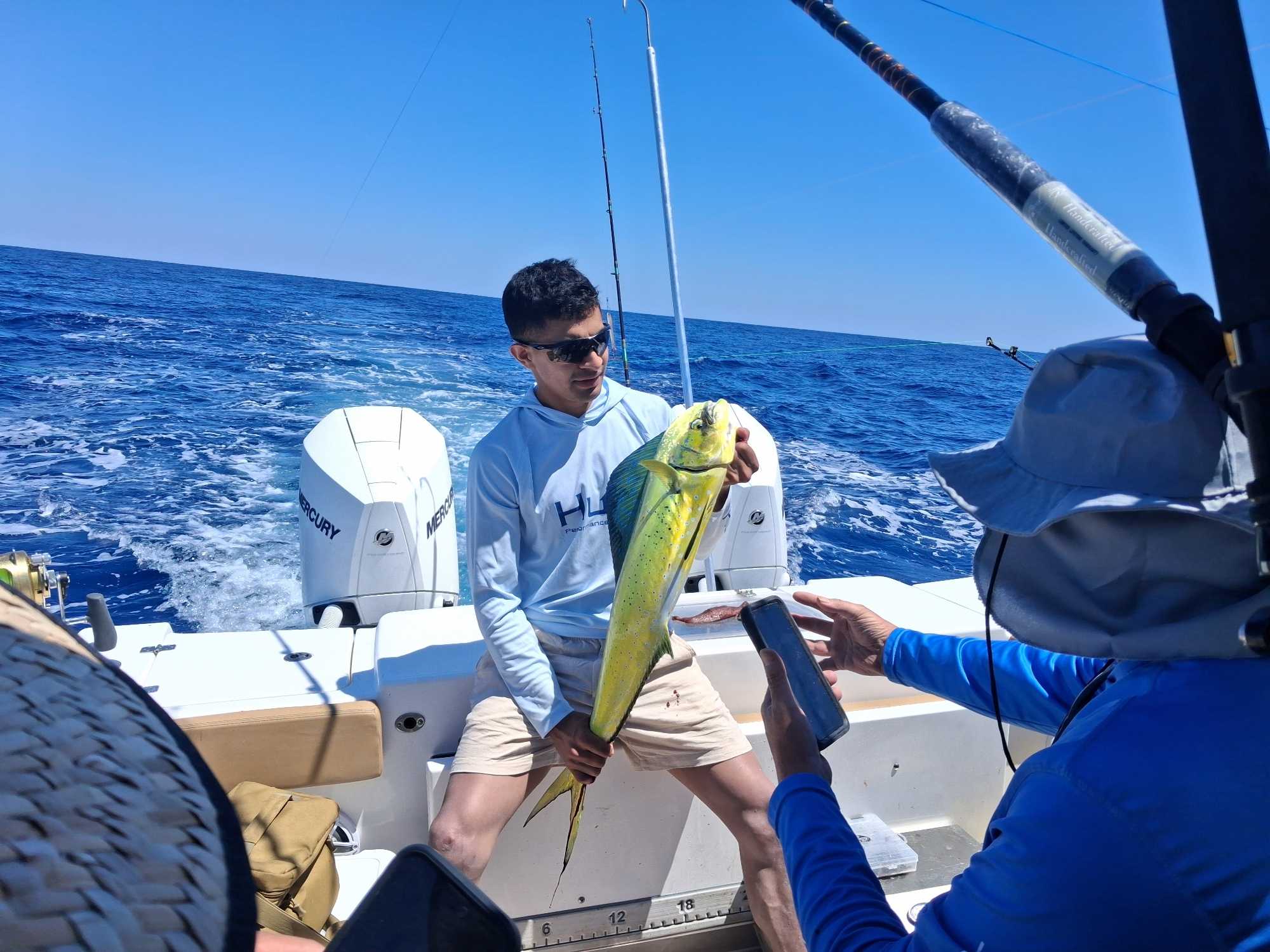
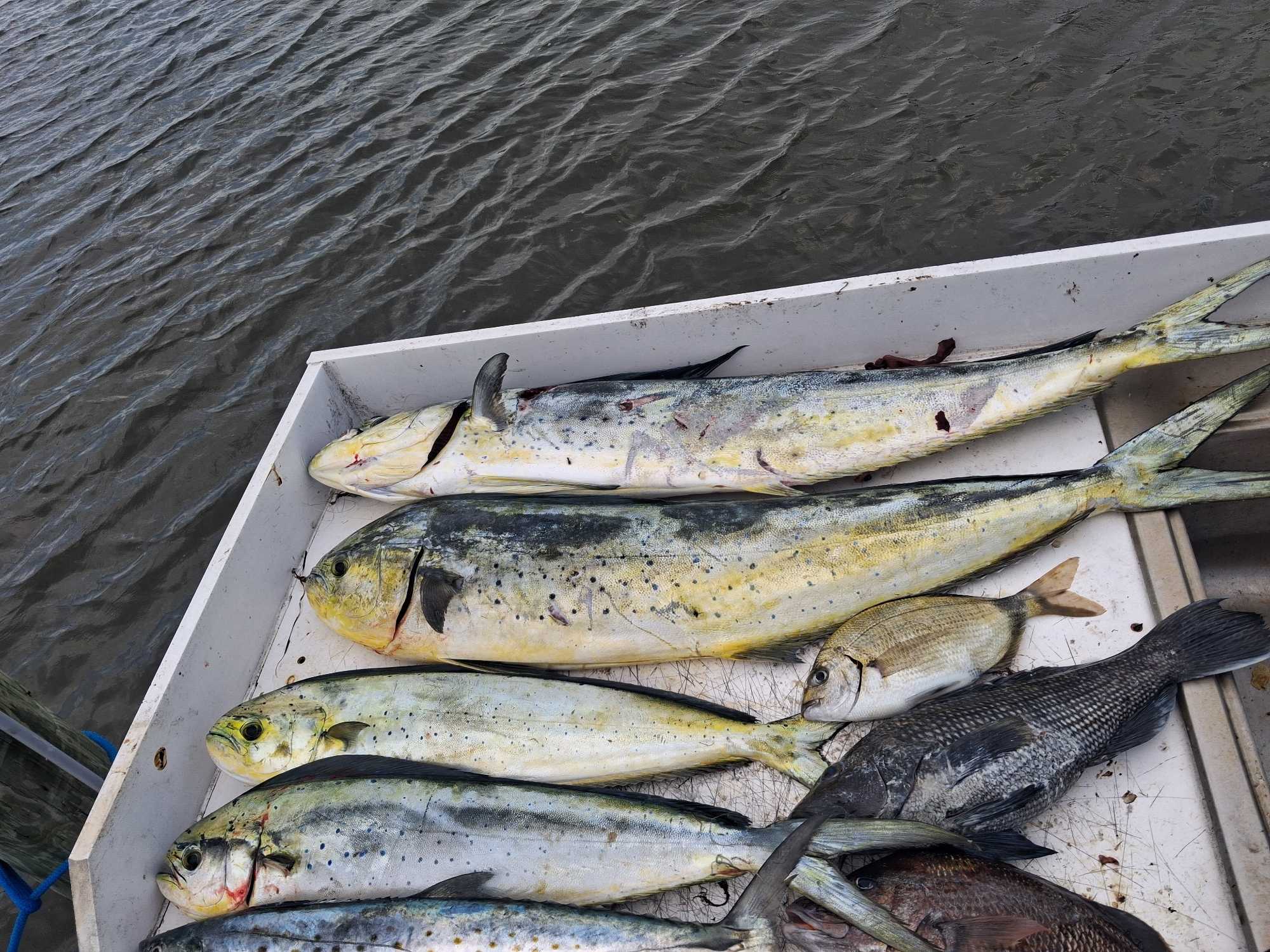
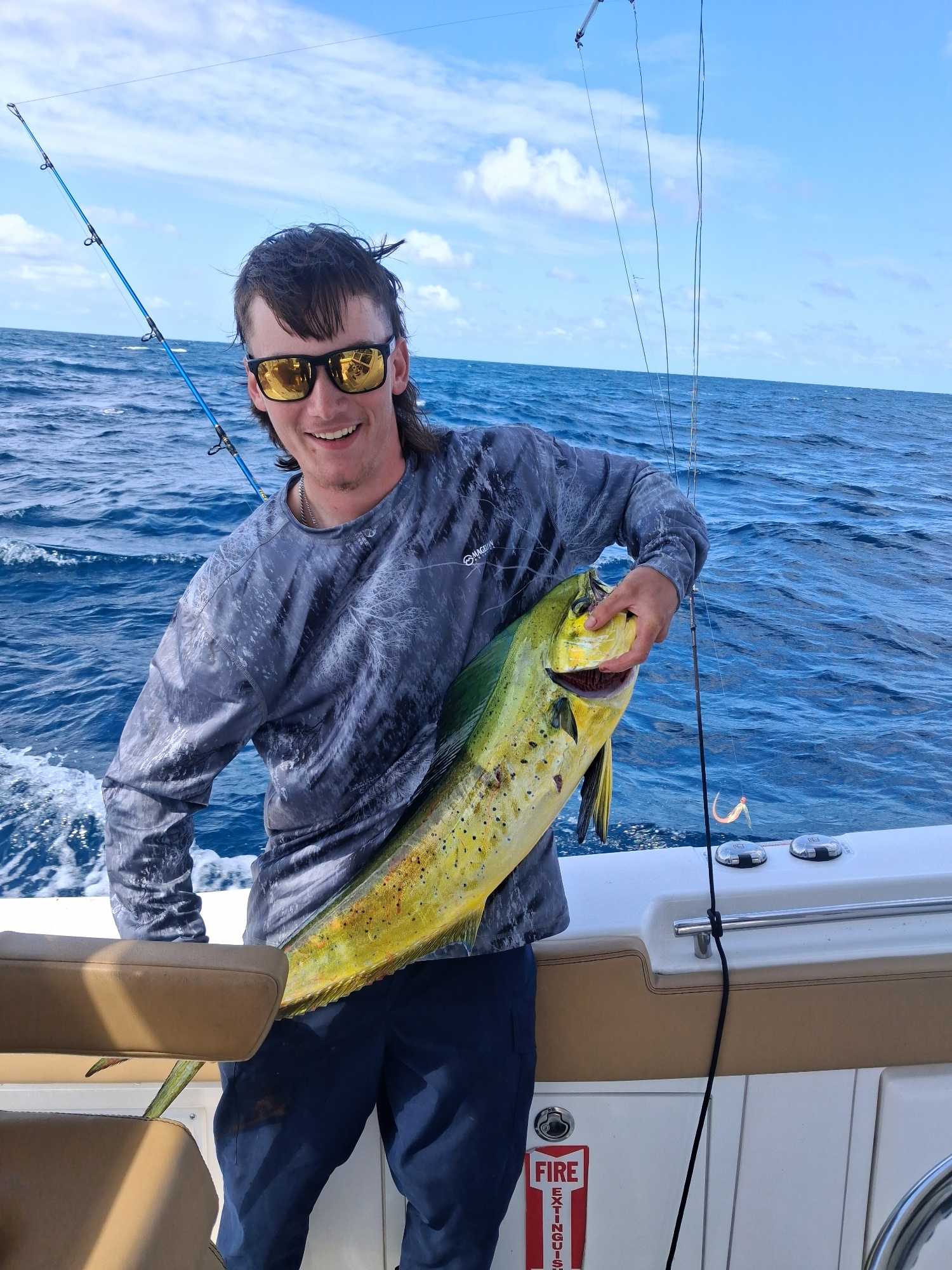
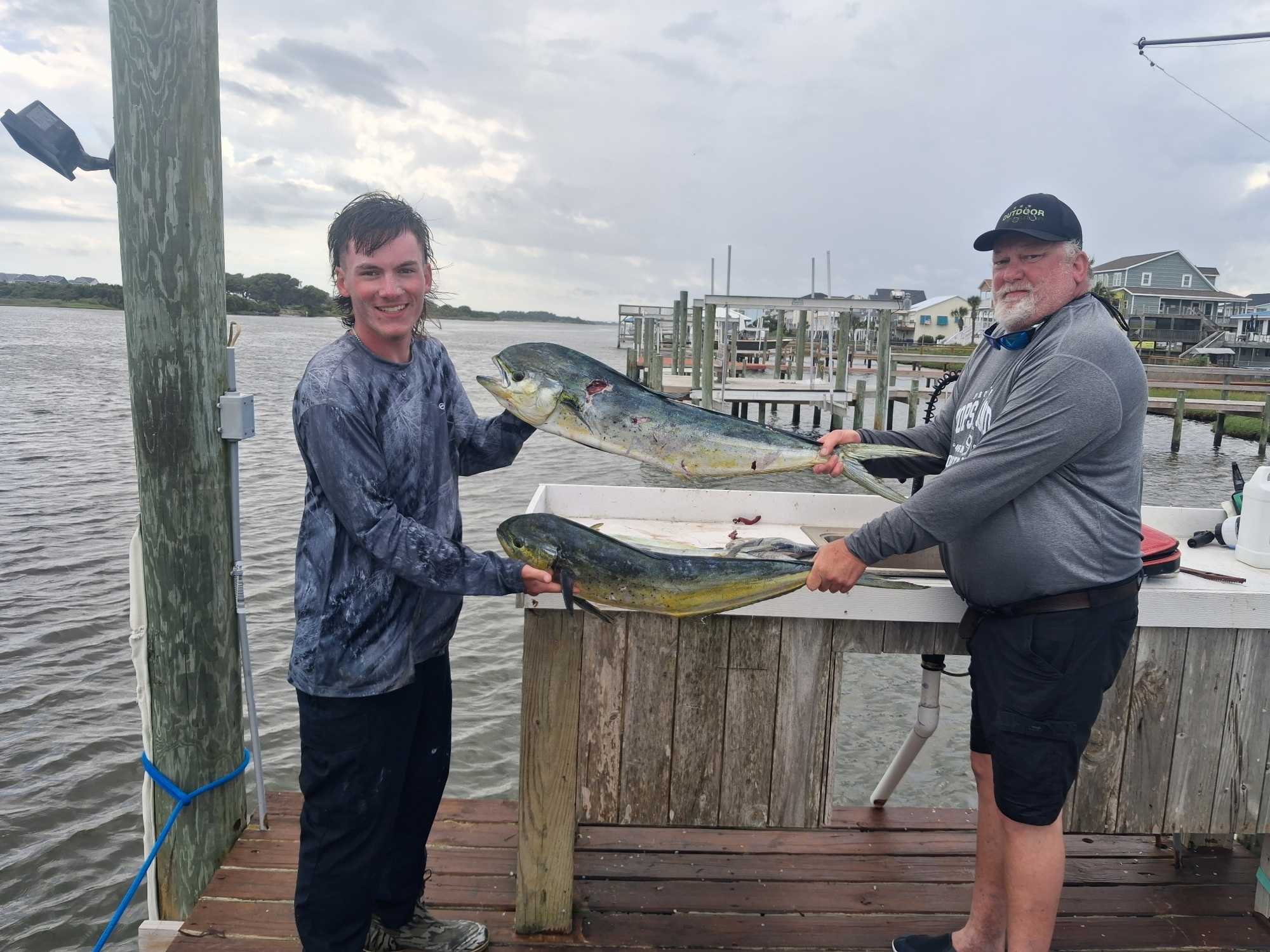
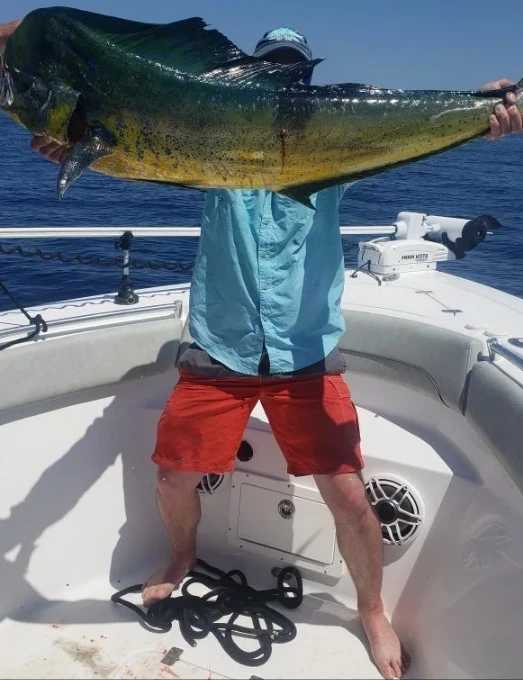
Mahi mahi bring non-stop action and incredible beauty to your cooler. These fish are pure energy, known for their brilliant golden colors and acrobatic fights. They love structure – any floating debris, weed lines, or even other hooked fish will attract schools of mahi. Spring through fall offers consistent action, with fish ranging from small schoolies to bull dolphins pushing 40+ pounds. What makes mahi special is their aggressive nature and willingness to eat almost anything you throw at them. Once you hook one, keep your lines in because where there's one mahi, there's usually more lurking nearby.
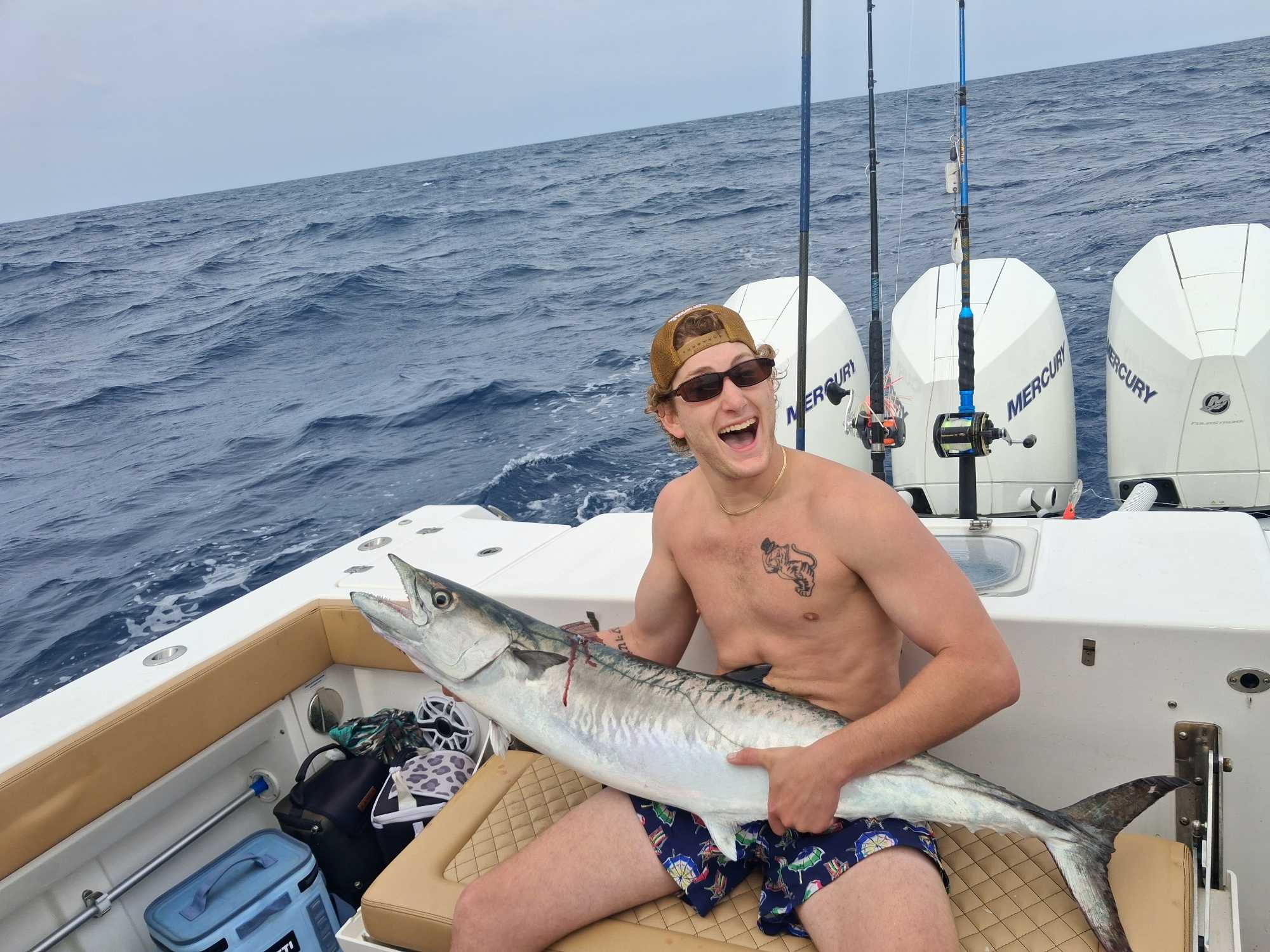
Wahoo earn their reputation as the speed demons of the deep, capable of hitting 60+ mph and stripping line like you wouldn't believe. North Carolina waters produce some hefty wahoo, especially during the cooler months from November through March. These torpedo-shaped predators have teeth like razors and a bite that'll cut through regular mono in a heartbeat. What makes wahoo fishing so addictive is the violence of the strike – one second your lure is swimming along, the next second your reel is screaming and line is disappearing. They're also fantastic table fare, making them a favorite target for serious offshore anglers.
Bigeye tuna are the heavyweight champions of the tuna family, with thick shoulders and incredible stamina that'll test your endurance. These fish prefer deeper, cooler waters and are often found along temperature breaks in the Gulf Stream. Night fishing can be particularly productive for bigeyes, as they move up in the water column to feed. A big bigeye will take you to school on what a real fight feels like – they're incredibly strong and fight deep, making long runs that seem to go on forever. The meat quality is outstanding, prized by sashimi lovers worldwide.
Yellowfin tuna combine speed, power, and incredible table quality into one amazing package. North Carolina's Gulf Stream sees yellowfin throughout the warmer months, with fish ranging from school-sized 20-pounders to giants exceeding 100 pounds. They're often found feeding around floating debris or under birds working baitfish. Yellowfin have this unique fighting style where they make blistering runs followed by deep, bulldogging fights. The long pectoral fins that give them their nickname "longfin" are unmist
 5.0(2 Reviews)
 Private Trip
 Offshore Fishing
 North Carolina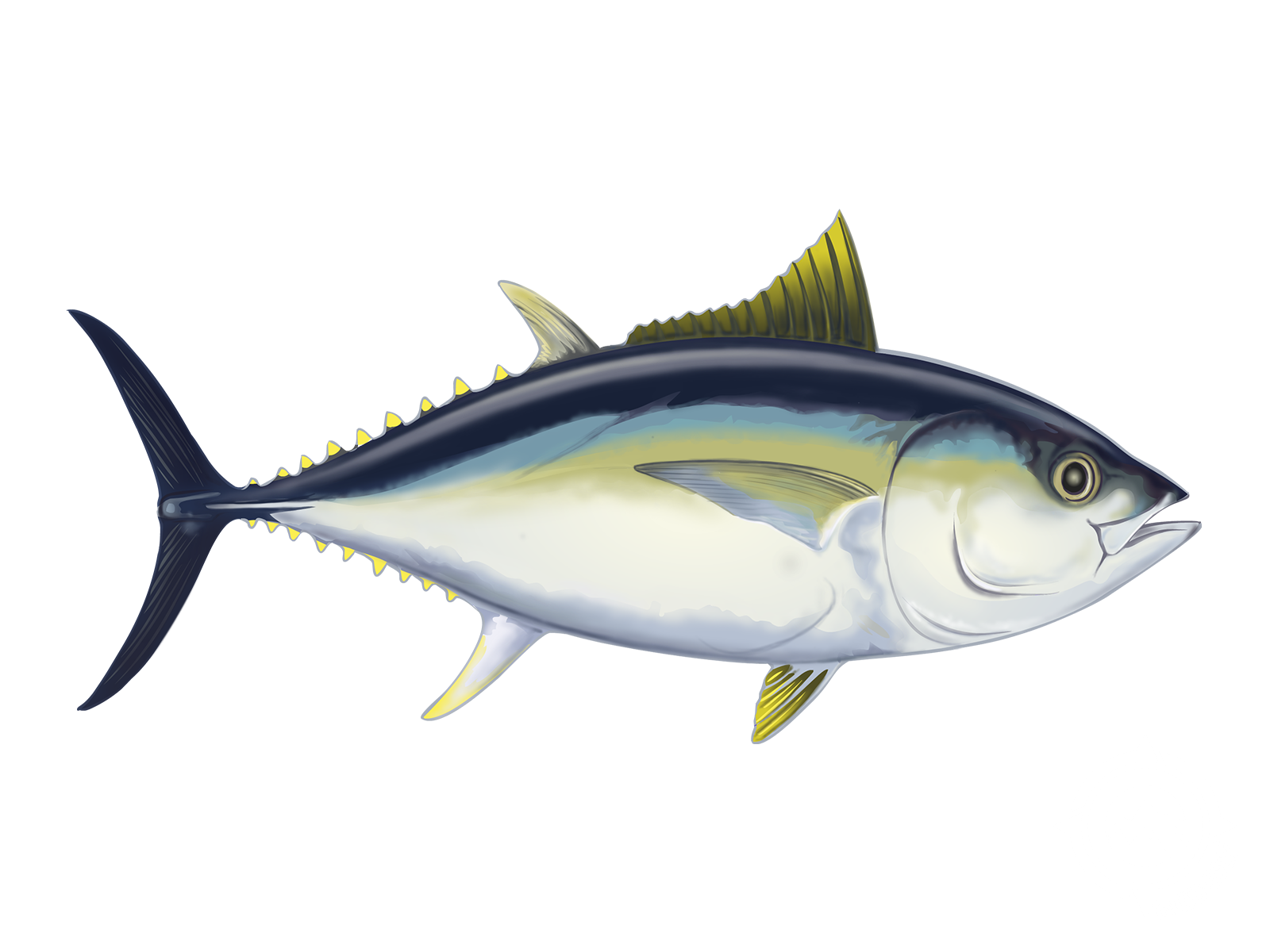


 12-hour Gulf Stream fishing adventure targeting multiple species