Master Your Cast in Flat Rock's Fly Waters
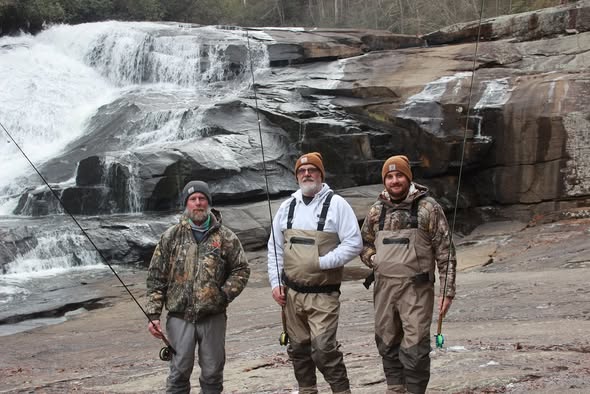
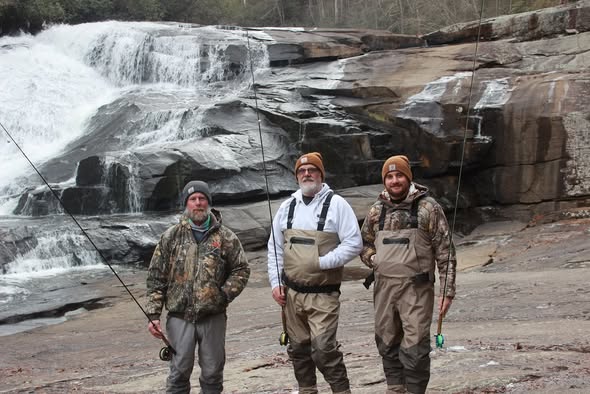
Captain Aidan Bloomfield knows that most anglers struggle with their casting long before they even think about which fly to tie on. That's exactly why he created this focused 1-hour casting instruction session in the heart of Flat Rock, North Carolina. Whether you're completely new to fly fishing or you've been fighting with your cast for years, this hands-on lesson will get you throwing tight loops and placing your fly exactly where you want it. Set against the backdrop of North Carolina's Blue Ridge Mountains, you'll work on real water with real conditions—not some sterile casting pond. Captain Aidan keeps groups small with a maximum of 8 students, so you get the personal attention that actually makes a difference in your technique.
What to Expect on the Water
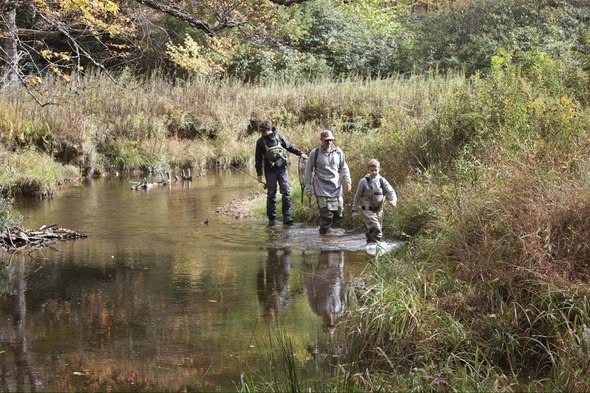
This isn't your typical classroom-style fishing lesson where you stand around listening to theory for half the session. Captain Aidan gets you hands-on with a fly rod from the start, working through the fundamentals that separate confident casters from frustrated ones. You'll spend the full hour on actual fishing water in Flat Rock, learning how to read the wind, adjust your casting plane, and deal with the kind of real-world conditions you'll face when you're out there chasing trout and bass. The session covers everything from basic overhead casting to roll casts when you're dealing with overhanging branches. Captain Aidan has this way of breaking down complex casting mechanics into simple, actionable steps that click immediately. By the end of the hour, you'll have muscle memory for a clean casting stroke and the confidence to tackle any water you encounter in Western North Carolina's diverse fishing landscape.
Casting Fundamentals That Stick
Captain Aidan focuses on the casting techniques that matter most when you're actually fishing—not just making pretty loops in an open field. You'll work with quality fly rods matched to the kind of fishing you'll be doing in this region, learning how different rod weights handle and why that matters when you're targeting everything from delicate brook trout to aggressive smallmouth bass. The instruction covers timing, which is where most people struggle, and how to generate line speed without muscling the rod. You'll practice accurate presentations at different distances, because being able to drop a dry fly softly at 20 feet is just as important as reaching that distant rise at 50 feet. Captain Aidan also teaches practical casting solutions for tight spots—the kind of backhanded casts and sidearm presentations that save the day when you're fishing brushy mountain streams. Every technique you learn translates directly to more fish in your net and fewer tangles in the trees.
Species You'll Want to Hook
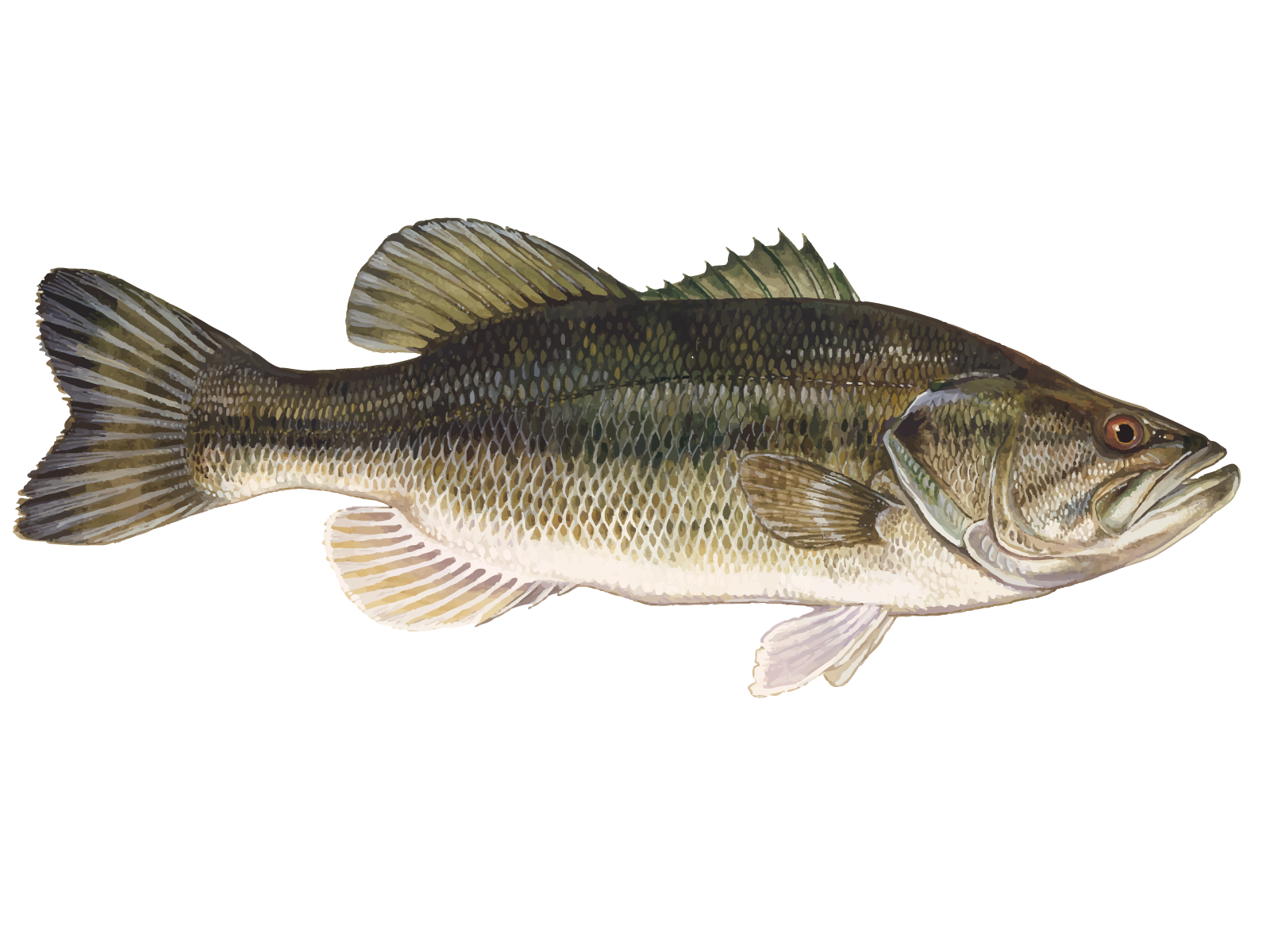
Largemouth Bass in Flat Rock's waters are absolute power houses that'll test every casting skill you develop in this session. These green machines love structure and aren't shy about crushing a well-presented popper or streamer. Peak season runs from late spring through early fall, with bass averaging 2-4 pounds but plenty of 5+ pound fish lurking in the deeper holes. What makes largemouth so exciting here is their aggressive nature—when you place your cast right and get a good drift, the strike is explosive and visual. The fight is all about heavy runs and aerial displays that'll have your drag screaming.
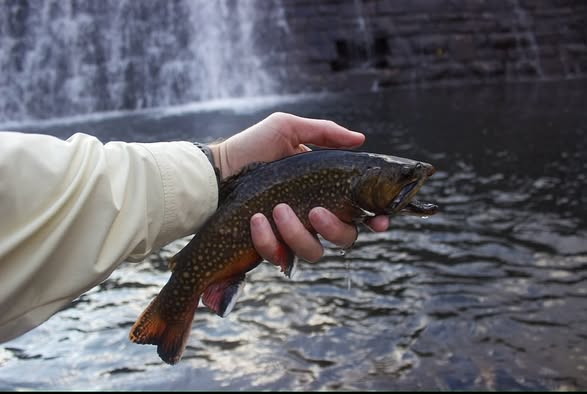
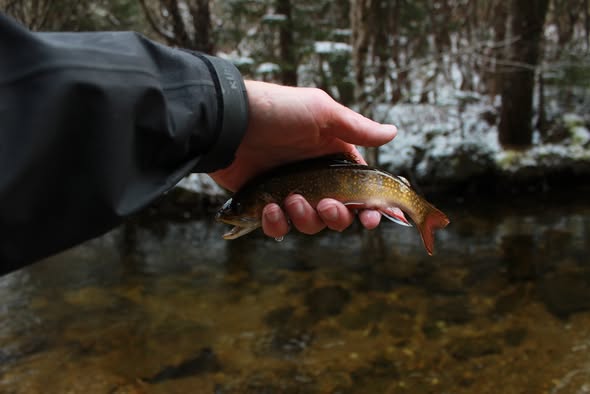
Brook Trout represent the crown jewel of North Carolina mountain fishing, and these native beauties demand precise casting to reach their hideouts in pocket water and undercut banks. These colorful fish rarely exceed 10-12 inches, but what they lack in size they make up for in beauty and wariness. Fall brings out their spawning colors—brilliant oranges and reds that make every fish a trophy. Brook trout are most active during cooler months and overcast days, and they require delicate presentations that won't spook them in the clear mountain water. Landing a native brook trout on a dry fly you've placed perfectly is one of fly fishing's purest rewards.
Smallmouth Bass are the scrappy fighters that make every cast worthwhile in Flat Rock's flowing waters. These bronze-backed battlers are notorious for their acrobatic fights, jumping repeatedly and making long runs that test your backing. They're most active from late spring through early fall, with fish typically running 12-16 inches but occasional specimens pushing 18+ inches. Smallmouth respond well to streamers and poppers, especially around rocky structure and current breaks. What anglers love about smallmouth is their willingness to hit topwater presentations—few things beat watching a smallie crash a popper in shallow water during the evening hatch.
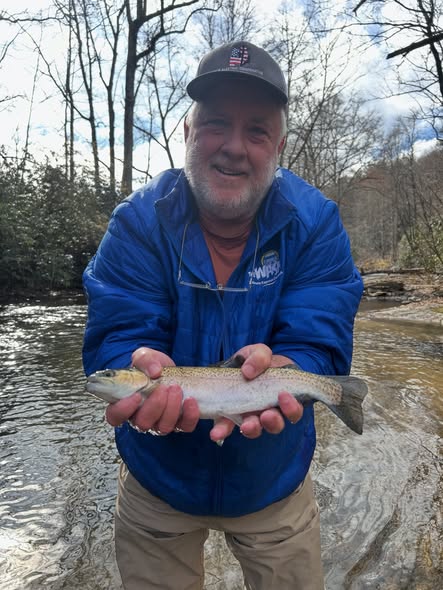
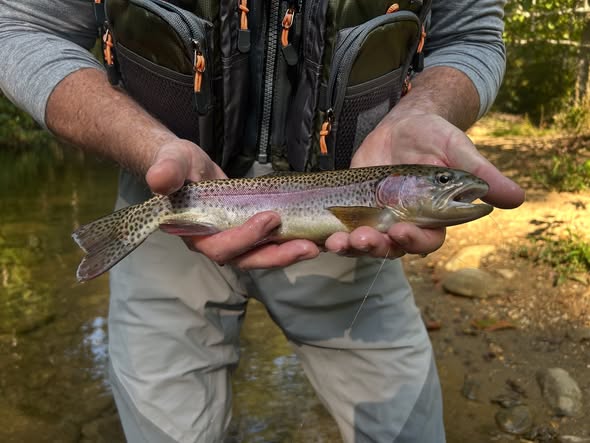
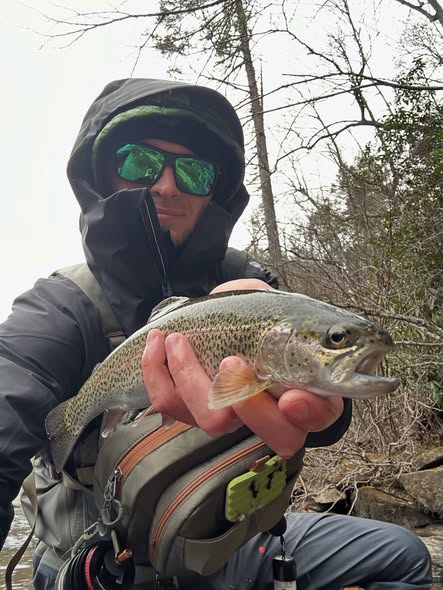
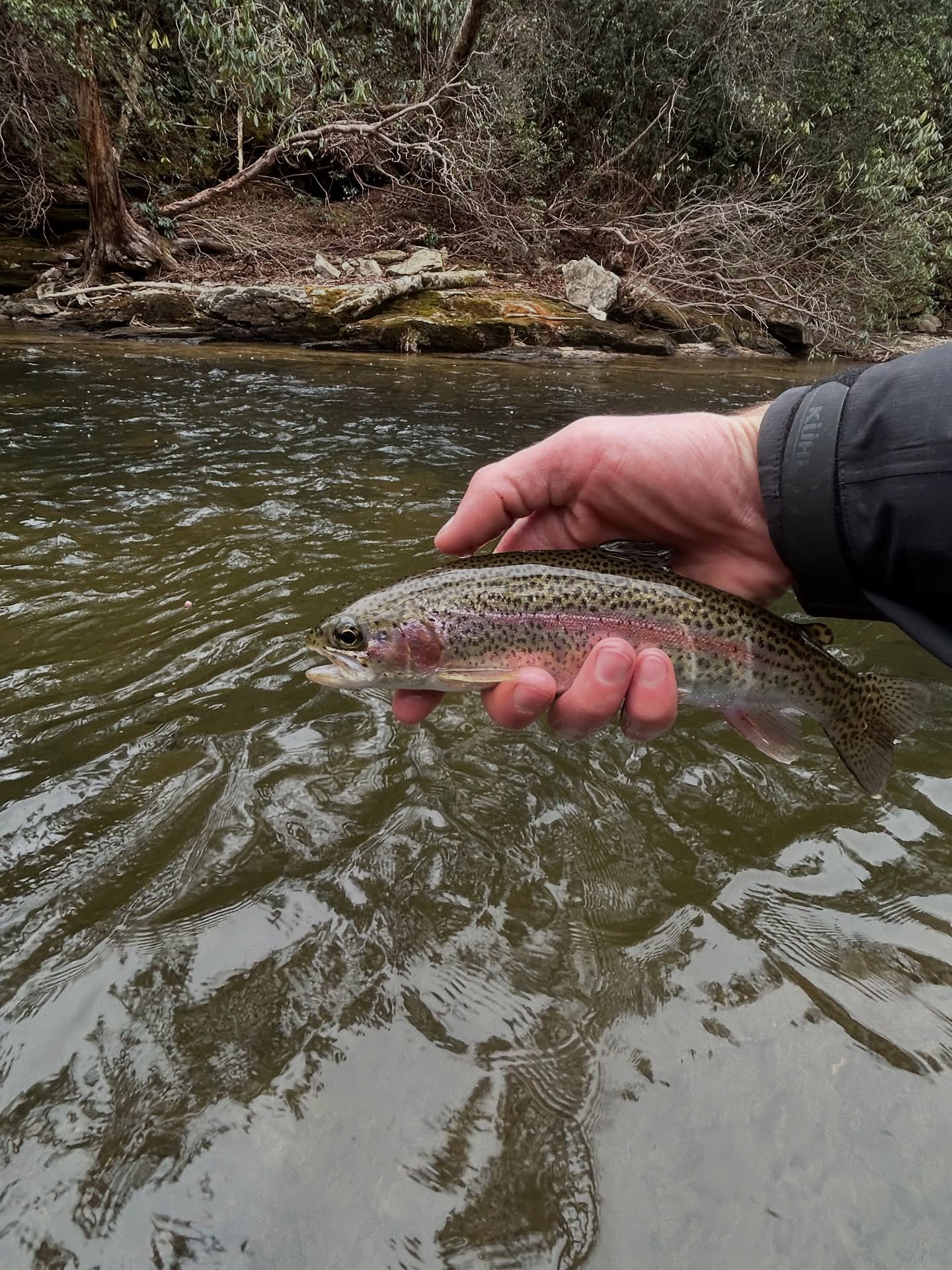
Rainbow Trout in these waters are beautiful, hard-fighting fish that respond to proper presentation and good casting technique. These colorful trout average 10-14 inches with occasional larger fish, and they're active year-round with peak feeding during spring and fall. Rainbows are less spooky than brook trout but more selective than you might expect, making them perfect for practicing the casting accuracy you'll develop in Captain Aidan's session. They love current and oxygen-rich water, often holding in runs and pools where precise casting is essential for success.
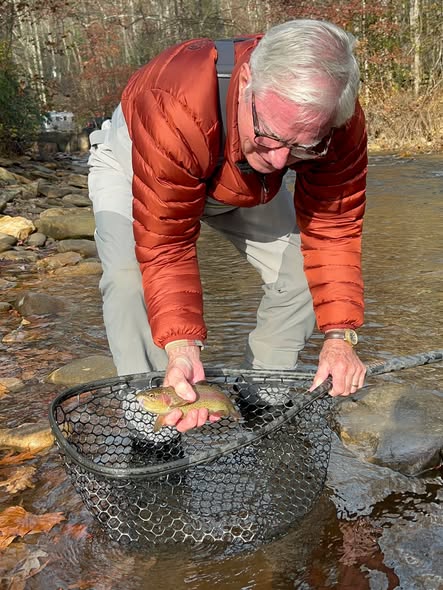
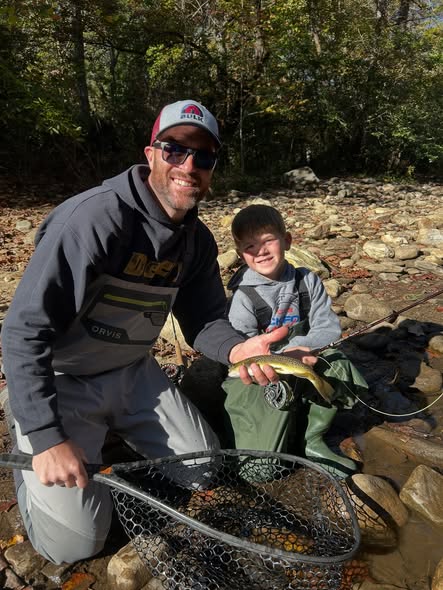
Brown Trout are the apex predators in many of Flat Rock's waters, with older fish becoming incredibly wary and selective. These golden-flanked fighters can live for years and grow substantial, with fish over 20 inches not uncommon in the better waters. Browns are most active during low-light conditions—early morning, evening, and overcast days. They're notorious for their powerful runs and head-shaking fights, often diving for cover in submerged logs or undercut banks. What makes brown trout special is their intelligence—they've seen every fly in the box, so presentation needs to be perfect. Landing a large brown trout requires both technical skill and patience, making them the ultimate test of everything you'll learn in your casting instruction.
Time to Book Your Spot
Good casting technique is the foundation that everything else in fly fishing builds on, and Captain Aidan's focused instruction gives you exactly what you need to succeed on any water you fish. This
 Shared Trip
 River Fishing
 undefined, undefined



 One-hour fly casting instruction with Captain Aidan Bloomfield