Half-Day Flat Rock Fly Fishing for Wild Trout
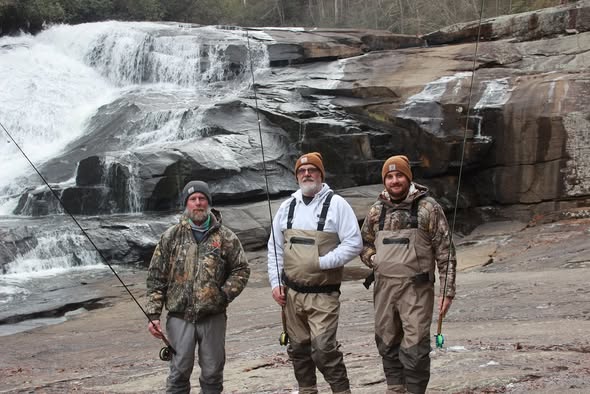
Looking to get into some solid mountain trout fishing without committing to a full day on the water? Captain Aidan Bloomfield's afternoon guided trips out of Flat Rock hit that sweet spot perfectly. You'll spend quality time working productive runs and pools on some of Western North Carolina's most respected trout waters, including the Davidson, Tuckasegee, and Nantahala rivers. This isn't about hauling in coolers full of fish – it's catch-and-release fly fishing focused on reading water, perfecting your presentation, and connecting with wild trout in their mountain habitat.
What to Expect on the Water
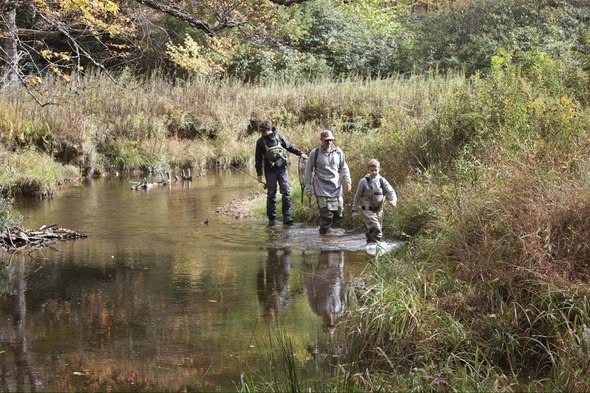
These afternoon sessions kick off when the sun starts getting lower and the fish begin moving more actively. Captain Aidan picks your fishing spot based on current conditions, water levels, and what's been producing lately. You might find yourself working pocket water on the Davidson where brookies hide behind every boulder, or casting to rising browns in the deeper pools of the Tuckasegee. The beauty of fishing with a local guide who knows these systems inside and out is that you're always fishing where the action is happening. Expect to cover different types of water throughout the trip – fast riffles, deep pools, undercut banks, and those magical transition zones where trout love to feed. This is wade fishing at its finest, so you'll be getting your feet wet and really experiencing the river.
Flies and Techniques
Captain Aidan focuses heavily on technique, which means you'll learn why certain flies work in specific situations rather than just going through the motions. Depending on the season and hatch activity, you might be dead-drifting nymphs through deep runs, swinging wet flies in the current, or working dry flies to rising fish during evening hatches. The guide provides all flies and knows exactly what patterns have been working on each river system. You'll get hands-on instruction with reading water, mending line, and presenting flies naturally. Whether you're throwing a size 18 Blue-Winged Olive or a weighted stonefly nymph, the emphasis is always on making that fly look like the real deal. These mountain streams demand precise presentations, and Aidan breaks down the techniques that separate successful days from frustrating ones.
Species You'll Want to Hook
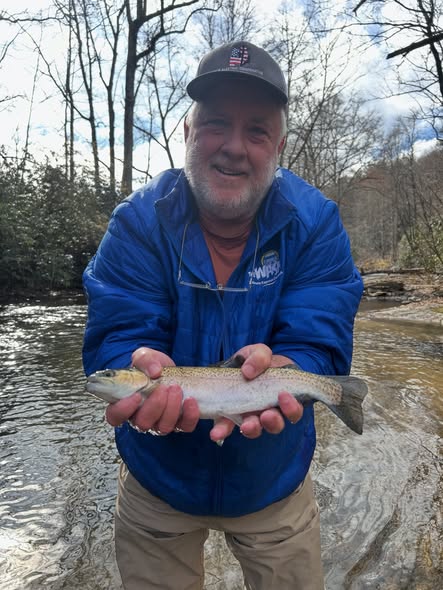
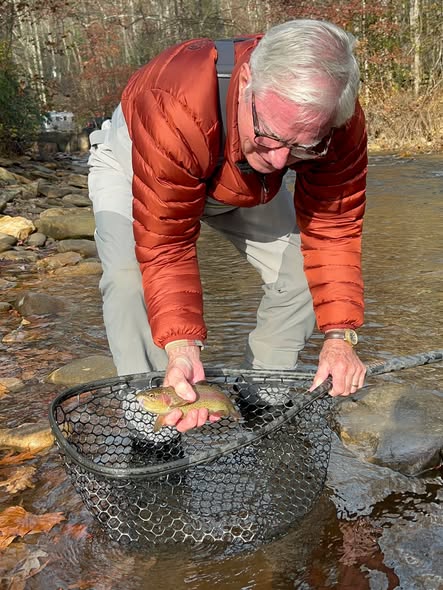
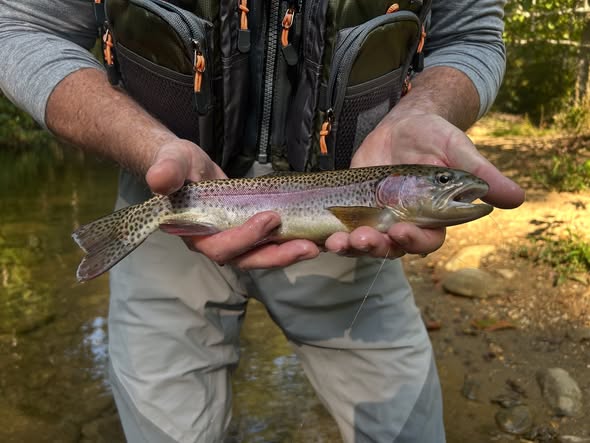
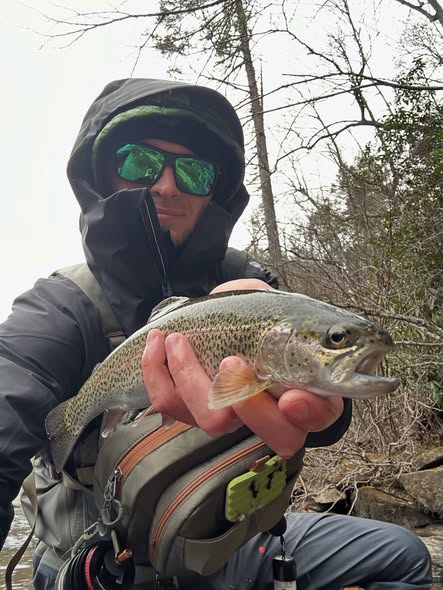
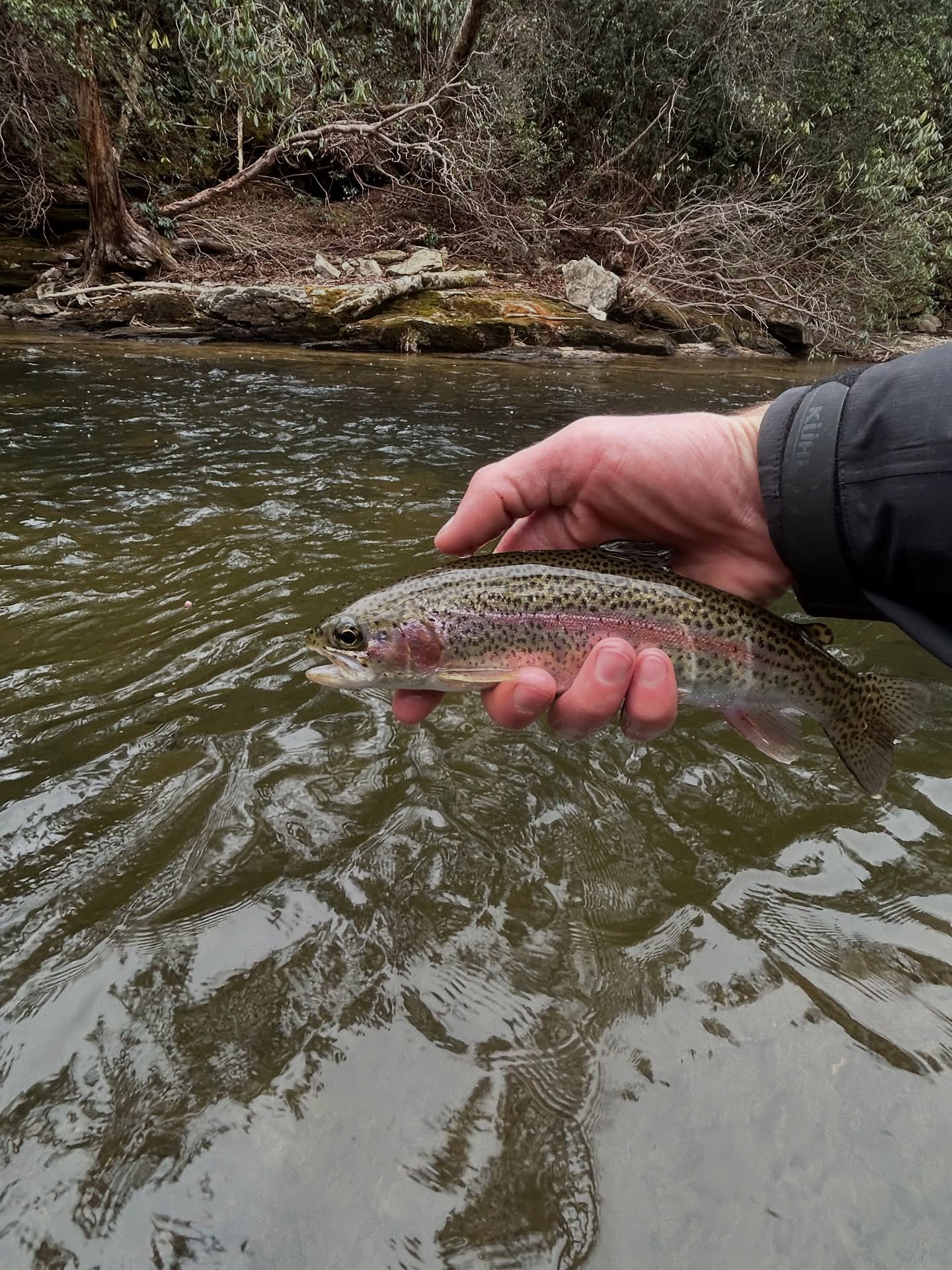
Rainbow trout are the bread and butter of these mountain rivers, and for good reason. These wild fish are scrappy fighters that'll test your drag system and give you some memorable runs. In the Davidson and Nantahala systems, rainbows typically run 8-14 inches, but don't let the size fool you – a 12-inch wild rainbow in fast current fights like a fish twice its size. Spring and fall offer the best action, when cooler water temperatures keep these fish active throughout the day. What makes catching them so rewarding is their willingness to take both dry flies and nymphs, plus they're absolutely beautiful with those distinctive pink stripes.
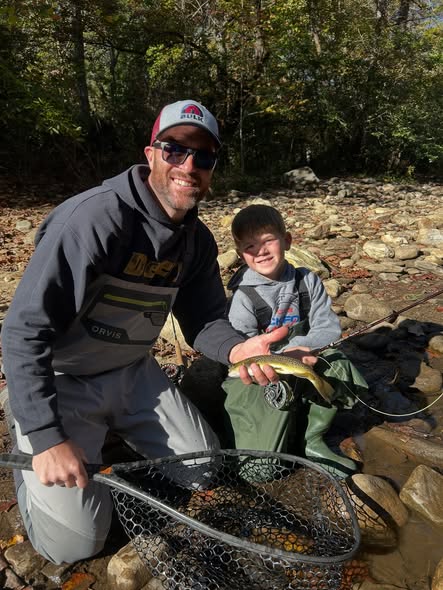
Brown trout are the smart money fish that keep even experienced anglers humble. These European transplants have adapted perfectly to North Carolina's mountain streams and tend to be more selective about what they'll eat. Browns often hold in the deepest, most protected spots and can be tough to fool, but when you connect with a good one, you'll understand why they're so highly regarded. Fall is prime time for browns as they become more aggressive heading into their spawning season. They'll hit streamers aggressively and put up a bulldogging fight that's completely different from the acrobatic rainbows.
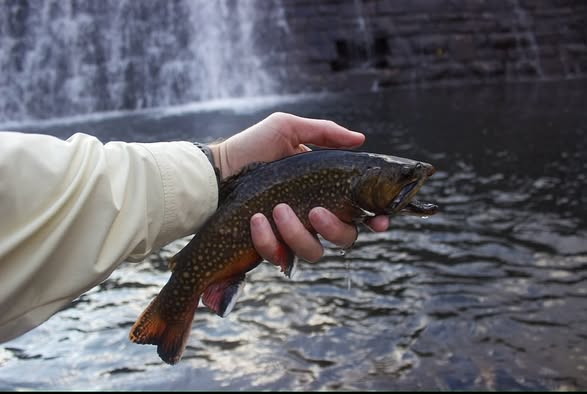
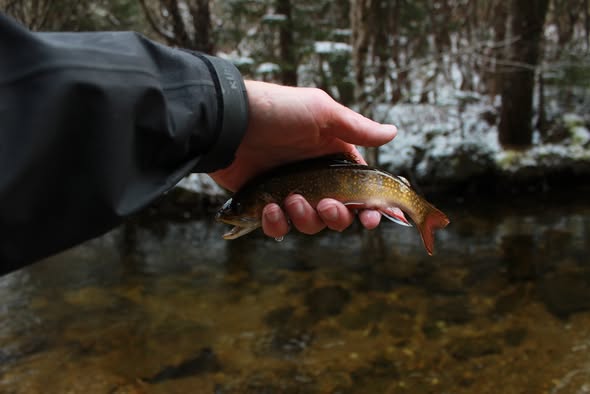
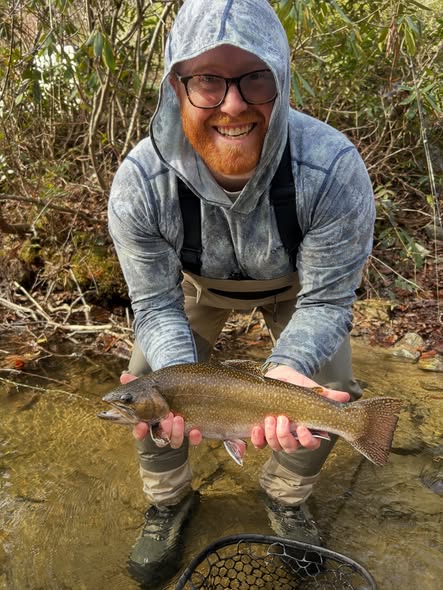
Brook trout represent the true natives of these mountains, and catching one is like connecting with the original spirit of Appalachian fishing. These char prefer the higher elevation streams and smaller tributaries, where the water stays cold year-round. Brookies are typically smaller than rainbows and browns, but their beauty is unmatched – those white-edged fins and vermiculated backs are pure art. They're also the most willing to take dry flies, making them perfect for anglers who love surface action. Spring and early summer offer the best brook trout fishing when water levels are stable and insect activity peaks.
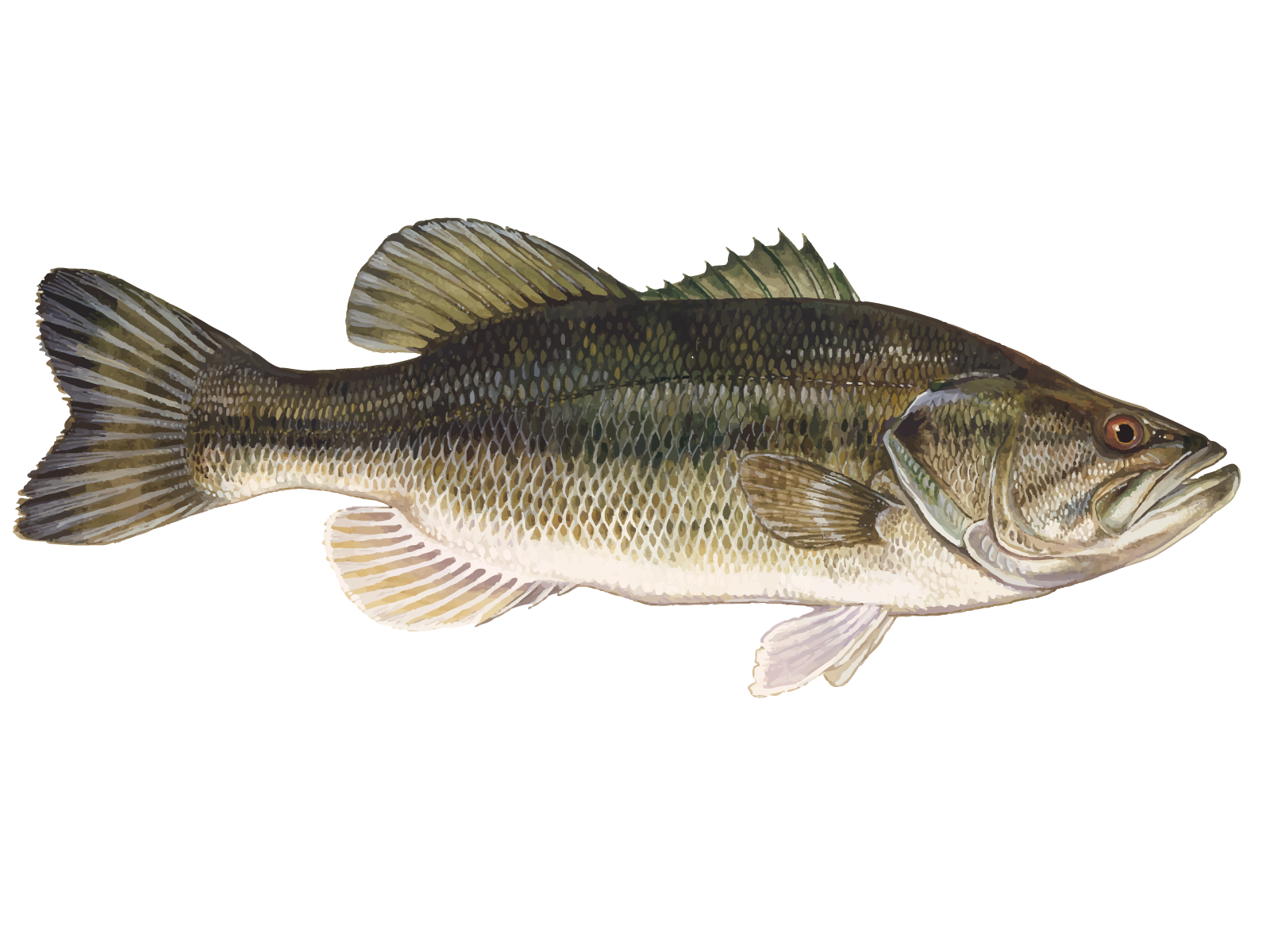
Largemouth bass show up in the slower, warmer sections of these river systems, particularly where tributaries create deeper pools and slack water areas. While you're primarily targeting trout, don't be surprised if a decent largemouth smashes your streamer in the right conditions. These bass are typically more active during warmer months and provide a nice change of pace from the delicate trout fishing. They hit hard and fight dirty, which keeps things interesting when you're working the transition zones between fast and slow water.
Smallmouth bass are the wildcards of these mountain river systems, showing up in rocky areas where the current creates good structure and oxygen levels stay high. They're incredibly strong fighters that prefer crawfish patterns and larger nymphs. Summer months bring the best smallmouth action, when these bronze-backed fighters are most active and aggressive. Landing a quality smallmouth on fly tackle in moving water is one of those experiences that'll have you grinning for hours afterward.
Time to Book Your Spot
This half-day format works perfectly for anglers who want quality instruction and fish time without the full-day commitment. You'll come away with improved technique, better water-reading skills, and hopefully some great memories of wild trout in beautiful mountain settings. Captain Aidan's local knowledge and focus on catch-and-release ethics ensure you're getting both a productive fishing experience and a deeper appreciation for these special waters. Western North Carolina's trout fishing is world-class, and there's no better way to experience it than with a guide who knows every pool, riffle, and undercut bank. Book your afternoon trip and discover why so many anglers consider these mountain rivers some of the finest trout water in the Southeast.
 Private Trip
 River Fishing
 undefined, undefined



 Half-day afternoon fly fishing trip in Flat Rock, NC