Half Day Inshore Charter Trip
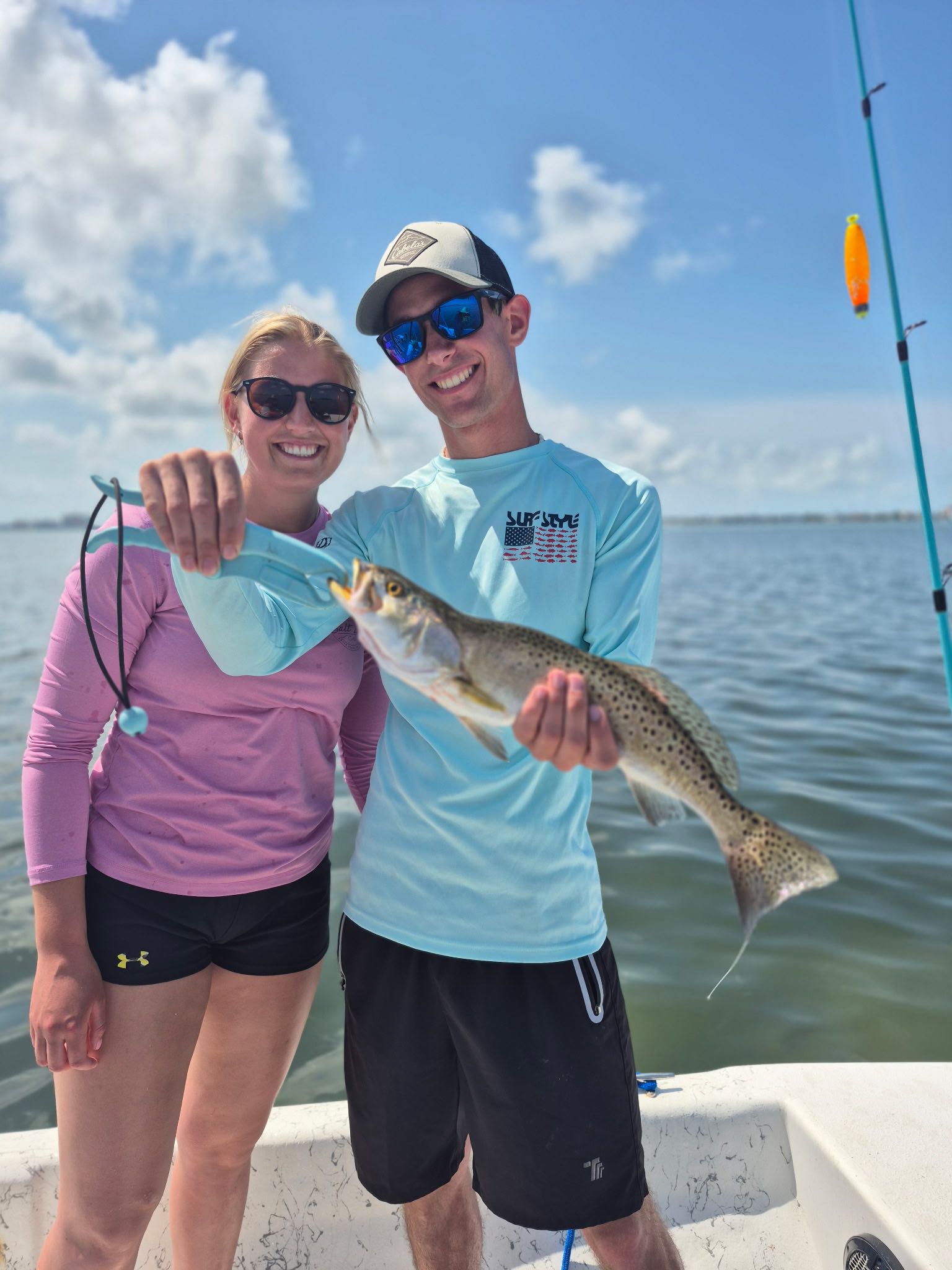
Looking for a perfect morning on the water that won't eat up your whole day? Captain Jake Nickol's half-day inshore charter delivers exactly what you're after. This top-rated 4-hour fishing adventure kicks off at 8:00 AM and targets some of the most sought-after inshore species in shallow, protected waters. Whether you're bringing the kids for their first fishing experience or you're a beginner wanting to learn the ropes without pressure, this trip strikes the perfect balance between action and education. With Jake's patient teaching style and deep local knowledge, you'll be working light tackle in calm conditions while chasing Snook, Redfish, Spanish Mackerel, Gag Grouper, and even the occasional Tarpon.
What to Expect on the Water
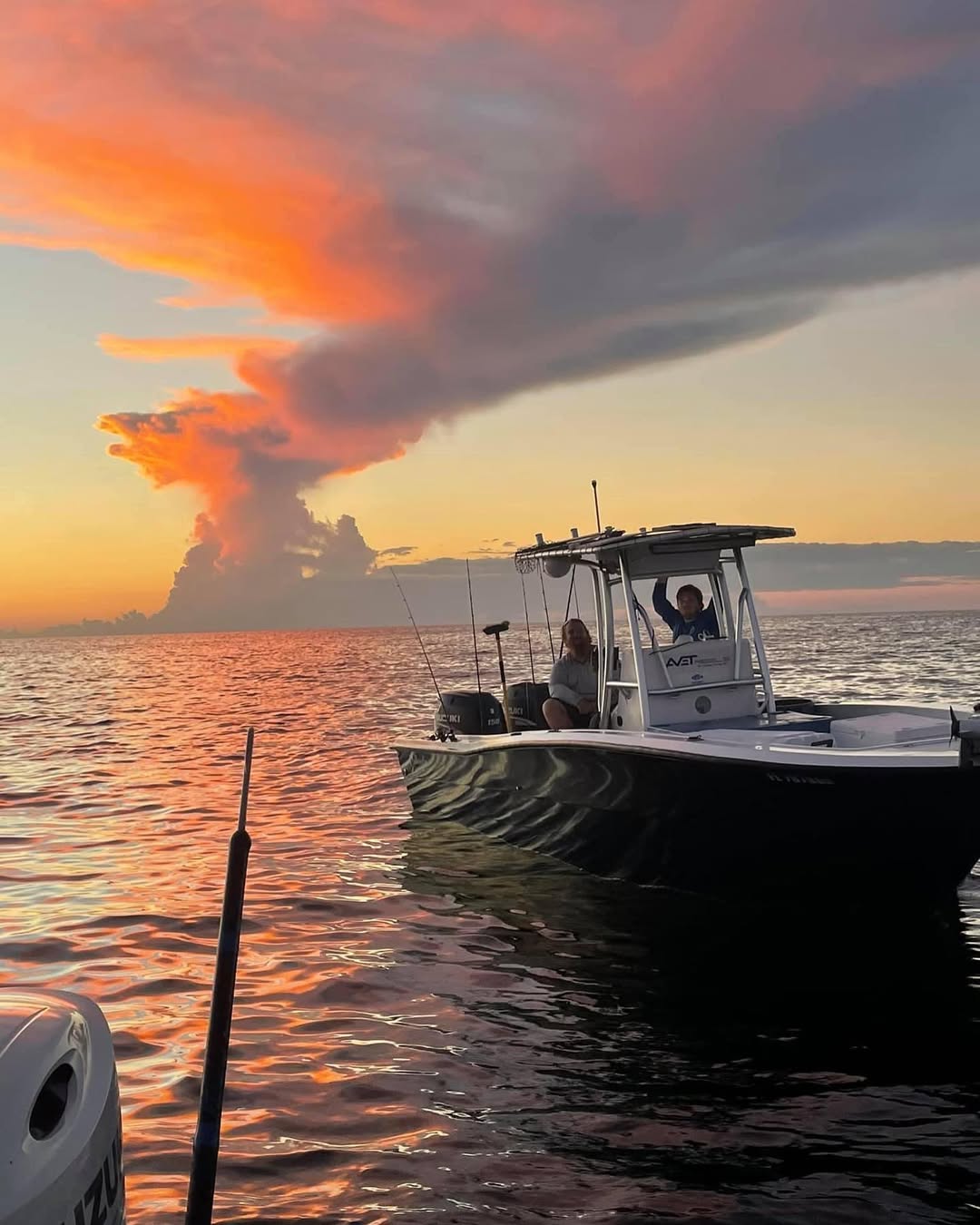
Your morning starts aboard Jake's comfortable 24-foot center console—built for inshore work and designed to get you into those skinny water spots where the fish love to hang out. The boat handles beautifully in shallow areas, and with room for up to 2 guests, you'll have plenty of space to move around and cast without bumping elbows. Jake provides all the gear you'll need, from rods and reels perfectly matched to the target species, to fresh bait and a tackle box full of proven lures. The beauty of inshore fishing lies in its accessibility—you're not dealing with rough seas or long boat rides. Instead, you're working mangroves, grass flats, and structure in protected waters where fish feed aggressively and fights happen in clear, shallow water where you can actually see the action unfold.
Light Tackle Techniques
Inshore fishing is all about finesse and reading the water, and Jake excels at teaching both. You'll be using light spinning tackle that lets you feel every bump and tap, making even smaller fish feel like worthy opponents. Techniques vary depending on what's biting—you might be casting live shrimp under popping corks near oyster bars for Redfish, or working soft plastics along grass edges for Snook. Jake's approach focuses on understanding fish behavior rather than just throwing lines in the water. He'll show you how to read bird activity, spot baitfish schools, and identify the subtle water color changes that indicate feeding zones. The shallow water environment means you can actually watch fish follow your bait, creating visual excitement that deep-water fishing simply can't match. Live bait fishing with shrimp, pinfish, and pilchards produces consistent results, while artificial lures add an element of skill development that keeps the learning curve engaging.
Customer Stories
"Jake is very knowledgeable and loves what he does, we had a great time, great with kids and made sure everyone caught some fish" - Jon
Species You'll Want to Hook
Spanish Mackerel are the perfect starter fish for this charter—aggressive, abundant, and always ready to hit a moving bait. These sleek predators average 1-3 pounds and fight with surprising strength for their size, making long runs and acrobatic jumps that get everyone excited. They're most active during cooler months and early morning hours, which aligns perfectly with your 8 AM start time. Spanish Mackerel school heavily around baitfish, so when you find one, you've usually found many. They hit fast-trolled spoons, live shrimp, and small jigs with reckless abandon, making them ideal confidence builders for nervous first-timers.
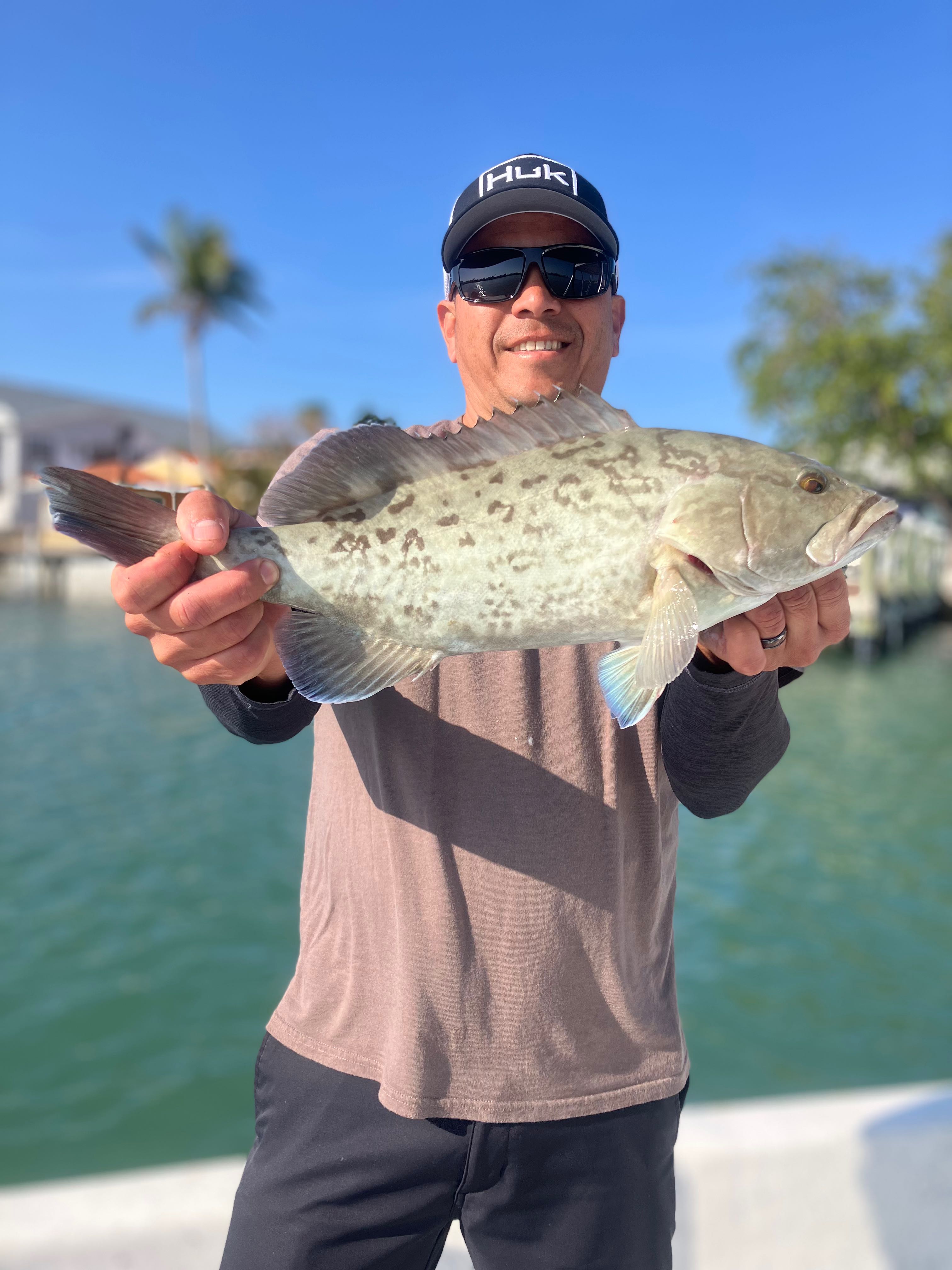
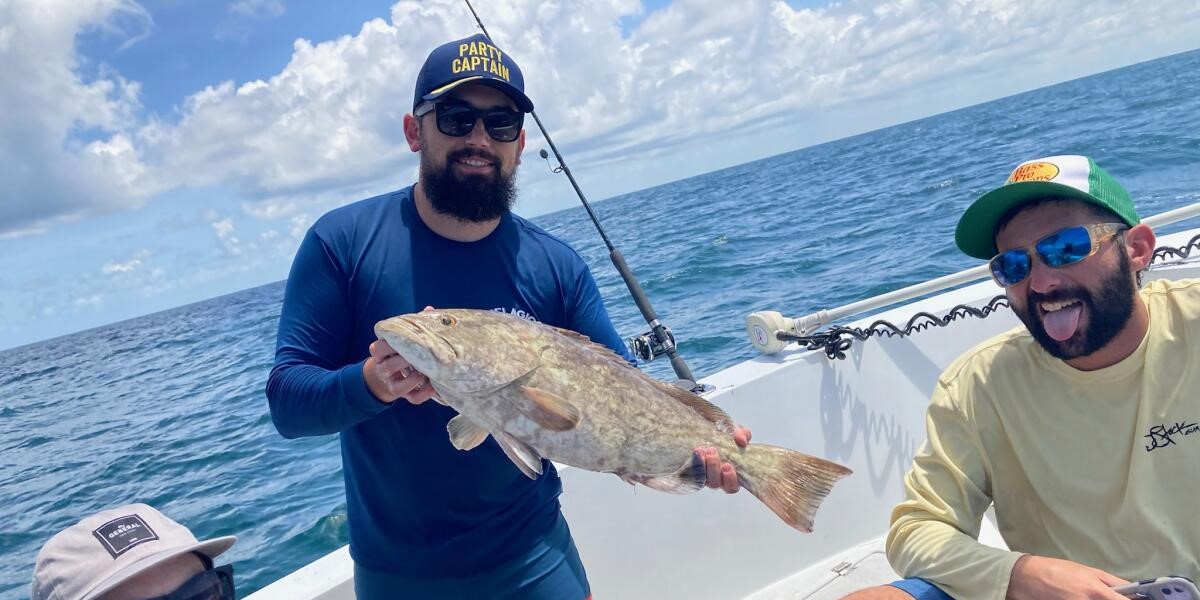
Gag Grouper represent the heavyweight division of your target species, typically running 3-8 pounds in inshore waters with the occasional teenager showing up to test your drag system. These bottom-dwelling bruisers love structure—rocky outcroppings, artificial reefs, and hard bottom areas where they ambush prey. Gags are notorious for their powerful initial runs straight back to cover, creating heart-stopping moments when you're wondering if your line will hold. They're excellent table fare and provide that satisfying bend-the-rod experience that makes for great photos. Peak action typically occurs during moving tides when baitfish get pushed around structure.
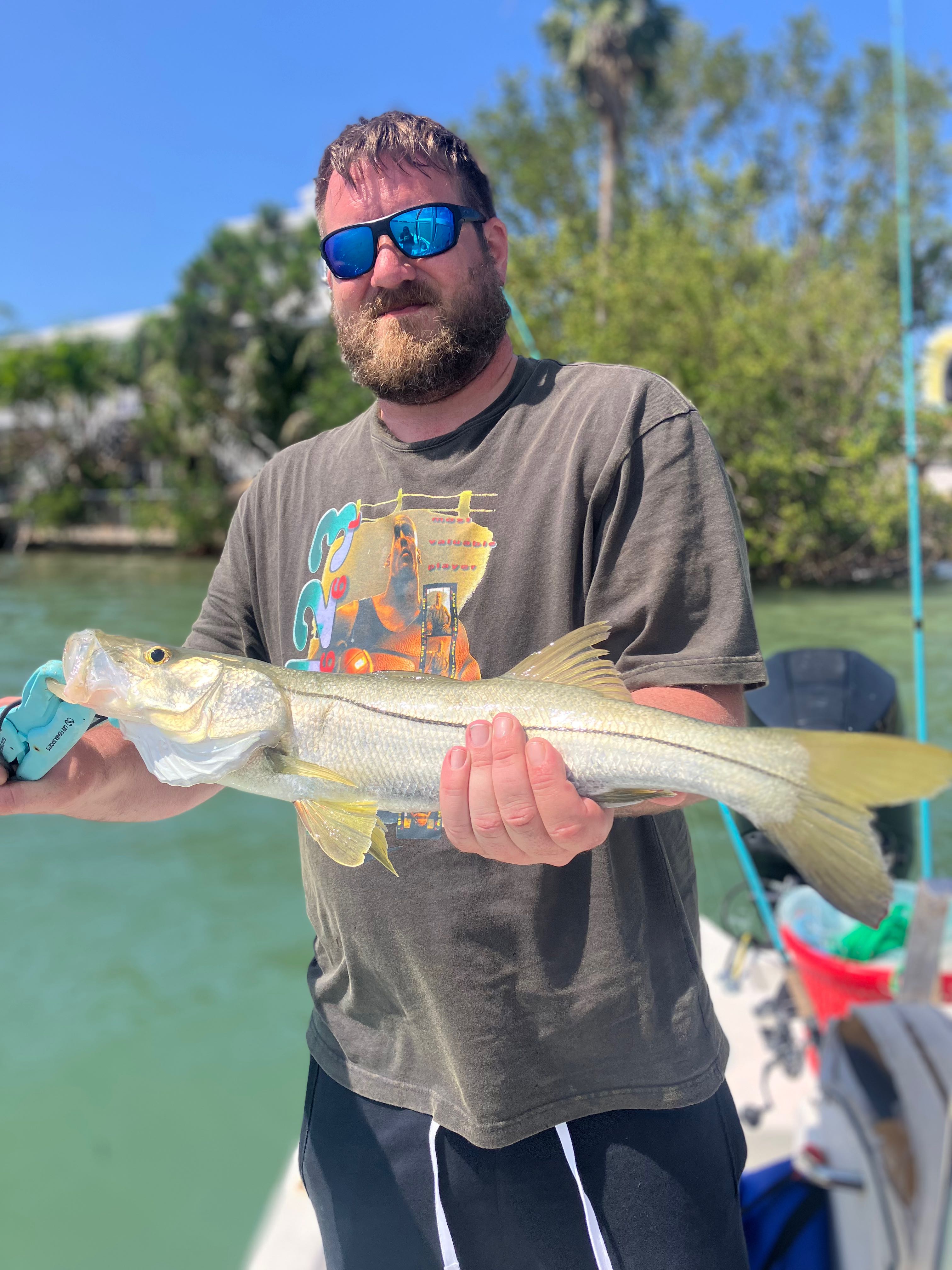
Snook are the crown jewel of inshore fishing—smart, strong, and absolutely beautiful with their distinctive black lateral line and golden flanks. These ambush predators love mangrove shorelines, docks, and bridges where they hide in shadows waiting for unsuspecting prey. Snook fishing requires patience and precision since they're incredibly structure-oriented and known for their ability to cut you off in the roots. When hooked, they make blistering runs and gill-rattling jumps that test both your equipment and nerves. They're catch-and-release only during certain seasons, but the thrill of landing one makes it a bucket-list experience regardless.
Tarpon, even the juvenile "peanut" variety you'll encounter inshore, are pure excitement in fish form. These silver kings are famous for their spectacular aerial displays—multiple jumps, gill rattles, and death rolls that create memories lasting far beyond the fishing trip. Baby Tarpon typically run 10-30 pounds but fight like fish twice their size. They prefer deeper holes in flats, channels with moving water, and areas where fresh and salt water mix. Hooking a Tarpon transforms a quiet morning into an adrenaline-pumping battle that often attracts attention from other boats wondering what all the commotion is about.
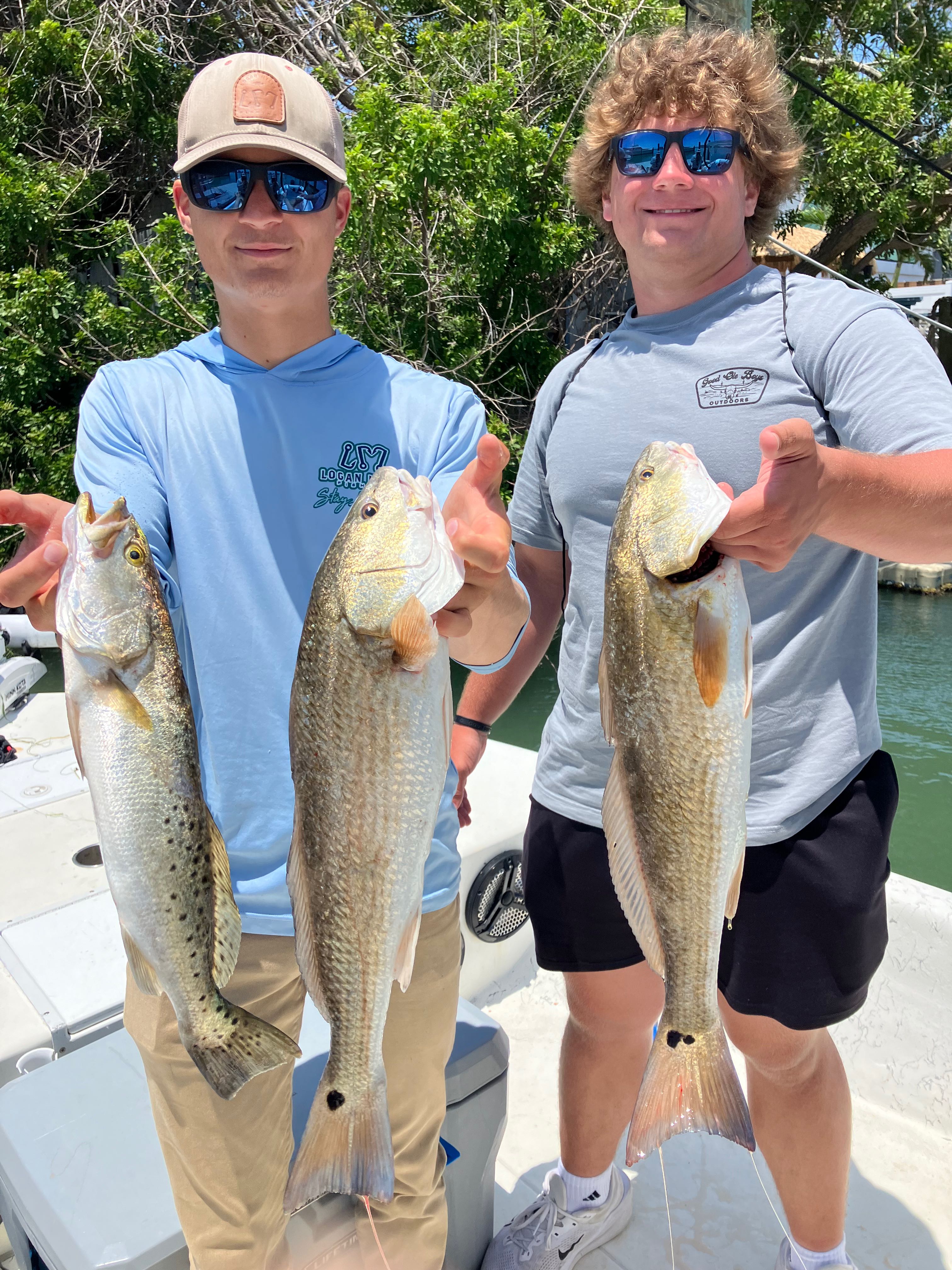
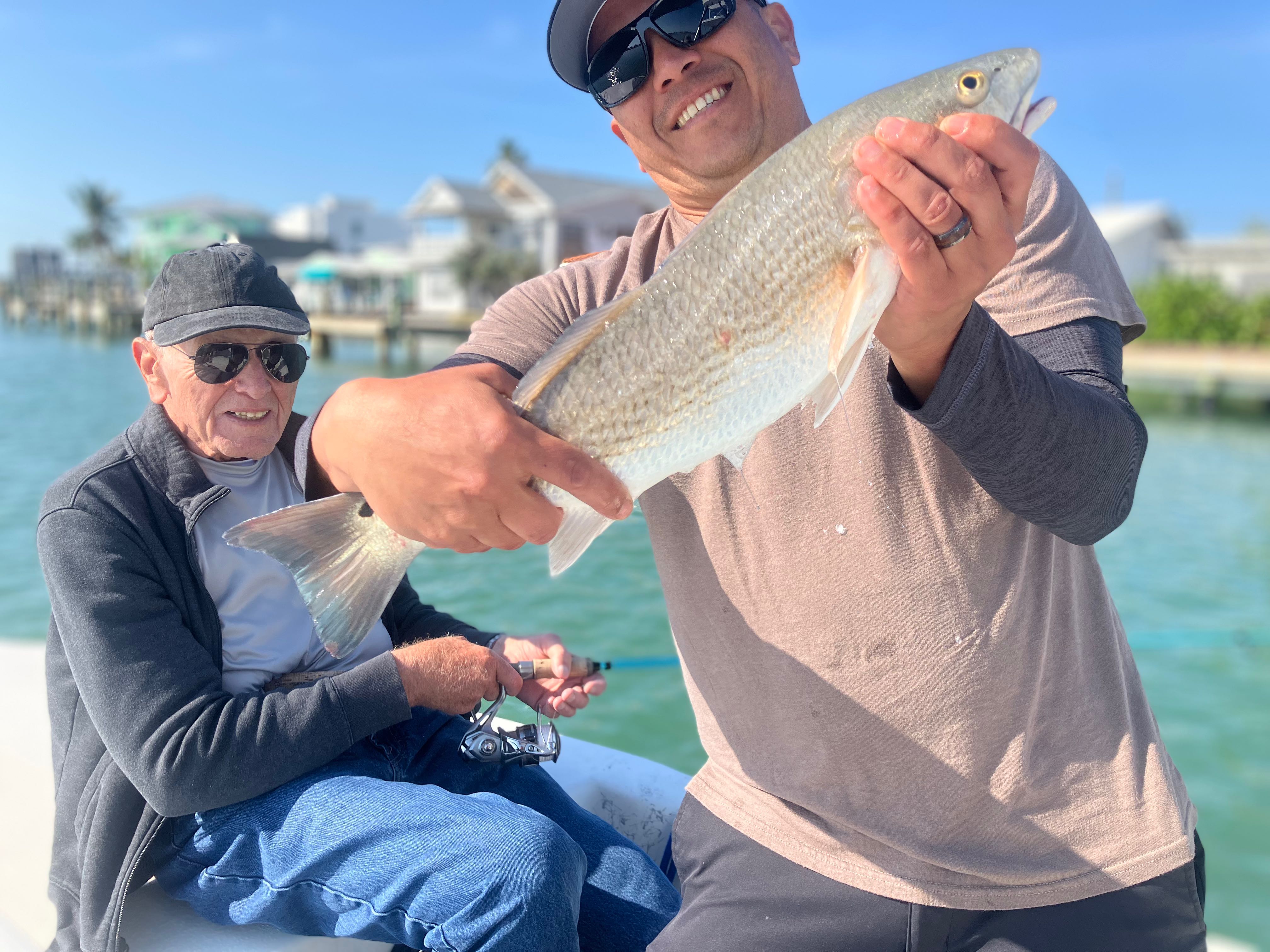
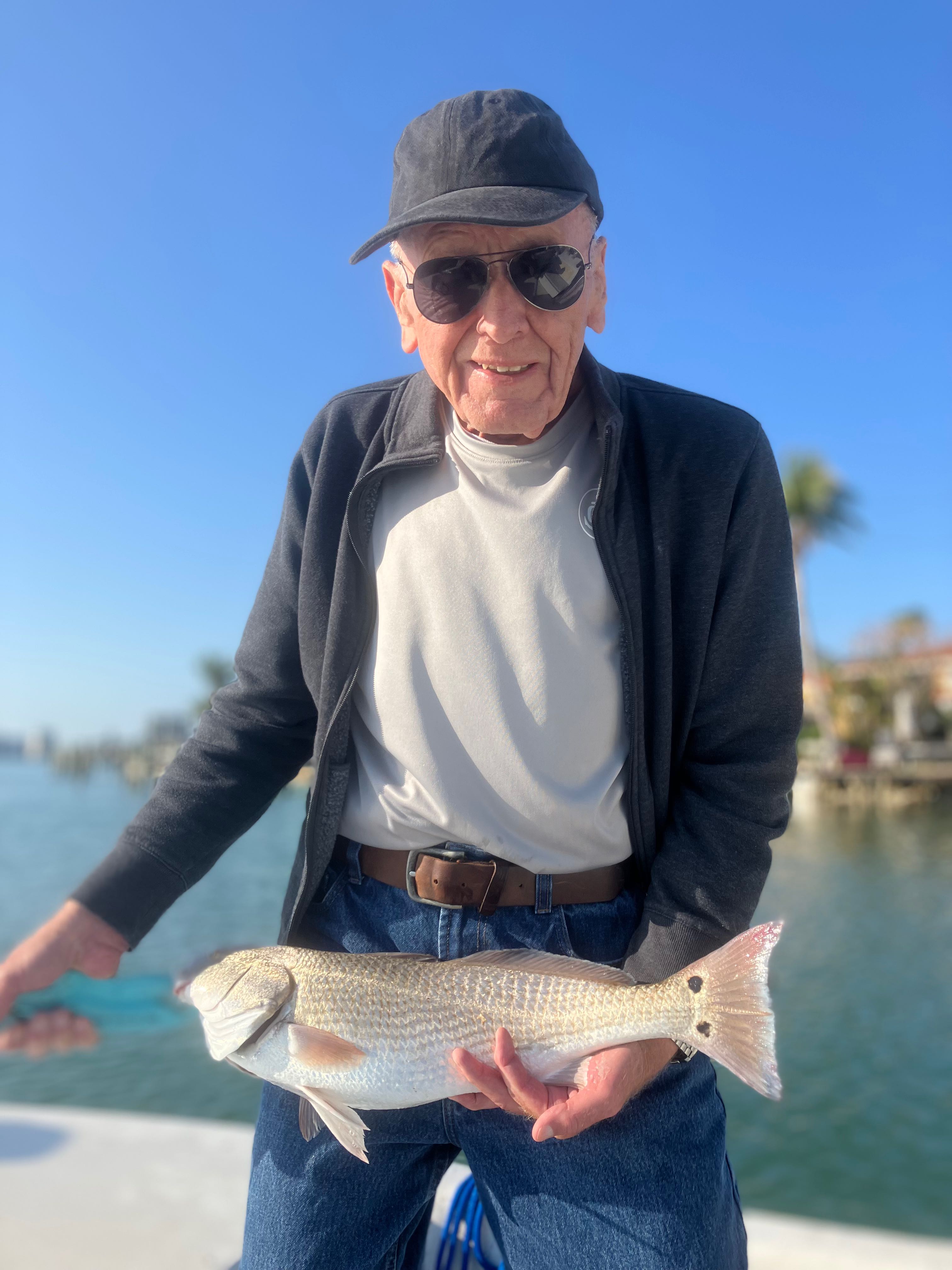
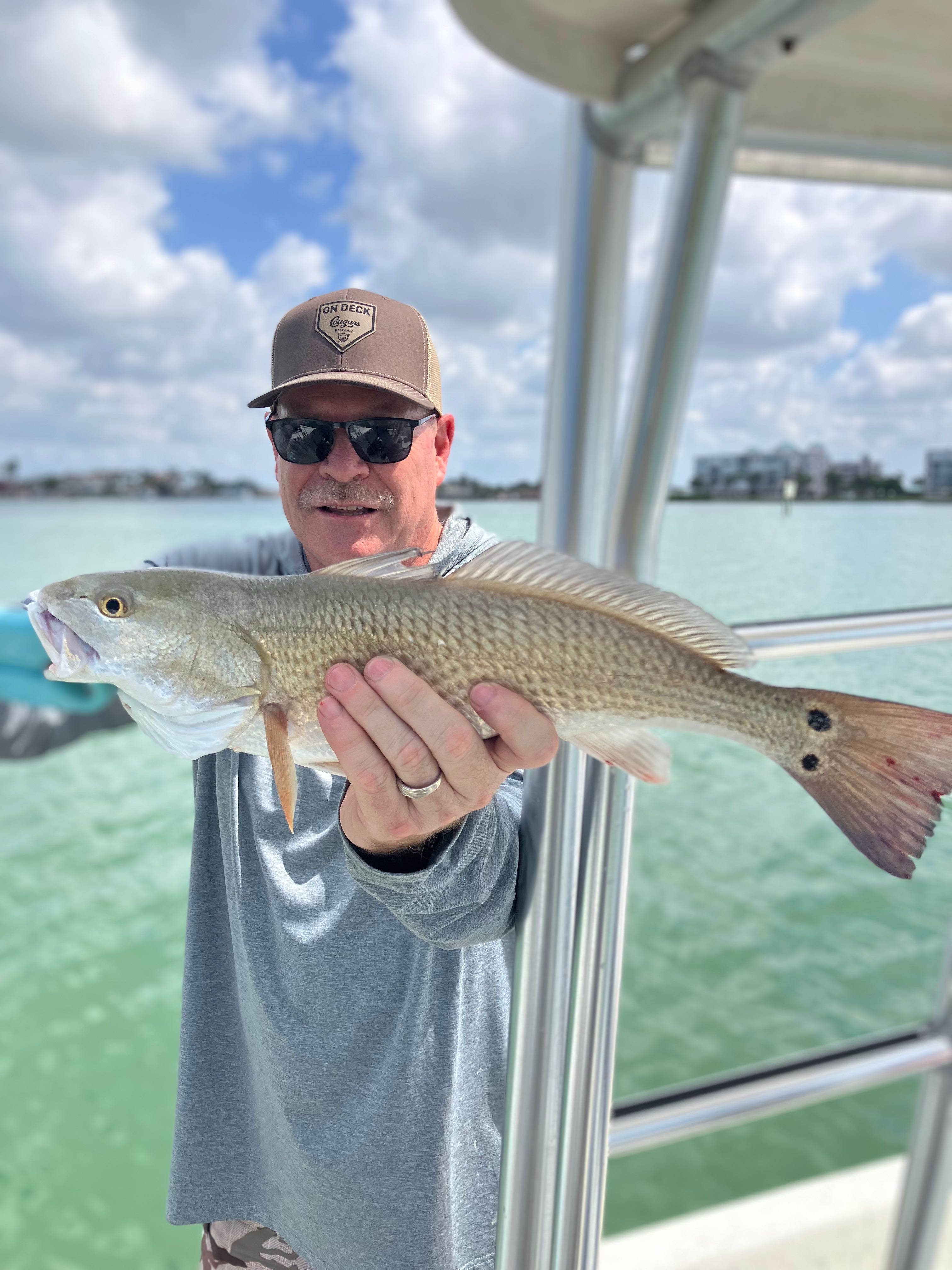
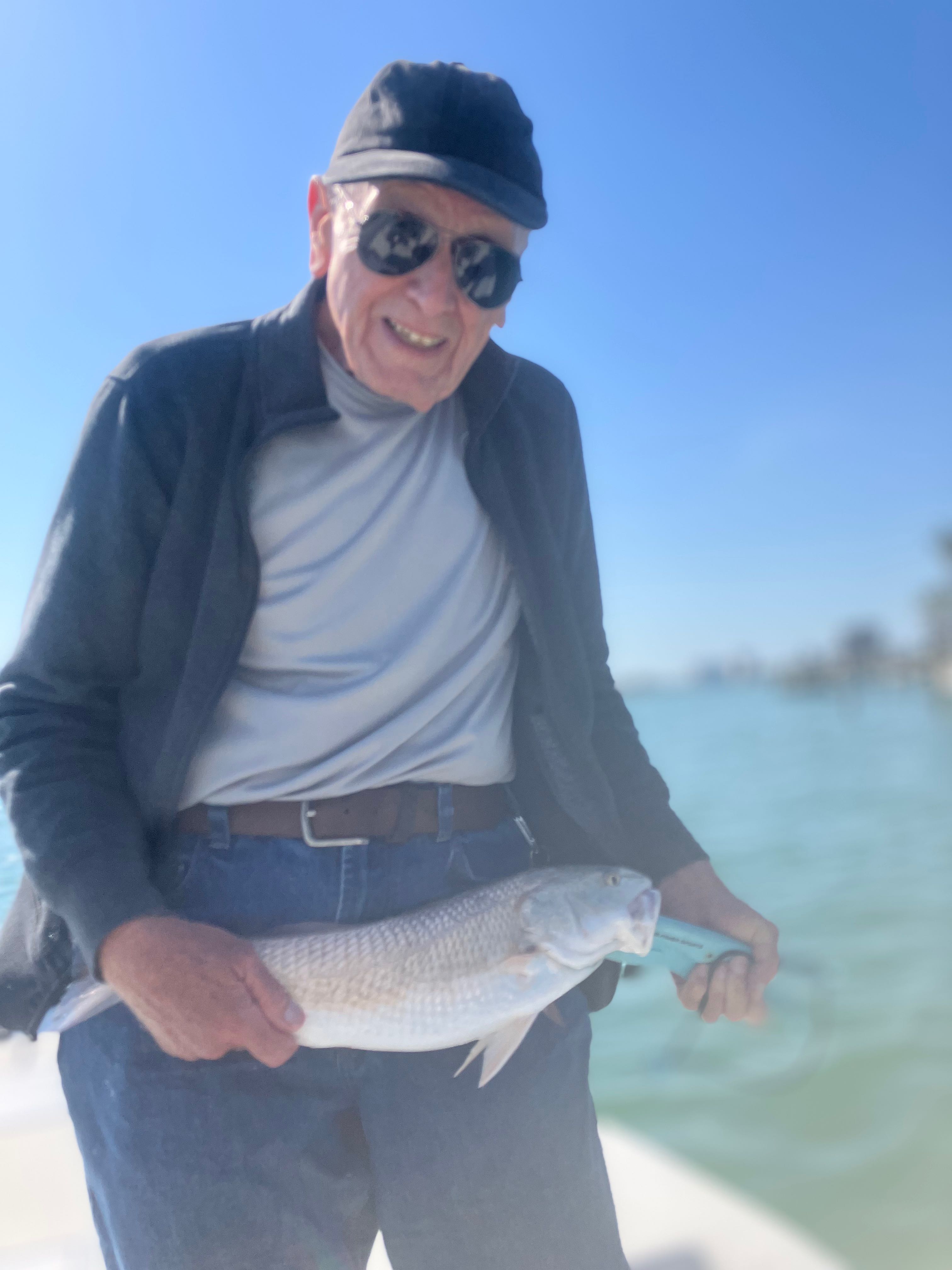
Redfish are the steady producers of inshore fishing—bronze-colored bulldogs that fight hard and eat almost anything you throw at them. These copper-sided beauties average 18-27 inches in slot size, with their distinctive black spot near the tail making them instantly recognizable. Reds love shallow water, often feeding in areas so skinny you can see their backs breaking the surface. They're not picky eaters, readily taking live shrimp, cut bait, and artificial lures. What makes Redfish special is their tendency to school up, meaning when you find one, there are usually more nearby. Their powerful
 5.0(1 Reviews)
 Private Trip
 Inshore Fishing
 Clearwater


 Four-hour morning trip targets Snook, Redfish, and Grouper